
The Number One Culprit: Improper Head Positioning and Facial Framing
Before listing every possible photo pitfall, it helps to know which one causes the most damage. The most common reason U.S. passport photos are rejected is improper head positioning and facial framing. This single issue outranks background errors, lighting problems, and even glasses in terms of frequency.
Even when lighting and background are correct, incorrect framing alone is enough to cause rejection. The Department of State requires your head to fill a very specific portion of the frame, and most people misjudge it. Biometric systems measure the distance between your facial features, so even a 2mm deviation outside the acceptable range can cause a rejection.
Your head, from chin bottom to crown top, must measure between 1 inch and 1-3/8 inches within the 2×2-inch frame. That’s a narrow window: your head needs to fill 50-69% of the frame vertically. Too much smaller or larger, and automated systems reject immediately.
Why Selfies Keep Failing
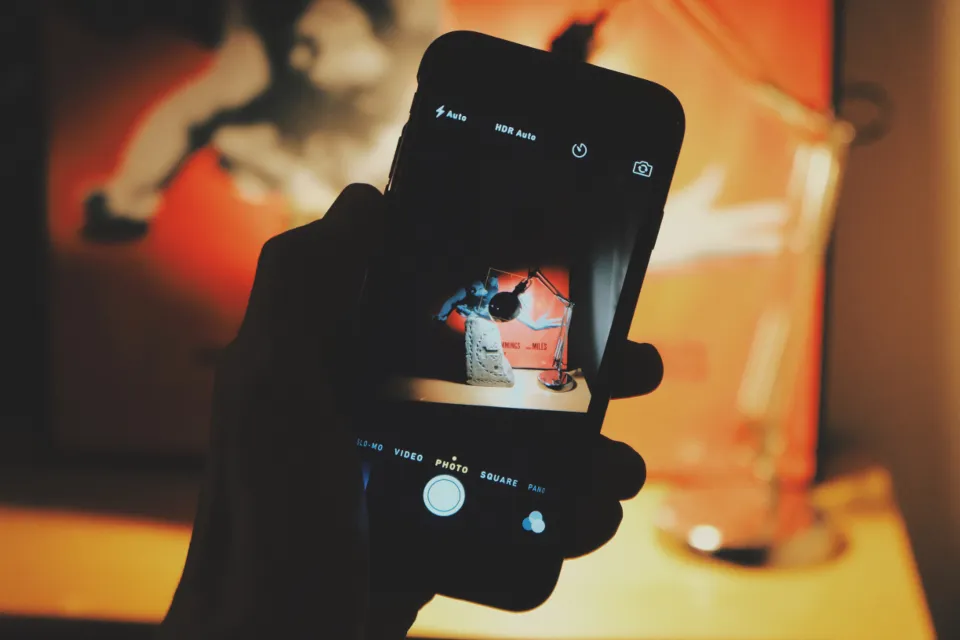
Professional passport photo services are strongly recommended, as self-taken smartphone photos now account for approximately 40% of all rejections. The appeal of doing it yourself at home is understandable, but the results are routinely problematic.
It’s nearly impossible to hold the camera perfectly level and at eye height while also looking natural. Even a very slight upward tilt, common in selfies, distorts the geometry enough for automated systems to flag it. The wide-angle lens on most phones also makes your head appear smaller than it really is, pushing the photo outside the acceptable head-size range.
Smartphone selfies are the number one cause of passport photo rejections according to biometric security researchers. Selfies often have distortions from camera angles, poor lighting, and incorrect dimensions. These are compounding errors, not isolated ones.
The Background Problem More People Overlook
U.S. passport photos require a plain white or off-white background with no shadows, patterns, or objects visible. This sounds easy enough, yet background errors account for a significant slice of all rejections. According to PixID’s data, wrong background is the top failing category, accounting for roughly 31% of photo rejections.
A white wall under incandescent or warm LED lighting often photographs as cream or yellow. Daylight-balanced light, such as facing a window in natural daylight, gives you the truest white. Many people simply don’t realize their “white” wall reads as something else entirely on camera.
Cluttered or patterned backgrounds, including wood paneling, patterned wallpaper, furniture, or any object visible in the frame, cause automatic rejection. If you’re shooting at home, clear the space behind you more thoroughly than you think necessary.
Shadows: The Silent Disqualifier
Any shadows on your face or neck will cause passport photo denial. This is one of those requirements that feels easy to meet but is genuinely tricky to control without proper lighting equipment. In 2024, poor lighting was cited as a contributing issue in roughly 46% of rejected applications.
A shadow across your cheek changes the apparent shape of your face by 10-15%, potentially causing problems at border crossings years later when your appearance is compared against the photo. This isn’t just a cosmetic issue. It has real downstream consequences for biometric matching.
This is where most home attempts fail. Professional passport photo services use multiple calibrated lights positioned specifically to eliminate shadows, and it’s not something you can easily replicate with household lamps. Keeping a distance of at least two feet from your background and using front-facing natural light are the most practical fixes if you’re shooting at home.
Glasses: An Automatic Rejection Since 2016
Wearing glasses has been grounds for automatic rejection since 2016. Despite this, it remains one of the most frequently cited reasons for passport photo refusals. The rule applies regardless of whether the glasses are prescription, tinted, or clear.
The reason is straightforward. Glasses create reflections, shadows, and glare that interfere with facial recognition algorithms. Wearable accessories, including glasses, lenses, and similar items, must not produce any glare. Even a slight reflection off lenses can trigger a rejection flag.
If you wear glasses every day and are accustomed to being photographed in them, this can feel like an odd requirement. Still, the rule has been in place for a decade now, and it applies universally. Remove them before the photo, and you’ll avoid one of the simplest and most preventable rejection reasons on the list.
AI Filters and Digital Editing: The Newest and Strictest Rule
The State Department first banned AI enhancement and beauty filters in 2024, then significantly expanded the rule in January 2026 to explicitly prohibit AI-generated photos entirely. As of January 2026, the State Department now rejects any photo that has been generated, enhanced, or modified using artificial intelligence tools.
The automated review system was significantly updated in 2024-2026 specifically to address the proliferation of AI photo tools. Even subtle phone-level AI smoothing is detectable. Portrait mode, beauty mode, skin-smoothing filters, and background-blur effects all fall under this prohibition.
The new automated screening systems can detect even subtle digital alterations that previous manual reviews might have missed. This is a category that will likely continue to tighten, given how rapidly AI photo tools are evolving. The safest approach is to shoot in your phone’s standard camera mode with every enhancement setting disabled.
Outdated Photos: The Renewal Trap
Even if your appearance hasn’t changed significantly, you cannot reuse photos from previous applications. The 6-month photo recency requirement applies to all renewals, whether submitted online or by mail. This catches a surprising number of renewal applicants who figure they look the same and try to recycle an existing photo.
Renewal applicants cannot reuse photos from previous applications, even if taken recently, due to enhanced duplicate detection systems. These systems have become markedly more sophisticated and can identify resubmitted images even when they’ve been slightly cropped or adjusted.
A photo taken more than six months ago is considered non-compliant by default. Think about what changed in your appearance over the past half year, even subtle things like a haircut, new glasses, or a beard. The six-month rule exists precisely to keep passport records current and accurate for identity verification purposes.
What Happens After Rejection
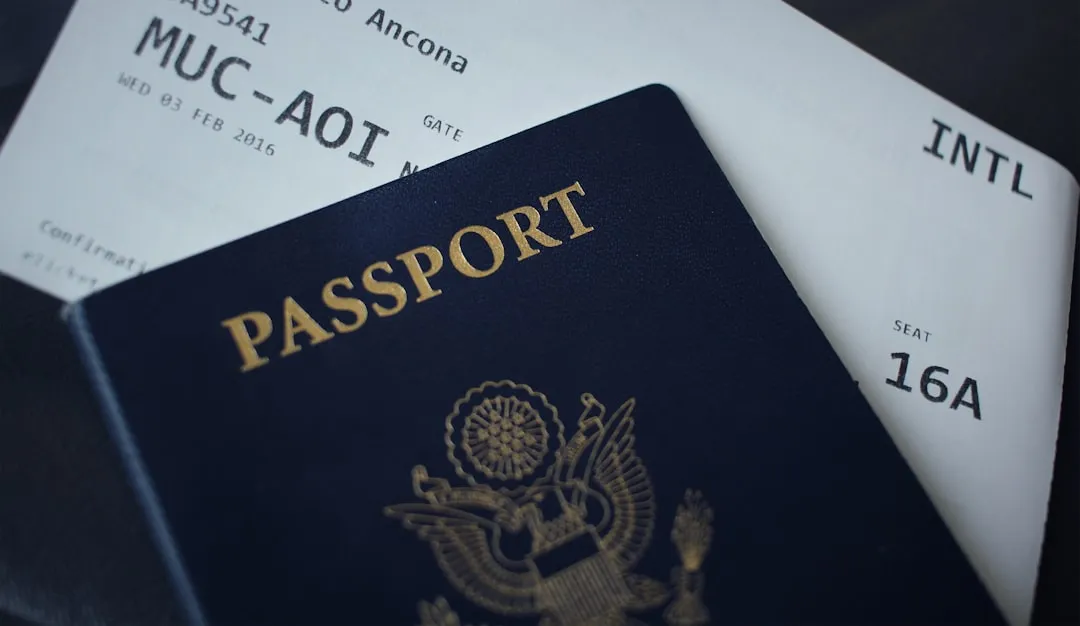
After authorities find any mistake in your passport photo, you’ll receive an official rejection letter with an explanation and proper instructions on how to fix it. From that moment, you have 90 days to retake the picture and send a new photo to the Passport Office.
If you manage to send the photo within the 90-day period, you don’t have to pay anything extra. However, if you fail to meet the deadline, you’ll need to start the process from scratch and pay all the fees again. Missing that window is a costly mistake, especially if you have travel plans already booked.
A common mistake is trying to “fix” a rejected photo in editing software rather than retaking it. This almost always makes things worse. Standard processing takes 6-8 weeks, while expedited processing takes 2-3 weeks. Rejections for non-compliant photos add several additional weeks to these timelines.
The Global Picture: It’s Not Just a U.S. Problem
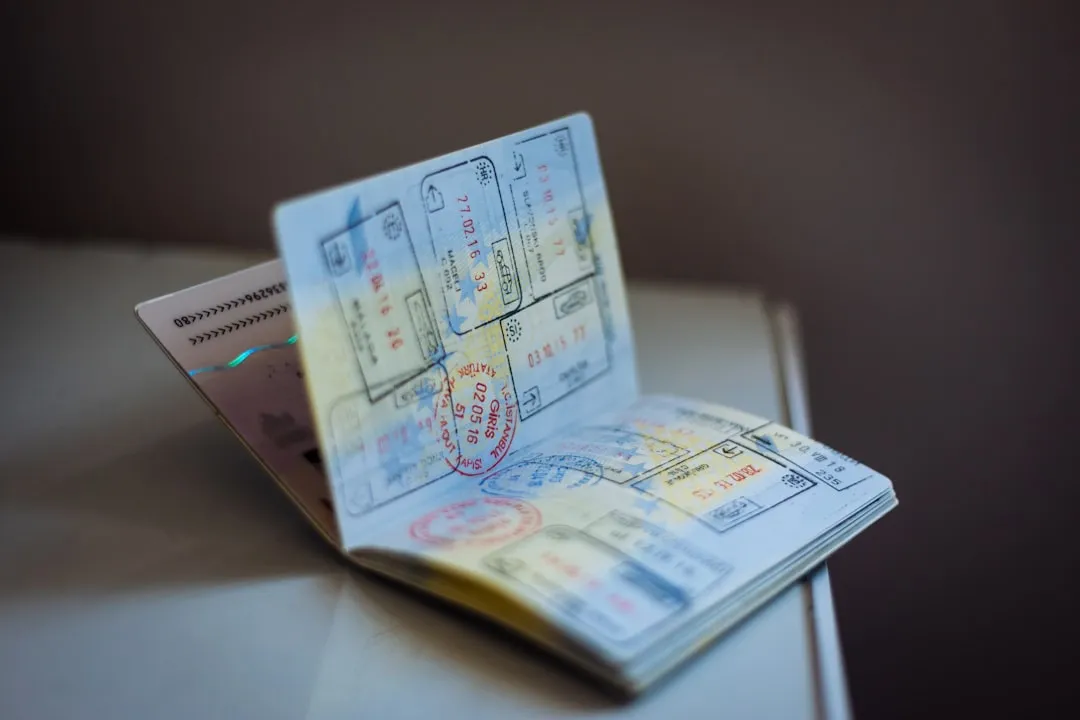
The United States, Germany, India, and over 30 other countries have updated their passport photo specifications to align with the new ISO/IEC 39794 encoding format. These changes represent the most comprehensive passport photo requirement overhaul in nearly two decades.
Major passport photo requirement changes are now in effect globally as of November 2025, with the United States enforcing stricter biometric standards, Germany banning printed photos entirely, and India mandating ICAO compliance. The direction of travel is clearly toward tighter, machine-readable standards applied across borders.
Australia became the first major country allowing slight smiles in visa photos starting February 2025. That’s a rare exception in an environment where nearly every other change has moved toward stricter, not more relaxed, standards. Knowing the specific rules for your country of citizenship is essential before you submit anything.
How to Actually Get It Right
Since 2026, agencies reject photos that show AI processing, including skin smoothing, background blur, and portrait mode. The fix is to retake in standard camera mode with all beauty and portrait features turned off. Before you shoot, go into your phone’s camera settings and disable every enhancement option you can find.
Your face must be positioned in the middle with even spacing on all sides. Keep a neutral face with no big smiles, frowning, or raised eyebrows. Your eyes must be fully open, visible, and directed straight at the camera. Sit or stand with your head and neck straight, avoiding any tilts or slouches.
Professional passport photo services guarantee compliance and typically offer free retakes if rejected, making them a safer choice despite slightly higher costs. Given what’s at stake in terms of processing delays and potential missed travel, the cost of a professional photo is genuinely modest by comparison.
The Takeaway
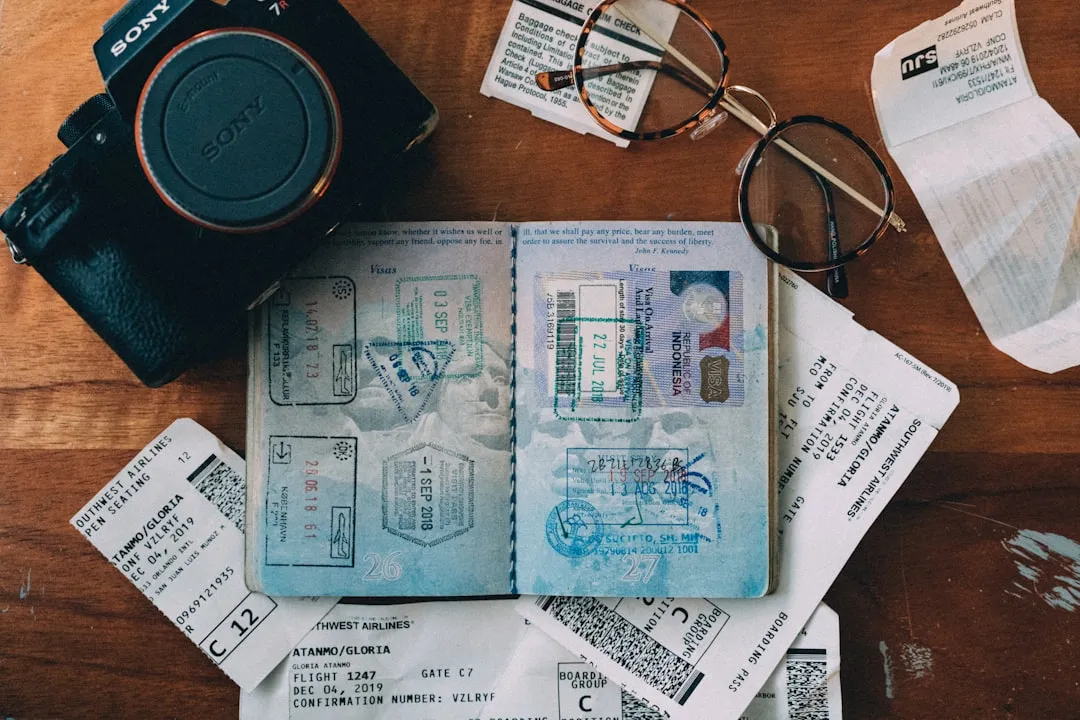
Head positioning and facial framing remains the single most common reason passport photos fail at renewal, but it rarely travels alone. Poor lighting, selfie distortion, outdated photos, AI filters, and background problems all compound each other, and automated systems in 2026 are significantly better at catching every one of them than they were even two years ago.
The rules aren’t arbitrary. They exist to support biometric identity systems that need consistent, unaltered images to function reliably. Understanding that purpose makes the requirements feel less bureaucratic and more logical. A clean, recent, unedited photo taken with flat lighting against a genuinely white background, with your head correctly sized and centered, is all it takes to get past this particular hurdle cleanly.
If you’re approaching a passport renewal, take the photo seriously before everything else. It’s the one part of the process you can control completely, and getting it right the first time saves weeks of delay and a surprising amount of stress.
AI Disclaimer: This article was created with the assistance of AI tools and reviewed by a human editor.