

There’s a specific window in every ski season that most people miss entirely. The holiday crowds have gone home, school is back in session, and resort towns exhale. For roughly two weeks in early January, and again from mid to late March, ski resorts quietly reset their pricing in ways that can genuinely transform the cost of a mountain trip.
This isn’t a marketing campaign or a flash sale. It’s a structural pattern baked into how ski resorts manage demand, lodging, and lift revenue throughout the season. If you know when these windows open, the mountain is yours at a fraction of the usual cost.
The Quiet Window Most Skiers Don’t Know About
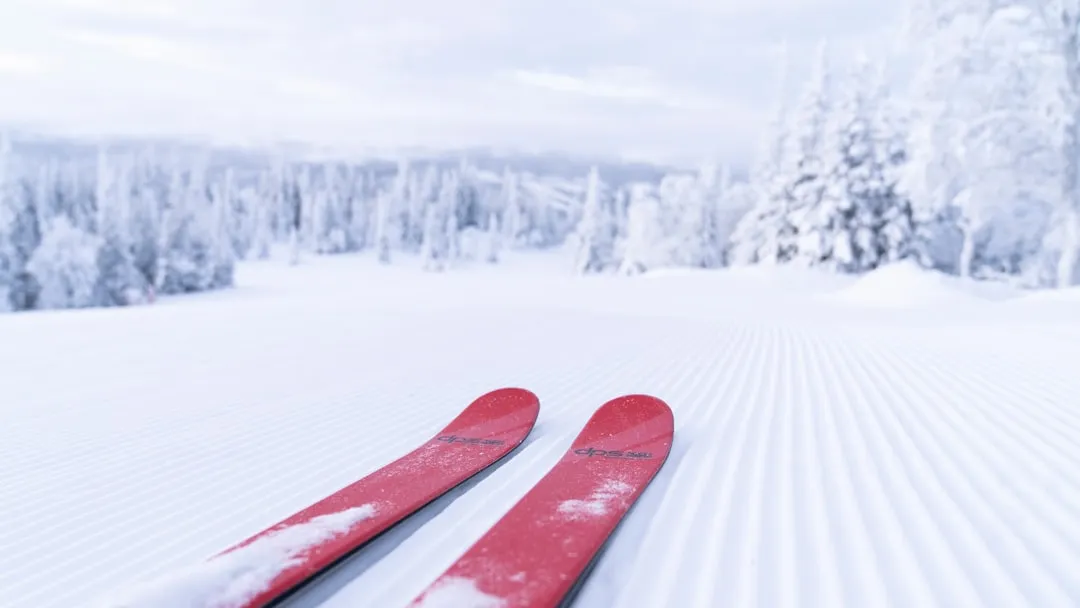
The least busy times to ski and the least expensive times to ski are generally at the beginning and end of every ski season. Within the core season itself, however, there are two even more specific windows of calm. These are the second week of January, the third week of January, and the second week of February, with early January consistently being among the very cheapest. January is one of the best times to bag a great ski deal, because once Christmas and New Year’s Eve are over and the kids go back to school, it becomes the best time to find quiet pistes, short lift queues, and genuinely good prices.
Why Prices Fall So Sharply After New Year’s
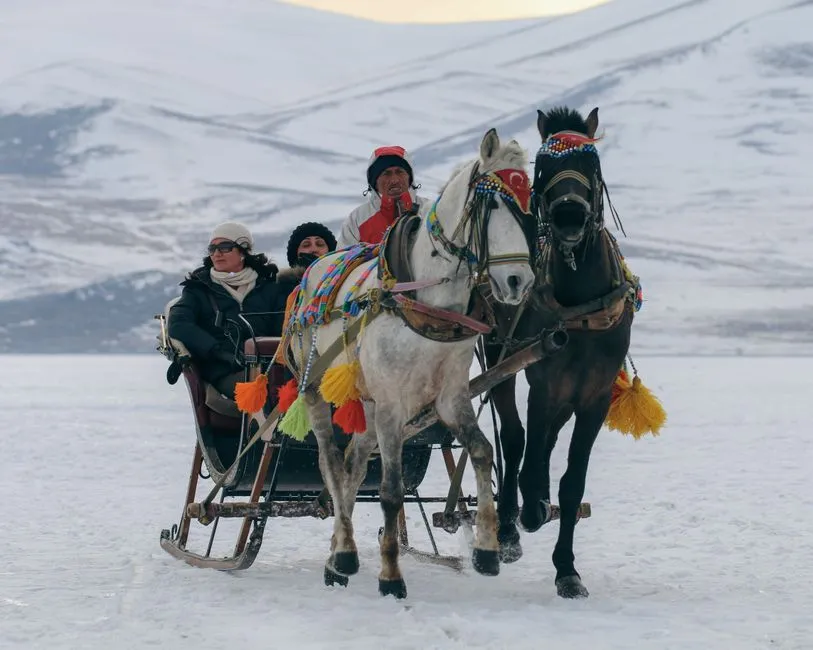
Hotels and apartment owners know it will be difficult to fill their properties during this downtime, which is exactly why rates drop. Demand collapses almost overnight once the holiday travel bubble bursts. Sandwiched between Christmas and half-term, early January is one of the quietest times to travel, particularly across European resorts. The pricing response from accommodation providers is almost immediate.
Traditionally one of the quieter months of the season, January has gained in popularity in recent years, in part due to usually lower accommodation costs. So while the secret is slowly getting out, the savings remain real and measurable for flexible travelers.
The Numbers: How Much Can You Actually Save?
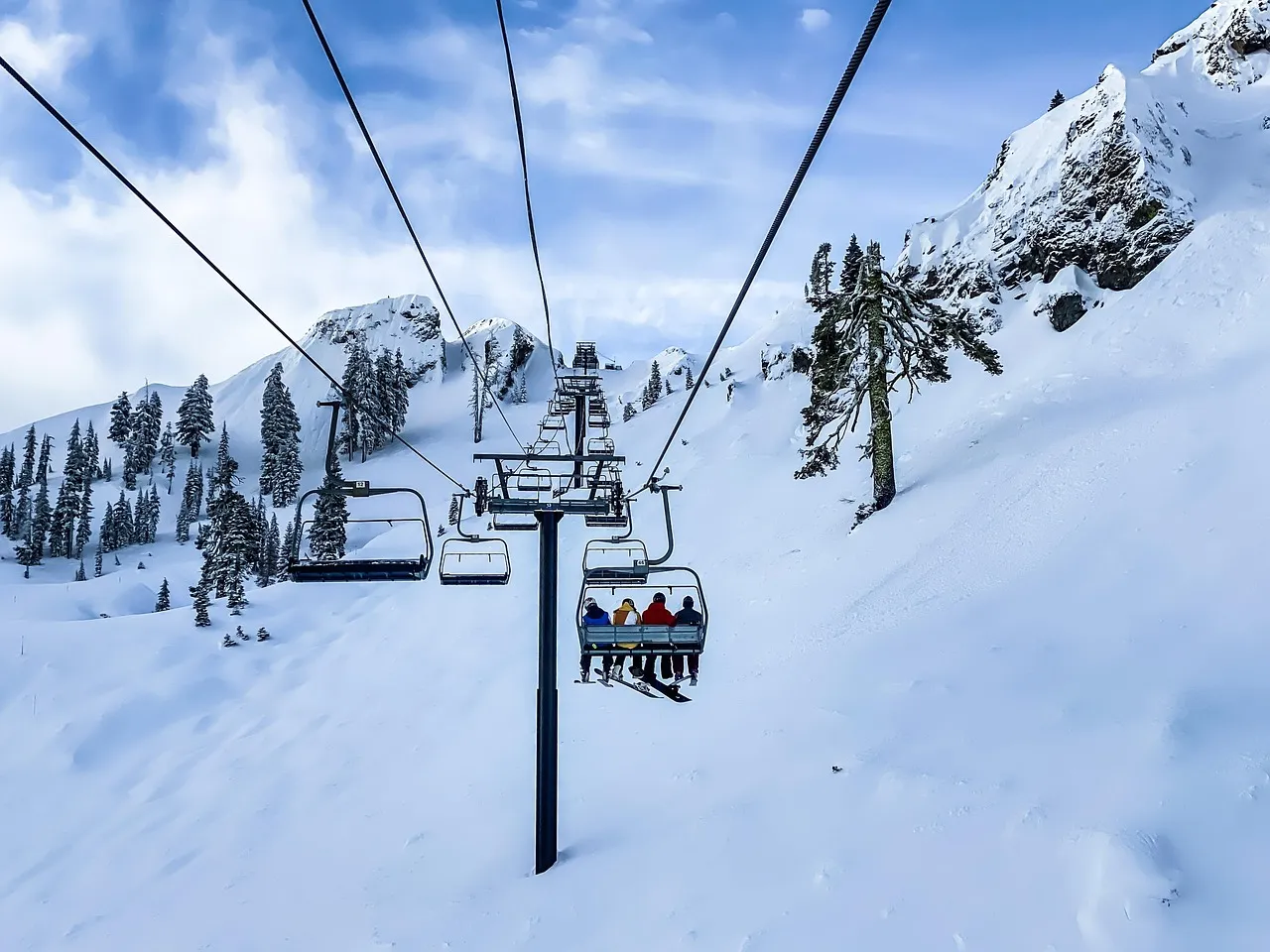
Peak weeks, including Christmas, mid-February, and Easter, are thirty to sixty percent more expensive than the second week of January or the last week of March. Same snow, same lifts, much lower prices. That’s not a marginal difference. On a week-long family trip, that spread can easily represent hundreds of dollars or euros. Buying lift passes online seven or more days ahead saves between ten and twenty-five percent at most European resorts, and up to forty percent at Vail and Alterra mountains in North America.
Spring Shoulder Season: The Second Hidden Window
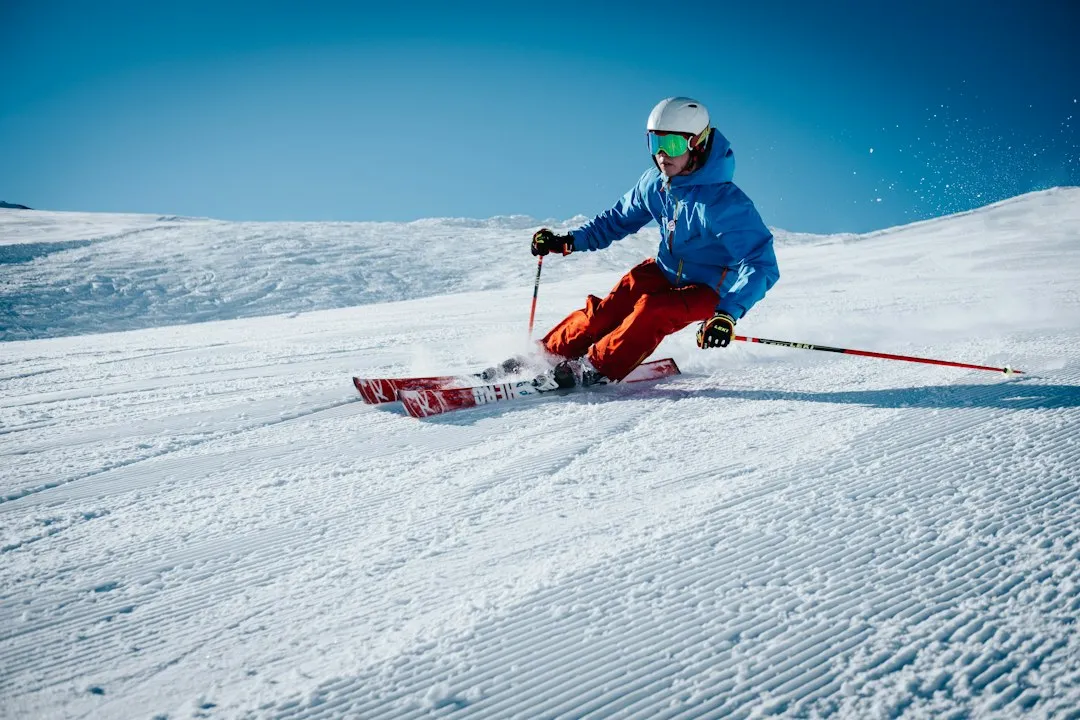
Skiing after March 15th offers major savings, as ski resorts drop their rates massively after that date. There can be the risk of lower snowfall levels, but most seasons, late-calendar skiing remains a great bargain. The spring window is arguably the more dramatic of the two, particularly for lift tickets. Ticket prices have dropped considerably as spring arrives, and at Mammoth Mountain, California, some midweek days have crept below the one hundred dollar mark into more reasonable territory.
At Camelback Resort in Pennsylvania, lift tickets drop to just fifty dollars in spring, a considerable discount from the one hundred and thirty-nine dollar midseason price. Even major destination resorts follow this pattern once the calendar moves past mid-March.
Early Season Deals: A Third Opportunity Worth Knowing
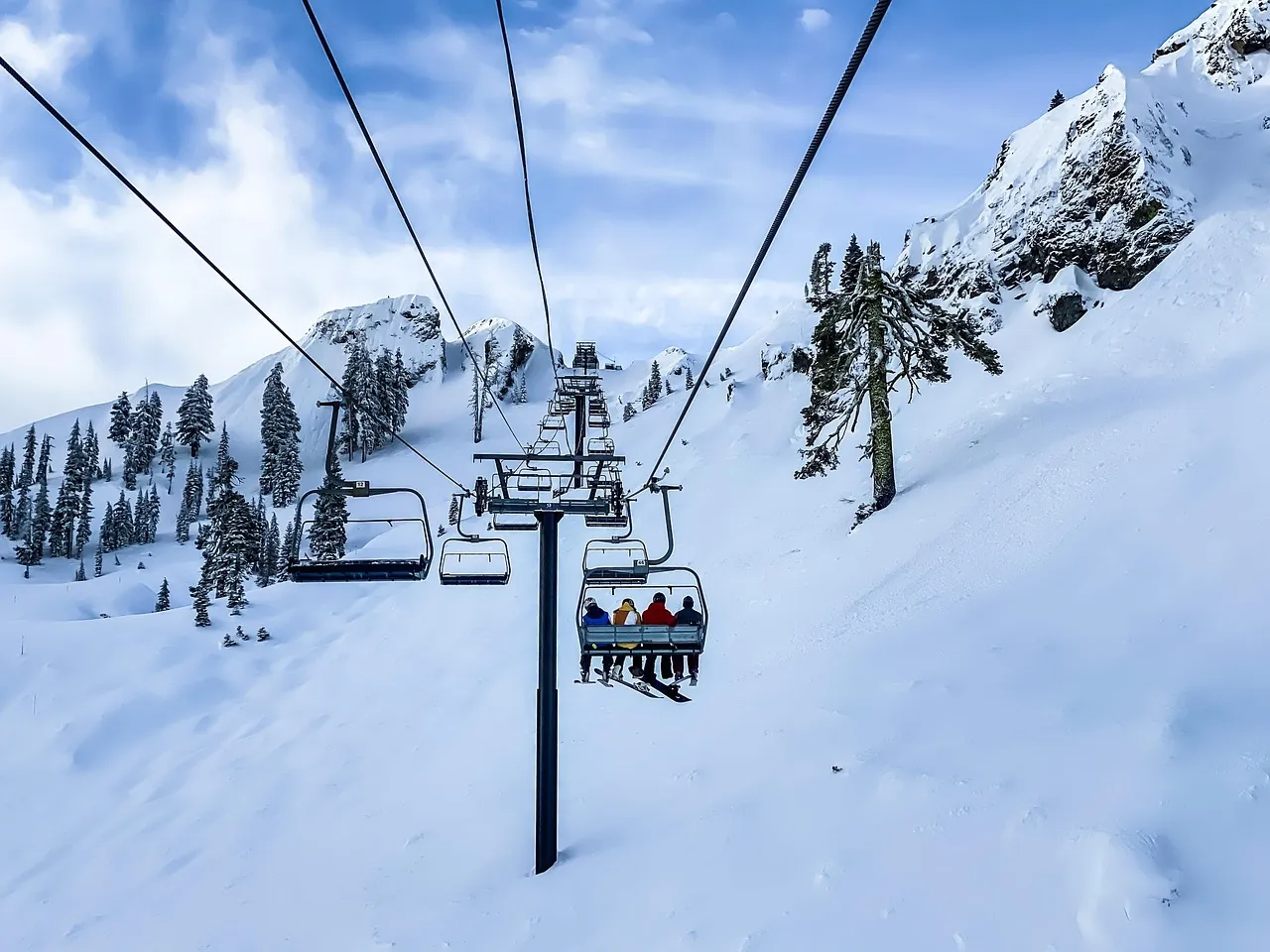
Before the holidays arrive, there’s actually a third quiet stretch that opens up in late November and early December. Arizona Snowbowl’s demand-pricing structure has led to ticket rates as low as ten dollars, with most early-season midweek dates sitting between ten and seventeen dollars, while weekend rates range from twenty-five to forty dollars right up until Christmas Day. Further south in Colorado, Purgatory Mountain Resort kicks off the ski season with lift tickets from just nine dollars.
These early-season prices are remarkable by any measure, though they do come with the caveat that not all terrain may be open and snow conditions depend heavily on what the season delivers early on.
Lodging Follows the Same Pattern
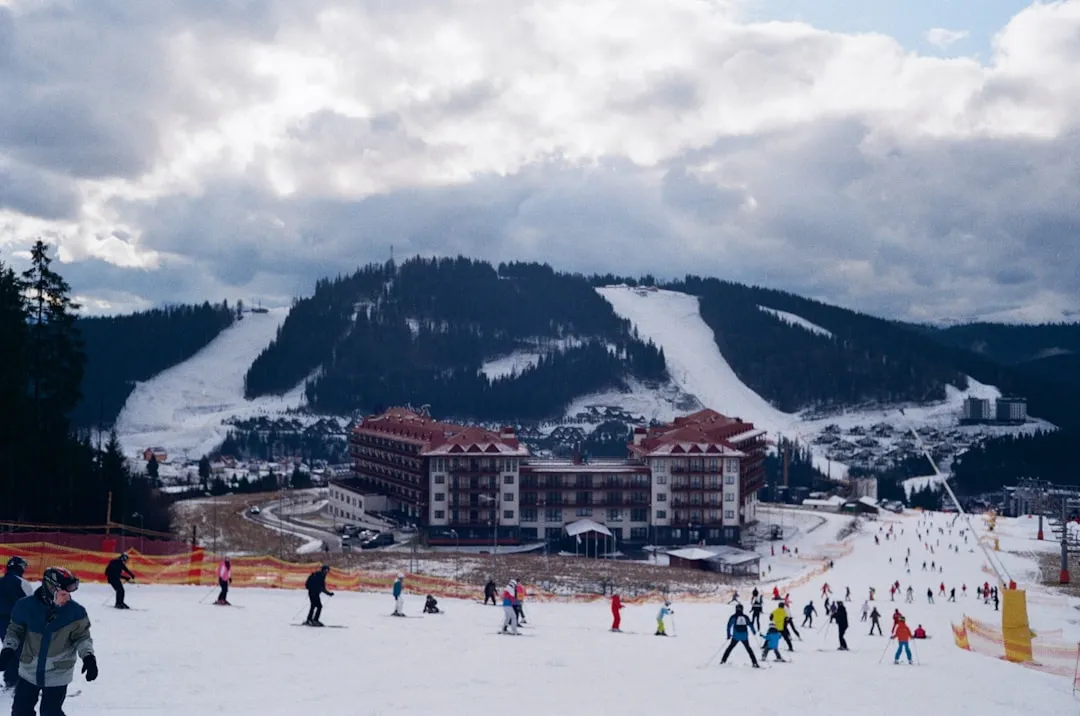
For most ski and snowboard vacations to destination ski resorts, the cost of lodging is the biggest portion of the price of the vacation, so understanding which weeks carry the lowest lodging prices matters most. The good news is that accommodation pricing mirrors lift ticket pricing almost exactly. If you’ve always wanted to stay in that four-star hotel in the center of town, January is the time to go.
Self-catered apartments cost roughly a third of half-board hotels in the same village, and staying ten minutes down-valley typically halves the nightly rate again. Combining the quiet window with a slightly off-mountain base can dramatically stretch a ski travel budget.
Flights Respond to Shoulder Demand Too

The cheapest ski flights tend to show up about thirty to sixty days before departure, and midweek itineraries continue to price lower than weekend-heavy trips, often by a meaningful margin. That same January window and late-March stretch that lowers resort costs also softens airfare. Prices on key ski routes are running flat to down roughly three to six percent year-over-year, with the biggest softness seen on SoCal to Rockies and Texas to Utah itineraries.
Booking flights midweek isn’t glamorous planning advice, but it reliably works. Midweek itineraries departing Tuesday or Wednesday with a Saturday return are cheaper on average.
The Passes Are Cheapest When You Buy Them Early
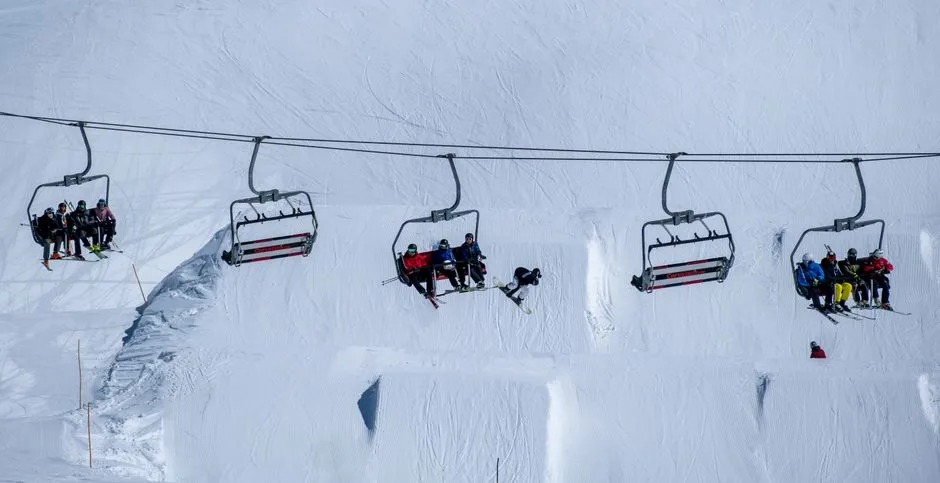
One of the least-discussed ways to access discounted skiing is buying the following season’s pass in early spring, right when resorts launch them. The Epic Pass goes on sale at its lowest price of the season in early spring, and new for 2026-27, Vail Resorts slashed the price by twenty percent for Gen Z skiers. That kind of pricing lasts only briefly before costs begin climbing through summer. Prices increase throughout spring and summer, eventually going off sale sometime between late fall and early winter.
While it’s possible to score last-minute deals, you’ll save more if you book your trip early, at least three to six months in advance. Season-long ski passes are cheapest when you buy them early, and so are regular lift tickets.
Europe’s Quiet Weeks Follow Their Own Calendar
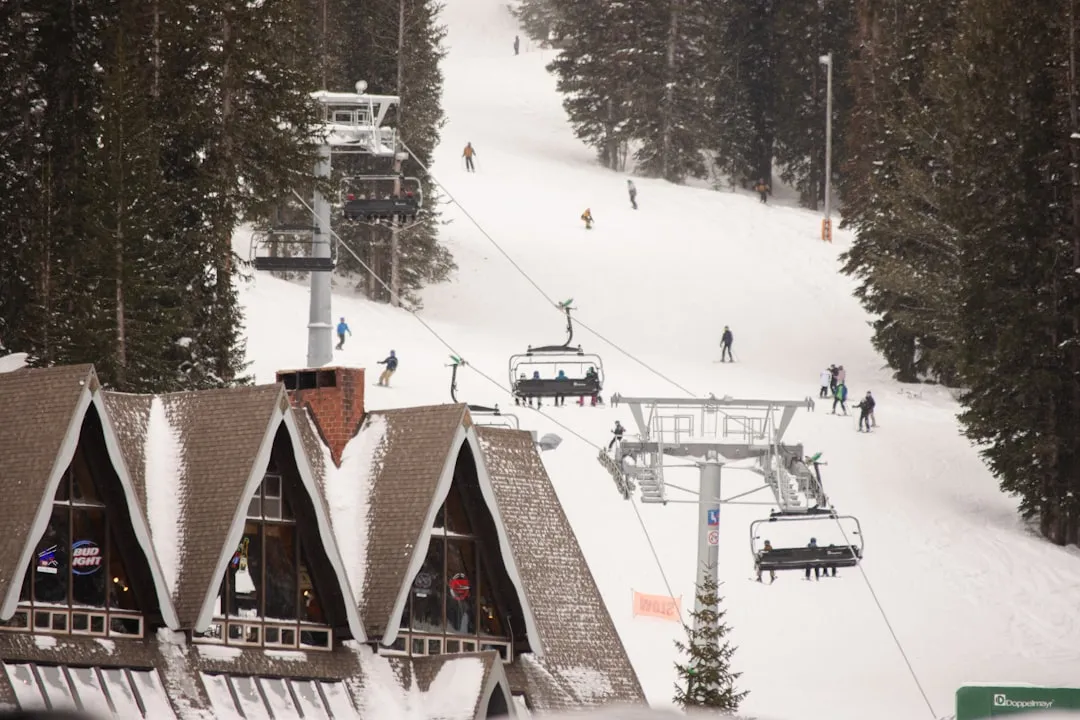
Ski resorts in January are tranquil havens, ideal for beginners and experienced skiers eager to hit the slopes, and January boasts Europe’s heaviest snowfall records. This is genuinely counterintuitive for those who assume winter’s best snow aligns with its busiest crowds. It often doesn’t. For the highest chance of big powder days, late January is the pick, and for the very best prices, ski holidays at the start of January are usually cheapest.
Holiday company Sunweb reported a fifty-five percent year-on-year increase in January bookings for 2026, suggesting awareness of this window is growing. Still, the savings haven’t disappeared yet, and flexibility in dates remains the most powerful tool a budget-conscious skier has.
Midweek Versus Weekend: A Consistent and Overlooked Gap
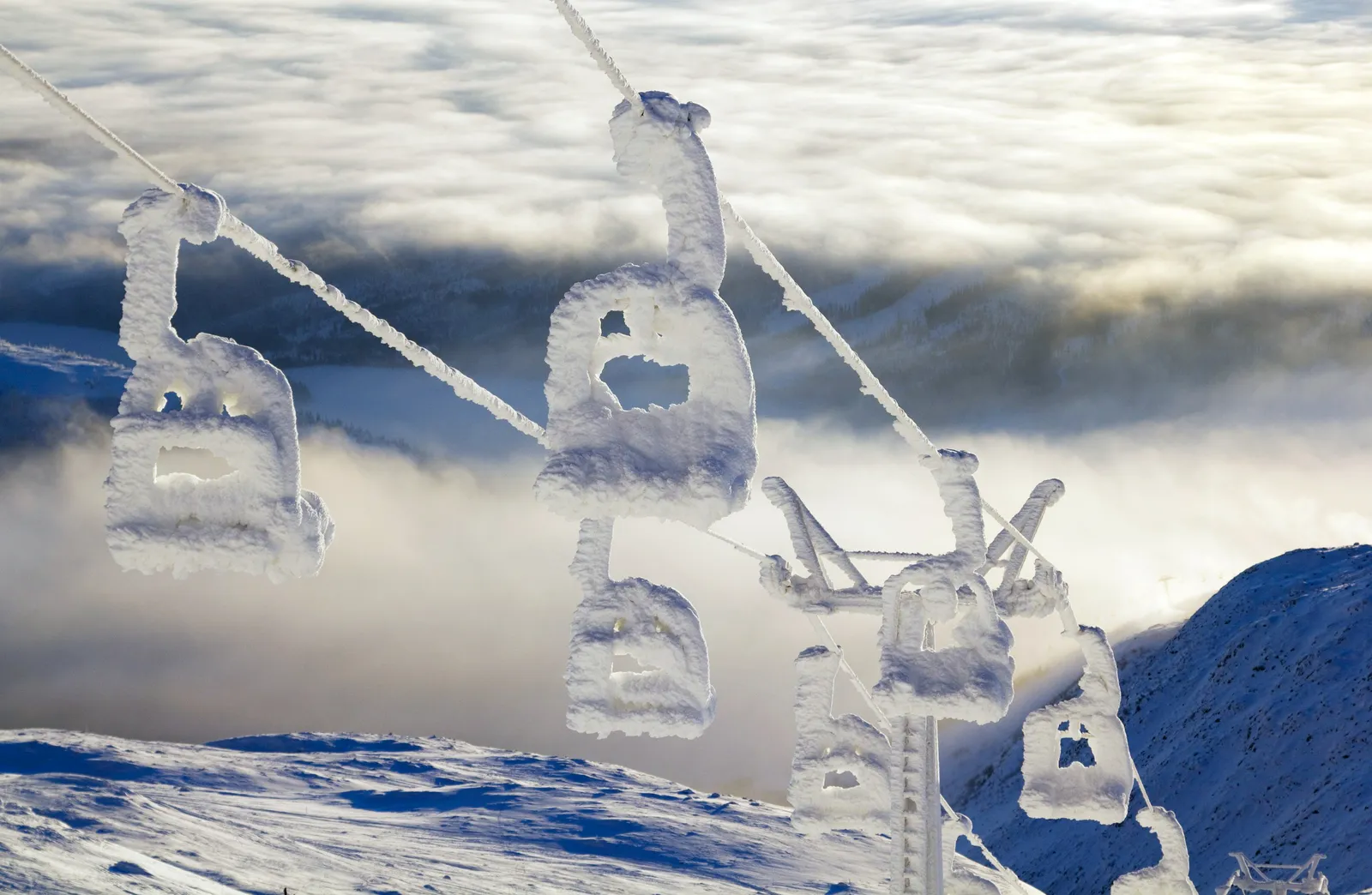
Shoulder season is cheaper than peak season, which typically runs mid-December through February, and midweek is consistently cheaper than weekends and holidays. This midweek discount is sometimes even more impactful than choosing the right month. Most early-season midweek dates sit far below weekend rates at demand-priced resorts, which can range significantly higher even for the same calendar week. A Tuesday-to-Friday trip in early January can combine two savings advantages at once: the quiet post-holiday week and the midweek pricing differential.
Final Thoughts
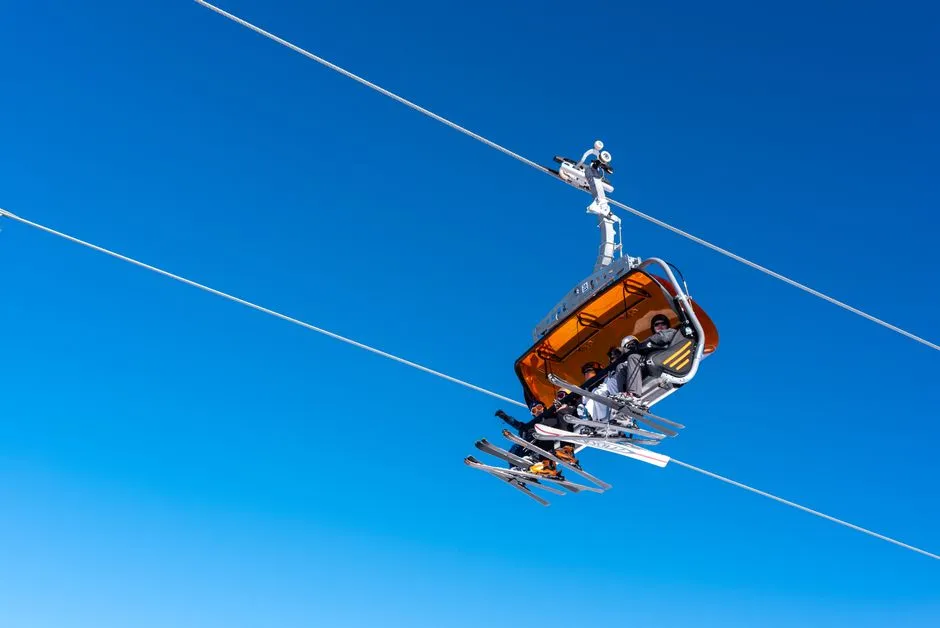
The two-week stretch when ski resorts drop their rates isn’t hidden exactly, but it is easy to miss if you’re not paying attention. The post-New-Year lull in early January, and the spring softening that begins around mid-March, represent the clearest and most consistent pricing valleys in the ski calendar. The most cost-effective skiing is found during these shoulder seasons, even if snow quality can vary depending on location.
The mountains are still there. The lifts are still running. The crowds have thinned, and the prices have followed. For a skier willing to travel on a Tuesday in January, the math can be surprisingly generous.
AI Disclaimer: This article was created with the assistance of AI tools and reviewed by a human editor.