
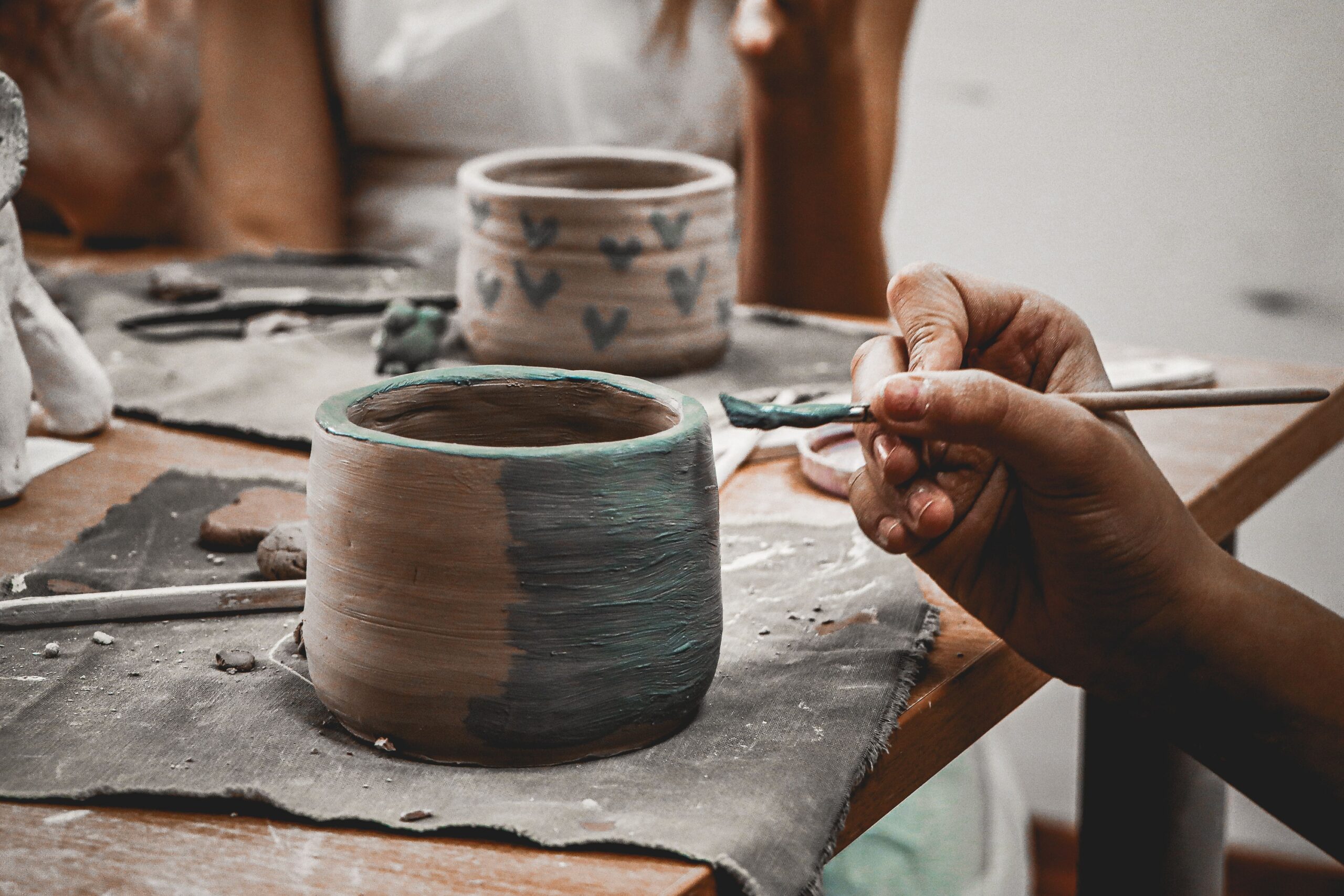

A New Kind of Traveler Is Emerging
Travel motivations have always evolved, but the current shift feels particularly meaningful. According to Viator’s 2025 trends report, this period is all about meaningful, immersive experiences that offer a real taste of a destination, with today’s travelers shifting away from passive sightseeing toward experiences that feel personal and hands-on. The classic approach of checking off landmarks has given way to something more deliberate. Travelers are arriving at a destination with a single focused goal: master something new.
Instead of simply escaping everyday life, they’re using their time away to learn a new skill, explore a hobby, or immerse themselves in a local culture. It’s a subtle but important reframing of what a vacation is supposed to deliver. The measure of a successful trip is no longer how many places you visited but what you actually took away from them.
The Numbers That Tell the Story
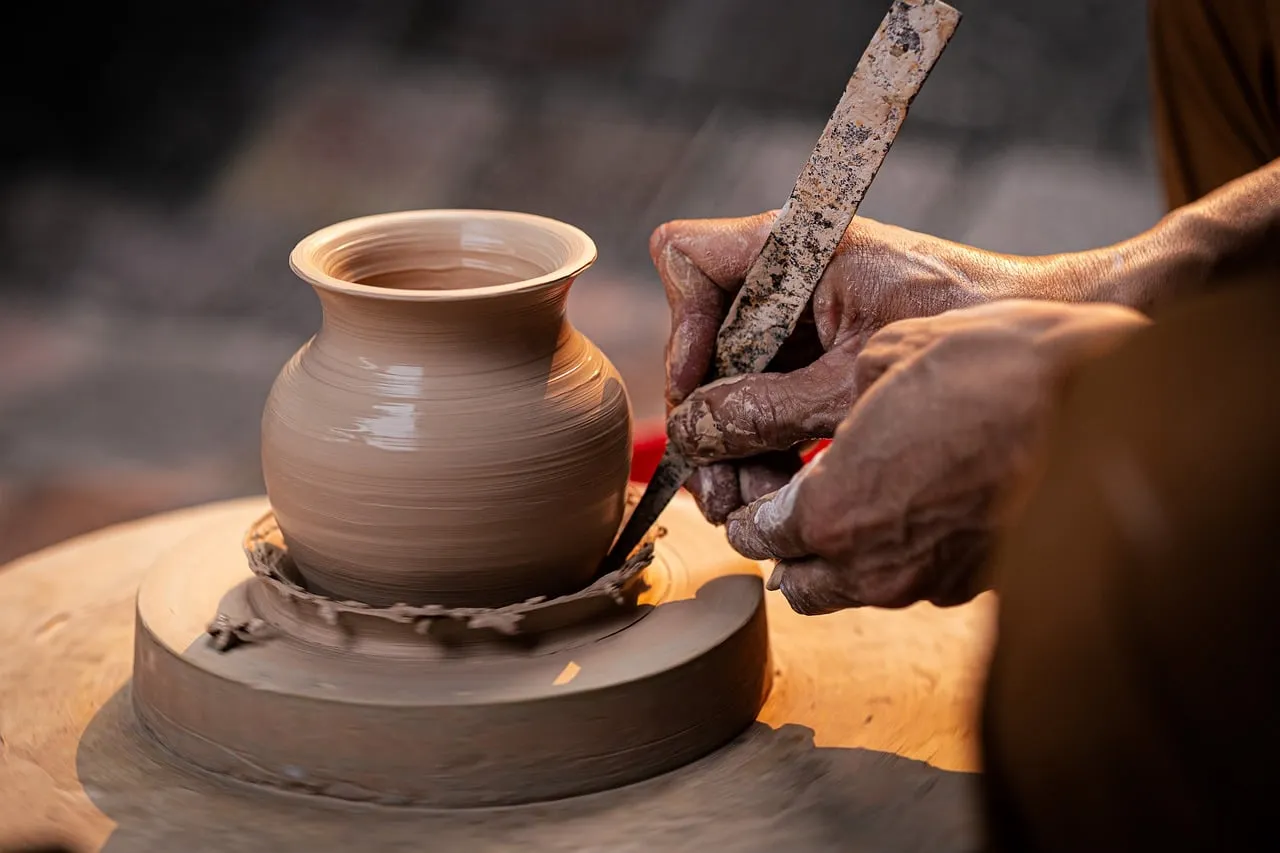
According to American Express Travel’s 2026 Global Travel Trends Report, surveyed across seven global markets, a striking majority of respondents say that learning a new skill while traveling creates a more memorable experience. That’s not a marginal figure. The same report also found that the vast majority of global respondents believe the skills they gain on a trip remain with them longer than any material souvenir, and roughly seven in ten believe that creating something with their hands is one of the most rewarding parts of travel.
GetYourGuide, a major platform for booking travel experiences, recorded a sixty-six percent jump in workshop bookings in summer 2025 compared with summer 2024. That’s not a gradual climb; it’s a surge. Hilton’s 2026 Trends Report found that nearly three quarters of respondents would consider taking time off work to pursue a skillcation, showing that the idea has moved well beyond a niche travel trend.
What “Skillcation” Actually Means
Industry roundups of travel trends now highlight skillcations alongside wellness retreats and purpose-driven journeys, describing them as holidays intentionally built around learning a new hobby, honing a craft, or advancing a career-friendly skill. The term covers a genuinely wide range of experiences. Skillcations cater to a range of interests, and the experiences are designed to help travelers improve a specific skill or master something new in an immersive setting, ranging from learning a creative craft like pottery to diving into an active sport such as surfing or kite surfing.
From surf camps that double as business networking hubs to Italian cooking retreats booked as professional development, a growing number of travelers in 2026 are turning their vacations into skillcations that promise not just memories but new competencies to bring home. The breadth is the point. There’s no single prototype for a skillcation, which is probably why the trend has managed to resonate across such different demographics.
Gen Z Is Leading the Charge
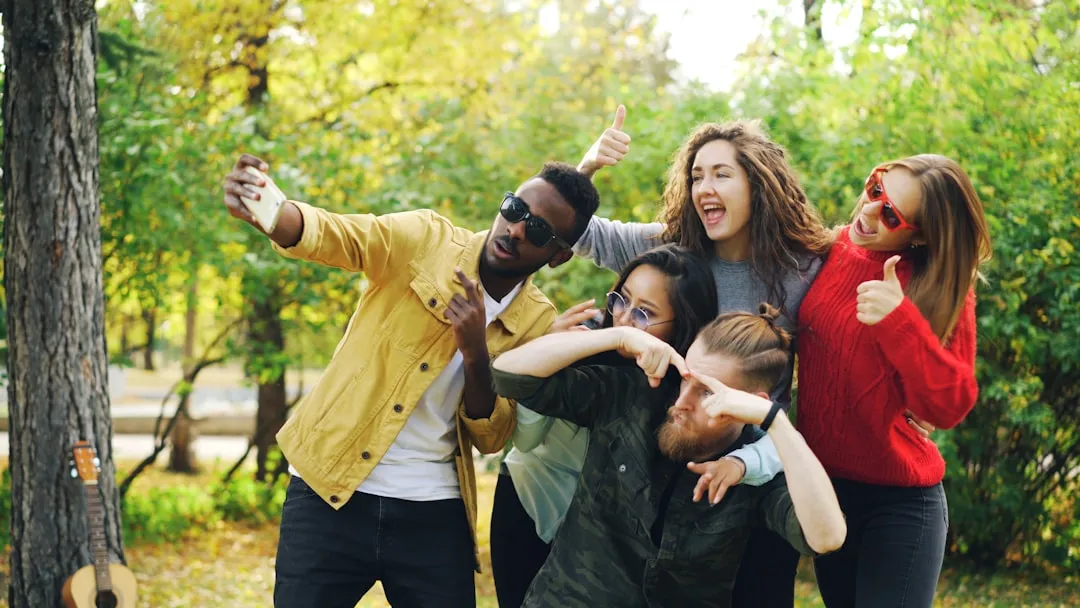
Gen Z is leading the skillcation movement, with around four in ten from that group seeking solo trips centered on hands-on experiences, often combining travel with learning, creativity, or personal development. That figure carries real weight given how significantly Gen Z now influences broader travel spending patterns. Data from GetYourGuide shows more Americans now say they’d rather bring home a new skill than a physical object, with Gen Z driving the change as roughly a third say they want to learn a new hobby while on vacation.
The appeal is also broad across age groups, with Millennials, Gen X, and older travelers increasingly signing up for immersive programs and workshops. Gen Z may be setting the tone, but the audience has grown well beyond it. Skillcations are not a youth trend alone – they’re a values-based shift that crosses generations.
The Educational Tourism Market Behind It All
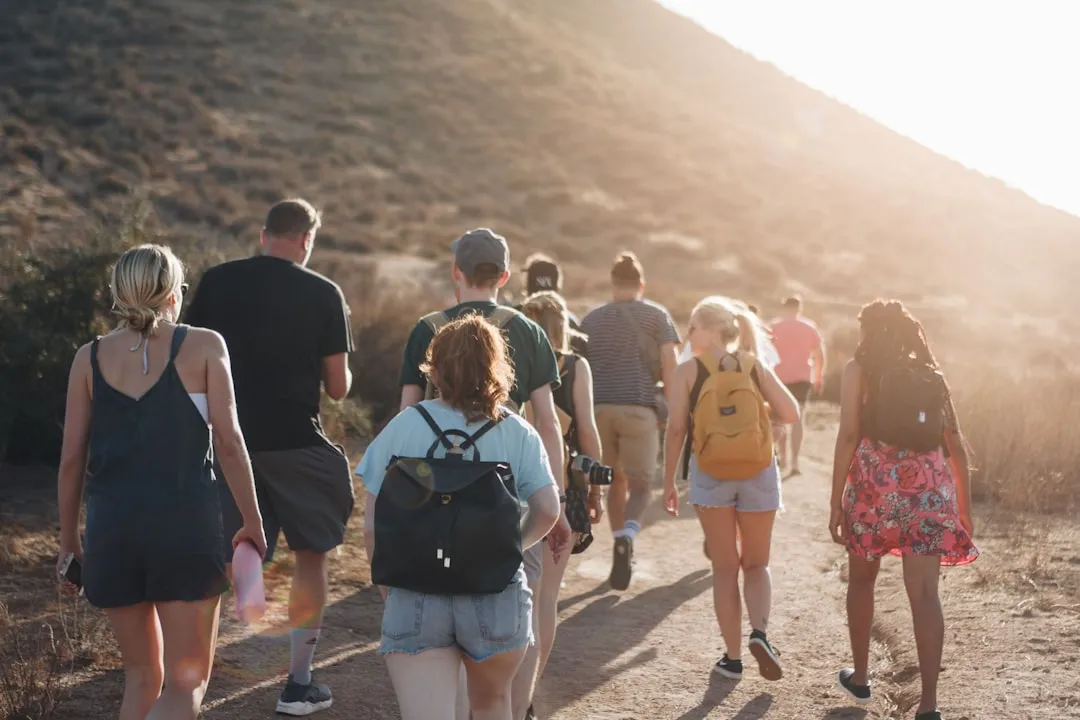
The global educational tourism market was estimated at nearly 460 billion dollars in 2024 and is projected to nearly double by 2030, growing at a compound annual growth rate of 13.5 percent between 2025 and 2030. That’s a remarkable trajectory for a category that many people would have struggled to even name a decade ago. The Asia Pacific region held the largest share of that market in 2024, at nearly four in ten globally, and is expected to grow at an even faster rate through the decade.
Based on age group, the 16 to 25 year segment accounted for around four in ten of the educational tourism market in 2024, though the industry is actively expanding its appeal. Parents and educational institutions are recognizing the value of providing younger students with opportunities to explore new cultures and languages, with programs such as school trips, language immersion camps, and educational tours offering a hands-on approach to learning. The commercial and educational worlds are increasingly overlapping here.
Where People Are Actually Going
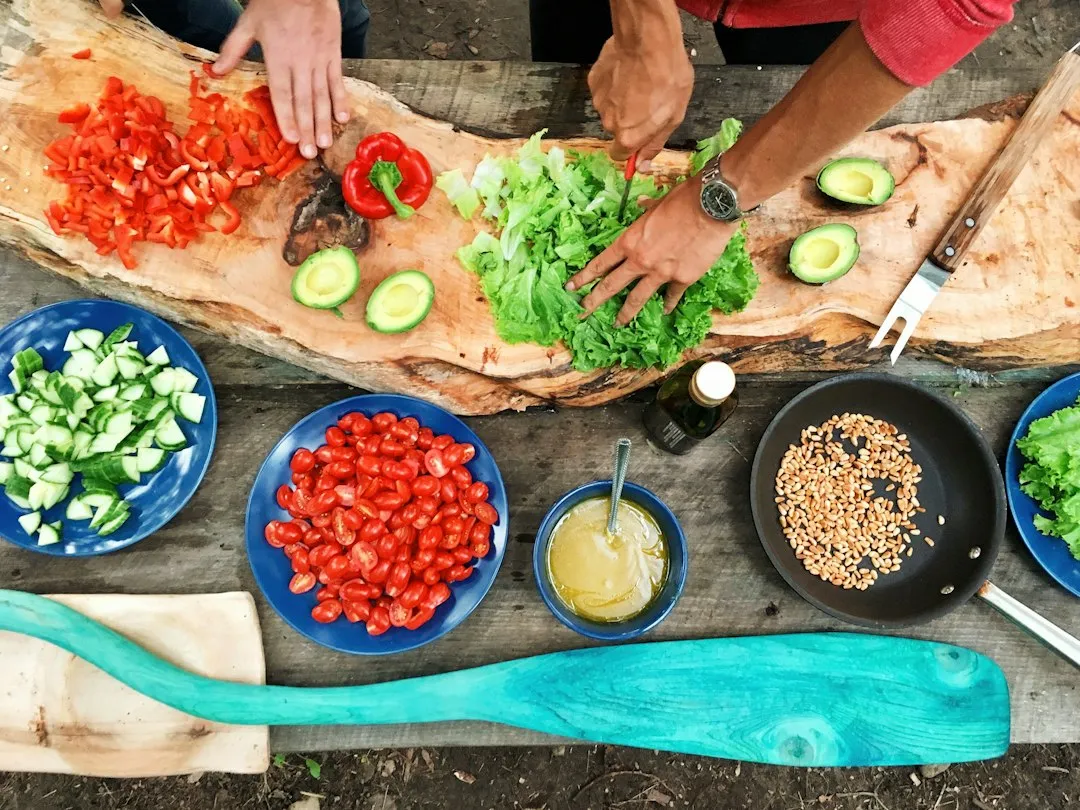
Cooking classes are consistently among the most popular skill-based travel experiences, especially when tied to regional cuisine – think pasta in Italy, green curry in Thailand, and pastries in Portugal – while craft workshops such as making lanterns in Hoi An or pottery in Marrakech are also booming. These aren’t new activities, but the intentionality around them is new. Travelers are building entire itineraries around a single class or workshop, not tacking one on as an afterthought.
Among the destinations drawing the most attention in 2026 are Tuscany, Italy, known for culinary workshops and painting retreats; Kyoto, Japan, offering traditional crafts including pottery, textile arts, and calligraphy; Queenstown, New Zealand, for adventure sports instruction; and Barcelona, Spain, attracting those interested in tapas cooking and modern art techniques. Each of these places has long been celebrated for what visitors can see. The shift is toward what visitors can do and take home.
The Hospitality Industry Is Paying Attention

Major hotel groups are already embedding skillcations into their offerings – guests at Hyatt Vacation Club locations in Santa Fe engage in pottery classes while those in San Antonio try tortilla-making classes, with cooking classes, self-guided art walks, and salsa dancing lessons each providing a chance for guests to engage, learn, and grow. This isn’t a peripheral amenity anymore. Skills programming is becoming a core part of how hotels differentiate themselves.
Accor’s 2026 travel trend research identifies growing demand for experiences built around personal meaning, local knowledge, and human connection, which creates favorable conditions for skill-based holidays. When major global hotel groups start building strategy around a trend, it’s a reliable signal that the trend has real staying power. The industry tends to follow demand carefully, and the demand here is consistent.
Skills Travel as an Act of Cultural Respect
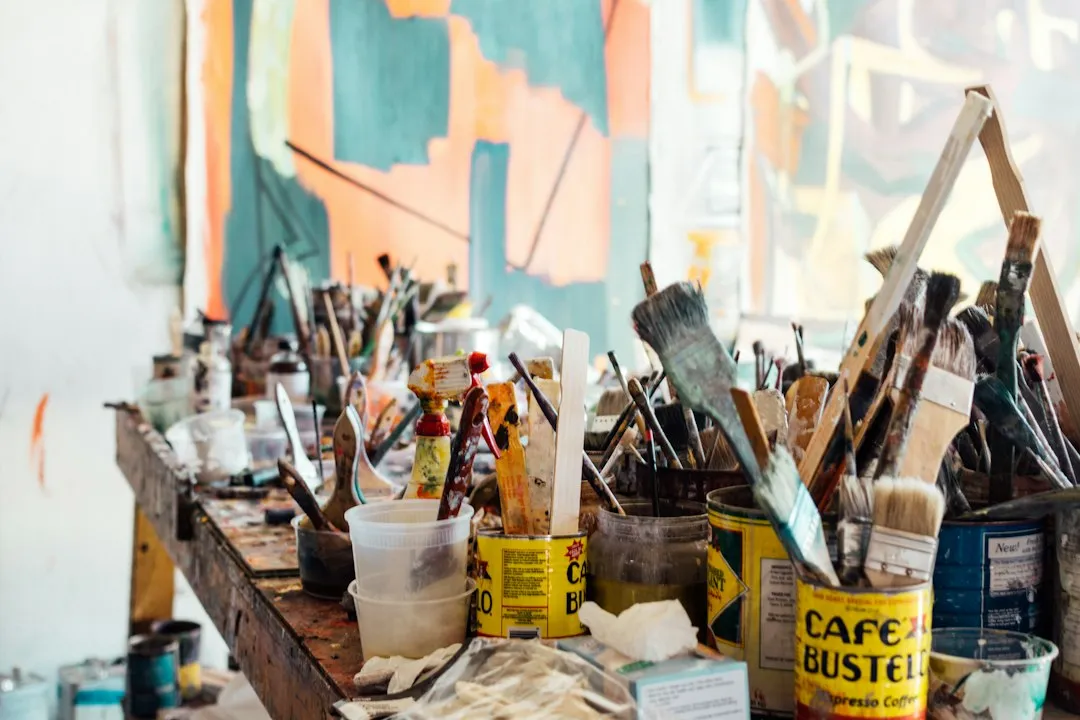
Skillcations aren’t just good for the traveler. They’re also propping up artisan livelihoods that have been in long decline, with demand for trades like blacksmithing having fallen for centuries, but workshop bookings from tourists helping craftspeople stay in business and keep fading techniques in active use. This dimension of skillcations is one that deserves more attention than it typically gets. Learning a craft from a local master isn’t just enriching for the traveler – it can be economically sustaining for the practitioner.
The rise of immersive, skill-based travel experiences reflects a broader shift toward more intentional and creative ways of traveling, with more travelers building itineraries around doing rather than passive sightseeing, whether learning ceramics in Japan, improving their surf technique in Indonesia, or mastering regional Thai cooking. When the activity is rooted in a place’s living culture rather than a staged performance of it, travel becomes something closer to genuine exchange. That’s a worthwhile distinction.
The Social Media Dimension
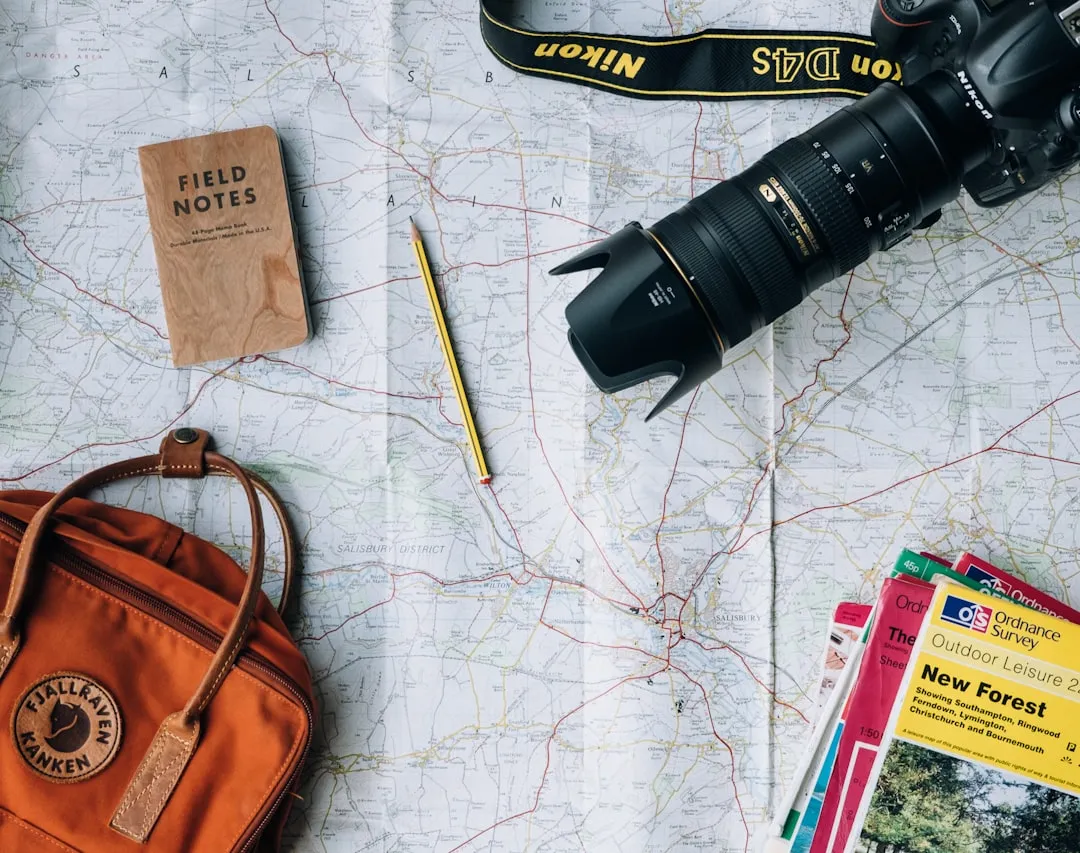
A learning holiday creates a different form of social value: instead of simply posting a photograph from a famous attraction, travelers can document progress – preparing a dish, completing a surf lesson, creating a piece of pottery, or learning part of a language – and the journey itself becomes a story. There’s a genuine honesty to this kind of content that audiences respond to. Progress is relatable. A finished piece of pottery or a plate of pasta you made yourself tells a richer story than a photo in front of the Eiffel Tower.
The travel world is changing, and travelers are taking charge – they’re not just checking off destinations; they’re looking for the feelings and experiences that come with each place. Documenting a skill learned on the road aligns neatly with a broader cultural appetite for authenticity online. It’s travel content that actually says something about the person behind the camera.
What It Costs and Who Can Access It

Price points vary considerably: some reports cite average spend for curated skillcations reaching into the thousands of dollars once instruction, accommodation, and travel are included, especially for premium resort-based programs, while at the other end of the spectrum there is growing attention on local or regional options that bundle day classes or weekend workshops with nearby stays, appealing to travelers who want the benefits of a skillcation without a long-haul flight. Accessibility is an important part of why this trend has legs.
In Marrakech, for instance, local artisans teach the ancient craft of pottery making where travelers can create their own mosaic tiles or hand-painted ceramic pieces, with vibrant workshops offering an immersive experience that blends creativity with Moroccan tradition. Many of these experiences remain affordably priced precisely because they’re community-based rather than resort-packaged. The skill is the luxury, not the room rate.
A Measured Look at What This Trend Delivers
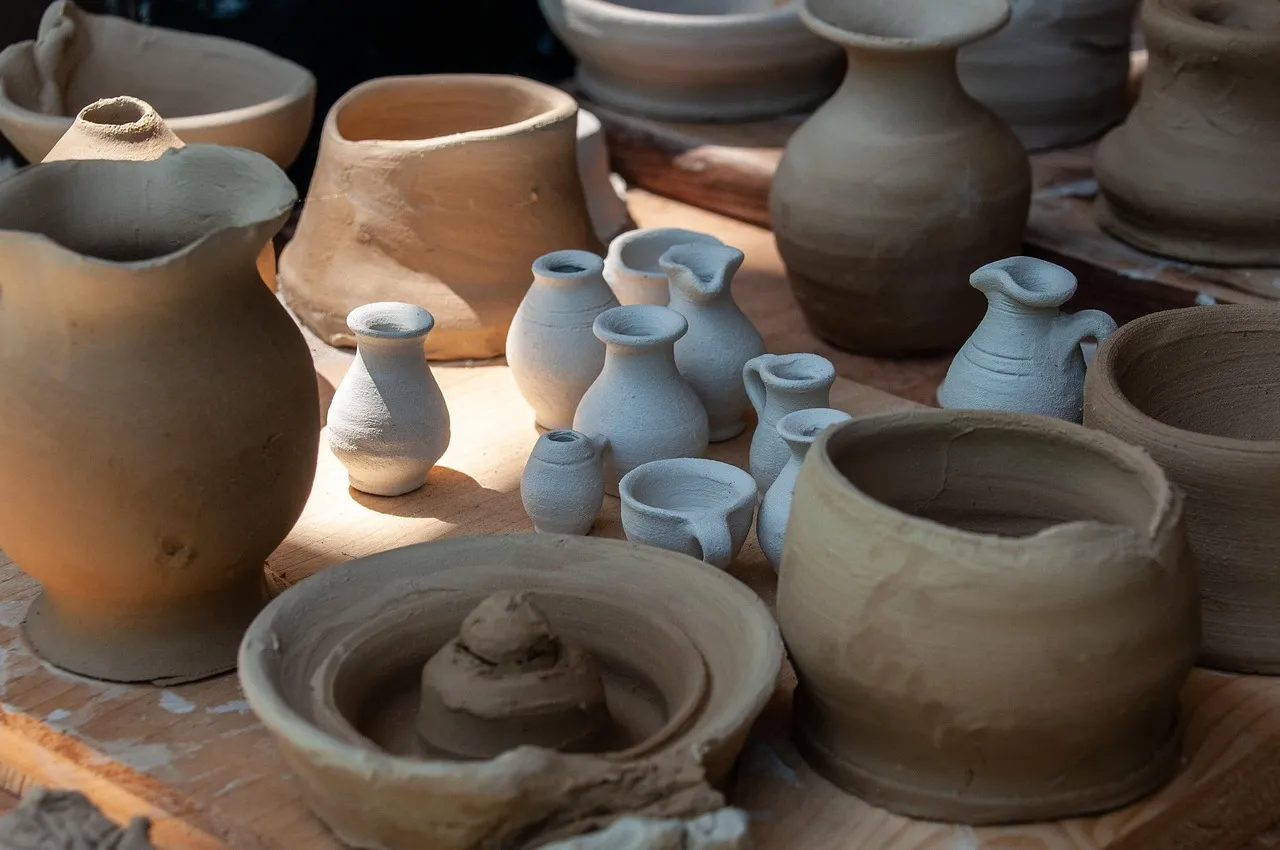
It would be easy to oversell this. Not every cooking class is transformative, and not every surf lesson will change a person’s relationship to travel. The combination of an open headspace plus the mood lift of learning helps explain why a half-day pottery class can stick with someone longer than a week of lounging – though the honest version of that observation is that context matters. A workshop taught well by someone deeply invested in their craft is a very different experience from a tourist-facing demonstration with thirty people in the room.
The skillcation umbrella is wide, but the best trips share a through-line: a real connection to place, people, and heritage. That’s the test worth applying when evaluating any skill-based experience. Does it connect you to something genuinely local, or is it simply a convenient activity slotted into a standard itinerary? The difference tends to be apparent within the first five minutes.
What This Means for the Future of Travel
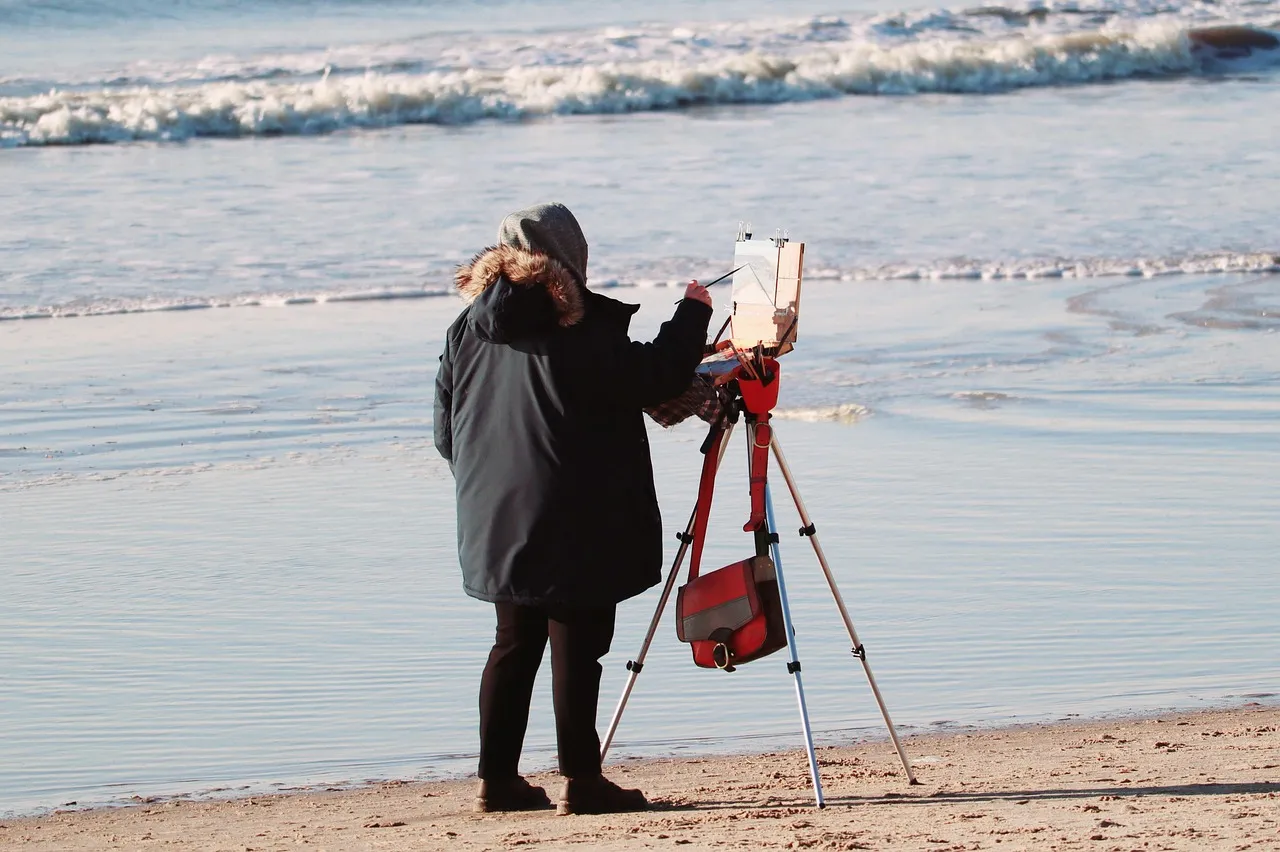
Reports from travel brands, consultancies, and lifestyle media indicate that skill-based trips have shifted from niche curiosity to mainstream trend as 2026 gets underway. That’s a meaningful transition. Trends that move from niche to mainstream without losing their essential character tend to stick around. As people continue to prioritize personal growth during their time away, destinations are stepping up to offer a wide variety of niche learning experiences.
Roughly three quarters of global respondents say they’re likely to do something adventurous or outside their comfort zone while traveling, with Millennials and Gen Z surveyed even more likely to do so. Learning a new skill fits squarely within that frame. It’s a form of productive discomfort – the kind that tends to produce the memories people actually talk about years later.
The Takeaway

The skillcation trend isn’t really about travel at all, at its core. It’s about what people have started to want from time and experience more broadly. The destination becomes the context, and the learning becomes the point. That reordering is subtle but profound.
What’s quietly encouraging about all of this is how naturally it aligns purposeful travel with cultural sustainability. When a traveler books a ceramics class in Kyoto or a cheese-making session in the Swiss Alps, they’re putting money and attention directly into a craft tradition that might otherwise quietly disappear. The skill stays with the traveler. The livelihood stays with the artisan. That seems like a worthwhile deal for everyone involved.
AI Disclaimer: This article was created with the assistance of AI tools and reviewed by a human editor.