


The Chocolate Trap
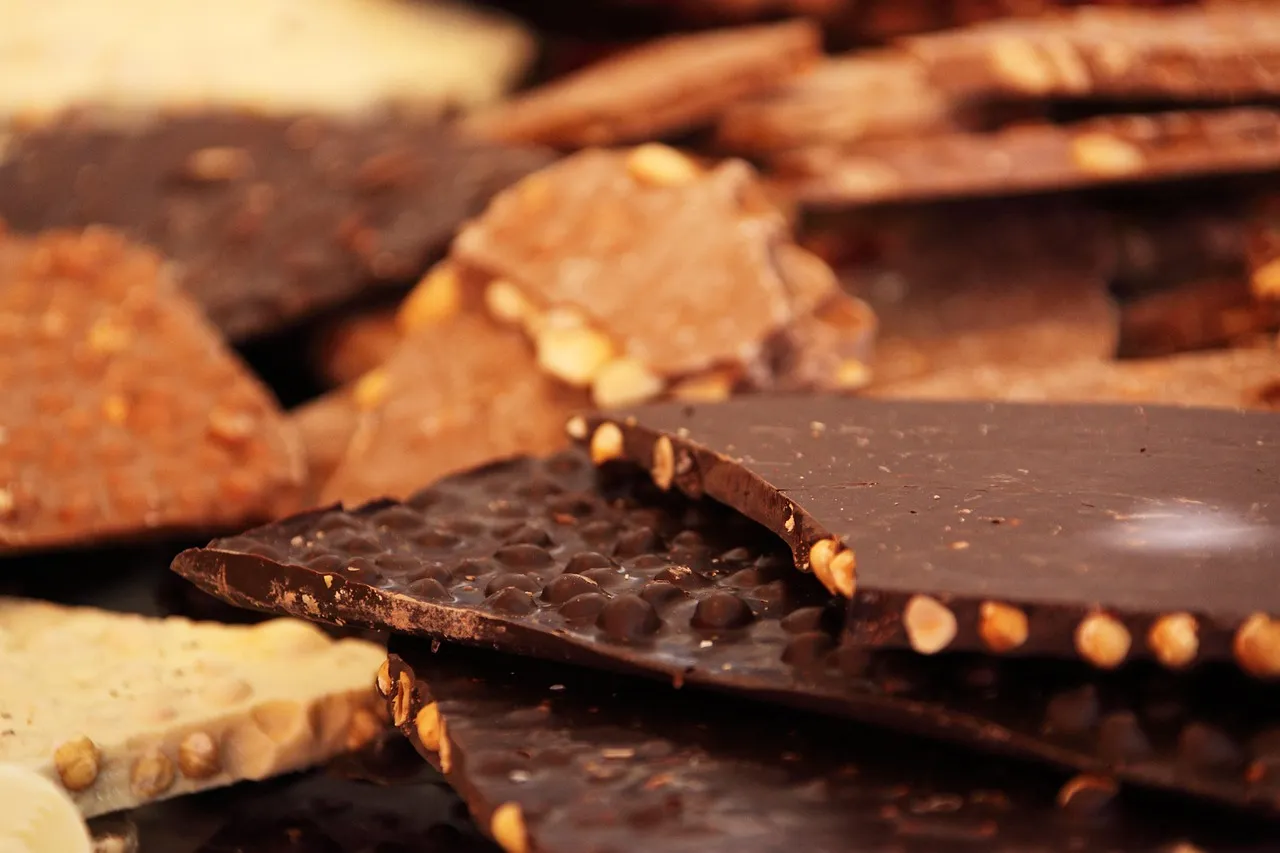
Few things look more appealing inside an airport terminal than an oversized Toblerone bar, presented like it belongs in a gift shop window. The packaging is festive, the branding strong, and the logic seems sound. But the price almost never is.
Those giant chocolate bars stacked near the checkout look tempting, since who doesn’t want Swiss chocolate as a souvenir? The problem is you’re paying a premium for convenience and branding. Airport chocolate comes with roughly a forty-two percent average markup.
A 360-gram package of Toblerone costs an average of roughly eleven euros in duty-free shops, making it actually cheaper to buy Swiss chocolate in retail stores. Travel experts consistently warn that sweets and snacks are usually the worst deal at duty-free shops.
Perfume: The Category That Dominates Spending

Perfumes and cosmetics capture the top spending spot in duty-free globally, accounting for thirty-eight percent of total duty-free spending. That’s a staggering proportion, and retailers know it. The counters are designed to feel aspirational, the staff are well-trained, and the lighting is warm in all the right ways.
You shouldn’t assume you’ll always get a better price at duty-free shops. For example, a Dolce and Gabbana K Eau De Toilette 50ml is seventy-five dollars at Sanford Duty Free but roughly half that price at online fragrance retailers.
Studies have found that cosmetics and fragrances at duty-free shops often carry markups of ten to twenty percent above what you would find online. The tax savings, in other words, can simply vanish into the base price itself.
Electronics: A Particularly Unreliable Category

Electronics are one of the most persistent myths in duty-free retail. The promise of a laptop or camera without VAT sounds attractive. In practice, the numbers rarely add up the way travelers hope.
Studies have found that electronics at duty-free shops can be marked up by fifteen to twenty-five percent compared to online prices. That’s enough to entirely eliminate any tax savings, and then some.
A study by Australian comparison site Finder.com.au found that a Samsung Galaxy phone retailed for significantly more at JR Duty Free than on Amazon, with a difference of over one hundred sixty Australian dollars. Such pricing disparities are particularly prominent among high-end electronics including laptops, digital cameras, and smartphones.
Souvenirs and Local Goods

It feels logical to pick up a local souvenir at the duty-free on the way home. It’s right there, it’s convenient, and it seems curated. That convenience is exactly where the cost hides.
Souvenirs tend to be more expensive at the airport than in the city, making these a category worth skipping at duty-free entirely. Anything positioned as a “local specialty” inside an international terminal is almost certainly sold cheaper in the market, the old town, or the neighborhood shop you passed on day two of your trip.
The overhead costs of airport retail are simply too high to leave room for genuine savings on lower-value items. Rent, staffing, and security compliance drive prices up before a single product even reaches the shelf.
Luxury Accessories and Watches

The watches and handbags section carries a particular kind of prestige inside a duty-free environment. Premium brands, clean glass cases, and attentive staff can make it feel like you’re accessing something exclusive. The pricing often tells a different story.
Luxury goods like handbags, sunglasses, and watches can vary significantly in price, and sometimes those prices are more expensive at the airport than at home. Researching typical prices outside the airport is essential before committing to a purchase.
The pricing inversion phenomenon is especially evident in luxury accessories, where many small leather goods and accessories are generally marked up higher than brand boutiques’ prices, despite being labeled as duty-free. Buying a luxury watch at an airport boutique, without proper comparison, is a risk most savvy travelers are learning to avoid.
Why the “No Tax” Message Is Often Misleading
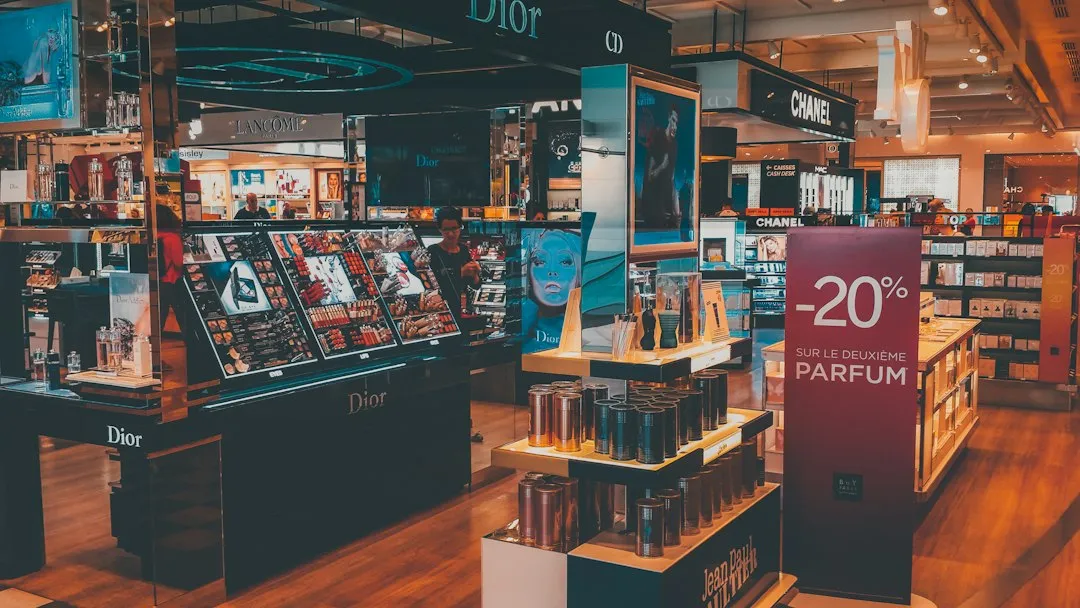
The entire concept of duty-free rests on a simple idea: no tax means lower prices. The term “duty-free” creates an immediate impression that no taxes means lower prices, which seems logical on the surface. But this reasoning overlooks a crucial reality about how airport retail actually works.
To cover massive overhead costs, duty-free retailers typically add substantial markups to their base prices. The tax savings travelers expect to enjoy can be completely absorbed by these inflated base prices.
Many people stop at duty-free stores because of the common misconception that they will save a fortune on taxes. The reality is that the small tax savings often doesn’t make up for the markup in prices. That gap, between perception and reality, is exactly what these stores are built on.
The Decline in Traveler Spending Tells Its Own Story

There’s a quiet shift happening in how people engage with duty-free. Travelers are spending less, and not only because of tighter budgets. It appears that more shoppers are simply doing the math before they reach the register.
In 2024, average traveler spending at duty-free dropped to fifteen dollars, well below the twenty-four dollars spent in 2019, while global duty-free sales reached roughly seventy-four billion dollars, marking a notable decline compared to earlier highs.
Swiss Airlines recently announced it will phase out inflight duty-free sales by September 2026, citing a steady drop in onboard purchases. At the Canadian-U.S. border alone, duty-free sales dropped by sixty percent in 2025. Retailers are feeling the pressure from travelers who now carry smartphones and can price-check in real time.
Where Duty-Free Can Still Make Sense

To be fair, duty-free is not a universal waste of time. Certain categories and certain airports genuinely offer value, particularly when the products involved carry heavy domestic taxation.
Goods such as alcohol, tobacco, perfume, and cosmetics are often cheaper in duty-free shops because these stores don’t have to charge value-added tax or other consumer taxes. The savings are most real when the domestic tax rate is high and the duty-free base price hasn’t been inflated to compensate.
In some airports, like Keflavik in Iceland, products including local alcohol, candies, and cosmetics can be up to fifty percent cheaper than prices found outside the airport. Regional specificity matters enormously. What’s a deal in Reykjavik may be a ripoff in Rome.
The Snacks and Confectionery Section
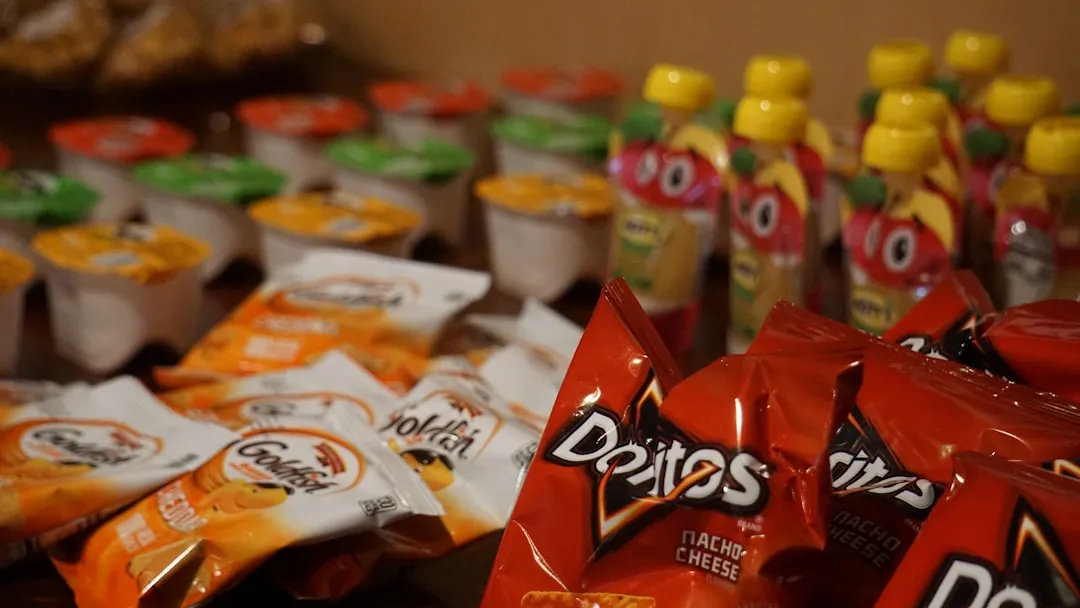
Beyond chocolate, the wider confectionery and snack section of duty-free stores is consistently flagged as poor value by experienced travelers and retail observers alike. Travel experts say sweets and snacks are usually the worst deal at duty-free shops.
Seasoned travel writers advise skipping chocolate at duty-free shops, noting that you’re usually paying two or three times more than you’d pay at the supermarket. The oversized formats and novelty packaging distract from the basic maths at play.
If you want snacks for the flight, buy them before security. That advice may sound obvious, but in the haze of a busy departure hall, with products lit like jewelry and deals advertised on every surface, it’s easier than you’d think to forget it.
How to Actually Shop Duty-Free Wisely
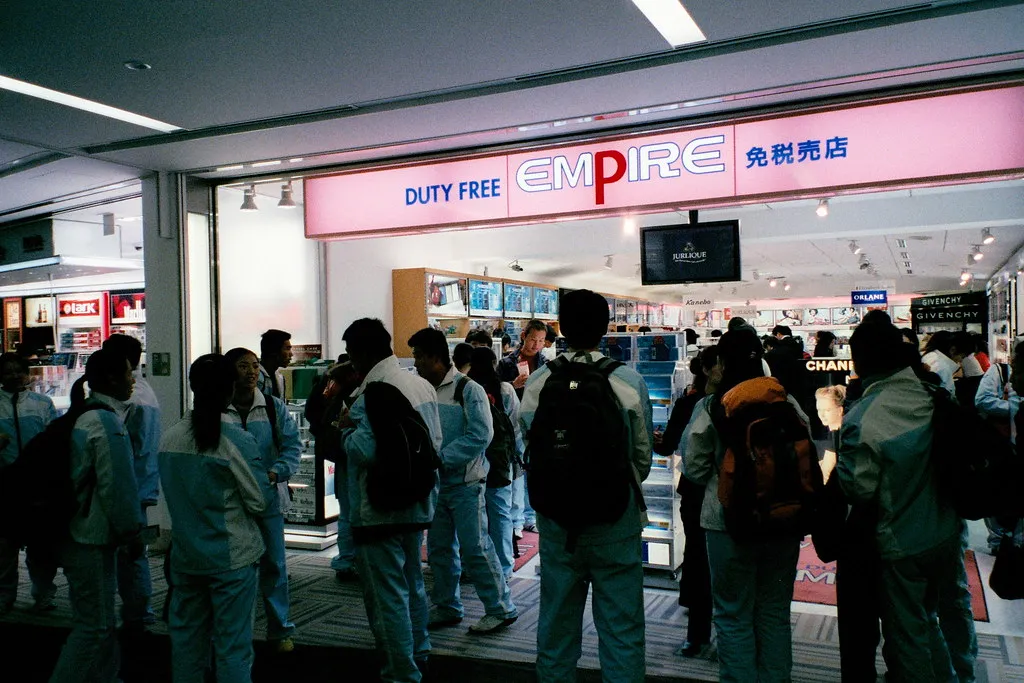
For all the caveats, duty-free is not entirely without merit as a shopping environment. The key is arriving prepared, not just hopeful. Comparing the cost of items you can purchase at home or at your destination before buying at duty-free stores is the single most important habit a traveler can develop.
It’s important to compare prices before you buy anything duty-free, as some items may still be cheaper elsewhere. That means a quick online search before you travel, not a hasty glance at a phone screen while a sales assistant watches from two feet away.
It is absolutely essential to review your home country’s customs policy before your trip, especially concerning specific categories you plan to purchase, as rules can change rapidly. Customs allowances shape how much you can actually bring home without paying duties on arrival, which changes the entire calculation of whether a purchase was worth it in the first place.
The Takeaway
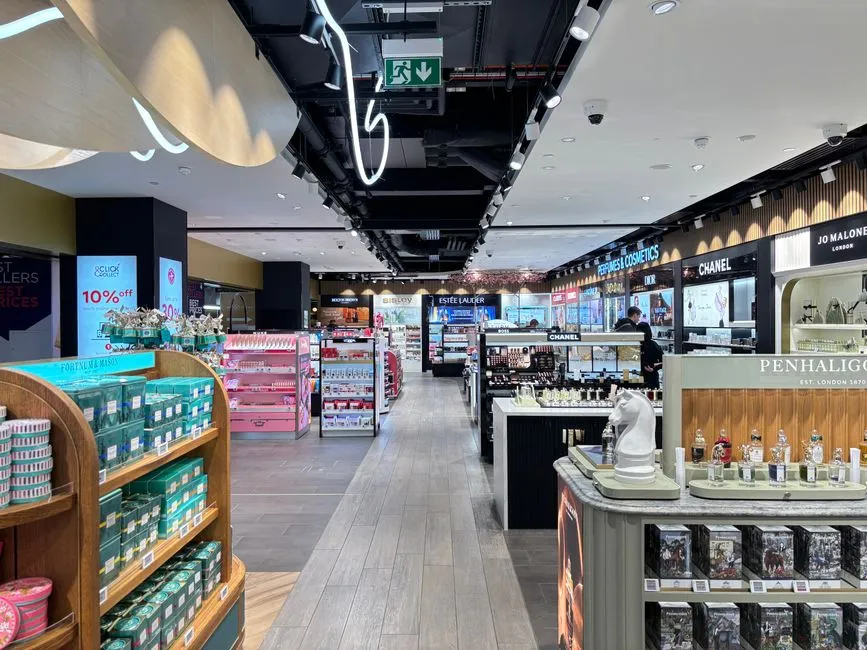
Duty-free was built on a brilliant piece of retail psychology: convince travelers they’re in a special zone, exempt from the ordinary rules of commerce. The “no tax” label does enormous work, even when the underlying prices have been quietly adjusted to absorb those very savings.
The most consistently poor value items, confirmed by price research and consumer data, are chocolate, electronics, souvenirs, and generic luxury accessories. The categories where genuine savings can exist, mainly heavily-taxed spirits and locally-produced goods at certain airports, are narrower than the marketing suggests.
The smartest thing you can do inside a duty-free store is the same thing you’d do anywhere else: know what something costs before you decide it’s a bargain.
AI Disclaimer: This article was created with the assistance of AI tools and reviewed by a human editor.