

There’s a particular kind of optimism that takes hold the moment a traveler spots a buffet sign. The math seems obvious: one flat price, unlimited food, a table full of variety. It feels like the responsible financial choice, especially when you’ve already stretched your trip budget thin. That feeling, it turns out, is precisely what the buffet industry counts on.
What most travelers don’t account for is the full picture. The hidden mechanics behind the all-you-can-eat model are far more sophisticated than the spread of chafing dishes suggests, and research consistently shows that diners rarely come out ahead.
The Flat-Fee Illusion: Why “One Price” Is Never Really One Price
Most buffets deliberately keep beverages separate to lift the average check with high-margin drink items. That means the price you see at the door rarely reflects what you’ll pay when the bill arrives. Soft drinks, juices, alcohol, and even bottled water are frequently charged on top of the entry fee.
Unlike sit-down restaurants, buffets have servers who refill your drinks, clear your plates, and often go unnoticed behind the “self-service” concept – yet tipping expectations remain. Once beverages, tips, and any premium station surcharges are added, a meal that looked affordable on the sign can feel very different on the receipt.
Sticker Shock at the High End: Buffet Prices Have Climbed Steeply
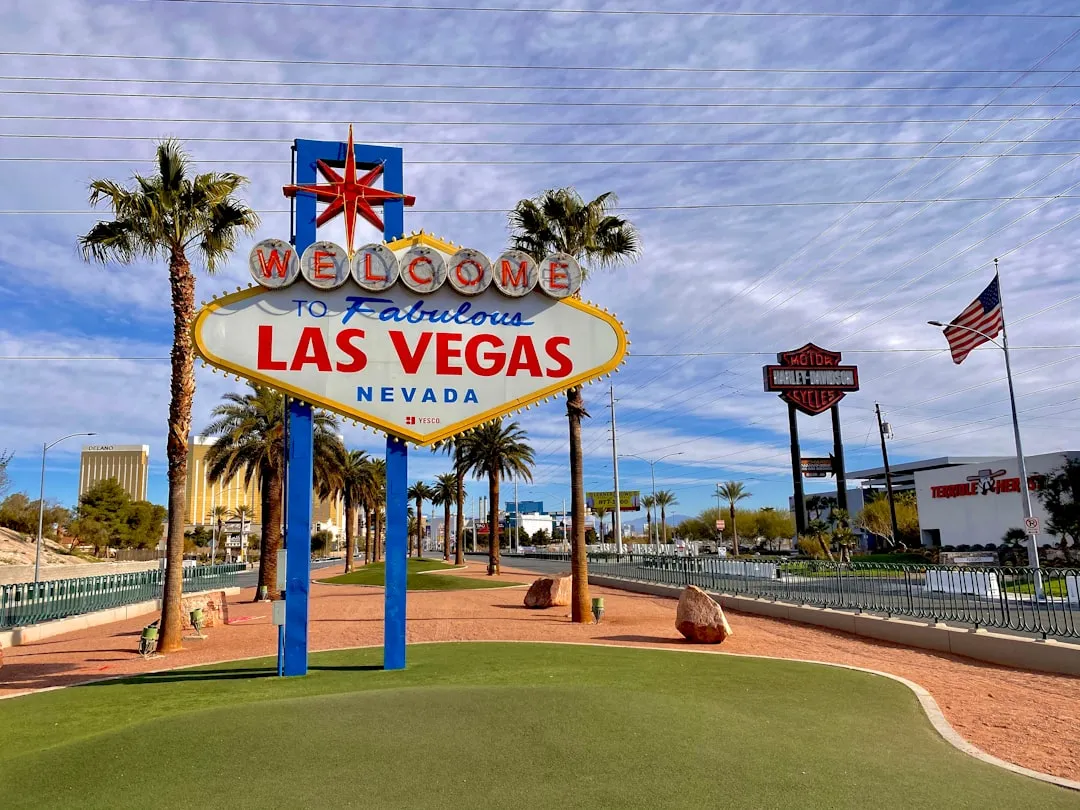
In late 2025, the price for major Strip buffets in Las Vegas ranges roughly from about seventy dollars to well over one hundred dollars per person for dinner at top-tier locations like Bacchanal Buffet or Wynn Buffet. That’s a significant outlay before a single plate is filled. For many travelers, especially families, those numbers escalate fast.
At Bacchanal Buffet, dinner is listed at around $87 on weeknights, with elevated pricing for weekend crab brunch, and line-skip passes are monetized separately. The Luxor Buffet closed permanently in March 2025, and Westgate’s Fresh Buffet shut without notice in May of the same year – a reminder that even flagship buffets are not immune to the pressures of rising costs. The ones that survive tend to pass those costs directly to the diner.
The Psychology of the Spread: Cognitive Overload and Overspending
A 2024 study warned that giving diners too much choice can result in “cognitive overload,” which creates the impulse to try a little bit of everything, most of which ends up in the trash. This isn’t a personal failing – it’s a predictable human response to abundance. When everything is available, the rational logic of eating what you need gets replaced by the emotional pull of eating what’s interesting.
People generally connect value not to how full their stomachs are when they leave, but to how much choice they had. A diner who takes small portions of many different dishes tends to feel more satisfied than someone who eats only a couple of things. That satisfaction, though, often comes at the cost of overeating, discomfort, and a meal that costs far more than a well-chosen dish at a local restaurant would have.
What Hotels Know That Guests Don’t: The Breakfast Buffet Trap
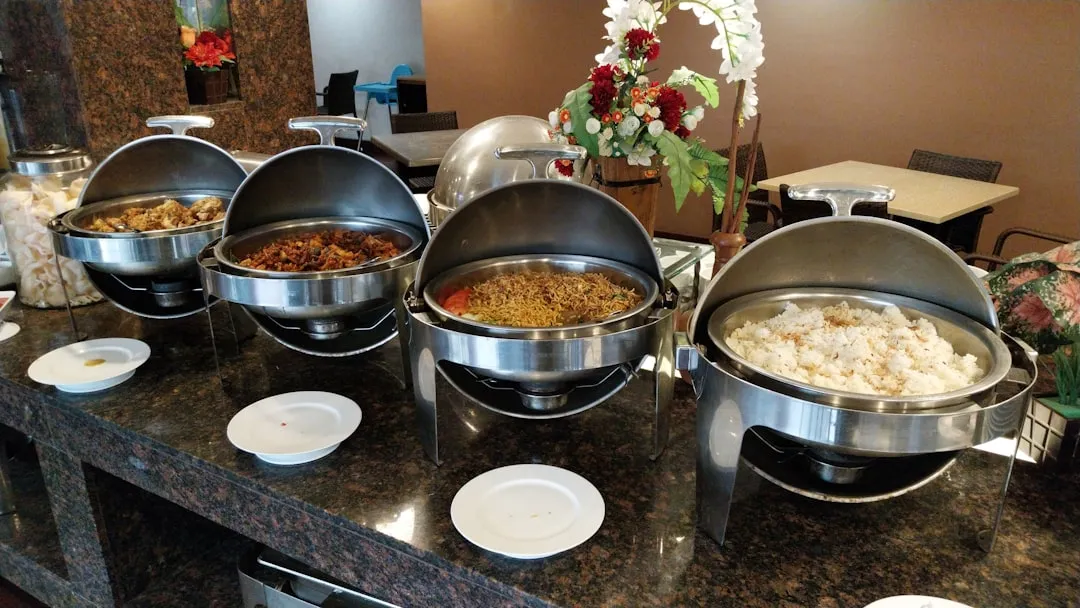
At hotels, the breakfast buffet is one of the key experiences for tourists, but it is also widely known to waste a large amount of food. The hotel breakfast buffet is perhaps the most familiar version of the all-you-can-eat format in travel, and it carries its own quiet costs. Guests who assume it represents straightforward value are often underestimating how the model works.
Research published in the Journal of Travel Research found that guests at hotel breakfast buffets often take more food than they actually consume, creating avoidable plate waste and unnecessary cost. The buffet doesn’t lower the hotel’s food costs – it distributes them across a structure that assumes most guests won’t eat enough to justify the price. Those who do tend to feel overfull. Those who don’t have simply subsidized everyone else.
The Food Waste Factor: What Gets Left on the Plate
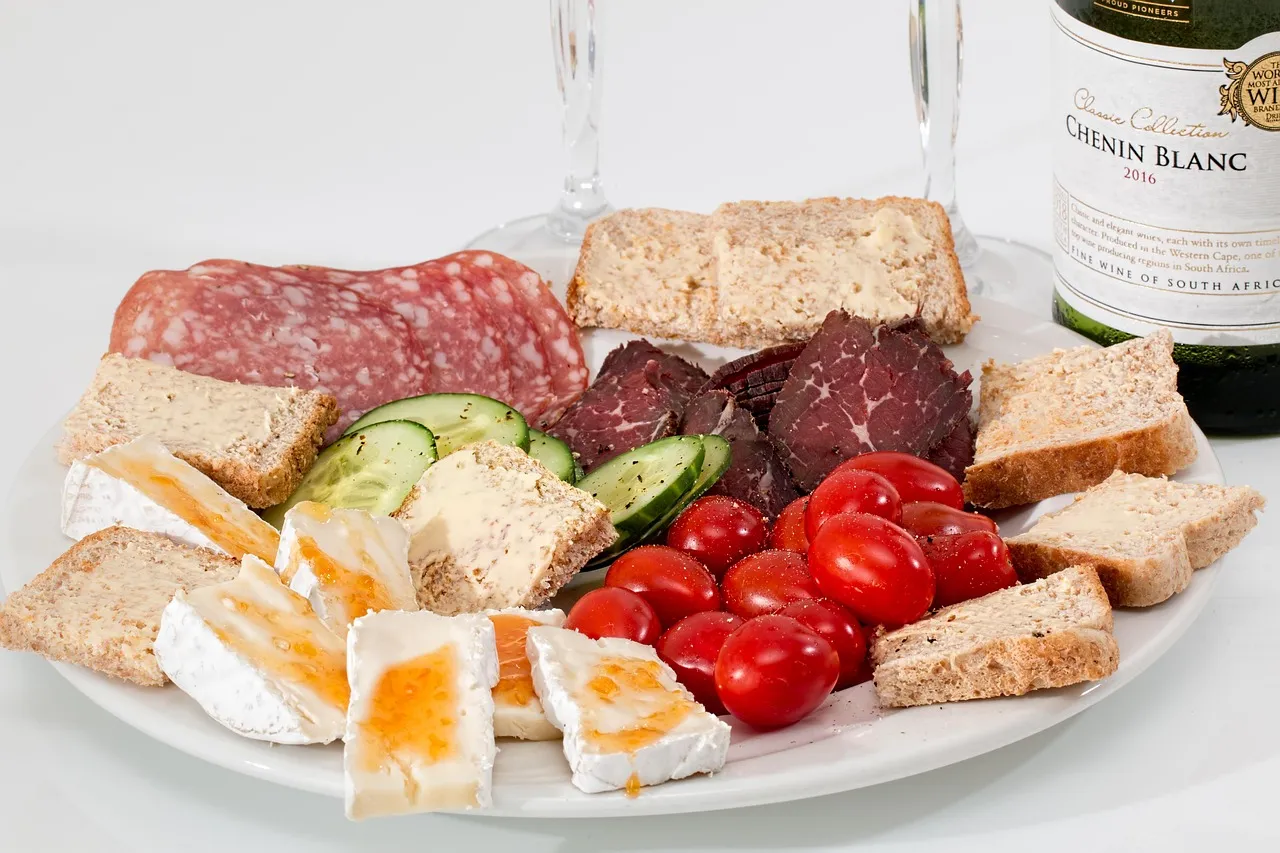
According to a 2024 study from the University of Michigan’s Ross School of Business, all-you-can-eat buffets generate more food waste than any other restaurant format, with over seventy percent of that waste being plate waste – food that diners serve themselves but leave uneaten. That’s a striking proportion, and it has direct implications for the true cost of the meal.
In a five-star hotel in Malaysia, each patron left behind an average of 300 grams of food at breakfast, 100 grams at lunch, and 400 grams at dinner, of which ninety-two percent was avoidable. On average, 1.1 kilograms per guest was wasted daily in that same hotel. The traveler pays for food they don’t eat, and that cost is baked into the flat fee from the start.
The Environmental Cost That Quietly Follows You Home
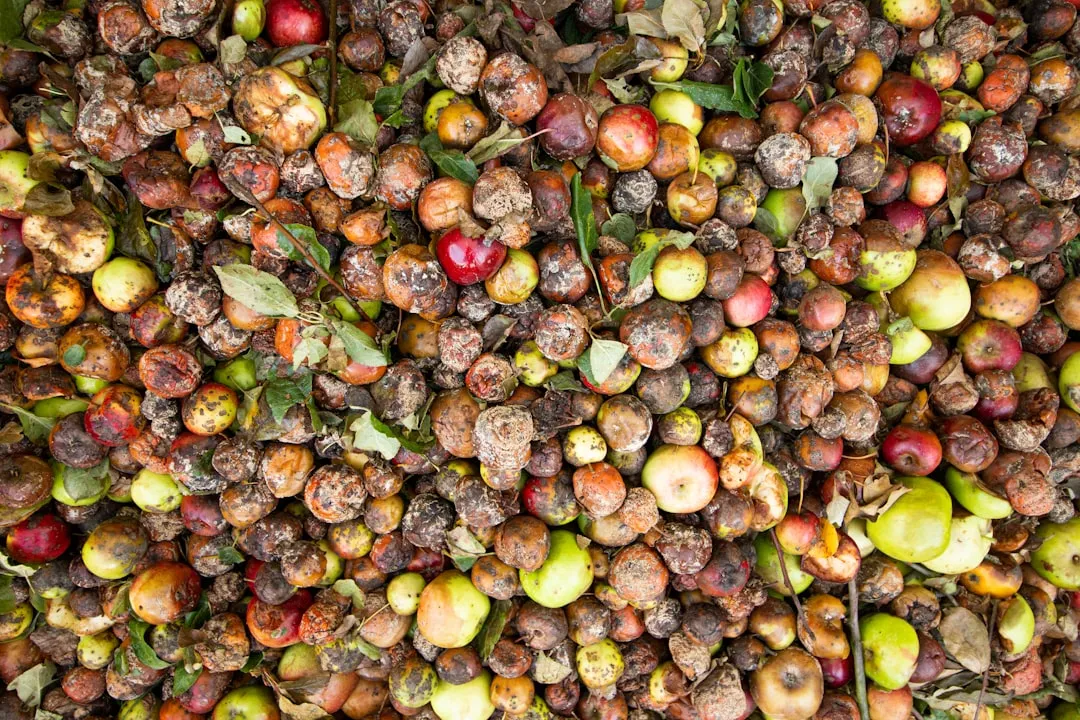
Despite serving just half a percent of global meals, hotels account for one percent of food-related emissions and three percent of food waste, according to a 2024 report. Buffets sit at the center of that imbalance. Food waste is responsible for eight to ten percent of greenhouse gas emissions globally and generates waste in land, water, and biodiversity.
The United Nations Environment Programme’s 2024 Food Waste Index estimated that nineteen percent of food available to consumers was wasted in 2022, amounting to over one billion tonnes globally, with food loss and waste accounting for roughly eight to ten percent of global greenhouse gas emissions. Travelers who care about responsible travel are, in effect, contributing to that number every time they load a buffet plate they don’t finish.
The Policy Response: Governments Are Starting to Notice
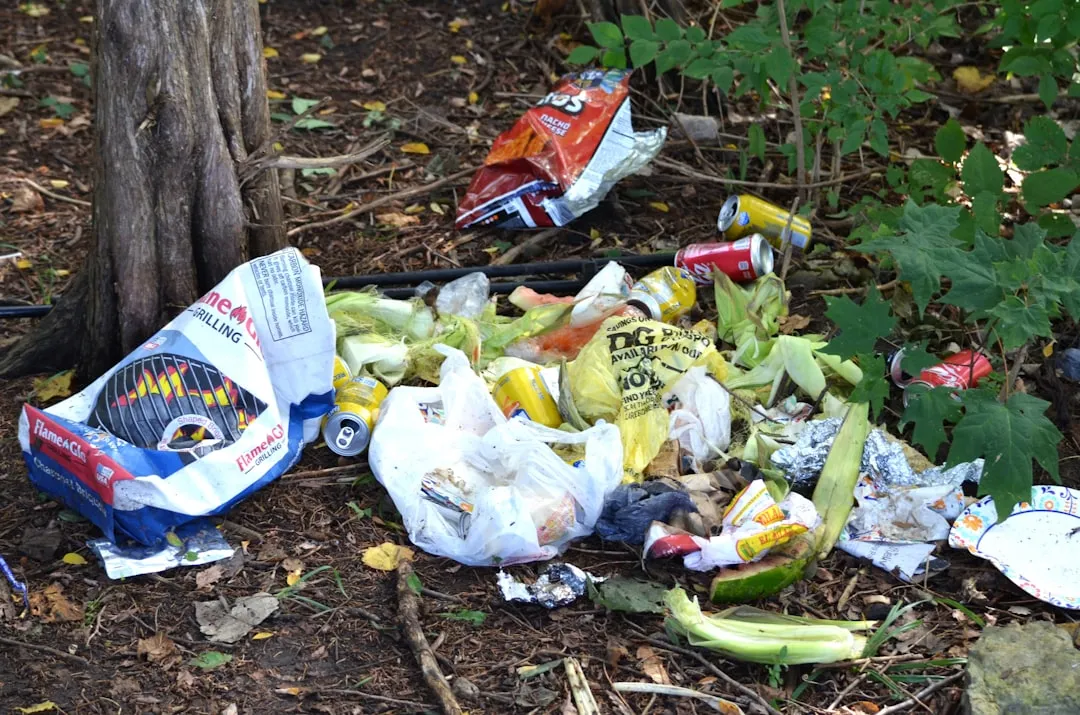
In early 2025, EU co-legislators struck a provisional deal to cut food waste by thirty percent per capita across retail, restaurants, food service, and households by 2030, meaning the way guests behave at buffets is becoming a matter of genuine policy interest. This is a meaningful shift. What was once treated as a purely personal dining choice is now the subject of international regulation.
Operators including Accor and Hilton attended a United Nations event to launch an initiative to measure food waste, set targets for its reduction, and push toward smaller portions, cooking fresh food live in front of guests, and tighter control over how food is served. The hospitality industry is being asked to restructure the buffet model precisely because the current version is unsustainable – financially and environmentally.
The Buffet Surge: Why Travelers Keep Going Back

Buffet searches surged by two hundred and fifty-two percent between September 2024 and August 2025, as Americans sought affordable dining options amid inflation, according to Yelp data. The appeal is understandable. When everyday costs feel high, the promise of unlimited food for a fixed price resonates. Asian cuisine is driving much of this revival, with Indian food buffet searches jumping dramatically.
The surge in interest doesn’t mean travelers are getting better value, though. Buffet operators raised prices consistently from 2022 through 2025 to offset higher input and wage costs, while adjusting menu mixes to hold food-cost percentages in range. The headline price went up. The portion strategy stayed the same. Travelers searching for a deal are increasingly meeting a format that has been optimized against them.
Plate Size, Portion Psychology, and the Mechanics of Buffet Design
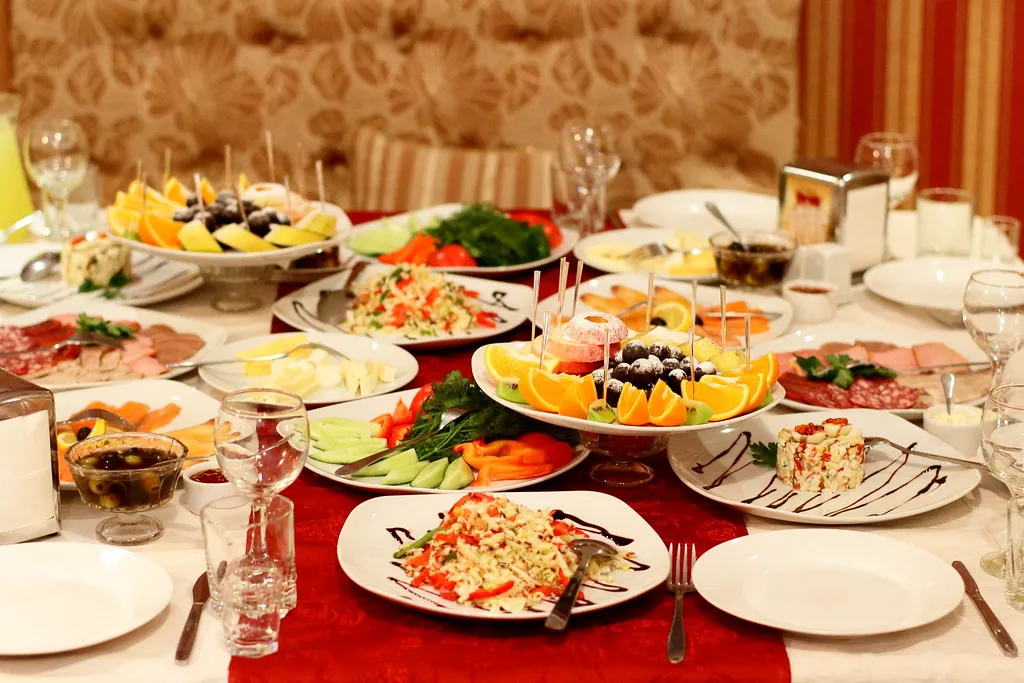
Multiple hotel and buffet studies show that reducing plate size and providing simple social cues can result in around twenty percent less plate waste, with one buffet study finding that large plates led to a one hundred and thirty-five percent increase in waste. Buffets know this too. The size and design of serving plates, the placement of dishes, and the layout of the spread are all calibrated to influence how much you take – and how much of it ends up going to waste.
Research suggests that around 300 grams per guest can be expected at a buffet breakfast when left unmanaged, compared to around 130 grams per guest at a plated service. That difference tells the real story of the buffet experience: the format itself, not personal appetite, tends to drive overconsumption and waste.
What Smarter Travelers Are Choosing Instead
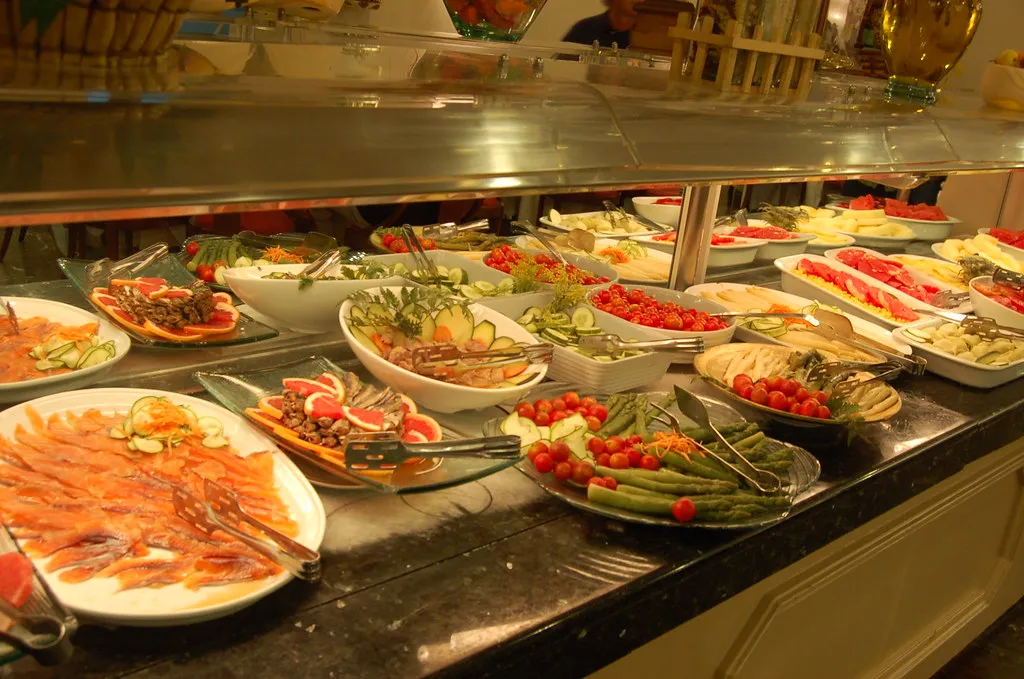
Travelers who’ve run the actual numbers on buffet dining often find that a carefully chosen meal at a local restaurant – one that reflects regional ingredients, culinary tradition, and genuine hospitality – costs the same or less, produces no plate waste, and leaves them feeling far more connected to the place they’ve traveled to see. The buffet’s promise of abundance can, in practice, crowd out some of the most meaningful parts of travel.
Research has shown that two simple, non-intrusive changes – reducing plate size and providing social cues – can reduce food waste in hotel restaurants by around twenty percent. Travelers who approach buffets with that awareness, taking only what they’ll eat, eating slowly, and resisting the pull of variety for variety’s sake, tend to spend less, waste less, and enjoy the experience more. That’s a form of travel intelligence worth carrying.
The Takeaway
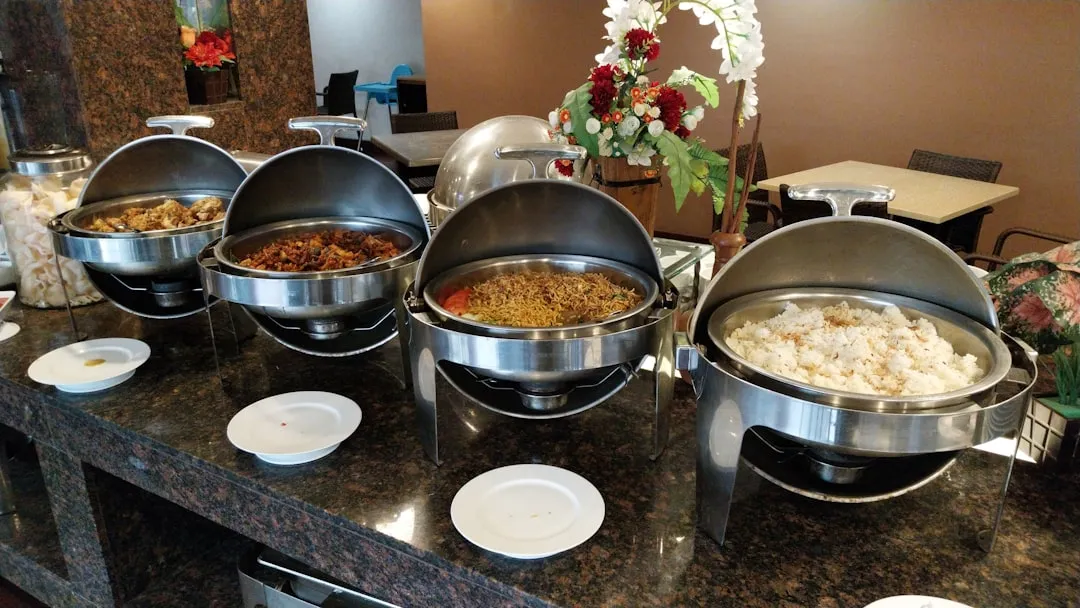
The all-you-can-eat buffet isn’t inherently a bad choice. There are contexts where it genuinely serves travelers well, particularly for families with diverse appetites or on occasions where the experience itself is part of the destination. The problem is the myth layered on top: that a flat fee automatically equals value, that abundance equals satisfaction, and that loading a plate is the same as getting your money’s worth.
The evidence from researchers, hospitality operators, and sustainability organizations tells a more nuanced story. The buffet is a finely tuned commercial format designed to appear generous while managing costs carefully. Traveling with that awareness doesn’t mean avoiding buffets. It means entering the arrangement with clear eyes – and maybe leaving a little more room on the plate than instinct suggests.
AI Disclaimer: This article was created with the assistance of AI tools and reviewed by a human editor.