
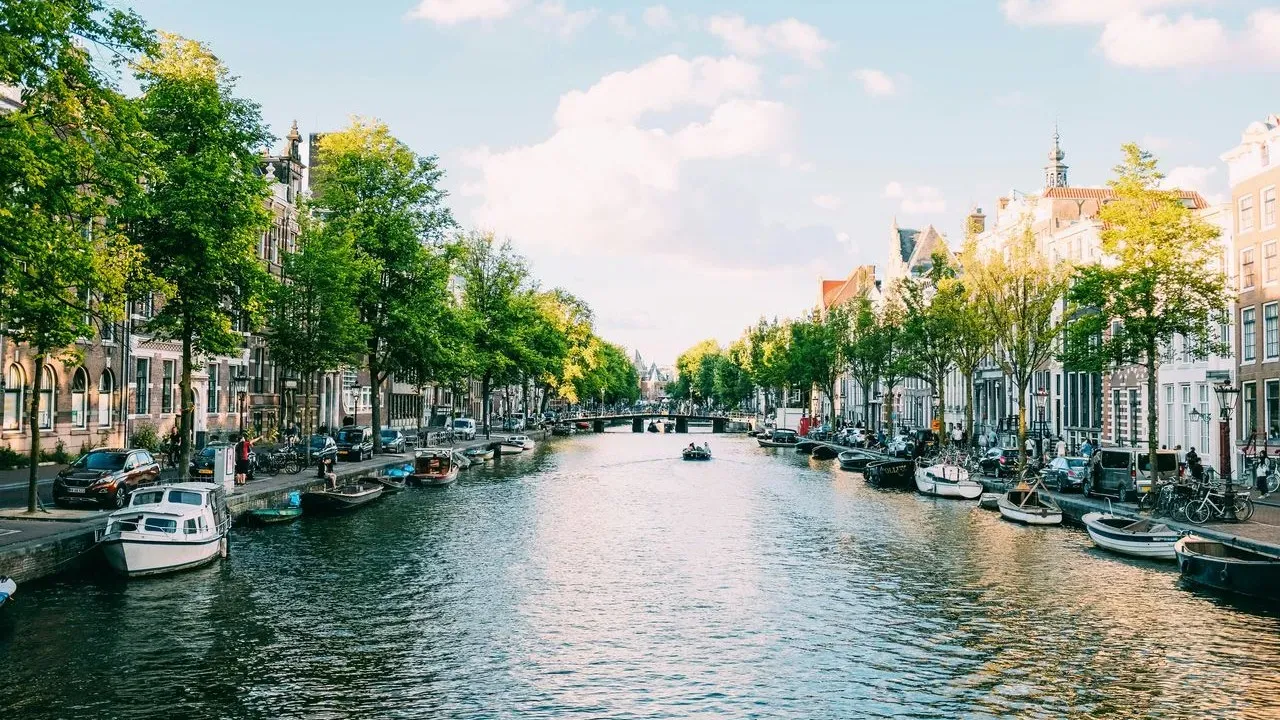

Along the quiet curve of the Herengracht, six 17th- and 18th-century canal palaces have been carefully returned to public life as the Waldorf Astoria Amsterdam. The property stands as the Netherlands’ sole Forbes Five-Star hotel, a distinction earned through meticulous preservation rather than new construction. Guests arrive to a setting that still feels deeply connected to the city’s trading past, where merchant homes once lined the water and every detail now serves both comfort and continuity.
A Living Record of Amsterdam’s Golden Age
The buildings themselves carry centuries of layered history. Each palace was restored with attention to original proportions, materials, and craftsmanship, allowing the architecture to speak for itself. High ceilings, ornate gables, and canal-side windows remain intact, offering views that shift with the light throughout the day. This approach keeps the hotel grounded in its surroundings instead of imposing a modern overlay on the historic fabric. Walking the corridors reveals thoughtful choices that honor the past while meeting contemporary expectations. Original staircases and fireplaces sit alongside discreet modern systems for climate control and accessibility. The result feels less like a conversion and more like an extension of the neighborhood’s daily rhythm.
Unexpected Spaces Within the Palaces
One of the most distinctive features lies beneath the surface. A former bank vault has been transformed into an intimate cocktail bar, where thick steel doors and secure chambers now frame a quiet place for conversation. The contrast between the industrial strength of the vault and the refined service creates a memorable pause during an evening in the city. Elsewhere, the 24-hour Guerlain Spa occupies another restored wing. Treatments draw on the brand’s heritage while respecting the building’s scale and light. Guests often find the experience enhanced by the surrounding calm of the canal, where the pace of the city feels deliberately slowed.
Staying With Intention
A night here encourages a slower exploration of Amsterdam. The location places guests within easy reach of the city’s museums, markets, and waterways, yet the hotel itself offers a private retreat that respects both privacy and the neighborhood’s character. Many visitors choose to linger over breakfast in rooms that overlook the water, watching boats pass as the day begins. Sustainability considerations appear in the restoration choices, from energy-efficient systems hidden within historic walls to partnerships that support local suppliers. These details align with a broader commitment to travel that leaves the destination stronger rather than strained. The Waldorf Astoria Amsterdam demonstrates how historic structures can continue to serve new generations without losing their essential identity. For travelers seeking a stay that connects them to place and time, the property offers a measured, memorable base in one of Europe’s most storied cities.
AI Disclaimer: This article was created with the assistance of AI tools and reviewed by a human editor.