
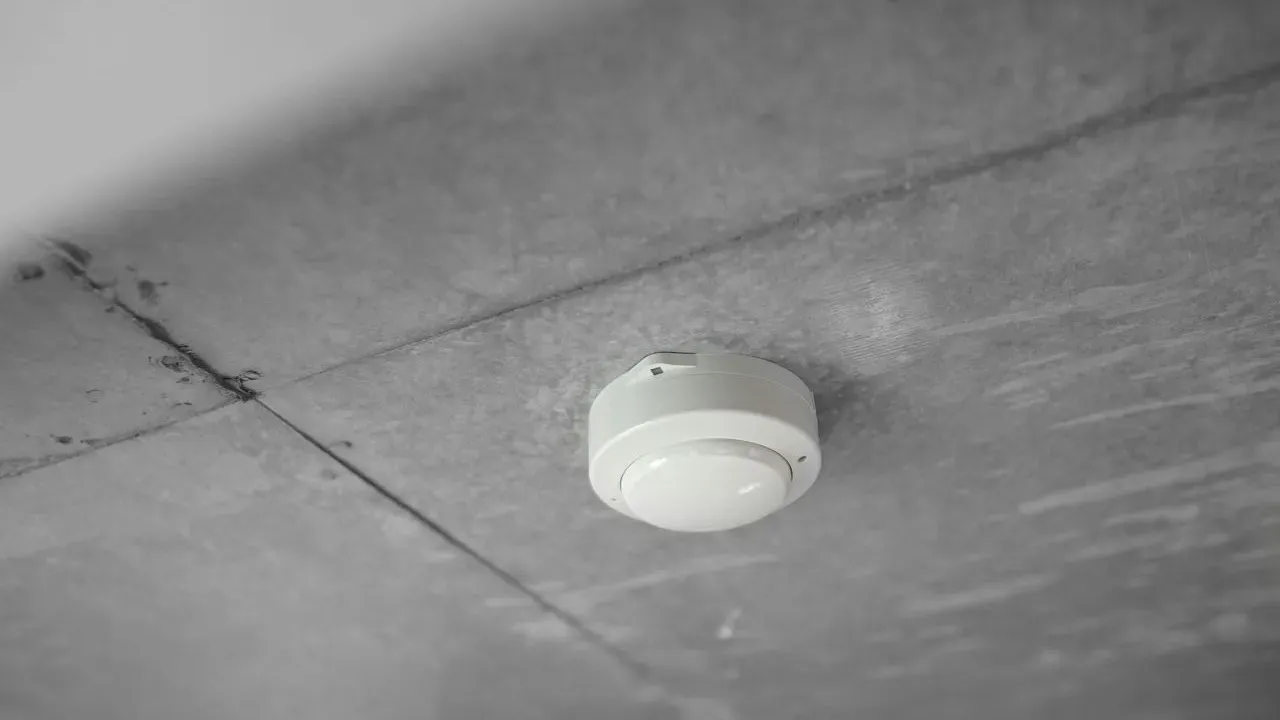

Travel often brings a welcome sense of freedom, yet certain practical considerations remain worth carrying along. One such detail involves carbon monoxide, an odorless and colorless gas that can appear in enclosed spaces from everyday appliances. Many accommodations operate without uniform requirements for detection equipment, leaving travelers to consider their own precautions.
Understanding the Gaps in Protection
Regulations for carbon monoxide detectors in hotels, resorts, and vacation rentals differ widely by location. Some regions maintain limited or no mandates, while enforcement can vary even where rules exist. Travelers who contact their chosen property in advance can learn whether detectors are installed in rooms and common areas and whether they receive regular testing. Researching any past incidents at a specific site adds another layer of awareness before departure.
Selecting a Reliable Portable Option
A compact, battery-powered detector designed for travel fits easily into a suitcase and provides an independent layer of monitoring. Models that meet recognized safety standards, such as those from Underwriters Laboratories, offer tested performance. Battery operation or a backup power source ensures continued function during outages. Keeping the device in a dedicated pouch within luggage helps establish a consistent habit of bringing it along on every trip.
Setting Up and Maintaining the Device
Upon arrival, place the detector in the sleeping area, following the manufacturer’s instructions for positioning away from direct airflow or heat sources. Carbon monoxide diffuses evenly through a room rather than settling near the floor, so elevated placement often works well. Regular testing, timely battery changes, and eventual replacement of the unit itself, typically after five to ten years, keep the device ready for use. Many models include built-in alerts when maintenance is due.
Recognizing Symptoms and Taking Action
Familiarity with early signs of exposure supports quick response. The acronym HEADS UP captures common indicators: headache, exhaustion, aching muscles, dizziness, sick stomach, unclear thinking, and pale or cool skin. Should an alarm sound or symptoms appear, leaving the space immediately and notifying property staff allows for prompt evaluation of the entire building. Fresh air often brings relief because the gas clears from the body relatively quickly under normal breathing conditions. A portable detector represents a modest, repeatable step that aligns with thoughtful preparation for any journey. By incorporating this simple tool, travelers can focus more fully on the experiences ahead while maintaining a quiet sense of readiness.
AI Disclaimer: This article was created with the assistance of AI tools and reviewed by a human editor.