
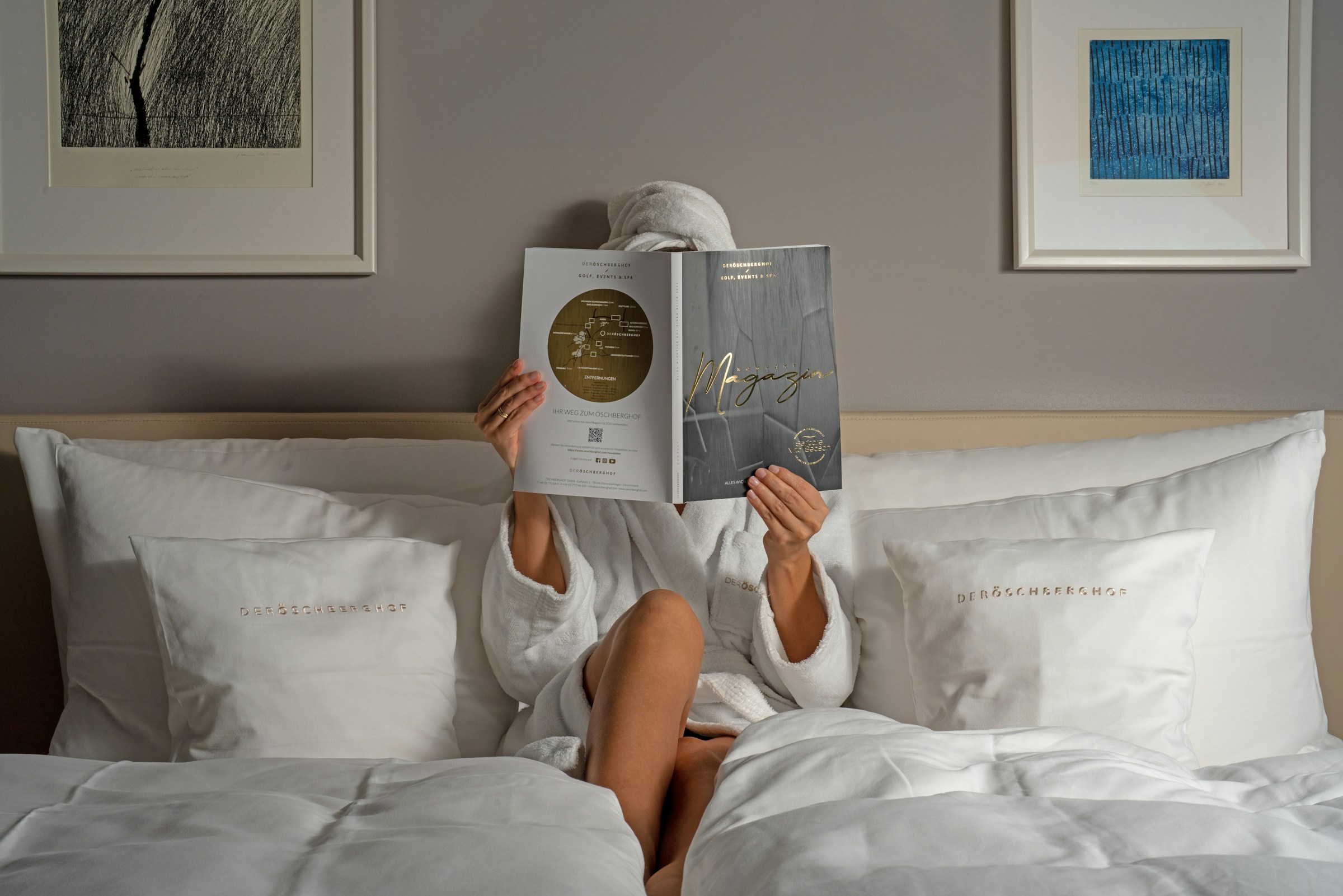

There’s a peculiar kind of exhaustion that hits when you check into a hotel room late at night, sink into a bed that looks perfectly comfortable, and then spend the next hour staring at the ceiling. The sheets are clean. The pillow count is generous. Nothing is technically wrong. Yet sleep stays frustratingly out of reach.
The gap between a hotel bed and your own isn’t just about the mattress. It’s neurological, environmental, and surprisingly fixable with a handful of intentional adjustments. What follows are ten grounded, research-backed strategies that experienced travelers quietly rely on to sleep well anywhere.
Understand Why Your Brain Won’t Switch Off

Sleep researchers call it the first-night effect. A Brown University team led by Masako Tamaki and Yuka Sasaki tracked volunteers’ brains across two nights in an unfamiliar room, and on night one, the left hemisphere stayed more alert than the right during deep, slow-wave sleep. It isn’t your whole brain staying alert – just one network in the left hemisphere, active during the first deep-sleep phase, standing watch in case the room turns out not to be safe.
New sounds, smells, lighting, or even bedding trigger heightened activity in the limbic system, especially the amygdala, which is tuned for threat detection. This leads to fragmented sleep, more micro-awakenings, and less restorative deep sleep. Knowing this is half the battle. The strategies that actually help are the ones that quietly signal to that vigilant hemisphere that the room is safe.
Arrive a Night Early When It Really Matters

The first-night effect is mostly a first-night problem, true to its name. It fades by night two, according to research. That one fact has real practical value for travelers with something important the following day.
If possible, arriving a day early allows the body one “adaptation night” before a key performance day. So if a trip has one night that actually matters – a wedding, an early meeting, a race – don’t book it for night one. Arrive a day early if you can, and let your brain settle first. It’s a simple logistical shift that sidesteps one of travel’s most common sleep traps.
Dial the Temperature Down
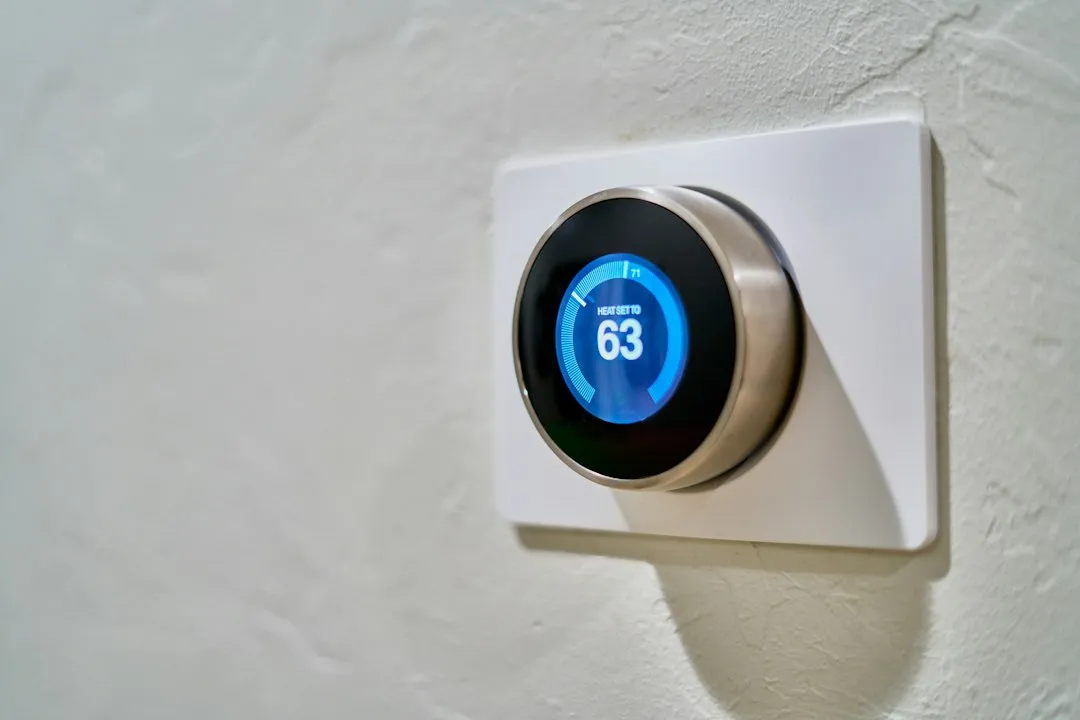
Most hotels set their room temperatures somewhere between 65 and 68°F (18–20°C), a range that sleep research identifies as ideal for rest. Cooler air allows the body to release heat more efficiently, ensuring deep sleep. The challenge is that hotel rooms are often warmer than that on arrival, especially if they’ve been unoccupied with the thermostat set to save energy.
Internally, the body signals that it’s time to sleep by decreasing core body temperature and increasing the sleep-promoting hormone melatonin. This makes you less alert. Adjusting the thermostat to the cooler end of the recommended range as soon as you walk in gives the room time to reach the right temperature by the time you’re ready for bed. Breathable bedding materials, such as cotton sheets, also help regulate body temperature during the night.
Recreate the Layered Bed Structure
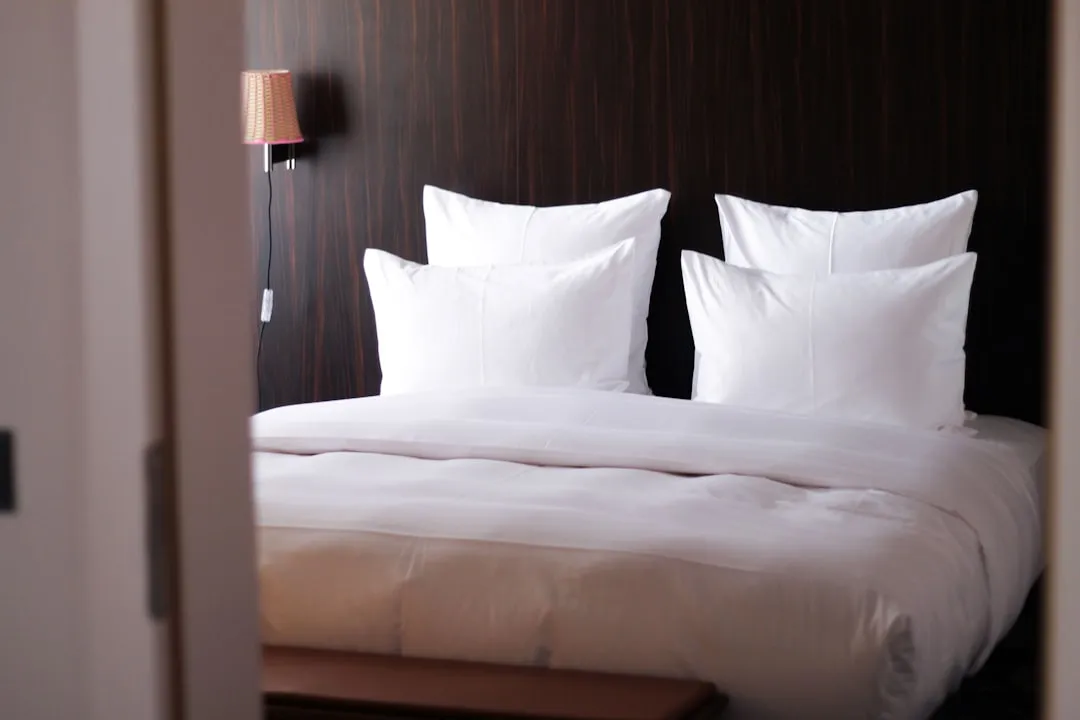
The real secret to a great hotel bed lies in how the entire bed is constructed. The mattress provides the foundational support, a mattress topper or pad adds pressure relief, and high-quality sheets create a smooth surface for the skin. Most travelers don’t realize they can partially recreate this layering with what’s already in the room.
Request an extra blanket from housekeeping and layer it between the duvet and the top sheet. Adjust the pillow arrangement to closely match what you use at home – one firm pillow under the head, a softer one between the knees if that’s your habit. Research published in a peer-reviewed hospitality study found that hotel guest sleep was inversely associated with uncomfortable bed linen and uncomfortable pillows, making these small adjustments genuinely meaningful rather than merely cosmetic.
Bring a Familiar Scent From Home

A lot of hotels use subtle signature fragrances in their rooms for a reason. Smell is directly linked to the part of the brain that handles memory and emotion, which means a consistent scent can train the brain to associate it with sleep. The same principle works in reverse: a familiar scent you bring from home can make a strange room feel meaningfully less foreign.
Smells with a positive association are scientifically proven to trigger a sense of well-being, and a 2024 University of Pittsburgh School of Medicine study showed that familiar scents helped to break negative thought cycles. A light spritz of linen spray, a drop of lavender oil on your pillowcase, or a mild diffuser running before bed are all easy ways to bring this into your routine. A small travel bottle of your usual pillow spray takes up almost no packing space.
Control the Light Environment Aggressively
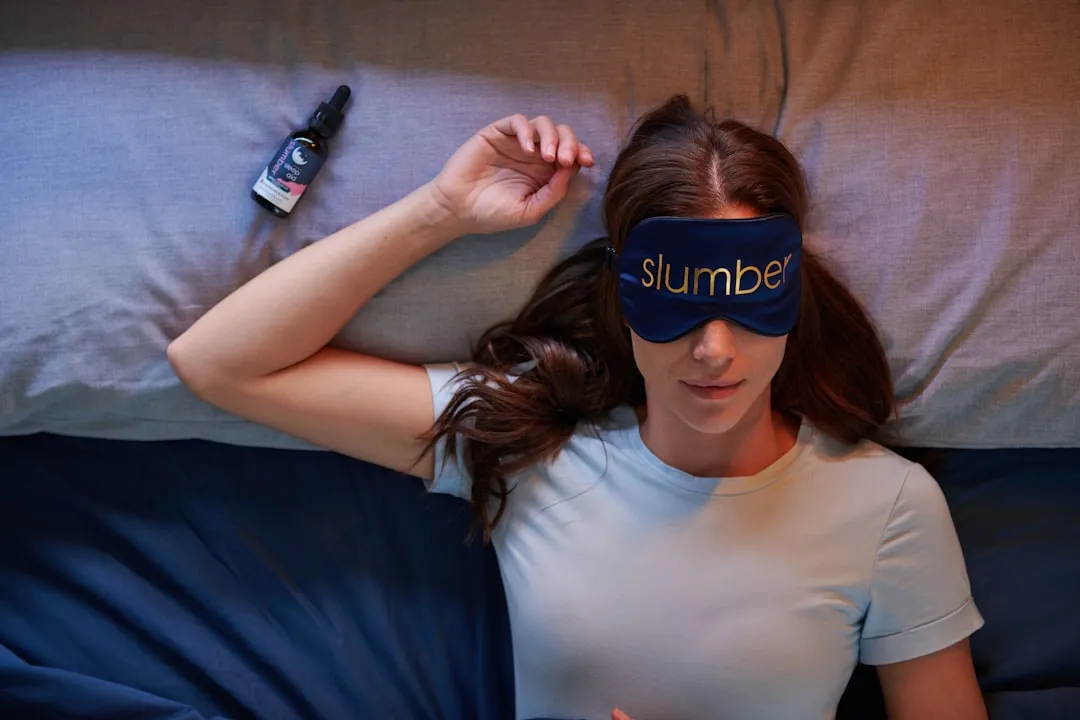
Among the top disruptors of sleep while traveling, lighting ranks as one of the most commonly cited factors, affecting nearly three quarters of travelers who report worse sleep away from home. Hotel rooms tend to have standby lights on televisions, glowing alarm clocks, illuminated USB ports, and curtains that don’t fully close – a surprisingly bright constellation of interruptions.
Soft bedside lamps and warm-toned bulbs create a gentle atmosphere during the evening. This type of lighting allows the body’s natural wind-down process to begin earlier. Blackout curtains are another key feature – and when the hotel curtains aren’t fully opaque, a sleep mask is a simple fix worth keeping in any travel bag. Minimizing blue light exposure in the evening and anchoring rhythm with bright morning light helps stabilize circadian cues.
Use Sound to Your Advantage

Noise is cited as the single biggest sleep disruptor for travelers, affecting roughly three quarters of those who report sleeping poorly away from home. Research from Harvard Medical School found that a noisy air conditioner, noise from outside the hotel room, and noise from adjacent rooms were among the strongest predictors of poor guest sleep.
Soothing sounds are similarly powerful in easing the mind and promoting relaxation. A white noise app set to a consistent, neutral sound like a fan or rainfall can effectively mask the unpredictable noises that jolt people awake. Using white noise to reduce the effect of unusual sounds is one of the simplest, most portable sleep tools available – and it costs nothing beyond a pair of earbuds.
Keep Your Bedtime Routine Intact
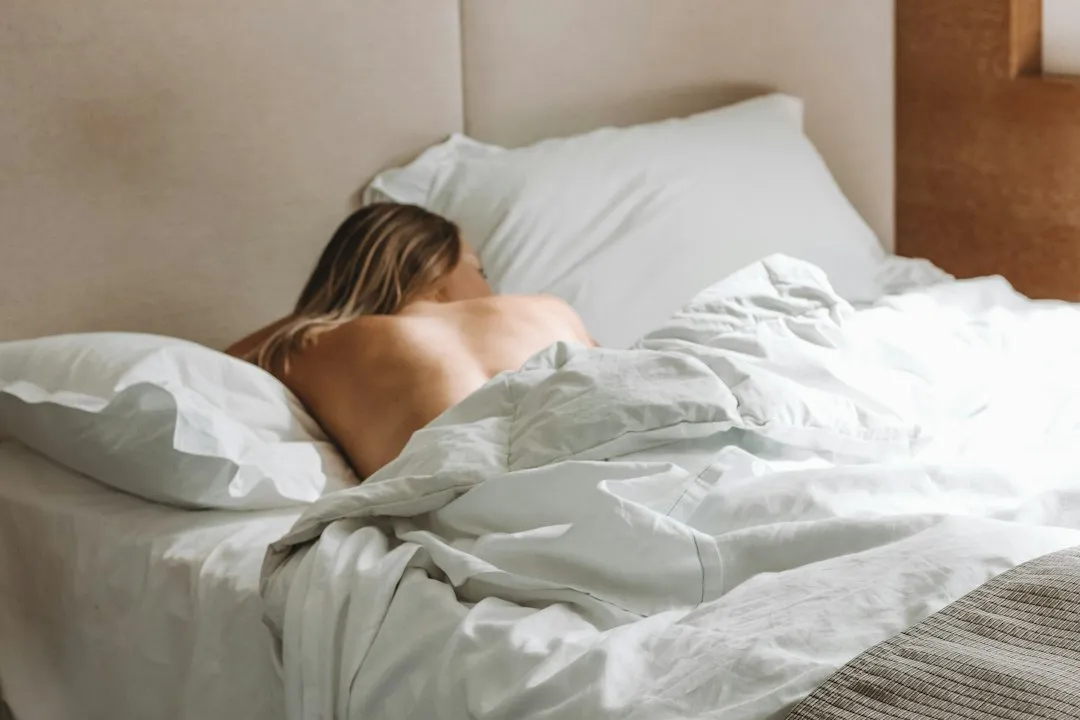
Travelers can improve their experience by managing sleep quality through maintaining personal sleep hygiene practices, including maintaining a bedtime routine and arranging an appropriate bedroom environment. This is easier to dismiss than it sounds. Travel tends to push people toward later nights, richer meals, and more screen time than usual – all of which compound the first-night effect.
Maintaining pre-sleep rituals such as reading, meditation, or listening to calming music reinforces the brain’s expectation of sleep. Even a shortened version of your usual routine – ten minutes of reading instead of thirty – gives the brain a recognizable sequence of cues. Dimming lights and limiting screens in the evening, and sticking to consistent bed and wake times, works to support the process.
Pack Something Small and Personal From Home
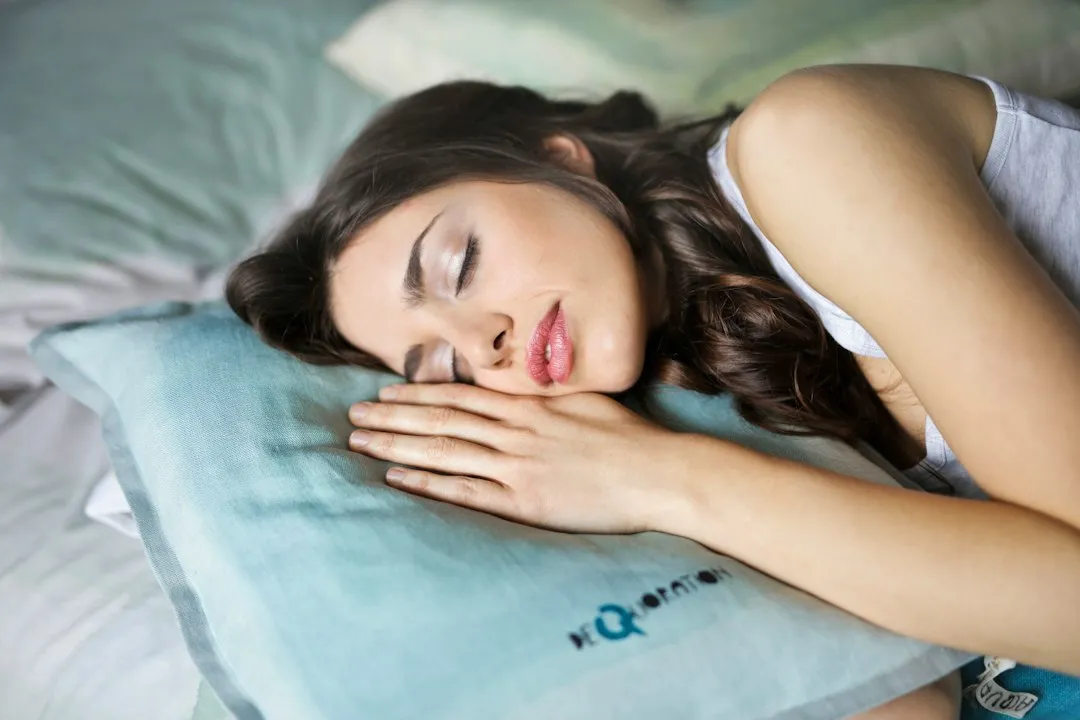
If there is a particular pillowcase, a sleep mask, or a certain scent that helps you sleep at home, bringing these along gives the brain some familiar cues in an unfamiliar environment. Some travelers even bring their own pillow to allow for an extra level of comfort and that feeling of home. It sounds like an overreaction until you’ve had a genuinely good night’s sleep on a trip because of it.
Bringing elements from home such as a pillow, blanket, or familiar scent to reduce novelty is a recognized approach in sleep research for counteracting the first-night effect. The object itself isn’t magic – it’s the associative memory it carries. Your brain recognizes it as safe, and that recognition is worth more than the finest hotel mattress when your hemisphere is on high alert.
Recognize the Bigger Stakes of Getting This Right

Guests who reported better-than-expected sleep rated their entire hotel stay, on average, 114 points higher on a 1,000-point scale. Yet only about a third of travelers say they’re satisfied with their sleep while traveling. That gap between how often people sleep poorly on the road and how much it affects the rest of their trip is the real argument for taking these adjustments seriously.
Research found that business travelers lose around 58 minutes of sleep each night when staying away from home, averaging just five hours and 17 minutes. Sleep quality is a crucial predictor of hotel guests’ satisfaction and overall experience, and sleep deprivation may hinder travel activities and elicit negative feelings such as frustration and fatigue, ultimately leading to a generally unfavorable travel experience. The effort to sleep well on the road isn’t indulgent – it’s what makes the trip worth taking.
The Takeaway
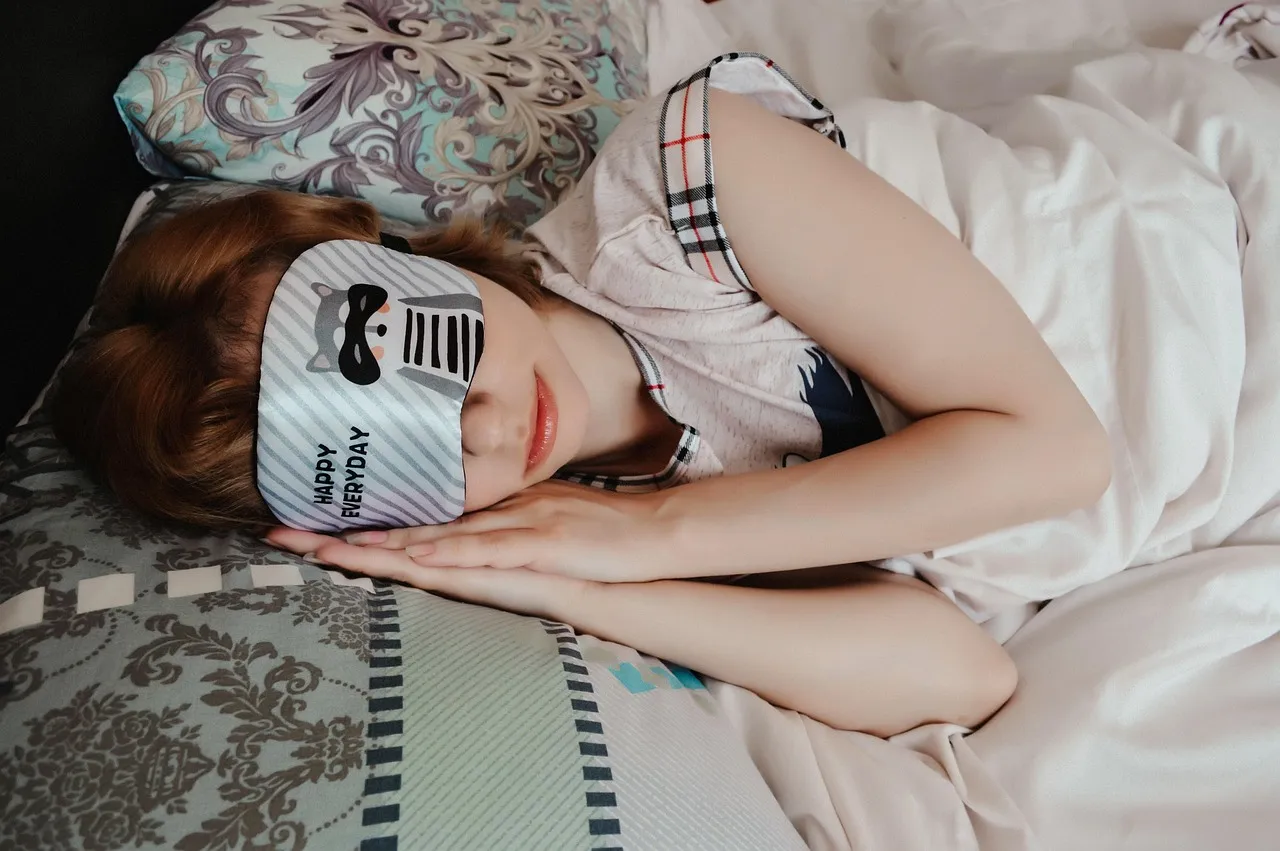
None of these adjustments require special equipment or expensive upgrades. The most effective ones – a familiar scent, a cooler room, a consistent wind-down ritual, a sleep mask – fit in a small corner of any carry-on. What they share is a common logic: the brain doesn’t need luxury to sleep well. It needs familiarity, quiet, and a signal that it’s safe to let go.
The hotel bed that feels like home isn’t really about the thread count. It’s about giving a watchful brain enough familiar cues to finally stand down.
AI Disclaimer: This article was created with the assistance of AI tools and reviewed by a human editor.