
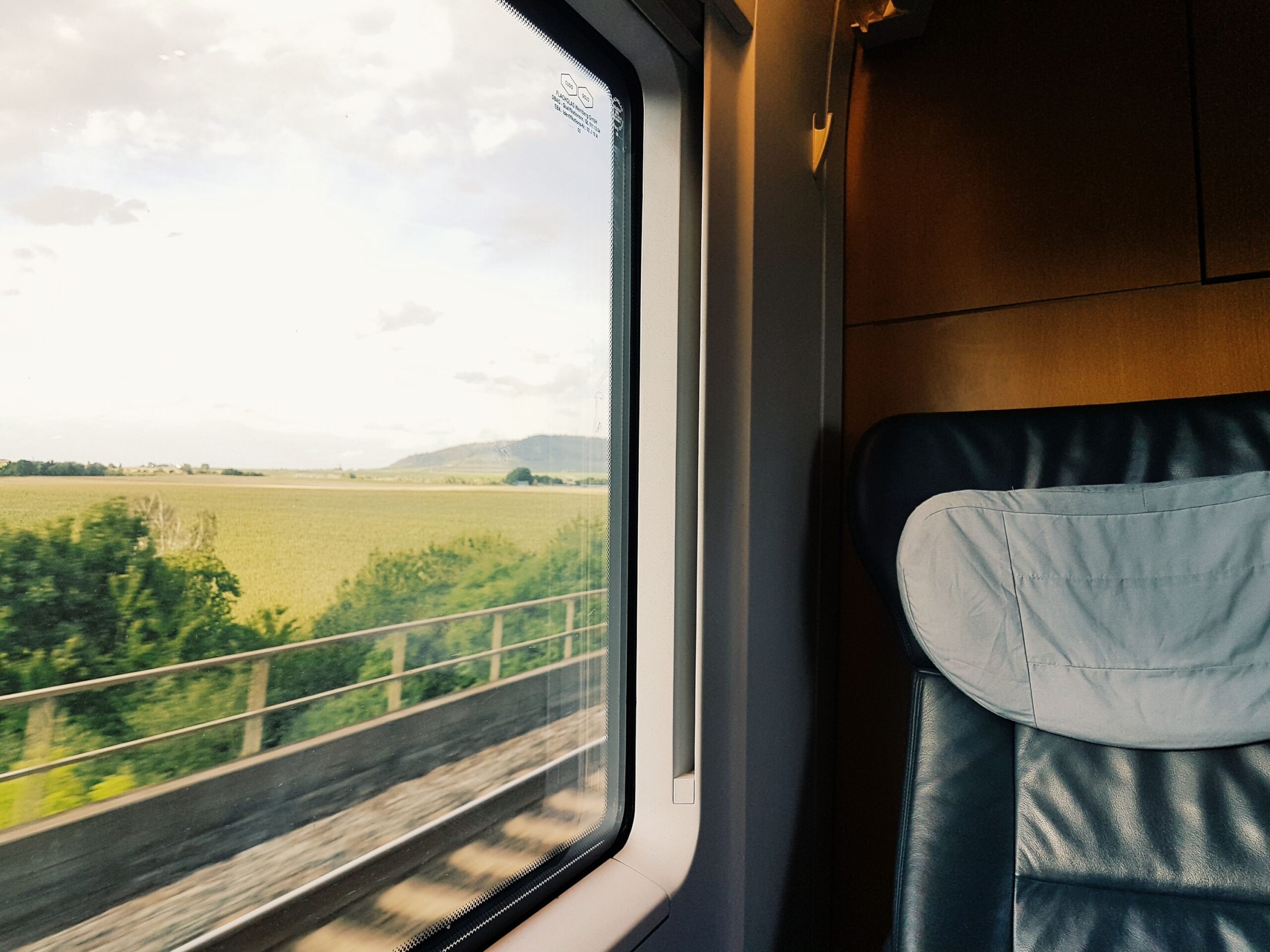
1. Glacier Express, Switzerland: The World’s Most Famous Slow Train
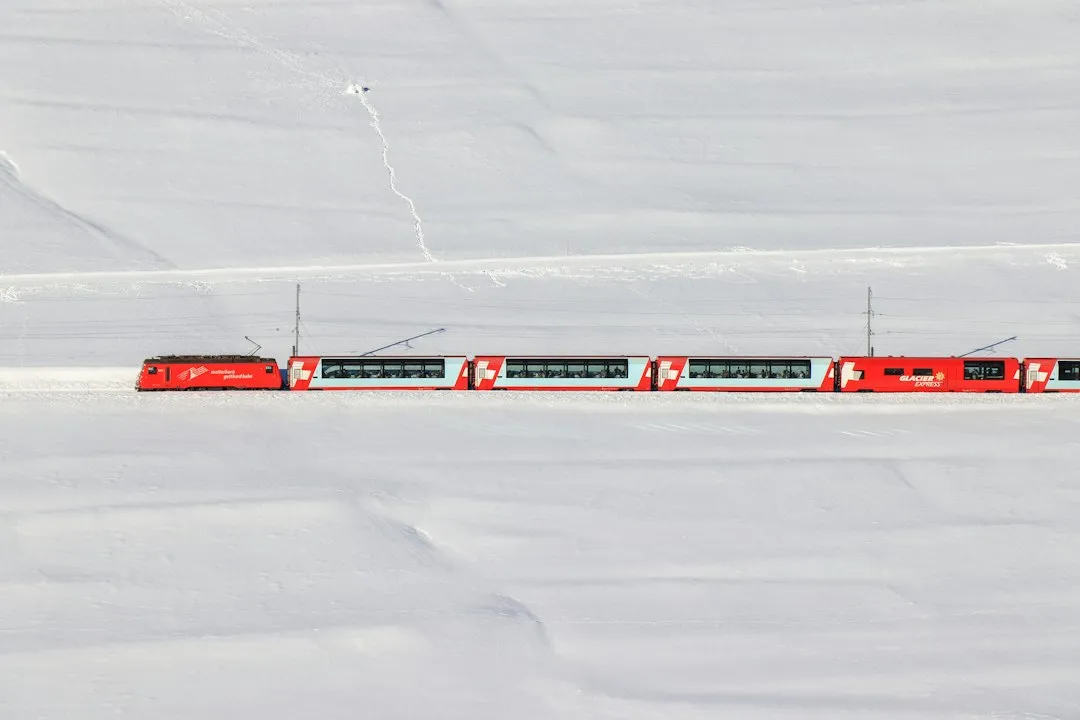
The Glacier Express, known as the “Slowest Express Train in the World,” is a legendary eight-hour ride that slowly weaves more than 150 miles across 291 bridges and through 92 tunnels in the picturesque Swiss Alps, from the foot of the Matterhorn in Zermatt to St. Moritz. The irony of the name is entirely intentional. When the train first ran in 1930, it was genuinely the fastest way to travel between the two resorts, a journey that previously required multiple changes and the better part of a day.
The route journeys 291 kilometres through the center of the Swiss Alps, over 291 bridges and through 91 tunnels, including the 15.4-kilometre Furka Tunnel, and traverses its high point on the Oberalp Pass at 2,033 metres above sea level. The panoramic windows are tall enough to frame entire mountain walls, and the carriages are designed so that almost no seat has a bad view.
The Rhaetian Railway section of the route is a UNESCO World Heritage Site. Switzerland Tourism recorded over four million overnight stays in the Graubünden canton alone in 2023, and the Glacier Express is one of the primary reasons visitors make the trip. Few trains on earth carry that kind of cultural weight, and fewer still have earned it this honestly.
2. Rocky Mountaineer, Canada: Glass Domes Over the Rockies
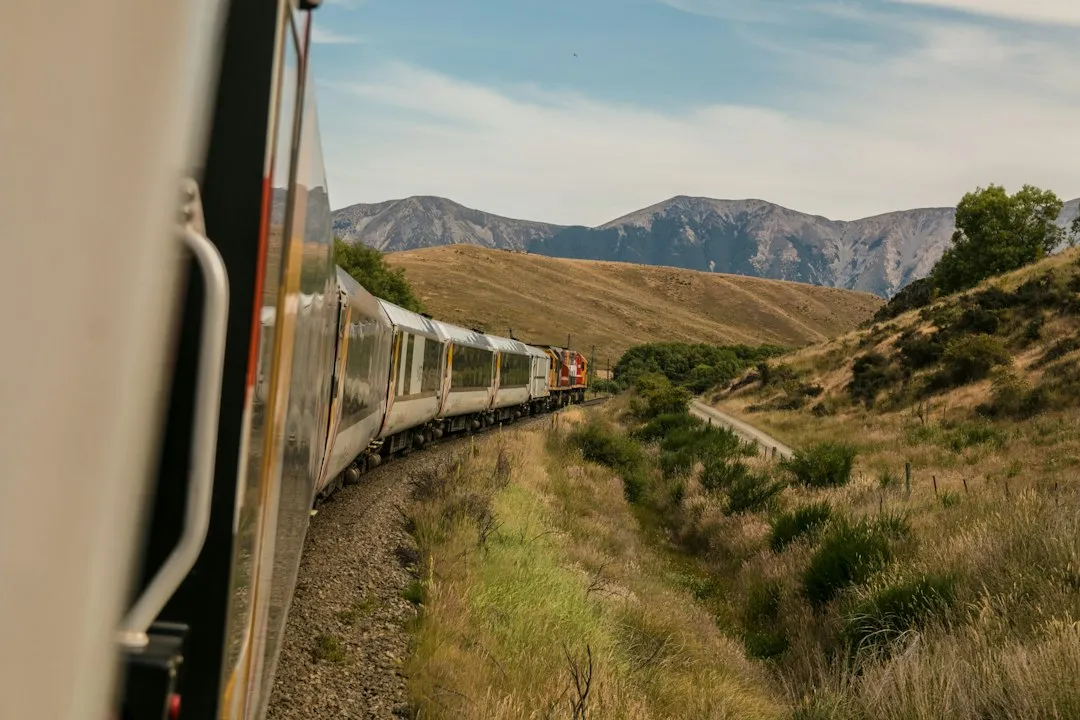
Rocky Mountaineer offers four rail routes: three in Western Canada connecting Vancouver to the Rocky Mountain towns of Banff, Lake Louise and Jasper, and a fourth route that travels between Denver, Colorado and Moab, Utah in the American Southwest. Every one of them was designed with daylight in mind. The company’s business model centers on premium, daylight-only travel, allowing passengers to experience the scenery without overnight travel on the train; guests stay in hotels at the journey’s midway points.
The number one spot in Travel + Leisure’s 2025 reader rankings went to the Rocky Mountaineer, which winds its way through British Columbia and Alberta in Canada, as well as Colorado and Utah, with glass-panelled windows and a roof allowing passengers to fully take in staggering scenery like soaring canyon walls and towering mountain peaks.
In 1990, the trains carried around ten thousand guests annually. Today, they carry over one hundred thousand each year. Unlike many train trips, the Rocky Mountaineer often slows down when passing important landmarks and features, giving passengers plenty of time to move about the train and get the perfect view. That kind of thoughtfulness shows up in the details.
3. Sagano Romantic Train, Japan: Twenty-Five Minutes of Pure Attention
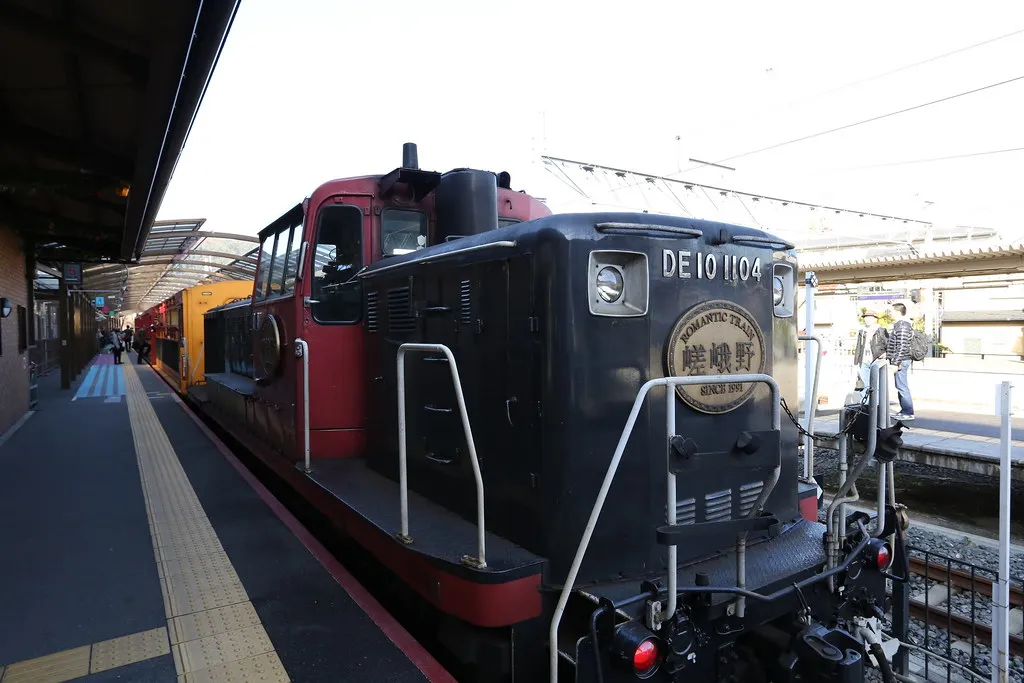
Taking the top spot in InsureandGo’s eye-tracking study is Japan’s Sagano Romantic Train, which passes by the Arashiyama bamboo forest in Kyoto. It is a short 25-minute ride along the Hozu River, but it packs some of the most eye-catching scenery in Asia, with riverside cliffs and mountainside scenes, and with open-sided carriages offering clear views, it’s hard to look away.
The Sagano Romantic Train earned an attractiveness score of 91.9 out of 100 in the study, which used eye-tracking technology to measure how quickly and how long participants engaged with images from each route. The line stretches just 7.3 kilometres, running from Torokko Saga station through the Hozu River gorge to Torokko Kameoka.
If you’re planning a trip to Japan, book well in advance, because this one sells out fast, particularly during cherry blossom season and autumn when the maples change and leave the nature around you in shades of red and gold. The brevity of the ride is part of its charm. There’s nothing to do but look.
4. Bernina Express, Switzerland and Italy: A UNESCO Route Above the Clouds
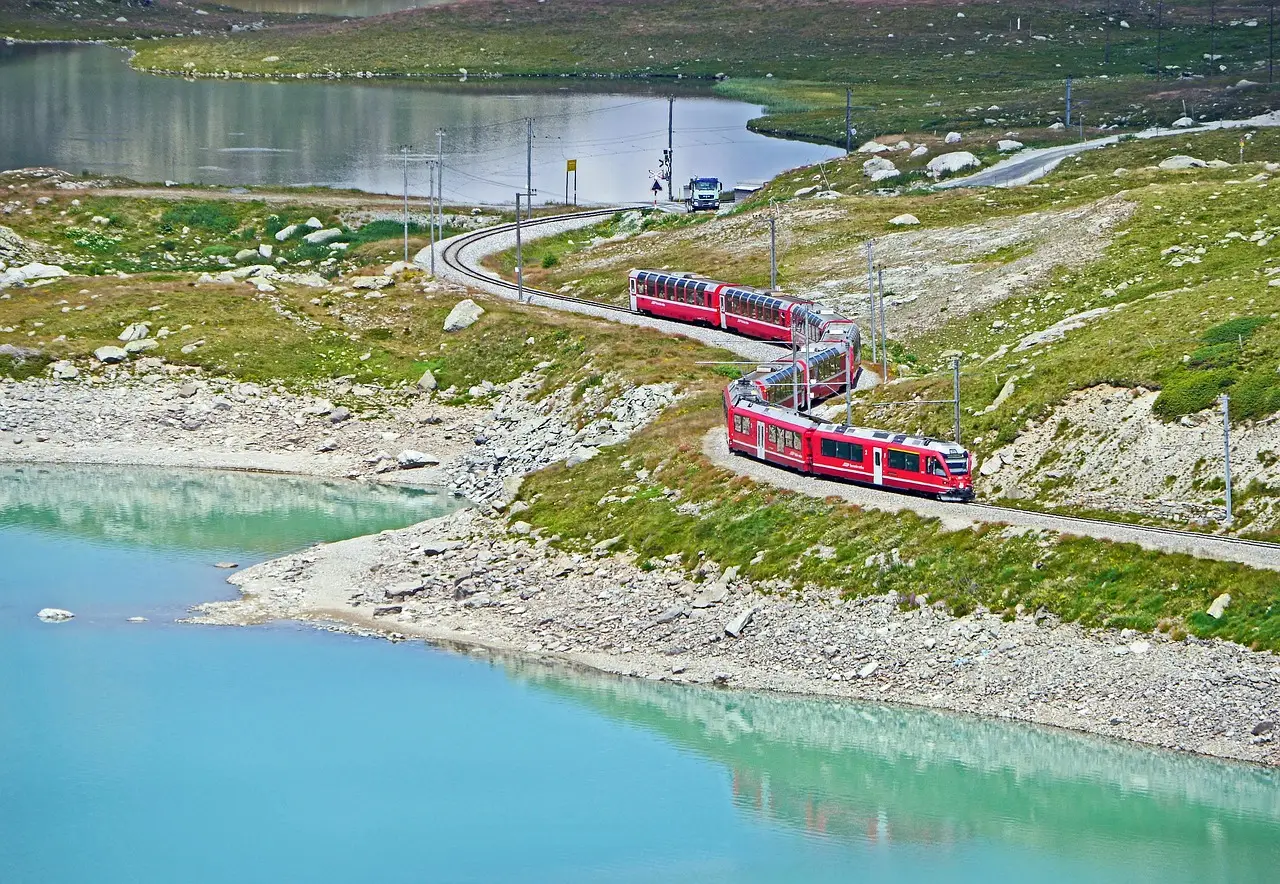
The Bernina Express is a UNESCO World Heritage railway and arguably one of Europe’s most iconic rail experiences. The route crosses the Alps between Chur in Switzerland and Tirano in Italy, climbing up to the Ospizio Bernina, the highest point of any non-rack railway in the Alps. The altitude it reaches is genuinely staggering.
The route climbs to the Bernina Pass, at a dizzying altitude of 2,253 metres. For four hours, passengers can sit back and soak in views of frozen lakes in winter, lush meadows in summer and golden larch forests in autumn. The scenery changes with the seasons in a way that makes repeat travelers a common phenomenon on this route.
The Bernina Express and Glacier Express in Switzerland both beat out the UNESCO World Heritage-listed Semmering Railway in Austria in the InsureandGo scenic rankings, cementing Switzerland’s dominance in world scenic rail. A UNESCO-listed route, the Bernina Express crosses the Alps with jaw-dropping views of glaciers, viaducts, and alpine lakes. It’s the kind of journey that makes Switzerland’s reputation make complete sense.
5. West Highland Line, Scotland: The Route That Earned Its Own Cinema Moment
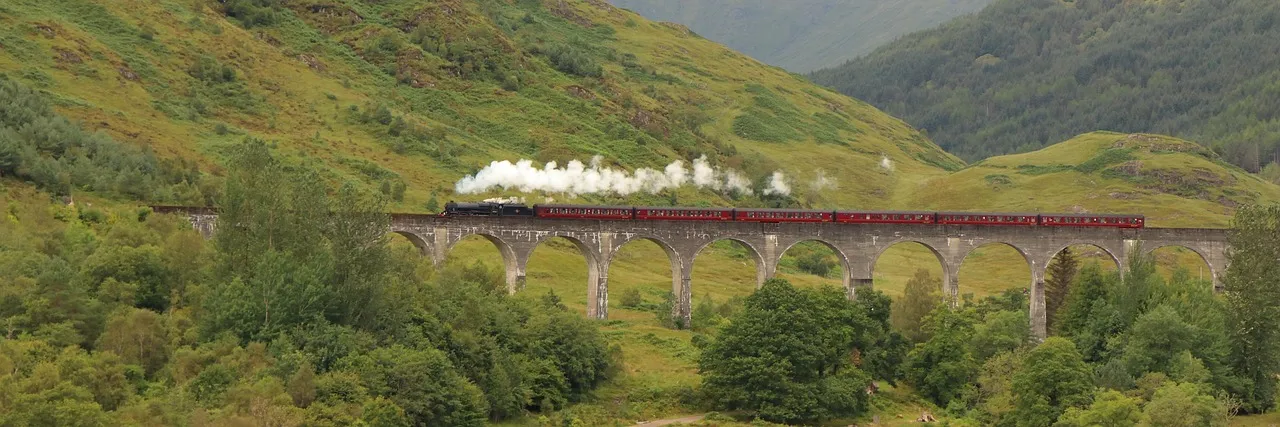
The West Highland Line in Scotland earned an eye-catching score of 86.0 out of 100 in the InsureandGo study. Travelling between Glasgow and Mallaig, passengers gaze out at pristine Highland scenery including the beautiful banks of Loch Lomond, and Harry Potter fans will instantly recognise the Glenfinnan Viaduct, the bridge that the Hogwarts Express crosses in the films.
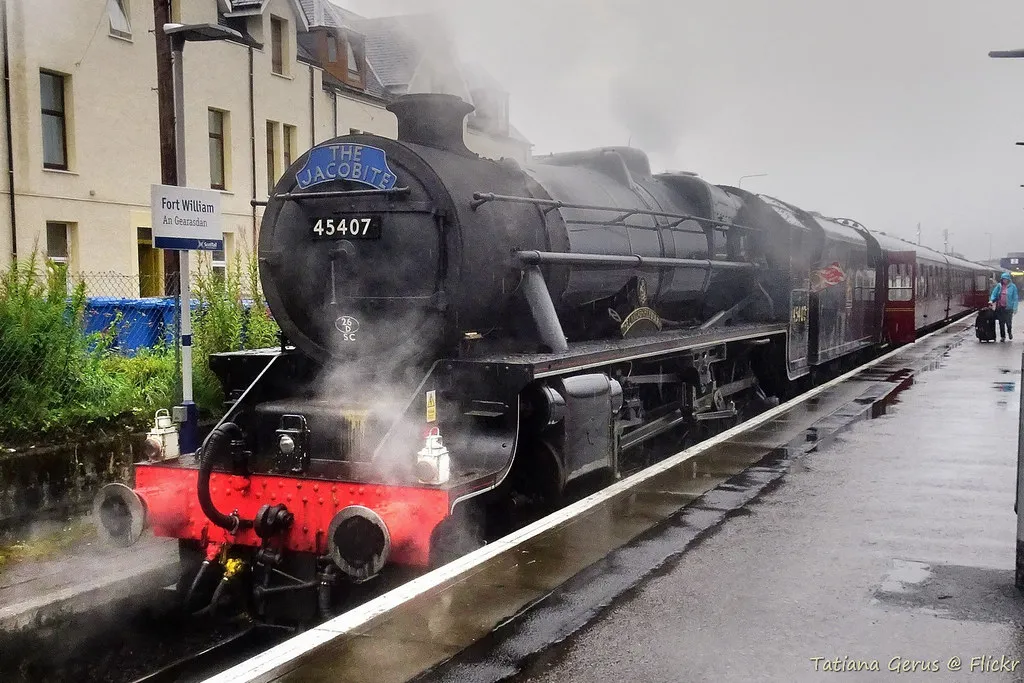
The 80-mile journey offers panoramic views of mist-covered mountains, serene lochs, picturesque glens, and charming villages. Unlike many of the other eye-catching train journeys, the West Highland Line is a regularly scheduled service and you don’t need a special tourist pass to experience it. That said, the Jacobite Steam Train runs seasonally along a portion of the route for a more nostalgic experience.
Scotland’s West Highland Line ranked fourth on InsureandGo’s global list of most scenic train routes, sitting comfortably among routes that cost far more and require far more planning. There’s something quietly satisfying about a route this beautiful being available as an ordinary train service, no reservations or luxury packages required.
Why Scenic Rail Travel Keeps Growing
Luxury train journeys were among 2025’s top travel trends, and they’re on track to be just as popular in 2026. The reasoning isn’t hard to trace. Scenic train journeys offer unrivalled access to landscapes often unreachable by road, and trains provide uninterrupted views through large panoramic windows.
The journey becomes a highlight rather than a means to an end. That shift in mindset is exactly what these five routes represent. They’re not shortcuts. They’re the point.
New night train services and more scenic routes are standout options, catering to practicality and a desire for slower, more sustainable travel. Rail tourism is maturing into something more deliberate, and travelers are responding warmly to that.
How to Choose Your Journey
Each of these five routes offers something distinct. The Glacier Express and Bernina Express suit those who want a full alpine experience with time to settle in. The Rocky Mountaineer works well for travelers who prefer the grandeur of North American wilderness and the comfort of returning to a hotel each evening. The Sagano Romantic Train asks for very little of your schedule but rewards you with some of the most concentrated beauty on earth.
The West Highland Line is perhaps the most democratic of the five. It is a regularly scheduled service, so you don’t need a special tourist pass to experience it. You can simply buy a ticket, board at Glasgow, and let Scotland do the rest. That kind of accessibility matters.
Season makes a real difference on all five routes. Tickets for the Sagano Romantic Train sell out fast, particularly during cherry blossom season, and autumn when the maples turn fiery shades of red and gold. For the Alpine routes, both summer and winter offer entirely different visual rewards, and experienced travelers often return to ride them twice.
A Final Note on Traveling Slowly
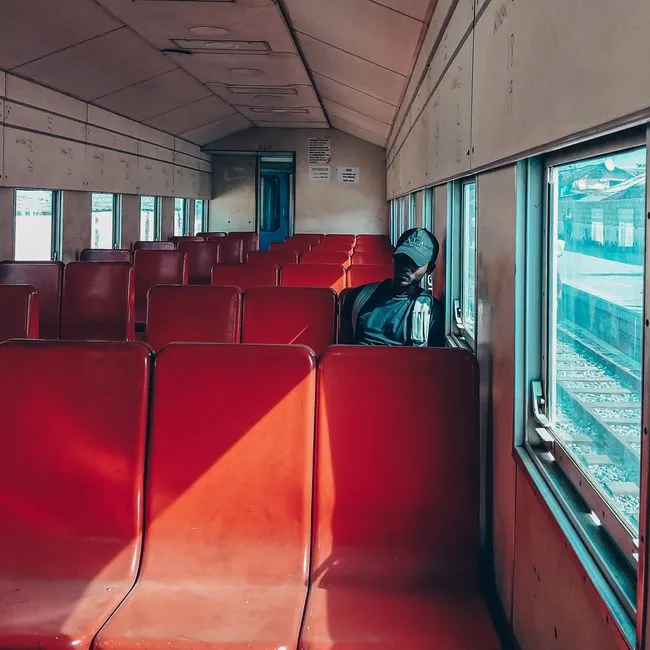
There is something that slow travel asks of you that faster travel doesn’t: presence. When a train takes eight hours to cover less than two hundred miles, as the Glacier Express does, speed becomes irrelevant. What matters is what’s outside the window. These routes were built around that truth, and they’ve earned their reputations honestly.
Each of the five journeys profiled here has been recognized in major travel rankings from Condé Nast Traveler, Travel + Leisure, and independent research using eye-tracking technology, not for their speed or luxury alone, but for the sustained quality of what they show you. That’s a rare thing in any form of travel.
The world moves quickly enough. Some of the best hours you’ll spend as a traveler are the ones where the train is doing the work, and all you have to do is look out the window.
AI Disclaimer: This article was created with the assistance of AI tools and reviewed by a human editor.