
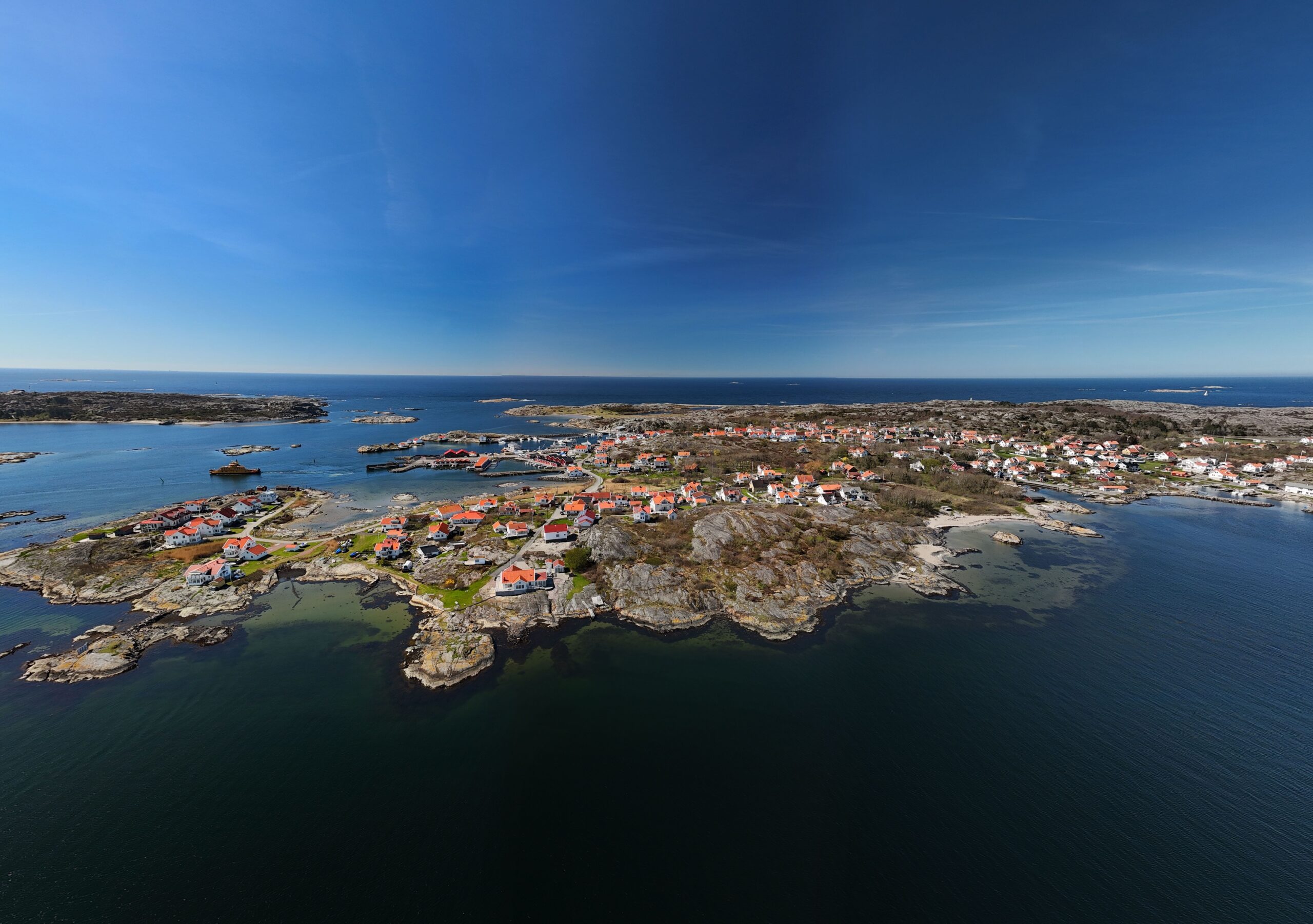

Most people picture warm turquoise water and swaying palms when they think of a great island nation. Sweden rarely comes to mind. Yet this northern European country, stretching between the Baltic Sea and the Gulf of Bothnia, holds a geographic record that quietly astonishes everyone who encounters it for the first time.
The numbers are not close. Sweden does not edge out its neighbors by a few thousand islands. It leads the world by a margin that forces a genuine rethink of what an “island nation” actually looks like.
The Official Count That Surprised the World
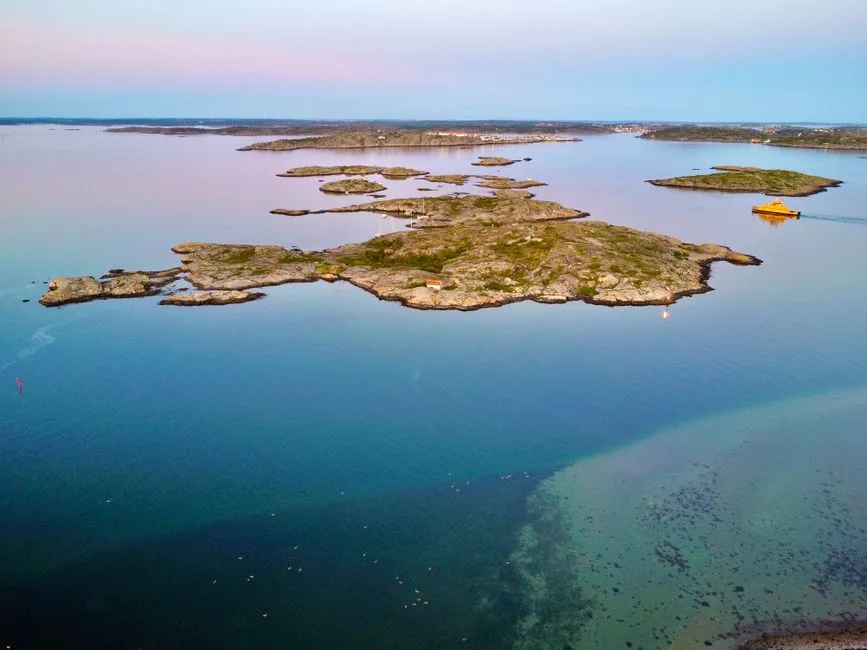
Pulling together the most reputable and official sources, Sweden has the most islands with 267,570, the majority of which are uninhabited. Statistics Sweden counted 267,570 islands in its 2013 inventory, published on 8 December 2014, and international lists assembled from national figures place Sweden above Norway, Finland, and every other country.
The Statistics Sweden inventory used the water layer in Lantmäteriet’s real-estate map, drawn at a scale of 1:10,000, and any land completely enclosed by that mapped water was counted as an island. The smallest included areas measured just nine square metres. That definition is more precise than most countries apply, which is part of why comparisons across nations carry a small but honest caveat.
How Ice Built a Quarter-Million Islands
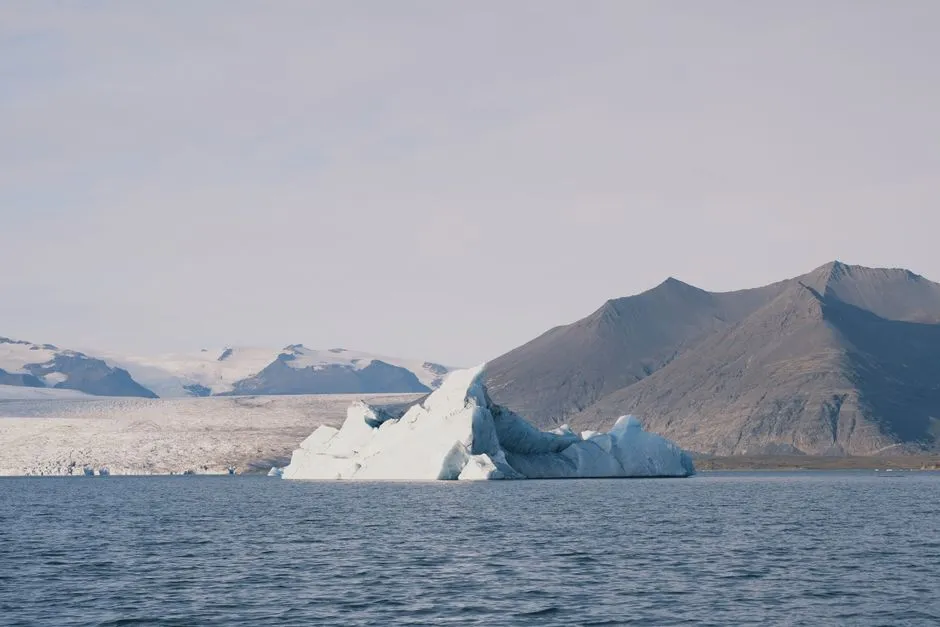
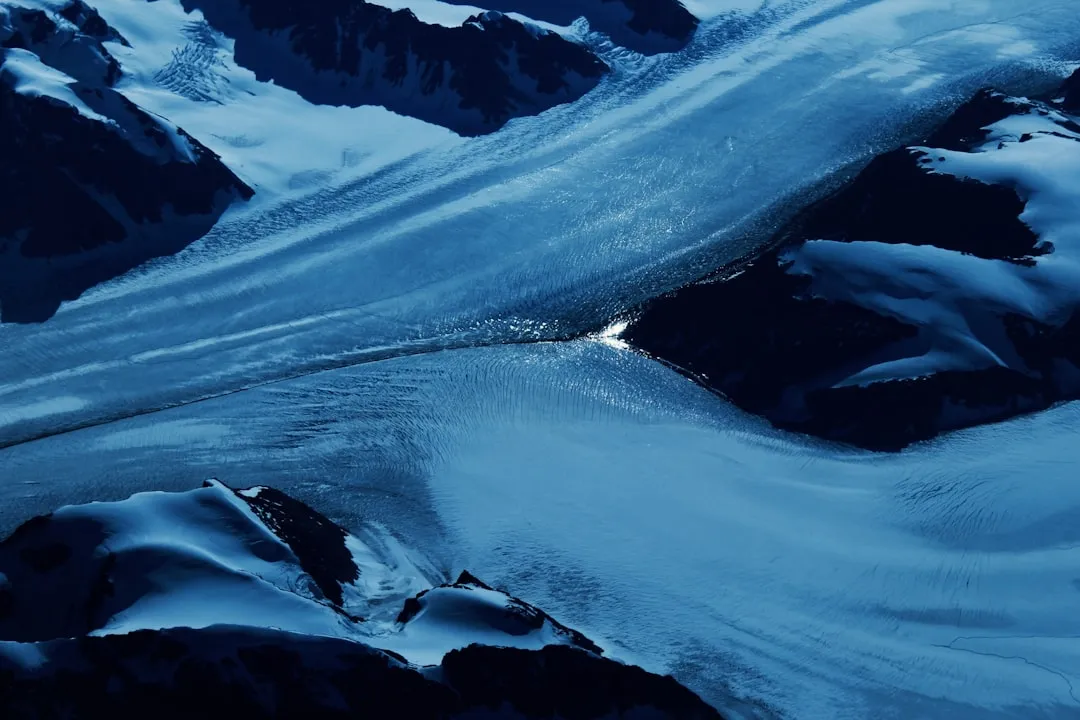
The countries with the most individual islands are in northern Europe, where glaciers carved coastlines into tens of thousands of rocky outcrops. The entire archipelago landscape is completely shaped by the last ice age. A thick ice sheet spanning several kilometers in depth blanketed the whole region of Scandinavia, and the sheer weight of this ice, coupled with the horizontal forces from its movement, profoundly impacted the land.
Sea level has gone up and down several times in the Baltic in the past 15,000 to 20,000 years, and the last glaciers retreated about 12,000 years ago. What remained was an endlessly fractured coastline, a mosaic of rock, water, and sky that now defines Sweden’s geographic character more than perhaps any other single feature.
A Landscape Still Being Born
The land is still rising. New islands are still appearing. This process, known as post-glacial rebound, is an ongoing geological story. The Stockholm Archipelago alone holds more than 30,000 islands across 1,700 square kilometers and is still rising about 3 millimetres a year since the last ice age.
In geological terms, Sweden’s island tally is not a fixed number. It is a living count on a coastline that has not finished settling. Tiny skerries that barely break the surface today may become navigable land in centuries to come.
How Sweden Compares to Its Closest Rivals
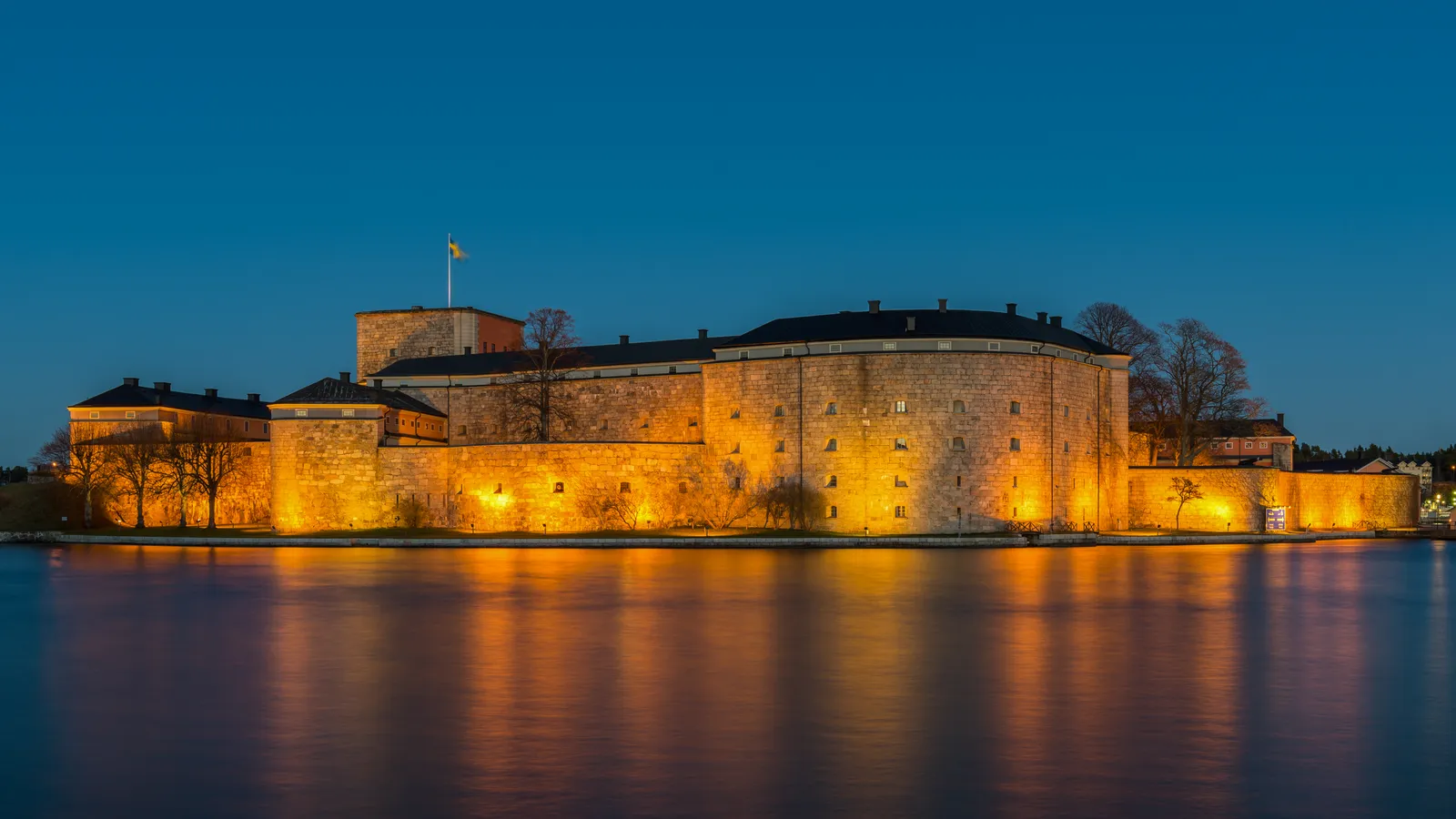
Sweden has the most islands of any country, with roughly 267,570, more than any other nation on Earth. It is followed by Norway with roughly 239,000, Finland with roughly 180,000, Canada with roughly 52,000, and Indonesia with roughly 17,500. The gap between Sweden and third place alone is nearly 90,000 islands.
Japan, a nation made up solely of islands, has 120,729 islands, 430 of which have residents. Incredibly, Japan discovered in March 2023 that it had double the amount of islands than originally thought, with a Geospatial Information Authority survey upping the country’s total from 6,852 to 14,125. The original figure had been based on a 1987 Japan Coast Guard report. It is a useful reminder that mapping technology still reshapes our understanding of geography.
The Inhabited vs. Uninhabited Reality
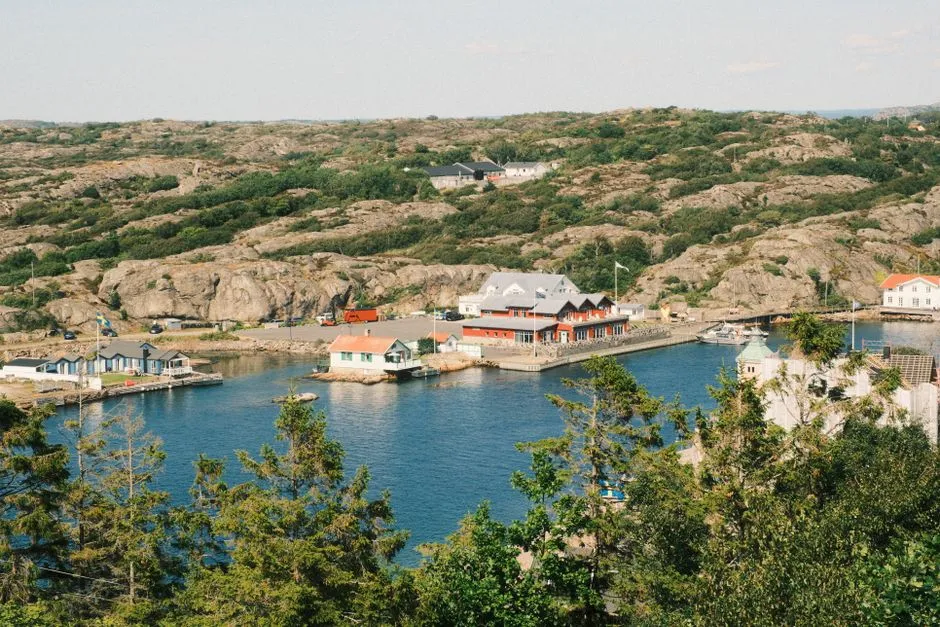
Sweden has the world’s most islands, with a total of 267,570. However, only 984 of them, roughly 0.4 percent, are inhabited. Based on 2013 Statistics Sweden data, islands are predominantly small, with about 84 percent measuring under one square kilometer and only around 53 islands exceeding 100 square kilometers.
Approximately 93,000 people reside on Swedish islands without bridge connections as of 2023, comprising less than one percent of the national population of about 10.6 million, with the majority concentrated on larger islands such as Gotland and Öland. The vast remaining landscape is returned to nature, wildlife, and silence.
The Stockholm Archipelago
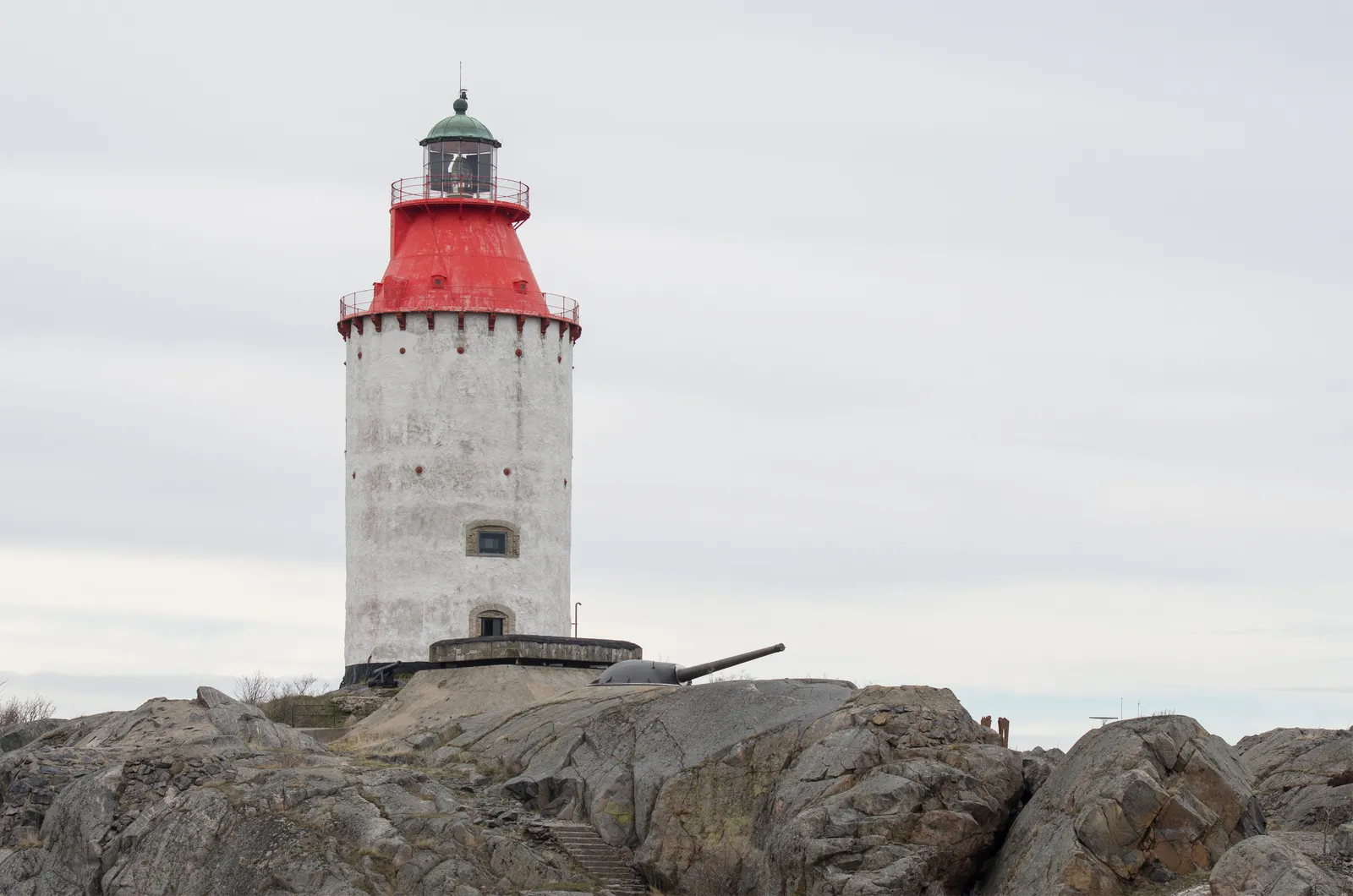
The Stockholm Archipelago contains 34,316 total islands. Even the capital of Stockholm is built across a 14-island archipelago with more than 50 bridges. Few capital cities in the world sit so visibly within their own island geography, where the water is not a backdrop but a constant presence in daily life.
In the Stockholm Archipelago specifically, only about 150 islands are inhabited year-round, compared with nearly 1,000 that see a summer population. Most of these islands are used in the summer, with many Swedes having holiday homes where they spend the long, bright Nordic days. The seasonal rhythm of the archipelago is one of its most distinctive cultural qualities.
A New Trail Puts the Islands on the World Map
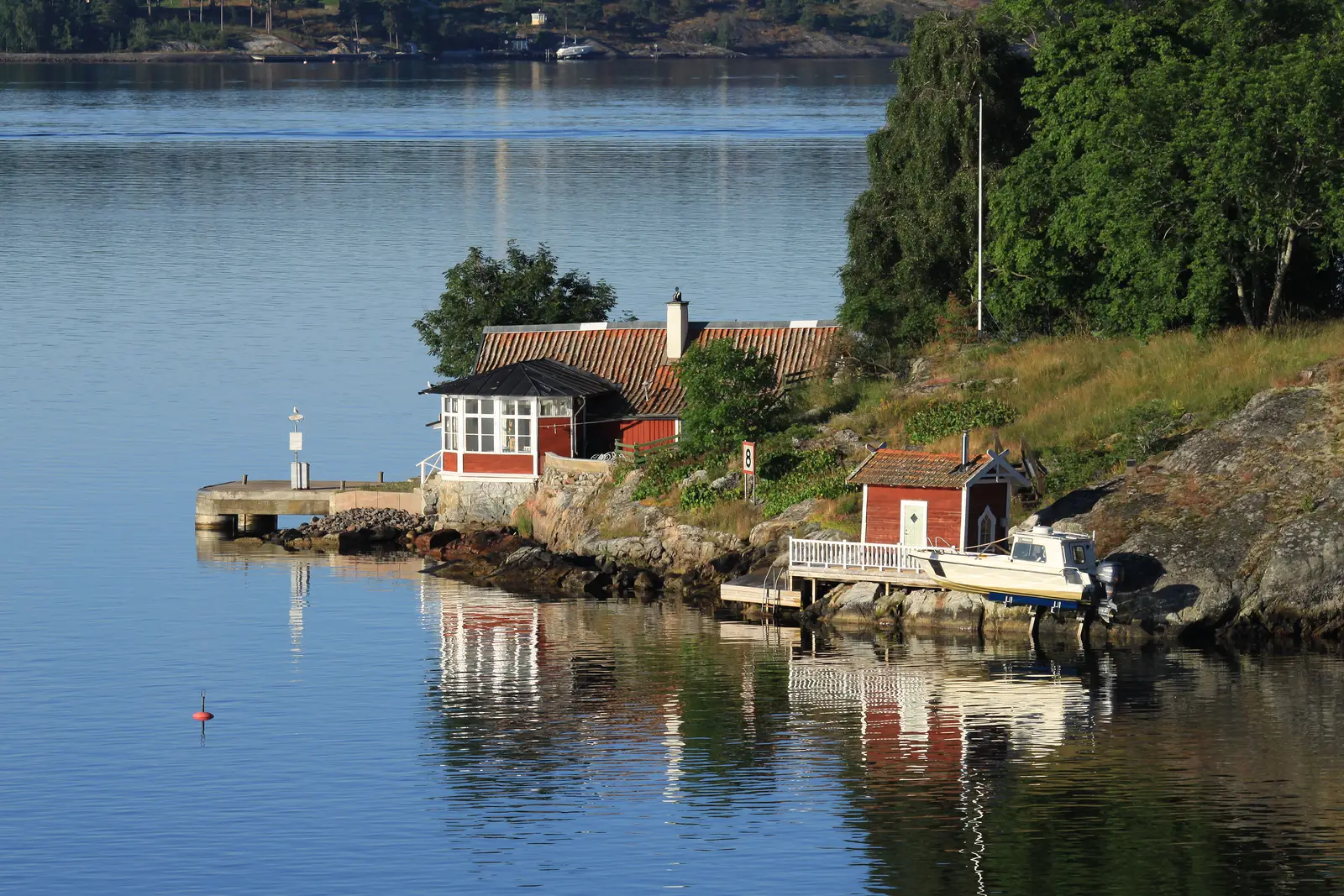
The Stockholm Archipelago Trail is a hiking path network spanning approximately 270 kilometers across 20 islands of the Stockholm Archipelago in Sweden. Opening in 2024, the trail quickly gained international recognition, including from National Geographic magazine, which named it one of the world’s 25 best destinations for 2025.
In 2025, National Geographic named the Stockholm Archipelago to its Best of the World list, citing the newly opened Stockholm Archipelago Trail, a 270-kilometre hiking route connecting 20 islands from Arholma in the north to Landsort in the south, combining ferry crossings, walking paths, and overnight stops. For many travellers, this was their first introduction to a landscape that Swedes have quietly treasured for generations.
Gotland: The Crown Jewel
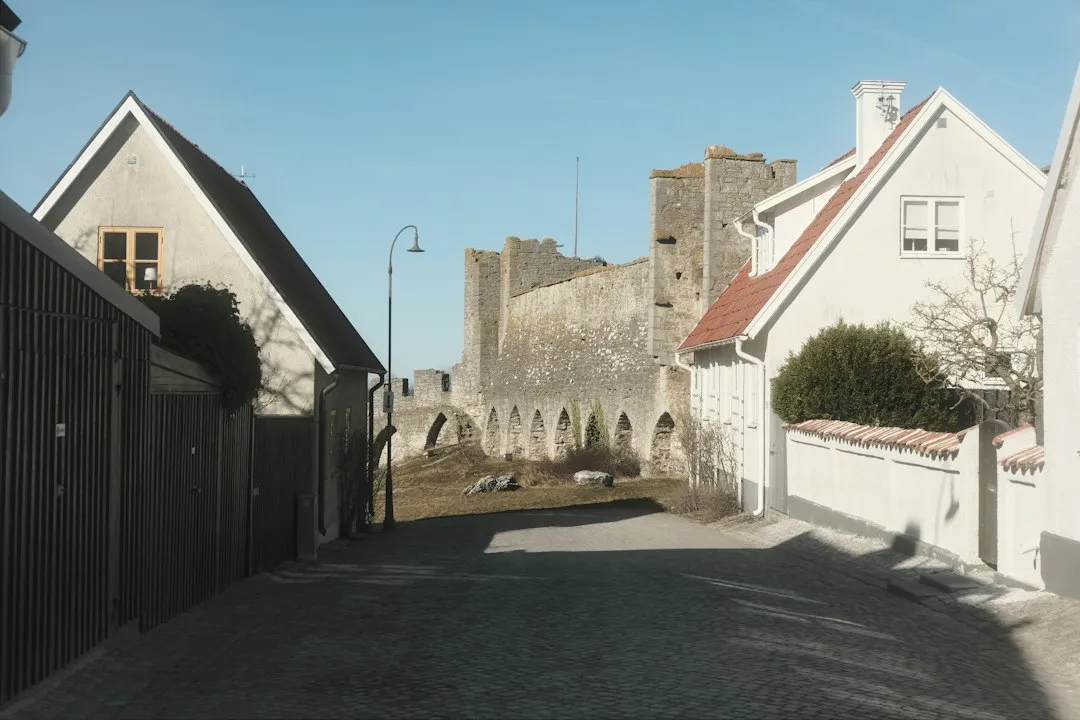
In a country with 267,570 islands, Gotland is Sweden’s largest, situated 90 kilometres off the southeast coast of the mainland. It is a fascinating destination that captivates visitors with its abundance of nature reserves, picturesque fishing villages, rich Viking heritage, and iconic sea stacks sculpted by the waves and the wind.
The island’s main town, Visby, is a beautifully preserved treasure trove of medieval architecture with UNESCO World Heritage status, its cobbled streets filled with Hanseatic stone warehouses, flower-wreathed cottages, and churches built in Romanesque and Gothic styles. Gotland carries centuries of history without strain, its geology and its human story layered in equal measure across the same limestone landscape.
Wildlife, Conservation, and the Islands’ Ecological Role
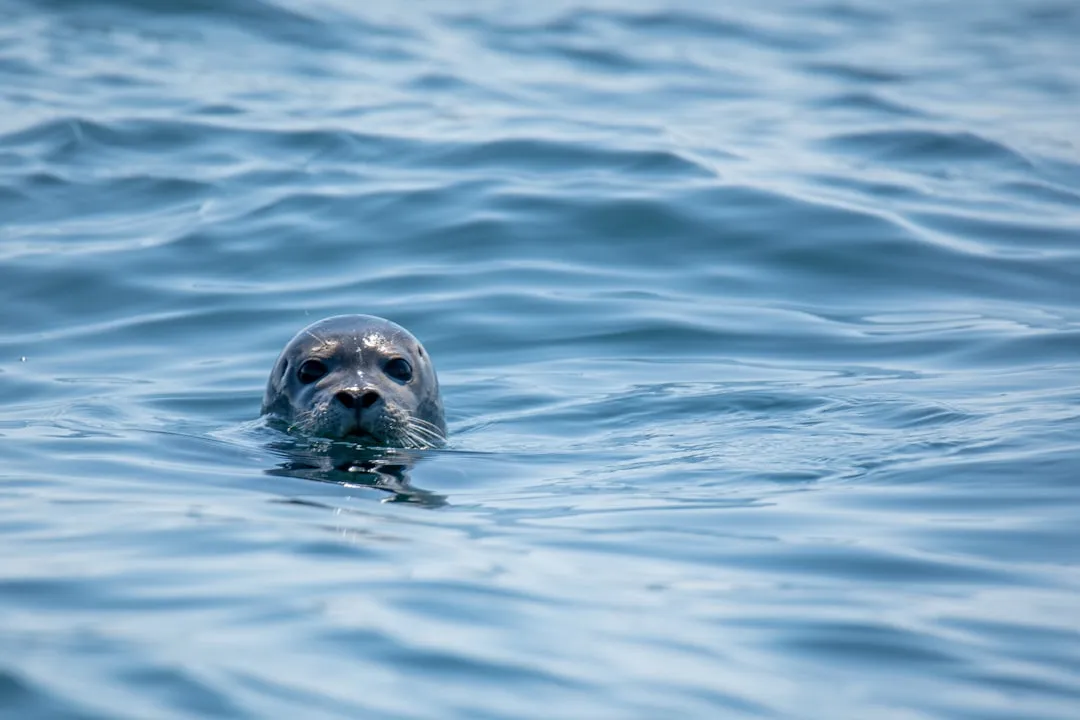
Swedish islands contribute significantly to the national economy through tourism, fishing, and biodiversity preservation, supporting diverse ecosystems. Protected sites like the Karlsö islands host seal colonies amid limestone cliffs and seabird habitats, and grey seal populations have been recovering to over 30,000 individuals across the Baltic Sea, including breeding sites near Karlsö.
The number of inhabited islands is much smaller, but many are used for tourism, recreation, or wildlife conservation. A large number of the islands are difficult to access without a personal boat or are protected as wildlife reserves. This protective designation reflects a wider Swedish commitment to keeping the natural coastline intact rather than developed.
What “Most Islands” Actually Means
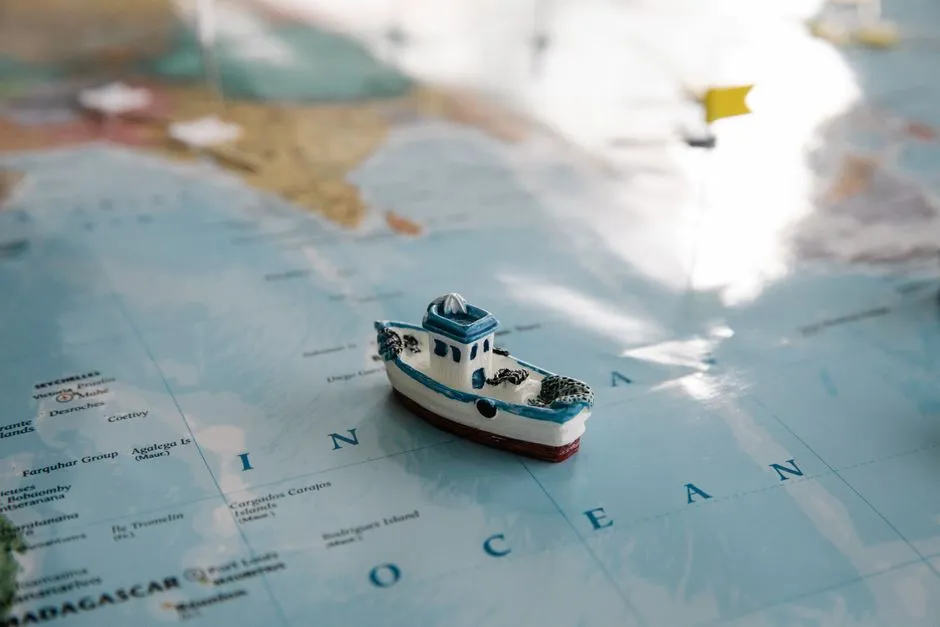
There is no single worldwide survey that has applied Sweden’s nine-square-metre minimum, treatment of inland water, and rules for artificial features to every country. Mapping resolution matters too. Japan’s Geospatial Information Authority raised its official count from 6,852 to 14,125 after a digital resurvey in 2023, a useful reminder that an island total can change when the map improves even if the coast itself does not.
It is vital to acknowledge that some nations’ counts may be estimates or incomplete. This is particularly true in areas of Southeast Asia and the Pacific, where many small islands may not have been accurately counted. With that honest qualification stated, Sweden’s lead, based on national inventories placed side by side, remains substantial and consistent across every credible source consulted.
The Takeaway
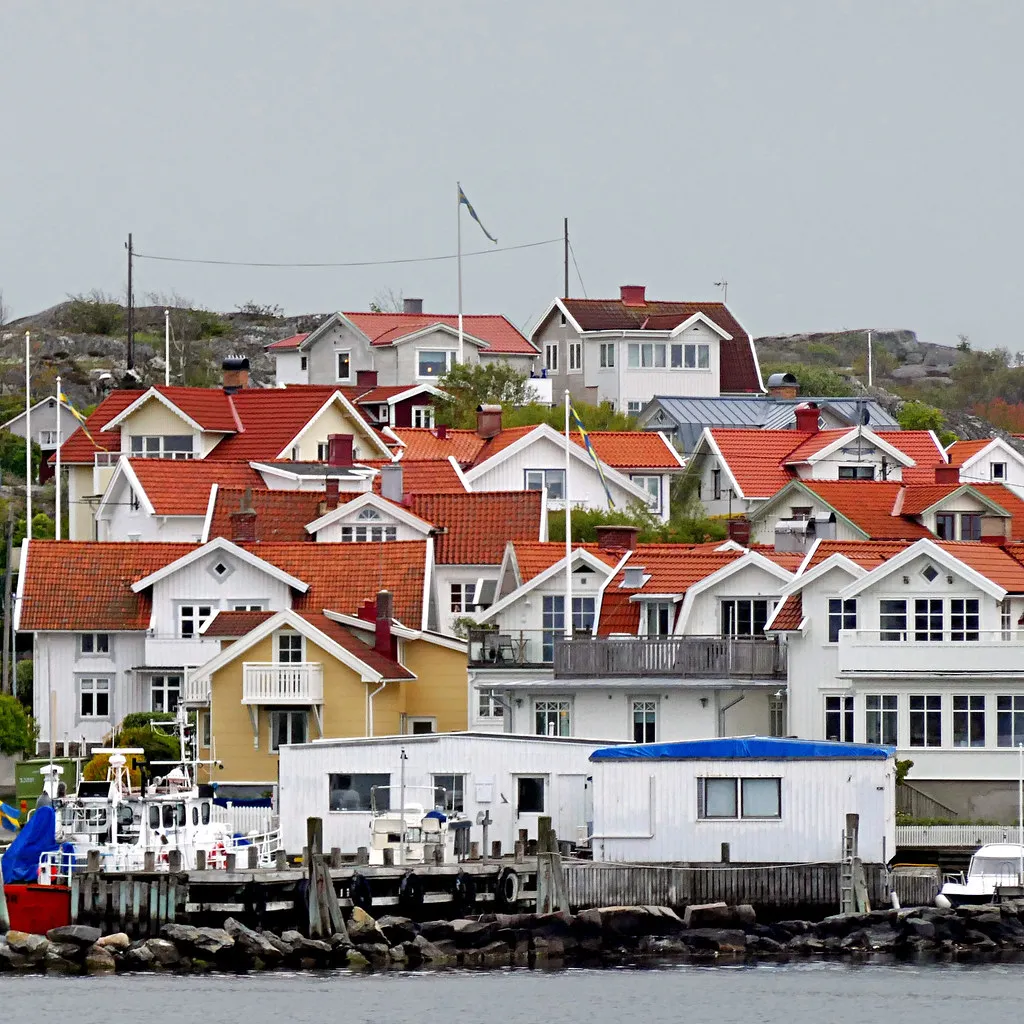
Sweden’s island count is not a curiosity or a trick of accounting. It reflects something real: a landscape ground down and reshaped over millennia by ice, water, and time into one of the most fragmented and extraordinary coastlines on the planet. The skerries are too small to name. The quiet ones outnumber the famous ones by orders of magnitude.
What makes Sweden remarkable is not just the number, but the texture of those islands, the weathered granite, the red wooden cottages, the seals hauled out on limestone shelves, and the ferries threading between them in the summer light. The record is interesting. The place itself is the point.
AI Disclaimer: This article was created with the assistance of AI tools and reviewed by a human editor.