
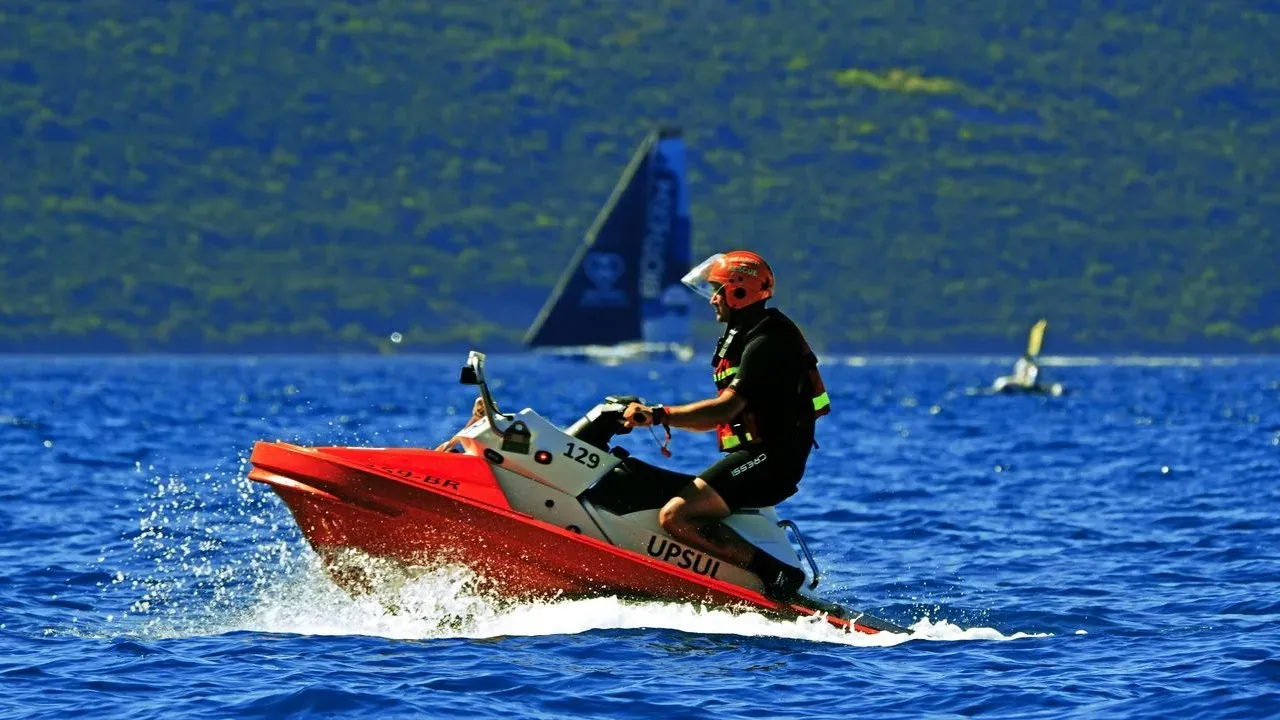

Catalina Island sits just 22 miles off the Southern California coast, a place where travelers often trade mainland routines for clear waters and quiet coves reachable only by boat. In late July, one visitor’s return trip from the island took an unexpected turn when she slipped from a jet ski into the open water of the San Pedro Channel. A California Department of Fish and Wildlife patrol vessel answered the call and brought her safely aboard after roughly an hour alone at sea. The incident, detailed by the agency on Monday, offers a quiet reminder of the care required when exploring these waters. ([1])
The Call That Reached the Right Vessel
The patrol boat Coho was already offshore when a VHF radio distress call came through. The message gave only coordinates and described a woman in a blue-and-red life vest floating in the channel. Lieutenant Rob Rojas plotted the position and turned the vessel toward the spot amid building swells and wind. Wildlife officers soon spotted the woman waving her arms. They notified the Coast Guard, which was also searching the area, then brought her aboard. She showed no visible injuries and remained composed after her time in the water. The crew provided a towel and water while they waited for the Coast Guard transfer that would return her to the mainland.
What the Woman Shared With Rescuers
Once aboard the Coho, she explained that she had been part of a jet-ski tour heading back from Catalina Island with her husband. She fell from the back of the personal watercraft, and the group continued without realizing she was missing. Her phone, kept in a dry bag, allowed her to place the emergency call that brought help. The details paint a picture of quick thinking under difficult conditions. The life vest she wore kept her afloat, and the dry bag protected the device that connected her to rescuers. Such small preparations can make a decisive difference when plans change on the water.
Catalina’s Waters and the Value of Preparation
The San Pedro Channel can shift quickly from calm to challenging, even on days that begin with fair forecasts. Travelers drawn to Catalina for its hiking trails, clear snorkeling spots, and relaxed harbor often rely on guided tours or rented watercraft to reach the island. Those same excursions reward attention to basic safety steps. Wearing a properly fitted personal flotation device, carrying a charged phone in a waterproof case, and confirming that everyone in a group knows how to signal for help are practices that support both enjoyment and peace of mind. The California Department of Fish and Wildlife noted that situations like this one highlight the importance of flotation devices in any marine setting.
Returning to the Island With Greater Awareness
Catalina continues to welcome visitors who arrive by ferry, private boat, or guided tour. The same waters that hosted this rescue also frame the island’s celebrated underwater parks and coastal vistas. Travelers who approach the crossing with respect for conditions and equipment tend to return with stories of sea lions, kelp forests, and sunsets over Avalon Harbor rather than close calls. The woman’s safe outcome underscores how readily help can arrive when communication lines remain open. For those planning their own trip, the lesson lies less in cautionary tales and more in the quiet confidence that comes from thoughtful preparation. The island remains a rewarding destination for anyone willing to meet its waters with care.
AI Disclaimer: This article was created with the assistance of AI tools and reviewed by a human editor.