


The Numbers Tell a Clear Story

About thirty percent of respondents in a recent Talker Research survey return to the same vacation spot year after year, treating it like a second home. That’s a substantial portion of the traveling population making a conscious choice to revisit rather than discover.
The survey, conducted on behalf of Apple Vacations, found that repeat travelers are emotionally invested in their destinations and need to feel deep connections. Interestingly, roughly a third of beachgoers identify as repeat travelers, compared to a smaller share of road trippers, who are more likely to seek out new places.
Separately, research found that about two thirds of Americans either met or exceeded their travel goals in 2024, with nearly a quarter even exceeding those goals according to a survey of two thousand U.S. adults who traveled within the past year. Comfort and familiarity appear to play a real role in what travelers now want from a trip.
The Psychology of Returning: Familiarity Is Not Boring

Returning to familiar destinations is not simply habitual repetition. Research published in 2025 describes it as a conscious choice stemming from a deep psychological foundation. There’s meaning behind going back, not just ease.
Returning to a known environment provides cognitive ease and attentional recovery, while also offering an existential reassurance that one’s life narrative remains coherent despite external changes. Familiarity, far from reducing experiential richness, enables a deeper and slower form of engagement that sustains well-being across repeated journeys.
As society increasingly faces rapid change, work pressure, and the prolonged aftermath of the pandemic, tourism behavior is also transforming. A subtle but noteworthy trend is emerging: many people are beginning to reject traveling to explore and are instead opting to travel to return, going back to familiar places, positive memories, and feelings that once brought peace.
Emotional Attachment Deepens with Every Return Visit

Research has established that tourists’ attachment to a destination gradually increases with the frequency of travel. In other words, the more you go back, the more it means to you.
First-time tourists are mainly influenced by a destination’s image, while repeat tourists are driven by place attachment. That shift is significant. It means repeat travelers are responding to something internal rather than external marketing or hype.
Travelers often come to see their favorite spots as second homes, creating a cycle of return visits with important implications for how destinations invest in tourism infrastructure. One of the strongest factors encouraging revisits is the emotional connection formed with a specific location.
Cost and Travel Budgets Are Accelerating the Trend
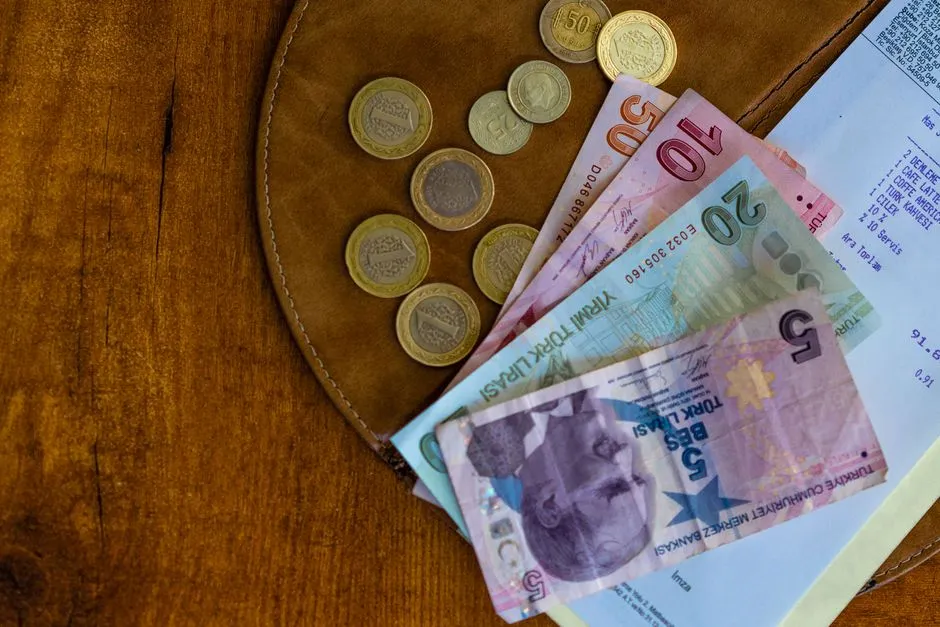
When Americans chose where to vacation in 2024, cost ranked as one of the most important factors at nearly half of all respondents. By 2025, cost had actually become the single most important driving factor, slightly edging out the destination itself.
Budget pressures are real, with nearly a quarter of European travelers saying rising costs were their biggest concern in the 2023 to 2024 period. Returning to a known destination removes a lot of the financial guesswork. You already know which restaurants offer value, which neighborhoods to avoid, and where the hidden gems are.
Familiarity is, in a very practical sense, efficient. Repeat travelers tend to spend less on orientation and impulse decisions, and more on the experiences they’ve already determined are worth it. That’s not cautious spending. It’s informed spending.
The Post-Pandemic Longing for Security and Comfort

As society faces rapid change and the prolonged aftermath of the COVID-19 pandemic, tourism behavior has been gradually transforming. The desire for the familiar took on new emotional weight after years of disrupted travel and collective uncertainty.
Post-pandemic studies highlight that global crises have intensified tourists’ sensitivity to safety and health risks, further reinforcing the importance of risk perception in shaping travel intentions and loyalty. Going somewhere you already know carries inherent reassurance that is hard to replicate in a brand-new destination.
This comfort-seeking behavior is not weakness or a lack of curiosity. It reflects a very human need for grounding, particularly after extended periods of instability. A beloved place can serve almost like an anchor, giving travelers something reliable to return to in an unpredictable world.
The “Second Home” Mentality Is Reshaping Travel Identity

Familiar destinations are defined by researchers as places tourists have visited multiple times and with which they have developed enduring emotional and cognitive attachment, often reflecting comfort, trust, and a sense of personal belonging. That description sounds less like tourism and more like kinship.
Conscious repetition makes a place an affective space, both a shelter and a mirror reflecting the identity and continuity of the self. Repeat travelers aren’t just booking another trip. They’re revisiting a version of themselves.
Across the world, many holidaymakers don’t just visit famous destinations once. This pattern of repeat tourism reflects deeper reasons than simple enjoyment of scenery, with a clear strand in travel behavior showing that familiarity, emotional attachment, and positive experiences drive visitors back.
Loyalty Programs and Supplier Relationships Reinforce the Cycle

Supplier-direct channels including airlines, hotels, and car rental firms remain the first choice of loyalty-driven repeat travelers. When you return to the same destination, you tend to return to the same properties and services, and those relationships reward loyalty over time.
Supplier-direct platforms have reclaimed market share through loyalty perks, now accounting for a substantial portion of online travel sales. Hotels, resorts, and airlines have built entire ecosystems designed to bring the same customer back, and those systems are working.
The interplay between emotional loyalty and financial incentive creates a self-reinforcing loop. The more you return, the more rewards you accumulate. The more rewards you accumulate, the easier it becomes to justify another return visit. It’s a cycle the travel industry has quietly cultivated for years.
Slower, Deeper Travel Is Gaining Cultural Ground

Slow travel, defined as traveling without a rigid plan, was among the most popular forms of travel in 2024, chosen by roughly one in five travelers. Slow travel and repeat travel are natural companions. You can only truly slow down in a place you already understand.
A May 2024 report from the World Economic Forum singled out biophilia, the instinct to seek connections with nature, as a key factor in choosing where we travel. When travelers have already found a place that satisfies that connection, it makes sense that they’d want to deepen it rather than reset.
Going back to the same destination with more time, more knowledge, and more intention is its own kind of exploration. You’re not retracing steps. You’re going further down a path you’ve already started on. That’s a different kind of richness, one that novelty alone cannot provide.
Sustainability and Responsible Travel Support Repeat Visitation

Tourists who feel emotionally connected to a site are more likely to support sustainable tourism practices and advocate for its preservation. Place attachment often contributes to pro-environmental behaviors, particularly when affective bonds with nature are strong. Tourists who feel emotionally connected to a site are more likely to support sustainable tourism practices and advocate for its preservation.
Destination managers should not only aim to encourage repeat visitation but also cultivate emotional, symbolic, and ethical attachment that can sustain brand loyalty across time and space. A repeat traveler is, in many ways, the ideal guest from an environmental standpoint. They know the local rules, they respect the rhythm of the community, and they’re invested in the destination’s long-term health.
Returning to a place you love naturally nudges travelers toward gentler, more thoughtful behavior. You’re less likely to make the rushed, resource-heavy decisions of a first-timer navigating an unfamiliar place under time pressure.
What This Means for How Destinations Develop and Communicate

Understanding why travelers return to the same places helps destinations adapt their strategies to cater to loyal visitors while also appealing to new markets. The most forward-thinking destinations are no longer designing only for the first impression. They’re designing for the tenth visit.
Destinations that can balance both familiar attractions and fresh experiences have a stronger chance of attracting a diverse range of travelers, from those who return repeatedly to those in search of new adventures. The practical implication is that depth of offering matters just as much as breadth.
Local businesses, too, are beginning to recognize the value of the returning visitor. They’re not just a transaction. They’re a relationship. Knowing a guest’s preferences, their favorite table, their usual order, these small recognitions are part of what makes a destination feel like somewhere worth coming back to.
The Takeaway

Repeat travel is not the risk-averse option. It’s an intentional one. In a tourism culture dominated by novelty and perpetual discovery, the emerging phenomenon of tourists repeatedly returning to familiar destinations offers a genuine alternative perspective.
The data, the psychology, and the lived experience all align. Going back somewhere meaningful is not giving up on adventure. It’s choosing a different kind of depth. Some places reveal themselves slowly, and the only way to reach the deeper layers is to return.
The traveler who keeps going back to the same small island, the same mountain town, the same beloved city may not be playing it safe. They may simply know something the first-time visitor hasn’t learned yet.
AI Disclaimer: This article was created with the assistance of AI tools and reviewed by a human editor.