
The Numbers That Stop You Cold
According to NOAA’s accounting, Alaska has 33,904 miles of total shoreline, with Florida coming in second at 8,436 miles, California at 3,427 miles, and Texas at 3,359 miles. Add those three together and you get roughly 15,200 miles. Alaska almost triples that figure on its own.
When measured by general ocean coastline, Alaska has more coastline than all other 49 US states combined, at 6,640 miles versus 5,743 miles for the rest of the country. That gap, across either measurement method, is extraordinary.
Coastlines can be notoriously difficult to measure, and counts do vary, which explains why different sources cite different totals. The underlying reality, regardless of methodology, remains consistent: Alaska is in a category entirely its own.
How Measurement Method Changes Everything
NOAA reports two coastline metrics: general coastline, which measures the open-ocean-facing shoreline at the smallest tidal embayment that would close it off, and excludes inland bays, sounds, estuaries, and tidal rivers. The second metric, called tidal shoreline, captures all of those additional features.
Alaska has a general coastline of 6,640 miles, and when islands, bays, and inlets are included, its shoreline increases to 33,904 miles. More recent NOAA mapping estimates Alaska’s tidal shoreline at more than 46,600 miles.
Alaska’s tidal shoreline measures over 46,600 miles, longer than the shorelines of all the lower 48 states combined. That figure puts the scale of the difference into stark perspective.
Why Alaska’s Shore Is So Extraordinarily Long
The reason lies in the Aleutian Islands chain, which stretches over 1,000 miles of fragmented islands extending into the Pacific, the convoluted Southeast panhandle, the Bering Sea shore, and the Arctic Ocean shore north of the Brooks Range.
Alaska’s 2,670 named islands, the most of any U.S. state, add thousands of miles of additional shoreline, making Alaska’s coastline longer than those of the other 49 states combined. Each island contributes its own perimeter to the running total.
The coasts themselves have been formed over millions of years by fault tectonics, volcanism, glaciation, fluvial processes, and sea level changes. That geological complexity is precisely what gives the shoreline its staggering, fractal-like length.
Two Oceans, One State
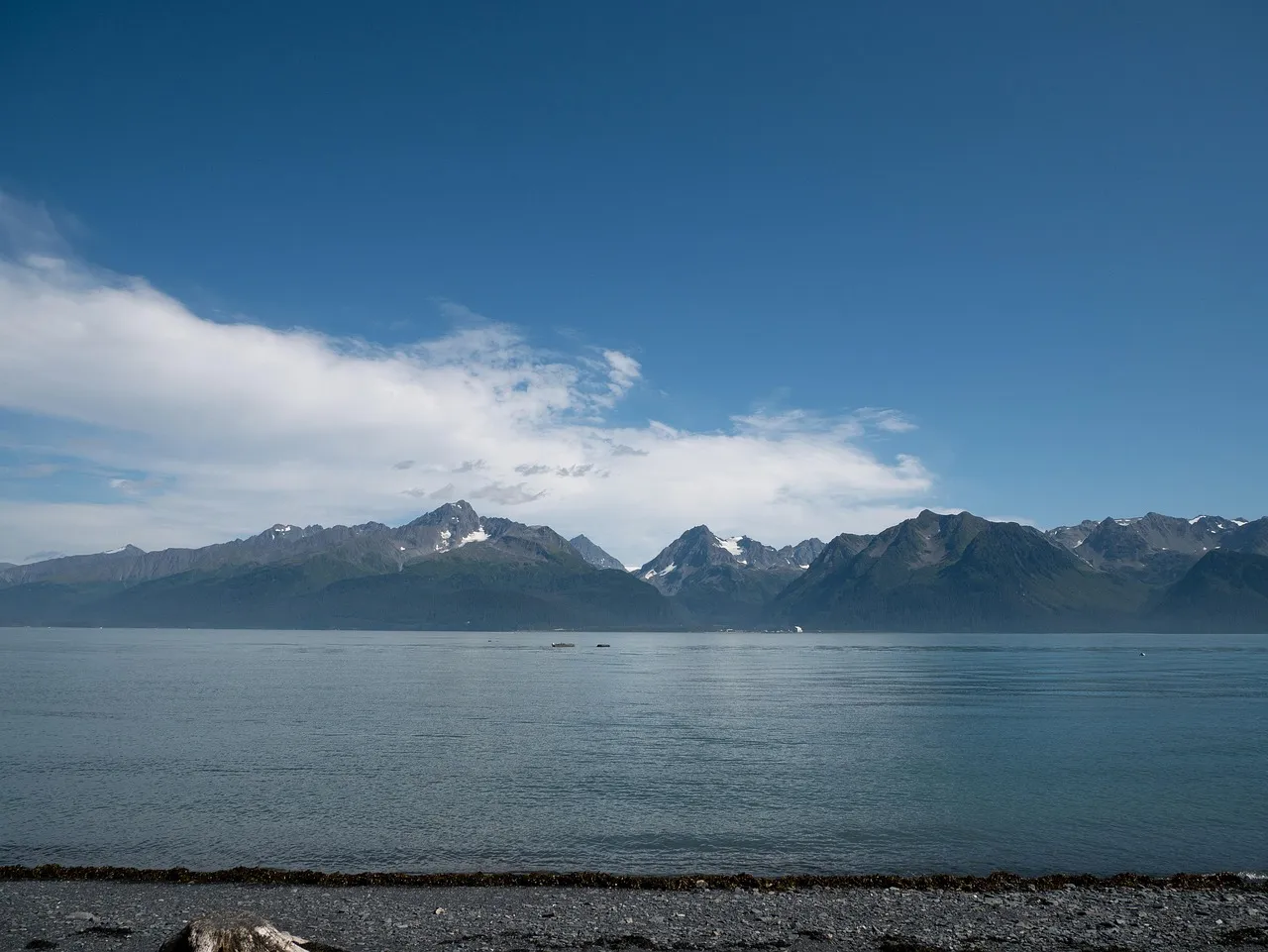
Alaska has coastline along two different oceans, the Arctic Ocean and the Pacific Ocean, and is the only state for which that’s true. No other American state can make that claim.
Stretching from the North Pacific to the Arctic Ocean, Alaska’s coastline borders the Bering, Chukchi, and Beaufort seas. This broad geographic range creates coastal environments that extend from temperate rainforests in the southeast to Arctic tundra in the north.
The ecological leap from a Southeast Alaskan rainforest fjord to the frozen Arctic coastline near Prudhoe Bay is roughly equivalent to traveling between two different climate zones on separate continents. Both are Alaskan coast.
The Scale Compared to the Lower 48
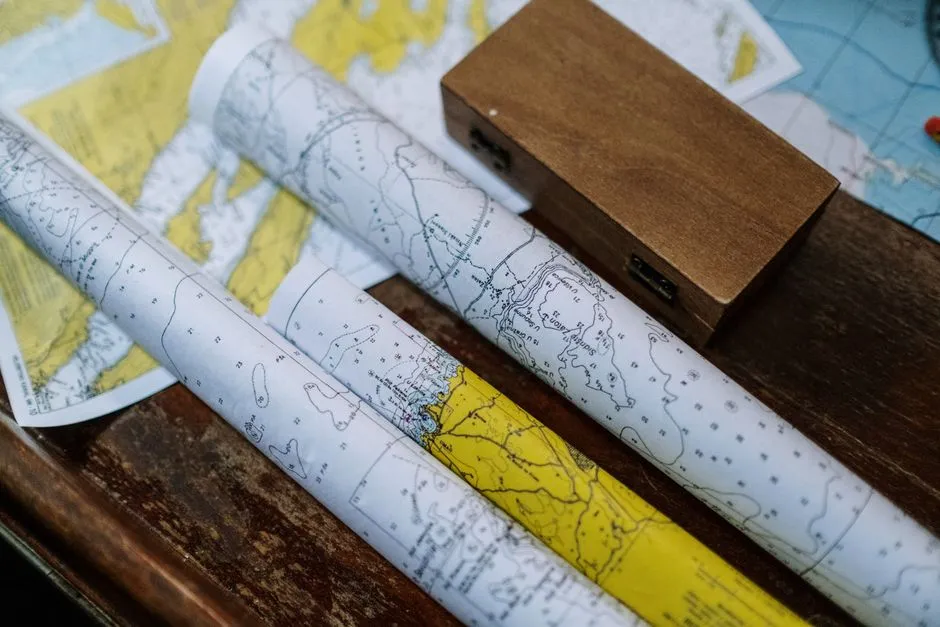
Alaska’s general coastline alone, representing 53.6 percent of the US total, covers more linear distance than the entire Atlantic coast from Maine to Florida. That single comparison captures the absurdity of the scale better than almost any other.
Alaska is roughly five times longer than Florida and almost eight times longer than California when comparing general coastline figures. Florida, the runner-up, doesn’t come close to making a dent in Alaska’s lead.
Overall, Alaska has 33,904 miles of shoreline in NOAA’s accounting, thanks to its vast ocean-facing coasts, countless bays and fjords, and the shorelines of its many islands. That’s roughly four times the shoreline mileage of Florida, the runner-up.
A Coastline of Staggering Ecological Diversity
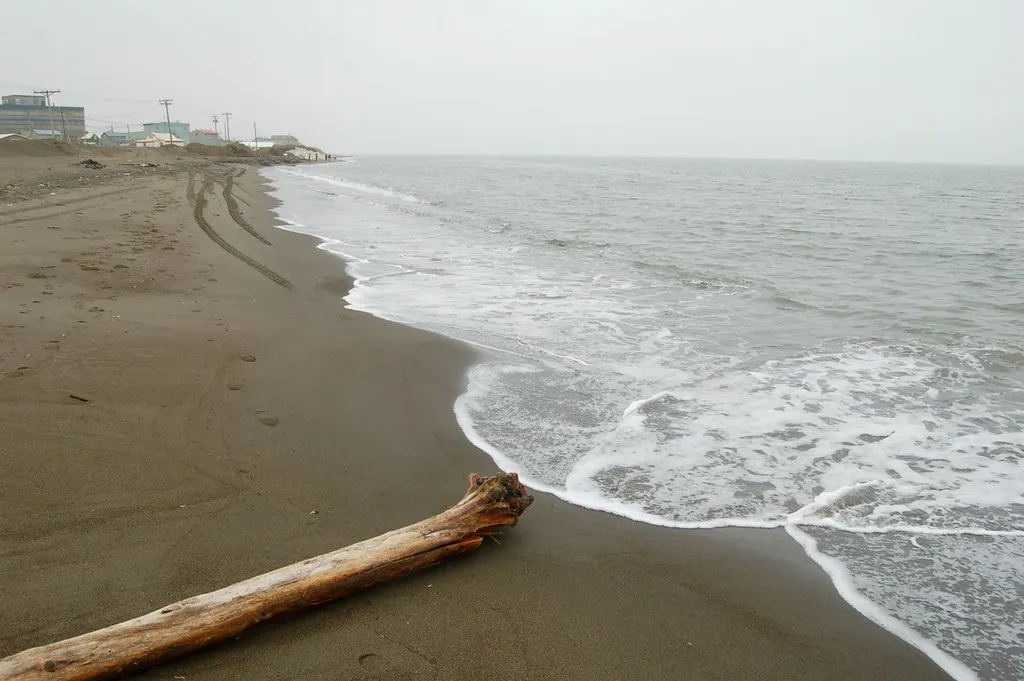
Alaska’s approximately 66,000 miles of Arctic and sub-Arctic shoreline encompass glacial fjords, river deltas, barrier islands, volcanic coasts, estuaries, and rocky headlands, making it one of the most geologically diverse coastlines in the world.
Alaska’s coastal systems are formed and reshaped through dynamic wave action in the open water period and sea ice formation in the winter. These forces redistribute sediment, carbon, nutrients, and contaminants into the marine environment.
Fish and aquatic habitats in Alaska support important commercial, sport, and subsistence fisheries and provide forage fish that support wildlife populations. The richness of that marine life is directly tied to the range and variety of the coastal environment that sustains it.
Parks, Preservation, and Protected Shore
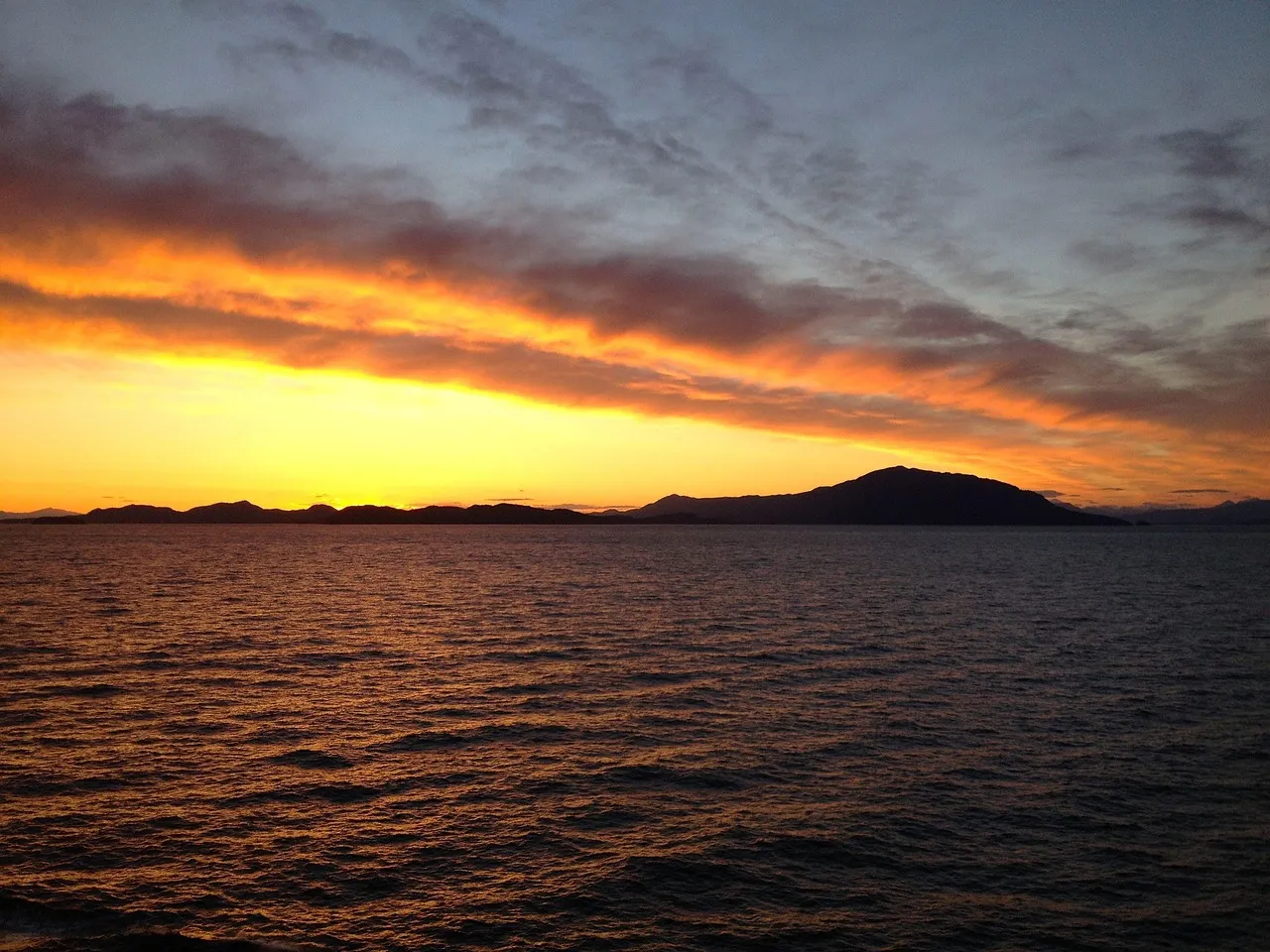
Approximately 3,095 miles of Alaska’s coastline are protected within national parks and preserves, safeguarding some of the world’s largest intact coastal ecosystems, including glaciers, fjords, estuaries, and critical wildlife habitat.
The ocean is an integral part of Alaska’s aquatic and terrestrial ecosystems, weather, economy, history, and culture. As changes occur and pressures on the ocean’s resources increase, it is more important than ever to monitor, understand, minimize impact, and preserve those resources.
Alaska’s protected coastline is not a footnote. It represents one of the most consequential conservation commitments in the world, holding ecosystems that exist nowhere else in the United States.
Life Along an Unreachable Shore
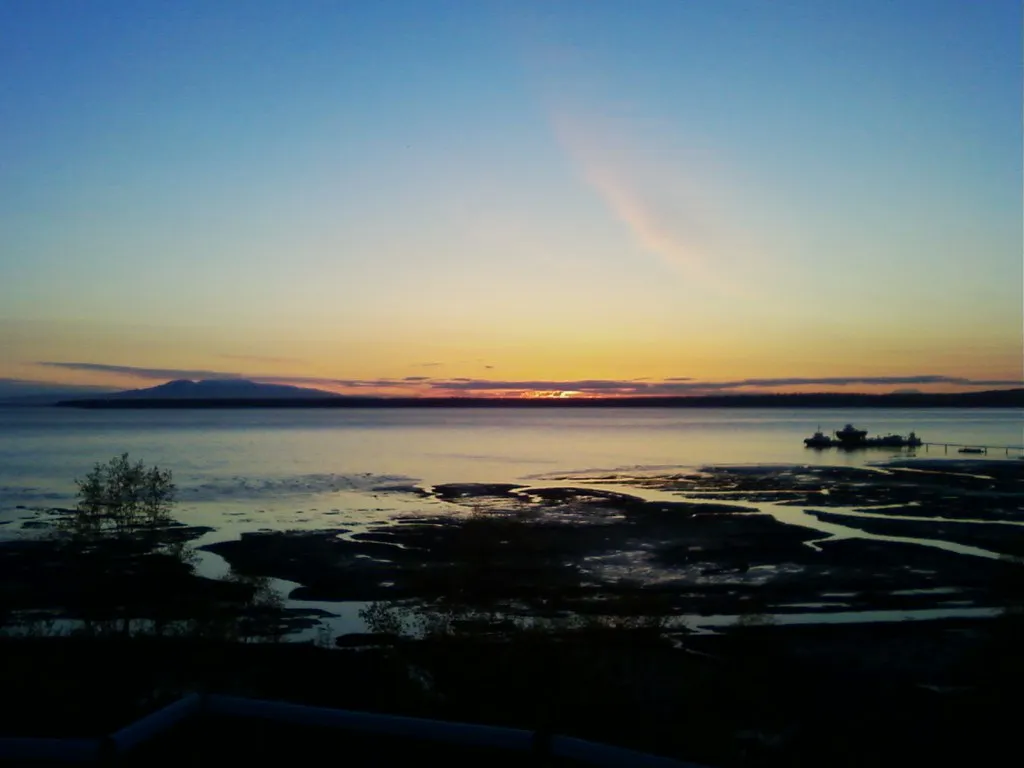
A majority of Alaska’s shoreline is rugged, unforgiving, and remote. Much of it has never been visited by a human being on foot, and some stretches are accessible only by small aircraft or boat during brief seasonal windows.
Juneau is America’s only state capital that cannot be accessed by road. The coastline is not just a geographic feature in Alaska. For much of the state, it is the only viable path for movement, supply, and survival.
In Anchorage, the Port of Alaska is the largest port in the state, and Lake Hood has the world’s busiest seaplane base. That tells you something real about how Alaskans relate to their coast: it is infrastructure, not scenery.
Climate Pressures on a Fragile Arctic Edge
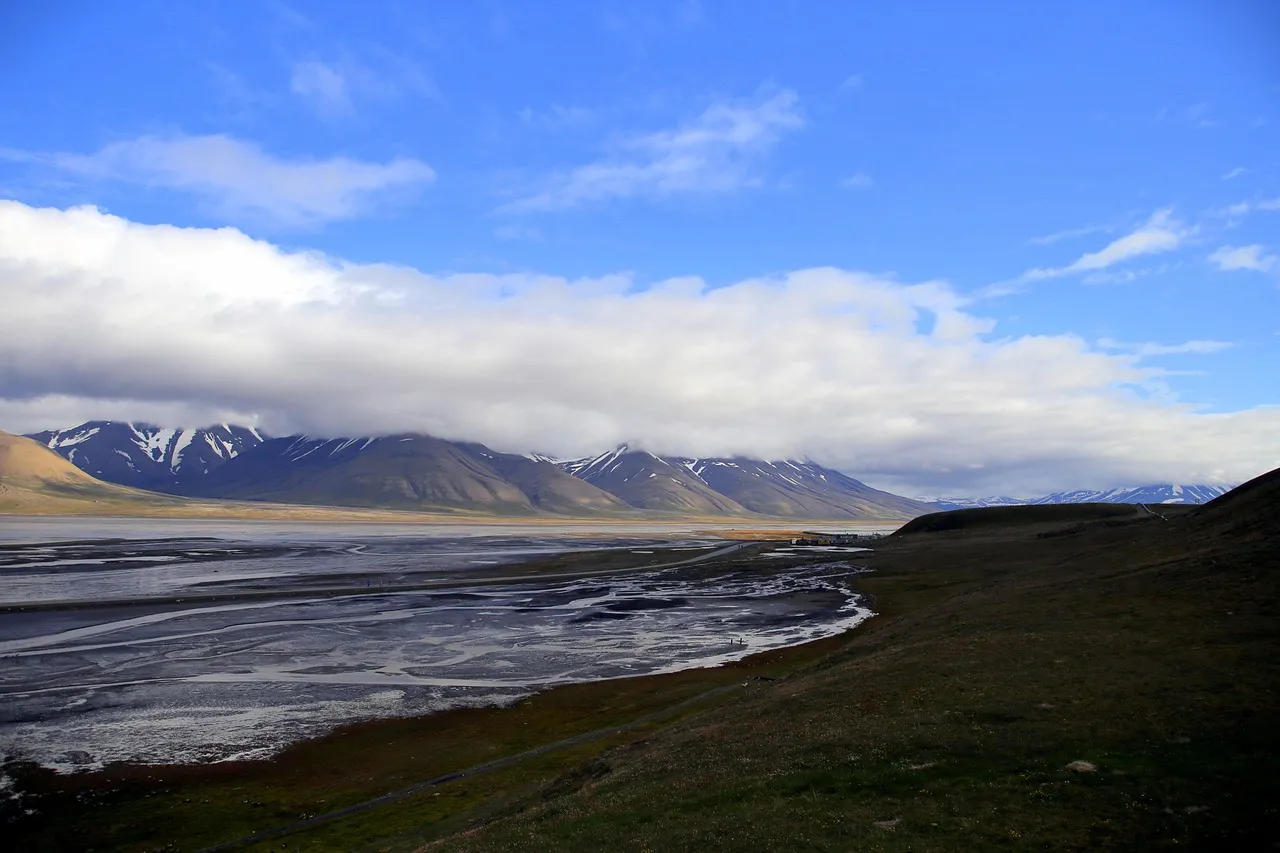
Alaska’s Arctic coasts are defined by marine and terrestrial ice. Sea ice, particularly shore-fast sea ice, calms wave activity. As that ice retreats, more coastline becomes exposed to direct wave energy year-round.
Scientists categorize the state’s coasts by type, including deltaic and lowland plain, permafrost coastlines, rocky areas, and Arctic coastal islands. Rocky shorelines are far less vulnerable to climate-change linked erosion. Permafrost coastlines, in contrast, are eroding at rates that concern researchers across multiple federal agencies.
NOAA’s high-quality research supports sustainable management and conservation of Alaska marine species with economic and cultural benefits for the nation. Alaska waters support some of the most important commercial fisheries in the world. The health of those fisheries is bound tightly to the health of the coastline that frames them.
What Makes Alaska’s Coastline a Truly Singular Place
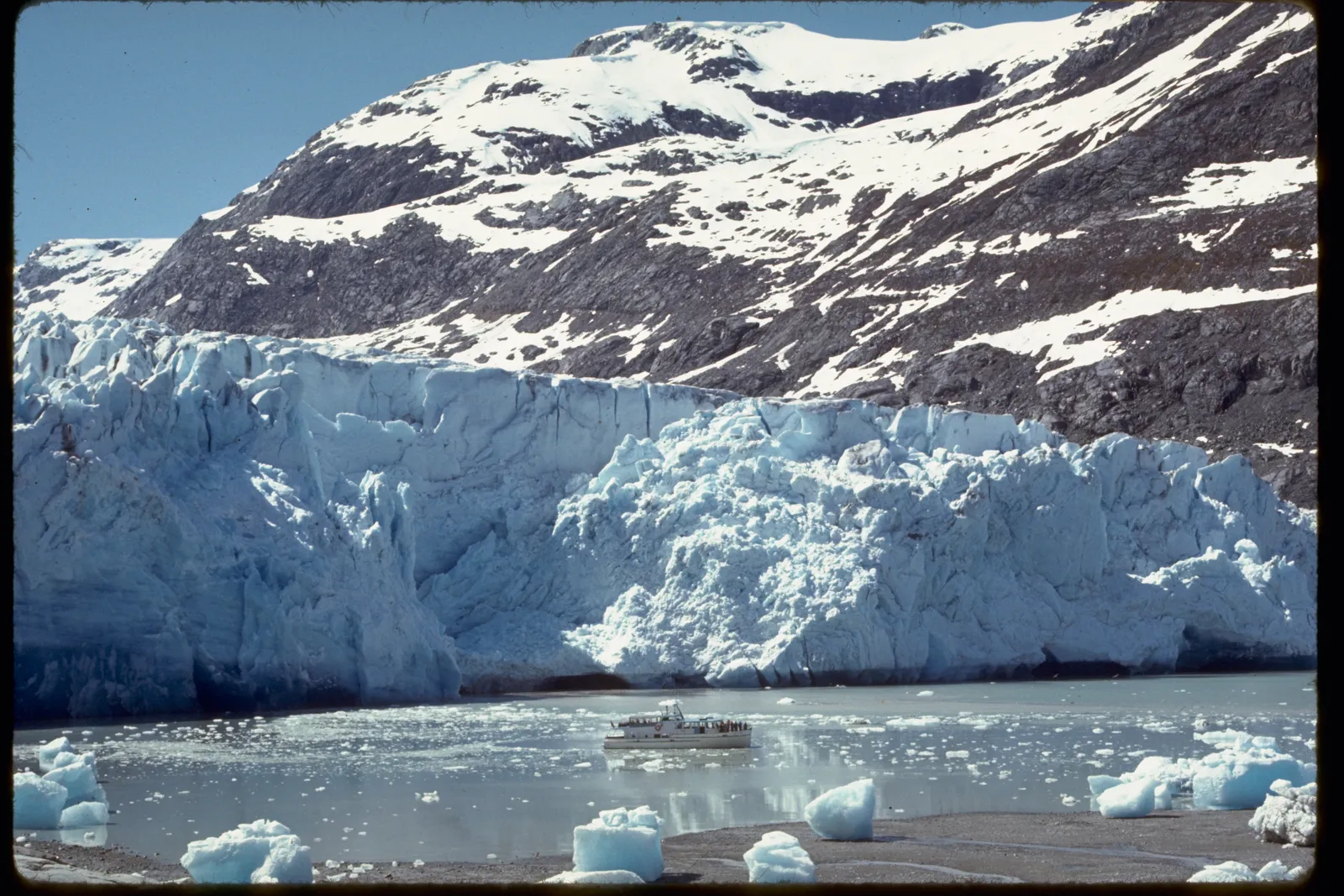
Glaciers alone often change Alaska’s coastline dramatically. The landscape is genuinely alive in a geological sense, shifting and reshaping in ways that coastal states in the lower 48 simply do not experience.
On most days, relentless rivers of clouds wash over Alaska, obscuring most of the state’s 6,640 miles of coastline and 586,000 square miles of land. The south coast even has the distinction of being the cloudiest region of the United States. It’s a place that resists easy observation, let alone easy visits.
Alaska waters support some of the most important commercial fisheries in the world. Large and diverse populations of whales, seals, sea lions, and porpoises, along with Alaska Native hunting and fishing communities, share these waters. The coastline is not simply a physical boundary. It is a living system that cultures, economies, and ecosystems all depend on.
The Takeaway
California, Florida, and Texas are coastal icons for good reason. Their shores have shaped American culture, migration patterns, and popular imagination for generations. Still, stacking their coastlines together doesn’t come close to matching Alaska’s total.
The numbers from NOAA are clear, the geology is ancient and dramatic, and the ecological stakes are high. Alaska’s coastline is not just a record on paper. It’s one of the most complex, biologically rich, and climatically significant stretches of shore on the planet.
What makes it most remarkable, perhaps, is how little of it most Americans will ever see. It stretches on, mostly wild, mostly unvisited, and largely untouched, an almost incomprehensible edge of the continent that quietly dwarfs everything that comes after it.
AI Disclaimer: This article was created with the assistance of AI tools and reviewed by a human editor.