
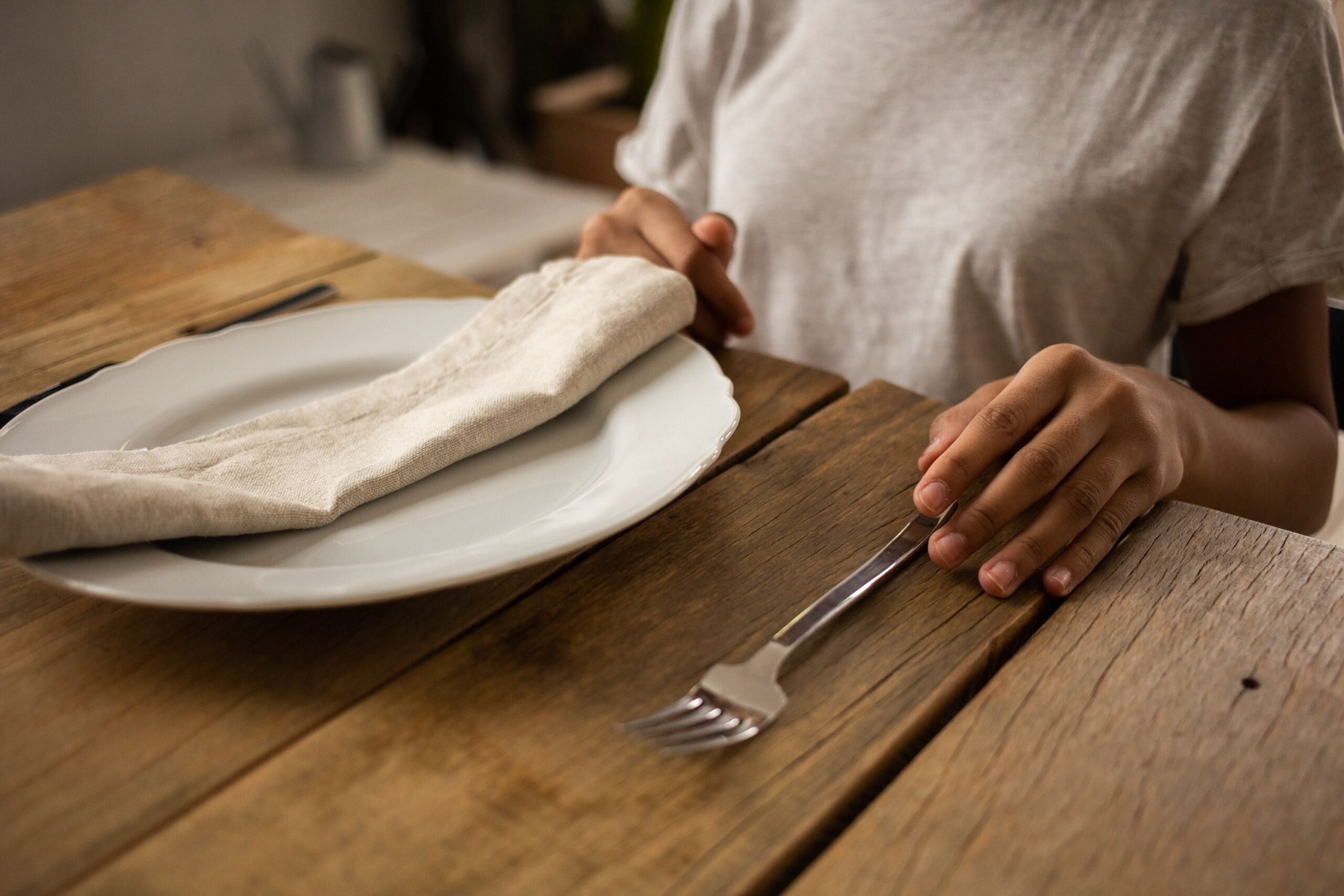

Across much of the world, eating is not simply about nourishment. It is a social act, a performance of values, a quiet declaration of where you stand within a community. The way you reach for food, pour a drink, or wait your turn at a shared platter carries a meaning that can be felt even when no one says a word.
The rules of dining etiquette reveal the cultural values, social customs, and personal identities of various societies. The way people dine reflects their social values, cultural traditions, spiritual beliefs, and their sense of respect and hospitality. In communal dining cultures especially, a single gesture at the table can communicate warmth, deference, or a subtle acknowledgment of belonging. Here are ten such manners worth understanding.
Letting Elders Eat First: The Language of Deference in Korea
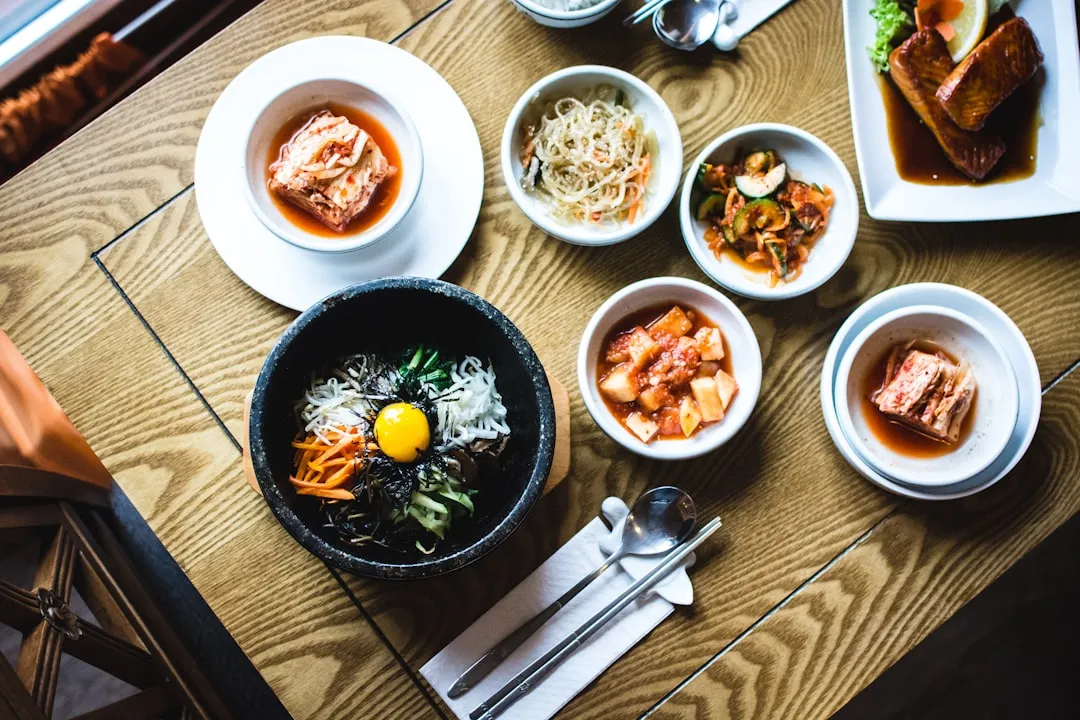
In many Asian countries, it is an unspoken understanding that it is polite to serve or take care of elders first as a sign of respect. Korea is no different. When having a meal with people of various ages, it is known for Koreans to let the senior member at the table dine first, then the rest can start. Grandchildren are taught to let their grandmother start eating before they and the rest of the family do.
In Korean fine dining, etiquette is integral to the meal itself. It’s a way of showing respect, especially to elders, and expressing harmony within a group. These practices are deeply rooted in Korean culinary traditions, passed down through generations and preserved in both home kitchens and modern restaurants alike.
Using Only the Right Hand: A Rule Rooted in Culture and Care
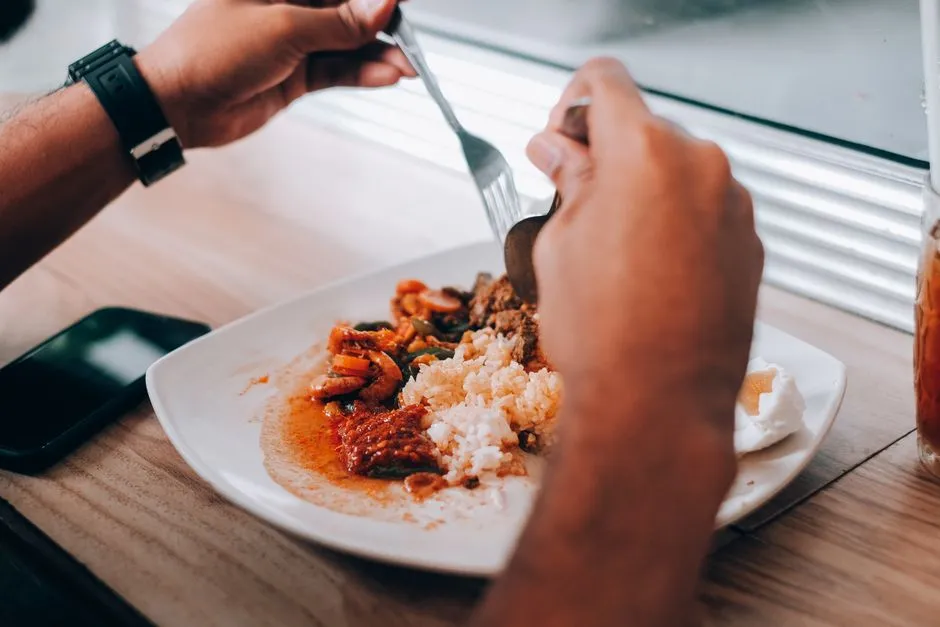
Right hand only is the rule in India, the Middle East, and parts of Africa. The left hand is traditionally associated with personal hygiene and considered unclean for handling food. Ritual handwashing before and after meals is expected, often with water brought to the table in formal settings.
In Ethiopia, injera, a spongy sourdough flatbread, serves as both utensil and plate, used to scoop stews and salads. In India, eating with just the fingertips rather than the whole hand shows refinement. These distinctions matter deeply. What looks like a small physical detail carries real social weight at a shared table.
Pouring Drinks for Others Before Yourself: Korea and Beyond
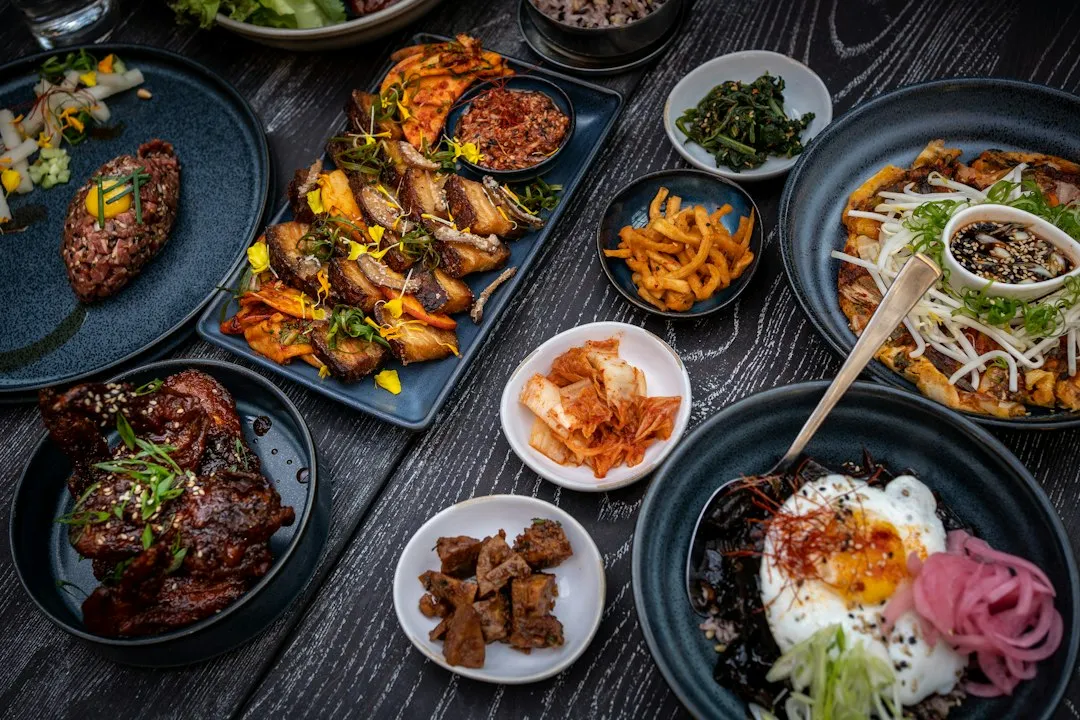
With drinks, it’s customary to pour for others, not yourself, and using two hands when serving elders is a sign of respect. This practice is most visible in Korea, where younger people turn away from elders while drinking as a sign of respect.
Elders begin eating first, and younger diners often pour drinks for their seniors as a sign of honor. The gesture is subtle but unmistakable: filling someone else’s cup before your own declares that their comfort comes first. It’s a form of generosity that’s encoded in the ritual of the meal itself.
Taking from the Section Nearest You: Communal Platter Etiquette in the Middle East and Morocco
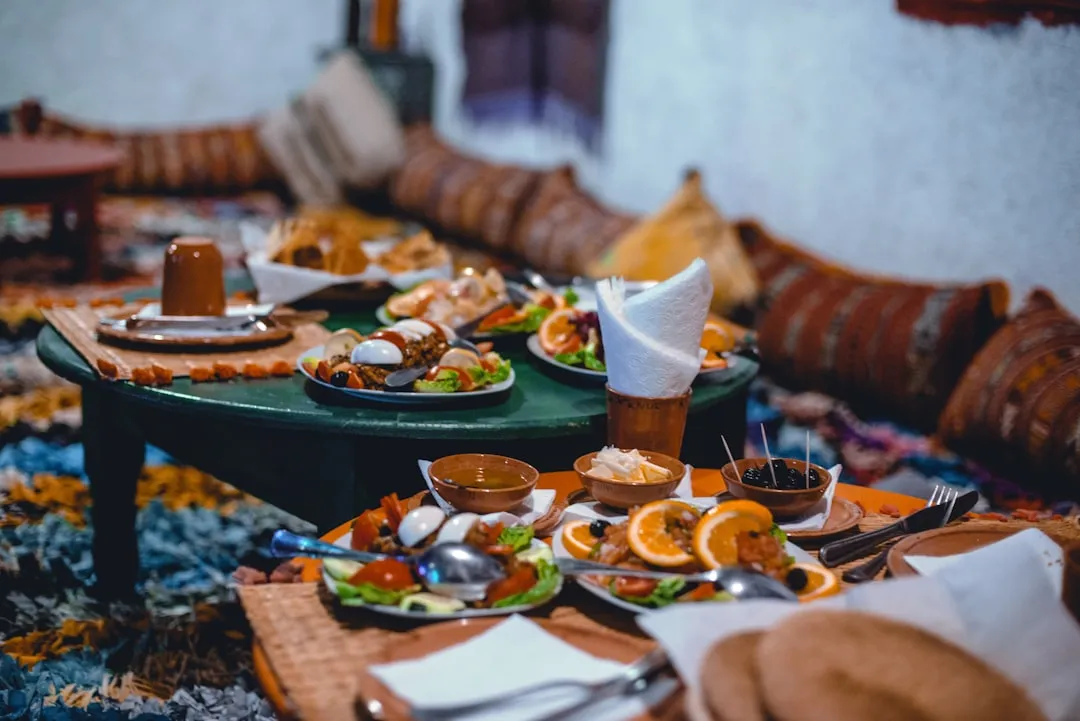
If eating from a communal platter, taking from the section nearest you rather than reaching across is a small gesture that reads as polite in many cultures. In Moroccan dining, meals are often served on a large communal platter, encouraging sharing and togetherness, and guests are often served first as a sign of honor.
Dining across the Middle East often centers on generosity and community. Reaching into the center of a shared dish, or crossing over another person’s section, disrupts that sense of order and can read as presumptuous. The platter is a shared space, and how you move within it reflects your awareness of others.
Accepting Gursa in Ethiopia: The Gift of Being Fed by Another
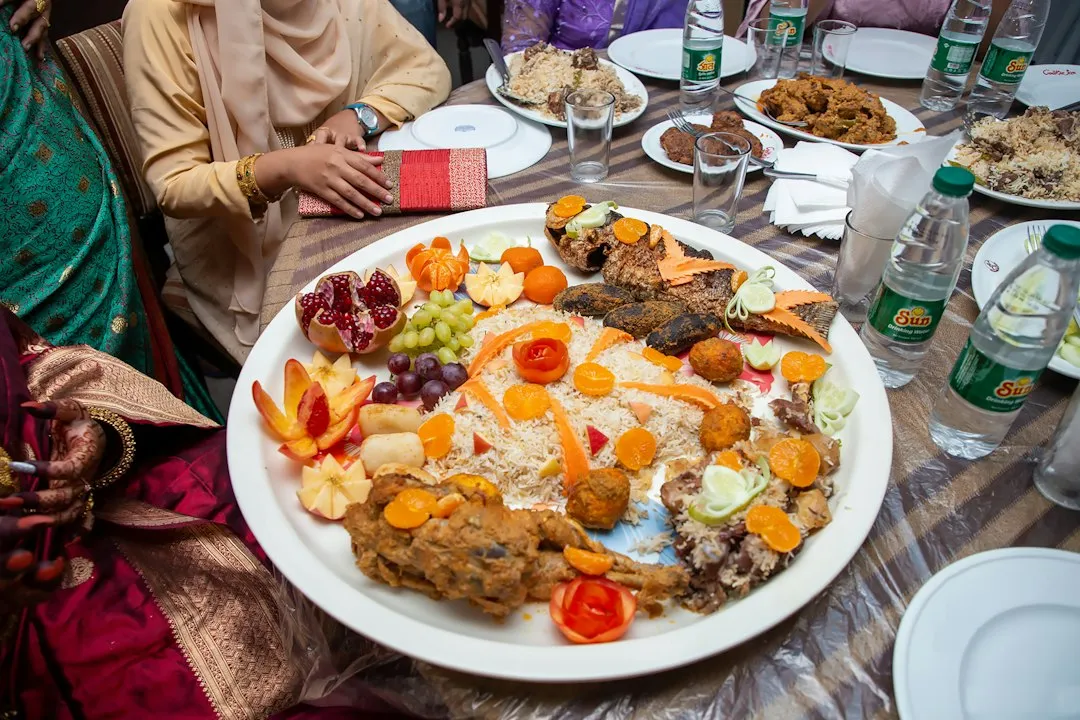
Hierarchy dictates that the eldest person is the first to take food from the communal plate. Guests are often served tasty morsels by another guest in a process called “gursa.” Using his hands, the person places the morsel in the other person’s mouth. Since this is done out of respect, it is a good idea to smile and accept the offering.
In some Ethiopian and Eritrean settings, someone may feed you a bite as a sign of affection and welcome. It can be surprising, but it’s meant warmly. If it happens, accepting graciously is usually the best response. Refusing gursa would be a quiet rejection of the hospitality being extended. The gesture is intimate, and receiving it with grace is the appropriate reply.
Never Sticking Chopsticks Upright in Rice: Chinese and Japanese Tables

Chopstick etiquette is particularly significant: chopsticks should never be left sticking upright in food, which resembles funeral incense, used to point at people, or separated. Chopstick etiquette matters: never stick chopsticks upright in rice. That resembles funeral offerings and is considered unlucky. Rest them on a chopstick holder or across your bowl instead.
Diners are also expected to avoid “digging” through serving dishes for choice morsels, to wait for elders or honored guests to eat first, and to leave no food waste on their plates. These practices form a kind of choreography, and a traveler who observes them signals something genuine: that they’ve taken the culture seriously enough to learn its grammar.
Using Serving Utensils for Shared Dishes: A Sign of Mutual Care
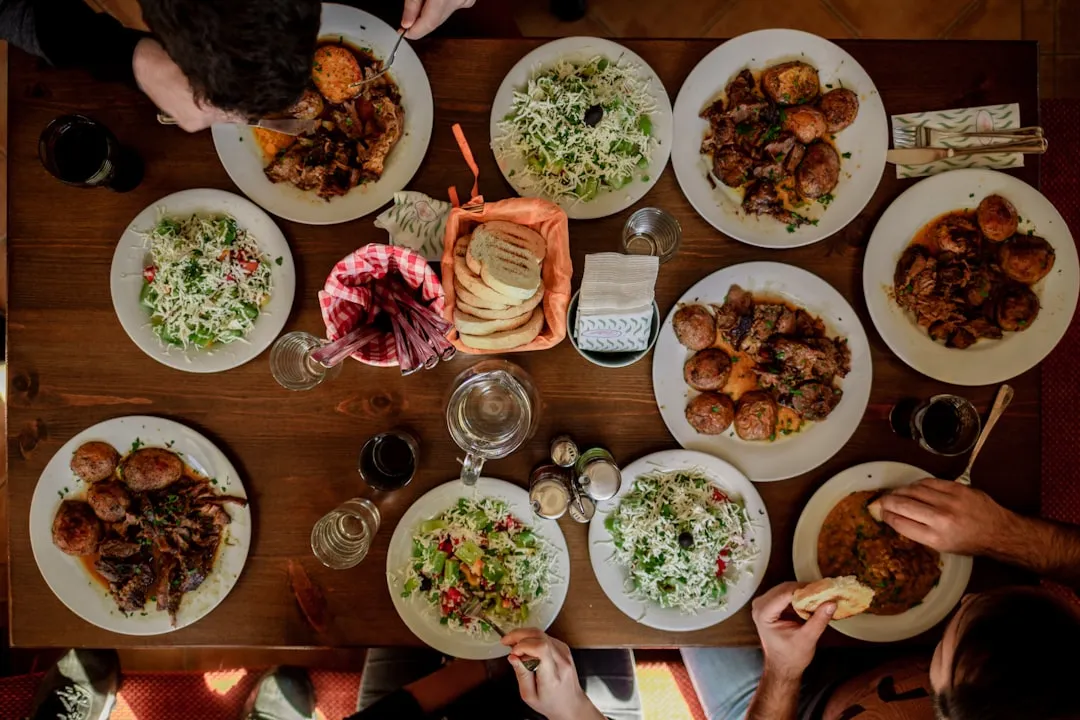
When joining communal dining traditions in Asia, visitors should use serving utensils for shared dishes and avoid double-dipping or using personal chopsticks for communal meals. Most cultures expect you to use communal spoons or serving chopsticks, not your own utensils, when taking from shared dishes.
At the heart of communal dining in Asian countries are values such as harmony, respect, and togetherness. The shared table represents equality and connection. Everyone uses serving utensils to serve dishes from shared plates, ensuring that each diner enjoys the same food. It’s a small act, but it protects the shared nature of the meal for everyone at the table.
Keeping Pace With the Table: The Rhythm of Korean and Japanese Communal Meals
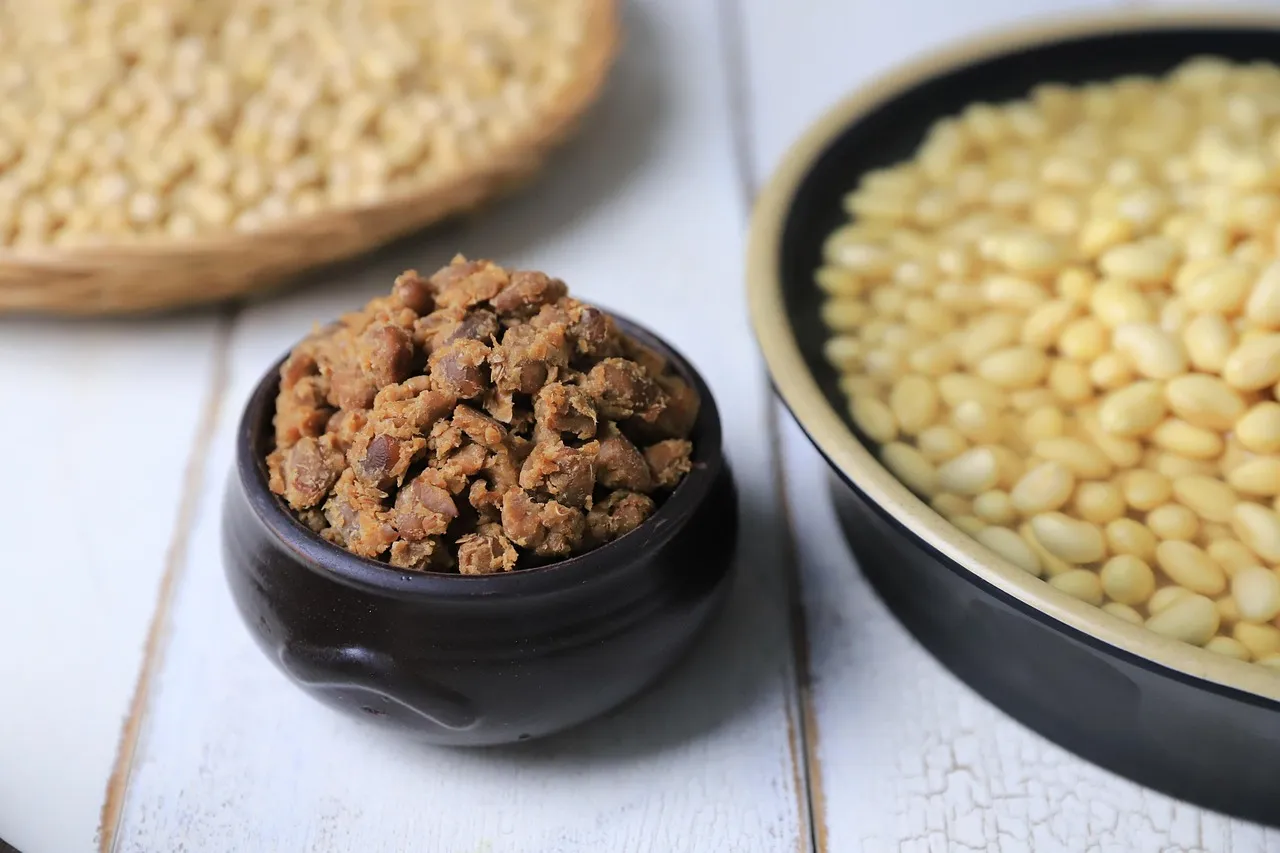
Another key point in Korean culinary traditions is pacing. You’re encouraged to eat at the same rhythm as the rest of the table. Racing through your meal is considered impolite, and finishing too early might suggest you didn’t enjoy it.
Taking food before elders or finishing long before everyone else creates social awkwardness. Communal dining is a shared experience in a very literal sense: the pace matters as much as the food itself. Slowing down to match the table is a way of saying that you’d rather be here, together, than done and gone.
Accepting Tea or Food Offerings: Hospitality as a Two-Way Ritual

Hosts may insist you try “just a little more.” Sampling what’s offered, even small bites, is a respectful way to acknowledge hospitality. Tea or coffee is often part of the ritual, and accepting it is a friendly sign of connection.
The serving of mint tea in Morocco is a cherished ritual, symbolizing hospitality and welcome. Declining food or drink too firmly in these cultures can feel like a rejection of the host’s care. A polite acceptance, even a token sip, closes the loop of the exchange and honors the generosity behind it.
Not Finishing the Last Piece: Reading the Room at a Shared Table
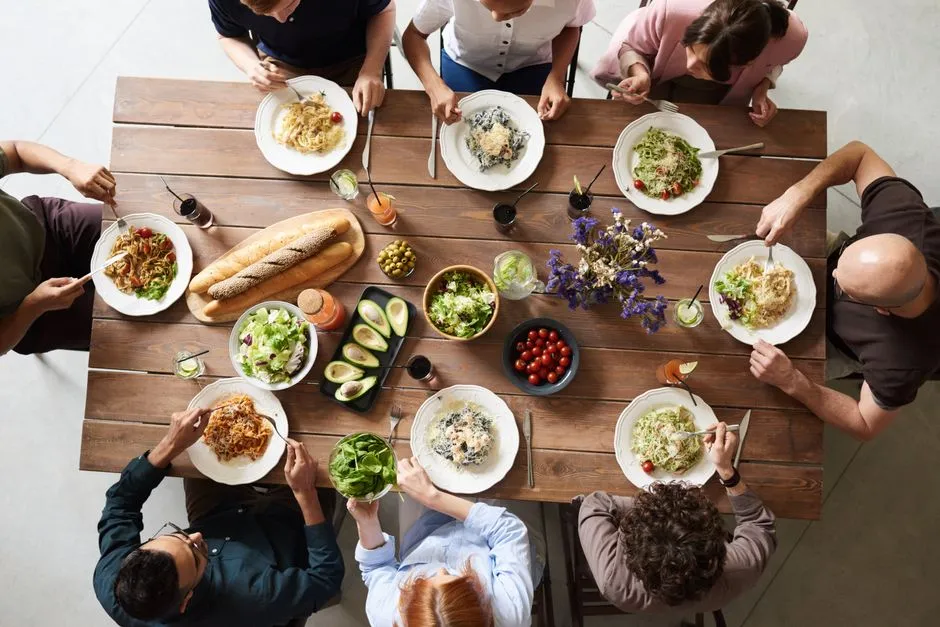
Taking the last piece is often taboo. In Japan, the last morsel may sit untouched indefinitely. In Korea, the eldest person or the host should be the one to offer it. This restraint is not about hunger. It’s about deference and an awareness of others.
Most of us were raised with the idea that finishing your plate is respectful. But in places like China and some Arab nations, this could suggest your host didn’t provide enough food, which could be viewed as a “loss of face” on their part. The lesson here is that respect at a shared table isn’t one-size-fits-all. It requires listening to the culture you’re sitting within.
A Final Thought: The Table as a Mirror
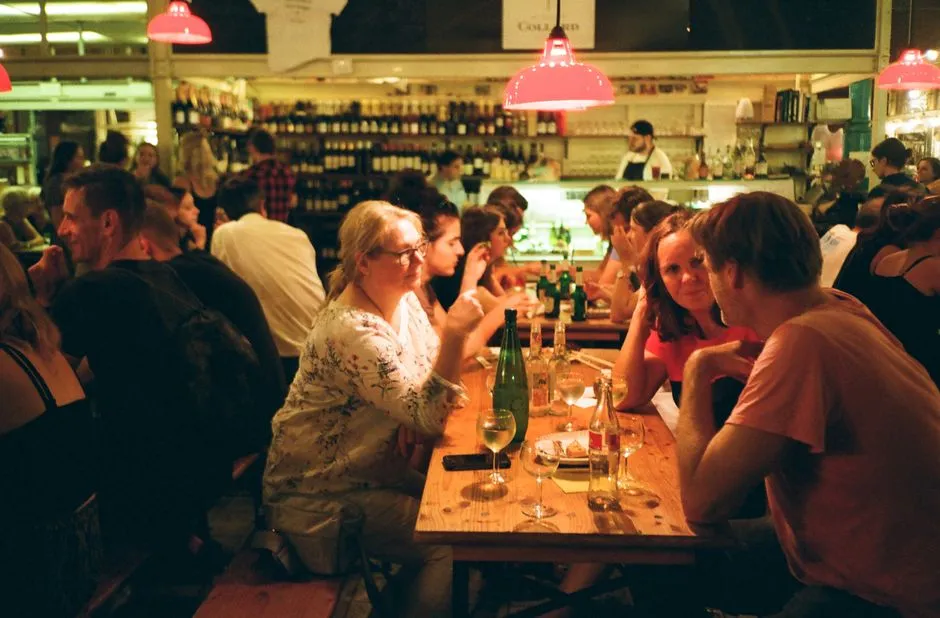
Religious beliefs, social hierarchies, and historical events shape dining etiquette worldwide. Understanding these cultural nuances fosters respect and appreciation for different customs, making shared meals a powerful tool for cross-cultural connection and understanding.
Research supports what Asian cultures have known for centuries: communal meals strengthen social interactions, communication, and lasting memories. Shared meals slow down busy lives, allowing diners to exchange shared stories and create deeper connections.
What’s striking about all ten of these manners is how little they ask of you. Wait a moment. Pour for the person beside you. Take from your own section of the platter. These are quiet gestures, but they carry a kind of fluency. At a communal table, knowing how to move with care is one of the most honest forms of respect a traveler can offer.
AI Disclaimer: This article was created with the assistance of AI tools and reviewed by a human editor.