
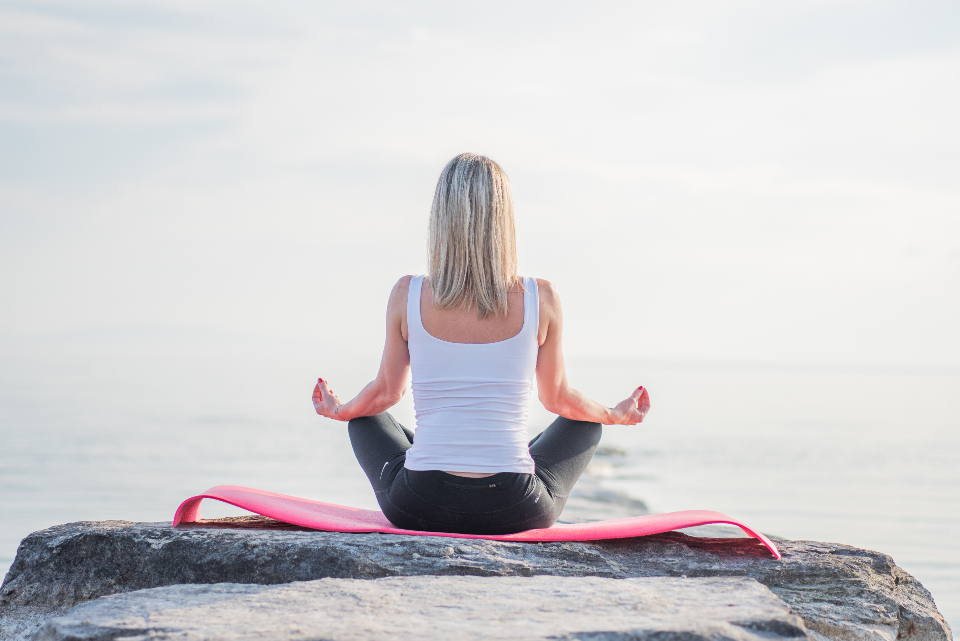
There’s a certain kind of exhaustion that no amount of sleep fixes. It’s not physical tiredness but the cumulative weight of noise, notifications, and the relentless pressure to respond, perform, and produce. According to Hilton’s global research, the number one motivation to travel for leisure in 2026 is simply “to rest and recharge,” cited by more than half of respondents. That shift says something important about where we are collectively right now.
Silent retreats have quietly moved from a fringe spiritual practice to a mainstream wellness priority. Roughly one in four travelers now plans to go on a silent retreat within the next twelve months, and the demand is only growing. The five places below aren’t just beautiful or remote. They treat silence as the actual point.
Why Silence Has Become the Most Sought-After Luxury
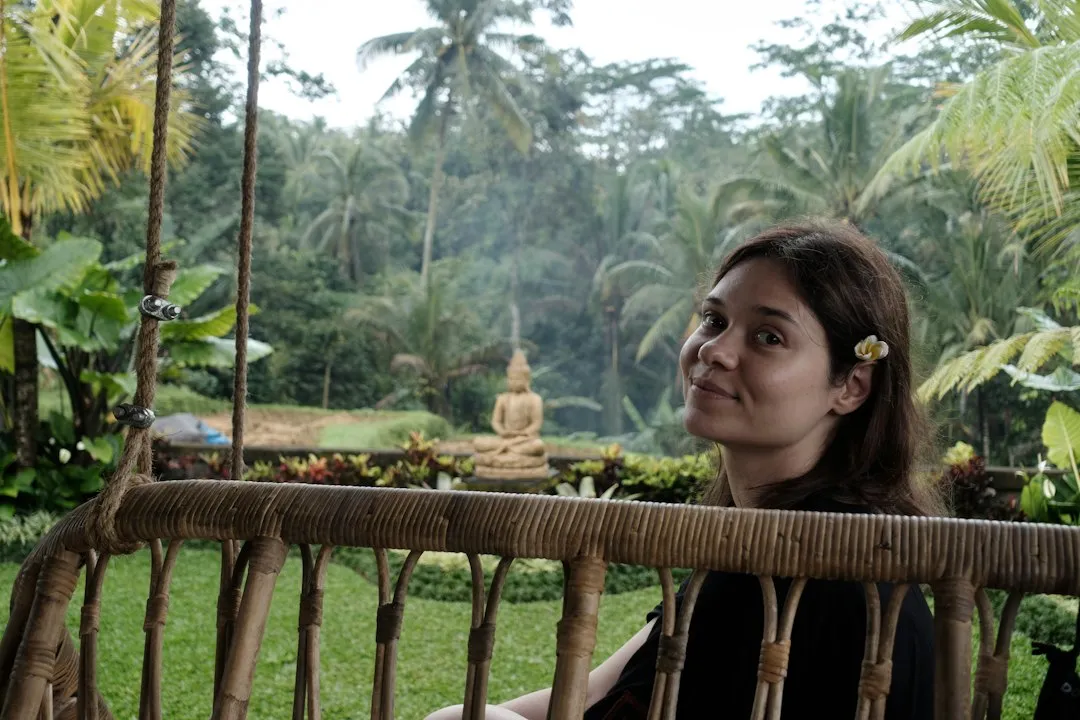
A silence retreat is a structured getaway designed to help you step away from constant input, including talking, notifications, and social expectations, and return to a quieter inner rhythm. Instead of a typical holiday filled with plans and conversation, silence retreats create space for stillness, reflection, and simple daily routines that calm the nervous system and sharpen awareness.
American travelers in recent surveys expressed a heightened interest in nature immersion retreats, followed by spiritual retreats, and then meditation and silent retreats, which attracted interest from more than half of respondents. The numbers confirm what many people already feel intuitively: quiet has become genuinely rare, and rarity creates desire.
The wellness tourism market size is projected to reach approximately $978 billion in 2025, and within that broader growth, trends like digital detox experiences and soft travel focused on mental health are among the fastest-rising segments. Silent retreats sit comfortably at the intersection of all three.
Plum Village, Dordogne, France
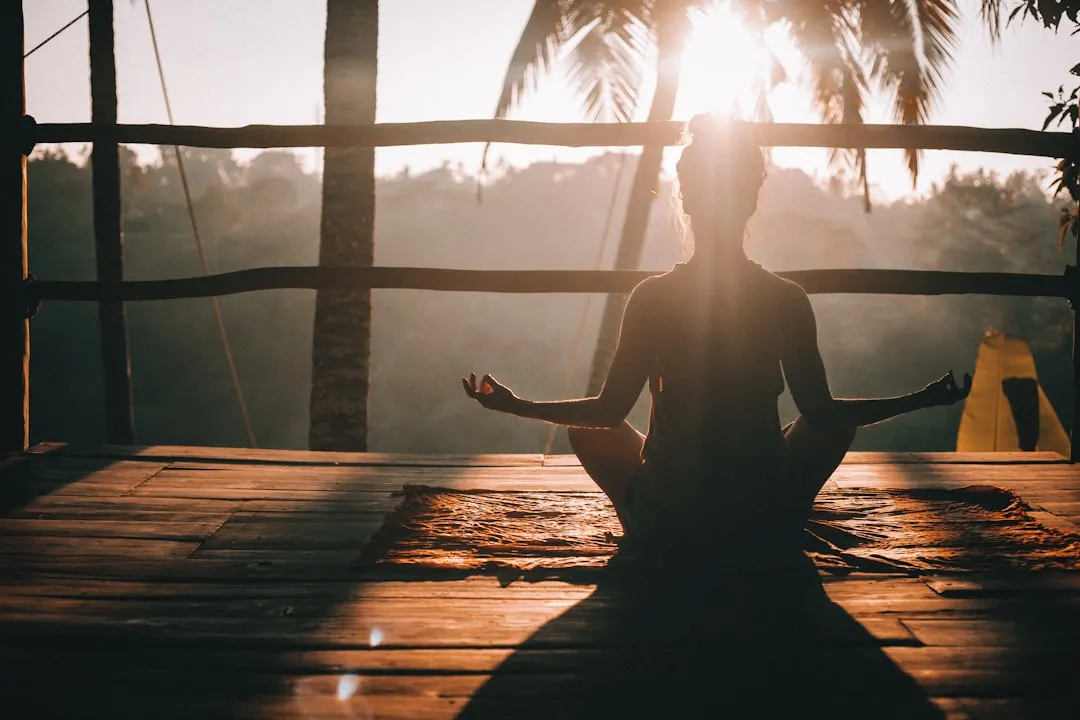
Founded in the tradition of the late Zen master Thich Nhat Hanh, Plum Village in southwest France remains one of the most internationally recognized places in the world for structured silence and mindfulness practice. A retreat at Plum Village is an opportunity to experience the art of mindful living, where everything is done in a spirit of meditation, whether it is walking to the dining hall or sitting in the orchard.
Away from the demands and distractions of everyday life, a retreat here gives guests a chance to practice living deeply in each moment, understand themselves better, and connect with other mindfulness practitioners. The grounds span several hamlets across rolling French farmland, and the rhythm of each day is gentle and deliberately unhurried.
Plum Village continues to run regular silent retreats through 2025 and 2026 from its base in the Dordogne region. Upcoming in-person and online retreats are hosted by Plum Village monasteries around the world, making it one of the more accessible silent retreat traditions for first-time visitors.
Dhamma Giri Vipassana Centre, Igatpuri, India
Dhamma Giri is one of the largest Vipassana centers in the world, welcoming thousands of participants annually. The ten-day silent retreats here follow S.N. Goenka’s Vipassana method and are renowned for their depth and intensity. The setting, in the hills of Maharashtra, adds a layer of natural stillness that supports the work happening inside the meditation hall.
Dhamma Giri is a main global center for Goenka-style Vipassana meditation, and its ten-day courses are highly organized, with early mornings, many hours of sitting, silence, and step-by-step instruction in the technique. The retreat runs on a donation basis, so anyone can attend regardless of financial means.
Thousands of people have done their first serious retreat there, learning about both the difficulties and the rewards of sustained silence. The structure is demanding by design. That rigor is precisely why so many guests return.
Tushita Meditation Centre, McLeod Ganj, India
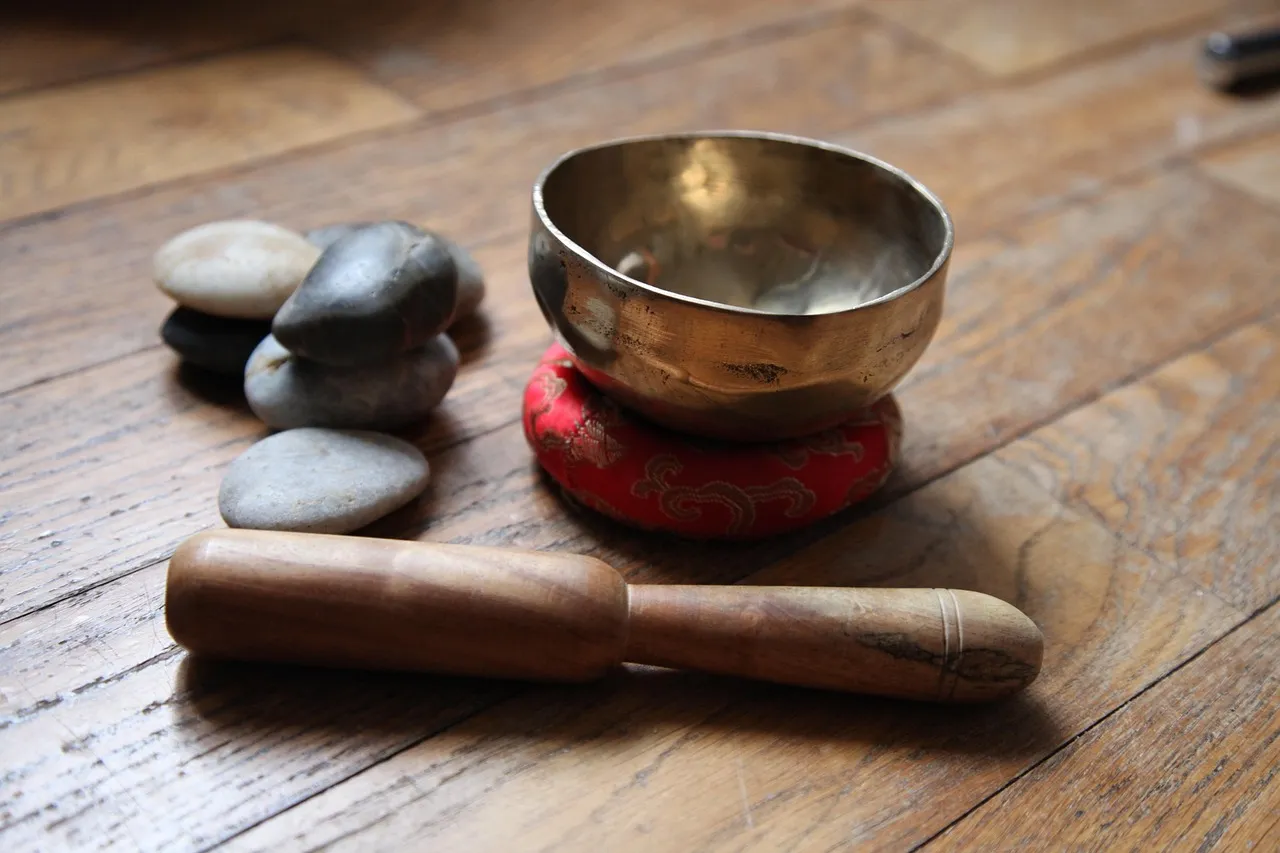
Tushita is located in the pine forests above McLeod Ganj, near the Dalai Lama’s residence. It offers ten-day beginner courses in Tibetan Buddhism that attract solo travelers and participants from around the world. The atmosphere is calm and supportive, with silence, guided meditations, teachings, and small group talks woven through the schedule.
Tushita is widely regarded as a perfect gateway into Tibetan meditation traditions for those who are curious but new to formal silent practice. The forest setting above the Kangra Valley adds a grounding quality that many guests describe as transformative in itself.
Participants are encouraged to observe their thoughts patiently without judging themselves harshly, which makes the center particularly welcoming to beginners who might feel intimidated by longer or stricter programs elsewhere. The combination of accessible teaching and genuine silence is rare.
Suan Mokkh International Dharma Hermitage, Chaiya, Thailand
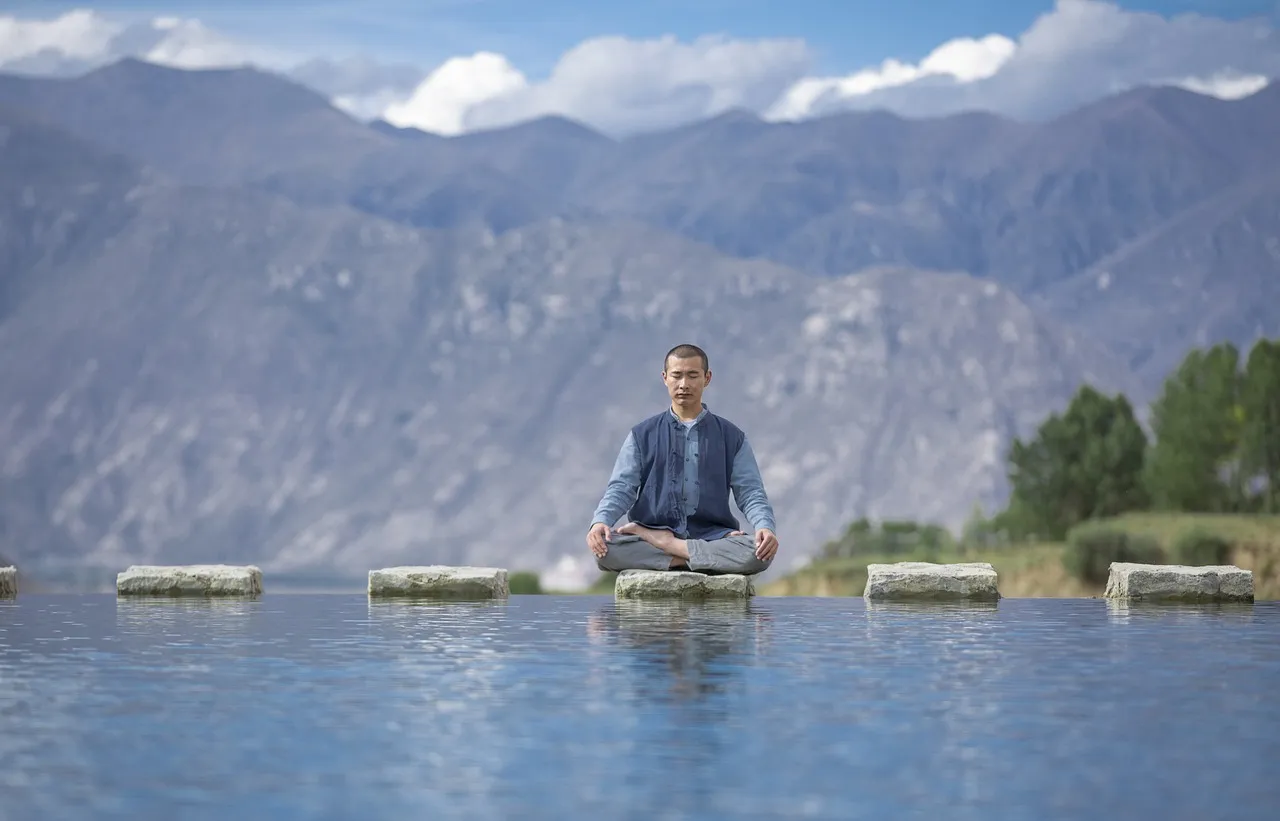
Suan Mokkh offers the famous ten-day silent Vipassana retreats and was founded by Ajahn Buddhadasa, who emphasized simplicity and authenticity. Accommodations are basic, but that simplicity helps foster deep inner transformation. The forest monastery sits within a natural park in southern Thailand, far from tourist infrastructure.
The program operates on a donation-based model, making it accessible to all, with strict silence, daily meditation, and Buddhist chanting forming the core of each day. It is described by many as a true back-to-basics experience that strips away distractions.
The heat, the simplicity of the shared dormitories, and the forest soundscape create an environment where silence feels less like a rule and more like the natural default. Suan Mokkh attracts travelers from dozens of countries each month, drawn by its earned reputation and its open-door philosophy.
Kripalu Center for Yoga and Health, Stockbridge, Massachusetts, USA
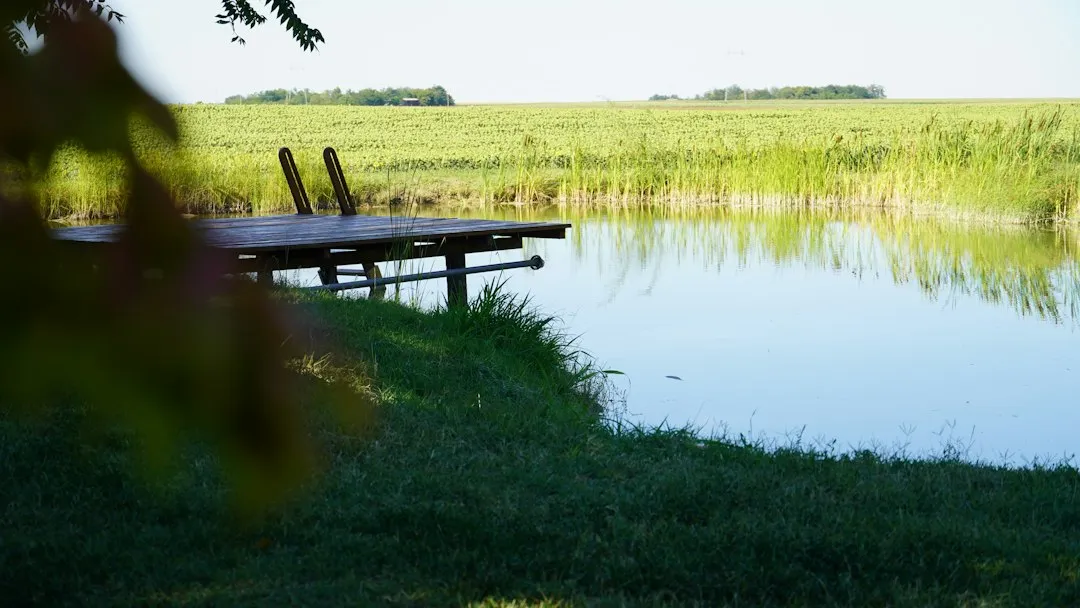
There are endless external demands for our attention, even as our inner self needs that attention most. Kripalu’s silent retreat is described as its most popular program, inviting guests to slow down, move into loving presence, and enter the sanctuary of quiet.
Set on the shores of Lake Mahkeenac in the Berkshire hills, Kripalu offers structured silent retreats that balance deep stillness with gentle yoga and mindful movement. Some retreats combine quiet with gentle movement, nature time, journaling, or wellbeing practices, and Kripalu’s programming reflects that philosophy particularly well.
The center’s location in the western Massachusetts hills provides a natural buffer from urban noise, and the retreat format is designed to be genuinely supportive rather than austere. For North American travelers seeking an immersive but approachable first silent experience, Kripalu is consistently among the most recommended starting points.
The Science Behind Going Quiet
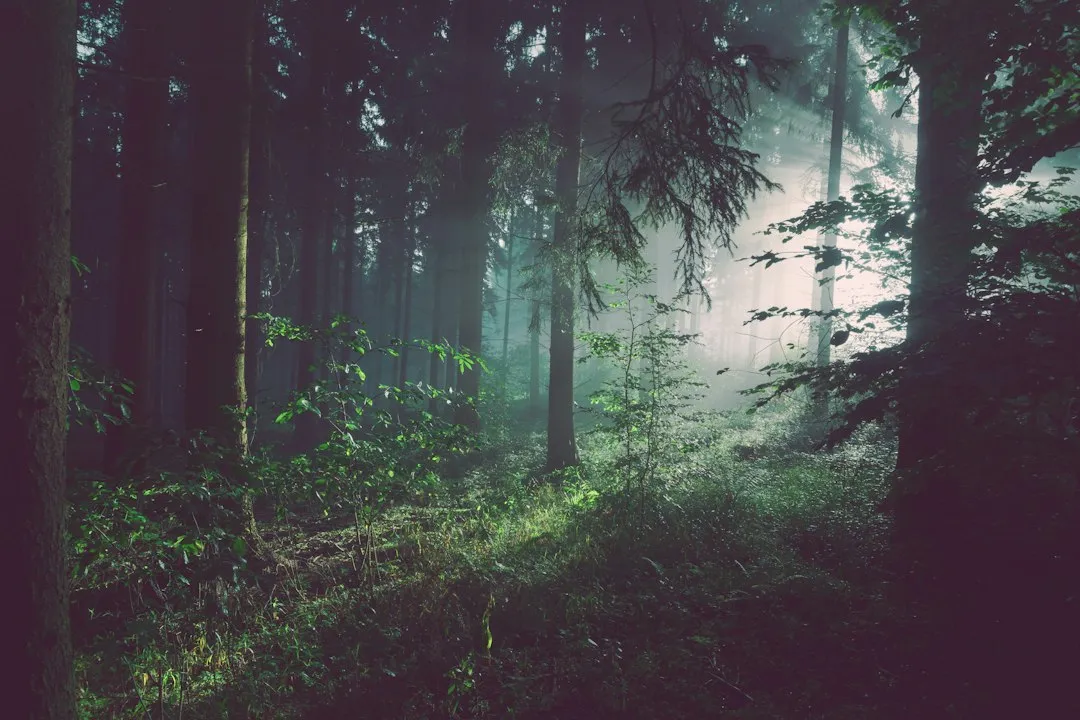
Like forest bathing, the practice of immersion in a natural, quiet environment draws on evidence that such settings are therapeutic in their own right. A 2024 study in the Journal of Environmental Psychology confirms that a greater connection to natural environments is positively linked to mental health, happiness, and an increased sense of awe and purpose.
Retreat listing platforms like BookRetreats and Retreat Guru saw a combined thirty-five percent year-over-year increase in bookings between 2023 and 2025. Mental health and nervous system regulation retreats are among the highest-growth categories in 2025 and 2026, as trauma-informed approaches and somatic healing gain mainstream awareness.
The body responds to sustained quiet in measurable ways. Cortisol levels drop, resting heart rate slows, and the nervous system shifts out of its habitual high-alert state. Silence, it turns out, is not a passive absence of sound. It is an active physiological condition that the body recognizes and responds to.
What to Actually Expect When You Arrive
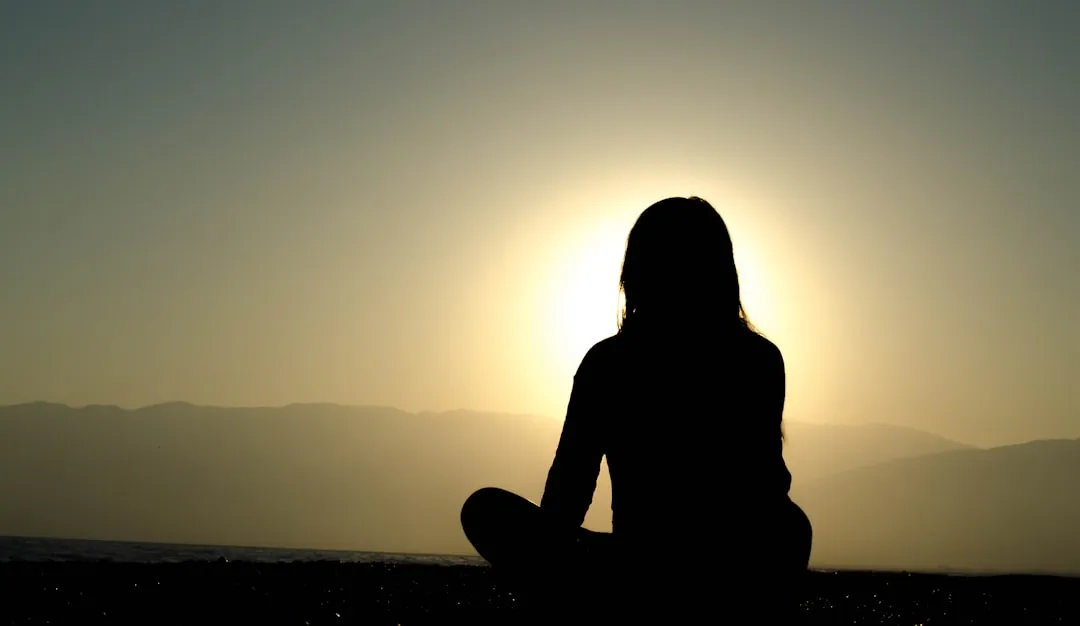
Silence looks different across retreats. Some are meditation-led and deeply contemplative; others combine quiet with gentle movement, nature time, journaling, or wellbeing practices. Knowing which type you need before you book makes a meaningful difference in the experience you’ll have.
Each silent retreat is different and can range anywhere from one day to indefinite stays in monasteries around the world. To get the most from the experience, experts generally suggest picking a seven or ten-day retreat so that the mind has enough time to genuinely settle and reap the benefits of prolonged quiet.
The best silent retreats are structured programs that hold sustained quiet, guided meditation, and simple living to reduce distractions. When evaluating a retreat, look for qualified teachers, a clear schedule, consistent silence rules, mindful meals, nature access, and transparent pricing. Those details matter more than the aesthetics of the brochure.
How to Choose the Right Silent Retreat for You
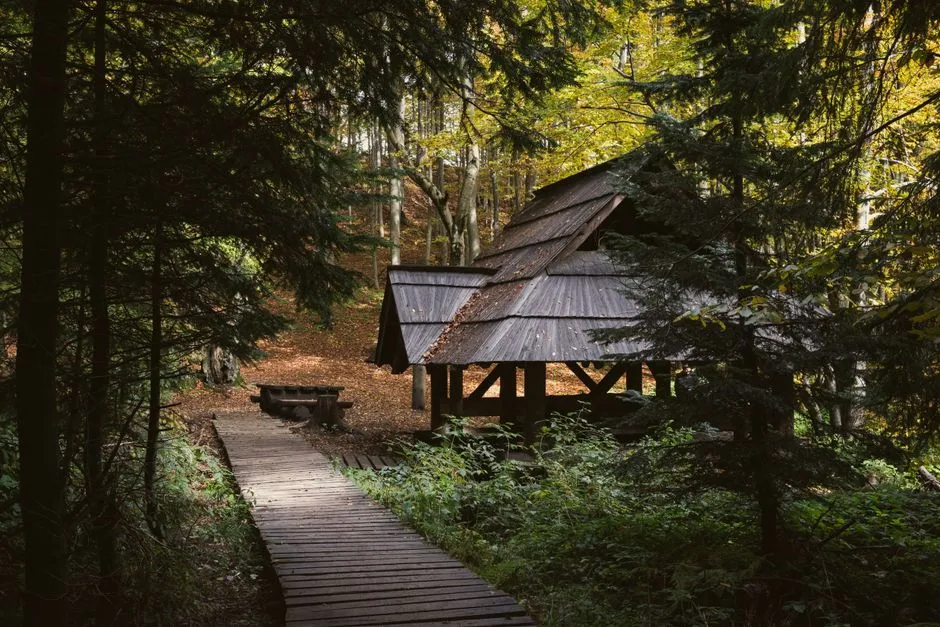
When browsing retreat listings, start with duration and the level of silence, whether full or partial. Then open the itinerary and check the daily rhythm: how much guided practice, how much free time, and whether there’s gentle movement or nature time built in. The right retreat should feel clear, supportive, and aligned with how deep you want to go.
Silent retreats call for a calming and restorative environment, and settings where nature is prominent, whether coastal or mountainous, tend to support that restorative quality. Secluded spots where verdant hills meet local culture are also prime locations for a revitalizing silent retreat.
Consider your experience level honestly. A ten-day Vipassana at Dhamma Giri is a completely different undertaking from a weekend program at Kripalu, and neither is better than the other. What matters is the fit between what you’re ready for and what the program actually offers.
Who Is Going on Silent Retreats in 2026
Men now account for roughly a third of wellness retreat bookings, up from about a fifth in 2018, which reflects a meaningful cultural shift in who feels comfortable seeking this kind of experience. Silent retreats are no longer associated with any single demographic or spiritual background.
Top traveler desires in 2026 include spending time in nature, improving mental health, and making space for genuine personal time, all of which align closely with what silence retreats naturally deliver. The audience has widened considerably in the past few years.
A growing number of travelers are reaching a quiet but firm conclusion: they want less, not more. That appetite for reduction, for fewer inputs and more presence, is reshaping what people look for when they book a trip. Silent retreats are one of the clearest expressions of that desire.
The Quiet You Carry Home
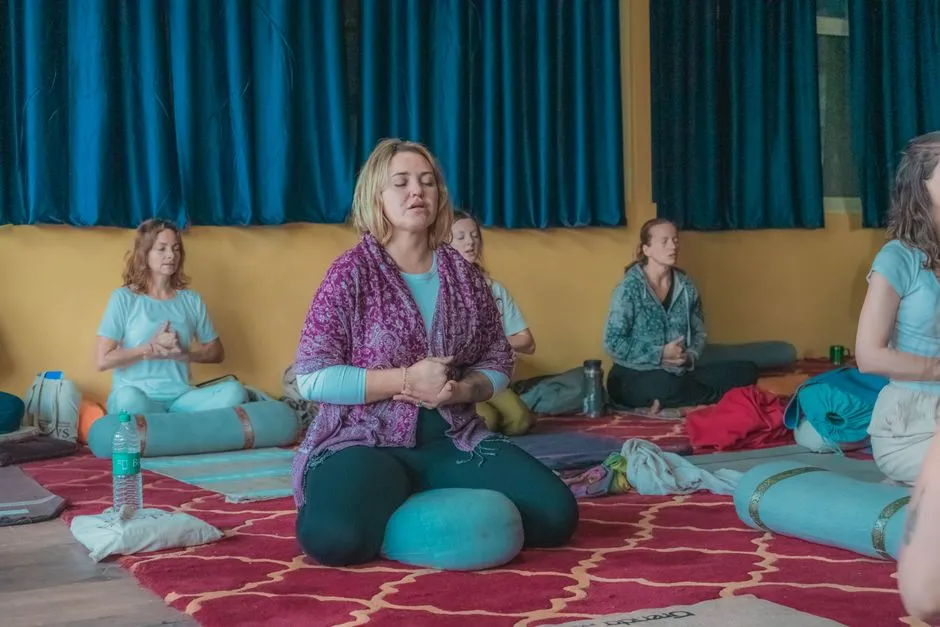
The most lasting thing about a silent retreat isn’t the schedule or the scenery. It’s the recalibration that happens gradually, over days, when the usual noise simply isn’t there to fill the gaps. The wellness retreat market has grown rapidly in recent years, from $248 billion in 2025 to a projected $273 billion in 2026, but the most honest reason people keep coming back to silence is far simpler than any market figure.
They feel different afterward. Slower, clearer, and more capable of choosing what actually deserves their attention. That’s not a small thing in 2026. It might be the rarest thing of all.
AI Disclaimer: This article was created with the assistance of AI tools and reviewed by a human editor.