
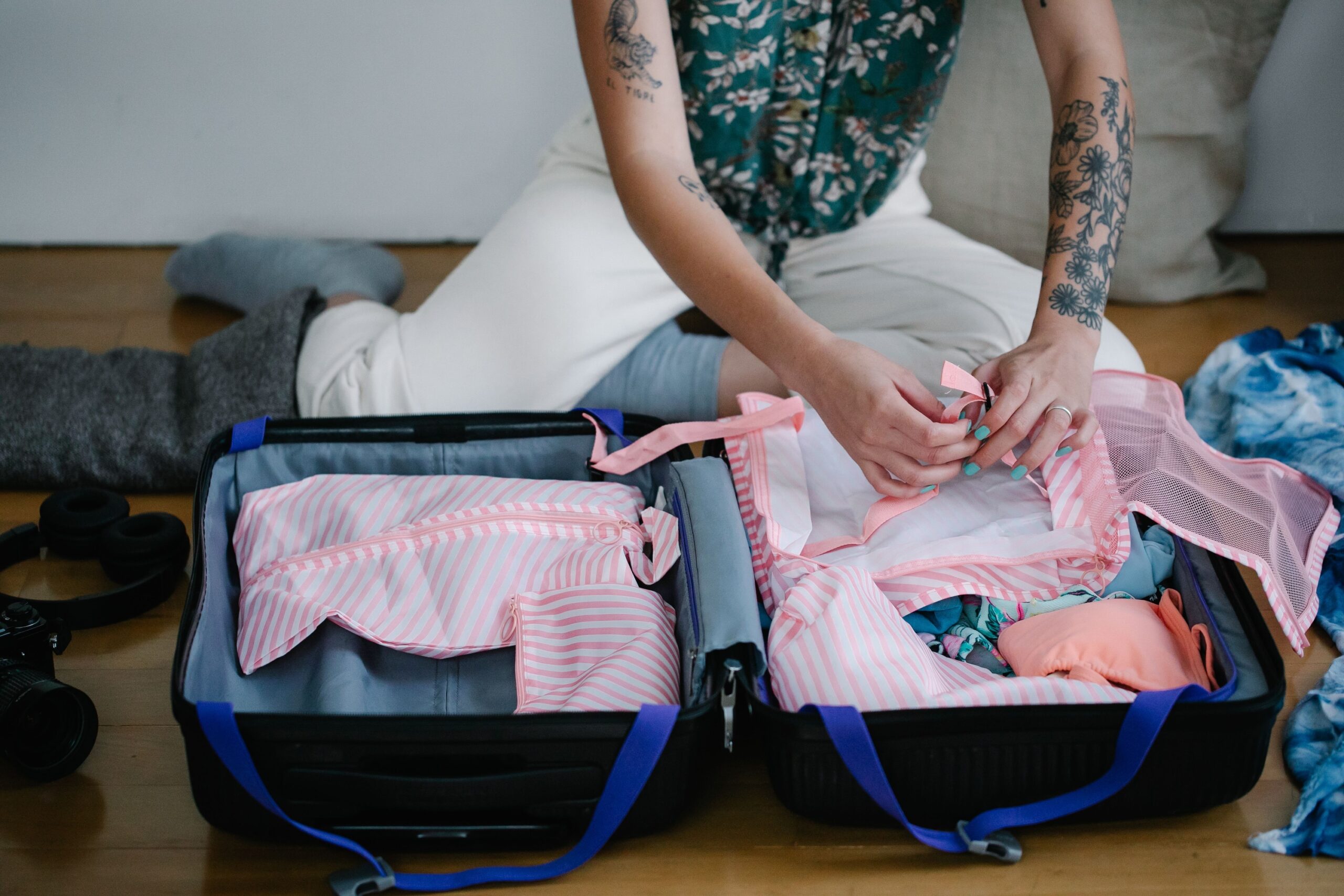

Family travel is surging. According to the 2025 Family Travel Survey, a remarkable 92% of parents indicated they are likely or very likely to travel with their children within the next 12 months. That’s an enormous number of families loading up cars, airports, and train stations with tiny passengers in tow. The catch, of course, is that packing for a baby can feel like preparing for a small expedition rather than a weekend getaway.
There are two types of packers when it comes to traveling with an infant: those who overpack, including the entire contents of their house, and those who pack so lightly you wonder if they have a Mary Poppins-style suitcase hiding all the extras. Neither extreme serves you well. What genuinely helps is a clear, category-by-category list built on real experience, not guesswork.
1. The Diaper Bag: Your Most Important Carry-On
Everything starts with the right bag. A good diaper bag is essential, and a backpack style is especially worth recommending. Having your hands free, particularly in airports, is a necessity. A backpack keeps both hands available for boarding passes, strollers, and the baby itself, which is reason enough to make the switch.
Each passenger traveling with a child is allowed to bring a diaper bag packed with everything your baby or toddler might need. This means the diaper bag doesn’t count against your carry-on allowance on most airlines, so you can genuinely pack it well. Fill it strategically, not reflexively.
2. Diapers and Wipes: Pack More Than You Think You’ll Need
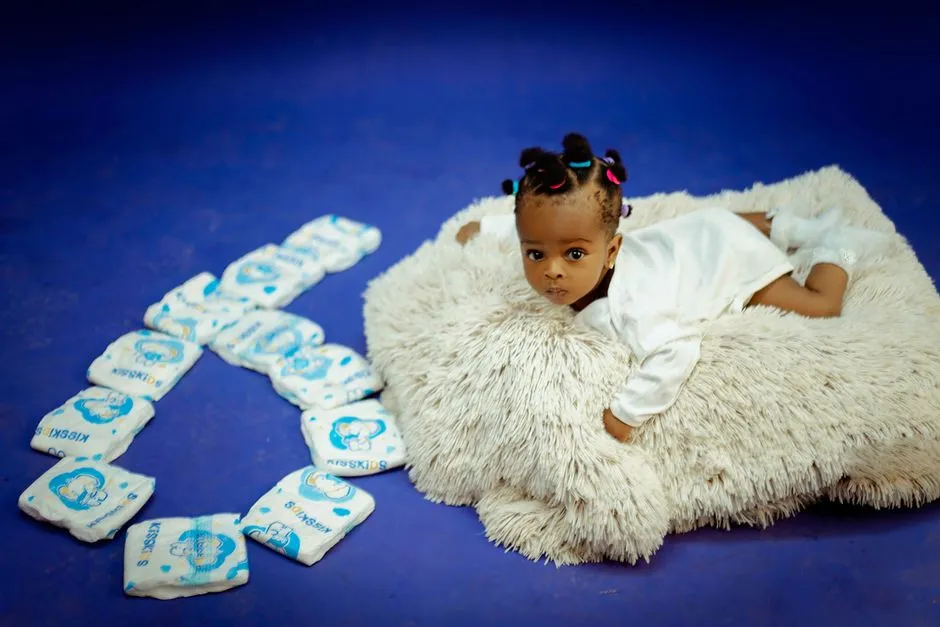
The golden rule of diaper packing is to overestimate. Delays happen, blowouts happen, and running out on a long-haul flight is a situation nobody wants to imagine. To avoid last-minute stress, make a detailed packing list that includes all essentials for your baby’s comfort, nutrition, and hygiene, with items like diapers, wipes, feeding supplies, clothing, and sleep necessities.
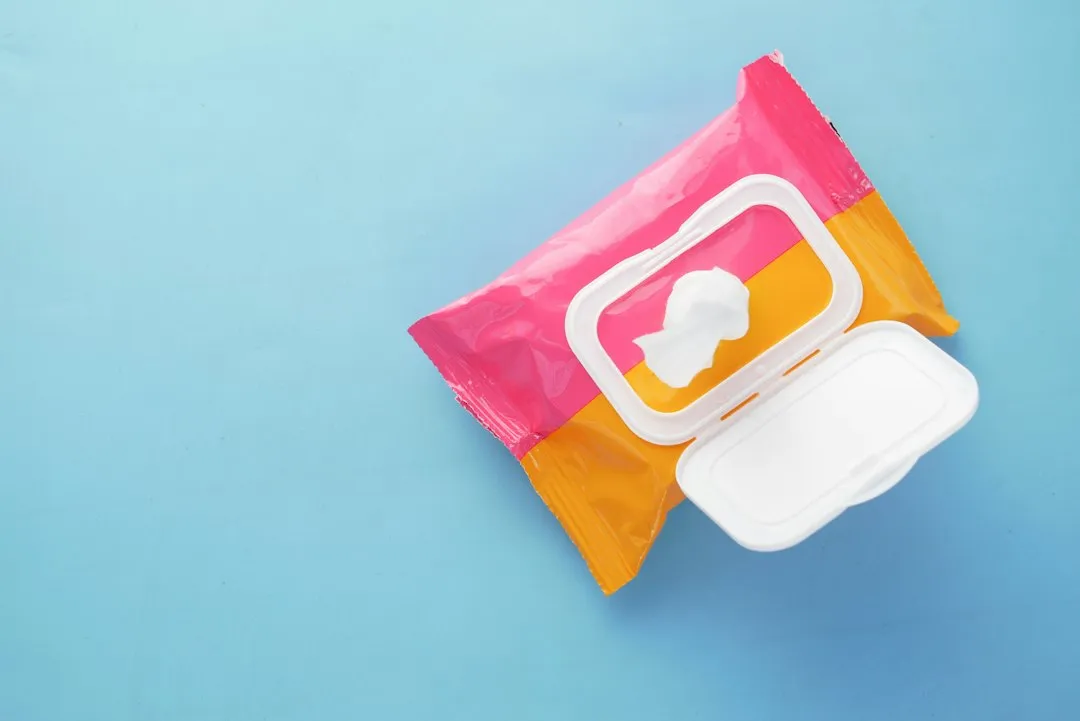
A practical formula used by experienced traveling parents is to calculate the number of diapers your baby normally uses per day, then add roughly 30 to 50 percent more for the travel days themselves. Wipes are similarly irreplaceable: they clean hands, faces, seat-back tray tables, and just about everything else.
3. Clothing: Expect the Unexpected (and the Unavoidable)
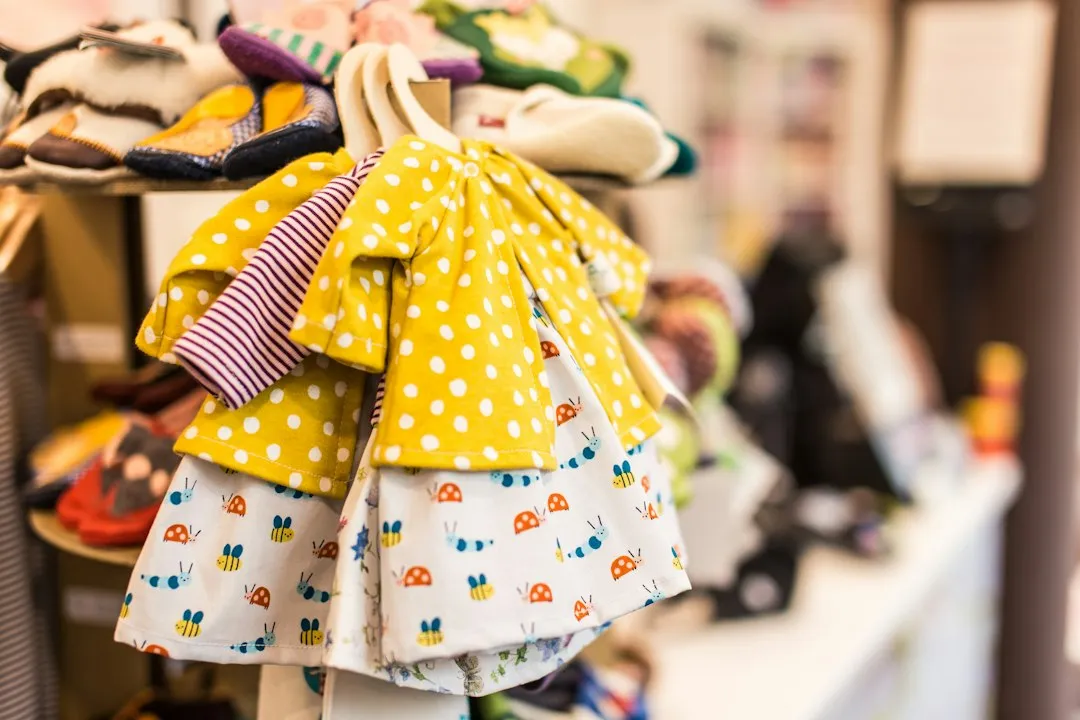
Everyday outfits should be packed at two to three changes of clothes per day to be prepared for spit-up, berry stains, and blowout diapers. That sounds like a lot until you’ve experienced your first in-flight blowout. Then it sounds exactly right. Keep at least one complete outfit in the diaper bag at all times, not just in checked luggage.
You don’t need to overthink baby clothing categories. Pack what you’d normally dress your baby in, adapted for the climate of your destination. That typically means onesies, shirts, pants, sleepers, rompers, sweaters, swimwear, socks, and bibs. Rolling clothes into packing cubes is a practical way to save space and keep outfits organised by day.
4. Feeding Essentials: Formula, Baby Food, and Mealtime Gear
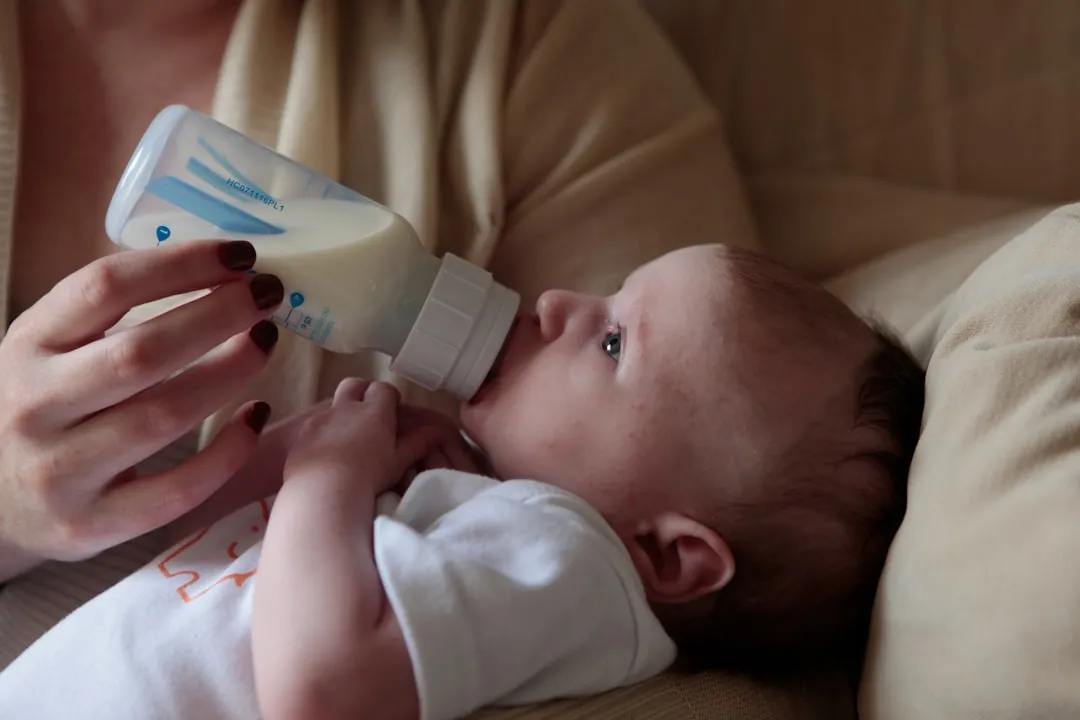
Items particular to babies and toddlers dominate the list of things parents wouldn’t travel without. These include baby formula or baby food, strollers, diapers, baby cots, and child safety car seats. For feeding on the go, preparation matters more than the gear itself. Pre-measure formula servings, portion out pouches, and think through the actual meals you’ll need during transit.
Pack travel-friendly bibs and utensils to make mealtime easier. Silicone bibs are easy to clean and pack, while travel utensil kits can make feeding more convenient. Silicone or disposable placemats for eating wherever you stop are a small addition that saves enormous stress when you’re sitting at a restaurant table far from home.
5. Sleep Essentials: Creating Familiar Rest Anywhere
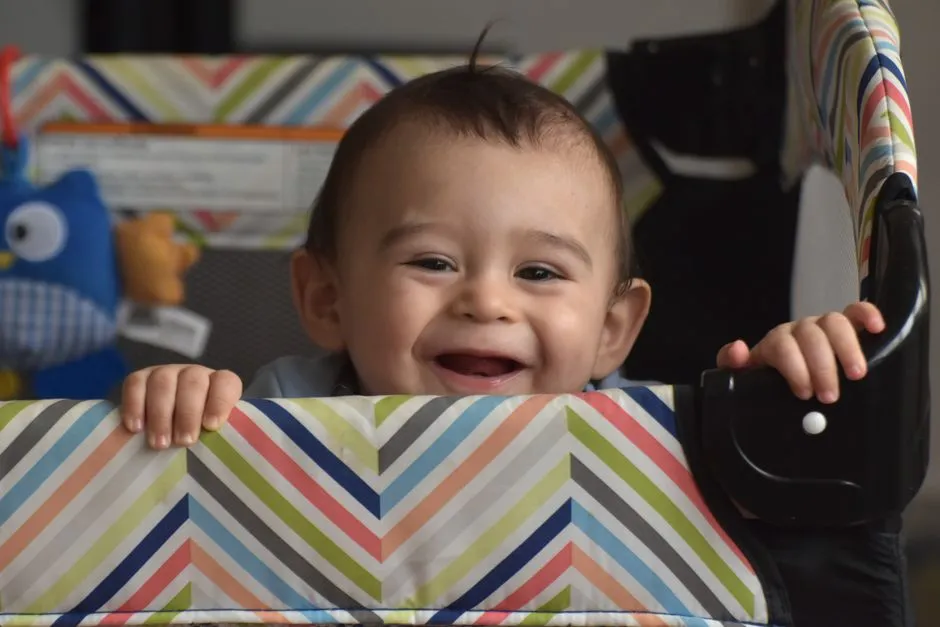
When it comes to baby sleep away from home, a familiar sleeping environment is key. A travel crib or pack ‘n play is a lifesaver for many families, offering a portable, lightweight, and easy-to-set-up safe space for your baby to sleep. The good news is that the travel crib market has improved considerably in recent years.
The BabyBjorn Travel Crib Light, for example, is easy to use, lightweight, and compact, and it uses materials free of flame retardants with a comfortable mattress. Before you travel, consider having your baby nap in the crib at home for a few days. Familiarity helps reduce sleep disruptions while sleeping away from home.
Pack at least two sleep sacks to make middle-of-the-night changes easy, and bring a crib sheet that smells like home. That last detail sounds small, but scent is genuinely one of the most powerful comfort signals for babies in unfamiliar environments.
6. White Noise Machine: The Underrated Sleep Secret

A portable blackout curtain can transform any room into a dark nursery, while a travel white noise machine helps mimic home sleeping conditions wherever you go. These two items together do more to protect nap quality on the road than almost anything else on this list.
White noise drowns out unfamiliar sounds, from airplane announcements to bustling hotel hallways. Modern portable sound machines are compact enough to clip onto a stroller or sit on a nightstand, and many run on rechargeable batteries. It’s the kind of item that takes up almost no space but earns its place on every trip.
7. Baby Carrier: Hands-Free Freedom That Actually Works
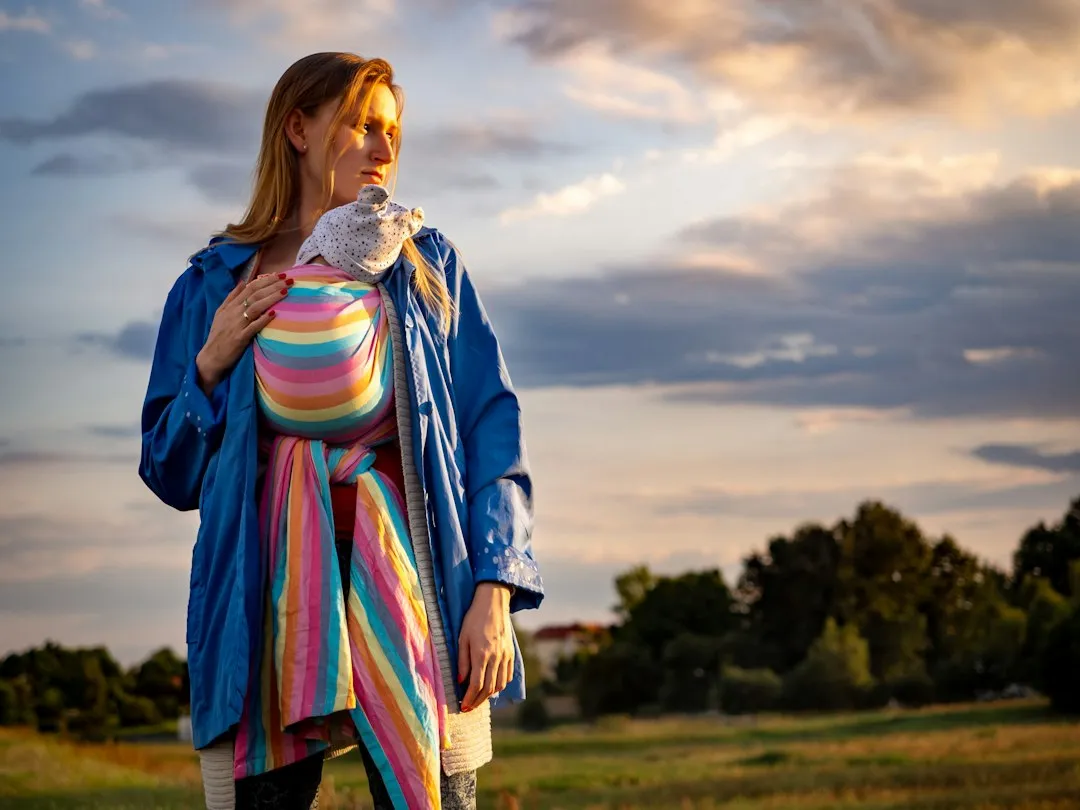
While baby-wearing isn’t necessarily an everyday practice for every family, having a carrier for travel is often essential. Many European sidewalks and transit stations are not stroller-friendly, with lots of stairs, bumpy cobblestone, and high ledges. It can be much more convenient to baby-wear, especially when you need your hands free.
A baby carrier is a must, even if it’s nothing more than an efficient way to move through the airport. Beyond airports, carriers shine in markets, museums, historic sites, and anywhere a stroller simply can’t go. Some sightseeing activities aren’t stroller-friendly at all, and many historic sites such as castles in the Loire Valley do not allow strollers inside.
8. A Travel Stroller: Lightweight and Collapsible Matters
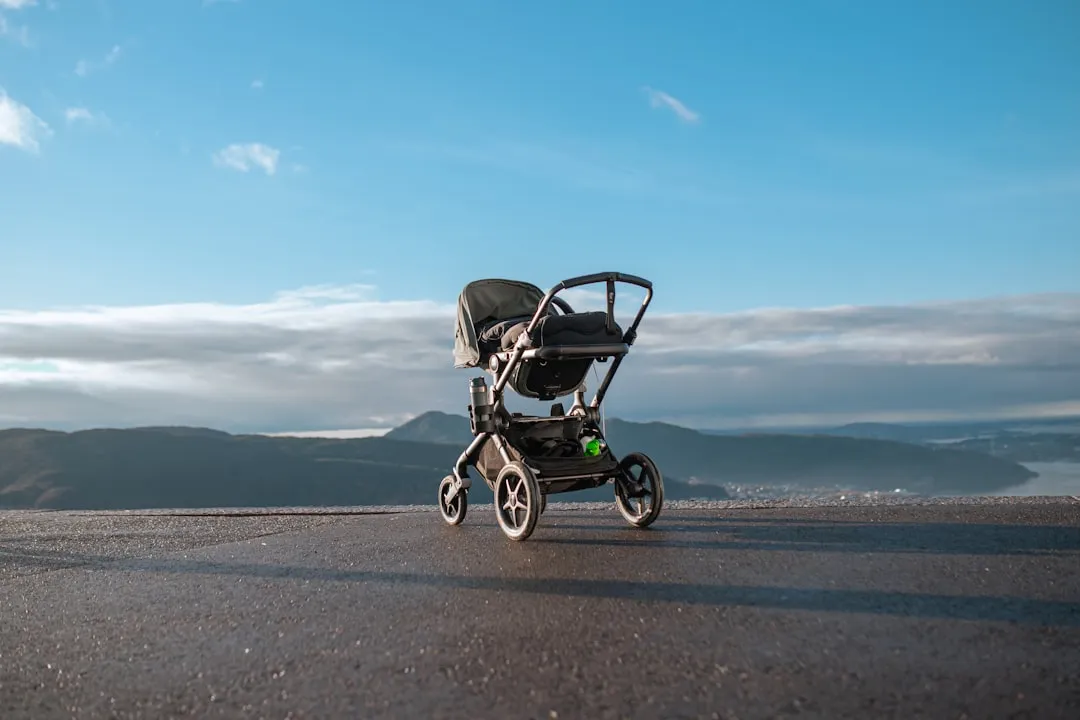
Not every stroller belongs on a plane. The ideal travel stroller is collapsible with one hand, since the other is usually holding the baby. Flat-folding strollers that compress to roughly the size of a large laptop are particularly practical, and it’s worth checking that the stroller has a carry bag and a shoulder strap for boarding or navigating underground transit stairs.
Weight is another critical factor. Ease of opening and closing with one hand, along with a manageable weight, ranks very high among the practical priorities traveling parents assess. A stroller that requires two adults and considerable effort to fold at the gate is a stressor nobody needs mid-journey.
9. Baby First Aid and Health Supplies: Small Kit, Big Peace of Mind
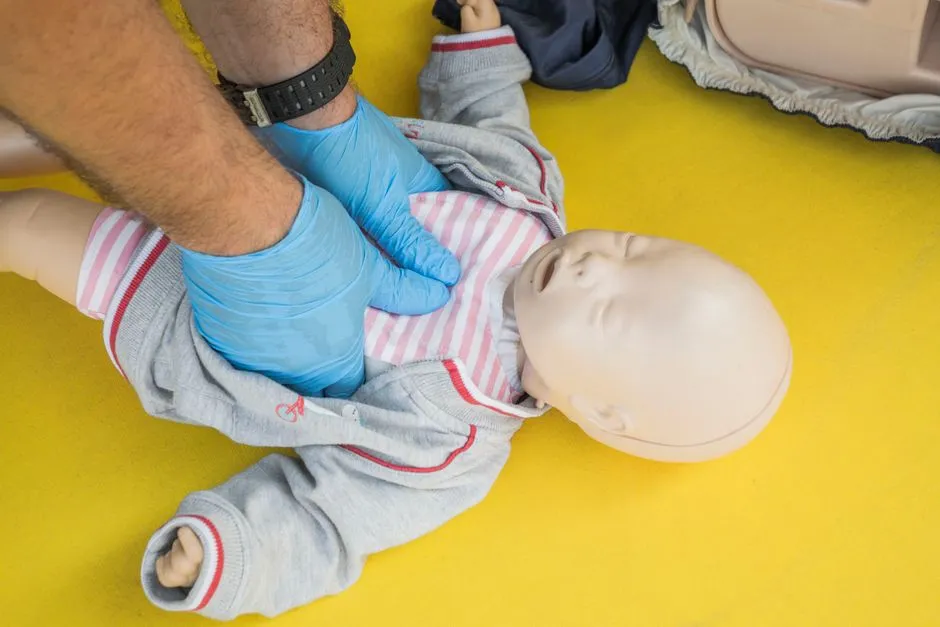
A compact health kit is one of those things you hope to never need but will be deeply glad you have. Traveling with kids takes extra preparation, and your packing list will vary depending on your children’s ages and your destination, but there are must-have items you shouldn’t leave home without. A basic first aid kit covers cuts, fever, and congestion, which are the most common travel ailments for infants.
Include infant pain reliever in the correct dosage for your baby’s weight, a nasal aspirator, saline drops, a thermometer, and any prescription medications your baby normally takes. Check whether your destination requires specific vaccinations and verify that timing aligns with your travel dates well in advance. Don’t forget comfort items like your baby’s favourite blanket or stuffed animal to help them feel secure in a new environment, which can double as a useful distraction during doctor’s office visits or moments of distress.
10. Documents and Identification: Don’t Skip This Step
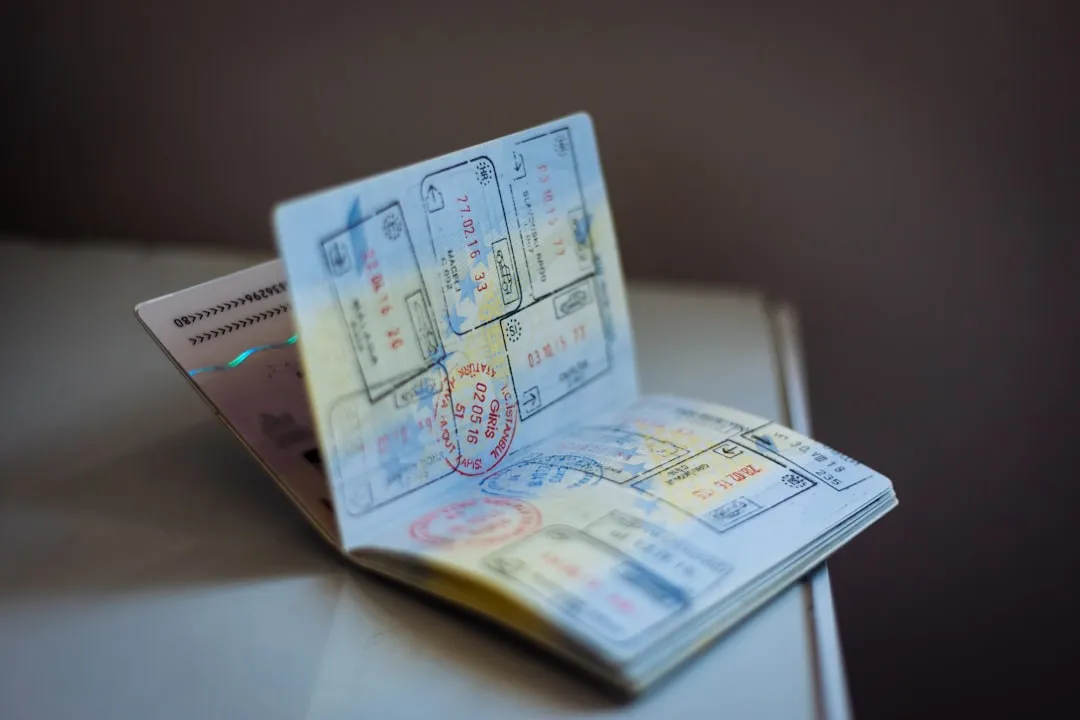
Some airlines require you to show a birth certificate for your lap baby. Carrying a copy in your wallet is a sensible precaution. If you’re planning on traveling internationally, start the process for your baby’s passport as soon as possible. Passport processing times for infants can stretch depending on the season and demand, and leaving it to the last minute creates unnecessary pressure.
According to family travel survey data, roughly 62% of parents travel with children under five years old. Many of those families are navigating passport applications, airline age policies, and international entry requirements for the first time simultaneously. Having all documents in one dedicated travel wallet, separate from your own, keeps things organised when you’re juggling a baby and a boarding gate simultaneously.
The Takeaway
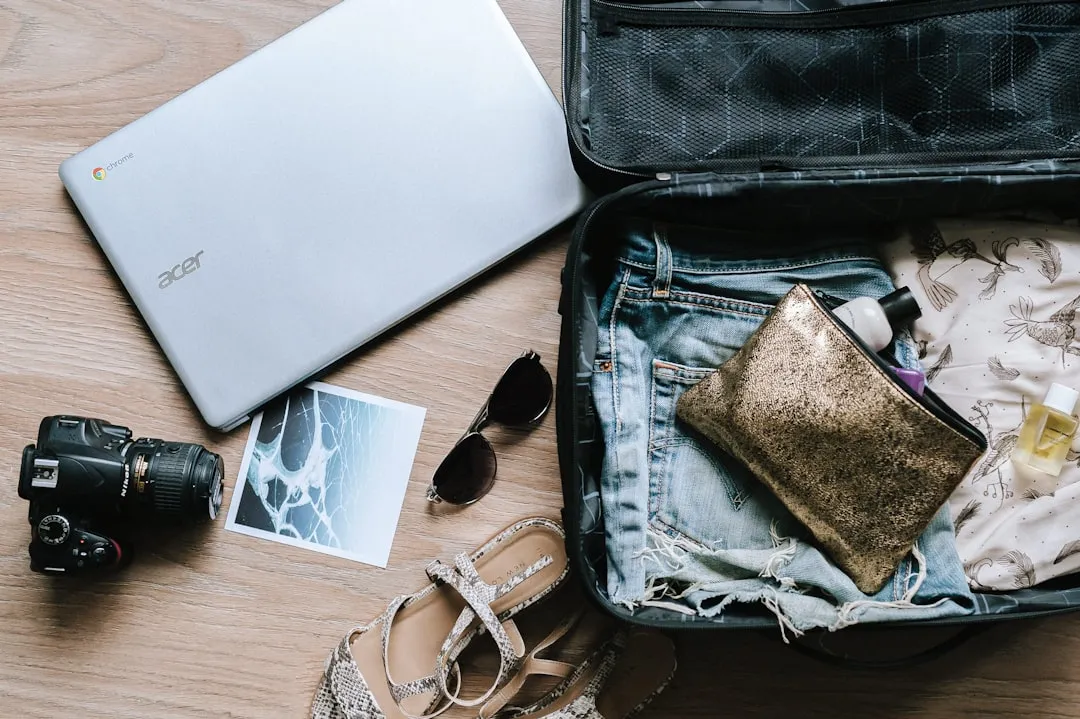
Packing efficiently is the key to a smoother travel experience. By focusing on essentials and planning ahead, you can avoid the stress of managing an overstuffed suitcase. Efficient packing not only makes your journey easier but also allows you to travel more comfortably. Aim for a well-curated selection of must-haves, and remember that you can always buy or rent additional items if needed.
The goal of a packing list isn’t to anticipate every possible scenario. It’s to give you enough confidence to leave the house without that nagging feeling of having forgotten something critical. Build the list once, refine it after your first trip, and by the second or third journey it will feel almost automatic. Traveling with a baby is genuinely manageable. The preparation is where the real work happens.
AI Disclaimer: This article was created with the assistance of AI tools and reviewed by a human editor.