
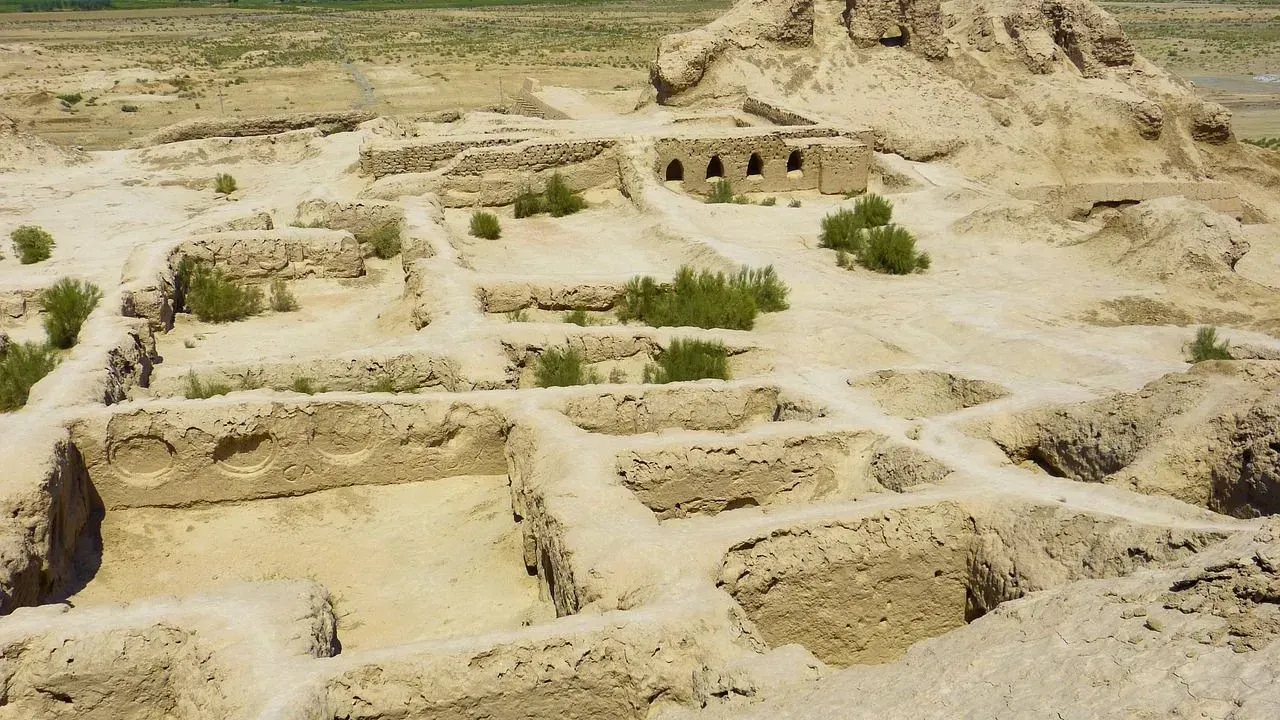

Travelers often arrive in Bukhara after hearing stories of its place along ancient trade routes, yet the city reveals itself most fully to those who arrive with open eyes rather than preconceived images. One writer chose to skip online searches before visiting, preferring instead to gather impressions from fellow travelers and locals along a Central Asia journey. The result was a deeper sense of discovery in a place where historic structures continue to shape daily rhythms rather than stand apart as relics. ([1])
Roots Along the Trade Routes
Bukhara emerged as a vital stop on the Silk Road, where merchants, scholars, and artisans exchanged goods and ideas across vast distances. Its location in the arid heart of Uzbekistan helped it thrive as a center of learning and commerce for centuries. The city’s layout still reflects those early patterns, with narrow lanes leading to open squares that once hosted caravans and markets.
Over time, successive rulers added layers of architecture that honored both faith and trade. Mosques and madrasas rose alongside covered bazaars, creating a compact urban fabric that has endured. This continuity gives visitors a tangible connection to the routes that once linked East and West.
Architecture That Shapes Everyday Life
Many of Bukhara’s most striking buildings remain integrated into the present rather than isolated as monuments. The trading domes, known locally as taqi, still shelter small shops where residents buy spices, textiles, and household goods. Madrasas that once trained religious scholars now host cultural events or quiet study spaces.
Mosques with intricate tilework and towering minarets stand alongside residential courtyards, their presence felt in the call to prayer that echoes through the old town. The preservation of these structures stems from careful local stewardship, allowing the city to retain its historic character while supporting contemporary needs. Walking these streets offers a rare chance to observe how centuries-old design continues to serve a living community.
A Sense of Discovery on Foot
Approaching Bukhara without prior visual references can heighten the impact of its intact historic core. The desert setting adds a quiet backdrop of earth tones and clear skies, making the blue domes and carved facades stand out with particular clarity. Travelers often find themselves pausing at unexpected details: a carved wooden door, a shaded courtyard fountain, or the play of light across geometric tile patterns.
This unhurried pace encourages conversations with residents and artisans who maintain traditional crafts. Such encounters underscore the city’s role not only as a historic site but as a place where cultural practices persist through daily activity. The experience rewards patience and attention to the small moments that connect past and present.
Respectful Ways to Engage
Visitors who approach Bukhara with cultural sensitivity find the city especially welcoming. Supporting local guides, staying in restored historic properties, and purchasing crafts directly from makers all contribute to sustaining the community that cares for these sites. Simple gestures, such as dressing modestly near religious buildings and asking permission before photographing people, help maintain the respectful atmosphere that defines the destination.
Many travelers leave with a renewed appreciation for how preservation and living tradition can coexist. Bukhara offers a model of a place that invites exploration while honoring its own rhythms and heritage.
AI Disclaimer: This article was created with the assistance of AI tools and reviewed by a human editor.