
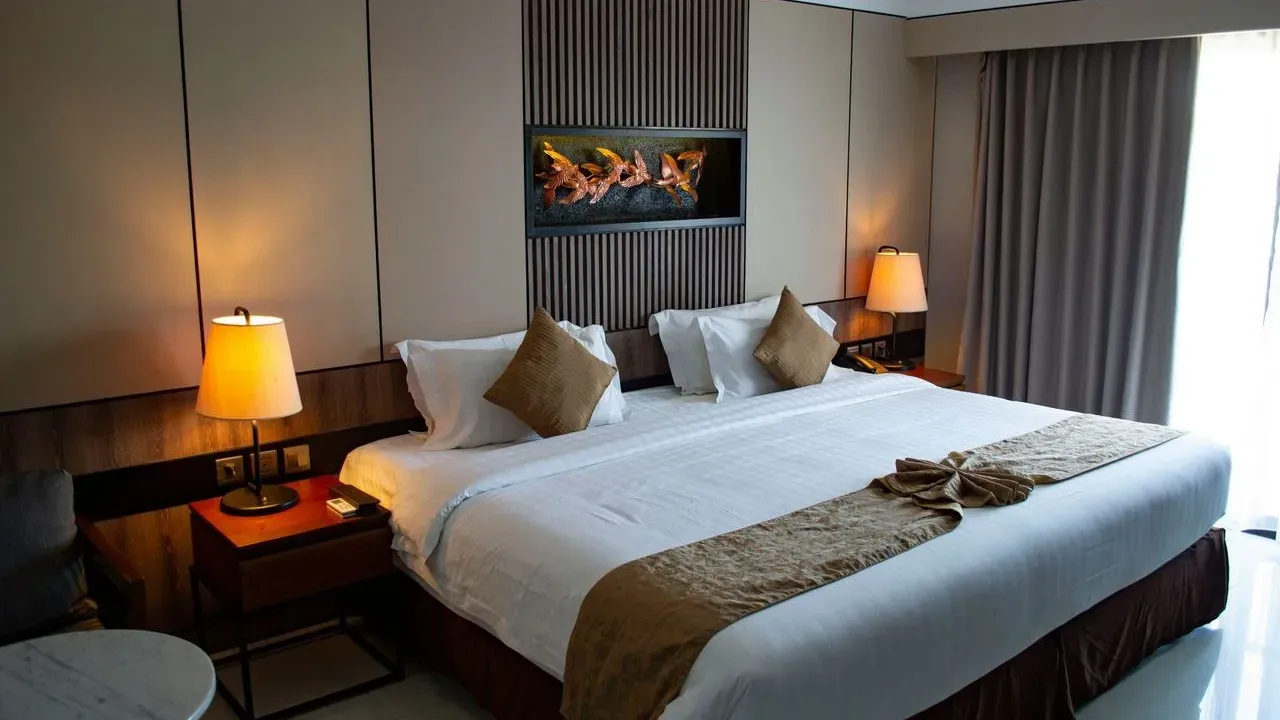

In an era when work obligations often follow professionals across time zones and into the quiet hours of the evening, many business travelers describe their hotel room as the single reliable place where they can finally step away from demands. A recent survey found that nine in ten respondents consider this private space the only true opportunity to be off the clock during trips away from home. The finding underscores how the boundaries between professional responsibilities and personal restoration have grown increasingly porous for those who spend significant time on the road. ([1])
The Human Cost of Constant Connectivity
Business travel has long required adaptability, yet the expectation of immediate responsiveness has intensified in recent years. Professionals frequently manage client calls from airport lounges, review documents in transit, and field messages well into what should be rest periods. This pattern leaves little room for genuine disconnection, turning what was once a brief escape into an extension of the office.
The survey result highlights a practical consequence: without a dedicated private space, many travelers struggle to recharge. The hotel room, with its door that can be closed and its separation from shared workspaces, offers a modest but meaningful buffer. For frequent flyers, that buffer supports clearer thinking and steadier energy upon return to meetings the next day.
How the Hotel Room Fills a Growing Need
Modern work culture often blurs the line between duty and downtime, especially when travel compresses schedules and removes familiar routines. In this context, the simple act of retreating to a personal room becomes an act of self-preservation rather than luxury. Travelers report using these hours to rest without interruption, reflect on the day’s outcomes, or simply exist without the pressure to perform.
Unlike lobbies, conference centers, or even quiet corners in public areas, the hotel room provides consistent privacy. It allows individuals to set their own pace, whether that means an early night or an unhurried morning before the day’s obligations resume. This consistency matters for those whose calendars rarely align with personal rhythms.
Supporting Well-Being on the Road
Thoughtful travel involves more than reaching a destination; it includes preserving the capacity to engage fully once there. When hotel rooms serve as the primary refuge, they help sustain the mental and physical reserves required for effective work and meaningful interactions. This function aligns with broader principles of responsible travel that value balance over constant output.
Many travelers now approach their accommodations with greater intention, choosing properties that prioritize quiet environments and reliable separation from public spaces. Such choices reflect an understanding that rest is not optional but foundational to sustained performance and personal satisfaction during extended trips.
Looking Ahead for Road Warriors
As work patterns continue to evolve, the survey points to an enduring truth: even in an always-connected world, people seek and value pockets of genuine privacy. Hotel rooms, long viewed primarily as functional stops, quietly fulfill a deeper role in supporting that need. Recognizing this reality encourages both travelers and the hospitality industry to treat these spaces with the care they deserve.
The finding ultimately invites reflection on how professionals can protect their own boundaries while navigating demanding schedules. In doing so, it reinforces the quiet importance of those closed doors at the end of a long travel day.
AI Disclaimer: This article was created with the assistance of AI tools and reviewed by a human editor.