
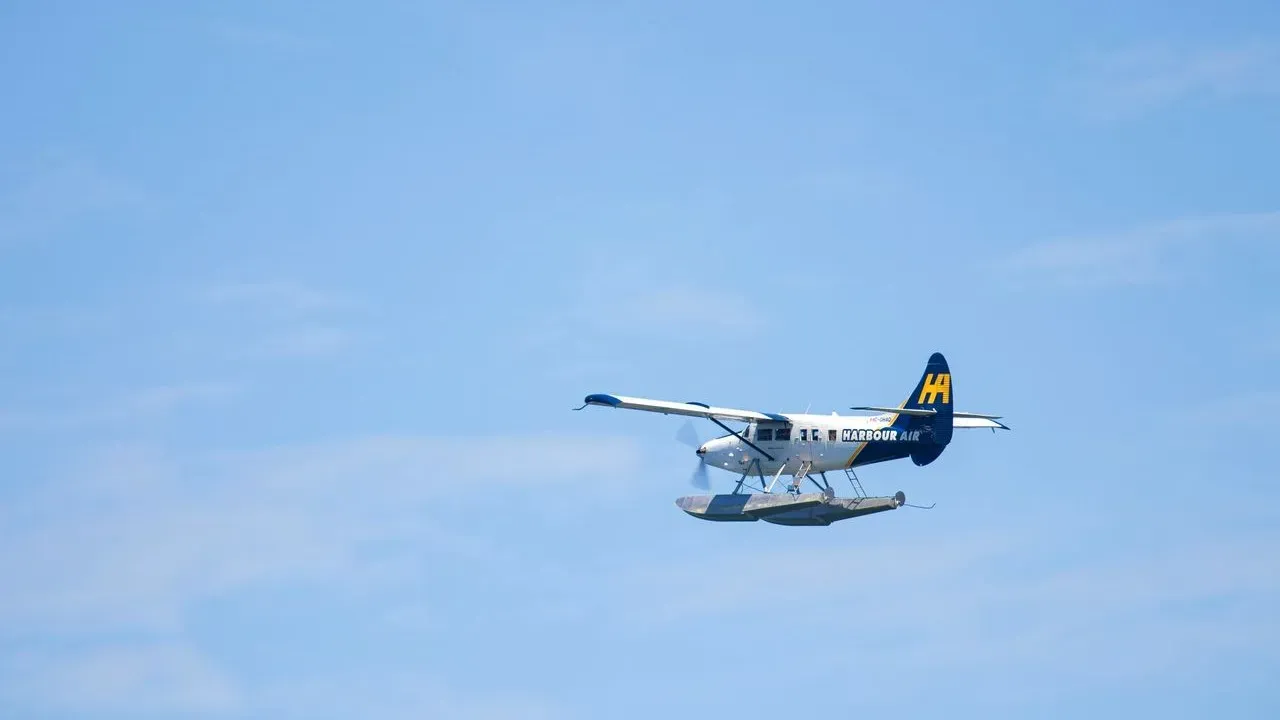

Harbour Air, already known as the world’s largest seaplane operator, is moving forward with the acquisition of Pacific Coastal Airlines. The deal promises a wider regional network that connects more coastal communities across British Columbia. Travelers planning journeys to remote islands and inlets stand to benefit from smoother connections and greater choice. Existing bookings on either carrier remain unaffected as the integration takes shape ([1]).
Connecting Coastal Communities
The acquisition links two established operators that have long served British Columbia’s rugged coastline. Pacific Coastal Airlines brings scheduled service to smaller communities that rely on air links for daily life and seasonal travel. Harbour Air’s seaplane fleet already reaches many of the same destinations from its Vancouver base, creating natural overlap that can now be coordinated.
Passengers flying between Vancouver and places such as Powell River, Campbell River, or the Gulf Islands may soon see more coordinated schedules. The combined operation supports travel that feels less fragmented, especially for those moving between the mainland and smaller coastal settlements. This matters for residents who depend on reliable flights as well as visitors seeking quieter corners of the province.
Seaplane Journeys That Reveal the Coast
Seaplane travel along British Columbia’s coast offers a distinctive perspective that road or ferry routes cannot match. Flights skim over forested islands, sheltered bays, and the occasional pod of whales, turning the journey itself into part of the experience. The expanded network means more opportunities to reach trailheads, fishing lodges, and Indigenous-owned tourism operations that dot the shoreline.
Travelers interested in purposeful trips can combine a seaplane hop with stays that emphasize local stewardship of the marine environment. Shorter flight times between neighboring communities also reduce the need for lengthy ferry transfers, lowering overall travel fatigue while keeping carbon impact modest compared with longer detours.
What Changes for Passengers
Both brands will continue operating under their own names, preserving the distinct identities that loyal customers recognize. The practical result is a larger timetable that covers more routes without forcing travelers to learn an entirely new booking system. Those who already hold tickets can proceed as planned while the carriers work through the operational details.
Over time, the shared network is expected to improve frequency on popular coastal corridors and open new one-stop options for more distant points. This gradual rollout gives travelers time to explore the possibilities without sudden disruption to their itineraries.
Looking Ahead Along the Coast
The move reflects a broader pattern of regional carriers finding strength through collaboration rather than competition. For anyone drawn to British Columbia’s coastal waters, the result is a more connected web of seaplane and turboprop routes that respects the geography of the place. Travelers can plan journeys that feel both practical and memorable, whether the goal is a quiet island retreat or a multi-stop exploration of the Inside Passage.
As integration continues, the focus remains on reliable service to the communities that have long depended on these flights. The coast itself stays the same – dramatic, intricate, and best experienced from the air.
AI Disclaimer: This article was created with the assistance of AI tools and reviewed by a human editor.