

Sound Takes a Direct Route to Emotion
When sound enters the brain, it doesn’t take a slow, deliberate path. Sound is processed in cortical regions specialized for audition, but its reach extends rapidly into the brain’s emotional and mnemonic centers. This shortcut means that an auditory cue can trigger an emotional response before your conscious mind has even registered what you heard.
The emotional brain – the limbic system – includes the amygdala and is deeply connected to the auditory system. This is why certain sounds, such as music, can evoke strong emotional responses. For travelers, this wiring is essentially a gift: every beach, market, and mountain town leaves an acoustic imprint that can surface years later.
The Hippocampus Ties Sound to Place
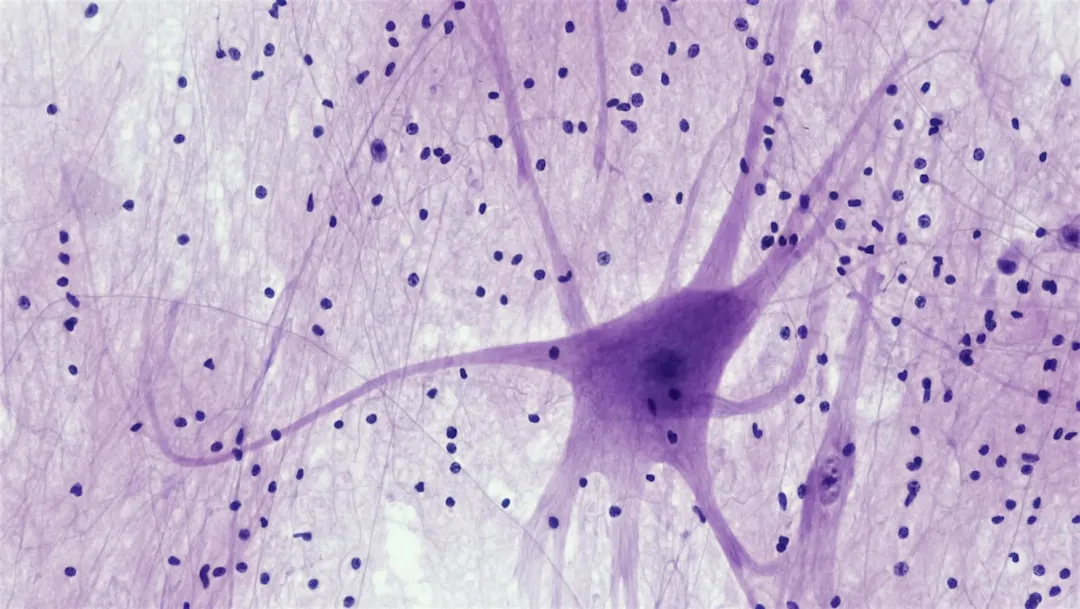
Research has shown robust interactions between the auditory pathways and memory systems such as the hippocampus, meaning that sounds can modulate and “retrieval-cue” stored experiences. The hippocampus is the brain’s indexer of autobiographical experience, stitching together what you saw, heard, felt, and smelled into a single coherent memory.
The hippocampus plays a central role when you spend extended time somewhere. When you revisit a place or spend several days in one location, your brain builds a cognitive map of that environment, associating it with memories, people, smells, routines, and emotions. Sound is woven right into that map, which is why hearing it again can feel like opening a door.
The involvement of the hippocampus in nostalgia may explain why place and time are intertwined when a memory resurfaces. You don’t just remember that you were happy – you remember precisely where you were standing.
Emotional Intensity Makes Memories Stick
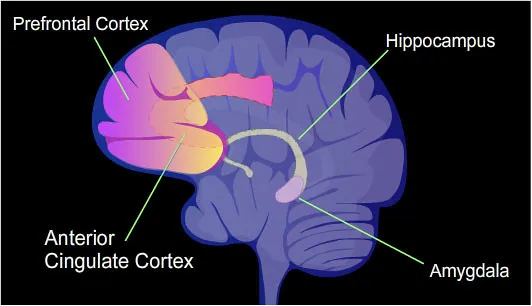
Emotional memories require coordinated activity of the amygdala and hippocampus. When both structures fire together, the memory gets encoded with greater strength and detail. Vacation experiences, which tend to be emotionally rich, new, and personally meaningful, hit exactly this sweet spot.
Half a century of research on amygdala-hippocampal interactions has demonstrated that experiences that provoke interactions between the amygdala and the hippocampus are more likely to be prioritized and stored for later access, making them a significant portion of our memories that last. The sound of steel drums at a Caribbean resort or cicadas on a Greek hillside carries that emotional charge with it long after the trip ends.
Music-Evoked Memories Are Especially Powerful

Music-evoked memories are likely to be triggered by pieces that are autobiographically salient and emotionally charged. A song you heard repeatedly during a journey becomes inseparable from the feelings and images of that time. Hearing it later is less like recalling and more like reliving.
Listening to songs tied to meaningful life events activates memory and reward centers in the brain, according to research from USC Dornsife’s Brain and Creativity Institute. A study led by Assal Habibi of the Brain and Creativity Institute found that nostalgic music engages both the brain’s default mode network, which is linked to memory and self-reflection, and its reward circuitry. That dual activation is part of why the experience feels so complete.
Non-Musical Sounds Work Just as Well
People tend to assume that music is the dominant trigger, but ambient sound has its own quiet power. Everyday life is saturated with acoustic detail, and these details stitch themselves into our autobiographical narrative. A festival’s distant bass can mark the contour of a night out; the pattern of crockery and voices at a family meal can become the backbone of a holiday memory.
If you spent summer vacations by the beach, the sound of waves crashing may remind you of those carefree days. The same applies to the rumble of a foreign train, the call to prayer echoing across a medina, or the particular clatter of a market at dawn. These non-musical sounds are every bit as capable of holding a memory in place.
Nostalgia Lights Up Reward Circuits in the Brain
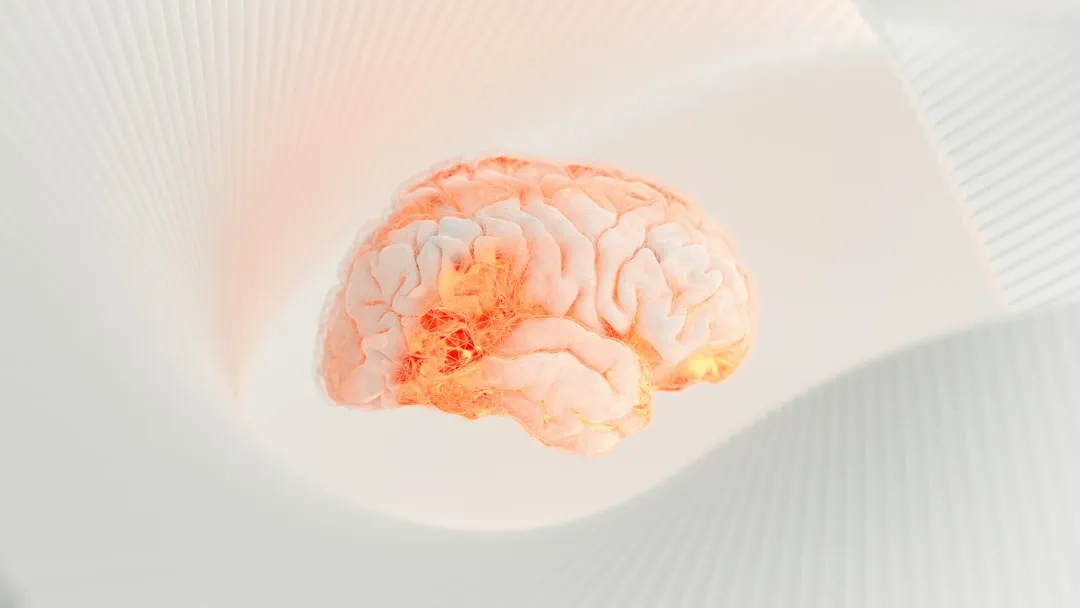
Nostalgia is a complex emotional experience involving fond memories of the past and mild sadness, characterized by positive emotions associated with reflecting on previous events. It can awaken emotional memories of loved ones or significant events, contributing to an increase in positive emotions. This isn’t just a feeling – it has measurable neural activity behind it.
Neuroscientific research shows that nostalgia activates multiple brain regions, including areas associated with self-reflection, emotion regulation, and reward processing. When a vacation sound triggers nostalgia, it’s not simply memory retrieval – it’s a moment of genuine neurological reward. That warmth you feel is real, in a very physical sense.
The Auditory Channel Is Particularly Potent for Nostalgia
A 2025 EEG study published in Frontiers in Psychology compared how different sensory inputs trigger nostalgia. EEG studies revealed that nostalgic music significantly enhances brain network activity in the alpha, theta, and gamma bands compared to non-nostalgic music, suggesting that nostalgic music promotes the brain’s processing ability in emotional memory extraction, cognitive load reduction, and deepening of emotional experiences.
Even more striking, the intensity of nostalgia induced by a single auditory channel was higher than that induced by multiple channels, suggesting that the complexity of multichannel information processing may interfere with the emotional experience of nostalgic music. In other words, simply closing your eyes and listening may actually deepen the memory experience more than watching a video of the same trip.
Memories Are Locked to the Life Period When They Formed

Memories tend to be temporally aligned with the life period in which the music or sound was originally experienced, suggesting a close correspondence between auditory cues and specific stages of life. This is why a song from a gap year feels inseparable from that year – and why hearing it at forty can collapse decades in an instant.
Research on music-evoked memories indicates that the effectiveness of musical cues is relatively well-preserved across one’s lifespan and may remain robust even in older adults and clinical populations. A sound doesn’t fade the way a photograph can. It keeps its grip on the memory it helped encode, sometimes for a lifetime.
The Positive Bias of Nostalgic Sound Recall

When vacation sounds pull us back, we rarely land in the frustrating moments – the delayed flight, the language barrier, the sunburn. Content analyses of nostalgic narratives revealed that the frequency of positive emotions was three times that of negative emotions. Additionally, nostalgic narratives overwhelmingly took on a redemptive quality – events were described as shifting from negative beginnings to positive endings.
This positive bias is not wishful thinking – it reflects how the brain prioritizes emotionally rewarding memories. Because emotions enhance memory processes and music evokes strong emotions, music could be involved in forming memories about episodes and information associated with particular pieces. The good stuff gets encoded more deeply, and sound is often the key that unlocks it.
What This Means for How You Travel
Understanding the link between sound and memory opens up a quietly practical question: can you actually shape which memories stay with you? The evidence suggests yes, at least in part. When you return to a favorite destination or spend more than a few days in a place, your brain has time to encode and connect the sensory and emotional experiences to that geography. Slowing down, staying longer, and genuinely listening to a place all strengthen those memory traces.
Neurobiology reviews and empirical studies document how auditory input can influence hippocampal activity and synaptic plasticity – mechanisms central to forming and reactivating memories. Simply being present in a soundscape, rather than filling it with headphones or background noise, allows the acoustic texture of a place to settle into memory more fully.
There’s something worth sitting with in all of this. Travel gives us some of the most emotionally charged experiences of our lives, and sound is quietly recording all of it. The next time a particular tune or ambient noise pulls you somewhere thousands of miles away, that’s not nostalgia playing tricks on you. That’s your brain doing exactly what it was designed to do.
The Takeaway

The reason certain sounds transport you back to a vacation so vividly is rooted in the deep, coordinated relationship between your auditory system, your amygdala, and your hippocampus. Emotionally significant experiences get encoded with unusual fidelity, and sound functions as one of the most reliable retrieval cues the brain possesses.
There’s a quiet invitation in that knowledge. Travel slowly enough to actually hear a place. Let the sounds of a morning market, a harbor, or a rainforest register without distraction. Your brain will hold onto them far longer than any photograph ever could – and one day, in an entirely unremarkable moment, they’ll bring you back.
AI Disclaimer: This article was created with the assistance of AI tools and reviewed by a human editor.