

A Record That Belongs to Saudi Arabia
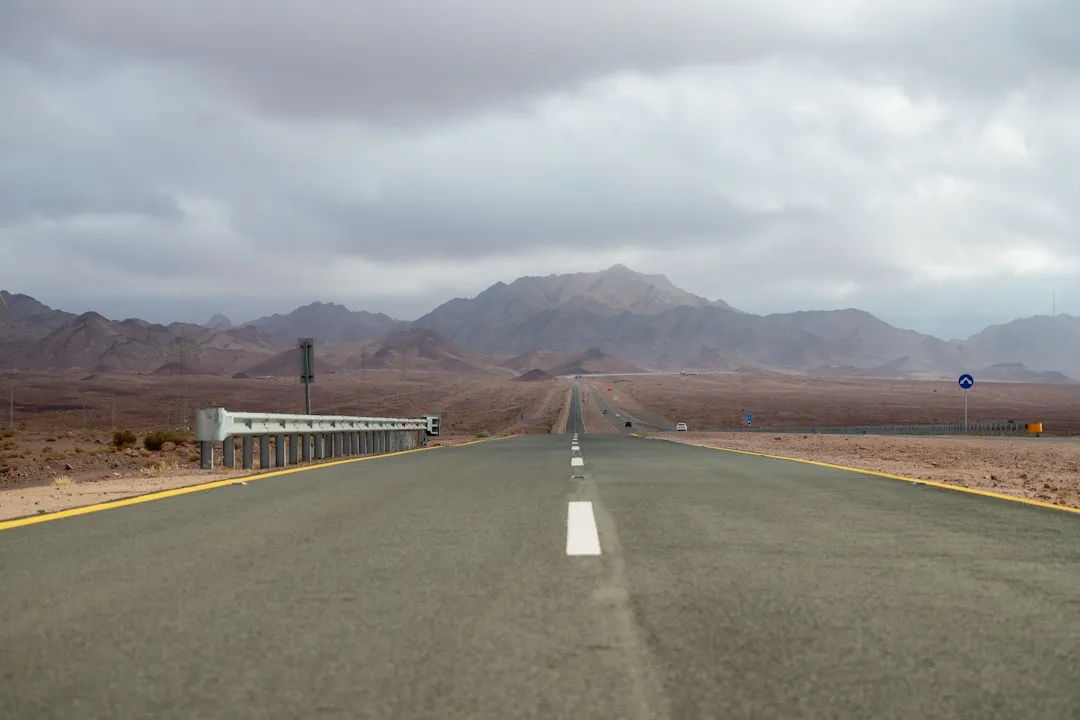
Saudi Arabia’s Highway 10 holds the Guinness World Record for the longest uninterrupted stretch of straight road globally. The Guinness World Records officially recognizes 240 kilometers, while some sources report around 255 to 256 kilometers, depending on where exactly they start and stop measuring. Either way, the margin over the competition is enormous.
The 240-kilometer straight section of Saudi Arabia’s Highway 10 surpasses the 146-kilometer straight section of Australia’s Eyre Highway. That’s not a narrow victory. Highway 10 took the record from the Eyre Highway in Australia, which was only 146 km long. Nearly doubling the previous record is the kind of achievement that tends to make people stop and ask how it happened.
Where the Road Actually Runs
Highway 10 is a highway in Saudi Arabia, stretching from Ad Darb in Al Darb Governorate to the Saudi–UAE border near the Persian Gulf, and the highway is 1,480 kilometers long. The overall route is vast, but the famous section is just one part of it.
The highway became famous for its straight section that is 240 kilometers long between Haradh and Al Batha, and has no bends or noticeable gradients, earning it the world record for the longest straight road. Haradh is known for its oil and gas reserves, and the road connects it to Al Batha near the UAE border.
The Desert It Crosses

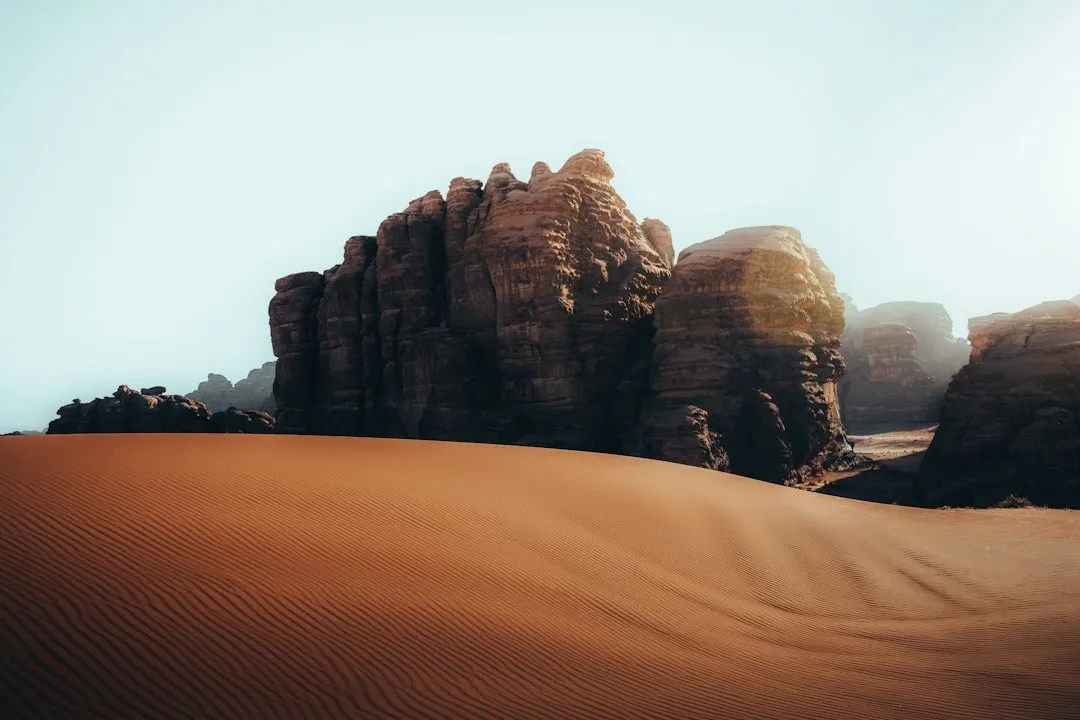
Highway 10 stretches through the vast expanse of the Rub al-Khali desert, also known as the Empty Quarter, the largest sand desert in the world, and the road traverses it without any bends or noticeable changes in elevation. This is some of the most extreme terrain on Earth.
The stretch cuts through the Rub’ al Khali desert with no bends left or right, and no noticeable gradients up or down. It is a flat, paved two-by-two-lane highway crossing miles of empty sand without a single settlement or terrain change to break the line. The flatness of the Empty Quarter is precisely what made this kind of road possible in the first place.
Why Was It Built This Way?
The road was originally built as a private road for King Fahd of Saudi Arabia. That single fact changes the entire character of the story. This was not, at its origin, a public infrastructure project. It was a personal route through the desert for one of the most powerful men in the world at the time.
Originally constructed as a private route for King Fahd bin Abdulaziz Al Saud, this stretch of road was designed to cut through one of the most remote and inhospitable landscapes in the region. The exact reasons for building such a long and straight road remain a matter of some discussion, and some speculation suggests that Highway 10 was designed to be a high-speed route for King Fahd. The desert’s geography made a straight line the natural path of least resistance.
From a Royal Road to a Public Highway
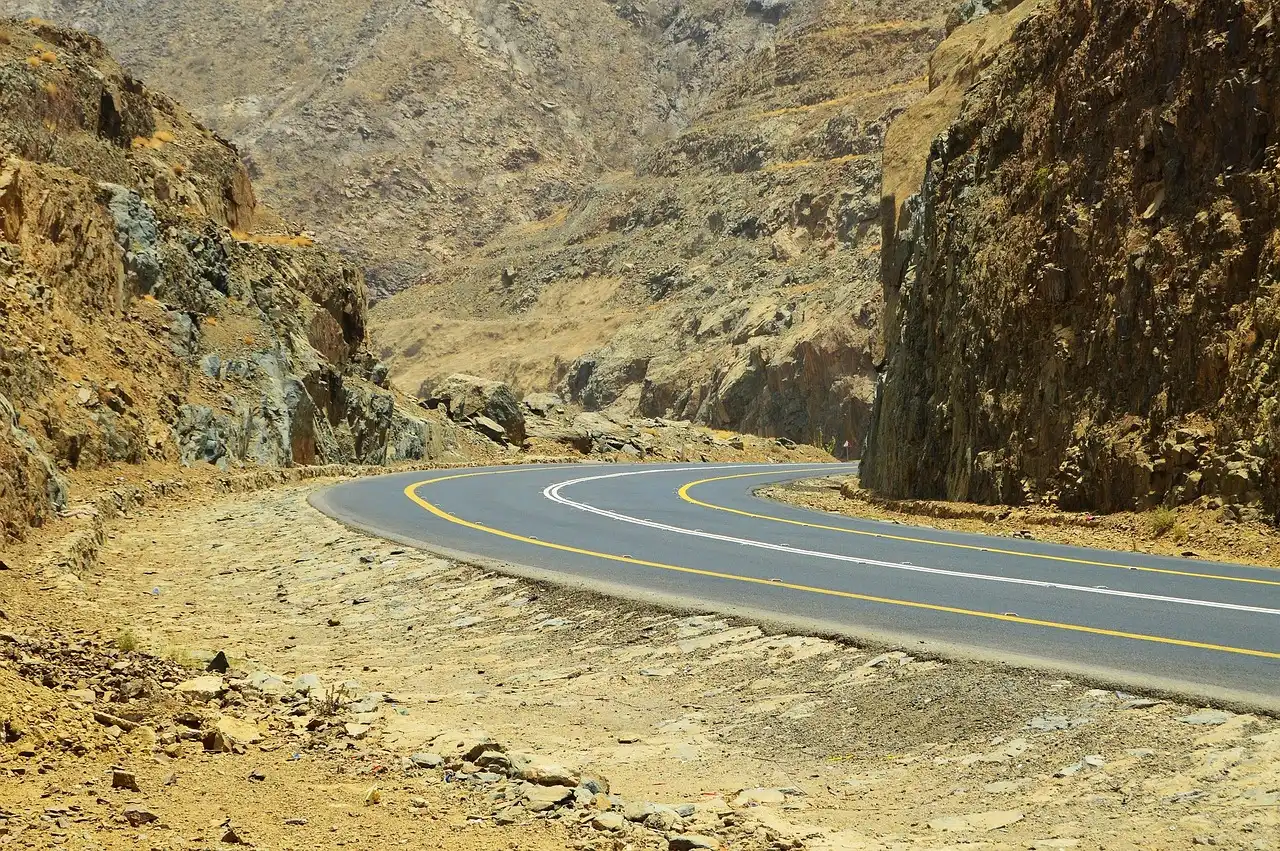
This road was originally constructed for the private use of King Fahd and was later opened to public traffic. That transition changed the road’s purpose entirely. What started as a private corridor became a critical artery for the wider region.
Originally constructed as a private road for King Fahd, it has since become a vital transportation route, especially for freight movement between Saudi Arabia and the UAE. Today, it serves as a commercial link for transporting industrial goods across the desert from the central and western regions of Saudi Arabia directly to the UAE border. That shift from royal privilege to commercial backbone is a quietly remarkable one.
What Driving It Actually Feels Like
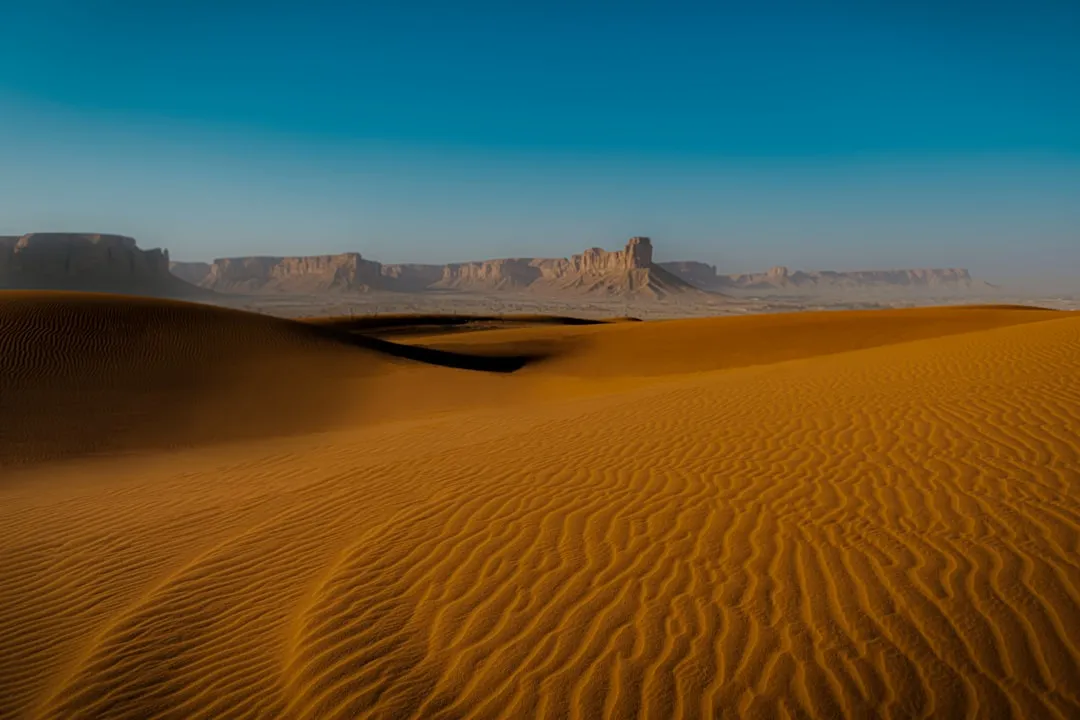
Driving Highway 10 is a hypnotic affair. With no turns to navigate and no elevation to climb, the journey becomes a meditative glide through a desert that seems to stretch endlessly in every direction. The estimated driving time is just over two hours, but the psychological effect of such uniformity can be disorienting.
Driving the entire straight stretch at the maximum legal speed limit of 120 km/h takes 2 hours and 15 minutes. For truck drivers, the speed limit is restricted to 80 km/h, extending the journey to more than 3 hours. The absolute monotony of the road makes maintaining concentration the biggest challenge, as there are no steering inputs or landscape changes for hours.
The Hidden Dangers of a Straight Road
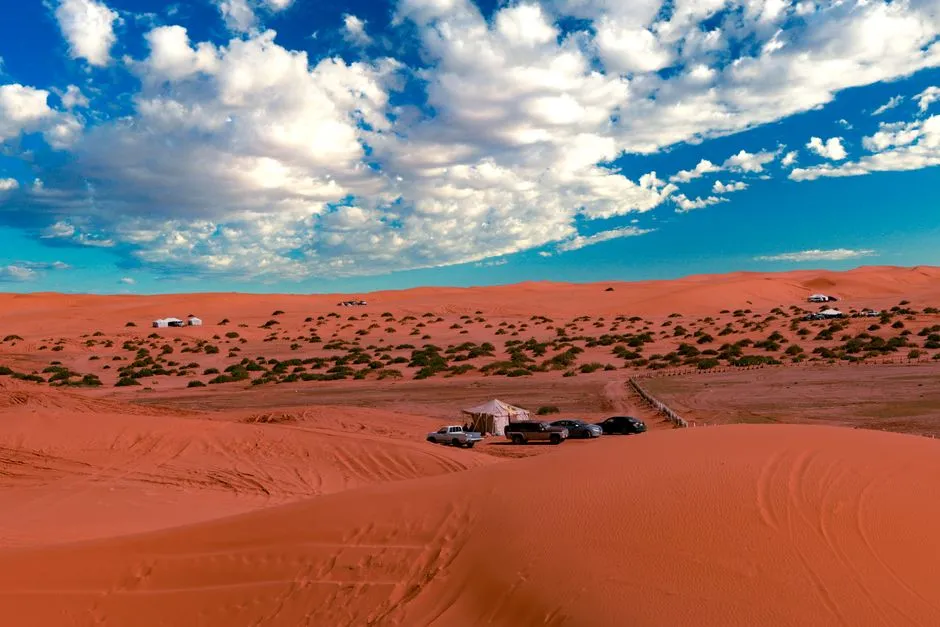
Despite the lack of bends, collisions are not uncommon. Counterintuitive as that sounds, the psychology of extreme straightness creates its own risks. Authorities caution against speeding or reckless driving, as the featureless terrain can lull motorists into a false sense of security.
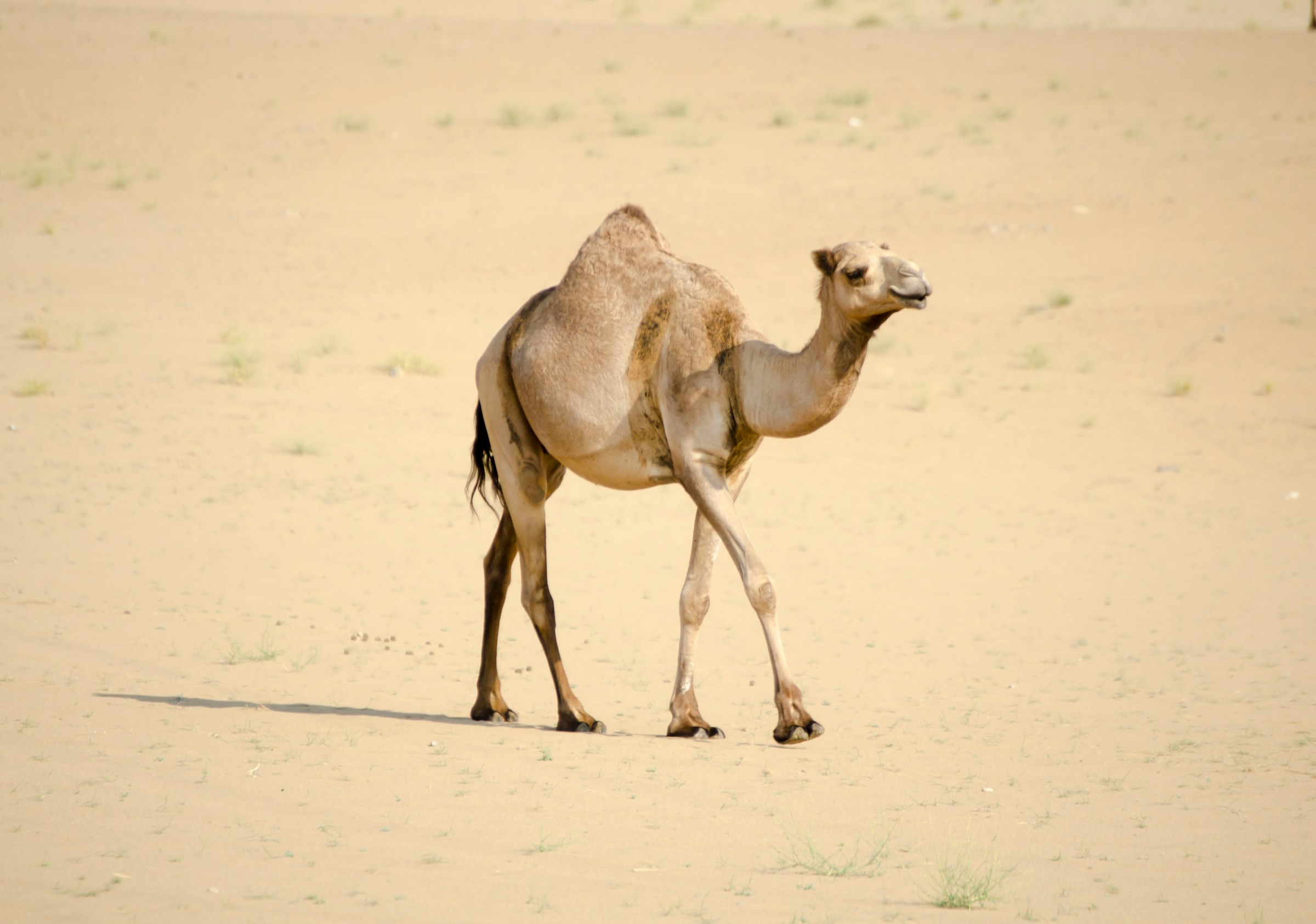
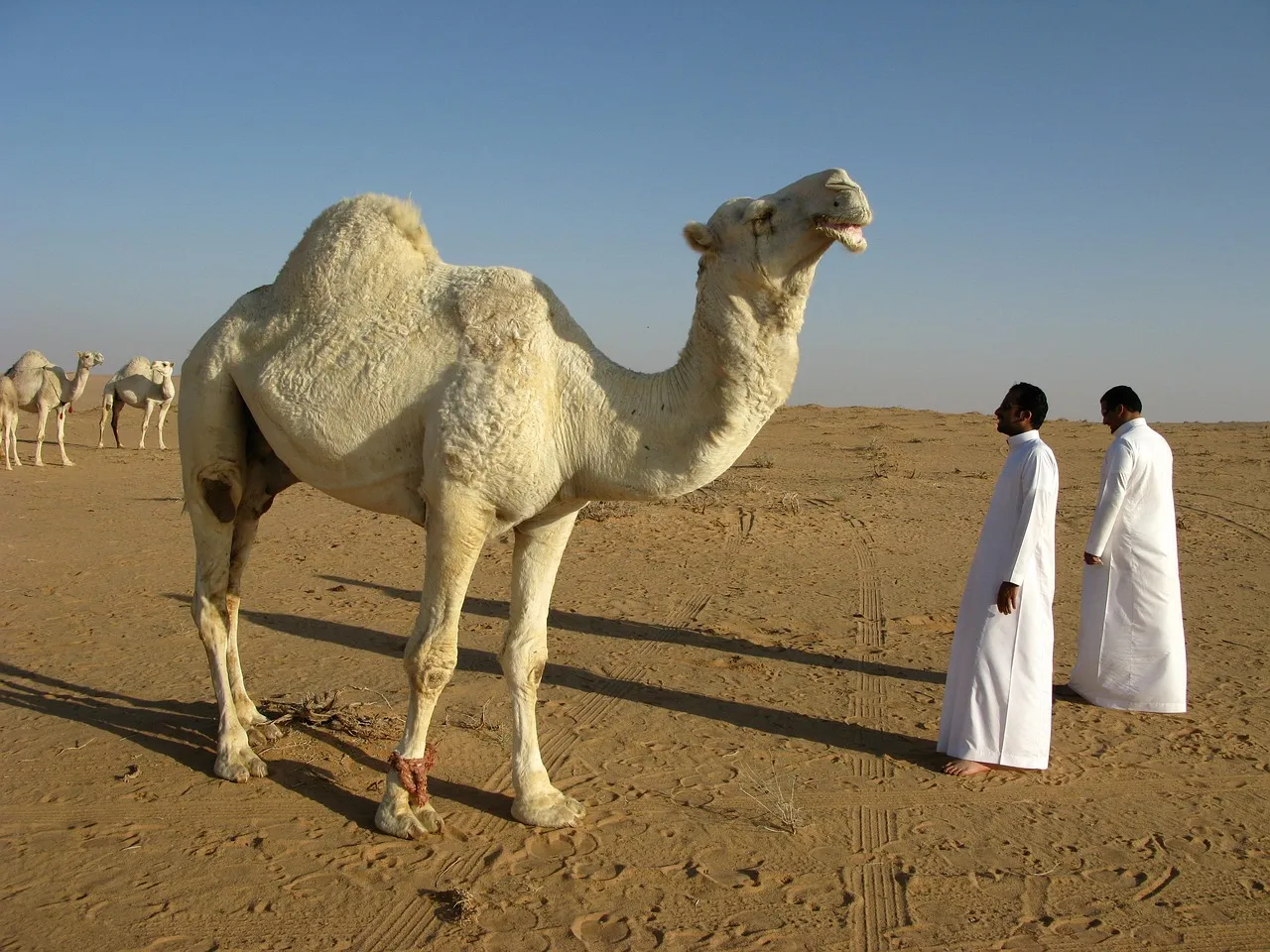
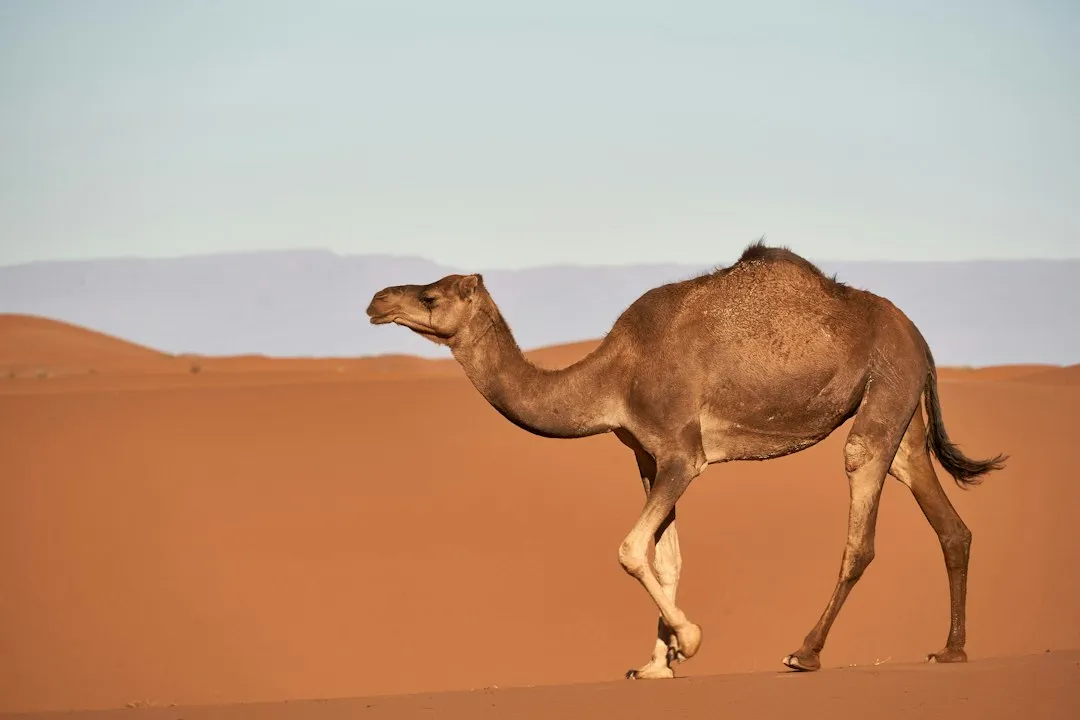
Despite its straightness, drivers are advised to remain vigilant due to potential hazards like stray camels and the monotonous landscape, which can lead to driver fatigue. Due to the isolation of the Rub’ al Khali desert, travelers are advised to carry ample water, food, fuel, and a first aid kit. GPS is essential as there are no landmarks for long stretches, and drifting sand on the road is a genuine concern.
Safety Infrastructure Along the Route
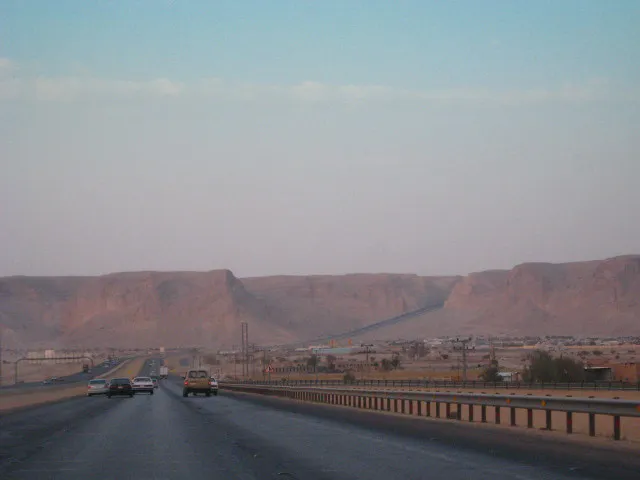
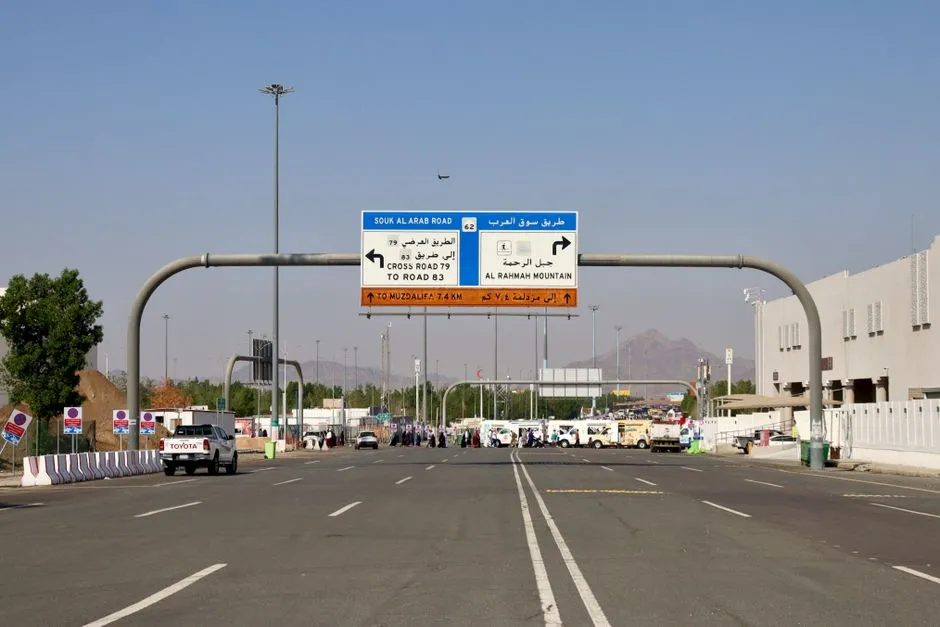
Highway 10 incorporates several safety enhancements implemented by the Ministry of Transport and Logistics Services, including asphalted shoulders, painted road edges and medians, reflective road markers known as “cat’s eyes,” protective barriers, kilometer markers, and directional, warning, and guidance signs.
These features are particularly vital in the highway’s remote desert stretches, where steel crash barriers and concrete protective walls separate lanes on dual and express sections. Speed limits on Highway 10 are regulated based on road type and vehicle category, with small cars limited to 120 km/h, buses to 100 km/h, and trucks to 80 km/h on express sections. The logistics of maintaining any of this infrastructure in such an isolated environment is, on its own, an engineering challenge.
A New Contender in the Same Country
Stretching through the heart of Saudi Arabia, Highway 85 is renowned as one of the longest straight roads in the world, spanning 1,271 km from Jubail on the Arabian Gulf to Qurayat near the Jordanian border, and it includes an incredible 822 km section of uninterrupted straightness. That figure, if verified and formally recognized, would dwarf the record currently held by Highway 10.
Highway 10 has recently been surpassed, according to some sources, by Saudi Arabia’s Highway 85, which features a longer straight stretch between Arar and Al Jauf. The Guinness record for Highway 10 has not yet been formally superseded as of mid-2026, but the emerging data around Highway 85 makes Saudi Arabia’s dominance in this unusual category even more pronounced. Both roads exist in the same country, shaped by the same landscape.
What This Road Says About Saudi Arabia’s Infrastructure
Classified as a main road under Saudi Arabia’s functional road classification system established in 1985 and updated in 1998, Highway 10 serves as a vital link for inter-provincial travel, commercial transportation, and access to remote desert areas. The road’s evolution from private route to classified national artery reflects how quickly Saudi Arabia scaled its infrastructure over the decades.
Highway 10’s achievement is not just a point of pride for Saudi Arabia; it’s a symbol of the country’s ambitious infrastructure development and its growing prominence in global transport. The kingdom has become a host for major international events such as the Dakar Rally, a round of the Formula 1 World Championship, and the Extreme E off-road championship, and the arrival of these races to the region was not a coincidence or just the result of large financial investments. The terrain that once isolated this part of the world is now one of its defining assets.
The Takeaway
AI Disclaimer: This article was created with the assistance of AI tools and reviewed by a human editor.