
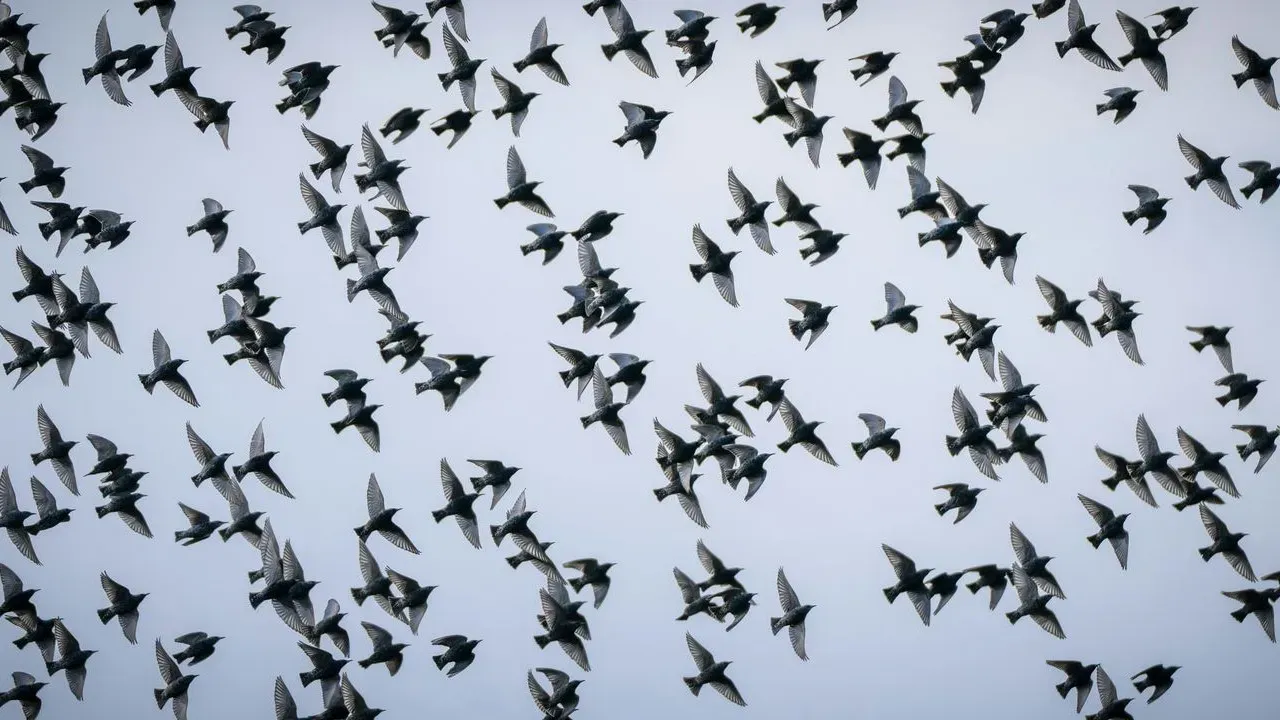

Thousands of tree swallows have gathered in striking, tornado-like formations over the marshes of Plum Island, creating a fleeting natural display that draws attention each September. The U.S. Department of the Interior recently shared video of the event at the Parker River National Wildlife Refuge Complex, noting how the birds pause here to rest and feed before continuing south. ([1]) This seasonal gathering offers travelers a rare chance to observe wildlife behavior up close in a protected coastal setting. ## The Visual Wonder of Collective Flight Observers describe the birds rising and twisting together in dense, fluid shapes that shift constantly against the sky. The effect comes from large numbers of tree swallows staging for migration, a behavior that becomes especially noticeable when flocks reach critical size. Rather than a threat, the movement reflects coordinated energy as the birds prepare for their long journey. Such formations highlight the precision of avian navigation and social dynamics. Tree swallows, common nesters across Massachusetts, rely on these coastal stopovers to build strength on insects and berries. The refuge’s mix of wetlands, dunes, and open water creates ideal conditions for this pause in their travels. ## Plum Island as a Seasonal Hub The Parker River National Wildlife Refuge sits along Plum Island, roughly 35 miles north of Boston, and spans thousands of acres of protected habitat. Established decades ago, the area supports more than 300 bird species and serves as a vital resting point during fall movements. Visitors often spot the swallows perched along roadsides or streaming over the marshes in coordinated waves. The refuge remains open daily from sunrise to sunset, allowing flexible timing for those hoping to witness the activity. Its location on the North Shore makes it accessible for day trips from greater Boston or longer stays in nearby Newburyport, where the historic downtown provides a welcoming base. ## Observing with Care and Intention Responsible viewing begins with staying on designated paths and roads to avoid disturbing the birds or sensitive nesting areas. Slow driving helps protect the swallows that sometimes land on the pavement, while binoculars or a camera with a telephoto lens bring the spectacle closer without intrusion. Many travelers combine a refuge visit with time spent exploring the broader Plum Island ecosystem. The same marshes that host the swallows also shelter other migrants, offering layered opportunities to appreciate the region’s biodiversity. Local organizations occasionally host programs that deepen understanding of these patterns, turning a simple outing into a more informed experience. ## A Fleeting Window into Nature’s Rhythms This particular gathering underscores the importance of preserved coastal lands for migratory species. As the swallows move on, the refuge continues its quiet work of supporting wildlife year-round. Travelers who time a visit now can witness one of the more striking expressions of seasonal change in New England. The experience lingers as a reminder of how small actions, like supporting protected areas and traveling mindfully, help sustain these natural cycles for future seasons.
AI Disclaimer: This article was created with the assistance of AI tools and reviewed by a human editor.