
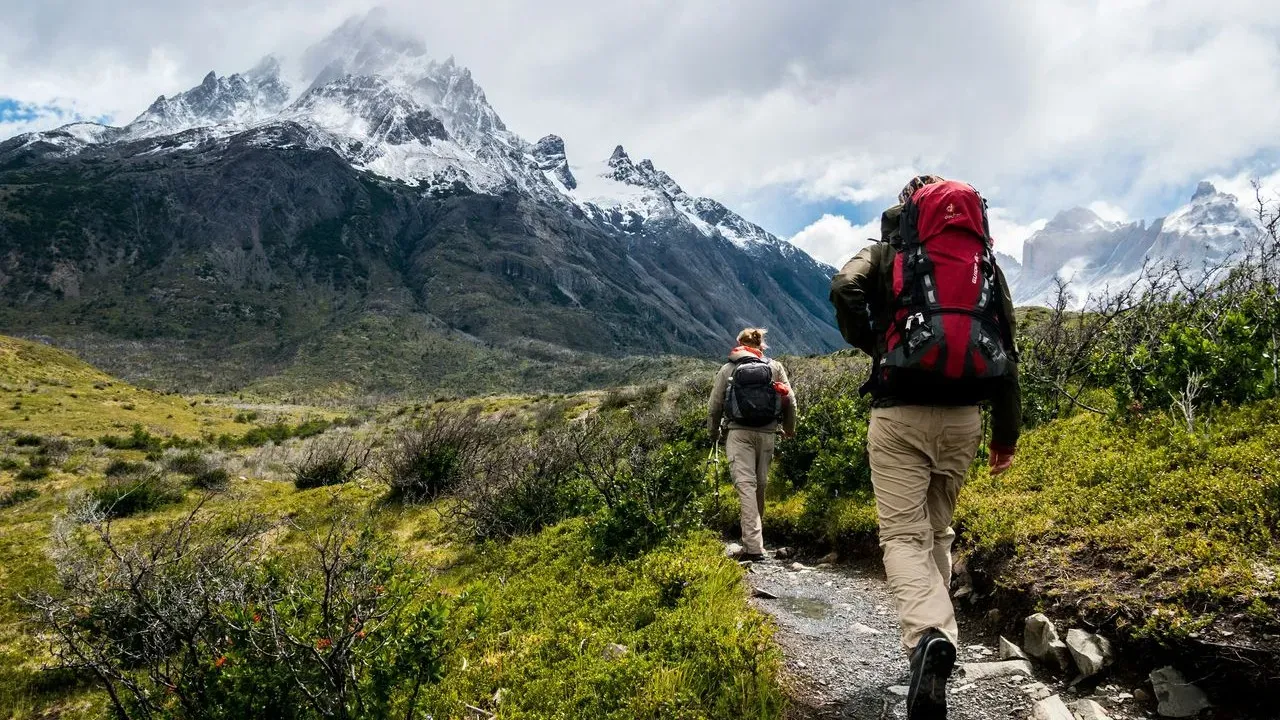

New Hampshire’s Mt. Washington stands as the Northeast’s highest peak, a destination that draws hikers seeking both challenge and sweeping views across the Presidential Range. On a recent Tuesday, 61-year-old Kurt Siuzdak of Connecticut demonstrated remarkable resolve by continuing his climb for roughly seven hours after sustaining a dislocated shoulder and back injury. ([1])His story underscores the quiet strength many travelers bring to the region’s most demanding trails.
The Iconic Peak and Its Unpredictable Character
Mt. Washington rises prominently above the surrounding landscape, its summit often cloaked in rapidly shifting weather that has long tested those who venture upward. Hikers approach the mountain with respect for its granite slabs, exposed ridges, and sudden changes in conditions that can turn a planned outing into a test of endurance. The peak’s reputation as a place of both natural beauty and serious demands shapes every journey taken along its trails.
Travelers who prepare thoroughly often find the experience deeply rewarding, with opportunities to witness alpine flora and expansive vistas that reward the effort. Yet the mountain’s history reminds visitors that careful planning and awareness remain essential companions on any ascent.
An Early Start on the Ammonoosuc Ravine Trail
Siuzdak began his day early, setting out at 4:00 a.m. along the Ammonoosuc Ravine Trail with the goal of reaching the summit. The trail offers a direct but rugged route that winds through forested sections before opening onto steeper, rockier terrain higher up. Many hikers choose this path for its scenic progression and connection to the broader network of routes on the mountain.
By mid-morning, around 10:00 a.m., he encountered wet granite slabs where he slipped and fell, resulting in the shoulder dislocation and back discomfort. Rather than turning back immediately, he assessed his situation and decided to press onward toward the summit, intending to seek assistance once there.
Continuing the Climb and Receiving Support
As the hours passed, an unrelated hiker placed a call to authorities around 3:15 p.m. to report the injured climber on the Crawford Path section leading to the summit. New Hampshire Fish and Game officers responded by meeting Siuzdak partway up that final stretch, walking alongside him for the remaining distance to provide steady assistance.
Upon reaching the summit, Siuzdak was able to address his shoulder. Officers then transported him via the Mt. Washington Auto Road to its base, where emergency medical services conducted an evaluation. He later drove himself to urgent care for further attention, completing a day that highlighted both personal grit and the value of coordinated mountain rescue efforts.
Lessons in Preparation and Respect for the Outdoors
Stories like this one invite reflection on the importance of carrying appropriate gear, sharing itineraries, and understanding when to adjust plans in remote settings. Mt. Washington rewards those who approach it with humility and solid preparation, turning potential setbacks into opportunities for learning and deeper appreciation of the landscape.
Travelers drawn to the Northeast’s high peaks often return with renewed respect for the region’s natural forces and the communities that support safe recreation. Siuzdak’s experience serves as a quiet reminder that the mountains offer both challenge and the chance to witness human resilience in action.
AI Disclaimer: This article was created with the assistance of AI tools and reviewed by a human editor.