

The Numbers Behind the Nickname
Pittsburgh has carried the “City of Bridges” nickname for generations, counting 446 bridges within its limits – more than any other city in the United States by the figure its boosters use. That total famously exceeds Venice, Italy, which has roughly 400, and that comparison is most likely the origin of the broader claim.
The 446 bridges frequently cited as Pittsburgh’s total come from “The Bridges of Pittsburgh,” a 2006 book by Bob Regan, who added footbridges and railroad spans to local government records of road bridges. It’s a thorough, well-researched count, though not the only way to do the math.
Pittsburgh has a rich, colorful history and geography that led to the construction of over 446 bridges in the city alone, with nearly 2,000 in all of Allegheny County. That broader county figure is worth keeping in mind when you start to understand how embedded bridge-building is in the region’s DNA.
How Geography Made It Inevitable
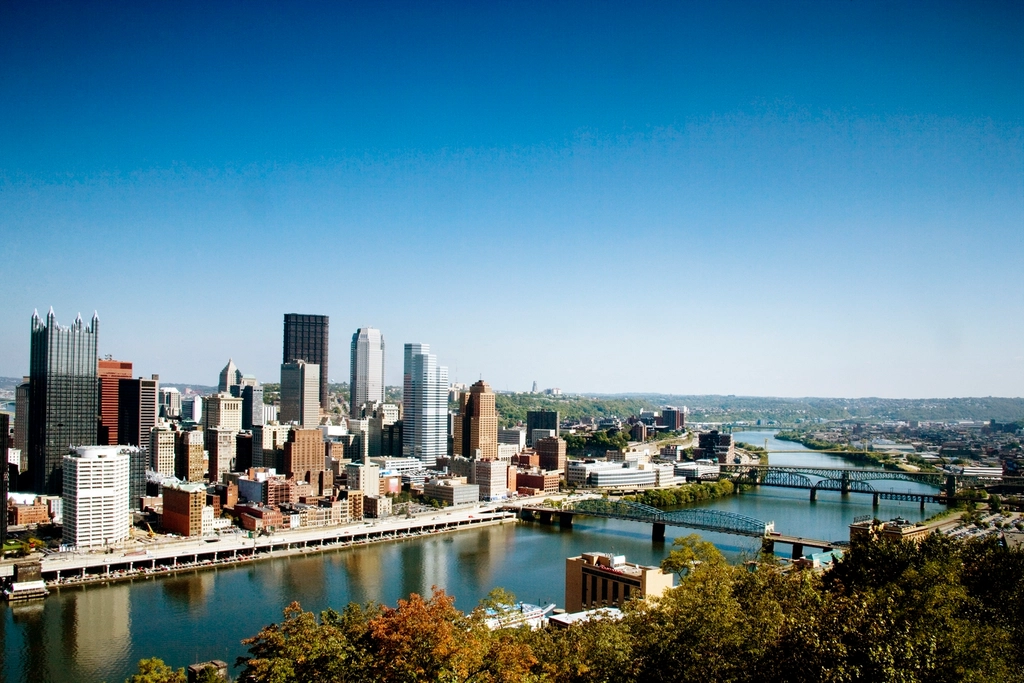
This surprising fact comes from the city’s unique geography, where the Allegheny, Monongahela, and Ohio Rivers meet, carving deep valleys and requiring creative connections. There was simply no other practical way to build a functioning city in this landscape without spanning water constantly.
What is not in dispute is the density. Pittsburgh concentrates its bridges into a small, hilly area cut by three rivers, which gives it a tighter and more visible collection of crossings than almost anywhere else.
Pittsburgh’s unique geography has necessitated this remarkable collection of spans that connect neighborhoods, overcome waterways, and traverse the city’s challenging topography. Steep hills compound the challenge further, pushing engineers to think vertically as well as horizontally.
How Venice Compares
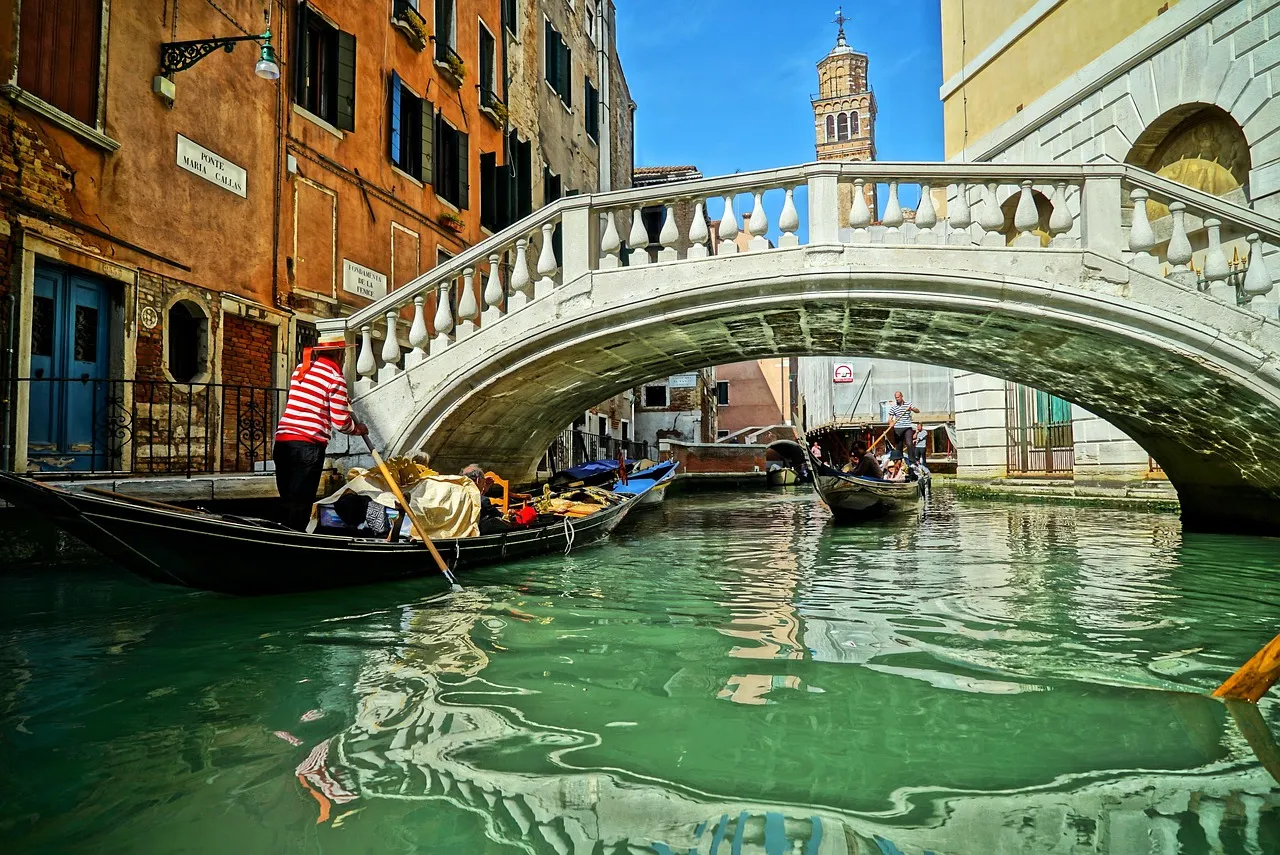
The historic center of Venice is made up of 121 islands linked by 435 bridges. That number, cited by Wikipedia’s list of Venetian bridges, sits right in the middle of the range that different sources report, with estimates generally running from around 391 to 472 depending on what is counted and where city boundaries are drawn.
The total usually given for Venice’s bridges – the city tourism office says 438 – is only for the famous canal-laced islands in the lagoon, not the full city’s much larger modern mainland districts where most Venetians live. That context matters when making any direct comparison.
Venice’s bridges possess a charm and uniqueness that cannot be quantified by numbers alone. The city’s romantic canals and iconic crossings create an enchanting atmosphere that draws people from all around the world. Pittsburgh wins on quantity; Venice, perhaps, on sheer poetry.
A Claim That Goes Back Over a Century
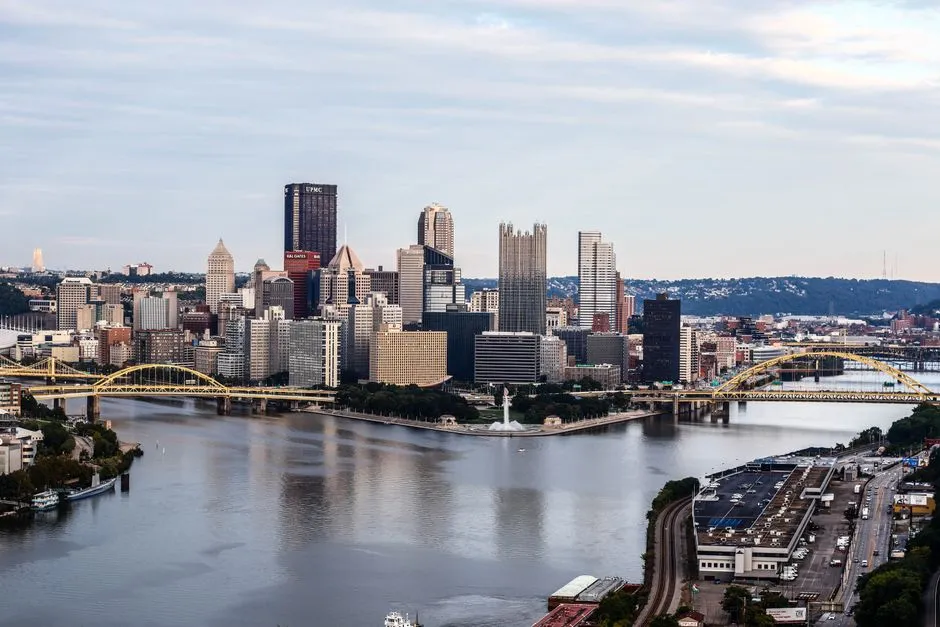
Pittsburghers have been saying so for well over a century. The 1899 “Pittsburg Press Almanac and Cyclopedia of Useful Information” said Allegheny County’s bridge count exceeded “any other community in the country.” This is not a modern marketing invention.
New York City’s transportation department oversees several hundred bridges across its boroughs, and the true total for any city turns on whether overpasses, ramps, and pedestrian spans are included. Every city’s bridge count becomes a definitional question as much as an engineering one.
In the United States, New York, Chicago, Baltimore, Cleveland, and Indianapolis have been called ultimate span champion at one time or another, though Pittsburgh’s petition seems to have the most traction.
Steel, Industry, and the Will to Build
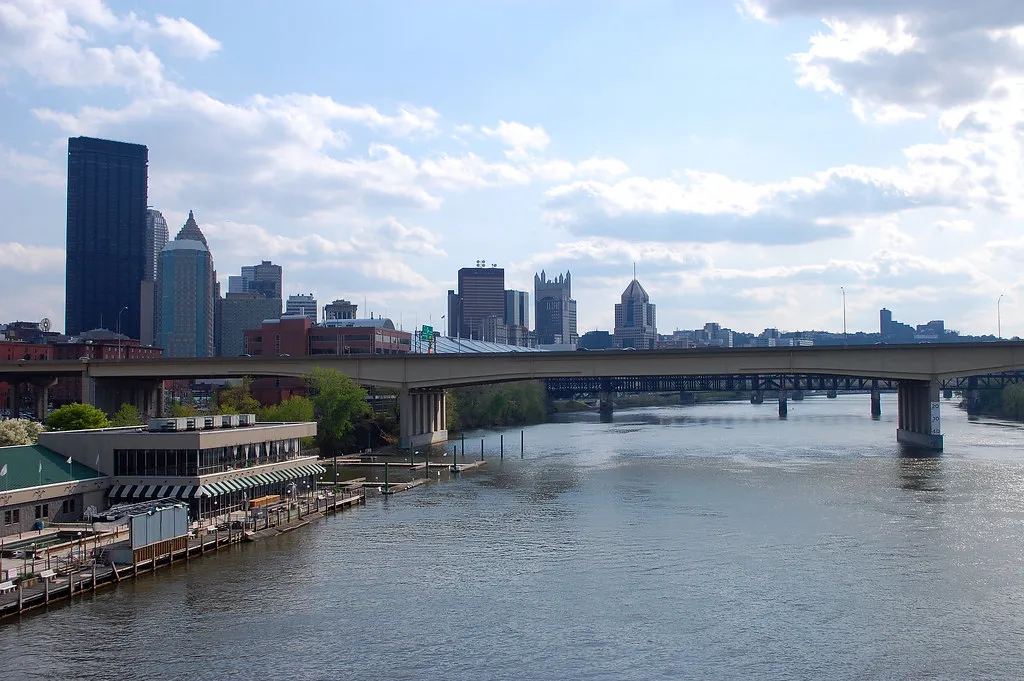
Pittsburgh’s rich industrial history, particularly its steel production, has played a pivotal role in shaping its iconic bridge landscape. The city’s steel mills not only contributed to the construction of these bridges but also influenced their structural design.
In 1917, a federal mandate demanded rivers become more navigable for the purpose of transporting goods and war materials. In response, Allegheny County set aside $29.2 million in bonds to construct new bridges, roads, and buildings. Between 1924 and 1928, 41 bridges were constructed. That building surge alone reshaped the city’s skyline.
What sets Pittsburgh apart is not just the sheer number of bridges, but also the variety of bridge types you’ll encounter. Suspension bridges, arch bridges, truss spans, and pedestrian walkways all share the same riverside landscape.
The Three Sisters: Pittsburgh’s Most Iconic Trio
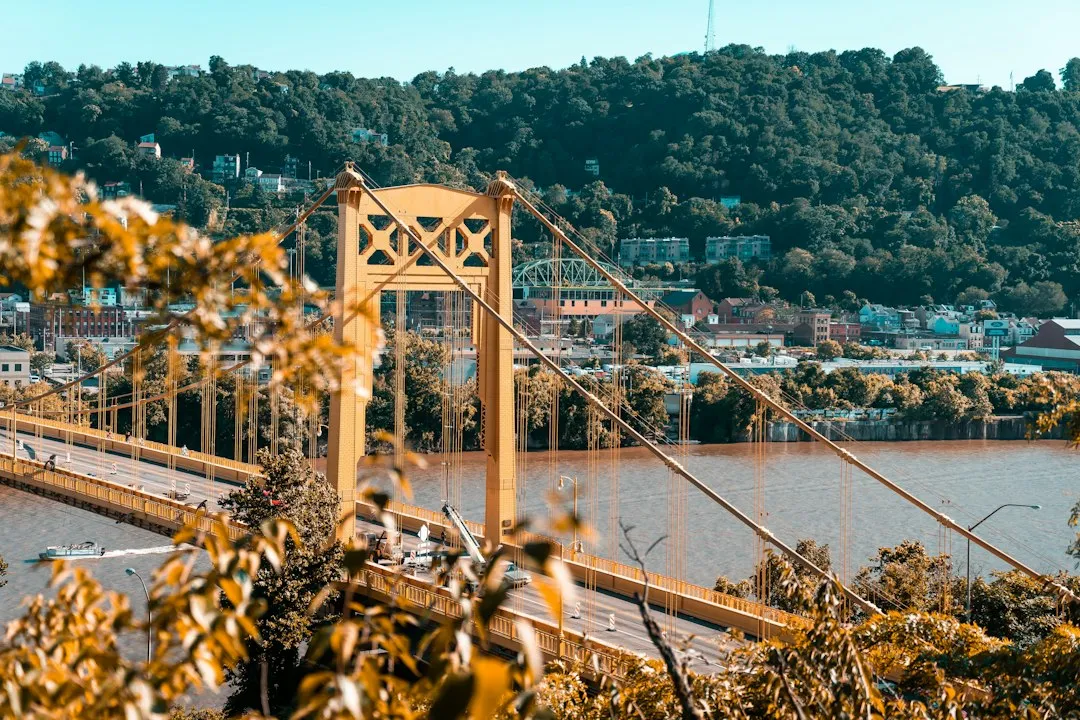
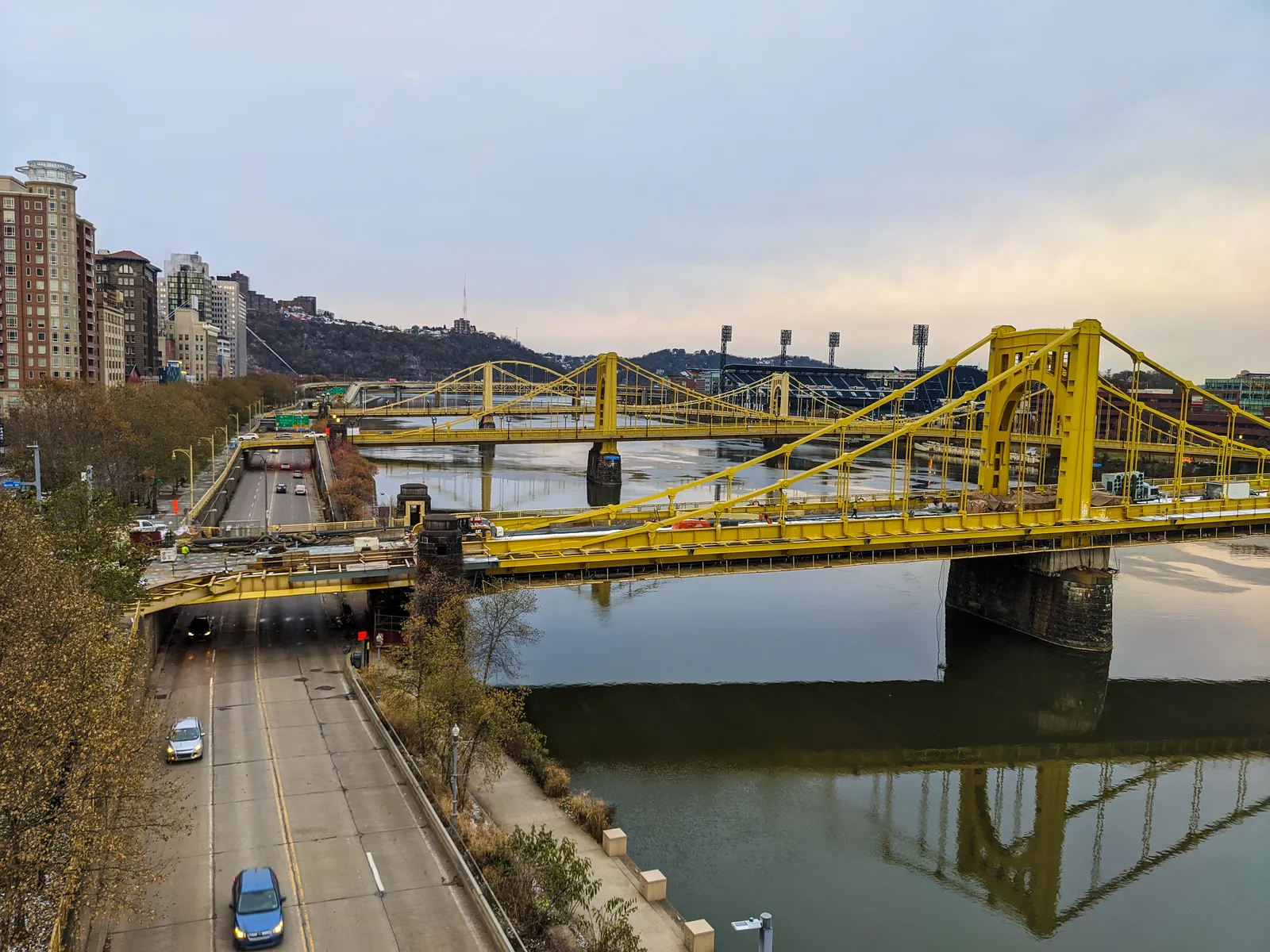
On October 21, 2025, Pittsburgh City Council unanimously granted a historic designation to the city’s Three Sisters Bridges. Named after Pittsburgh icons Roberto Clemente, Andy Warhol, and Rachel Carson, these are the only known trio of identical self-anchored suspension bridges in the world.
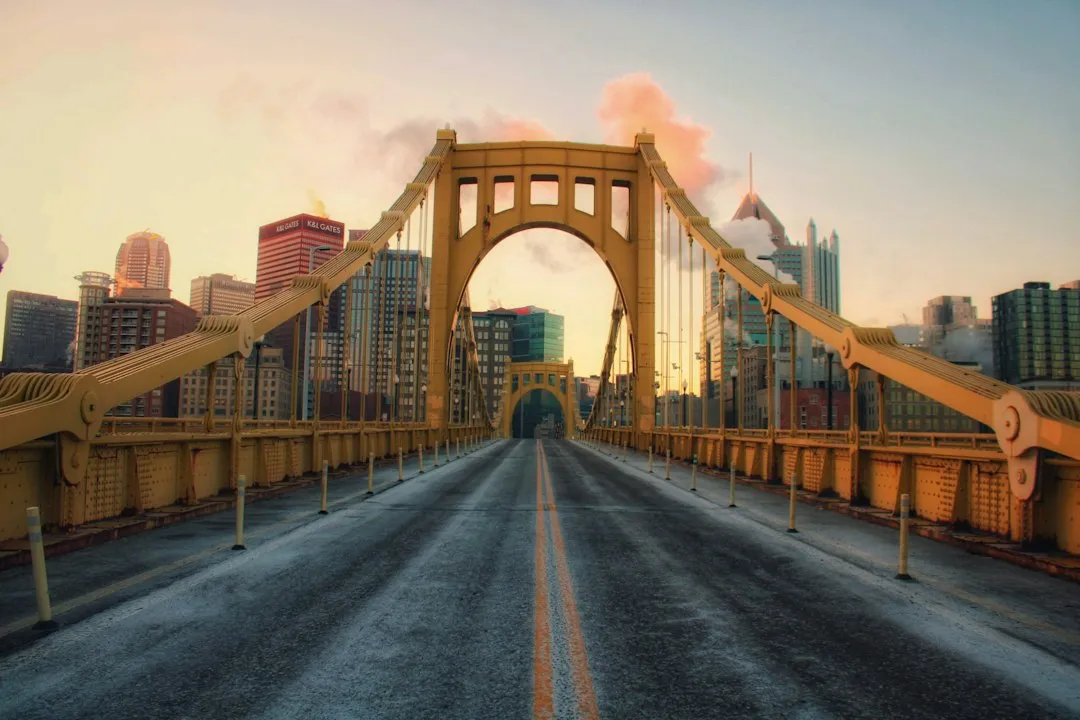
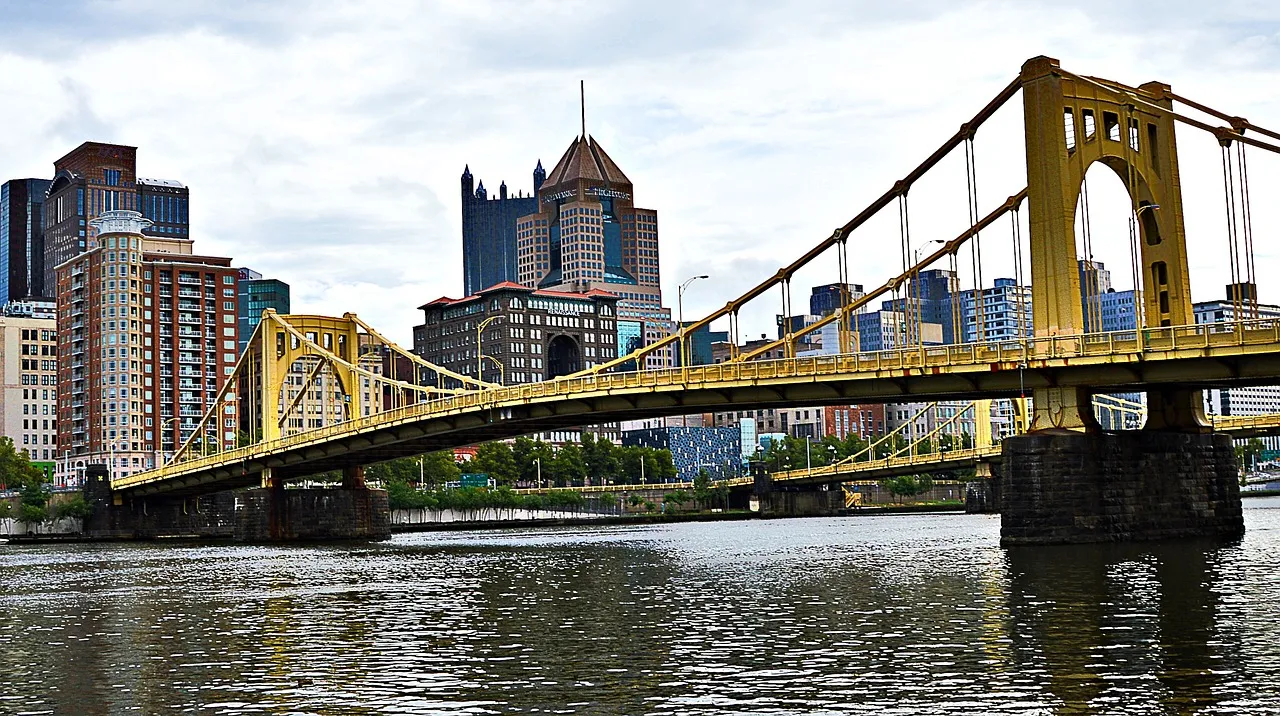
Spanning the Allegheny River, the Three Sisters Bridges, built between 1926 and 1928, are a rare trio of nearly identical, self-anchored suspension bridges standing side by side. Painted in the city’s signature shade of yellow, these iconic structures connect Downtown Pittsburgh to the North Shore and are named after three of Pittsburgh’s most celebrated figures.
Built between 1926 and 1928, these three bridges featured one of the United States’ first forays into self-anchored suspension. The only other known self-anchored suspension bridge at the time was the Deutz Suspension Bridge over the Rhine river in Cologne, Germany. For the era, the engineering was genuinely groundbreaking.
The Roberto Clemente Bridge
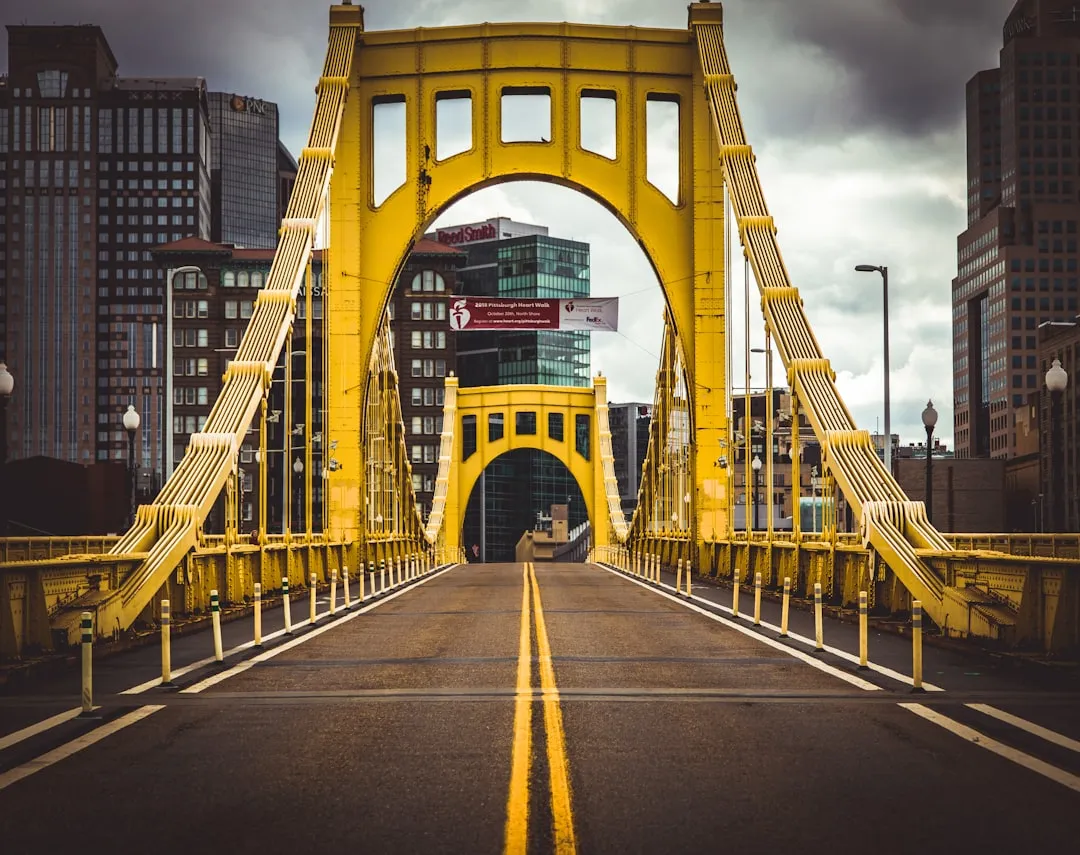
When traveling to the city, it’s impossible to miss the Roberto Clemente Bridge. This historic yellow bridge is a breathtaking landmark set over the sparkling Allegheny River, making for eye-catching photos.
The structure is 995 feet long and takes less than 10 minutes to walk across. While the Roberto Clemente Bridge is remarkable by day, it’s particularly stunning in the evening thanks to Pittsburgh’s city lights.
The Roberto Clemente Bridge becomes a pedestrian-only space during Pirates home games, transforming a functional commuter crossing into something that feels genuinely celebratory. That kind of flexible, people-first use of infrastructure is part of what makes Pittsburgh’s bridges feel alive rather than merely functional.
The Andy Warhol Bridge
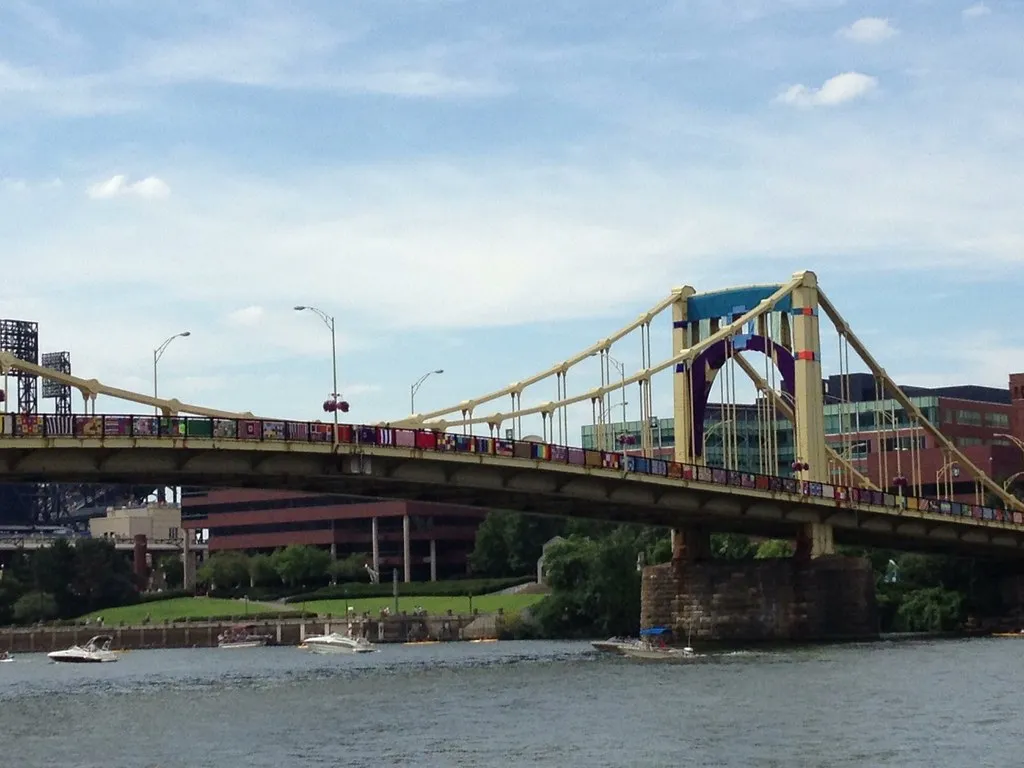
The Andy Warhol Bridge spans the Allegheny River in Downtown Pittsburgh and is the only bridge in the United States named for a visual artist. It was named after the artist in 2005 to celebrate the 10th anniversary of the Andy Warhol Museum, just one block north of the bridge.
Reminiscent of its namesake artist’s colorful pop art, the Andy Warhol Bridge shines bright yellow and is just one block south of the Andy Warhol Museum. The impressive 20th-century bridge is the middle structure in a trio of bridges called the Three Sisters of Pittsburgh.
It was opened as the Seventh Street Bridge at a cost of $1.5 million on June 17, 1926, in a ceremony attended by 2,000 people. A century on, it remains one of the most photographed structures in Pennsylvania.
The Fort Pitt Bridge and the “Golden Triangle” Entrance
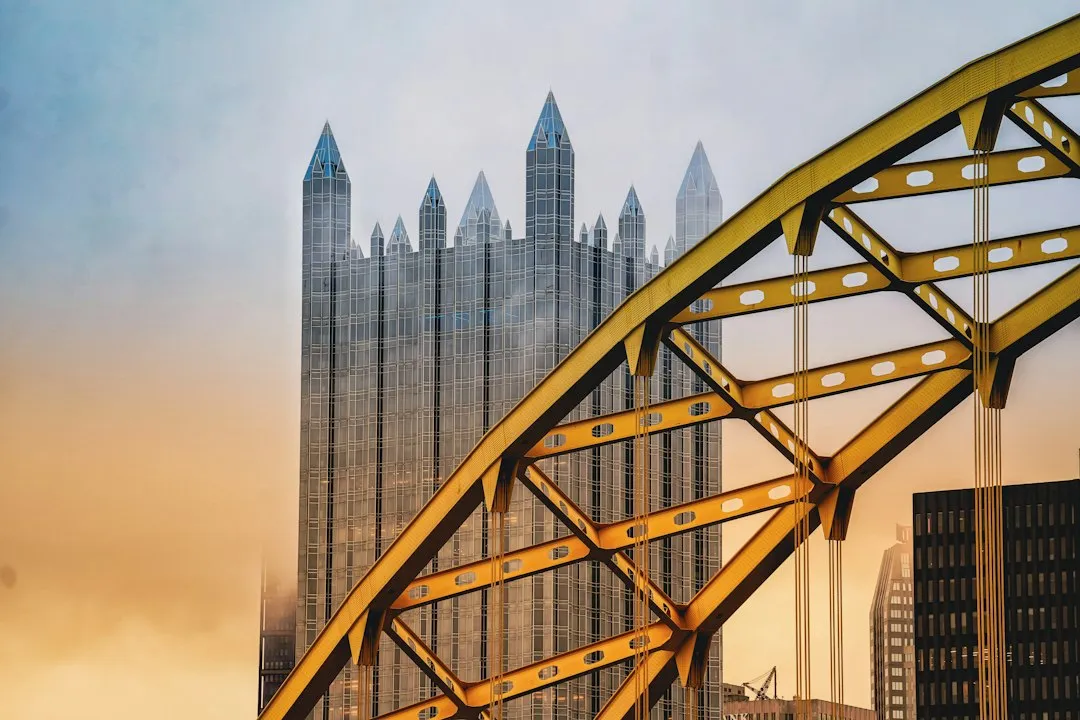
The Fort Pitt Bridge is a double-decked bowstring arch bridge that carries Interstate 376 across the Monongahela River. Built in 1959, it’s famous for its appearance in numerous films and for providing one of the most dramatic city entrance experiences in America, as drivers emerge from the Fort Pitt Tunnel to a stunning panoramic view of downtown Pittsburgh.
Crossing the Monongahela River right at its confluence with the Allegheny to form the Ohio River, the Fort Pitt Bridge opened in 1959 and offers one of the most dramatic entrances to any city in the country. As you emerge from the Fort Pitt Tunnel, the full Pittsburgh skyline suddenly bursts into view.
It’s a moment that locals talk about with genuine pride. The tunnel releases you into a panorama of bridges, rivers, and towers that feels almost theatrical, as though the city arranged itself specifically for your arrival.
The Smithfield Street Bridge: A Quiet Giant
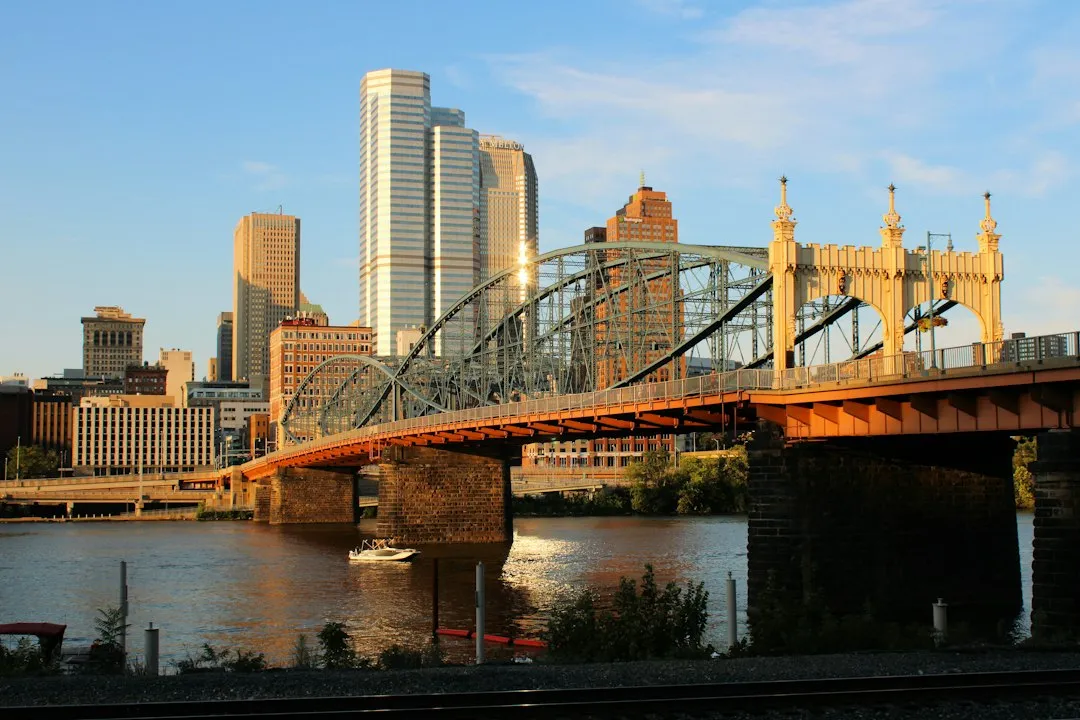
One of the hallmarks of Pittsburgh’s landscape is the Smithfield Street Bridge spanning the length of the Monongahela River and connecting Smithfield Street downtown to Station Square. Built in 1881, it’s considered the second oldest steel bridge in the United States. The current bridge is the third iteration of the Smithfield Street Bridge.
A wooden bridge was built in 1818 to cross the Monongahela River but was destroyed in 1845 during Pittsburgh’s great fire. A second bridge was constructed in its place, but it was deemed inadequate for traffic needs. The bridge you see today is itself a piece of industrial heritage that predates most American landmarks travelers tend to seek out.
What the Number Actually Means for Visitors
![What the Number Actually Means for Visitors (Flickr - downloaded 9 Nov 2006] - its under Creative Commons Attribution Share-alike 2.0, CC BY-SA 2.0)](https://nvmwebsites-budwg5g9avh3epea.z03.azurefd.net/tripjaunt/7c4aa570ad30c9f58d08b38b348f3d46.webp)
From iconic yellow spans like the Roberto Clemente Bridge to hidden neighborhood overpasses, Pittsburgh’s bridges are as much a part of its identity as steel and sports. Whether you’re a commuter, a biker, or a sunset photographer, there’s always another bridge to explore in the Steel City.
The best time to visit Pittsburgh’s bridges is during late spring and early fall when weather is pleasant for walking tours and photography. Evening visits are particularly recommended as many bridges are illuminated after dark, creating spectacular reflections on the river.
The bridges of Pittsburgh aren’t just functional transportation links – they’re architectural marvels that have become iconic symbols of the city’s identity. Walking across several of them in a single afternoon gives you a sense of the city’s depth that no overlook or guidebook quite captures on its own.
The Takeaway
AI Disclaimer: This article was created with the assistance of AI tools and reviewed by a human editor.