
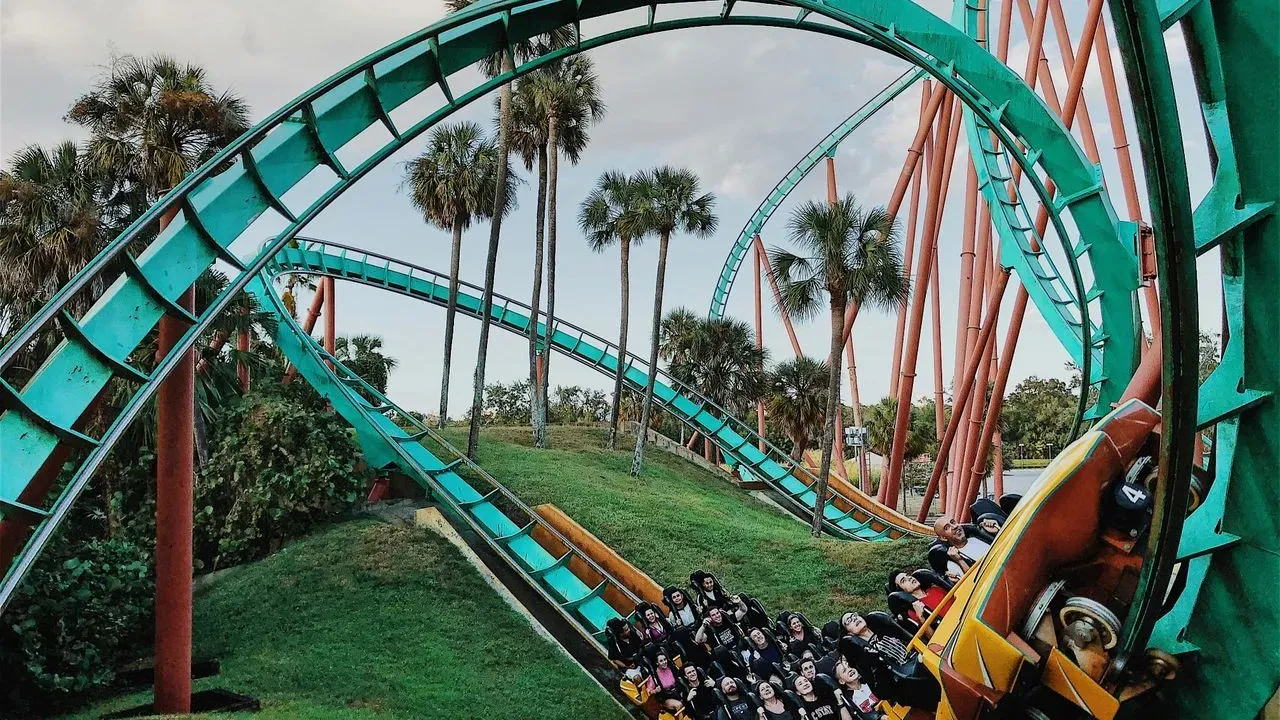

Six Flags Magic Mountain has long positioned itself as the Thrill Capital of the World, a destination where engineering ambition meets the desire for intense, memorable experiences. Among its many attractions, X2 stands out for its pioneering fourth-dimension design, which introduced independent seat rotation to roller coasters when it debuted in 2002. The ride’s story reflects the broader evolution of theme park innovation, where manufacturers and operators continually refine technology to deliver new sensations while navigating regulatory and operational realities. Its current closure for state review underscores the careful balance parks maintain between excitement and oversight. ([1])
The Ride That Introduced a New Dimension
X2, originally known as X, arrived as the world’s first fourth-dimension roller coaster. Riders sit in seats mounted beside the track that can rotate 360 degrees forward or backward, independent of the train’s movement along the rails. This setup creates a constantly shifting orientation, with feet dangling and bodies flipping as the train reaches speeds near 76 miles per hour through steep drops and inversions. The concept originated from designer Alan Schilke’s vision of combining traditional coaster dynamics with the unpredictable motion of a carnival ride like the Zipper. When it opened after delays, the attraction immediately drew enthusiasts eager to experience something unlike any other coaster at the time. Its unique mechanics required extensive testing and adjustments in the early years, illustrating the challenges of bringing prototype technology to a public setting.
A Legacy of Pushing Boundaries at Magic Mountain
Magic Mountain built its reputation through successive waves of coaster innovation. In the 1970s, Revolution introduced the first full vertical loop at a major park. Later additions such as Colossus, Viper, and Goliath each raised the bar for height, speed, or inversions, helping the Valencia, California, park distinguish itself from family-oriented neighbors like Disneyland. By the early 2000s, the industry faced growing questions about the physical effects of high-intensity rides. X2 represented a significant investment in new technology, with the park and manufacturer Arrow Dynamics committing substantial resources to its development. The ride underwent a major renovation in 2008, receiving lighter trains, updated effects, and a fresh color scheme that extended its operational life and appeal. These developments highlight how theme parks operate as businesses that must continually refresh their offerings to remain competitive. Each new coaster or upgrade involves coordination among engineers, regulators, and operators, with safety standards evolving alongside rider expectations.
Enthusiast Perspectives and Operational Realities
Roller coaster fans have long celebrated X2 for its intensity and rarity. Members of groups like the American Coaster Enthusiasts describe it as a must-ride experience, with some returning hundreds of times. They note that the ride’s aggressive movements reward riders who learn to brace appropriately, turning the experience into a skilled interaction rather than a passive one. The coaster’s history also includes periods of maintenance and refinement. Early mechanical issues led to temporary closures for adjustments, and the 2008 overhaul addressed performance and rider comfort. Such cycles are common in the industry, where rides undergo regular inspections and upgrades to meet changing standards.
Looking Forward at the Thrill Capital
Magic Mountain continues to invest in new attractions, including the upcoming Thrill Glider scheduled for 2027. This addition, featuring suspended “hoverbike” vehicles, builds on the park’s tradition of experimenting with rider positioning and motion. The ongoing review of X2 by state officials represents one step in the broader process of ensuring attractions meet current expectations for both excitement and safety. For visitors drawn to the park’s collection of record-setting rides, the story of X2 offers insight into how theme parks evolve. It demonstrates the creativity required to create signature experiences and the measured approach operators take when addressing operational questions. The destination remains a place where engineering history and future possibilities intersect, inviting guests to appreciate the craftsmanship behind each thrill.
AI Disclaimer: This article was created with the assistance of AI tools and reviewed by a human editor.