
The Opening Bell: Why the First 30 to 60 Minutes Matter
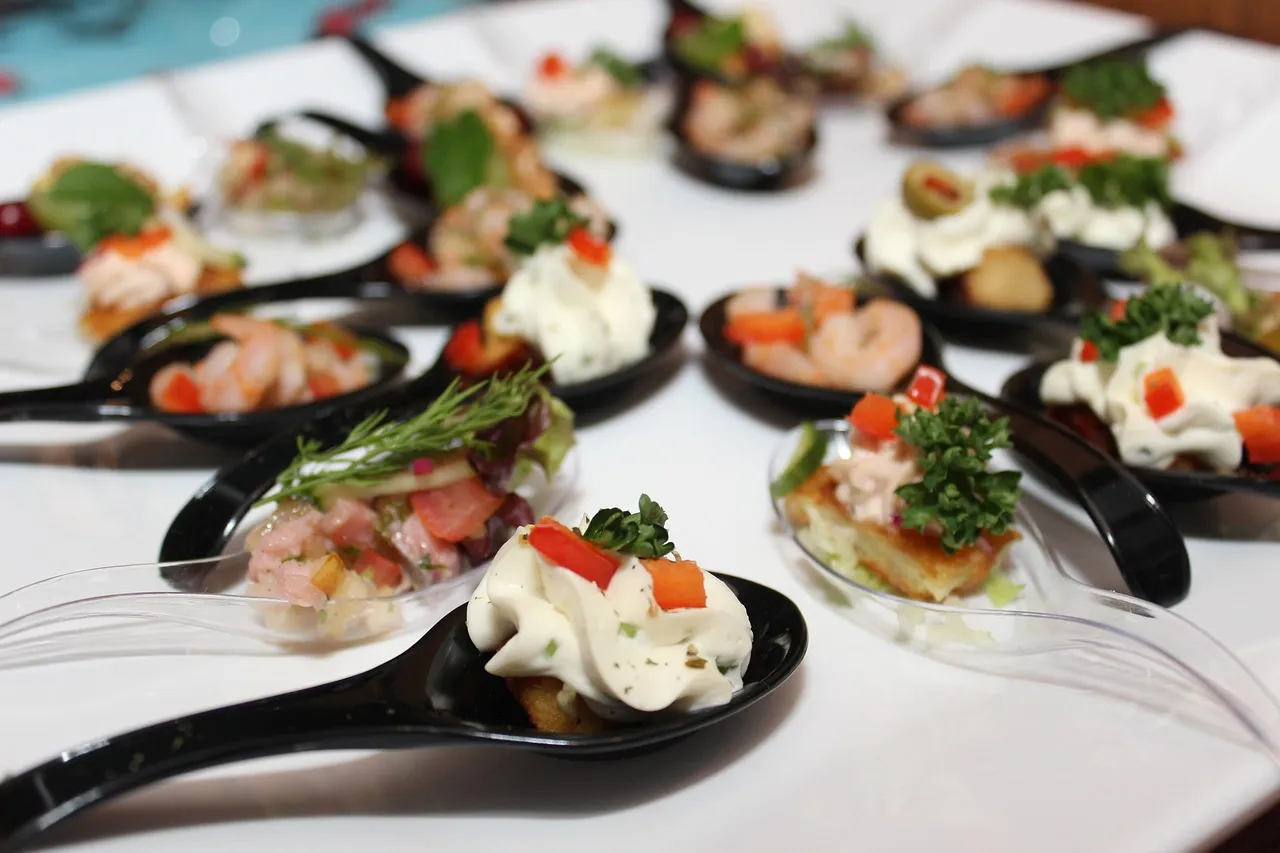
There’s a reason seasoned resort guests set an alarm. Aiming for mid-service, roughly 30 to 60 minutes after the buffet opens, often hits a genuine sweet spot: all stations are fully stocked, but the crowds haven’t peaked yet. Everything from the hot entrées to the cold salad components has been freshly set out, and the trays haven’t been picked over or stirred repeatedly by dozens of serving spoons.
Sixteen live-action cooking stations at the Wynn Buffet in Las Vegas, for example, are part of a system where food is prepared in small-batch quantities, and many dishes are made to order. That approach means the opening service is inherently the freshest moment of the day, before batch sizes shrink and the pace of replenishment slows down.
The Case for Very Early Morning at Resort Breakfast Buffets
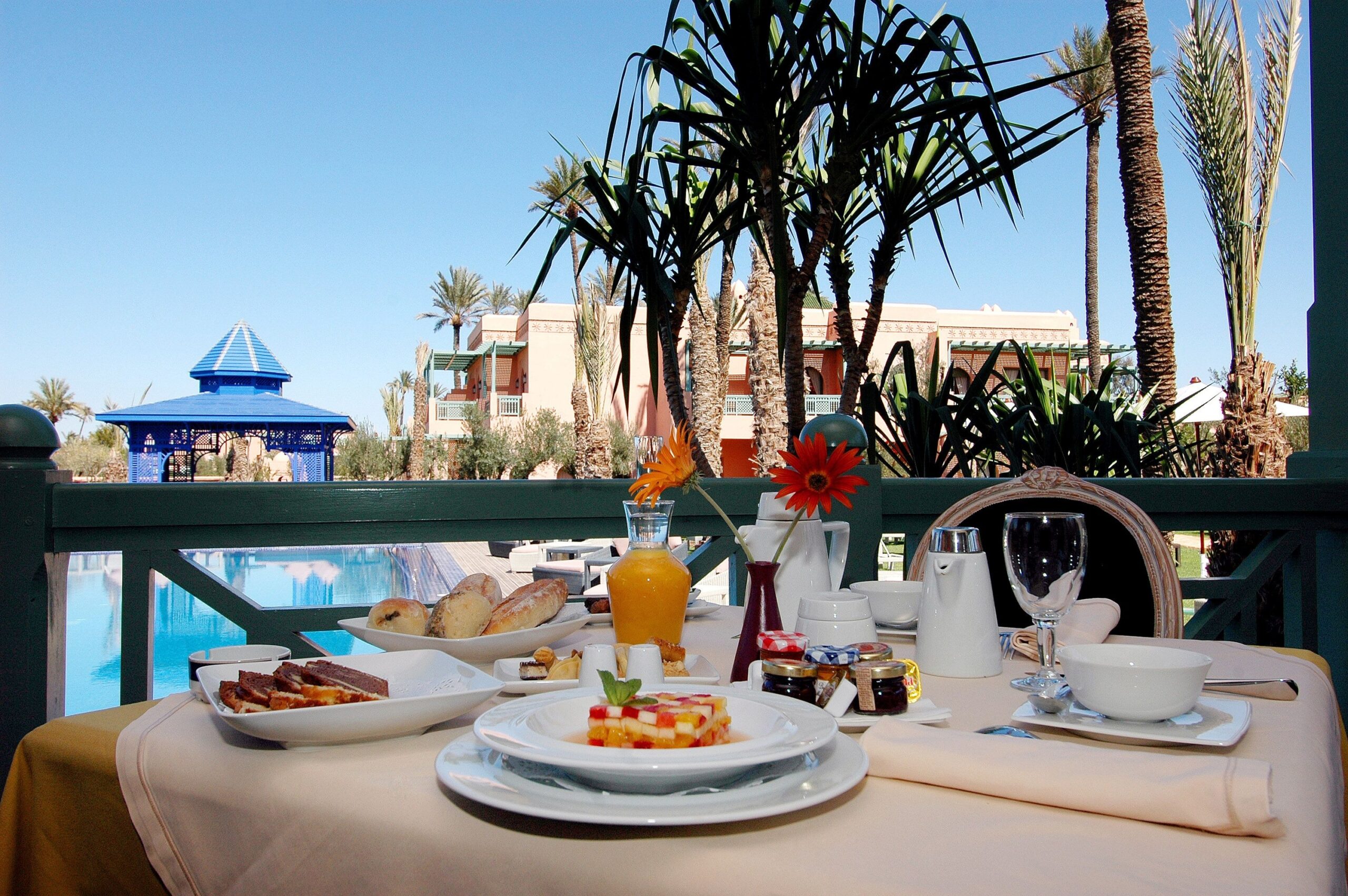
Going early, between 7:00 AM and 8:00 AM, tends to offer the quietest atmosphere and the absolute freshest food at resort breakfast buffets. Kitchen teams have typically been prepping since the early hours, and the first service represents the cleanest, most carefully arranged presentation of the day. Nothing has been sitting under a heat lamp for long.
On-the-ground research and traveler reviews consistently confirm that the absolute peak time for breakfast chaos at resorts is between 8:30 AM and 9:30 AM – that’s when the masses descend. Arriving before that window means cooler air in the dining room, attentive staff who aren’t yet overwhelmed, and a buffet that still looks the way the chefs intended it to look.
Dinner Openings: The Prime Rib Rule
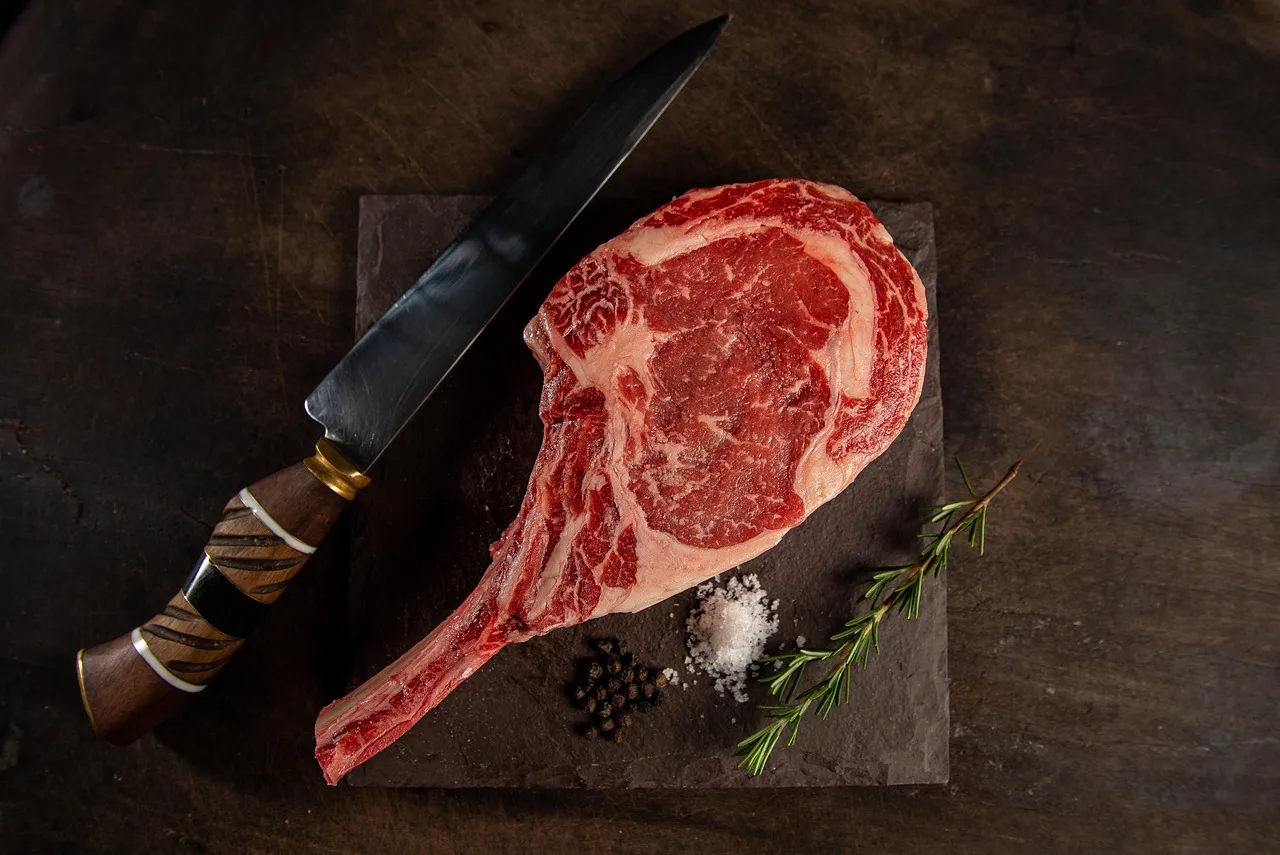
What applies to breakfast holds equally true for dinner service. The first dinner seating, often around 5:00 PM, is when prime rib is at its freshest and dessert stations still look like an edible art gallery. Carving stations in particular benefit from this logic: the roast has just come out, the cut is clean, and there hasn’t been a parade of guests pressing on the joint for two hours.
Resort chefs tend to prep the dinner buffet in timed batches specifically to ensure that quality holds across the service window. Arriving right at the dinner opening captures the best of that effort before the evening rush creates gaps in the replenishment cycle.
The Science Behind the Two-Hour Window

Food safety guidelines require hot buffet food to be kept at 140°F (60°C) or above and cold food at 40°F (4°C) or below, with perishable food left at room temperature considered safe for a maximum of two hours – and only one hour if the ambient temperature exceeds 90°F (32°C). This is not a casual suggestion; it is the formal standard that governs how hotels and resorts are required to manage their buffet lines.
One of the main food safety challenges at buffets is temperature control, because harmful bacteria multiply rapidly in what experts call the “danger zone,” a temperature range between 8°C and 63°C where food becomes an ideal breeding ground for microbes. This is precisely why arriving early in a service window, rather than late, is so important from both a quality and a safety standpoint.
How Professional Kitchens Actually Manage Replenishment
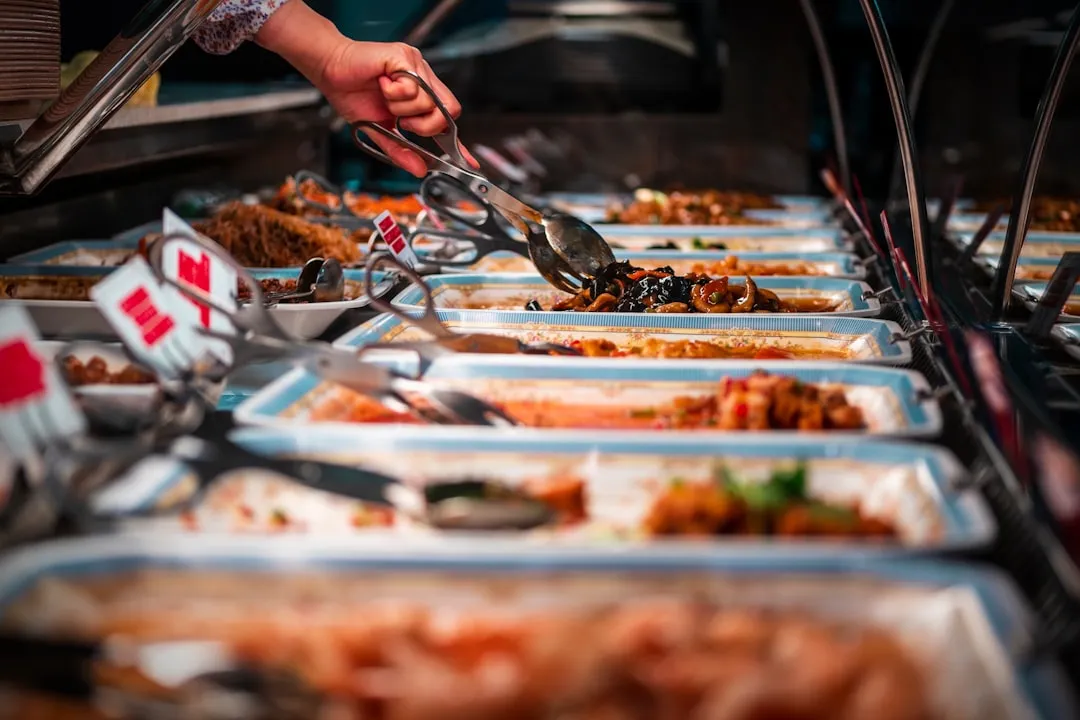
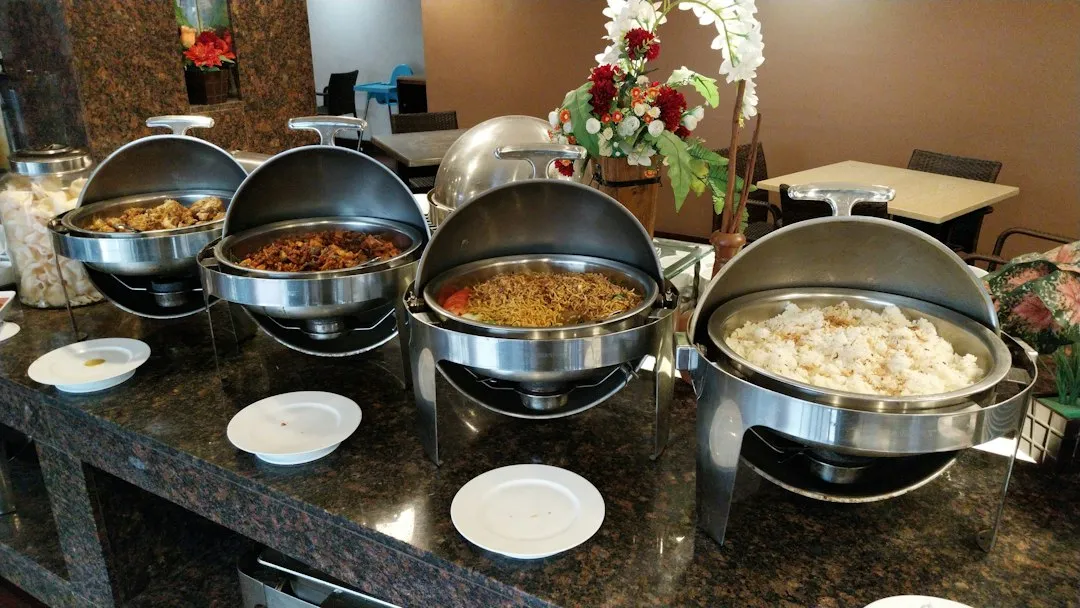
Best-practice buffet management involves preparing food in batches that rotate during service, rather than putting everything out at once. The approach calls for placing roughly one-third of the total quantity at a time, replacing each third with a fresh, temperature-correct batch as it runs low – so no single item sits on the buffet for the full service period. This is the method behind well-run resort kitchens, and it is what separates a genuinely fresh buffet from one that merely looks full.
Replacing rather than topping up dishes is critical, because mixing fresh food with food already on display risks leaving older items sitting out for dangerous lengths of time. Guests who arrive at the beginning of a replenishment cycle – which often happens at scheduled intervals throughout service – are effectively catching a fresh batch.
Why Made-to-Order Stations Are Your Best Friend
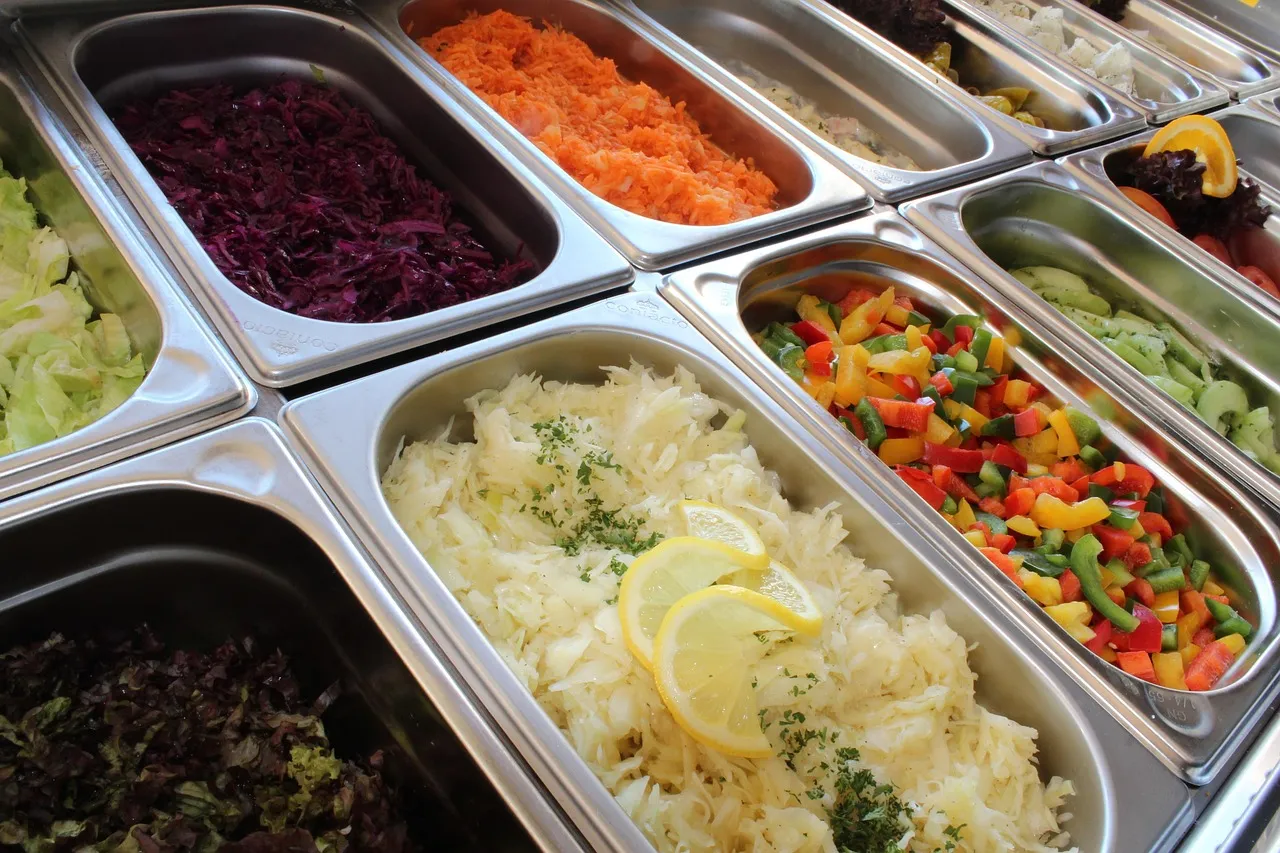
Made-to-order stations consistently offer the freshest food at any resort buffet, though they can attract lines during peak service hours. The logic is straightforward: food prepared directly for you, at that moment, has zero sitting time. It bypasses the entire question of how long a tray has been on the line.
What makes buffets with open kitchens stand out is that they function as a genuine dining experience, with many dishes prepared right in front of the guest. Stations like live omelette bars, wok stations, and carving tables are consistently the freshest points of contact in any resort buffet setup. If the line is long, it’s usually worth waiting.
Seafood: The Highest-Stakes Category
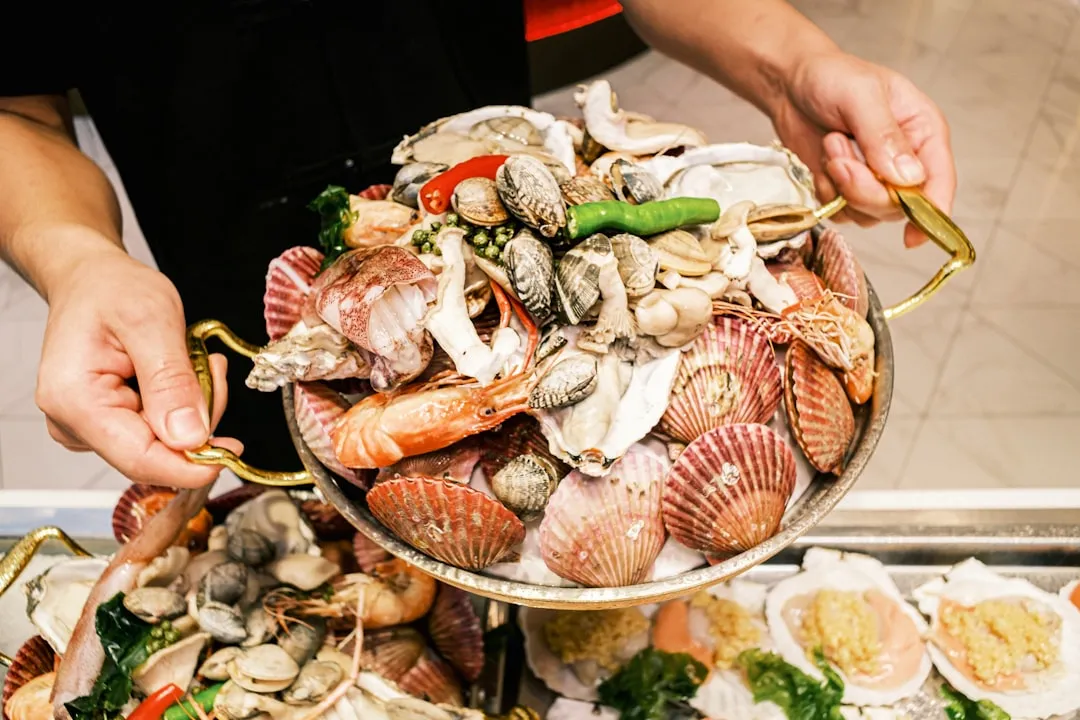
Seafood at a resort buffet rewards very specific timing. For special items like seafood or premium desserts, it pays to ask staff when they’re replenished, as these dishes are often brought out in limited quantities at set intervals. Showing up randomly and hoping for the best with crab legs or shrimp is not a winning approach.
At Resorts World Las Vegas, for instance, the Genting Palace Signature Seafood Buffet specifically runs its seafood service Wednesday through Sunday from 5:00 to 10:00 PM. Arriving at the opening of that window means the first rotation of seafood, which is the freshest it will be all evening. Chilled seafood in particular is temperature-sensitive, and early access matters.
Weekday Mornings Versus Weekend Rush

The day of the week turns out to matter as much as the hour. Guests looking for a smooth, uncrowded buffet experience are better served by visiting on a Tuesday or Wednesday morning, ideally right when the doors open. The kitchen staff-to-guest ratio is more favorable during weekdays, which typically means faster replenishment cycles and more attentive station management.
Weekend brunch is the most popular time at nearly every resort, which creates a genuine trade-off. The food may be excellent, but the high volume of guests accelerates how quickly trays are depleted and how long replenished batches sit waiting to be set out. Targeting the middle of the breakfast window on a weekday helps avoid the first-bell crowd while the kitchen is still actively managing replenishment.
What Smaller Portions on the Line Actually Signal
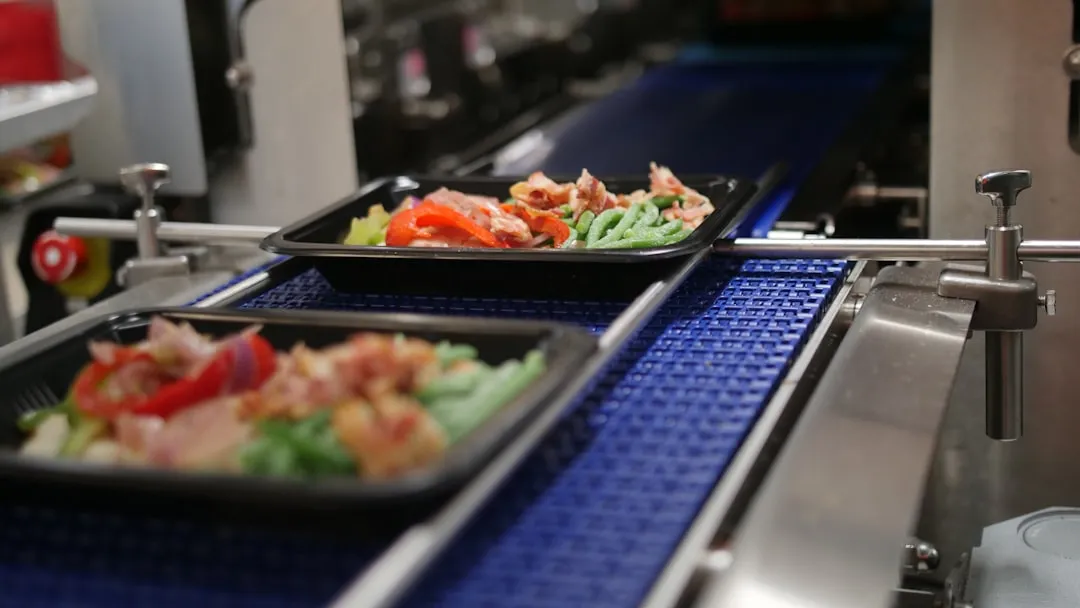
A counterintuitive clue that experienced resort diners learn to recognize: a nearly empty tray is sometimes a better sign than a completely full one. Well-run kitchens plan replenishment schedules and replace each batch as it runs low, meaning a tray that’s down to the last portion is often about to be swapped for a completely fresh one. Waiting a moment rather than grabbing the last scoop from a tray that’s been sitting for ninety minutes is almost always the better call.
Kitchen teams at well-managed resorts track how long each item has been on the line. Standard practice involves discarding hot food items that have been out for more than two hours and chilled items that have been out for more than four hours. Timing your arrival to coincide with a scheduled swap – which attentive floor staff can often tell you about if you ask – puts you in exactly the right place.
The Role of Seasonal and Small-Batch Cooking
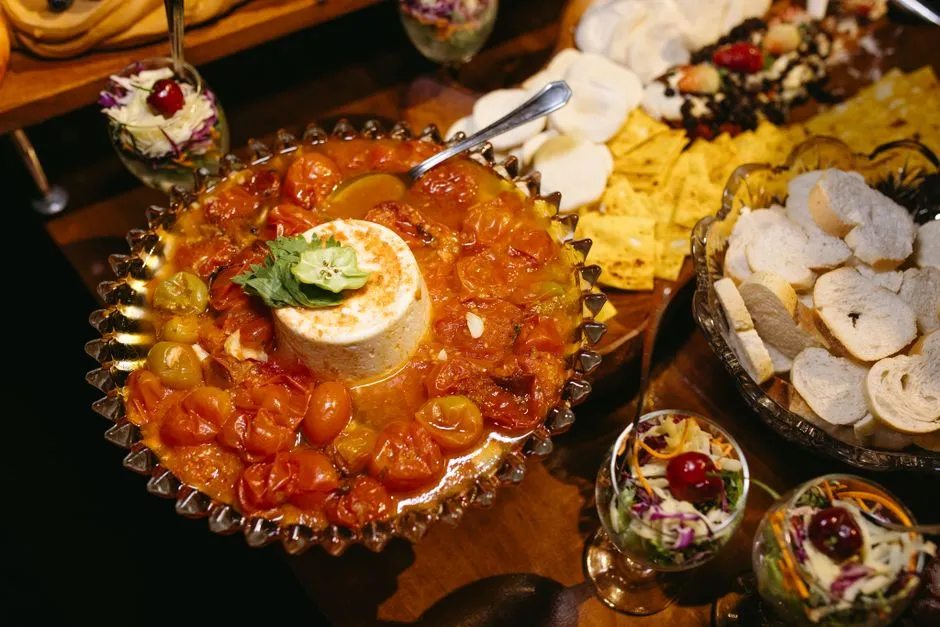
Some of the freshest resort buffets in the country have moved toward smaller, more curated menus built around seasonal sourcing. At Bacchanal Buffet, individually portioned salads are made with seasonal fruits and vegetables, and the kitchen runs fifteen daily chef’s specials that rotate by season. That approach means guests arriving at opening service encounter dishes built from ingredients that were selected for that specific day.
At Four Seasons Hualalai’s ULU restaurant in Hawaii, the breakfast buffet works from a carefully tailored menu that allows chefs to focus on making each dish to a high standard, rather than maximizing sheer variety. Tighter menus with fresher sourcing represent a broader direction the resort buffet industry has been moving in, particularly at the premium end of the market.
A Practical Summary: When to Arrive
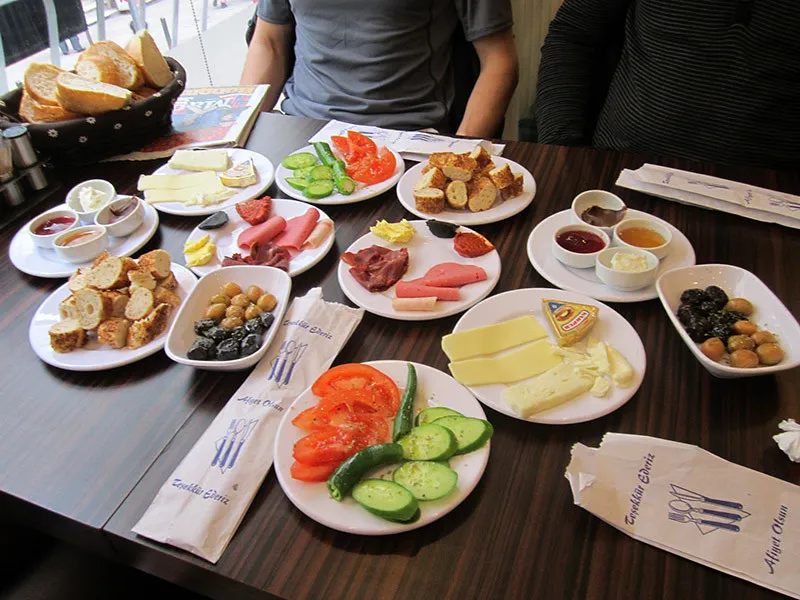
The evidence from food safety research, resort operations, and experienced guest guidance converges on a clear picture. For breakfast, the window between 7:00 AM and 8:00 AM at most resorts consistently offers the freshest setup of the day. For dinner, arriving at or within the first thirty minutes of service opening captures carving stations and seafood at their peak. For weekday visitors, mid-morning on a Tuesday or Wednesday – right at the buffet’s opening – combines freshness with a far more comfortable pace.
The practical test is simple: dishes should be steaming hot or visibly chilled, not lukewarm. That’s the clearest signal from any direction that the kitchen’s replenishment cycle is working in your favor. Everything else – the hour, the day, the station you choose – flows from that one basic principle.
The Takeaway
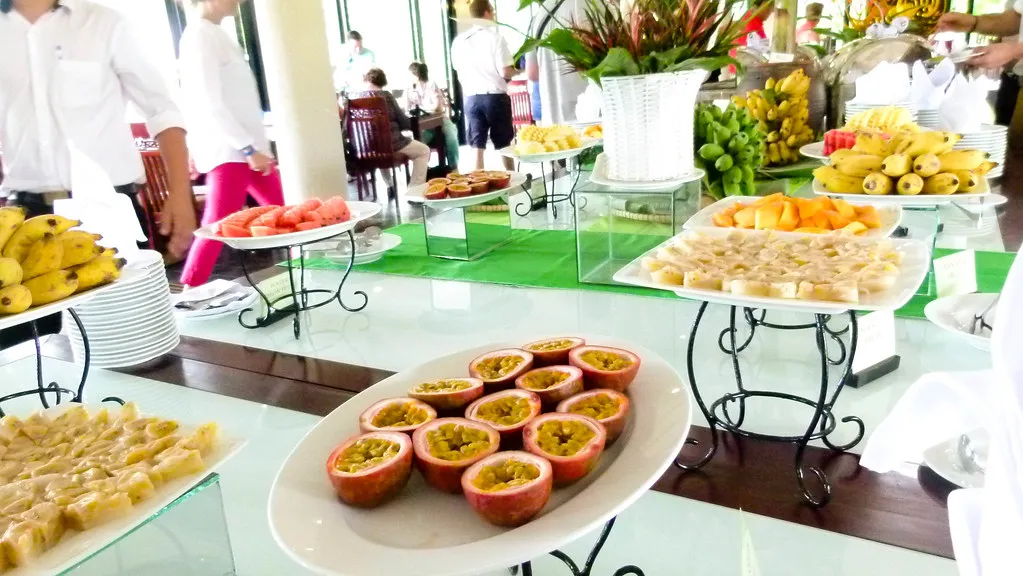
Resort buffets are not static spreads. They breathe in and out on scheduled replenishment rhythms, and knowing those rhythms is the simplest upgrade any guest can make to their dining experience. The chefs preparing those stations have generally done everything right on their end. The freshest moment of any buffet service is already built into the system. The only remaining variable is whether you’re there to meet it.
AI Disclaimer: This article was created with the assistance of AI tools and reviewed by a human editor.