


Understand Just How Uneven the Toll Landscape Really Is

The United States operates the world’s most diverse toll network, with costs varying significantly by region, payment method, vehicle type, and time of day. Thirty-eight states have tolled roads, with Florida leading in total miles, followed by Oklahoma, New York, and Pennsylvania. Twelve states remain toll-free entirely, including Arizona, Montana, Oregon, and Wyoming.
In some parts of the country, you can drive on a highway for hours without encountering a single toll. In other areas, there’s a toll every 12 minutes. That kind of variance makes casual guessing a poor strategy for budgeting.
Toll roads were built to ease congestion and support infrastructure without raising taxes, but these roads often come at a high cost for drivers. Rates can vary by distance, vehicle type, and time of day, and in some states those tolls can quickly add up for long-distance travelers.
Know That Rates Are Rising, Not Staying Still

Starting in January 2025, toll rates on roads in Ohio, Oklahoma, Pennsylvania, New Jersey, and New York rose anywhere from three to fifteen percent for passenger and commercial vehicles. That’s not a small adjustment. For a longer trip crossing multiple states, those increases compound quickly.
Oklahoma had one of the sharpest jumps, with the Oklahoma Turnpike Authority raising rates by fifteen percent in 2025, with a six percent increase approved for every two years starting in 2027. That fifteen percent jump covered twelve turnpikes and six hundred and thirty miles of toll roads, all getting more expensive in a single day.
The toll road industry’s market size reflects its essential function in maintaining infrastructure, and the sector saw a compound annual growth rate of nearly eight percent between 2019 and 2024, driven by increasing traffic volumes and the adoption of advanced tolling technologies. Rates are on a long upward trend, not a temporary one.
Pre-Price Your Route the Day Before You Leave

One habit beats most hacks: pre-pricing the route (tolls plus parking plus fuel) the day before departure, then locking a simple plan. It sounds almost too straightforward, but this single step eliminates the two moments that cause the most budget stress on any road trip.
Tolls are now “app math,” not memory. Use an official toll calculator or a reputable estimator before leaving, because toll-by-plate and express lanes can cost more than most drivers expect.
Planning ahead for toll fees during a road trip is genuinely important. Knowing which states your route passes through, and which sections carry tolls, prevents surprises. Unless penalty payments add up, toll costs usually form only a small part of the overall trip budget. Even so, they can surprise if you haven’t prepared for them.
Use a Dedicated Toll Calculator, Not Just a Standard GPS

None of the major mapping or GPS apps provide toll cost information, which makes it impossible to tell if a cheaper route exists that could save you money. Dedicated toll apps display these costs directly, and they often reveal that significant savings can be achieved by taking an alternate route that adds only a little extra driving time.
As a concrete example, driving from Philadelphia to Chicago costs around sixty-nine dollars in tolls at cash rates, but an alternative route can save nearly thirty dollars for a relatively minor detour in time.
Tools like the Tollsmart Toll Calculator can calculate toll costs across routes in the US, Canada, and Mexico and display alternate routes that can save money. Built into a map interface, it shows time, distance, and toll costs together, and also displays which transponders are accepted at each toll facility while alerting drivers to cashless-only sections.
Get a Transponder, and Choose the Right One

Transponder users save between twenty and fifty percent on tolls compared to cash rates. For regular interstate travel, this can add up to hundreds of dollars saved annually. It’s one of the clearest, most consistent money-saving moves available to road trippers.
E-ZPass works at over eight hundred toll facilities across nineteen states, with average savings of fifteen to fifty percent compared to cash tolls, and one transponder works in all participating states. The E-ZPass Interagency Group has grown from a small Northeast coalition into a network covering over forty agencies across twenty states.
Many existing toll facilities are converting to cashless tolling, which means if you don’t have a transponder, a photo will be taken of your license plate and you’ll receive a bill in the mail that frequently includes a service charge, making it end up more expensive than the transponder rate. Paying by plate is now the most expensive option on the road.
Understand That Your Transponder Doesn’t Grant Discounts Everywhere
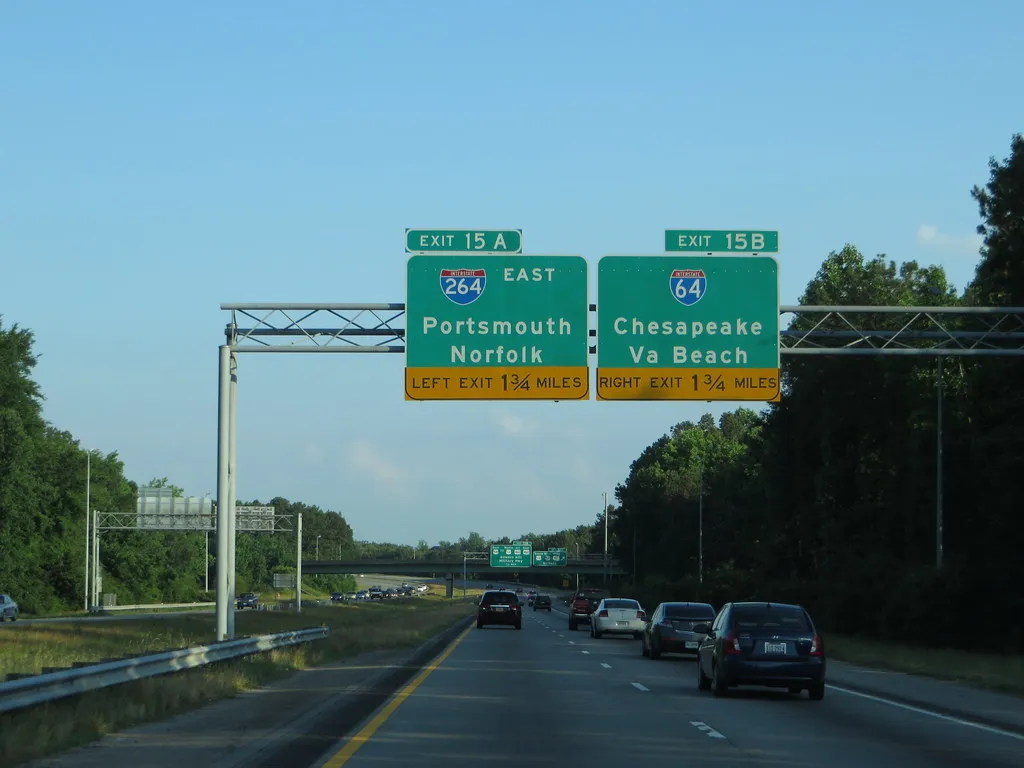
Establishing a transponder account can save a lot of money through discounts, but having one doesn’t mean you’ll automatically receive the discount everywhere you travel, even within the transponder’s own regional network. For example, a New York E-ZPass holder won’t receive discounts at toll facilities in Maryland, as those apply only to Maryland E-ZPass account holders. Conversely, Maryland holders won’t receive discounts on the New York State Thruway or through the tunnels and bridges entering New York City from New Jersey.
New Hampshire E-ZPass holders enjoy a thirty percent discount off cash rates, but other states’ transponders pay full cash rates at New Hampshire facilities, making a state-specific account worth considering if you’re spending significant time there.
Knowing these nuances before you go, rather than discovering them mid-trip, keeps your budget accurate and your mood intact.
Watch Out for Dynamic Pricing and Peak-Hour Surges
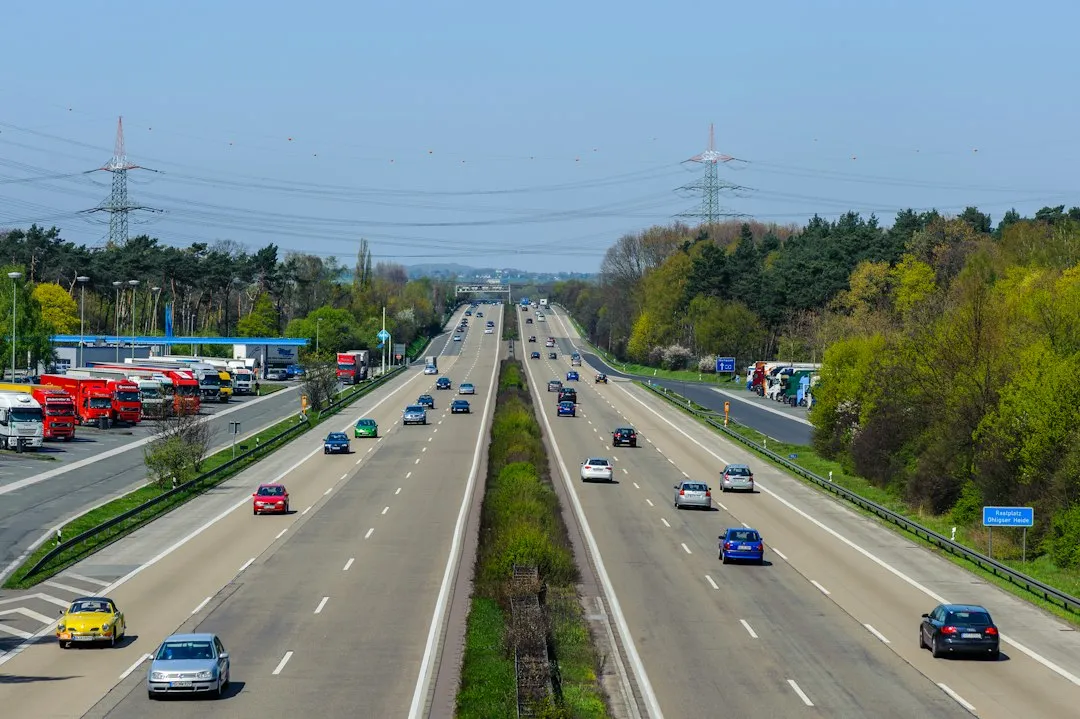
Prices on some roads range from fifty cents to more than eight dollars per vehicle, with dynamic pricing based on the time of day and segments traveled. A route that feels affordable at nine in the morning can cost significantly more during a Friday afternoon rush.
New York City’s congestion pricing system, which launched January 5, 2025, represents a groundbreaking milestone in American transportation policy, with peak charges of nine dollars for cars entering Manhattan below 60th Street. The system’s tiered pricing structure includes reduced overnight rates as low as two dollars and twenty-five cents.
On Virginia’s managed express lanes, HOV-3 vehicles travel for free during peak hours, while a solo driver on the same I-66 corridor can pay as much as twenty-five dollars for a single trip during peak congestion. Timing, vehicle occupancy, and lane choice all directly affect what you pay.
Check Your Transponder’s Mounting Position Before Every Major Corridor
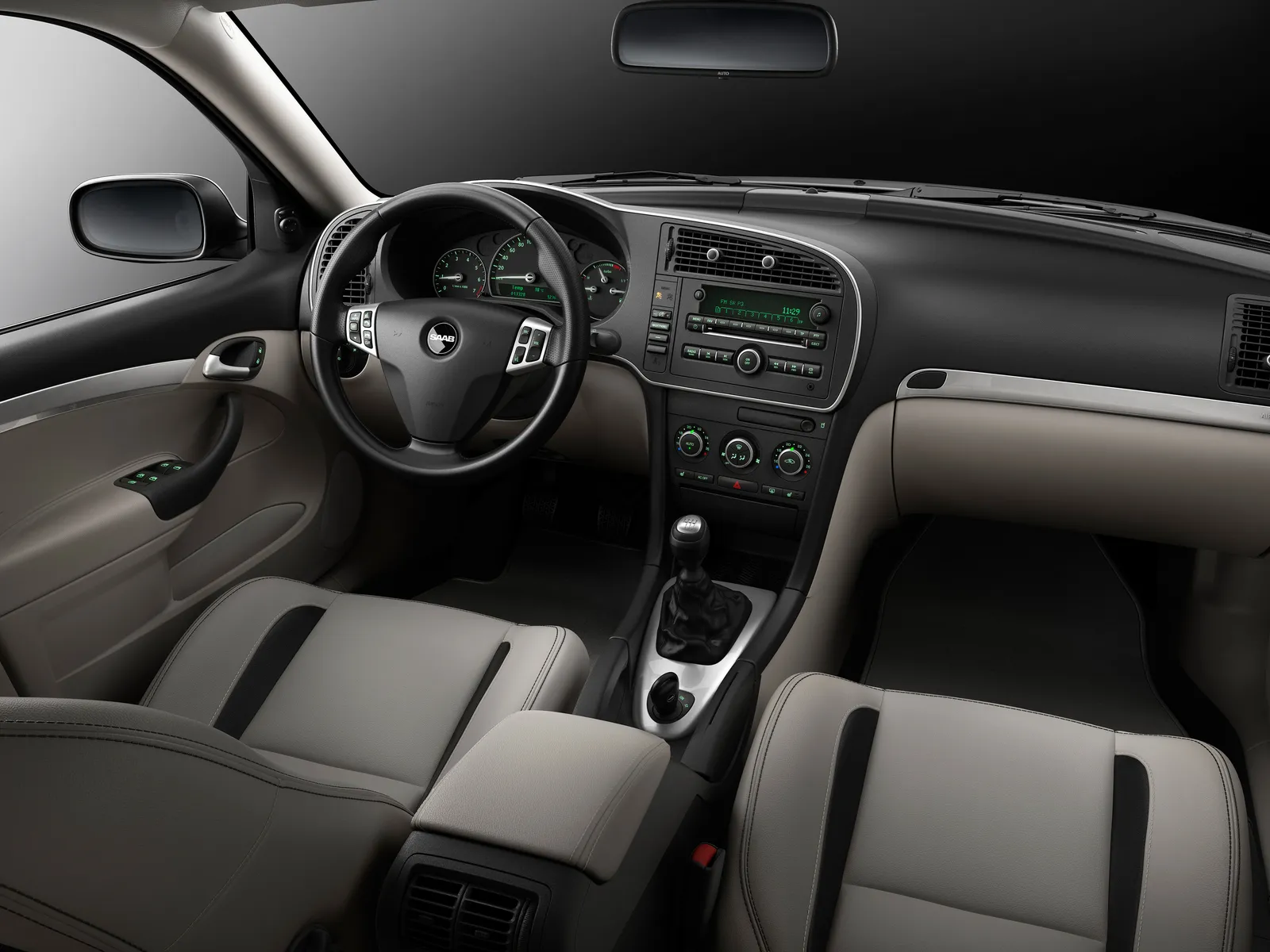
The Port Authority of New York and New Jersey introduced a third pricing tier in July 2025. This “Mid-Tier” rate applies when your tag is not properly mounted and the system has to read your license plate instead, meaning an improperly positioned transponder can cost you more money even when your account is active.
Always check your mounting position before entering busy toll corridors. If your trip takes you through Virginia or Maryland, this one step alone could save you a significant amount of money.
It takes about thirty seconds to verify the transponder is seated correctly on the windshield. It’s the kind of small thing that barely registers until it costs you. Check it every time.
Factor in Toll-by-Plate Fees and Rental Car Surcharges

Transponder users save twenty to fifty percent on tolls compared to cash rates across North America. Without transponders, you’ll pay premium “video toll” or “Tolls by Mail” rates with additional administrative fees on top. Those fees can easily double the base toll cost.
Rental car companies often charge administrative fees for toll processing, making the purchase of a temporary transponder cost-effective for longer trips. If you’re renting a vehicle for a multi-day journey through heavy toll states, it’s worth doing the math on a prepaid transponder option before accepting whatever the rental company’s toll package costs.
The bill-by-mail approach feels painless in the moment, but those tolls arrive weeks after the trip is over, and they tend to arrive with fees attached that nobody planned for.
Build a Simple Pre-Trip Toll Checklist Into Your Routine

The two moments that cause the most budget stress on any road trip are the surprise toll total and the surprise checkout total. Price the route once, confirm the hotel total once, and the weekend usually feels more affordable even if the destination is the same, because the uncertainty is gone.
A practical checklist takes less than fifteen minutes: map your route through a dedicated toll estimator, note which states you’ll cross, confirm whether your transponder is accepted and grants discounts in each state, and check for any dynamic pricing windows that fall during your planned driving hours.
Sites like TollGuru allow you to estimate tolls based on your specific route so there are no surprises. Pair that with a quick transponder balance check the night before, and you’ve done everything reasonable to protect your budget.
The Takeaway

Toll costs won’t derail a well-planned road trip. What tends to derail trips is the false assumption that tolls are small, predictable, and uniform. They’re none of those things right now, especially with rates still rising across multiple states through the latter half of this decade.
The habit itself is simple. Look up the real toll cost of your exact route before you leave, use the right transponder, and understand where that transponder actually saves you money versus where it simply processes the payment. None of this requires deep expertise. It just requires doing it once, consistently, before every trip.
That one pre-departure habit is the difference between a road trip where tolls feel like a quiet, expected part of the budget and one where they become a small but persistent source of frustration. The road is better when the numbers don’t surprise you.
AI Disclaimer: This article was created with the assistance of AI tools and reviewed by a human editor.