

Finland: Where the Cold Plunge Was Never Optional
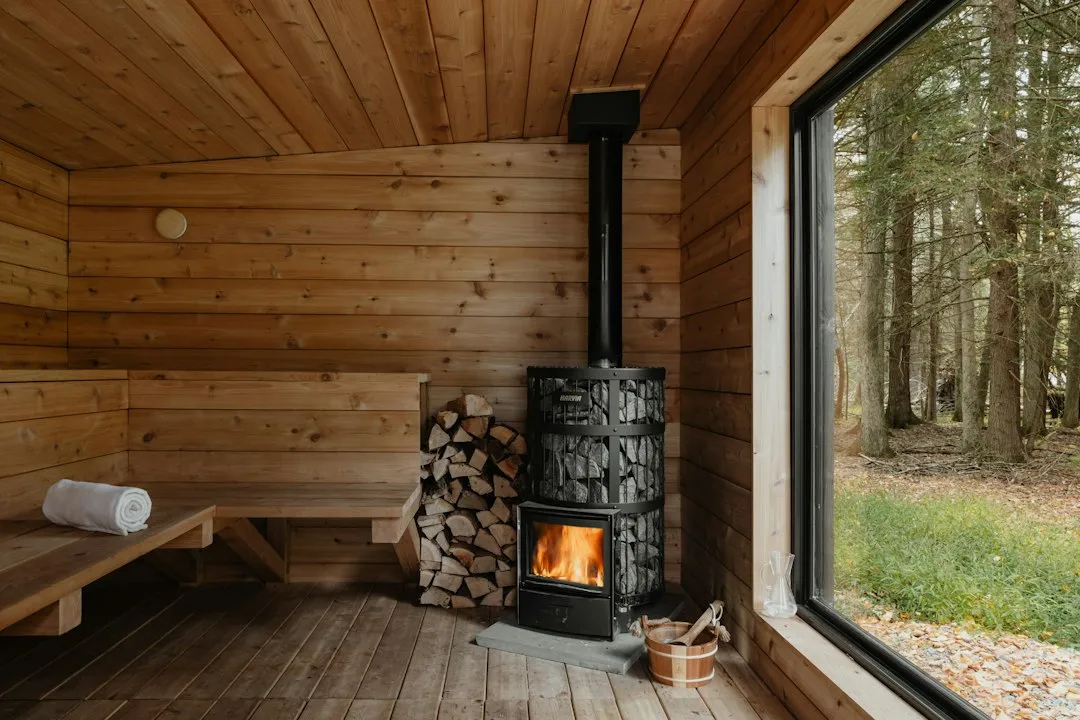
The roots of the Finnish sauna trace back over 10,000 years. That’s not a wellness trend. That’s a civilization’s relationship with water, heat, and the land. Finland’s sauna culture is more than a tradition; it’s a way of life, with over 3.3 million saunas in a country of 5.5 million people.
The ritual of cold water immersion is an integral part of the Finnish sauna experience. After luxuriating in the intense heat of the sauna, individuals step out and take the plunge into ice-cold water, often in natural bodies of water or specially designed plunge pools – this abrupt transition from extreme heat to frigid cold creates a symphony of sensations that resonates throughout the body.
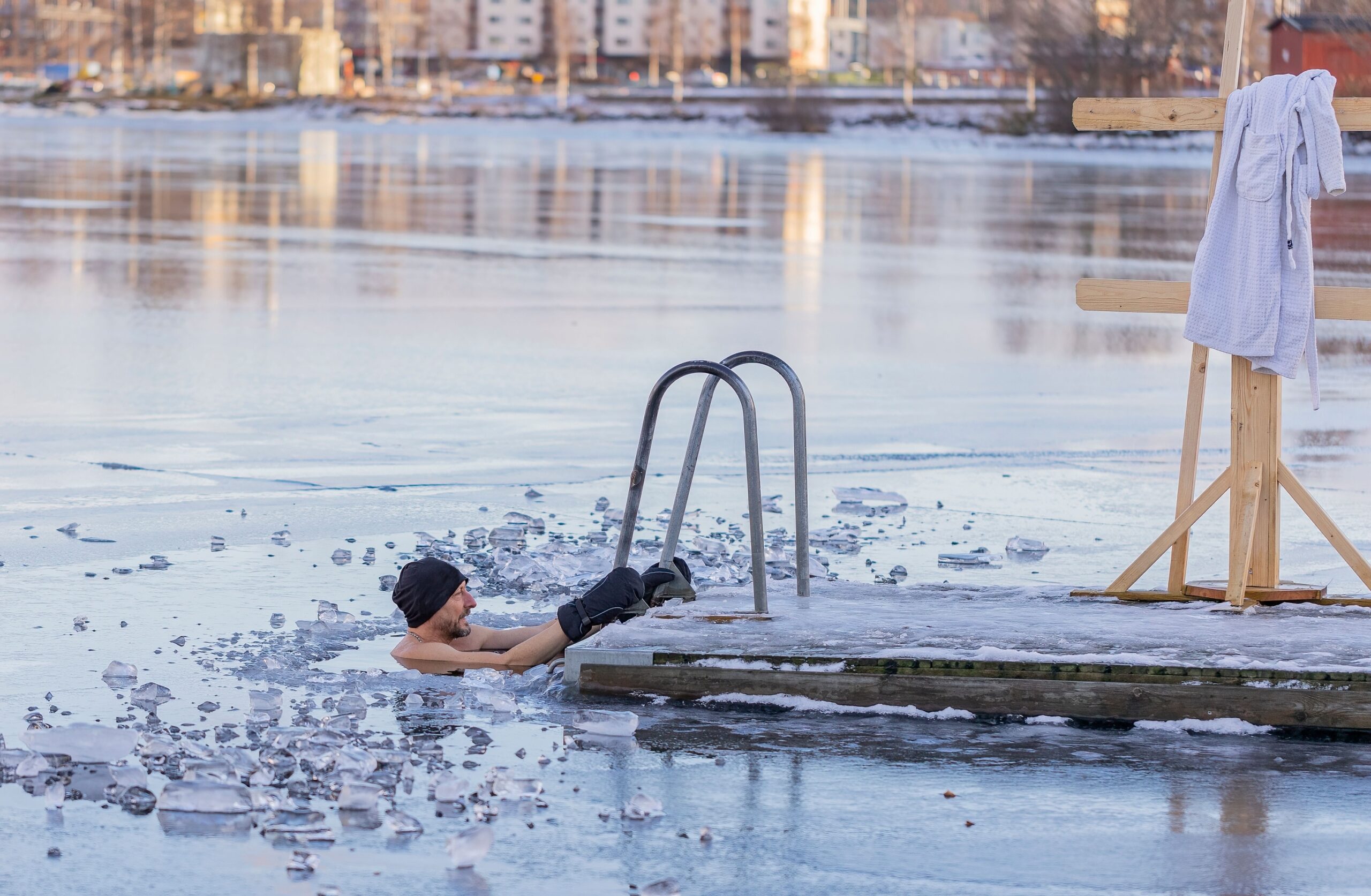
The hot-then-cold cycle – the ice plunge, the snow roll – is original to the tradition, not a modern trend. Finnish sauna culture runs so deep that UNESCO recognized it in 2020. There’s a specific Finnish word, “avanto,” for the hole cut into a frozen lake for winter plunging. That’s the Finnish word for the hole cut into the frozen lake to dip in after the sauna, a tradition hundreds of years old.
Russia: The Banya and a Deeper Kind of Cold
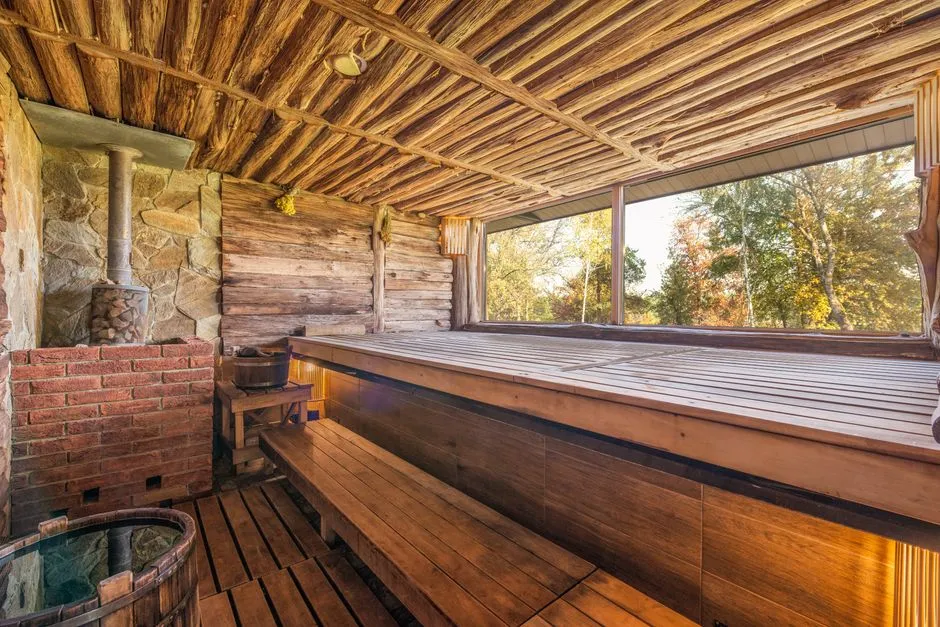
In Russian culture, the banya, a traditional bathhouse, plays a central role in communal rituals and social gatherings. The banya experience involves alternating between intense heat and cold water immersion to preserve the body’s core temperature. It has never been framed as a biohack. It’s simply part of being Russian.
Pouring cold water on children and adults in the middle of winter was known as “tempering,” a part of a long Russian tradition of deliberate cold exposure. It is an exercise in humility: in a harsh climate, you cannot avoid the cold, so you might as well embrace it. The Russian epic “Tales of Bygone Years” describes citizens of Novgorod pouring buckets of cold water on themselves after the banya.
Beyond the banya, cold-water bathing in Russia holds a spiritual significance. Epiphany, a major religious holiday, sees thousands of Orthodox Christians partaking in a ritual known as the “Blessing of the Waters,” which involves plunging into icy rivers or lakes to commemorate the baptism of Jesus Christ. The banya remains deeply embedded in Russian social fabric, serving as a gathering place for friends, business associates, and family members, with sessions extending for hours with breaks for tea, conversation, light meals, and rest – creating intimate social bonding through shared vulnerability and physical challenge.
Japan: Cold Water as Spiritual Passage
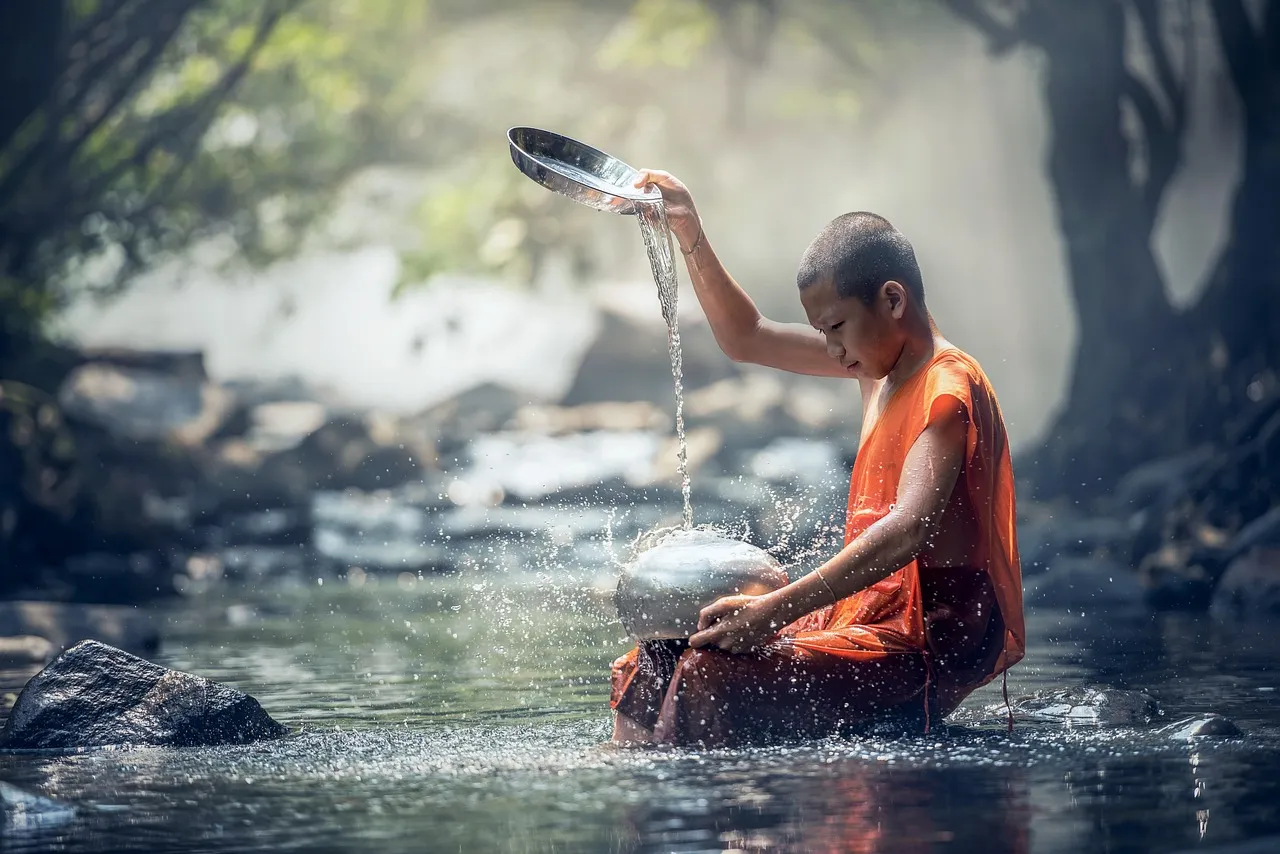
Misogi is an ancient Shinto ritual of purification practiced in Japan, involving the immersion of the body in naturally flowing cold water – such as rivers, seas, or waterfalls – to cleanse physical and spiritual impurities known as tsumi and restore harmony with the kami, or divine spirits. Rooted in Shinto’s emphasis on purity and renewal, the practice dates back to mythological origins described in texts like the Nihon Shoki and Kojiki.
Historically, misogi evolved as a core element of Shinto asceticism, particularly among mountain ascetics known as yamabushi, who sought spiritual enlightenment through endurance of natural elements, and it remains a vital preparatory rite before major shrine ceremonies or personal spiritual quests. One form of asceticism in Japan is to stand under a waterfall, deadly cold in winter, while reciting prayer. Another is to immerse oneself in the sea or a river.
Cold plunging also appears in Japanese hot spring culture, known as onsen. After relaxing in the warm onsen pools, bathers sometimes take a brief, invigorating dip in cold plunge pools as a way to revitalize the body. Misogi is also practiced as a formal purification ritual at locations such as Shirayama-Hime Shrine, near Kanazawa, capital of Ishikawa Prefecture. Japan’s cold water tradition operates across two very different registers, one sacred and demanding, the other social and restorative.
South Korea: The Jjimjilbang and the Art of Contrast
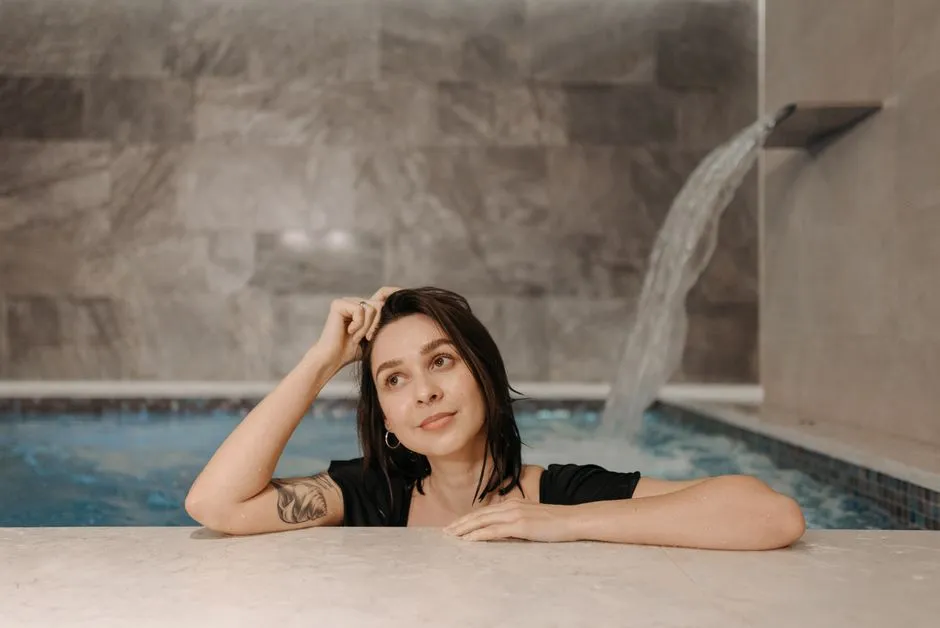
In South Korea, the jjimjilbang (traditional Korean spa) is a popular destination for cold plunging. These spas often feature a variety of saunas, hot tubs, and cold plunge pools designed to help guests relax, detoxify, and rejuvenate. After spending time in the sauna, many visitors choose to immerse themselves in ice-cold water, which is said to help refresh the body and improve circulation.
Jjimjilbangs transcend the conventional hot bath and spa experience. Here, wellness isn’t just about relaxation; it’s a cultural journey deeply rooted in the practices of traditional Korean bathhouses. The juxtaposition of heat and cold embodies the art of balance, a principle deeply ingrained in Korean culture.
Korean cold plunging is viewed as a therapeutic practice, often used to enhance skin health, alleviate soreness, and increase energy levels. Many spas also include cold rooms with ice sculptures, creating a unique and immersive experience for those who want a taste of winter no matter the season. The tradition of cold therapy isn’t confined to jjimjilbangs alone. Health clubs and even public swimming pools in Korea incorporate cold plunge pools as part of their offerings, underscoring the cultural permeation of cold therapy practices across various recreational facilities.
The Netherlands: Leaping Into the New Year
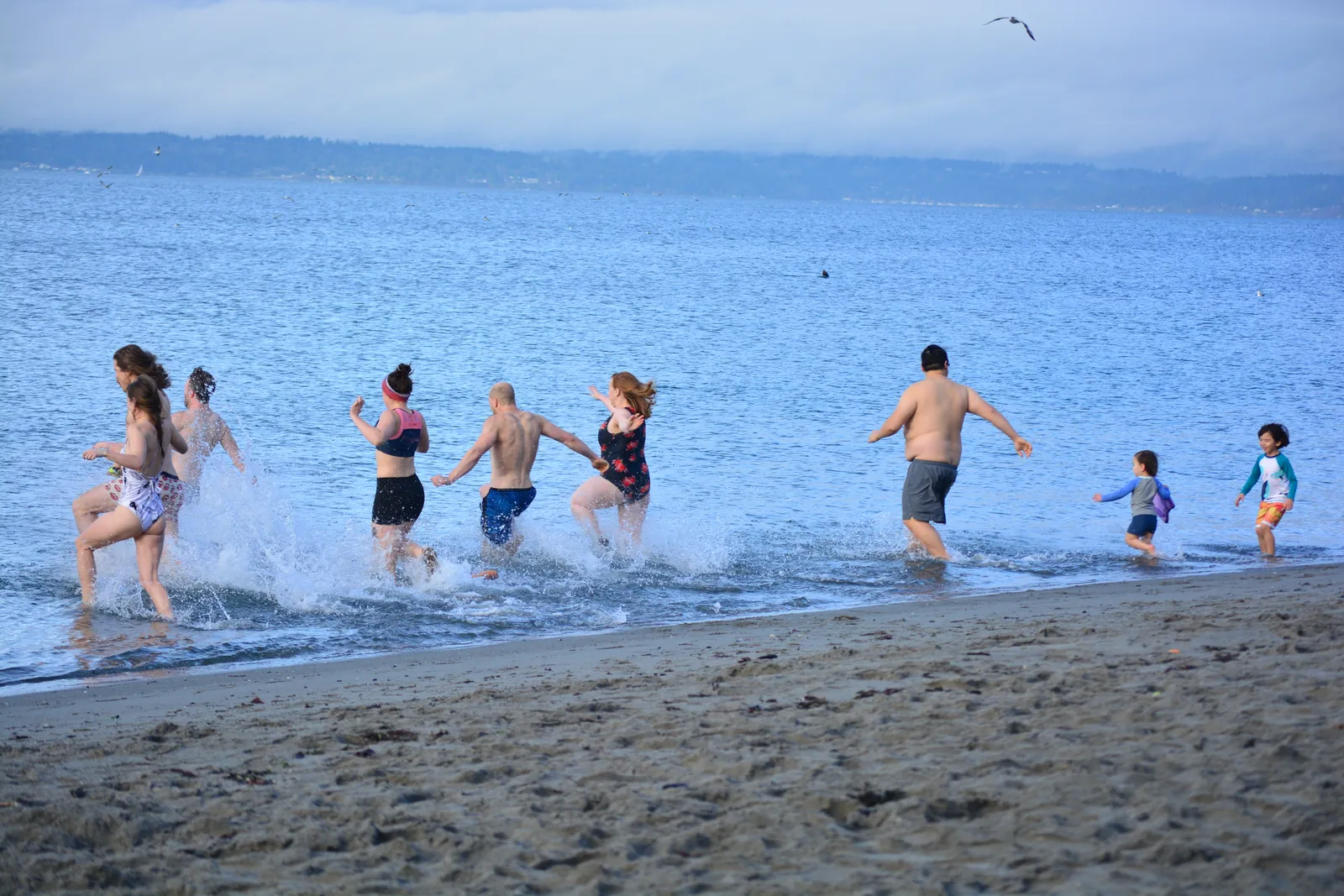
The Nieuwjaarsduik, or New Year’s Dive, is the yearly Dutch tradition of running into the freezing winter waters to celebrate the beginning of a new year. The biggest event happens at Scheveningen, but people take dips all over the country. It’s communal, boisterous, and entirely characteristic of Dutch directness.
In the Netherlands, the first Nieuwjaarsduik was organized in 1960 in Zandvoort. Five years later, the first one was organized in Scheveningen with only seven swimmers. Those seven became a movement. Today, some 10,000 people make their way towards the icy waters at Scheveningen and other popular beaches in the Netherlands to take part in the annual event, with participants gathering by the pier at exactly 12pm for the official start.
This tradition has a long history in the Netherlands and is often celebrated as a symbol of a new beginning and mental refreshment. What began as a small, slightly eccentric act of collective courage has grown into one of the most recognizable cold-water events in the world. The orange hats, the North Sea waves, and the crowd counting down together make it something worth witnessing in person.
What the Cold Has Always Known
Various cultures around the world incorporate their own variations of cold therapy. Each culture’s approach is influenced by its unique history, climate, and customs, resulting in diverse practices that all share the common goal of enhancing human health and well-being.
Modern winter swimming clubs and banya rituals keep the alternation alive for community bonding and perceived resilience benefits. These accounts are consistent in Nordic heritage and brand narratives, with outcomes often reported as mood elevation and vigor. Science is now catching up to what these cultures practiced out of intuition, necessity, and faith. Scientific research has unveiled a myriad of health benefits associated with cold water immersion. The practice has been found to boost immune system function, improve blood circulation, and enhance cardiovascular health. Moreover, the release of endorphins during cold water immersion promotes mental well-being, reducing stress and anxiety.
These five countries remind us that wisdom about the body doesn’t always begin in a laboratory. Sometimes it begins at the edge of a frozen lake, in a steam-filled room, or on a windswept North Sea beach in January. The cold was never the enemy. It was the teacher.
AI Disclaimer: This article was created with the assistance of AI tools and reviewed by a human editor.