

What Express Checkout Actually Means
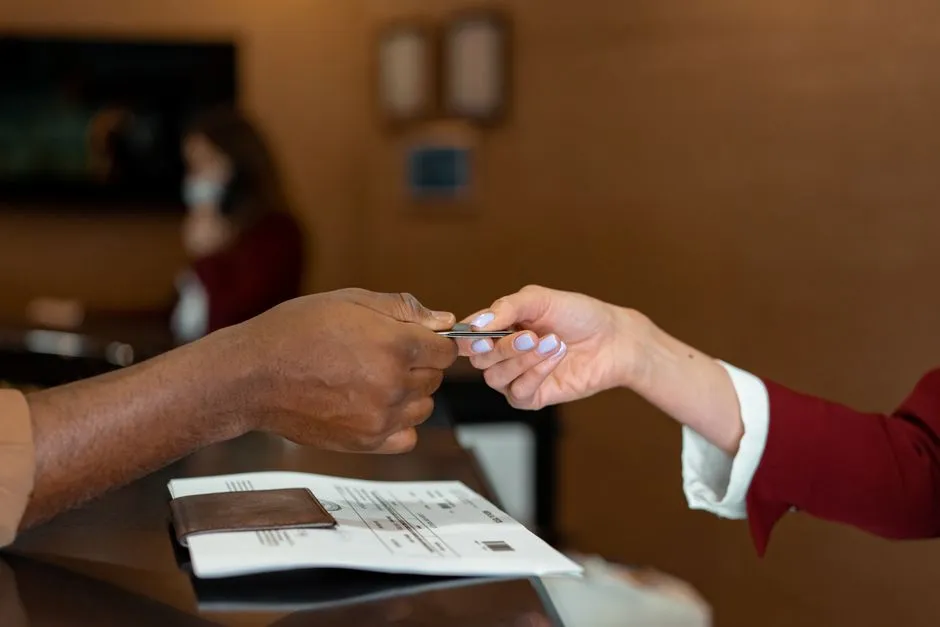
Express checkout is a hotel workflow that lets guests depart without visiting the front desk by automatically finalizing the folio and charging their pre-authorized card. The physical key drop is only one part of the process, but it is often the final step that frees you to walk out the door.
Express checkout is a quick and easy way for guests to check out of their rooms without speaking to staff or waiting for a final bill, and the process can be completed via a kiosk in the hotel, through a hotel express checkout mobile app, or on the hotel website. Understanding which option your hotel offers is the starting point for the whole habit.
Why the Front Desk Line Is a Bigger Problem Than You Think

Research shows that for guests from the United States, exceeding the “breaking point” of a five-minute wait results in a 47 percent decrease in guest satisfaction. That’s a dramatic drop for something as avoidable as a lobby queue.
J.D. Power reported a drop in overall guest satisfaction in 2024, from 655 to 647 on a 1,000-point scale, and pressure is rising on both sides: guests expect smooth, fast service, while roughly two thirds of hotels are still understaffed. The math simply doesn’t work in the guest’s favor during peak checkout hours.
A five-minute wait at check-in or checkout used to be considered normal, but now it can show up in a negative review before the guest even gets to their room. The tolerance threshold has shifted, and hotels are still catching up.
The Key Drop Box: A Simple Habit Worth Building
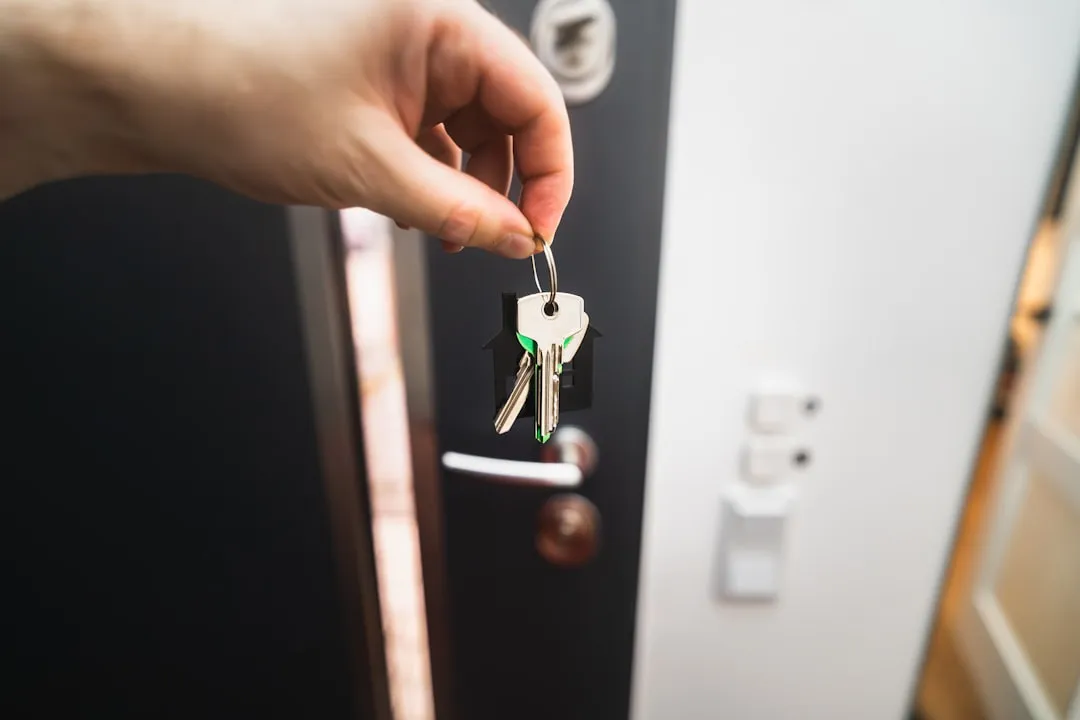
Guests indicate they are ready to check out, agree to have any expenses charged to their registered payment method, and then simply drop off their keys at the designated area, unless the hotel also offers a keyless experience. The whole action takes less than ten seconds.
If the self-checkout is done via a kiosk in reception, it could be as simple as depositing the key into a slot in the kiosk. Many hotels place these drop boxes near the lobby exit, which means you don’t even need to navigate back to the front desk area at all.
Prepare the Night Before: The Step Most Guests Skip
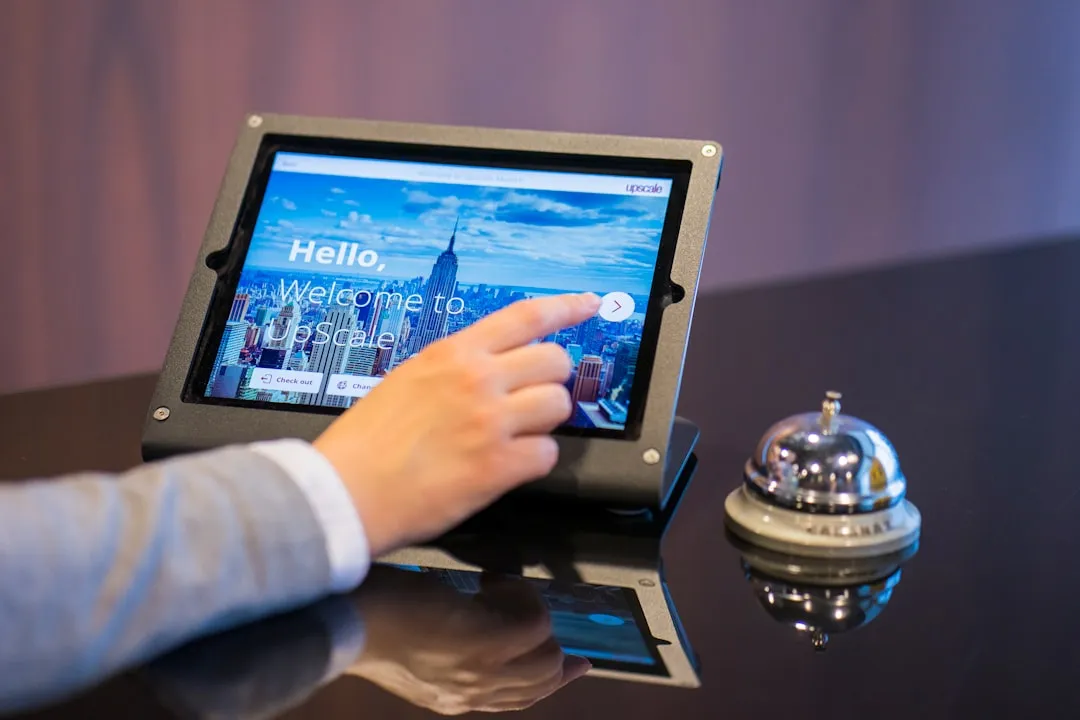
The key drop habit only works smoothly if you’ve settled your account before departure day. Most hotels allow guests to review their folio through the hotel app or a TV interface the evening before checkout. Catching any discrepancies then, rather than at the front desk at 7 a.m., is what makes the morning drop genuinely frictionless.
Research from Deloitte shows that a “frictionless” journey remains a top priority for modern travelers, and when a hotel removes small frustrations throughout the stay, the guest experience feels better managed and more professional. Reviewing charges the night before is the guest-side version of that same principle.
Mobile Keys and Digital Checkout: The Next Layer
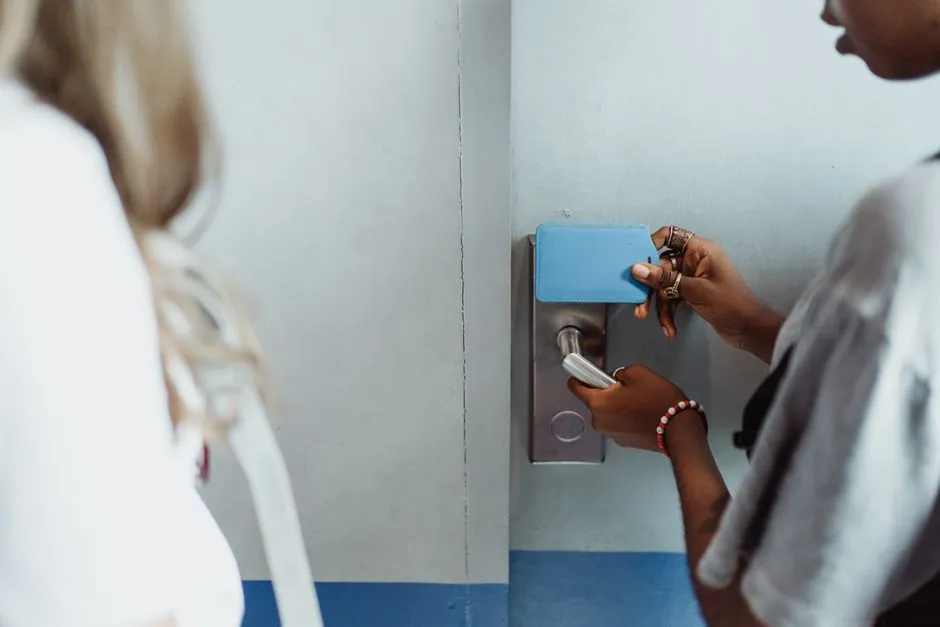
According to an Oracle and Skift survey, both guests and hotels agreed that contactless is a dominant priority, with more than 60 percent of hospitality executives worldwide saying that a fully contactless experience for all basic hotel transactions, including check-in and checkout, would be the most widely adopted feature in the industry.
Guests can use their smartphones as digital room keys via the hotel’s app and in their Apple Wallet or Google Wallet, bypassing the front desk and minimizing wait times. In this case, there’s no physical key to drop at all, and checkout is triggered digitally. Still, understanding how your specific hotel handles digital departure is essential before you assume you’re free to simply walk out.
As of early 2026, over 5.6 billion people globally own smartphones, and more than 90 percent of flagship devices sold in 2024 and 2025 support NFC protocols, enabling them to serve as digital room keys without requiring any additional hardware on the guest side. The infrastructure is essentially already in your pocket.
What Hotels Are Reporting on Efficiency Gains
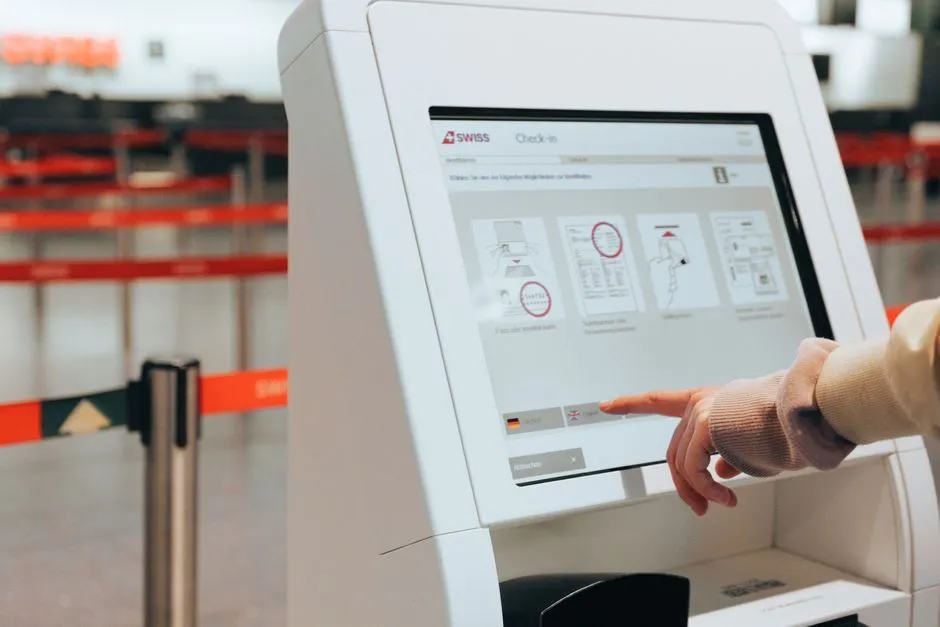
Front desk processing time drops dramatically with digital systems, from roughly 8 to 12 minutes for traditional check-in to under 3 minutes for verification-only guests. The same gains apply to checkout, particularly during high-volume morning departure windows.
During peak hours, hotels reduce front desk staff costs by roughly 25 to 30 percent through digital processes, allowing teams to focus on high-value guest interactions. For guests, this translates to shorter lines even for those who do need to stop at the desk for something specific.
Guest Demand Is Driving the Shift
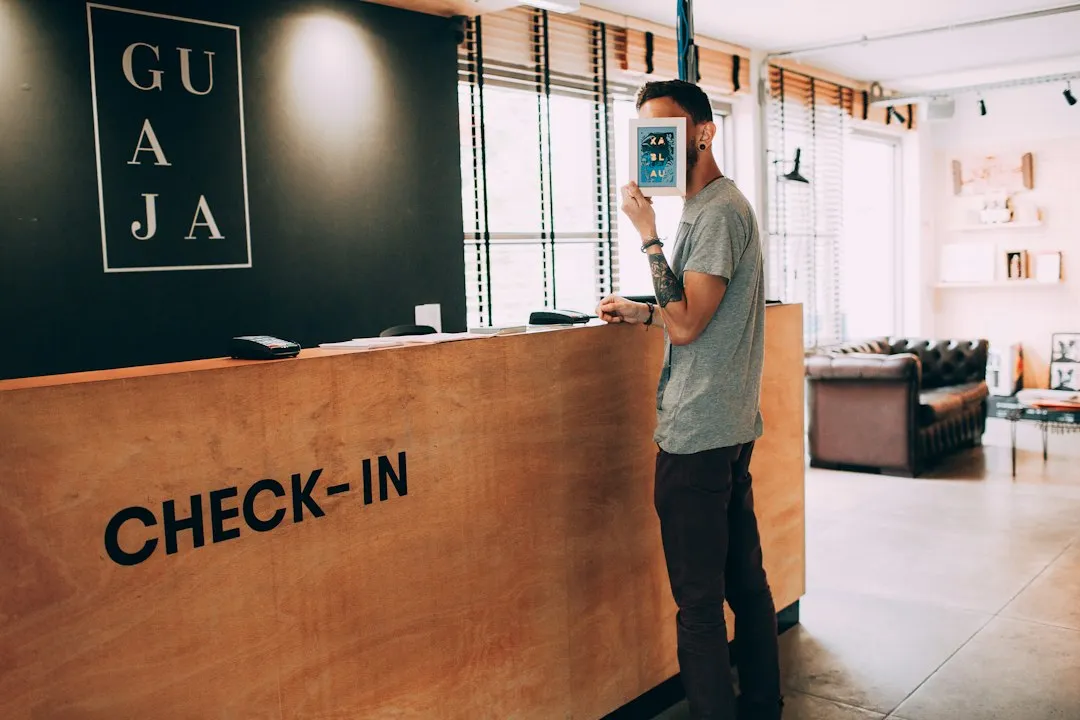
According to Oracle’s 2024 Hospitality Technology Report, nearly three quarters of guests actively prefer hotels that offer mobile check-in services. It’s a preference that extends just as logically to checkout.
A study conducted by the Opinion Research Corporation found that 76 percent of people said being able to check in ahead of time would minimize potential frustration, and 41 percent indicated they would be more likely to select a hotel that offers the convenience of advanced check-in via web or mobile device over one that does not. Checkout convenience is increasingly part of the same calculation when travelers choose where to book.
A survey conducted across nine global markets revealed that more than half of travelers would like to see contactless check-in and checkout permanently adopted. The appetite is clearly there, and properties that haven’t yet responded are leaving guest satisfaction points on the table.
Business Travelers Have the Most to Gain
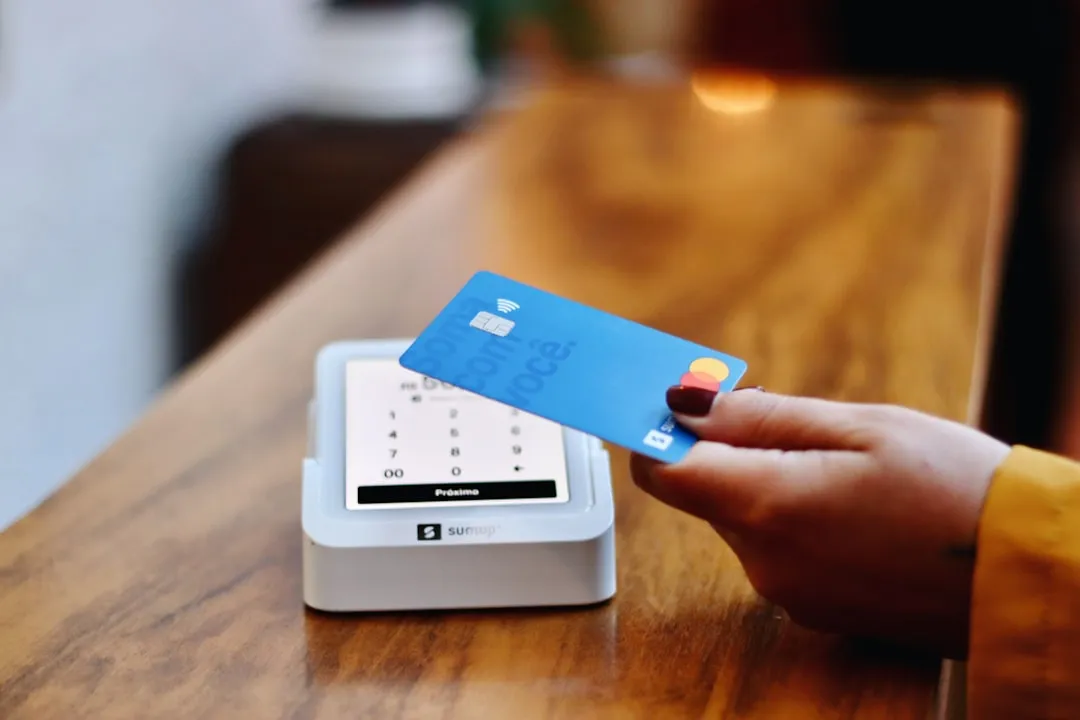
Corporate clients increasingly mandate contactless check-in capability in hotel programs not only for convenience and time efficiency but also for expense management integration, where digital receipt generation at checkout is facilitated by the same data infrastructure that powers the contactless arrival process. For frequent business travelers, this turns a small habit into a genuine workflow advantage.
Express checkout eliminates frustration from slow checkout processes or waiting for reception staff, and for those in a hurry to attend meetings or catch trains, waiting can be a significant inconvenience. Dropping the key and walking out with a digital receipt already in your inbox is a different experience entirely from queuing at 6 a.m. for a printed bill.
What to Check Before You Assume It’s Available

Not every hotel operates the same express checkout system, and the variation matters. Some properties require you to opt in via the hotel app the evening before. Others enroll guests automatically at check-in if a card is on file. A quick question at arrival, or a scan of any welcome card in your room, takes thirty seconds and saves you potential confusion at departure.
Self-check-in kiosks and key drop systems are a key tool for reducing front desk workload, allowing staff to focus on high-touch guest services and improving overall operational efficiency. When the system is set up properly, it works well for everyone, but only if the guest knows where the drop box is located. Ask at check-in if you don’t see it clearly marked near the exit.
The Satisfaction Numbers Tell a Clear Story

Hotels that have fully deployed mobile check-in with digital room keys report average Net Promoter Scores up to 18 points higher than properties relying on traditional front-desk processes. That’s a meaningful gap, and it reflects how strongly guests feel about departure friction.
According to Oracle’s 2024 Hospitality Technology Report, nearly three quarters of guests actively prefer hotels that offer mobile check-in services, and hotels with mobile check-in see roughly 23 percent higher guest satisfaction rates compared to those with traditional check-in only. Checkout is part of that same satisfaction arc, not a separate experience.
The Takeaway
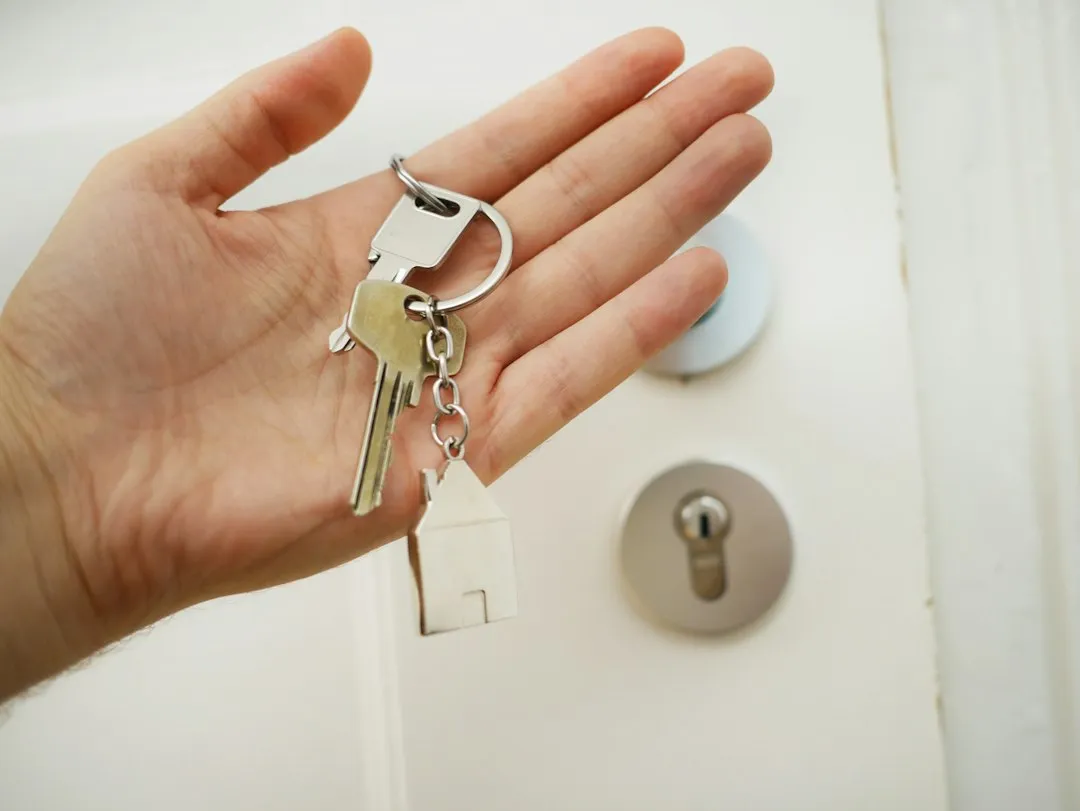
The key drop box isn’t a novelty feature. It’s an underused tool that, paired with a bit of evening preparation and a confirmed payment method on file, makes a genuine difference to how a travel day begins. No queue, no paperwork, no unnecessary conversation at 6 a.m. Just a ten-second drop and you’re on your way.
The best travel habits are usually the quiet ones. This is one of them. Research from Deloitte consistently shows that a “frictionless” journey remains a top priority for modern travelers, and the key drop habit is perhaps the most accessible way a guest can create that frictionlessness for themselves, regardless of what technology the hotel has invested in.
AI Disclaimer: This article was created with the assistance of AI tools and reviewed by a human editor.