

Why the DNA-to-Destination Pipeline Is Real Now

For a long time, genealogy and travel lived in separate worlds. You either researched your family tree at a kitchen table or you booked a holiday abroad. The bridge between the two has only recently become practical for everyday travelers.
The combination of affordable DNA testing and digitized historical records transformed occasional family history research into dedicated travel experiences. Major platforms like Ancestry, MyHeritage, and 23andMe now partner directly with tour operators, creating seamless pathways from test results to curated heritage journeys.
According to Condé Nast Traveler, ancestry travel is among the leading travel trends for 2026, reflecting a growing desire among travelers to seek deeper, more personal experiences. That’s a meaningful shift from curiosity to commitment.
Reading Your Results Like a Map

Whether or not you already know which world regions your family came from, the results from a DNA test can help you focus your travel plans. Your results highlight ancestral origins that can go back over one thousand years, and test-takers can also discover places where their ancestors may have lived in the last two hundred years.
These DNA-related ancestral journeys can be very specific and show precise locations within a country. You could find a new connection to the Caribbean, or you could confirm deep ties to Italian ancestral origins and the regions of Campania and Molise in Southern Italy.
The key is not to treat the percentages as a destination checklist. Instead, look for regions with the highest concentration, cross-reference them with any family names you already know, and let the combination of biology and family memory guide you toward somewhere genuinely meaningful.
The Second Step Most Travelers Skip: Cross-Referencing Records

Once your DNA results have narrowed geographic regions, the next move is to search national and regional archives’ online catalogs before you travel. This step transforms a vague ethnic percentage into a specific village, parish, or surname cluster.
Independent travelers armed with DNA results and online research often create their own itineraries using platforms like FindAGrave and local archive websites. These self-directed journeys appeal to experienced researchers comfortable navigating foreign record systems and language barriers.
Reaching out to archives, parishes, or municipal offices to confirm access rules is essential, as many require appointments or local identification. Hiring a local genealogist can also save significant time where language barriers or complex archives could slow you down.
The Countries That Are Actively Welcoming You Back

As of 2024 to 2025, reputable travel outlets and tour operators report growing demand for ancestry-focused journeys, and several countries are now developing programs or services specifically to welcome return visitors. DNA testing and renewed interest in family stories have helped turn heritage travel into a practical reason to book a trip, with many people who once stopped at an online family tree now wanting to stand where their grandparents stood.
With more than eighty million people of Italian descent scattered across the globe, Italy is among the most sought-after destinations for roots travel. To meet this demand, the Italian government launched ITALEA, a project offering guided tours of places of origin, support with genealogical research, and experiential itineraries through Italy’s smaller municipalities.
In Scotland, at least forty million travelers from across the globe have visited to lay claim to Scottish ancestry, according to Visit Scotland, the country’s official tourism site. Ireland, Poland, and several West African nations are developing similar infrastructure for diaspora visitors.
The Emotional Pull That Makes This Travel Different
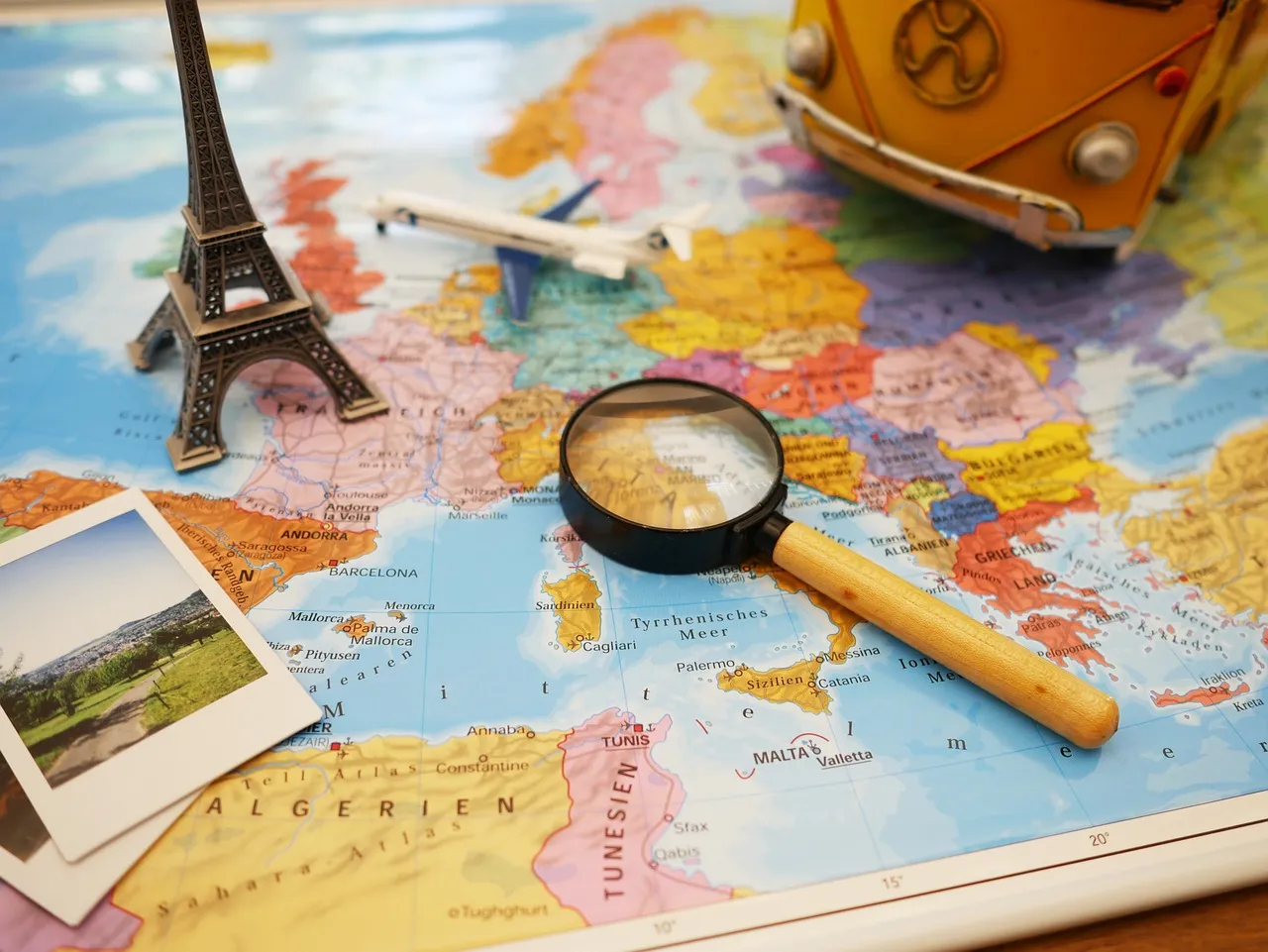
An ancestry trip can be historical, educational, cultural, and deeply personal all at once. It provides something that conventional tourism often cannot: the opportunity to place oneself within a larger story that spans continents, generations, and centuries.
A 2022 Priceline survey of one thousand three hundred travelers found that heritage travel carries profound significance for roughly one in three Americans, and nearly half of those who embarked on a heritage trip felt a stronger connection to their roots, while about one quarter discovered something new about themselves.
For many travelers, the trip is not only about taking pictures. It is about walking through places linked to grandparents, surnames, migration stories, and forgotten family memories – and that emotional pull is helping ancestry travel become one of the strongest experience-led tourism trends of the year.
Guided Tours vs. Going It Alone

Guided small-group tours typically bring together eight to fifteen participants who share similar ethnic backgrounds. Companies like Ancestry Tours Ireland and Legacy Tree Genealogists provide professional researchers who conduct pre-trip investigations, then lead groups to specific locations with translated documents and context.
Going independently has its own appeal. You move at your own pace, linger in a churchyard longer than any tour schedule allows, and follow unexpected leads. The tradeoff is that you carry more of the research burden yourself, and local archives can be opaque without someone who knows them well.
A number of DNA testing companies now provide access to organized genealogy or heritage tours as well as private tours, though there is no formal industry regulation for these offerings and tour package services vary considerably. It’s worth reading reviews and verifying what pre-trip research is actually included before booking.
How the Economics Work – For You and for Destinations

Industry data from the World Tourism Organization shows genealogy tourism now contributes over two and a half billion dollars annually to destination economies, particularly in Ireland, Italy, Scotland, and Eastern Europe, where immigration records remain well-preserved.
A 2024 survey by Analytics and Arts found that Italian villages involved in the ITALEA roots tourism project saw an average fifteen percent growth in tourist arrivals linked to roots tourism, with positive effects on local economies – particularly for family-run accommodation. In Italy, genealogical tourism could offer a genuine remedy for overtourism by drawing visitors away from crowded areas and toward less-trafficked regions.
For travelers, this also means that the places you visit on a roots trip are often genuinely grateful to see you. That changes the atmosphere of the visit in ways that are hard to quantify but easy to feel.
Practical Steps Between the Envelope and the Boarding Pass

Once your results arrive, resist the impulse to immediately book flights. The most rewarding trips begin with a layer of desk research first. Cross-reference your regional results with free tools like FamilySearch, national archive portals, and parish record databases digitized by local historical societies.
Build time into your itinerary for local interviews, cemetery visits, and cultural sites that make family-history facts come alive. Factor in seasonality, visa rules, and a modest contingency for unexpected research fees or travel changes.
Each DNA testing service uses different algorithms and databases to complete its analysis, which means you may see differences in results if you have your DNA analyzed by more than one lab. It usually comes down to the database the testing service utilizes, so choosing one with an extensive, quality reference database matters.
When the DNA Reveals Something You Didn’t Expect

Not every result confirms the family story. Sometimes the percentages point somewhere entirely new – a region nobody mentioned at Sunday dinners, a migration route that upends the narrative you grew up with. This is actually where the travel can become most interesting.
Research from the Family History Federation indicates that roughly two thirds of people who discover unexpected ethnic origins through DNA tests plan heritage trips within eighteen months. The surprise seems to amplify the desire to see the place for real.
Ancestry travel reflects the demand for more personalized itineraries, deeper cultural context, and experiences that feel emotionally meaningful rather than transactional. These journeys often inspire travelers to spend more time in a destination and to engage more intentionally with local history and communities. An unexpected result, followed by genuine curiosity, can lead to some of the most deliberate travel a person ever does.
Approaching Heritage Destinations with Respect and Care

There is something worth pausing on before any roots journey. Visiting a community because your DNA pointed there is a privilege, not an entitlement. The people who still live in those villages, coastal towns, or urban neighborhoods are not exhibits in your personal history museum.
Heritage travelers may behave more like travelers who visit friends and relatives than typical tourists, immersing themselves in the culture and lifestyle of their ancestral communities and visiting areas that lack typical tourism infrastructure. That immersion deserves a proportionate level of humility and preparation.
Learning a few words of the local language, researching the region’s own history independently of your family story, and supporting local businesses rather than international chains – these aren’t just polite gestures. They’re what separates a meaningful heritage trip from a sentimental selfie tour.
The Bigger Shift This Trend Reflects
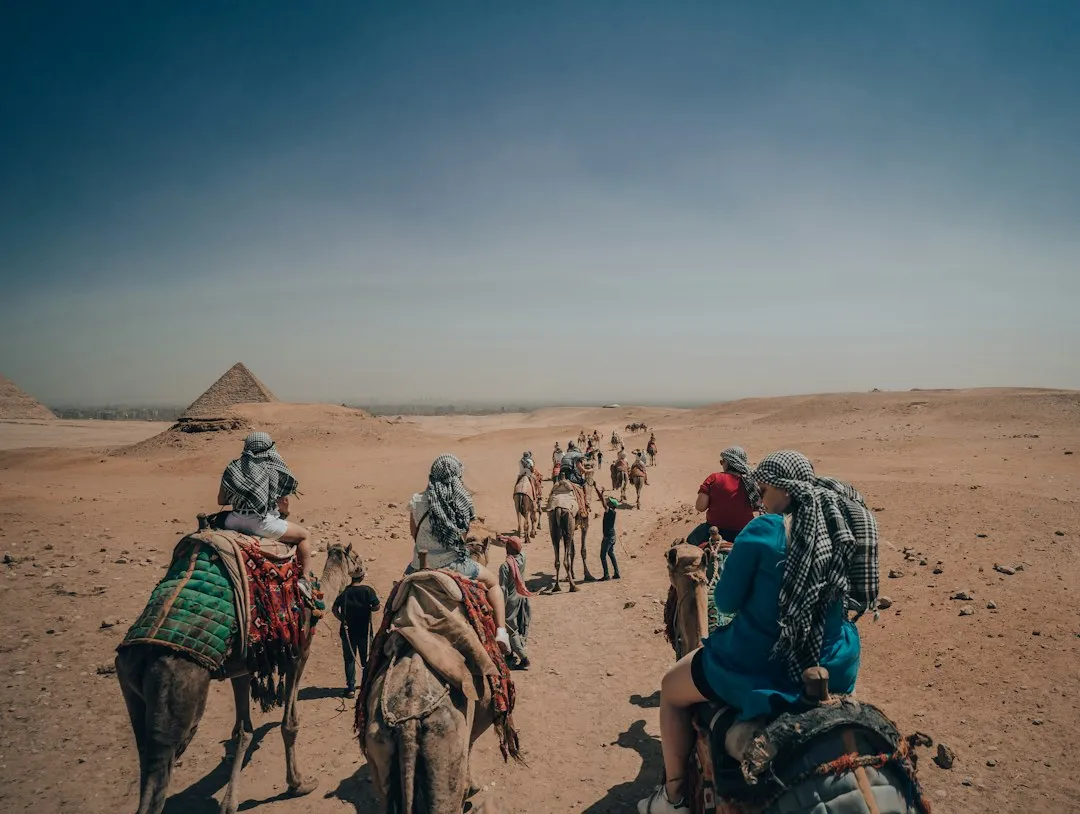
Ancestry journeys, also known as heritage tourism, are on the rise in 2026, with a growing number of travelers heading to destinations not for landmarks, but for lineage. That framing says a lot about what people are actually looking for when they travel right now.
This type of identity-driven travel increasingly involves hiring local guides, historians, and cultural experts who can provide deeper context and a more meaningful connection to the places being visited. For many, it’s about stepping into a story that began long before they arrived – one they’ve always been a part of but are only now getting the chance to explore.
Travel is no longer just about how many places you can visit – it’s about how deeply you experience them. Today’s travelers are seeking journeys that connect them to their roots, improve their well-being, teach new skills, and celebrate shared passions. A DNA test, read carefully and followed thoughtfully, might be the most personal travel guide ever made.
The Takeaway

A tube of saliva is a strange starting point for a journey across continents. Yet the logic is genuinely simple: knowing where you come from makes it easier to decide where to go. The trick isn’t the test itself. It’s pairing those results with real archival research, honest curiosity, and enough humility to recognize that the destination existed long before you showed up to claim a connection to it.
Genealogy tours are now seeing exceptional search growth, with demand rising by several thousand percent over the past year – a sharp increase that shows travelers want structured experiences that help them understand family roots, not just visit them.
The families who left those places, generations ago, probably never imagined their descendants would one day come back with a printed genetic report and a carry-on bag. There’s something quietly moving about that – and perhaps that’s reason enough to go.
AI Disclaimer: This article was created with the assistance of AI tools and reviewed by a human editor.