


A Market Growing Faster Than You Might Expect
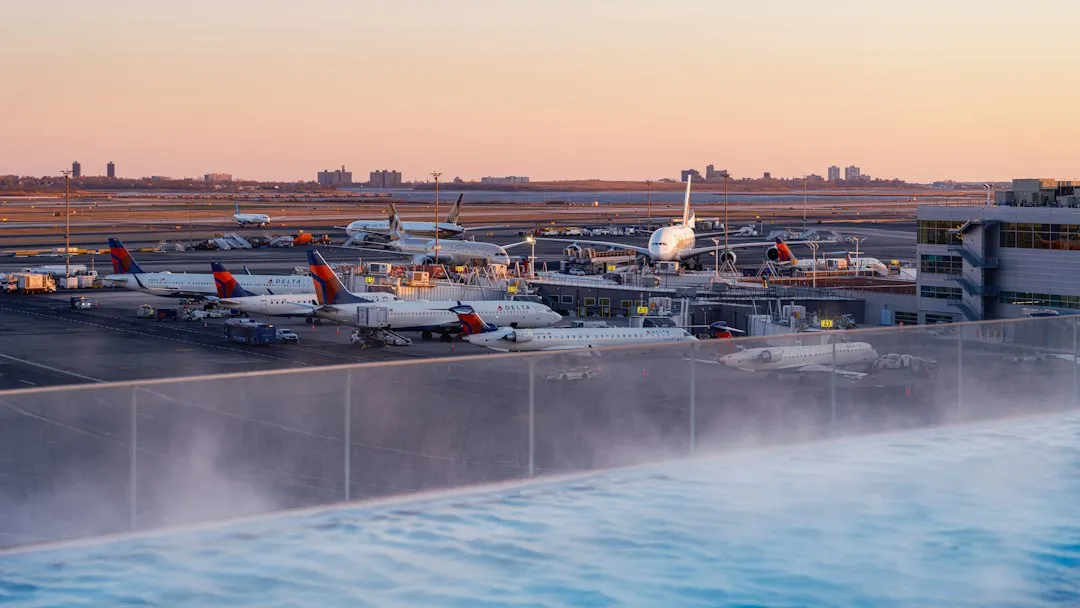
The numbers behind this trend are hard to ignore. According to HTF Market Intelligence, the global airport hotels market is expected to see a growth rate of 7.1%. That’s consistent, sustained expansion, not a passing spike.
The airport hotel market is primarily driven by the sustained growth in global air passenger traffic, which surpassed 4.5 billion journeys in 2024 and is projected to exceed 4.7 billion in 2026. More passengers in the air naturally means more people needing a comfortable place to rest between flights.
The trend of stopover tourism, where travelers choose to explore a city during layovers, is contributing significantly to the demand for airport hotels. This is no longer niche behavior. It’s becoming a mainstream travel strategy.
“Airport Maxxing” and the Rise of the Intentional Stopover

Many savvy passengers are now choosing longer layovers on purpose, taking advantage of stopover programs at the layover destination and effectively creating two vacations in one trip. The mindset has shifted from “how do I survive this connection” to “how do I enjoy it.”
This approach even has a name in travel circles. The concept of “airport maxxing” – maximizing the layover experience rather than rushing through it – has gained real traction, especially among frequent long-haul travelers who’ve realized the transit hub itself can be worth exploring.
For passengers willing to plan around a longer connection, the result is effectively a bonus city break folded into a long-haul itinerary. Analysts tracking these products note that the concept is not new, but the scale and visibility of current offers are.
The Crowne Plaza Changi Effect: When Airport Hotels Win Global Awards
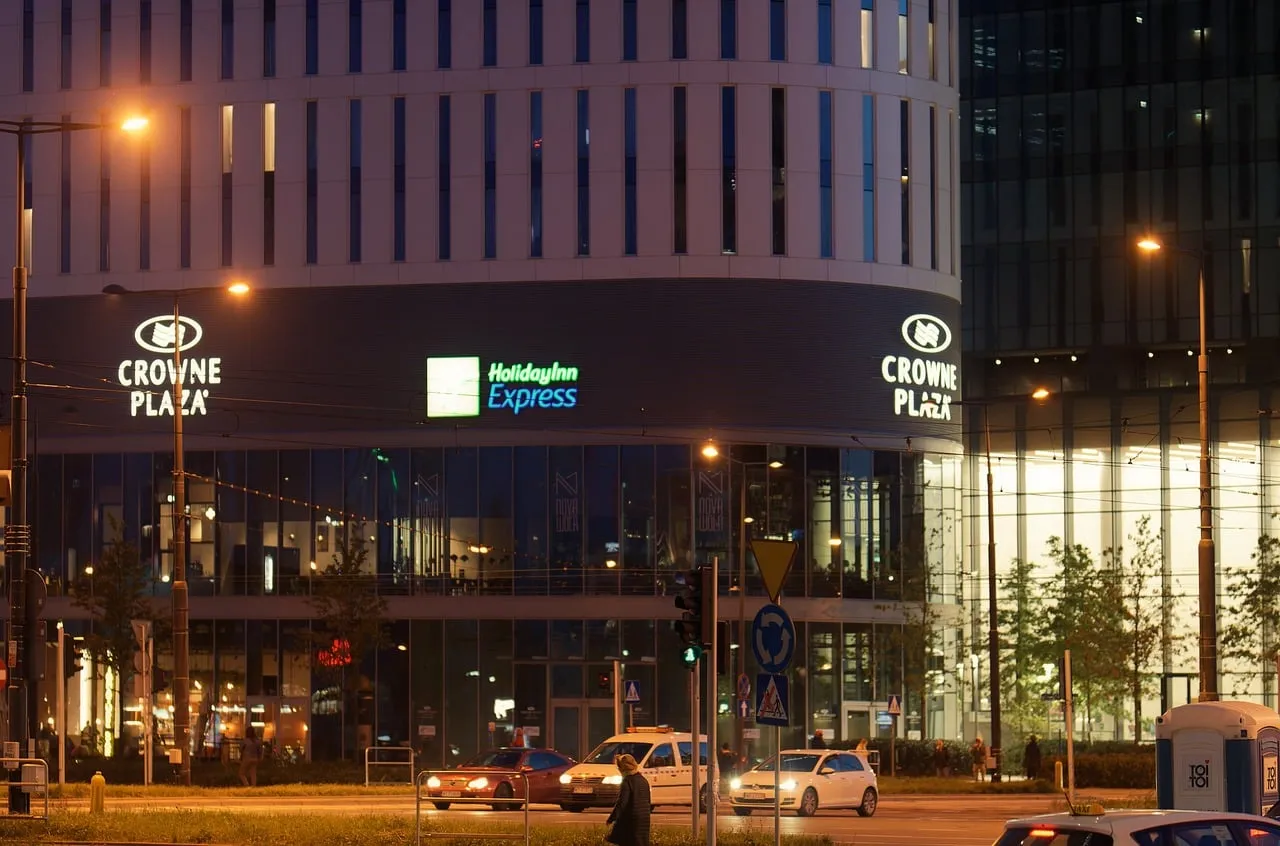
The Crowne Plaza Changi Airport has won World’s Best Airport Hotel in the Skytrax World Airport Awards for 11 consecutive years. That kind of sustained recognition signals something real about what this property delivers to guests.
The Crowne Plaza Changi Airport is directly connected to Terminal 3 and the Jewel shopping complex. It offers 575 rooms and suites, blending airport convenience with a resort atmosphere, and rooms feature soundproofing, floor-to-ceiling windows, and rainfall showers.
Passengers who choose to leave the terminal can reach central Singapore in around 20 to 30 minutes, turning even a mid-length layover into a realistic opportunity for sightseeing, dining, and shopping in the city itself. The airport becomes a launchpad, not a waiting room.
Changi’s Jewel: An Airport That Competes With City Attractions

Changi’s Jewel complex features the world’s tallest indoor waterfall, at 40 meters, cascading through a lush rainforest environment with over 2,000 trees and 100,000 shrubs from around the globe. The airport also houses multiple themed gardens, including butterfly, sunflower, and orchid installations, providing natural retreats within the terminal.
The facility offers a rooftop swimming pool overlooking the runway, 24-hour movie theatres screening complimentary films, and interactive art installations throughout its terminals. For a traveler with an eight-hour layover, this is a genuine experience, not a consolation prize.
For travelers planning extended layovers, these products position Changi as a resort-style hub where the airport itself becomes the destination, rather than a place to be endured.
Qatar Airways and the Government-Backed Stopover Model
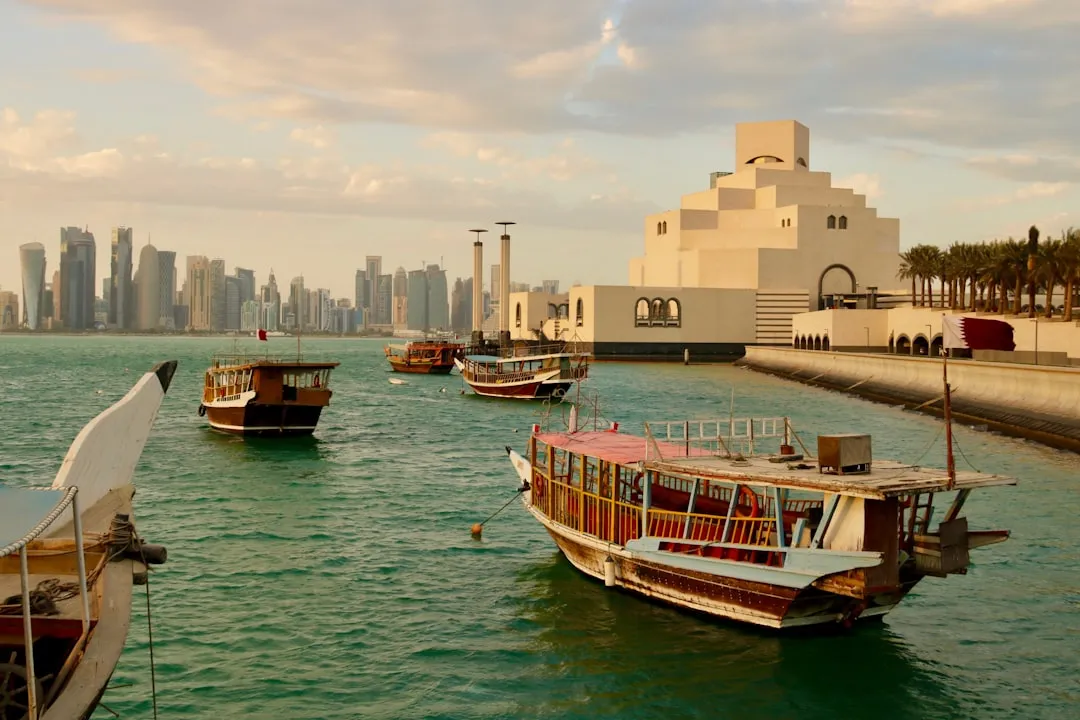
Qatar Airways’ stopover program in Doha is partially paid for by the Qatari government to promote tourism. Qatar Airways offers complimentary packages for layovers between eight and 24 hours, and heavily discounted stopover packages for longer layovers, starting at $14 per night.
By offering these stopover programs, airlines and governments ensure that tourists are putting money back into the economy by eating at local restaurants and visiting attractions. It’s a smart arrangement for everyone involved – travelers get an affordable mini break, and the destination gains a visitor it wouldn’t otherwise have seen.
Some of the best travel experiences have included breaking up a long flight to Africa via a 15-hour layover at the Oryx Airport Hotel at Hamad International in Doha. That kind of feedback has become increasingly common as more travelers discover what Doha has to offer in a single overnight window.
Icelandair’s Six-Decade Head Start on Stopover Tourism

Icelandair has been offering its stopover program for nearly six decades. Thanks to its location between North America and Europe, many passengers pass through Reykjavík on their way across the Atlantic. Rather than keeping people in the airport, Icelandair allows travelers to spend up to a week exploring the country without increasing airfare.
What Icelandair understood decades ago is something the broader aviation industry is only now embracing at scale: the transit stop is an underused opportunity. Iceland itself became a global travel darling in part because of this program, with a steady stream of curious visitors turning a connection into a full country experience.
The most competitive carriers now combine airfare with complimentary or deeply discounted hotel nights, airport transfers, and city tours. In many cases, the only extra costs for travelers are meals, local transport, and any required entry visas.
Wellness at 35,000 Feet Below: Spa Culture Comes to Airport Hotels

The Skytrax Airport Hotel Awards, based on thousands of verified guest surveys, highlight properties that go beyond typical lodging. These hotels offer exceptional sleep quality, spa experiences to beat jet lag, seamless integration with terminals, and fine dining rivaling city establishments, all within walking distance of a boarding gate.
Wellness offerings at airport hotels, including massage services, yoga studios, hydrotherapy pools, and meditation spaces, have grown in prominence as travelers seek to counteract the physical stress of long-haul travel, with several luxury airport hotels reporting spa revenue growth of over 15% annually in 2024 and 2025. That’s a significant jump, reflecting genuine demand rather than a gimmick.
Key growth areas include demand for wellness amenities like spas and air purification, expansion of layover cultural tour programs for transit travelers, and growth in AI-driven sleep technologies and jet lag support. The airport hotel of 2026 is, in many ways, a wellness retreat that happens to be next to a runway.
Sleeping Pods and Micro-Hotels: Comfort for Every Budget

Not every traveler wants, or can afford, a full-service luxury stay. That’s where a different but equally compelling concept has taken hold. Developed in Japan in the 1970s, micro-hotels are private efficiency rooms smaller than standard hotel accommodations. These compact rooms provide basic amenities and are designed for sleeping, relaxing, eating, and working. They’re now found in popular cities and airports around the world.
In the United States, Minute Suites launched its first micro-hotel at Hartsfield-Jackson Atlanta International Airport in 2009. The concept has since expanded to multiple American airports, giving travelers a private, affordable refuge without the commitment of a full hotel room.
Instead of trying to catch sleep in an airport lounge or on a bench, travelers can check into airport hotels for comfort and convenience between flights. Whether looking for pay-by-the-hour rooms or luxurious amenities, these airport hotels transform layovers into memorable mini getaways.
Asia-Pacific Leads the Next Wave of Airport Hotel Development
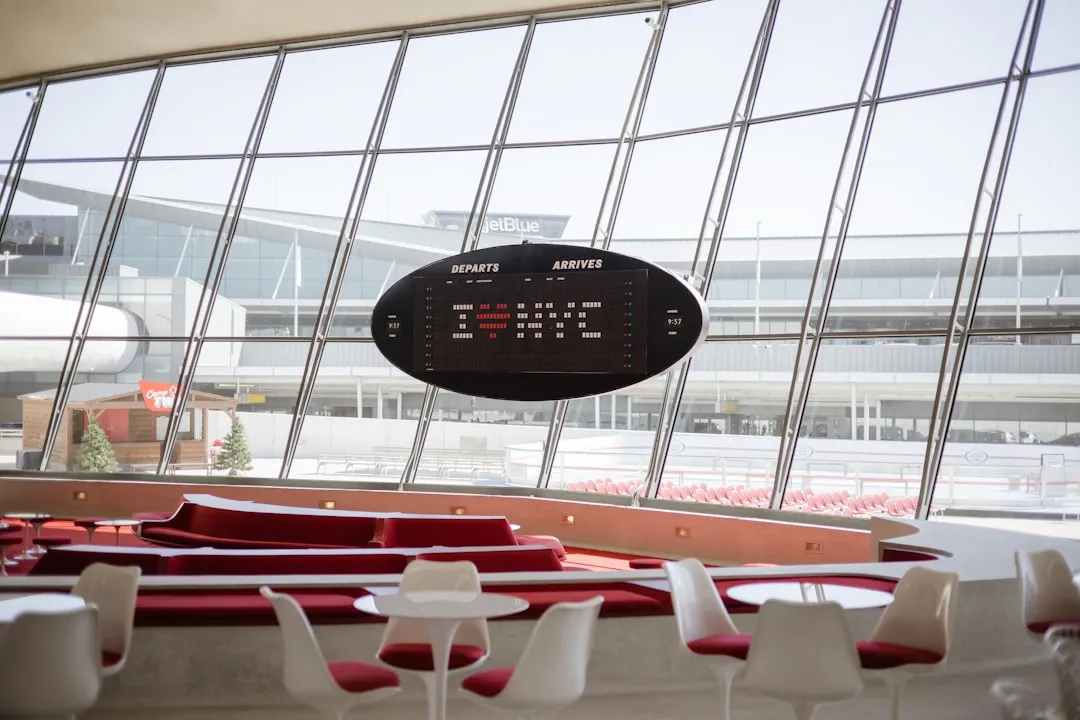
Asia-Pacific has seen promising growth rates and is robustly gaining market share in the global airport hotels market. This reflects both the region’s booming aviation sector and a cultural appetite for high-quality hospitality infrastructure.
Large-scale airport infrastructure investments across Asia Pacific and the Middle East are creating entirely new hospitality demand zones, while digital innovations in booking, check-in, and guest service are enhancing the airport hotel value proposition for modern travelers.
The proliferation of international hub airports in Asia Pacific, the Middle East, and Europe has catalyzed significant new supply pipelines, while the increasing frequency of flight delays and overnight layovers has reinforced the structural importance of airport hotels across all major aviation markets.
Flight Delays Are Quietly Fueling the Trend Too
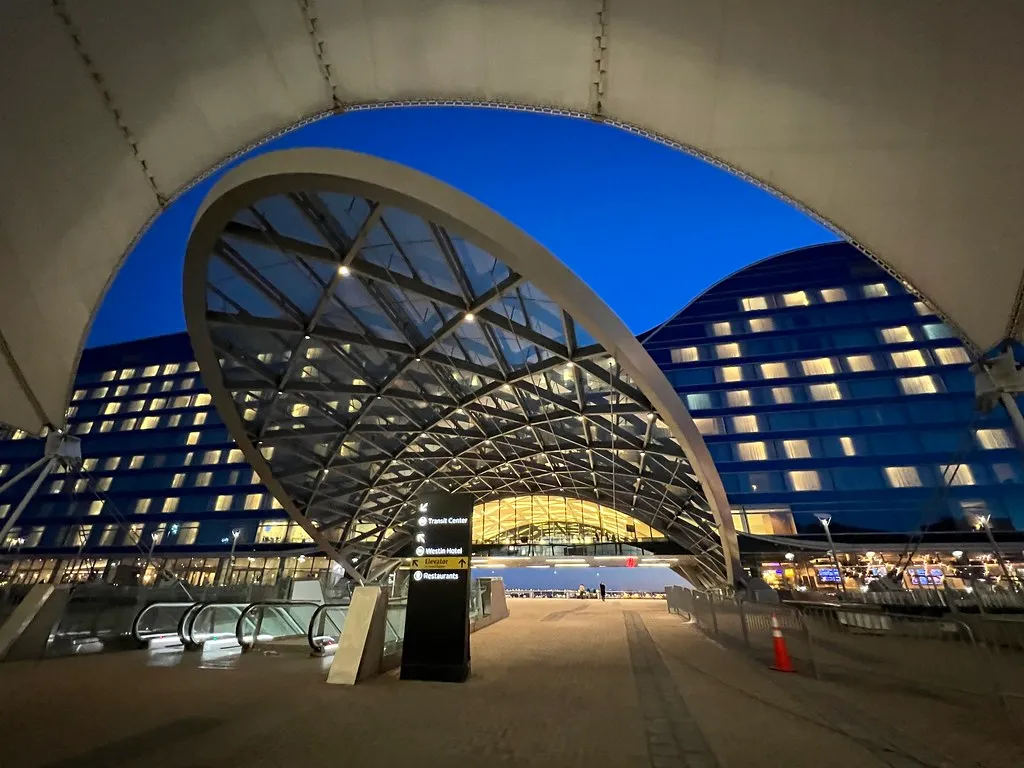
There’s a more practical dimension to this story that rarely makes the travel press. In 2024, approximately 23% of passengers departing from U.S. airports experienced a flight delay or cancellation, and about 21% of all flights in 2024 arrived at least 15 minutes later than scheduled. Disruption, in other words, is not an edge case.
The structural demand for convenient, quality accommodation near departure terminals is reinforced by rising flight delay frequencies, the expansion of long-haul hub-and-spoke networks, and the increasing integration of airport hotels into the corporate travel ecosystem. When a delay turns into an overnight, having a reliable hotel steps from the terminal matters enormously.
Travelers who’ve already experienced the comfort of an airport hotel during a forced delay often return voluntarily. That shift from reluctant guest to enthusiastic repeat visitor is part of what’s driving the longer-term transformation of this market.
The Bigger Picture: Travel Is Being Reimagined Around the Journey

There’s something quietly meaningful about this trend. It reflects a broader shift in how people think about travel itself – less as a frantic dash between fixed points, and more as an experience that deserves attention at every stage, including the parts that used to be written off.
Travel industry observers point out that the competition is no longer just about punctuality and connections, but about which hub can offer the most rewarding stopover experience. Airports and their hotel partners are responding with genuine creativity, not just marketing language.
Your next long airport layover could be restful, rejuvenating, and surprisingly rich in local culture. That sentence would have seemed absurd a decade ago. In 2026, it reads as straightforward travel advice.
Making the Most of It: Practical Wisdom for the Layover Traveler
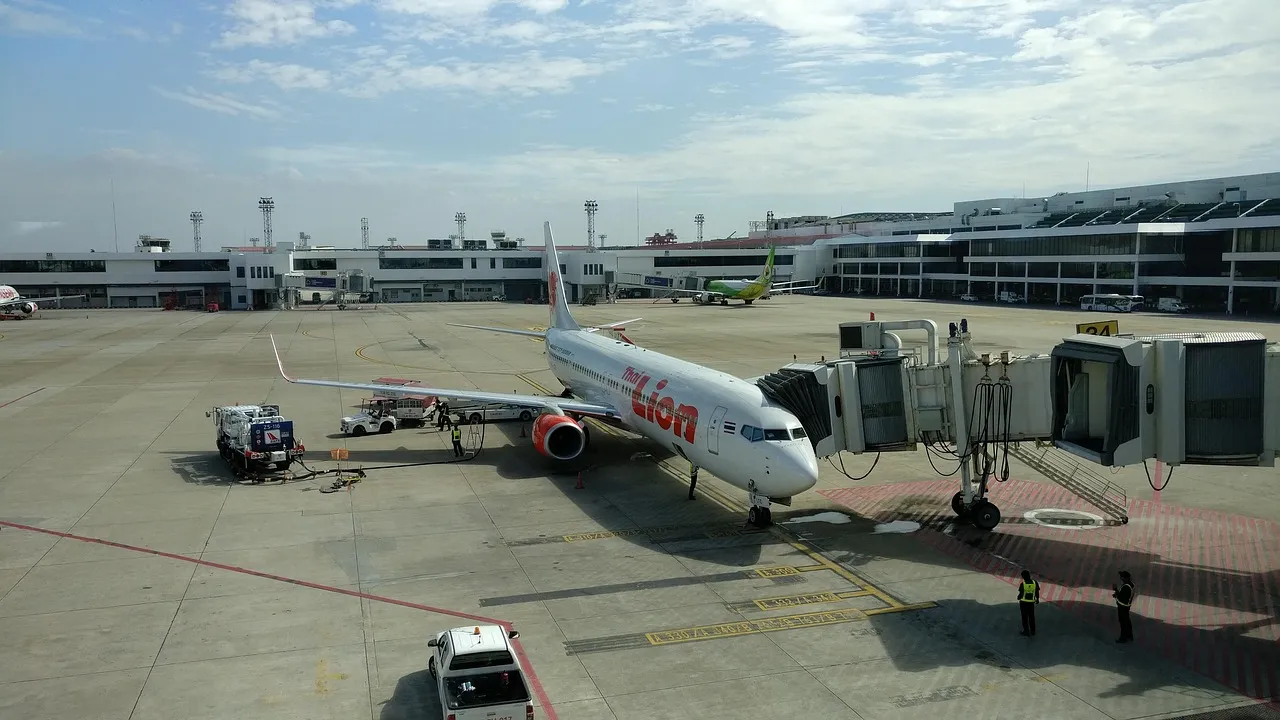
If you’re considering embracing this trend, a few practical realities are worth knowing. Most airport hotel packages with spa or dining access require booking in advance, especially at top-ranked properties. Availability near major hubs in Doha, Singapore, and Reykjavík can tighten quickly during peak travel seasons.
Several airlines and hub airports offer complimentary stopover programs that can include four-star hotel stays, city tours, and transfers from the airport to the city center, all at no extra cost. Reading the fine print on these programs before you fly can reveal real value that most passengers leave on the table.
The Fairmont Vancouver Airport is the only luxury, soundproofed airport hotel located directly inside the terminal, making it an ideal stop for restful layovers or early departures. It’s a good reminder that some of the best airport hotel experiences are hidden in plain sight, waiting for travelers who think to look for them.
A New Way to Think About the In-Between

AI Disclaimer: This article was created with the assistance of AI tools and reviewed by a human editor.