
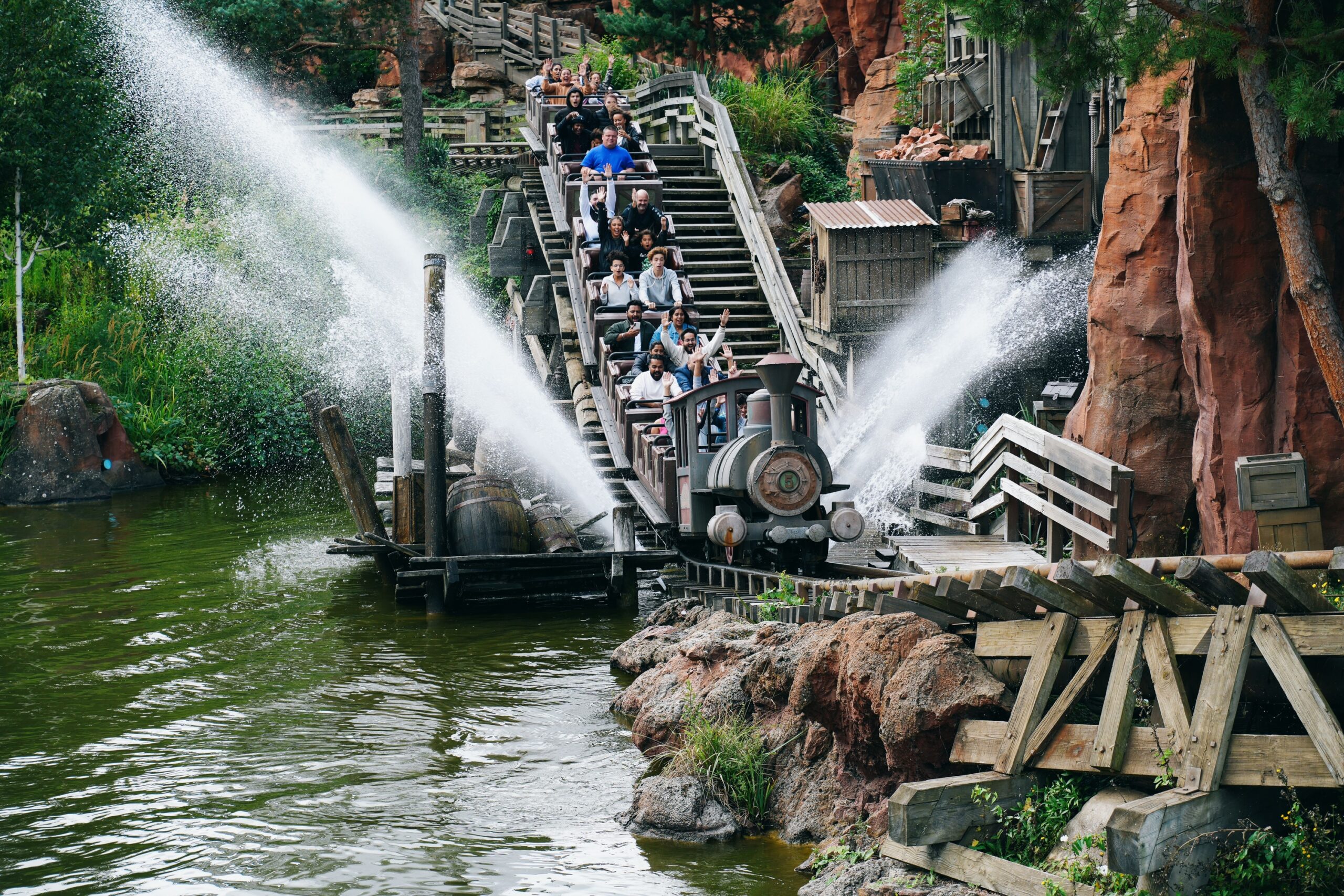
The Core Trick: Occupy the Mind, Shrink the Clock
Research on wait perception, including work by Disney and Stanford, shows that occupied waits feel roughly 30 to 40 percent shorter than unoccupied waits. That single finding underpins almost everything modern theme parks do with their queue spaces. The actual time doesn’t change. What changes is the guest’s relationship to it.
Studies in queue psychology show that how people feel about a wait is far more important than the actual length of the line itself. Unoccupied customers generally perceive wait times to be far longer than they actually are. Queue hosts and Imagineers have built entire systems around this gap between perception and reality.
Themed Environments That Pull Guests into Another World
Once guests are committed to a line, Disney Imagineers work to distract them from counting the passing minutes by turning holding areas into their own experience with dazzling stories and decorations, according to Richard Larson, a queueing expert at MIT.
When guests are entertained, their wait time feels less important, a phenomenon called the dual-task paradigm, where exciting surroundings increase the brain’s workload. The brain simply has less capacity left over to monitor the passage of time. The notion of entertaining or involving guests while they waited was once considered revolutionary, and it remains the standard today, exemplified by Star Wars: Rise of the Resistance, where it’s unclear where the queue ends and the attraction begins.
Interactive Elements That Make Guests Participants, Not Spectators
Interactivity is one of the most powerful tools in queue design, empowering guests to become participants rather than observers. Whether through tactile elements, gamified challenges, or digital integration, interactive queues make the wait feel active and personal.
Walt Disney World’s Seven Dwarfs Mine Train incorporates playful gem-sorting stations and water spinners, turning the standby line into a game. The Haunted Mansion features interactive tombstones and eerie puzzles, while Universal’s Jimmy Fallon’s Race Through New York queues guests in a fully interactive lounge complete with games, videos, and live entertainment. These aren’t decorative flourishes. They’re deliberate tools for time compression.
The Augmented Reality Frontier: One Minute Feels Like Five
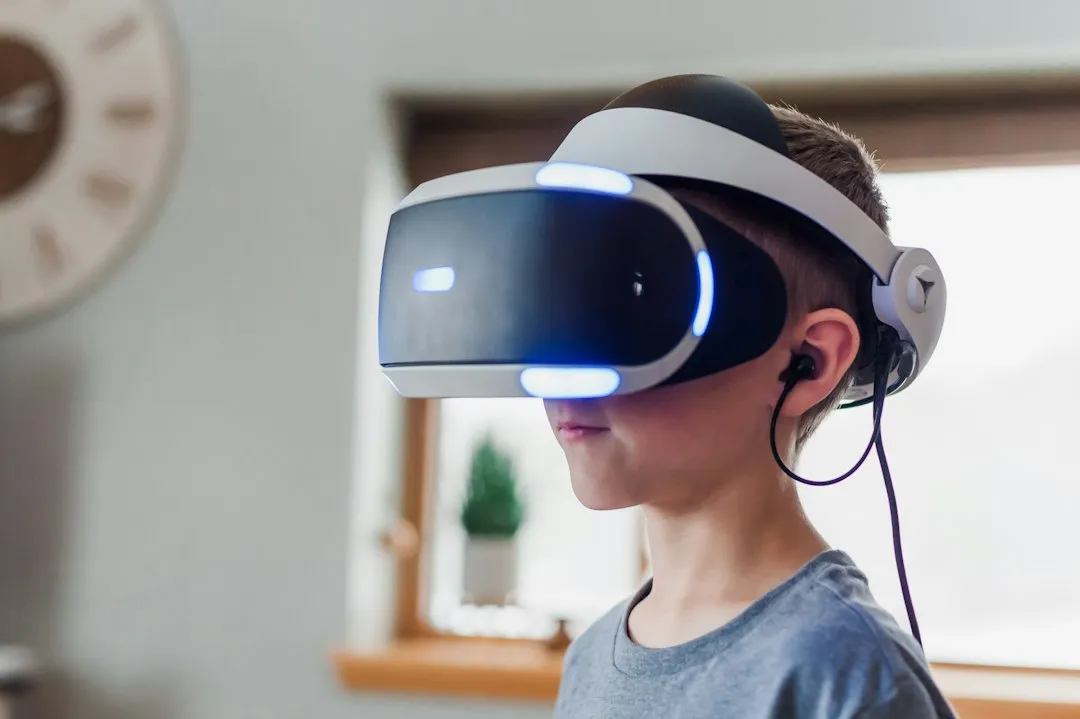
Researchers developed a novel augmented reality game to be played in theme park queues, and a real-world study using log data and interviews demonstrated that every minute playing the game was perceived to the same extent as about five minutes of not playing the game. That’s a remarkable ratio, and it points to where queue entertainment is heading.
A person who is completely absorbed in performing an activity might reach a state of flow, a mental condition marked by a distorted sense of time. Such flow experiences are often reported by people who play games. Queue designers are increasingly engineering for exactly this state.
Posted Wait Times Are Deliberately Generous
This technique is so effective that Disney uses it for every ride at their theme parks. Posting a slightly inflated wait time is a deliberate strategy. When guests emerge from the line sooner than expected, they feel a small but real rush of relief and satisfaction.
The data behind this approach is striking. The average overestimate by Disney across the park has been measured at 13.1 minutes, with Animal Kingdom’s actual wait times running at roughly 65 percent of posted times. Wait times are often slightly overstated because it is simply better to overestimate than underestimate for guest satisfaction. Leaving a line feeling like you beat the system is a powerful emotional payoff, even if the system planned it that way.
Satisfaction Is Built on Perception, Not Reality
A 2024 meta-analysis published in the Journal of Consumer Research confirmed that perceived wait time accounts for roughly 72 percent of the variance in queue satisfaction, while actual wait time accounts for only about 28 percent. This is one of the most important numbers in the business. It means parks have far more control over guest satisfaction than raw throughput figures might suggest.
Research from MIT Sloan found that customers who receive wait time updates overestimate their satisfaction compared to those who don’t, and a 2025 study in the International Journal of Hospitality Management showed that transparent queue communication reduces complaints by 40 percent even when wait times remain unchanged. Information itself is a form of service.
Line Design That Creates a Sense of Forward Motion
Queue layouts that are conducive to social interaction, rather than cramming people in, make a measurable difference. Creating lines that give guests a genuine sense of moving closer to the attraction also helps significantly. When guests can’t tell whether they’re making progress, frustration sets in fast.
Disney’s Imagineering teams and other industry leaders have long embraced this concept. By breaking up the monotony through engagement, queues alter the guest’s relationship with time. Techniques like segmented line paths, hidden reveal moments, and interactive distractions don’t shorten the line, they simply make the experience enjoyable.
The Role of Cast Members and Queue Hosts
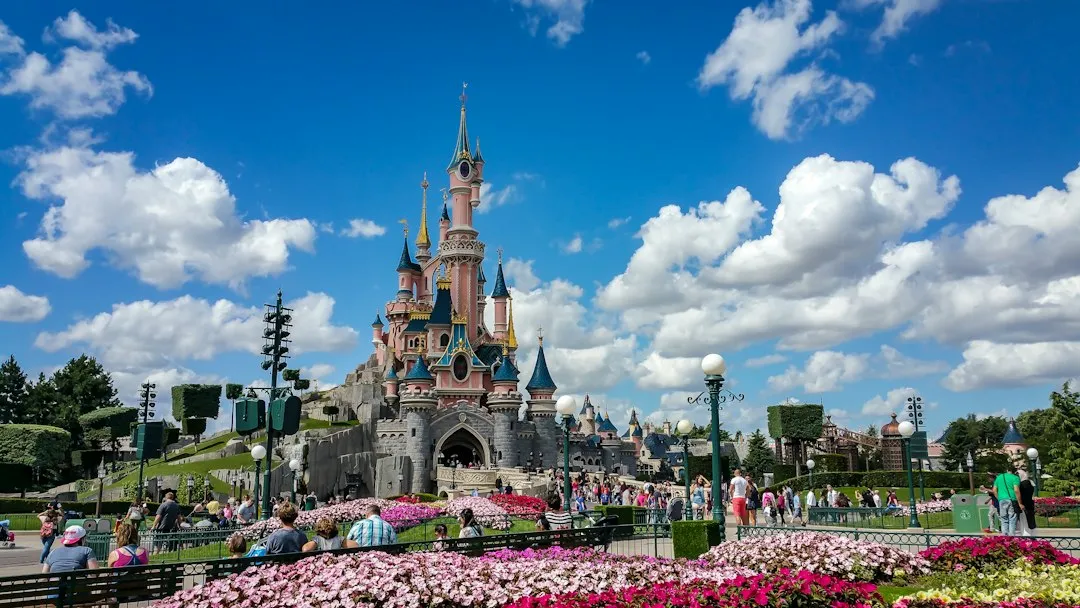
As guests wait in line at Disney parks, characters parade through the queue, shaking hands and taking pictures. These are interactive queue lines, so that waiting becomes an experience of its own. Disney knows to take visitors’ minds off the queue and put them on to something else.
Early Imagineers headed into Disneyland every two weeks to experience the park firsthand. It was this practice that first got them interested in improving their queues. Standing alongside guests, the Imagineers heard their frustrations, boredoms, and anxieties, and knew they needed to do something about it. The human element in queue management has never really been replaced by technology, only supplemented by it.
Suspended Reality and the Design of Queue Environments
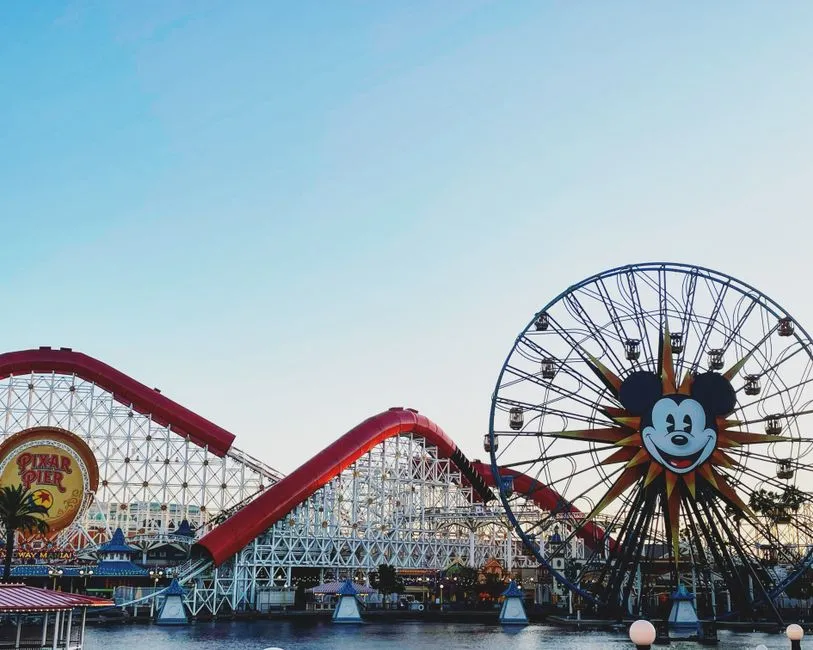
Theme park designers can create a sense of suspended reality within the park to provide a positive perception and enhanced experience for guests. Research investigated this concept by measuring suspended reality satisfaction in the design around queue areas at Walt Disney World, attempting to determine whether richer environmental design affects guests’ perception of a shorter wait time.
Results showed modest statistical significance between design efforts and shorter perceived wait times. There is also a relationship found between time of day and guest perception, suggesting that as the day goes on, people perceive longer wait times. Queue hosts often know this intuitively. The energy they bring to the line in the afternoon matters more than most guests realize.
The Industry-Wide Shift Toward Engagement at Scale
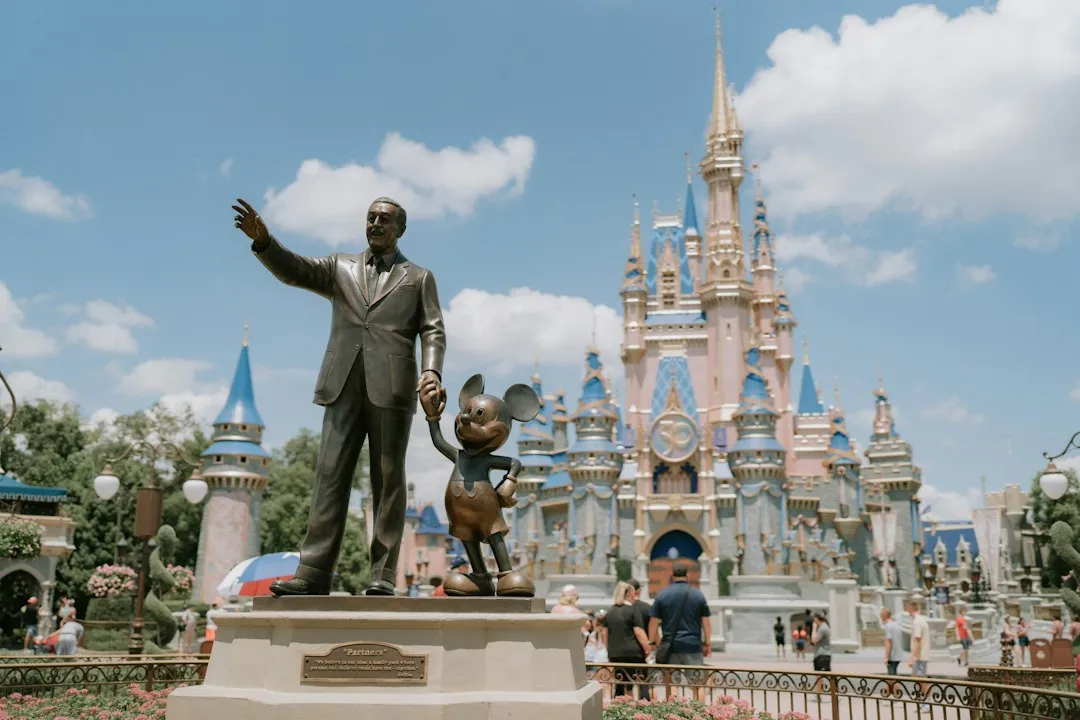
The global attractions industry generated 83.6 billion dollars in 2024, with the top 25 parks drawing over 260 million visitors. Guests at parks with interactive queue experiences rate overall satisfaction 15 to 28 percent higher than guests at parks without them, even when wait times are identical. That gap in satisfaction, achieved without a single minute of actual time saved, is arguably the most significant finding in modern park operations.
Interactive installations are transforming queues from dead time into pre-show engagement, turning legacy dark rides into mixed-reality spectacles, and extending the life of older attractions through digital overlay without pouring new foundations. The queue is no longer the gap before the experience. For the best parks, it’s become part of the experience itself.
The Real Takeaway
What queue hosts understand, and what behavioral research keeps confirming, is that time is genuinely elastic in the mind. A well-designed, engaging queue doesn’t just make waiting more tolerable. It actually changes how long the wait felt, sometimes dramatically.
The trick isn’t magic. It’s a combination of storytelling, interactivity, honest communication, and smart environmental design, all working together to redirect attention away from the clock. Theme parks have simply become extraordinarily good at it, and the science behind every clever distraction in the line is more serious than most guests ever stop to consider.
AI Disclaimer: This article was created with the assistance of AI tools and reviewed by a human editor.