
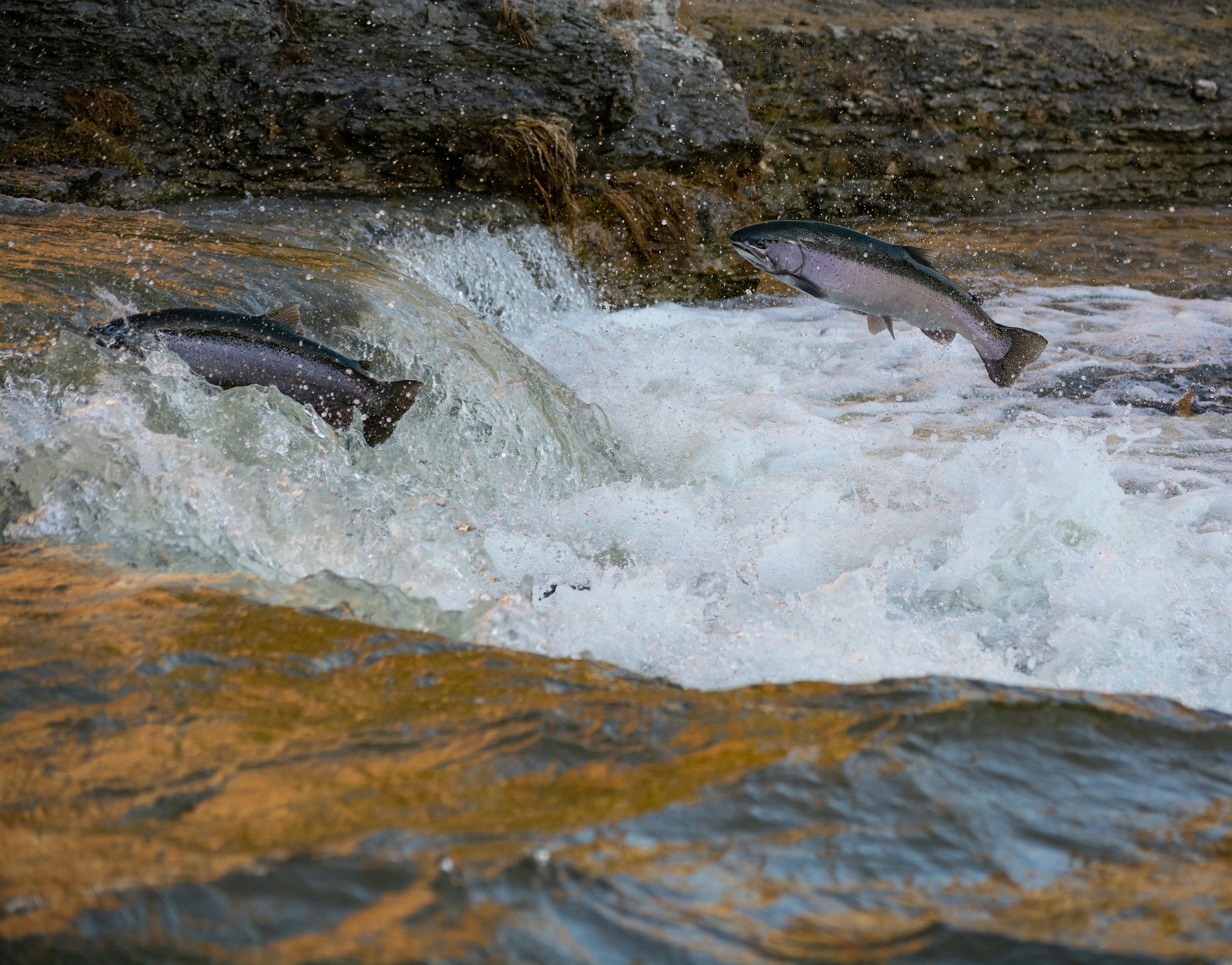

An Ancient Migration on a Staggering Scale
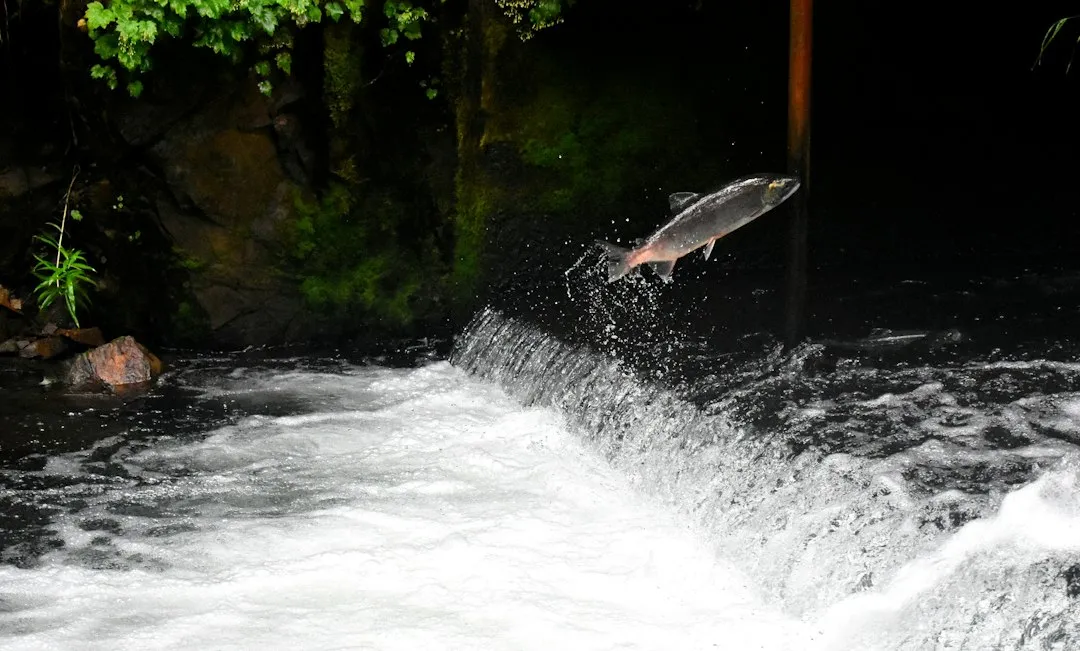
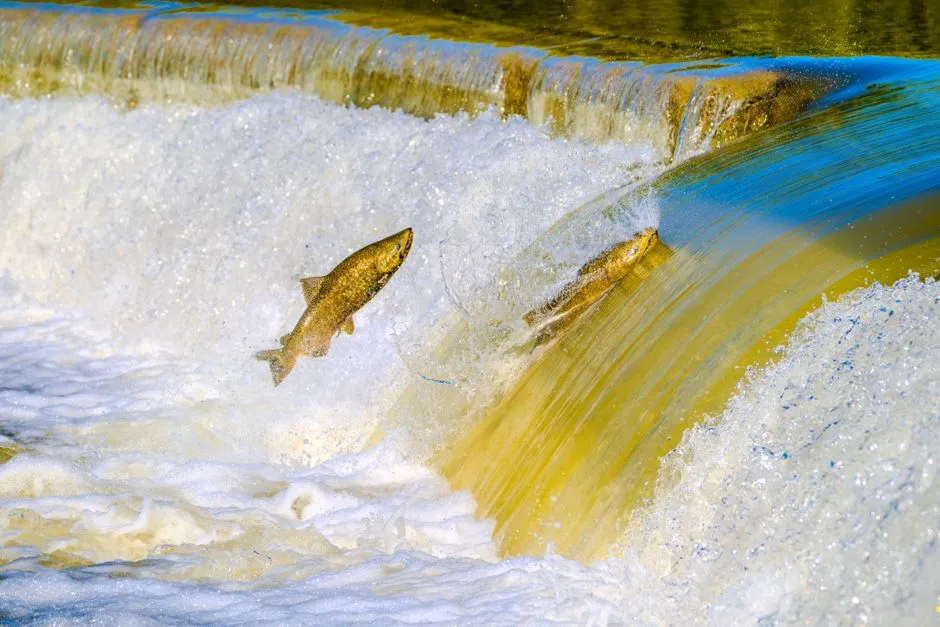
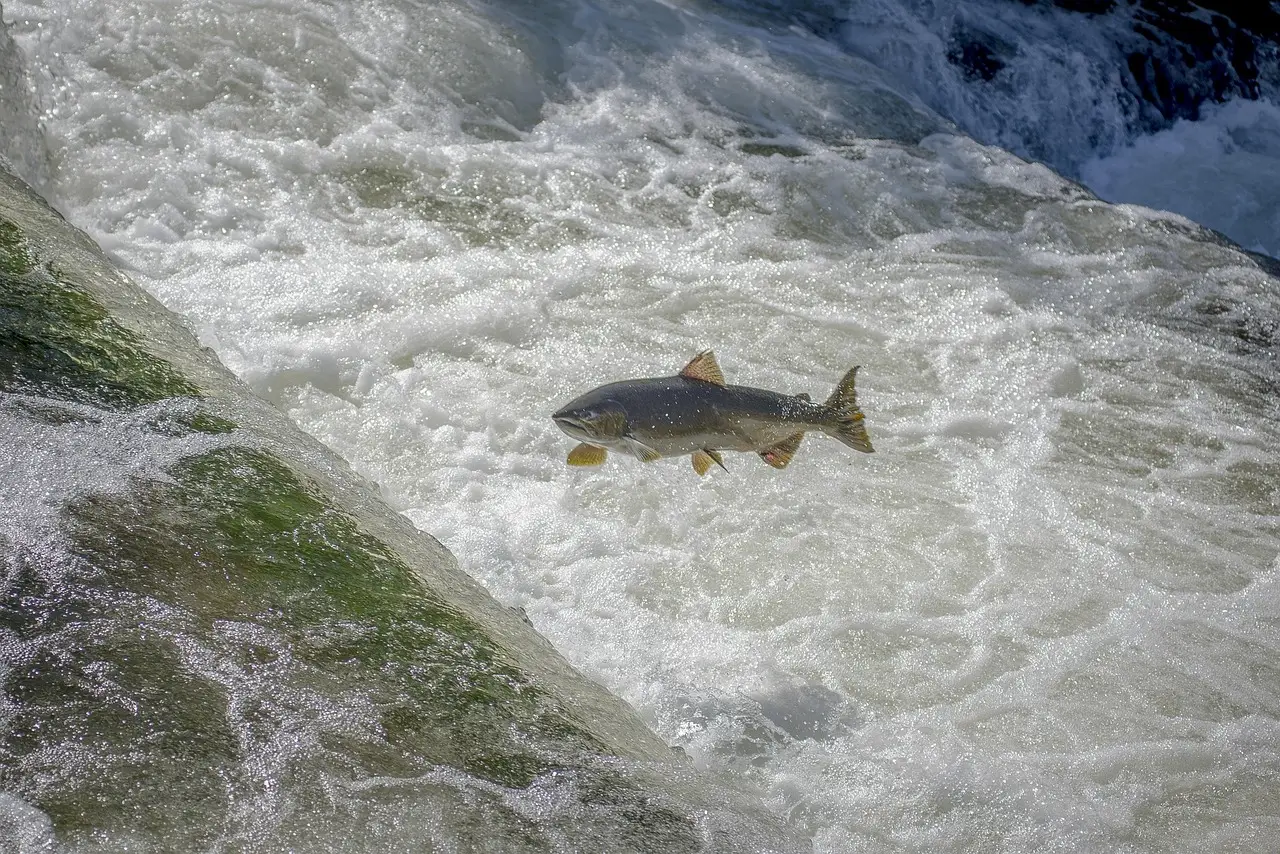
Pacific salmon are anadromous fish, meaning they begin their lives in freshwater streams and migrate to the Pacific Ocean, where they spend several years before returning to the exact stream where they were born to spawn. That journey home is one of the great feats of animal navigation anywhere in the natural world.
Some fish may travel hundreds of miles to return to their natal streams. The sheer distances involved make watching them arrive feel genuinely earned. You’re not just seeing a fish; you’re seeing the end of an extraordinary physical effort.
By number, the combined North Pacific salmon harvest totaled 285 million fish in 2024, the lowest catch since 1988, which reflects the growing concern among scientists and conservationists about the long-term health of wild Pacific salmon populations. That context makes witnessing a run in person feel all the more urgent.
Why Fall Is the Season That Matters Most
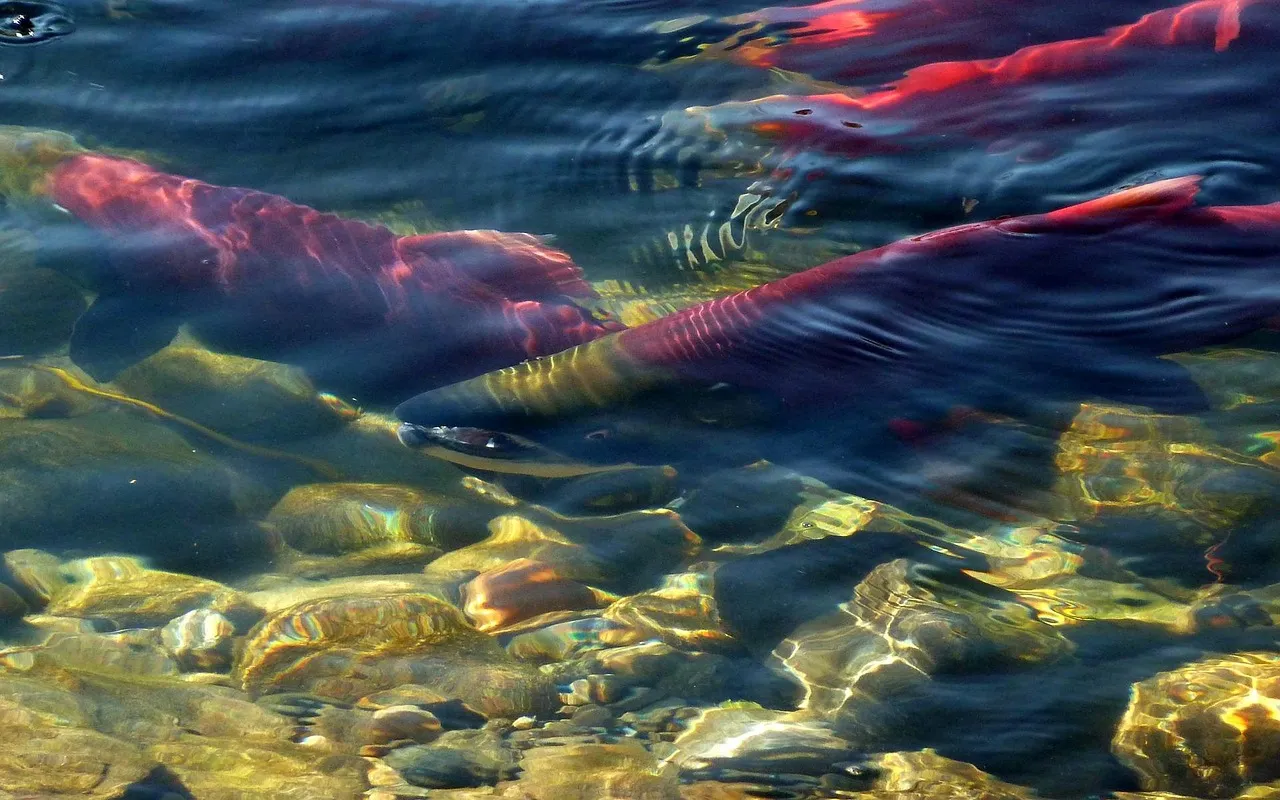
Salmon arrive in significant numbers sometime in late August, with their run typically peaking in September and October, and during this window the largest number of bears for the entire year gather along rivers. Fall is when the convergence of species reaches its fullest, most photogenic intensity.
Fall also signals the start of salmon spawning season for coho and chum, as well as pink salmon in odd-numbered years like 2025, meaning the specific mix of species on display shifts slightly from year to year, keeping the experience fresh even for repeat visitors.
The salmon run can continue into December, though many bears begin moving toward hibernation by the end of October, which makes September and October the sweet spot for visitors hoping to see the full cast of wildlife assembled in one place.
The Spectacle of Bears at the Water’s Edge
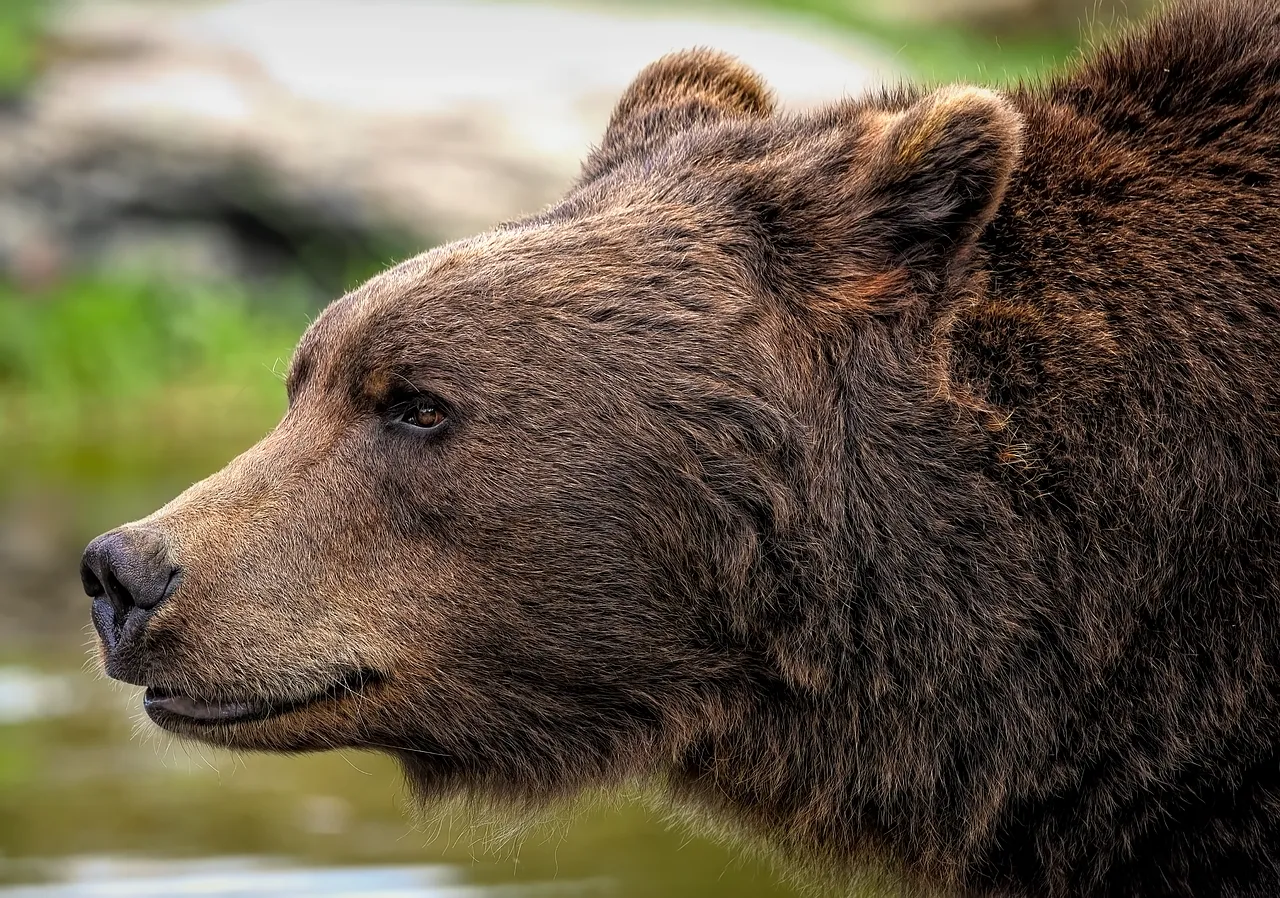
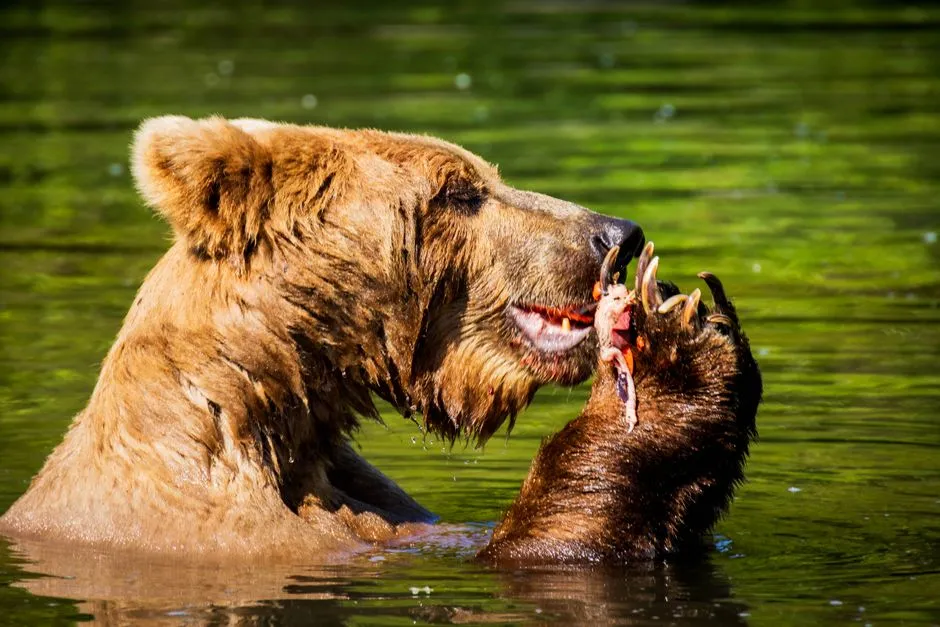
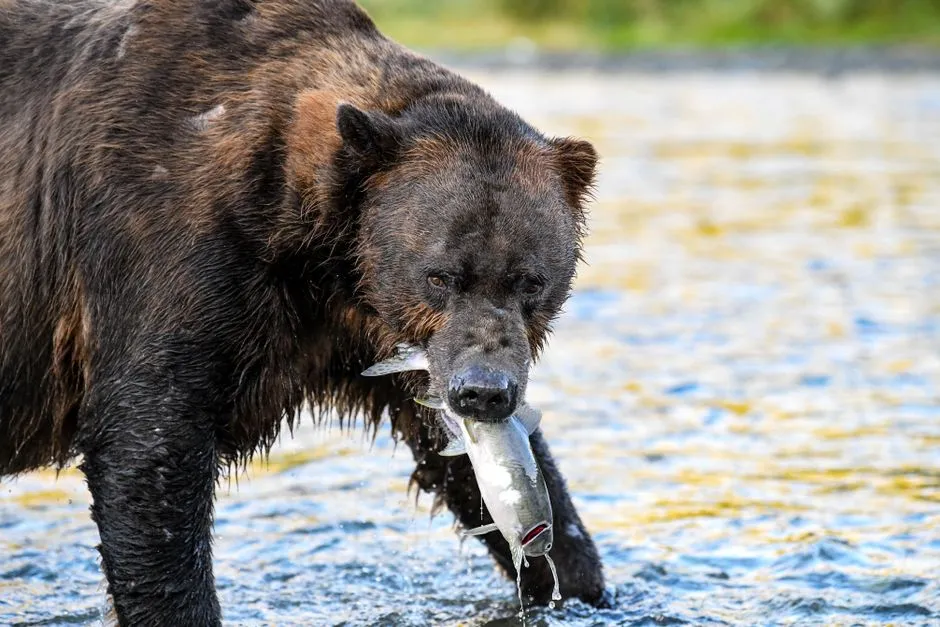
Katmai National Park in Alaska is home to Brooks Lodge, the world-famous site for viewing grizzly bears feeding on salmon, where guests can walk to a viewing area to watch bears playing in the waterfall and catching fish. Few wildlife encounters anywhere in the world can match the proximity and reliability of what Brooks Falls offers each fall.
When the salmon are running, visitors can fly to Brooks Falls to witness the world’s largest brown bears fishing atop waterfalls, a sight so raw and so prehistoric in feeling that photographs rarely do it full justice.
Fall is the most spectacular season for grizzly bear viewing, with the combination of spawning salmon and hungry bears creating wildlife viewing opportunities that are genuinely difficult to replicate at any other time of year. Responsible tour operators in coastal British Columbia and Alaska have built entire itineraries around this window.
Eagles, Ravens, and the Birds That Follow the Fish
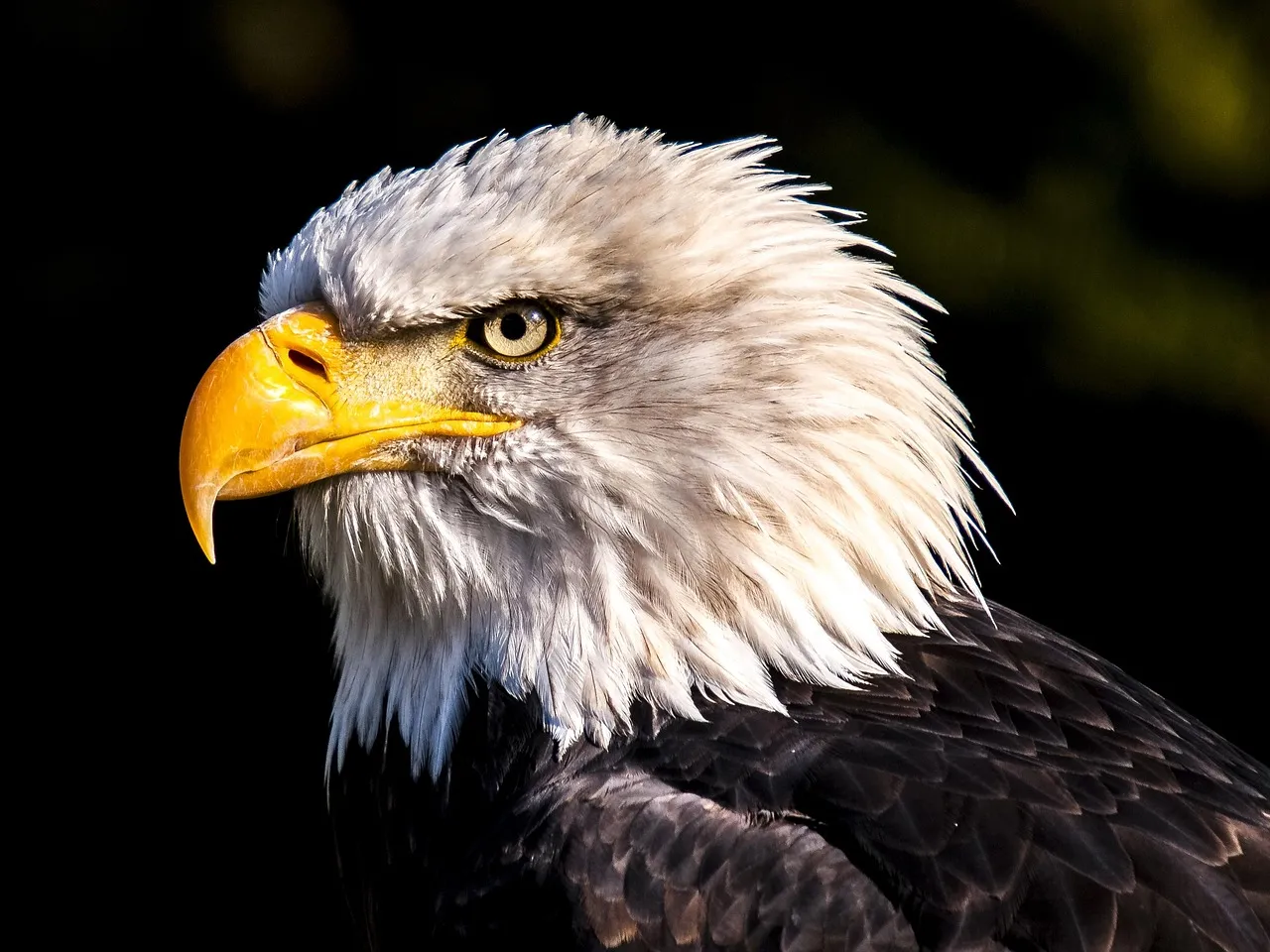
The salmon run attracts a great number of bald eagles, gulls, ravens, and other fish-eating birds, all drawn to the same reliable food source that pulls the bears to the riverbanks. For bird watchers, the fall run is a secondary feast layered within the main event.
Bald eagles in particular congregate in numbers that can genuinely surprise first-time visitors. During a strong chum run, it’s not unusual to count dozens of eagles perched along a single stretch of river, waiting for the chance to pluck a fish from the shallows or claim what the bears have left behind.
The ripple effect across species is part of what makes the salmon run so compelling as a wildlife experience. You arrive to see salmon, and you find yourself watching an entire food web operating at full tilt.
The Ecology Beneath the Surface: Salmon as Ecosystem Engineers
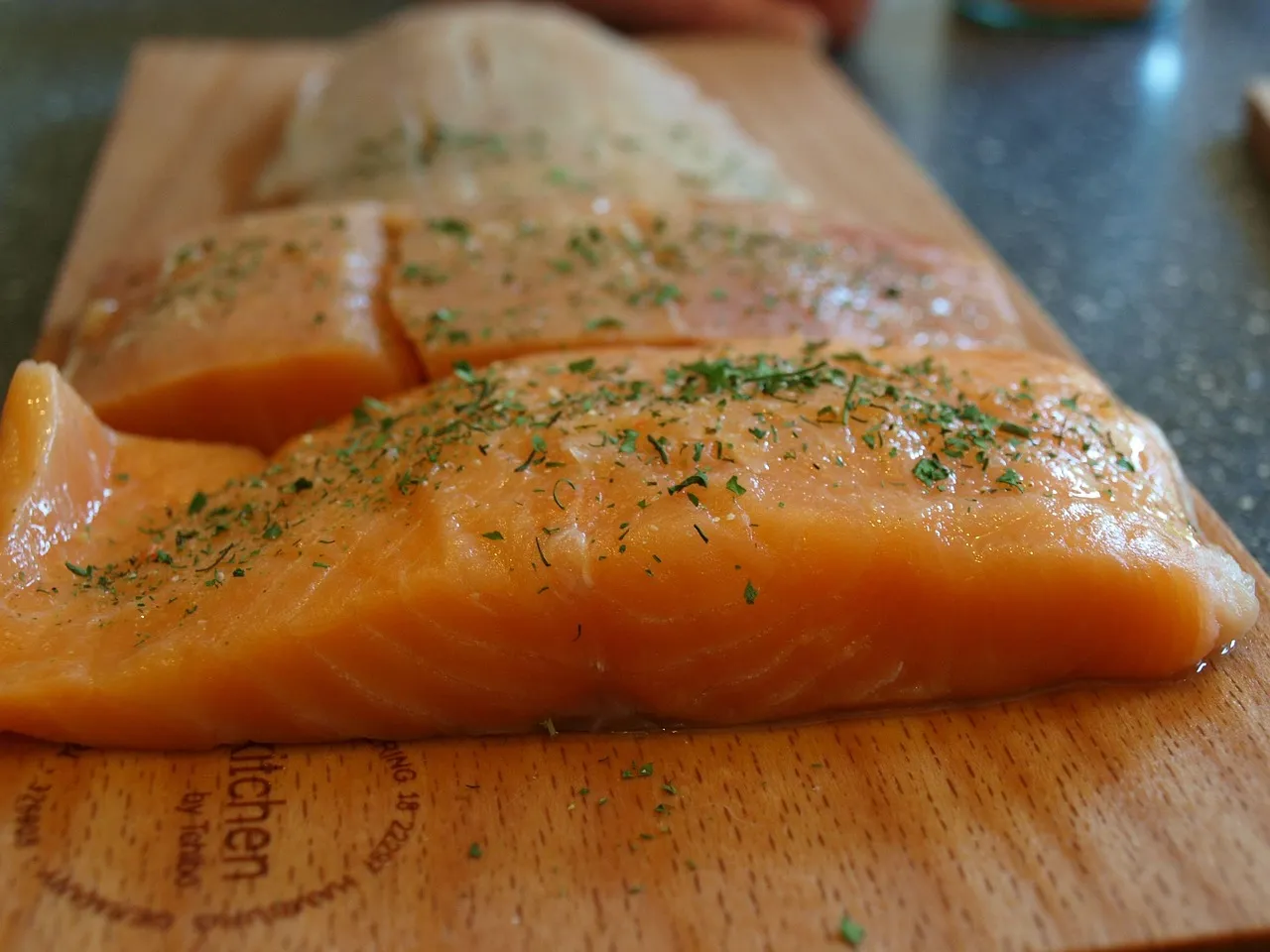
After spawning, adult salmon begin to slowly die and decay, and while it may be hard to watch, this life cycle has been taking place for thousands of years and provides incredibly valuable nutrients for young salmon and other wildlife and plants in their habitat. The salmon, in death, are as important as they were in life.
The BBC documented how the giant trees of the Great Bear Rainforest are dependent upon bears and salmon for nitrogen, illustrating that the ecological reach of the salmon run extends far beyond the riverbank itself. Marine-derived nutrients carried inland by spawning fish and their carcasses feed forests, insects, and dozens of other species.
This nutrient cycle is one of the reasons ecologists describe salmon runs as keystone events. Remove the fish, and the effects cascade through every level of the surrounding ecosystem in ways that take generations to fully manifest.
The Best Viewing Destinations for Responsible Travelers
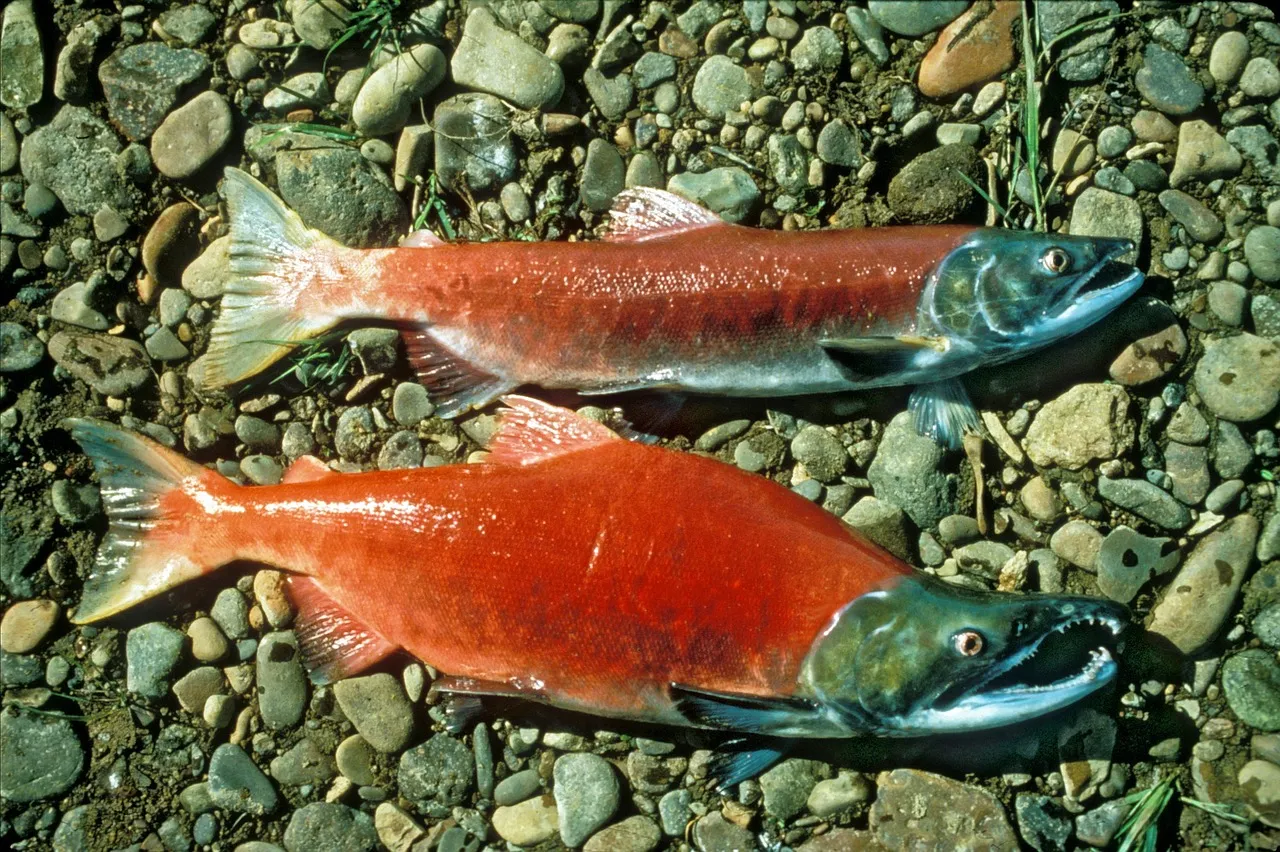
Visitors to the Adams River in British Columbia can experience watching thousands of sockeye salmon navigate the river, an event rich in ecological importance and cultural significance to the Secwépemc people, at Tsútswecw Provincial Park in the North Shuswap. The park is one of the most accessible and culturally meaningful salmon viewing sites in Canada.
The park offers 26 kilometers of scenic trails that provide excellent viewing spots for both the salmon run and the area’s diverse birdlife. It’s the kind of place that rewards a slow, attentive visit over a rushed one.
Every dominant cycle year, Tsútswecw Provincial Park hosts the Salute to the Sockeye Festival, with the next festival scheduled for October 2026, drawing visitors from across Canada and internationally. Washington State offers equally compelling options closer to urban centers. Steep Creek near Juneau, for example, is exceptionally easy to visit, adjacent to the Mendenhall Glacier Visitors’ Center about ten miles from downtown, with no permits, fees, or restrictions on visitation.
Declining Populations and Why That Makes Watching Urgent
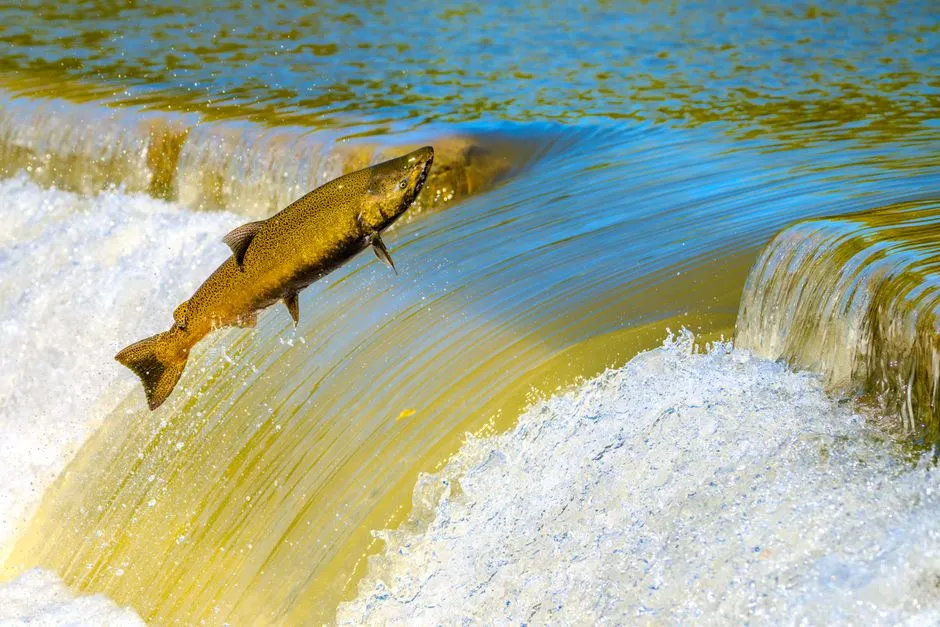
According to local environmental reports, the overall number of salmon has been consistently declining, even during dominant run years. That long-term trend sits quietly in the background of every viewing experience, giving the run an additional weight that is hard to ignore once you’re aware of it.
In 2024, commercial salmon catches declined throughout the North Pacific by more than sixty percent from the previous year, and the total weight of the salmon pack fell by over fifty percent, according to data released by the North Pacific Anadromous Fish Commission. These numbers reflect pressures that have been building across multiple decades.
Adult salmon now in the ocean have already been through hard years of drought, wildfires, and degraded habitat, as well as disease as young fish, according to NOAA Fisheries. The fish that return each fall are survivors in a much more literal sense than the word usually implies.
Conservation Efforts and the Hope of Habitat Restoration
The ongoing removal of large dams on the Klamath River promises to free up more than 300 miles of the river to provide favorable habitat for salmon, and as the river reconnects with its habitat, it will help juvenile fish enter the ocean in better condition to survive and ultimately return to spawn. Klamath River dam removal has been one of the most closely watched salmon conservation stories of the mid-2020s.
Scientists tracking salmon health monitor sixteen key ocean indicators including seawater temperature, salinity, and the abundance of tiny crustaceans that reflect food quality for juvenile salmon when they first enter the ocean, with decades of data demonstrating that these indicators correlate with how many adults will ultimately return to spawn. The science of salmon monitoring has become considerably more sophisticated than it was even a generation ago.
Conservation tourism tied to the salmon run is increasingly being recognized as a tool for generating both public awareness and direct funding for restoration programs. Visitors who make the trip tend to leave with a different relationship to salmon than they arrived with.
The Cultural and Indigenous Significance of the Run
The salmon run at the Adams River holds deep ecological importance and cultural significance to the Secwépemc people, and this is true of salmon runs across much of the Pacific Northwest and coastal Alaska, where Indigenous nations have relied on returning salmon for sustenance, ceremony, and identity for thousands of years.
Respectful visitors approach these places understanding that the run is not simply a wildlife show. It is woven into living cultural traditions that predate any notion of tourism by millennia. Many viewing programs now include Indigenous interpretation as a core part of the experience, which enriches the visit considerably.
Engaging with that history does not require formal study. Simply listening, reading the interpretive signs carefully, and choosing tours that center Indigenous knowledge makes a real difference in how meaningfully a traveler connects with what they’re witnessing.
The Growing Draw of Wildlife Tourism and What It Means for Salmon
Wildlife watching in the United States alone involves roughly 148 million participants and generates enormous economic output, supporting millions of jobs and billions of dollars in state and federal tax revenue, according to the U.S. Fish and Wildlife Service. Salmon viewing sits within that broader, booming economy of nature-based travel.
The global wildlife tourism market is expected to grow at roughly five percent annually between 2025 and 2035, and the demand for authentic, ecologically grounded experiences is a significant driver of that growth. Salmon runs offer exactly the kind of unscripted, deeply real encounter that travelers increasingly seek.
Demand for community-based wildlife tourism experiences is rising, with businesses actively engaging local communities in tourism endeavors to create partnerships that advance conservation efforts and foster community development. Well-managed salmon viewing tourism has the potential to fund the very conservation work needed to protect the runs themselves.
A Final Reflection: Witnessing Something That Cannot Be Staged
AI Disclaimer: This article was created with the assistance of AI tools and reviewed by a human editor.