


1. Noise-Cancelling Headphones: Your Portable Quiet Zone
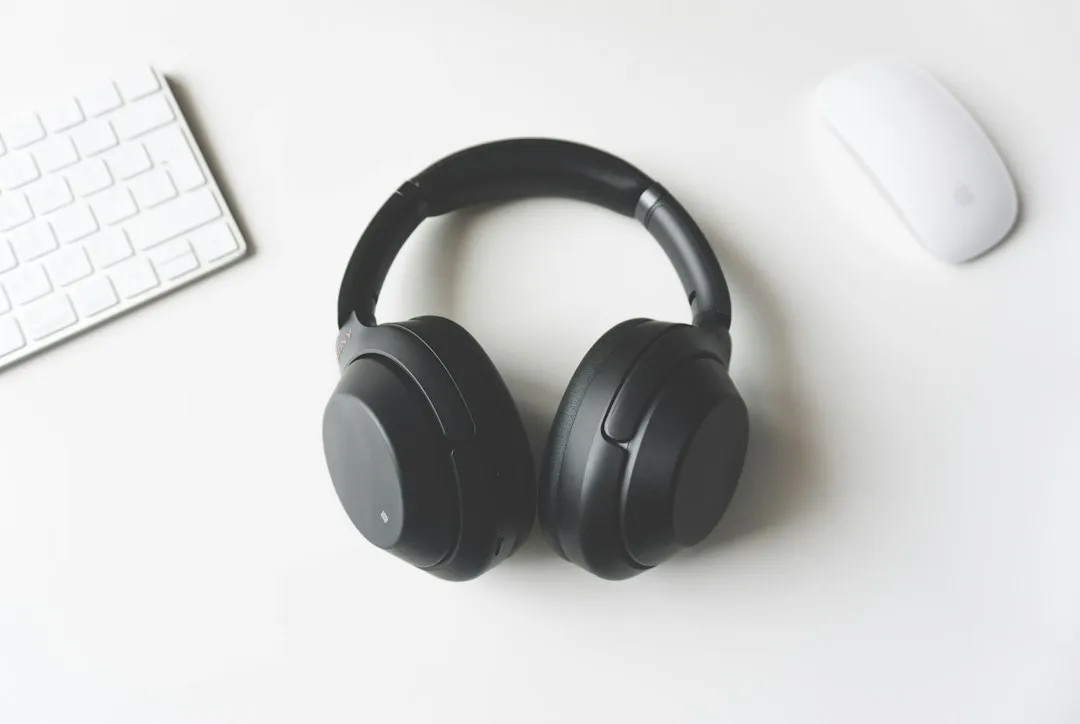
Aircraft cabins are surprisingly noisy. The constant drone of jet engines typically ranges between 75 and 85 decibels, which is loud enough to cause fatigue over several hours. For anyone who flies more than a few times a year, that level of sustained noise adds up in ways that go beyond simple annoyance.
Active Noise Cancellation technology works by detecting external sounds and producing opposite sound waves that effectively cancel unwanted noise before it reaches your ears. The practical result is that engine rumble, the snack trolley, and the ambient roar of a full cabin fade into something much quieter and more manageable.
Today’s premium travel headphones don’t just reduce noise – they create a quiet space where you can enjoy music, movies, podcasts, or even sleep peacefully during your flight. Whether you’re a frequent business traveler, digital nomad, or planning your next vacation, investing in the right headphones can dramatically improve your travel experience.
Released in May 2025, the Sony WH-1000XM6 represents Sony’s most significant ANC upgrade in years – the QN3 processor runs seven times faster than its predecessor and coordinates twelve microphones simultaneously, which translates into noticeably quicker response to noise changes. It’s the kind of incremental leap that actually matters on a ten-hour flight.
2. Packing Cubes: Not Just for Space, But for Speed
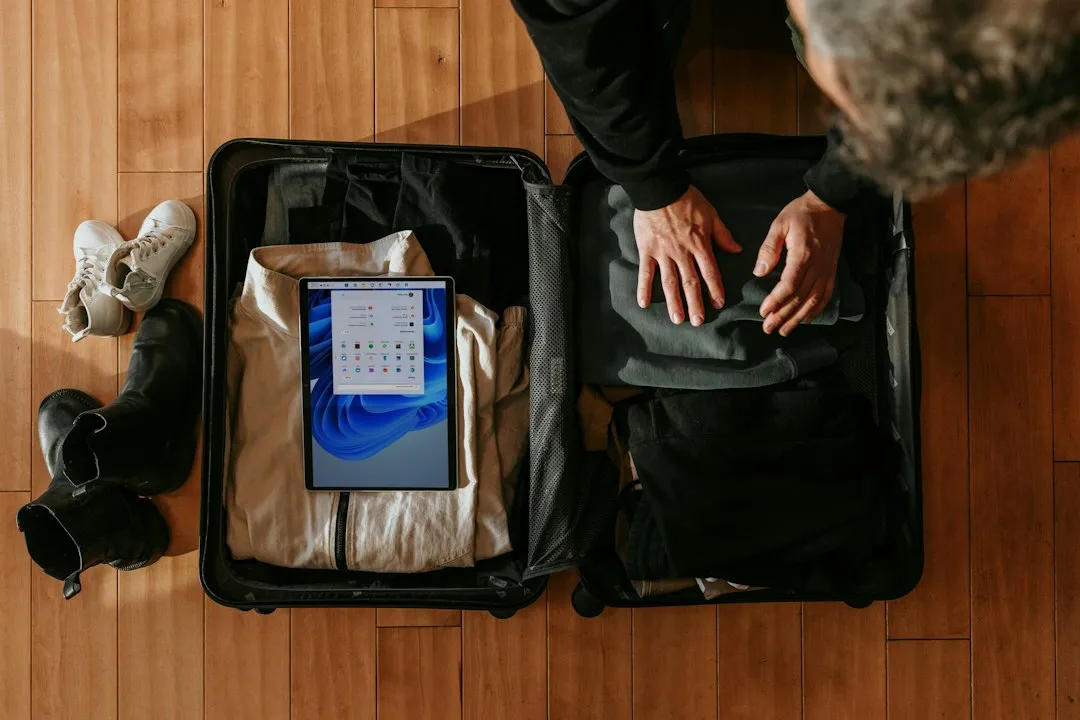
Most casual travelers assume packing cubes exist purely to compress clothing into a smaller footprint. Seasoned flyers know that’s only half the story. The real value reveals itself at security, at the hotel, and mid-trip when you need to locate one specific item in under thirty seconds.
The real reason frequent flyers rely on organized packing systems is wrinkle control and visibility. Rolled clothes let you see every item at a glance instead of digging through folded stacks, and rolled fabric creases far less than folded fabric because the stress points never repeat in the same spot.
Compression packing cubes let you fit more into your carry-on suitcase and keep your clothing organized throughout your trip. For carry-on-only travelers, this distinction between fitting and not fitting within airline size limits is often the entire game.
Balancing spaciousness with adherence to airline size restrictions is always a consideration. Multiple pockets, compartments, and lightweight materials are features worth prioritizing when choosing your carry-on system. Cubes make all of that far more manageable in practice.
3. A Portable Power Bank: Because Airport Outlets Are Never Where You Need Them

Relying on gate-area outlets, which are often limited and contested during busy periods, is less reliable than simply carrying a charged portable battery pack. This habit removes much of the phone-battery anxiety from the travel experience. It’s a small thing that solves a genuinely stressful problem.
According to the IATA Global Passenger Survey, seventy percent of travelers expect to reach their gate within thirty minutes when traveling with carry-on luggage, and eighty-nine percent express interest in trusted traveler programs to speed up security screening. The throughput is fast, and having your boarding pass, travel app, and navigation tools running on a charged device is not optional.
Frequent flyers often screenshot hotel confirmations, rental car details, and connecting flight information before departure, ensuring access to that information even without cellular signal or Wi-Fi. This habit becomes particularly valuable during international travel with uncertain connectivity. A power bank makes all of that a non-issue.
The practical rule among regular travelers is straightforward: charge the power bank the night before every trip, and treat it as non-negotiable carry-on weight. Its presence in the bag has prevented missed connections, lost reservations, and a fair amount of unnecessary stress.
4. A Reusable Water Bottle: Hydration That Doesn’t Cost a Fortune

You can’t take your water through the security line, but you also don’t want to pay a steep price for a bottle at the airport. A collapsible silicone water bottle solves that problem. Fill it up after security screening and save money at the airport every time you fly.
Cabin air is notoriously dry. Long flights can deplete hydration faster than most passengers realize, contributing to fatigue, headaches, and that worn-out feeling that makes arrival harder than it needs to be. A reusable bottle means access to water throughout the flight without relying on the beverage cart.
Collapsible designs in particular have become a favorite among carry-on-only travelers because they fold flat when empty, taking up almost no space. Filled after the security checkpoint, they’re ready before boarding even begins. It’s a low-cost habit with a measurable effect on how you feel on arrival.
5. A Travel Backpack That Actually Fits: The Right Bag Changes Everything
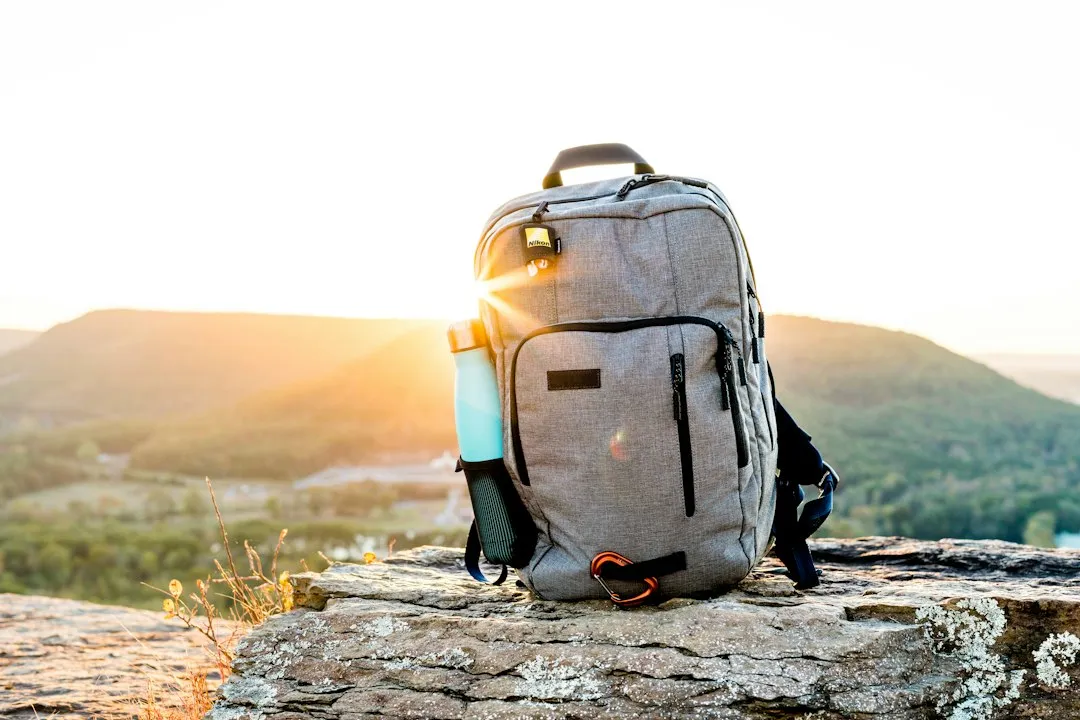
Frequent flyers know their preferred airline’s specific carry-on dimensions and pack a bag that fits comfortably within them, rather than a bag that’s merely “close enough” and risks being gate-checked. Testing a bag against a sizer at home, rather than discovering a mismatch at the gate, avoids an unwelcome surprise.
A reliable travel backpack is indispensable for any journey. Balancing spaciousness with adherence to airline size restrictions is always a consideration. Features like multiple pockets, laptop compartments, and charging ports matter, while keeping the backpack lightweight and comfortable.
Checked-bag fees have hit record highs, with U.S. airlines bringing in more than 7.4 billion dollars in passenger baggage fees in 2025, according to the Bureau of Transportation Statistics – up more than one hundred and sixty percent over five years. A well-chosen personal item or carry-on backpack sidesteps those fees entirely.
Most major domestic carriers raised fees by an additional ten dollars in early 2026 to offset rising fuel costs. Packing light can help travelers regain a little financial control on every trip. The right bag is, in that sense, not a luxury – it’s a practical investment that pays for itself quickly.
The Bigger Picture: Why the Carry-On Matters More Than Ever
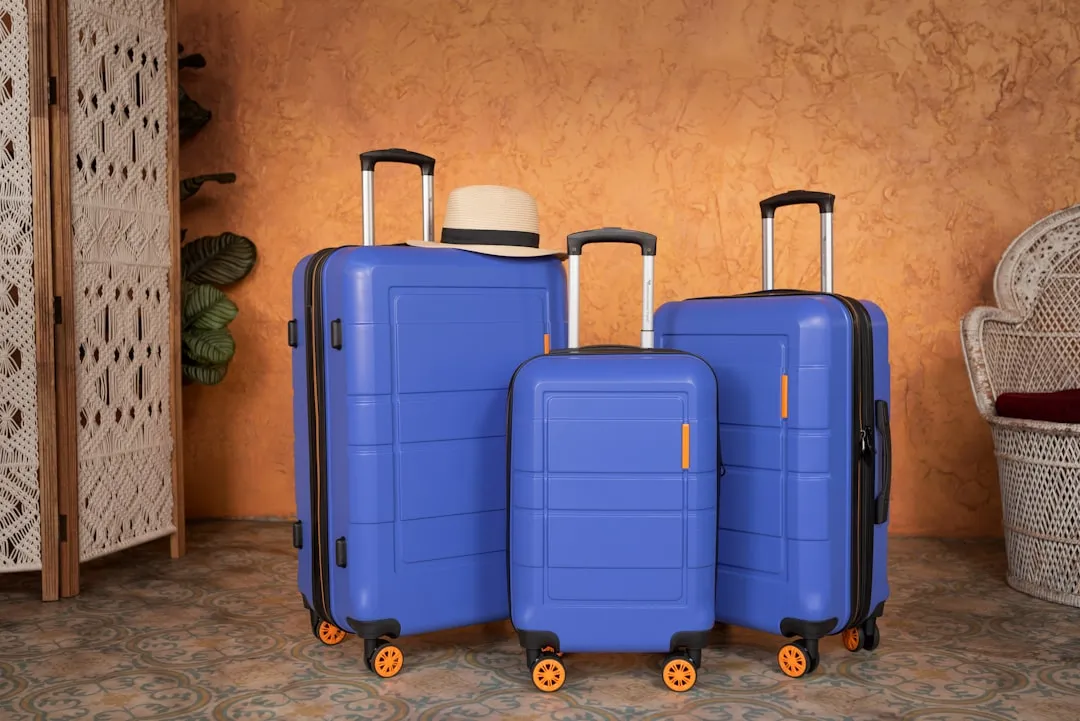
In 2024, global passenger traffic increased by nearly eleven percent year-over-year according to IATA. The average traveler still took only 3.7 flights that year, though SITA projects that travelers will take an average of 4.5 flights per year for 2025 and beyond. More flights means more opportunities – and more pressure – to get the carry-on right.
Global baggage mishandling rates fell to 6.3 per 1,000 passengers in 2024, down from 6.9 the year before, which is a genuine improvement. Still, for anyone who flies regularly, the idea of a checked bag going astray remains a real enough risk to motivate careful carry-on packing.
U.S. airlines brought in more than 7.4 billion dollars in passenger baggage fees in 2025, a 162 percent increase over five years. The first checked bag is now forty-five dollars prepaid or fifty dollars at the airport, with a second bag costing fifty-five dollars on most major carriers. Carry-on travel, done well, avoids all of that entirely.
The patterns are clear: more people flying more often, with higher fees and tighter airport timelines. Experienced travelers have simply adapted by packing smarter, not heavier. The carry-on is no longer a backup plan. For many, it’s the only plan.
Final Thoughts
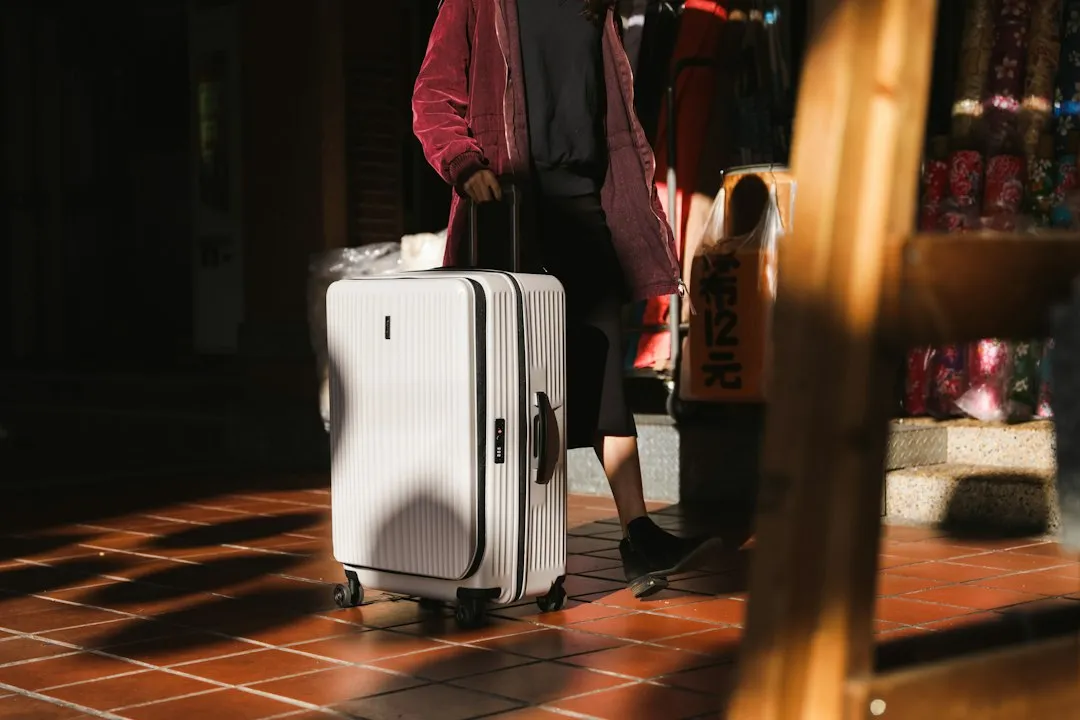
None of these five items require a large budget or an elite status card to acquire. What they do require is a little thought before every trip – the willingness to ask what actually earns its place in the bag and what’s just habit or comfort buying.
The frequent flyers who move through airports most gracefully tend to carry less, not more. Their bags are lighter, their security lines faster, and their arrivals calmer. That’s not accidental. It’s the result of paying attention, trip after trip, to what genuinely helps and what quietly weighs you down.
Pack with intention, and the journey gets easier before you’ve even left the ground.
AI Disclaimer: This article was created with the assistance of AI tools and reviewed by a human editor.