
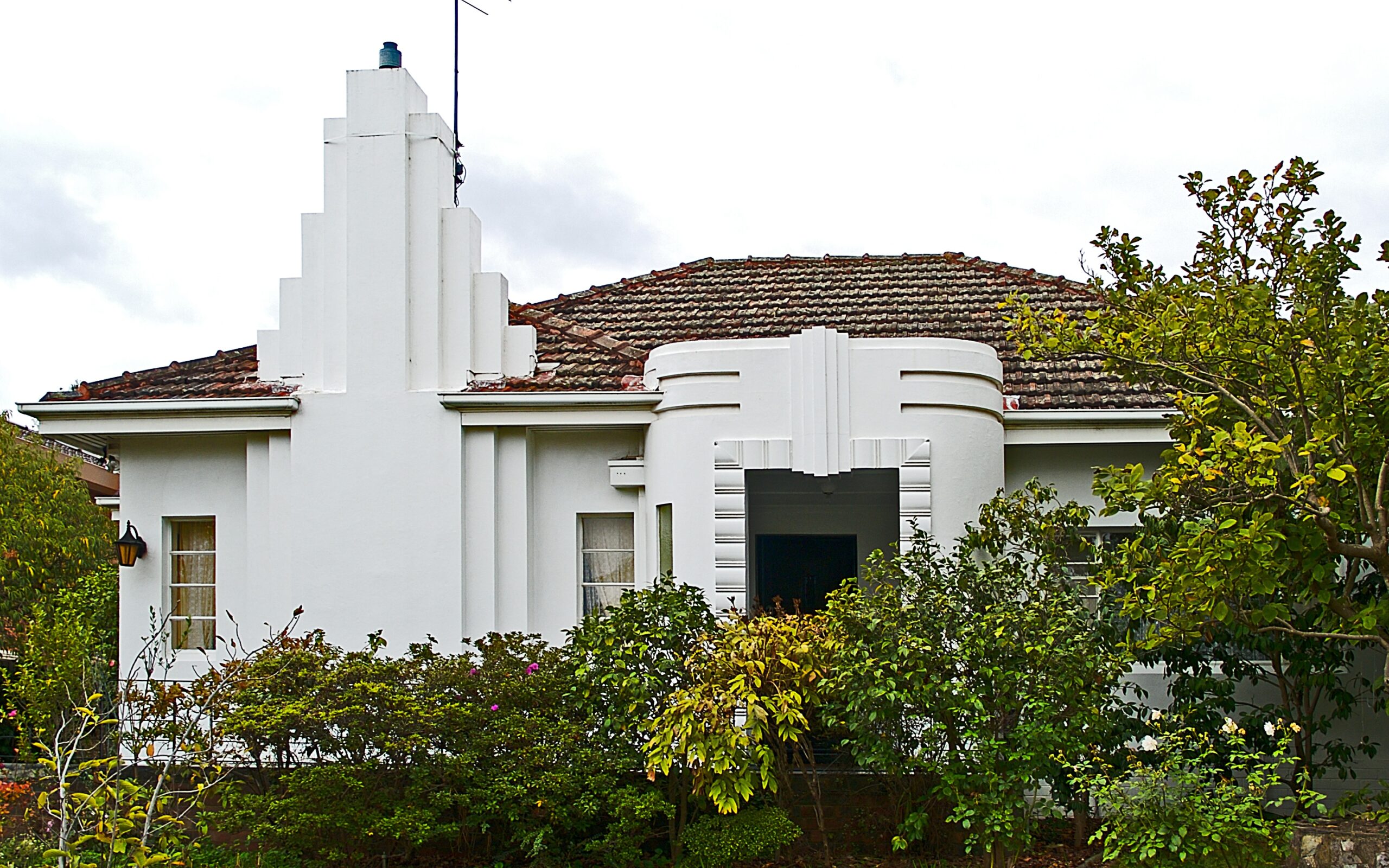

Most people who love architecture can name the usual suspects without hesitation: New York’s skyline, Miami Beach, the grand avenues of Paris. Yet the story of Art Deco is far bigger and stranger than those well-worn chapters suggest. The style has been dubbed “the first international style” because of the way it spread across the world, including to unexpected places. That reach is precisely what makes it so rewarding to chase.
Search interest in Art Deco has hit a 10-year high, and it’s not hard to see why. Characterised by geometric shapes, streamlined forms, symmetry, and verticality, the Art Deco style embodies machine-age modernity in a way that still feels genuinely alive today. What follows is a gallery of ten districts that deserve a proper look on your next city trip.
Montevideo’s 18 de Julio Avenue, Uruguay
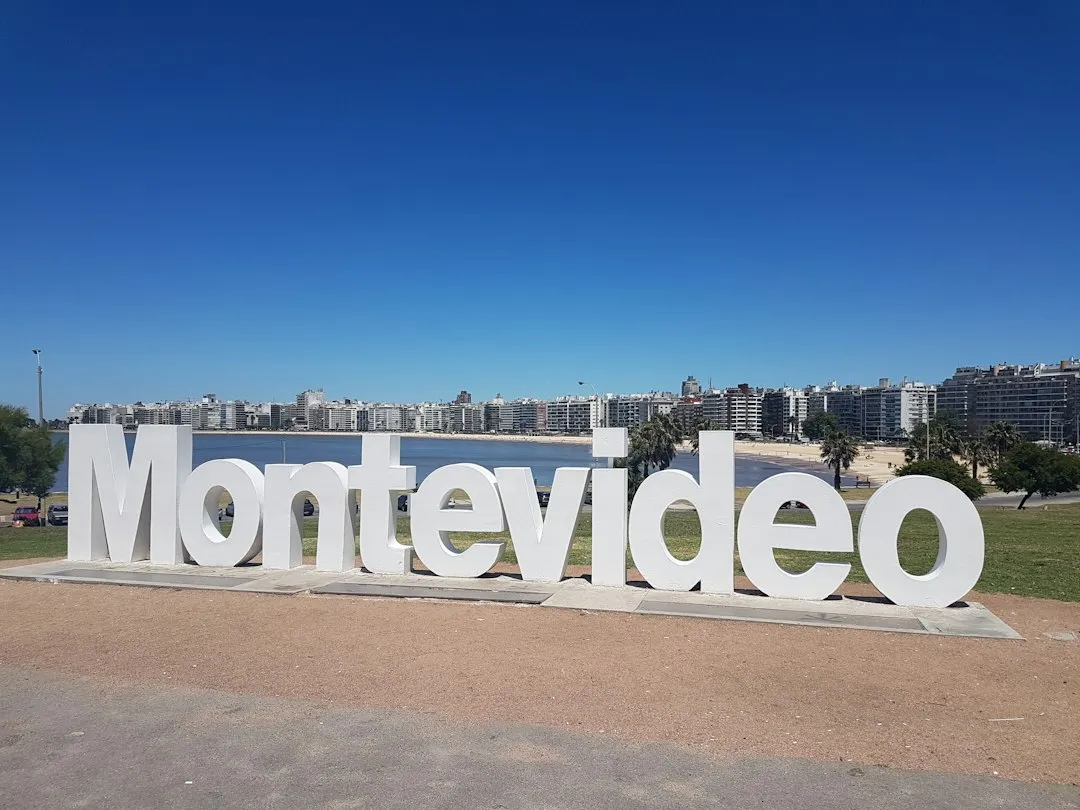
Across the Río de la Plata estuary from Buenos Aires sits Uruguay’s capital city, Montevideo, and its 18 de Julio Avenue is a popular retail street and tourist destination known for its Art Deco architecture. The scale of what survives here is quietly impressive. Situated on the street is the Palacio Díaz, completed in 1929 to the designs of Uruguayan architects Gonzalo Vázquez Barrière and Rafael Ruano, and it stands as one of Montevideo’s finest examples of the Art Deco style, with a symmetrical facade evocative of New York skyscrapers.
Another notable Art Deco building on 18 de Julio Avenue is the 1933 Palacio Tapié, which features decorative geometry on its curved corner facade, while on the street’s western end, where it meets the Plaza Independencia, is the Palacio Rinaldi, built in 1929 with geometric balconies and colourful facade details. Walking this avenue on a weekday morning, when the crowds are thin and the light catches the stucco reliefs cleanly, is one of South America’s more quietly rewarding architectural experiences.
Napier, New Zealand: A City Rebuilt in One Style
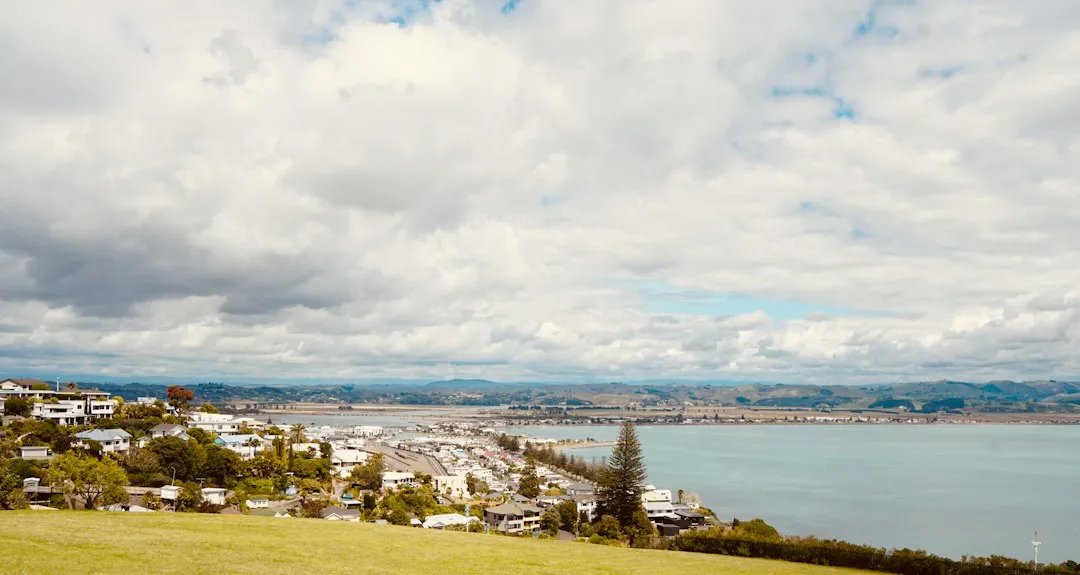
Napier, New Zealand, was virtually destroyed by a 7.8 magnitude earthquake in 1931, and in the short span of several years, the rebuilding of its central business district resulted in one of the highest concentrations of Art Deco buildings in the world. The circumstances were tragic; the result is extraordinary. Today the city counts around 140 Art Deco-style buildings in its central business district, and Napier is considered the “Art Deco Capital of the World.”
After the earthquake, Napier’s architects chose to adopt the Art Deco style because it was fashionable and its simplicity and clean lines suited the holistic, safety-focused approach the rebuild required. The ASB Bank building, built by Wellington firm Crichton McKay and Haughton in 1932, is one of the finest examples of Māori carving and kowhaiwhai patterns that the town’s architects incorporated into their interpretation of Art Deco style. Since 1998, Art Deco Napier has hosted its Art Deco Festival, drawing around 20,000 enthusiasts from New Zealand, Australia, Canada, the United States, the United Kingdom, Singapore, and more.
Mumbai’s Marine Drive, India
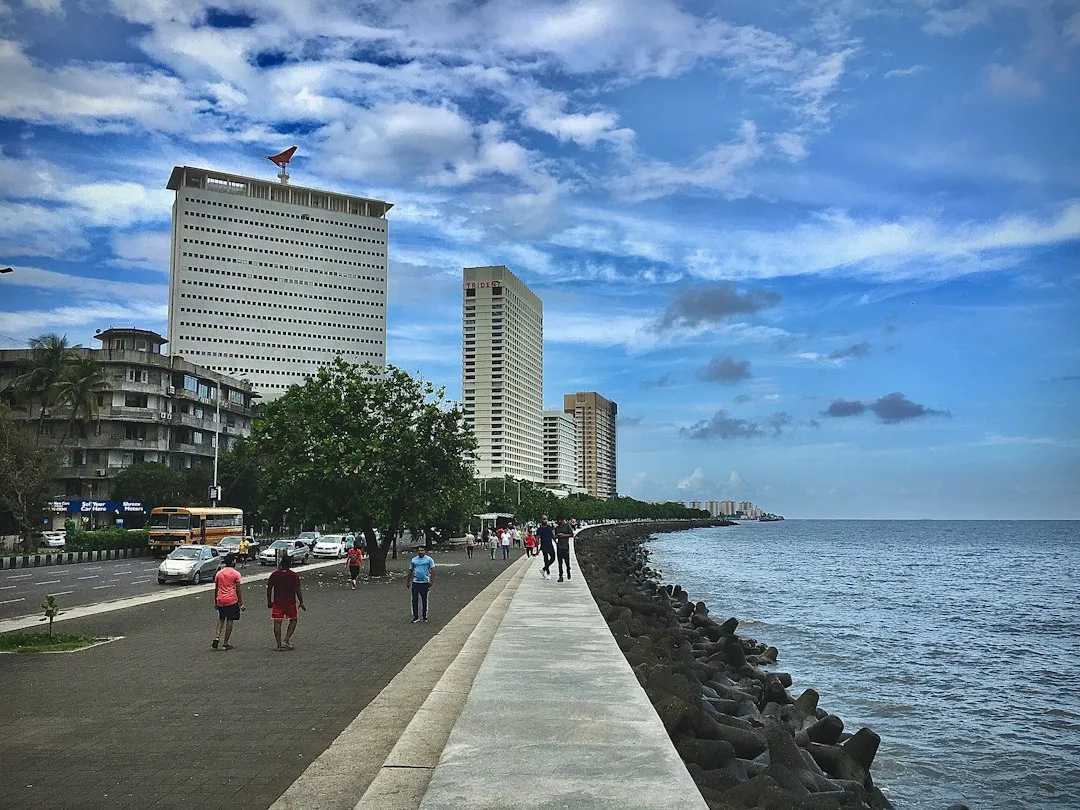
Mumbai holds the world’s second-largest collection of Art Deco buildings after Miami, and while the city lacks the glitzy skyscrapers that typically come to mind when picturing Art Deco, it is adorned with streamlined homes and cinemas, some of which are protected by UNESCO. A large number of Art Deco buildings are located along Marine Drive, a three-kilometre-long coastal promenade at the southern tip of Mumbai.
A particular portion of the city, around the Oval Maidan park, was declared a UNESCO World Heritage Site in 2018 for its Victorian Gothic public buildings on the eastern side and Art Deco buildings on the western side, including those stretching along Marine Drive. The scale of this heritage, so often overlooked in favour of Mumbai’s more sensational draws, is genuinely humbling. Walking the western flank of the Oval Maidan at dusk, when the buildings glow amber, is a reminder of how far this style once travelled.
Glasgow’s Deco Pockets, Scotland
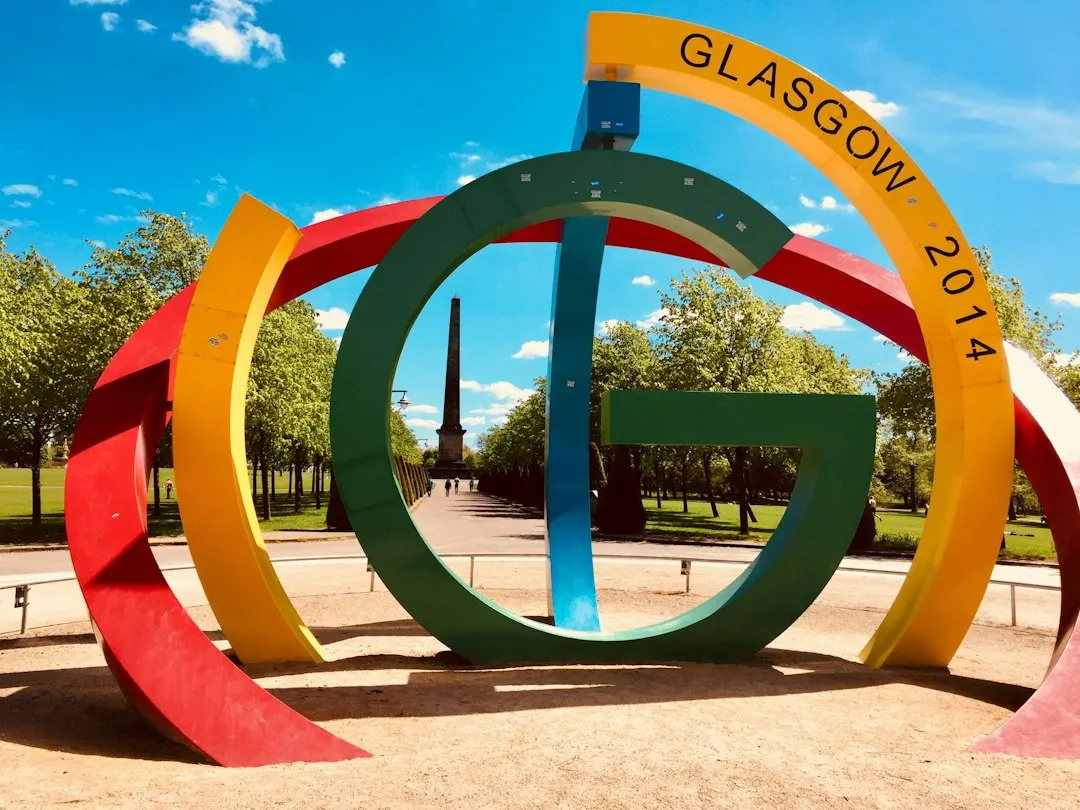
Glasgow is well known for its Art Nouveau architecture, championed by local architect Charles Rennie Mackintosh and his peers around the turn of the 20th century, but the city also has some key examples of the Art Deco style that came after. It tends to get overshadowed by Mackintosh’s longer legacy, which is a shame. Some examples of Art Deco buildings still standing include the Marks and Spencer building on Sauchiehall Street, which opened in 1935, and Glasgow’s O2 Academy music venue, which originally opened in 1932 as the New Bedford Cinema.
Aiming to demonstrate the strength of the British Empire, Glasgow hosted the international Empire Exhibition at Bellahouston Park in 1939, which saw a number of temporary Art Deco structures built. Exploring Glasgow with an eye tuned to Deco rather than Nouveau reveals a second, slightly subversive layer to the city’s design history, one that rewards the curious visitor who wanders off the expected route.
Reims, France: Deco Born from Devastation
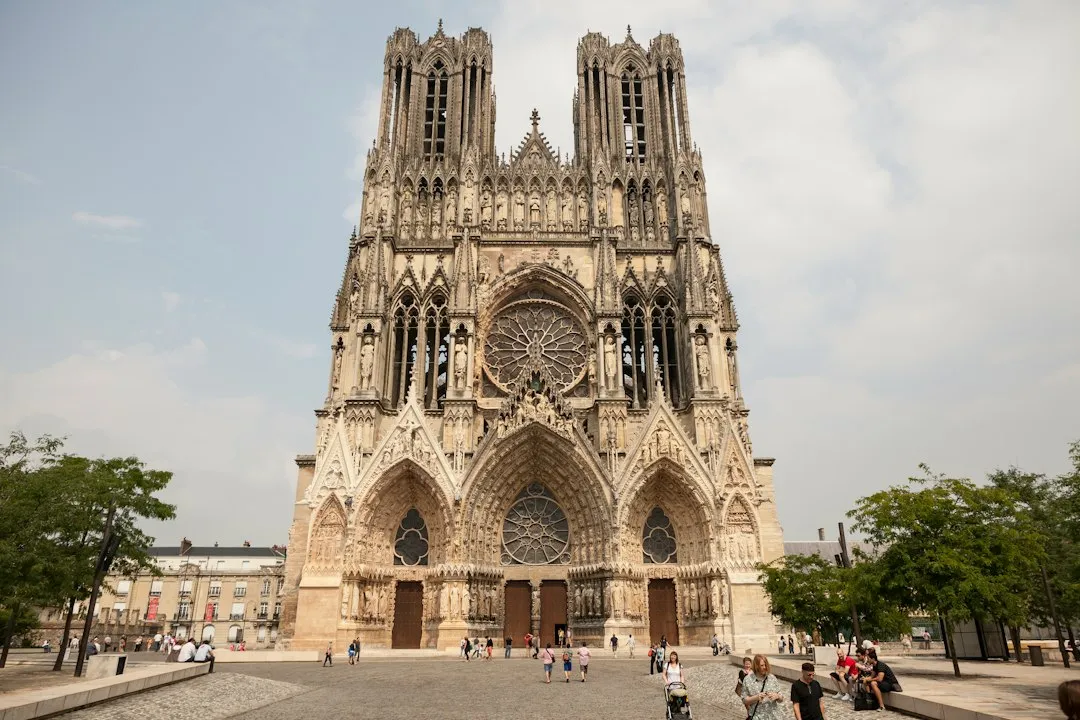
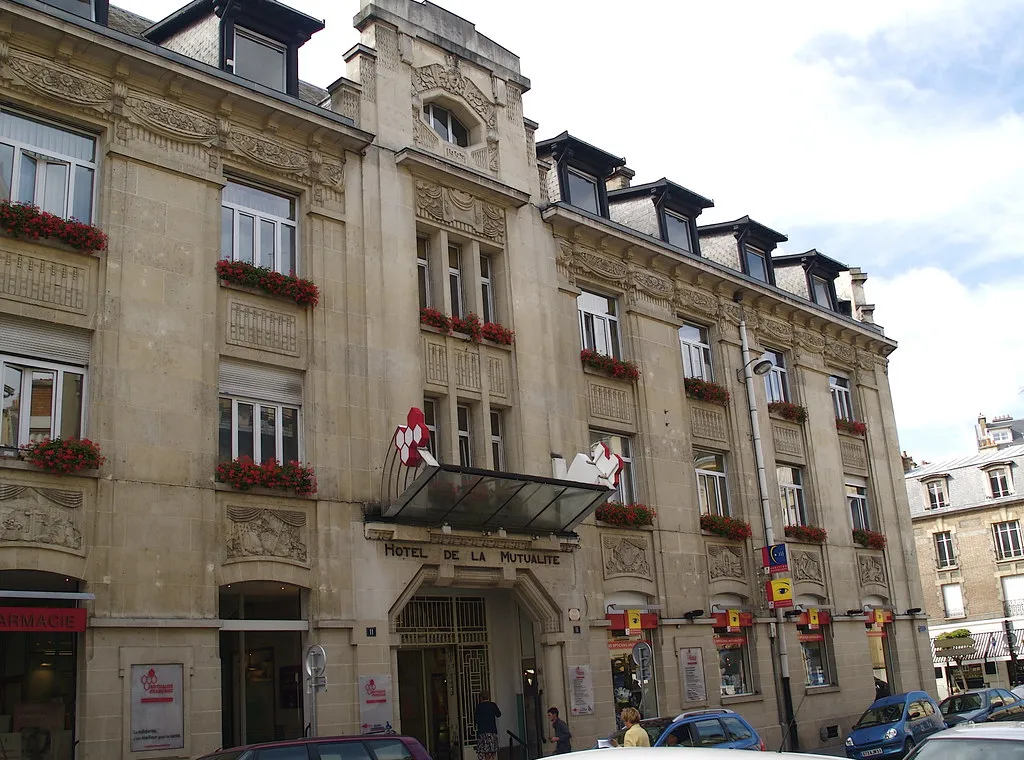
Because Reims took such heavy damage in World War I, its reconstruction took place during Art Deco’s later years. This timing shaped the entire character of the rebuilt city centre in ways that visitors still feel today. Like Napier, destruction became the condition for an unusually coherent architectural moment. Admiring Reims’ Art Deco architecture means immersing yourself in the fascinating history of a city rebuilt after the First World War.
Most visitors to Reims come for the cathedral and the Champagne houses. Those who look slightly beyond these obvious landmarks discover a streetscape of considerable elegance, with facades that reflect the sober optimism of post-war reconstruction. The city rewards the kind of slow walking that lets buildings accumulate meaning over a morning rather than a glance.
Detroit’s Guardian Building and Financial District, USA
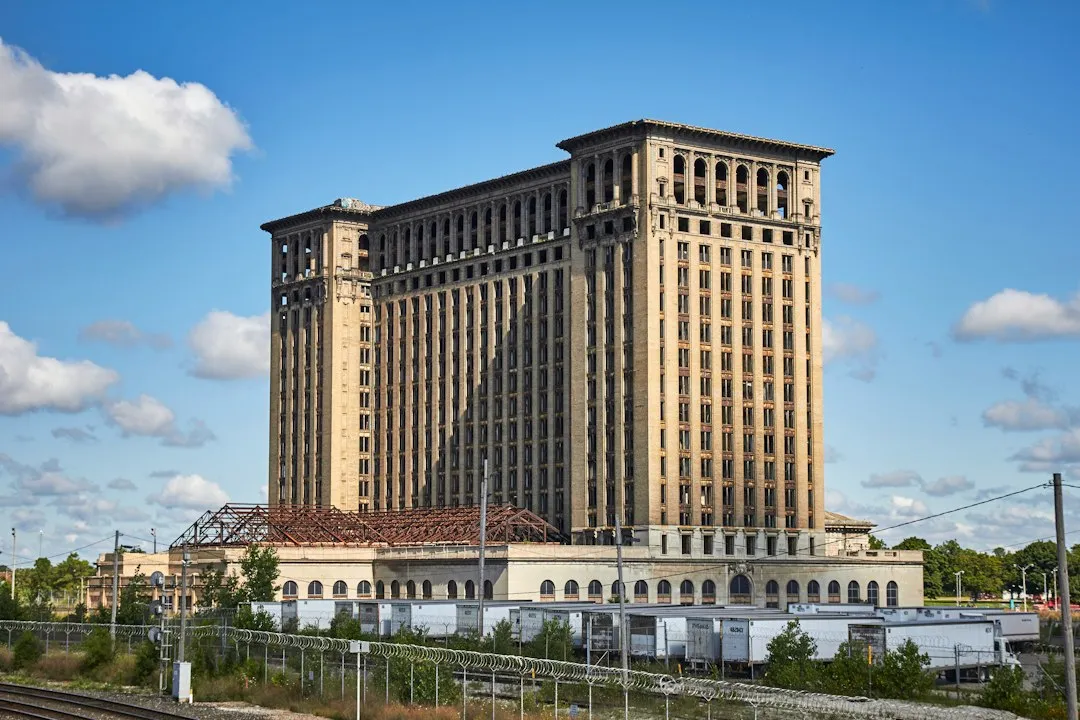
In Detroit, Art Deco skyscrapers such as the Penobscot and Guardian buildings stand as remarkable examples of the style’s ambition. The Guardian Building in particular is considered one of the finest examples of Art Deco commercial architecture anywhere in the country, with its soaring lobby finished in colourful Pewabic tile and Rookwood pottery. Detroit’s downtown has seen significant reinvestment in recent years, which has brought new attention to its interwar building stock.
Art Deco World Congresses have previously taken place in cities including Detroit’s neighbouring region, with events held across cities like Los Angeles, New York, Montreal, and Cleveland, underlining the depth of institutional interest in preserving these buildings. Spending time in Detroit’s financial district with no particular destination in mind is one of the more underappreciated pleasures in American architectural travel.
Montreal’s Art Deco Gems, Canada
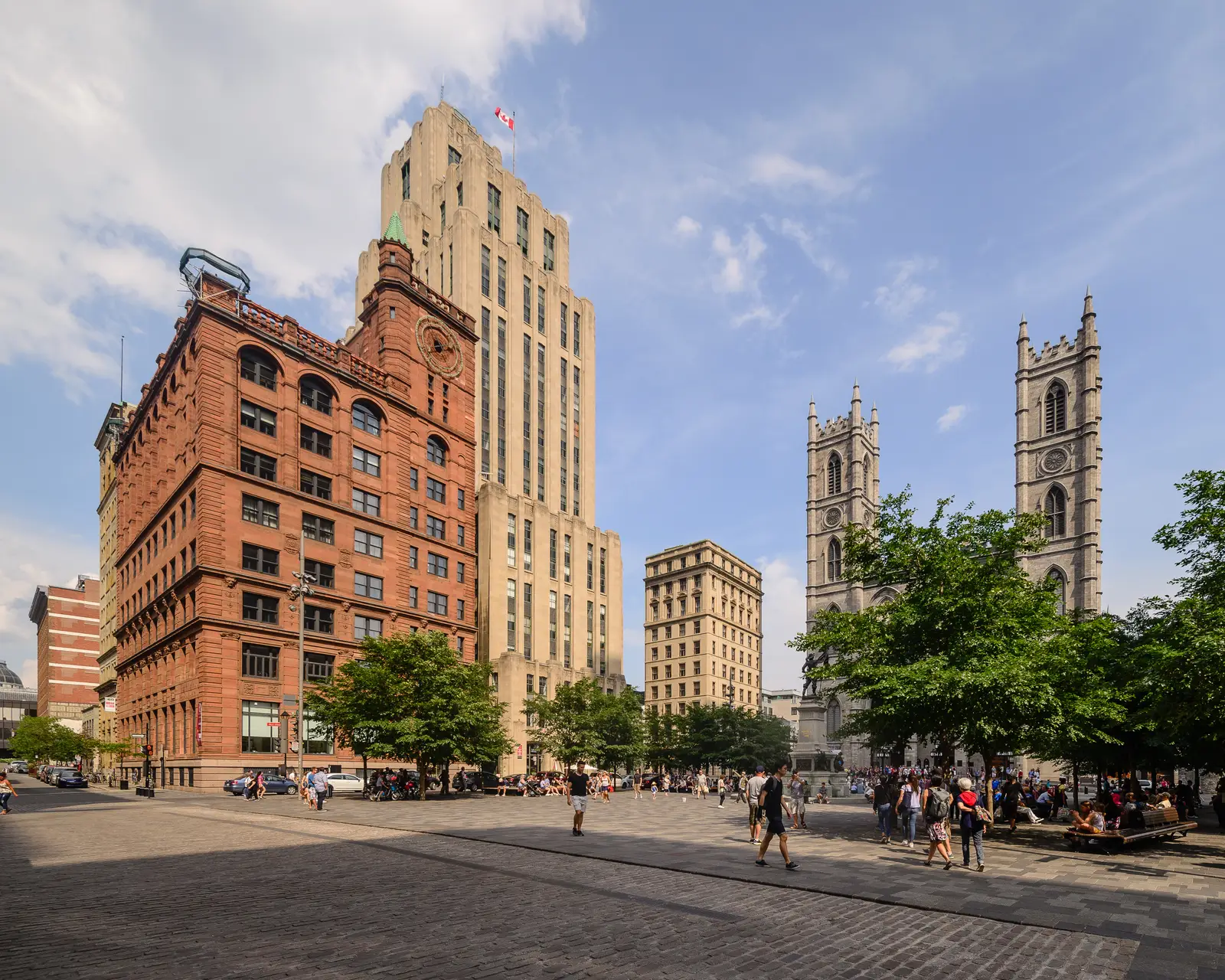
Montreal holds a serious and still-growing Art Deco legacy that most visitors never fully explore. One of the most remarkable recent developments in the city’s Deco heritage is the restoration of Le 9e, a storied interior space in the former Eaton department store. Inspired by the dining room of the Île-de-France transatlantic ocean liner and designed by French architect Jacques Carlu, Le 9e originally opened in 1931, was classified as a heritage property under Québec’s Cultural Heritage Act in 2000, and then lay essentially dormant for nearly a quarter-century before being meticulously restored and reopened in 2024.
In addition to the restaurant, Le 9e’s La Grande Salle venue is now equipped to host live shows, exhibitions, and private functions for up to 500 guests. The reopening of this space in 2024 was a genuine milestone for the city’s heritage community. Montreal’s broader collection of Art Deco commercial buildings along Rue Sainte-Catherine and in the old financial district makes it one of Canada’s most architecturally surprising cities for this style.
London’s Fleet Street and Surrounding Blocks, England
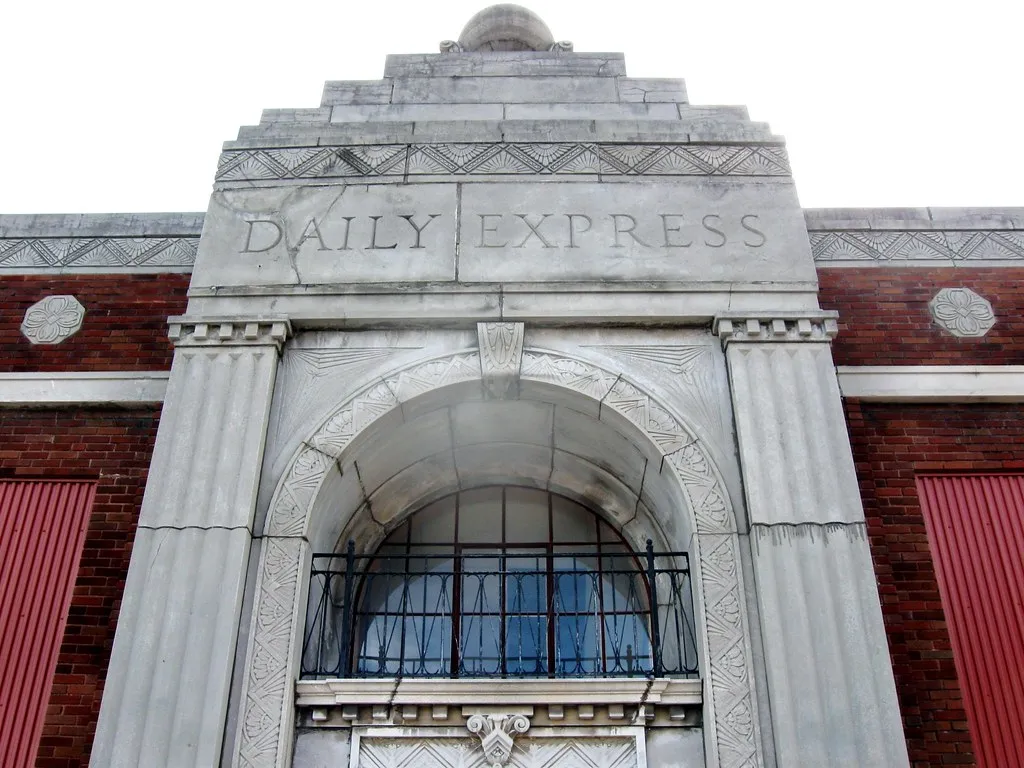
To mark Art Deco’s centenary in 2025, Time Out published a list of the world’s greatest Art Deco buildings, enlisting the expertise of Art Deco aficionado Dominic Lutyens. The result was a notable affirmation of London’s depth in this area. A total of three London Art Deco structures featured in Lutyens’ top nine, including the top spot, which was proclaimed to be The Daily Express Building on Fleet Street.
The Grade II*-listed site, designed by Ellis and Clarke in 1932, features a tiered facade made mostly of vitrolite, a kind of opaque plastic glass. Most visitors to London walk straight past it on the way to St Paul’s Cathedral. That is a genuine pity. The building’s lobby is considered one of the most intact Art Deco interiors in the country, and the broader Fleet Street corridor contains a concentration of interwar commercial architecture that deserves far more attention than it typically receives.
Manila’s Historic Districts, Philippines
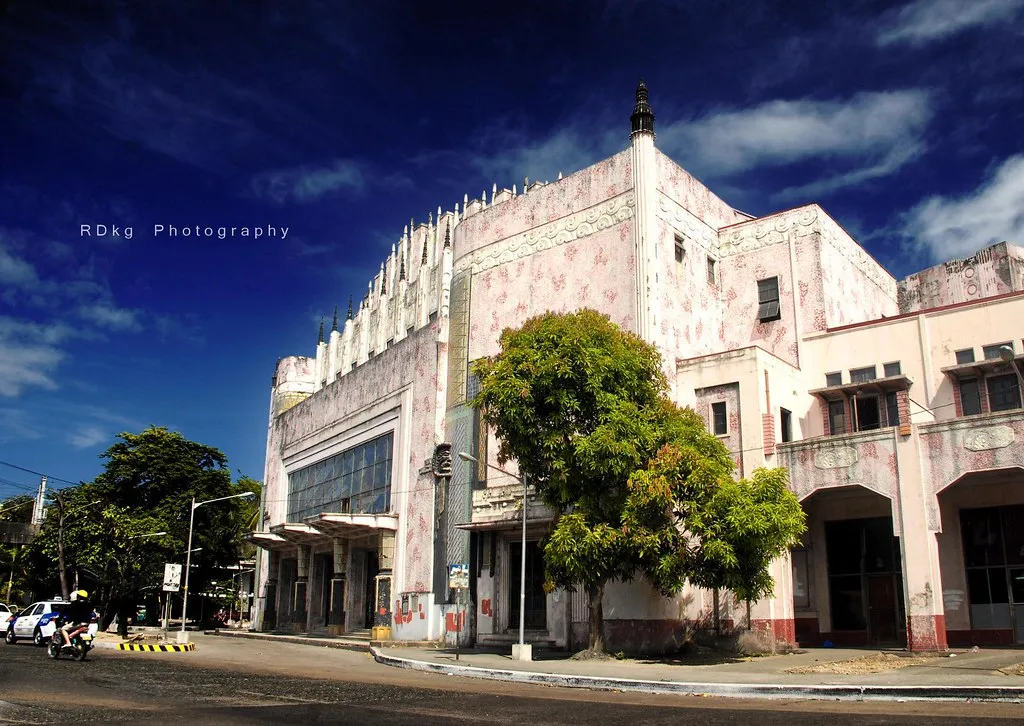
Despite the destruction that World War Two inflicted on Manila and subsequent urban development, remnants of the city’s Art Deco past remain visible in restored landmarks and historic districts. Manila’s Art Deco heritage reflects the city’s colonial past and its position as a cultural and commercial hub in Southeast Asia. The survival of these buildings, given how much the city has changed, makes each one feel that much more significant.
Many aspiring architects moved to Europe and the USA to study during the interwar period and brought Art Deco influences back to their home countries, blending the style with elements denoting local traditional architecture. In Manila, this blending produced something genuinely specific to the Philippines: a tropical Deco sensibility that quietly rewards anyone willing to seek it out in the older commercial quarters of the city.
Miami Beach’s Art Deco Historic District, USA
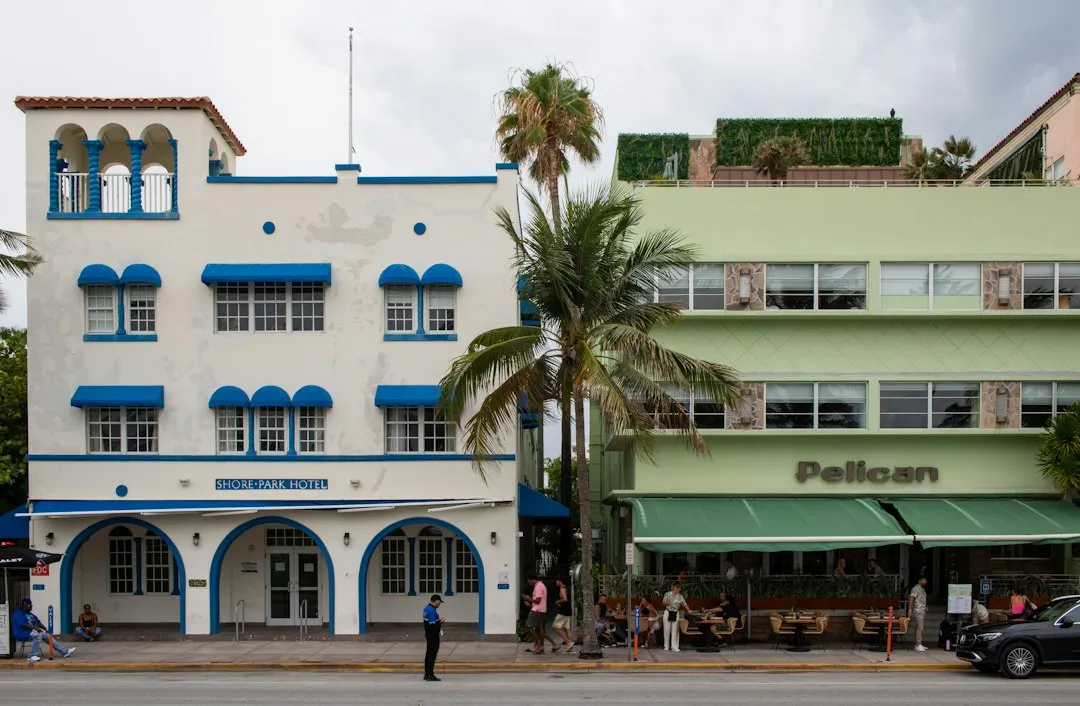
Miami Beach belongs on this list not because it lacks recognition, but because even well-travelled visitors rarely see it properly. The Art Deco Historic District holds the nation’s largest concentration of Art Deco architecture, with over 800 historic buildings. Designated a National Register District since 1979, the historic buildings span the styles of Art Deco, Mediterranean Revival, and MiMo, or Miami Modern. The breadth of that range is something most visitors discover only gradually.
This is tropical Deco, a regional version of Art Deco popularised in the 1930s and 1940s, recognisable by its palm-tree-like flourishes and flamingo motifs. The guided walking tours led by the Miami Design Preservation League take visitors through the area between 5th Street and 23rd Street and along Ocean Drive, Collins Avenue, and Washington Avenue, providing architectural and historical insight. Going slowly, peering into lobbies rather than just scanning facades, is how this district reveals its full depth rather than just its famous postcard face.
A Style Worth Slowing Down For
What links these ten places is something quieter than spectacle. Art Deco was never just about decoration; it was a genuine expression of optimism, modernity, and in some cases, the determination to rebuild after catastrophe. Art Deco dominated in Paris, New York, and Miami in the 1920s and 30s, but the style also stretched far and wide, making an impact in cities across Asia, South America, and New Zealand.
Each district on this list rewards a different kind of attention. Some, like Napier and Reims, are defined by a single historical rupture. Others, like Mumbai and Manila, carry the style as an almost accidental inheritance. A century on, Art Deco’s glamorous craftsmanship, bold geometric shapes, and opulent colours are as admired as ever. The best way to honour that legacy is simply to arrive without a fixed schedule and let the buildings do the talking.
AI Disclaimer: This article was created with the assistance of AI tools and reviewed by a human editor.