
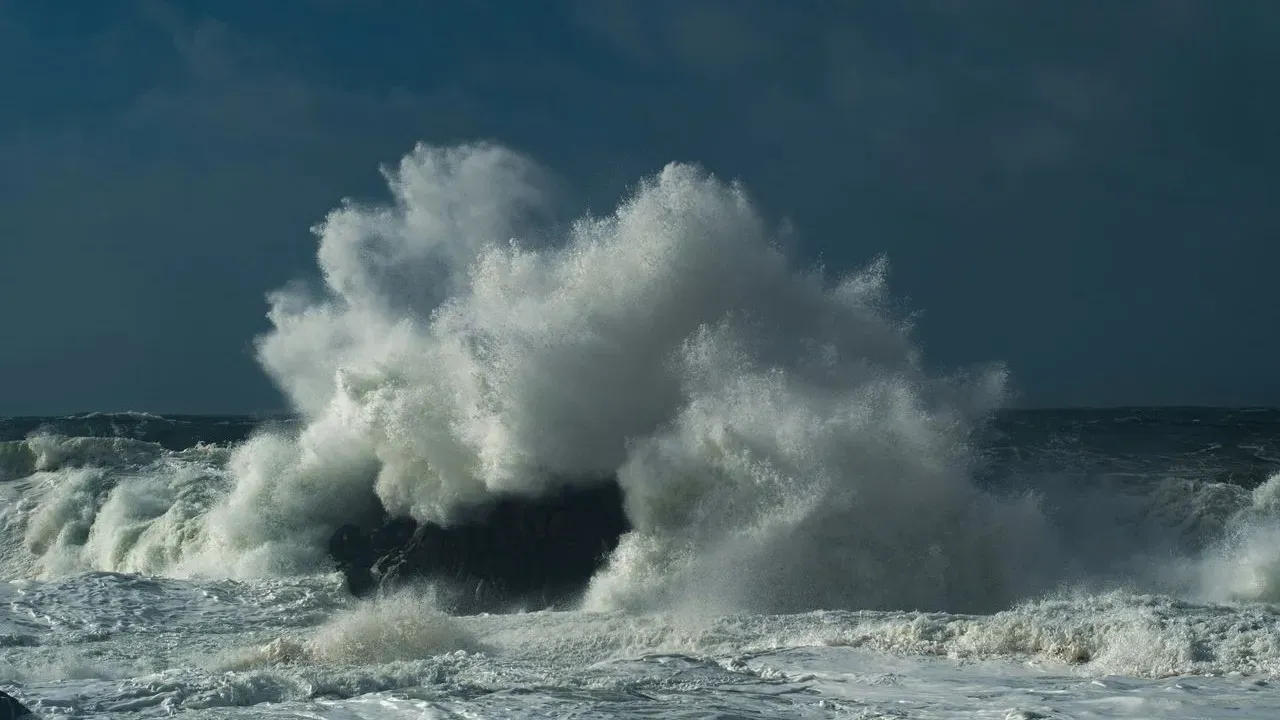

Meteorologists are monitoring a developing disturbance in the Atlantic that could mark the end of an unusually quiet stretch in the 2026 hurricane season. The system remains in its early stages, yet forecasters note its potential to strengthen into the year’s first named storm or hurricane. For anyone planning trips to the Caribbean, Florida, or the U.S. East Coast this fall, the situation calls for measured awareness rather than alarm. ([1])
Current Conditions in the Atlantic Basin
The disturbance is forming amid broader atmospheric patterns that have kept activity low through much of the summer. Warm sea-surface temperatures and favorable wind patterns are now supporting gradual organization. While the exact track and intensity remain uncertain, the system is drawing attention because it arrives later than many typical early-season threats. Travelers following regional forecasts will find the most reliable updates from the National Hurricane Center and local meteorological services.
El Niño’s Influence This Season
El Niño conditions have played a notable role in shaping the Atlantic environment this year. The climate pattern often suppresses hurricane formation through increased wind shear, which helps explain the quiet period observed so far. As the pattern evolves, its influence may lessen, allowing late-season systems a better chance to develop. This shift aligns with historical observations that some of the most significant Atlantic activity can occur in September and October even in quieter years.
Practical Steps for Fall Travel Plans
Anyone with reservations in hurricane-prone regions benefits from flexible booking policies and up-to-date travel insurance that covers weather disruptions. Monitoring official advisories daily becomes especially useful once a system receives a name. Local tourism boards in the Caribbean and along the U.S. coast routinely share preparedness resources tailored to visitors, including evacuation routes and shelter information. Responsible travelers also keep digital copies of important documents and maintain contact plans with family or travel companions.
Building Resilience Into Your Journey
Sustainable travel choices remain compatible with weather awareness. Opting for properties that follow strong environmental standards often means better infrastructure and clearer communication during changing conditions. Supporting local economies through community-based tours or independent operators can further strengthen regional recovery capacity when storms do occur. The goal is to travel with both curiosity and care, allowing the beauty of these destinations to be experienced thoughtfully while respecting the natural rhythms of the Atlantic.
AI Disclaimer: This article was created with the assistance of AI tools and reviewed by a human editor.