

The Night Belongs to the Migrants
At least 80 percent of migratory bird species in the U.S. migrate at night, a fact that continues to reshape how guides and ornithologists plan their advice for birdwatchers. Nocturnal migratory behaviour offers several advantages, including reduced predation risk, more favourable atmospheric conditions that facilitate energy-efficient flight, and the use of critical orientation cues at sunset or during the night.
Many small songbirds migrate at night to avoid predators like hawks and to use cooler, calmer air for flying. Night skies also allow them to navigate by the stars, a key reason their movements are captured on weather radar.
The Golden Window: Two to Four Hours After Sunset
The highest numbers of birds in flight generally occur in the first half of the night, usually two to four hours after local sunset. In North America, most nocturnal bird migration in spring occurs from mid-March to mid-June, and in autumn from mid-August to mid-November.
Peak migration traffic timing within a night can vary seasonally and geographically, with potentially dramatic departures from this typical pattern as a result of local and regional weather conditions and migrants’ origins and destinations relative to areas where they cannot land. Still, the two-to-four-hour window after sunset is the most consistent reference point guides return to.
Why Dawn Is Prime Time for Observers
Nocturnal behavior is why dawn is a prime time to find new arrivals at birding hotspots. Birds that flew through the night begin to descend at first light, landing to rest and feed. Most birders encounter these nocturnal migrants the morning after landfall, when they are conspicuously searching for suitable foraging and refueling habitats in preparation for their next flight.
The two-hour window after sunrise is the most productive time for birdwatching. Birds feed actively after a night without food, and males sing to defend territories. This period, called the dawn chorus, produces the highest species diversity.
The Dawn Chorus Is Not Quite What It Seems
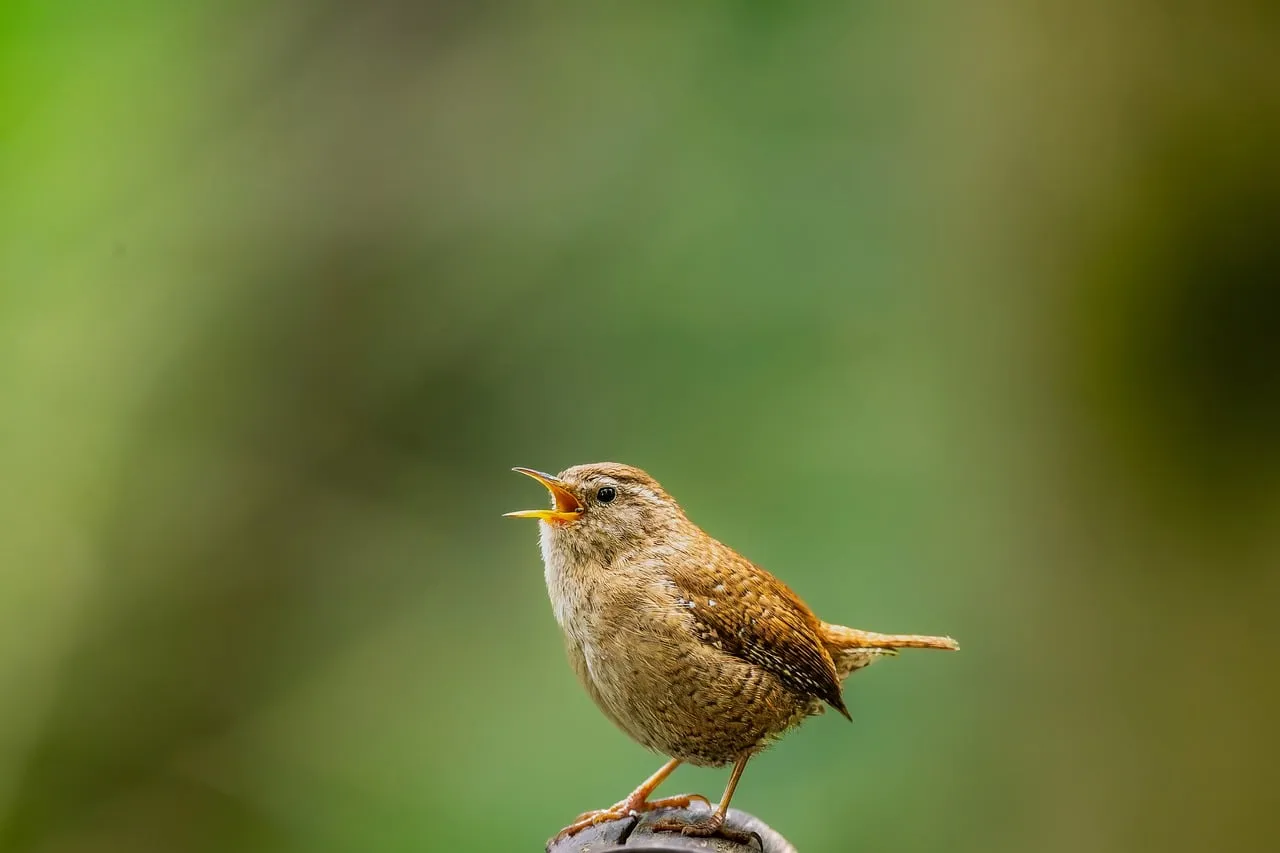
Dawn’s reputation as the best time for birding stems mostly from the dawn chorus, a surge of birdsong that begins at first light and peaks before sunrise. In the right location, the dawn chorus is one of the greatest experiences in nature, but it is not a great time to see birds.
Generally, morning is best, and earlier is better than later, but with some qualifiers. It depends on what kind of birding you’re doing. Hawk migration peaks in mid to late morning, falcons in late afternoon, hummingbirds and waterbirds are active all day. The sound is extraordinary at dawn, but visibility improves noticeably as the light fills in, which often means the first thirty minutes after civil twilight offer the richest combination of both.
A Few Big Nights Drive the Whole Season
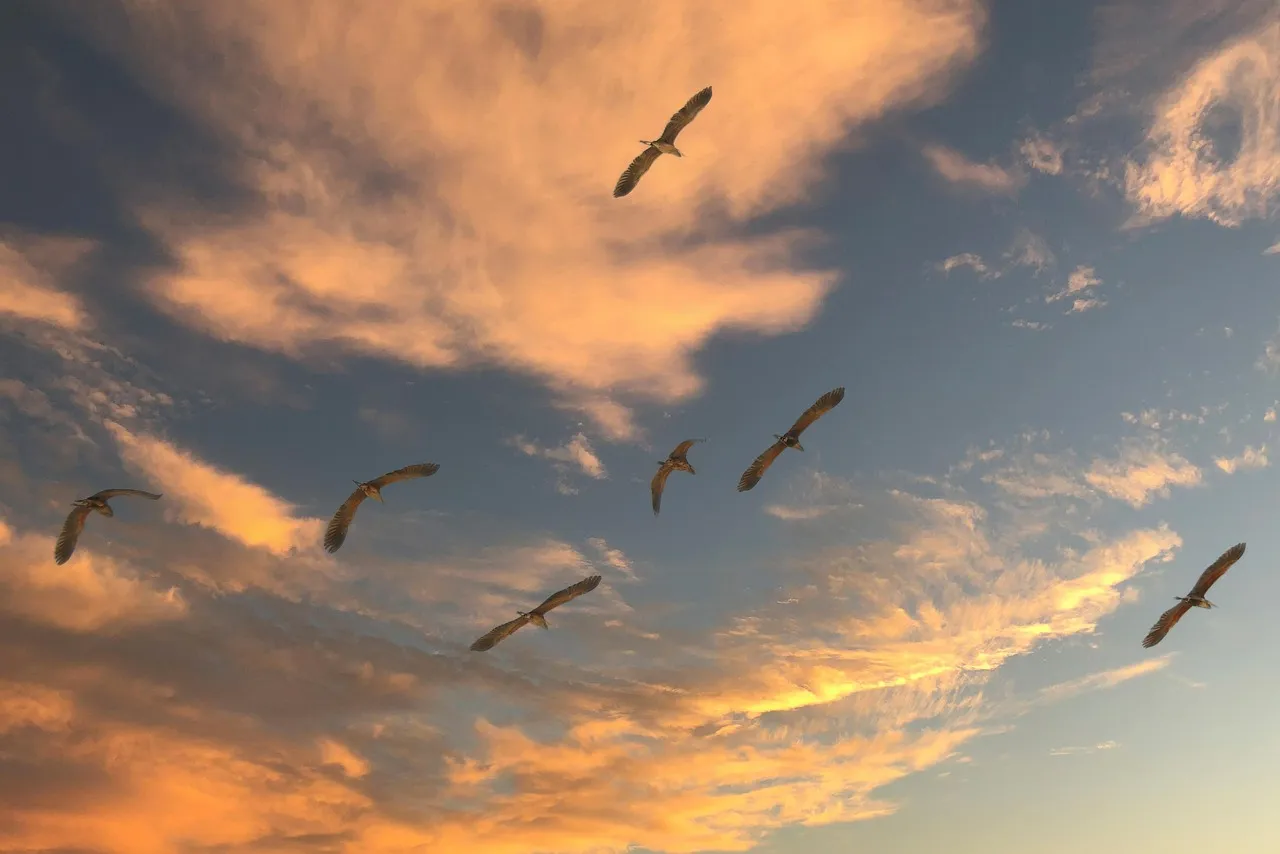
Only a handful of peak nights occur throughout a given season. Approximately ten percent of a season’s migration nights account for approximately fifty percent of the migration traffic. This is one of the most striking facts in migration science, and it has real consequences for when guides tell their groups to show up.
Even during peak migration, some days are quiet while others are packed with new arrivals. Birders have for decades tried to guess which nights would be big ones for migration. Now, thanks to radar-based tools, that guesswork has been largely replaced with data-driven forecasts updated multiple times per day.
Weather Triggers Mass Departures
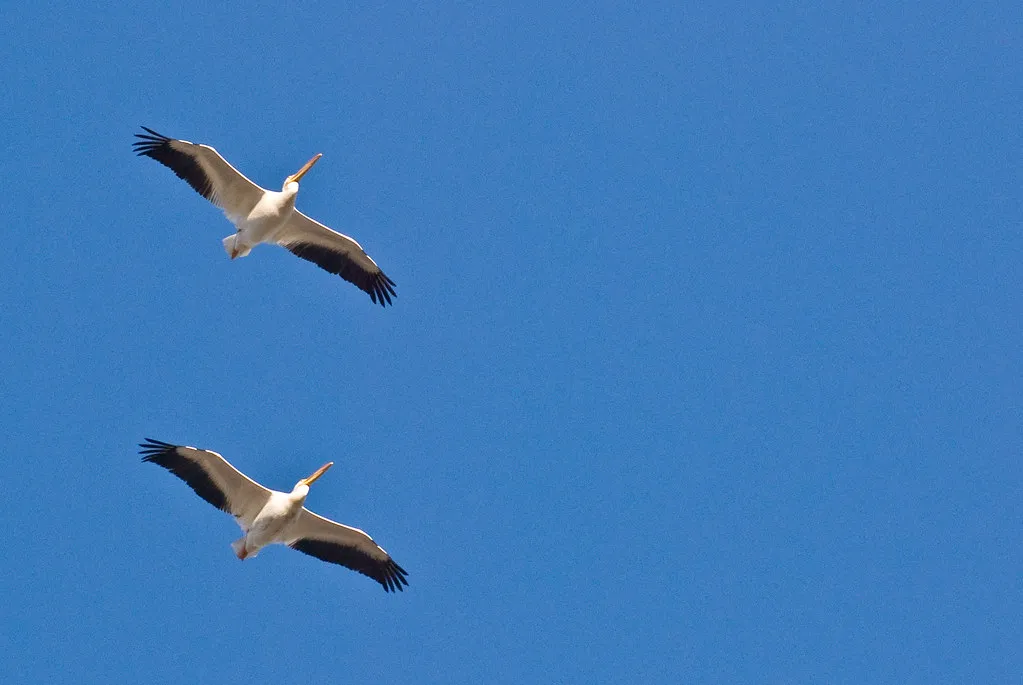
Peak migration typically occurs during nights with favorable winds, clear skies, and following cold front passages that trigger mass movements of migrants seeking optimal flying conditions. A cold front in autumn, for example, can push enormous numbers of birds south in a single night, setting up spectacular fallouts at dawn the following morning.
Some of the best birdwatching experiences can be found either side of a storm, especially during the migration months. Guides who watch pressure systems closely frequently plan their outings for the morning immediately following a front, when grounded migrants concentrate in shrubs, tree lines, and coastal vegetation.
Spring and Fall: The Seasonal Windows That Define the Calendar
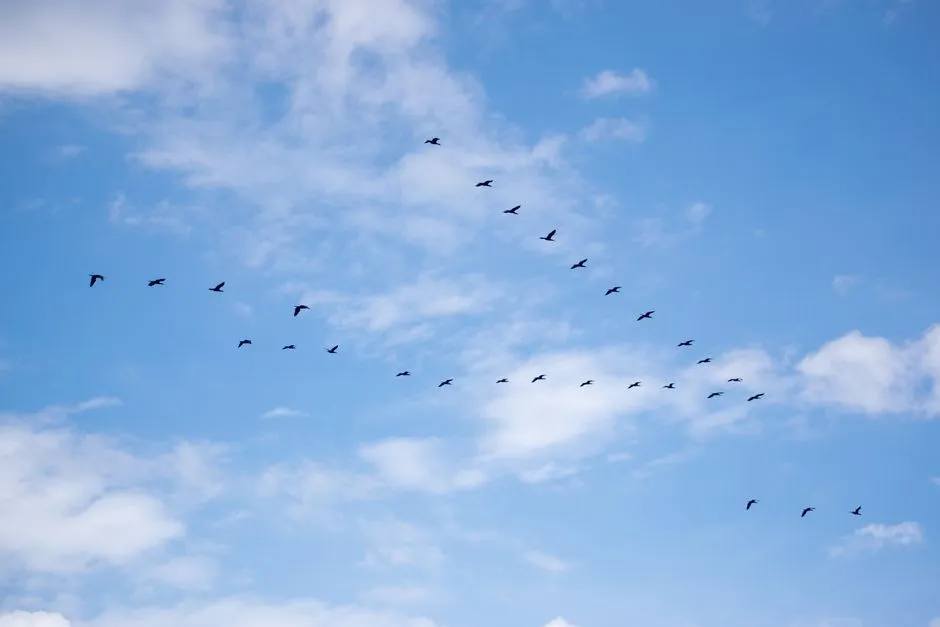
In the contiguous U.S., the peak migration period is typically from mid-April to mid-May in spring, and from mid-September through mid-October in fall. These windows represent the moments when the sky is most alive with movement. Birders in the West can enjoy their peak migration bonanza in late April and the first week of May, while birders in the Northeast and Upper Midwest may have to wait a few more weeks.
May signifies the peak of bird migration diversity in the Northeast, the Midwest, and extending into Canada. Full hummingbird distribution occurs across the continent, making it a thrilling time for birdwatching. Warbler numbers peak in mid-May, creating a spectacular sight.
The Dusk Window Is Underrated
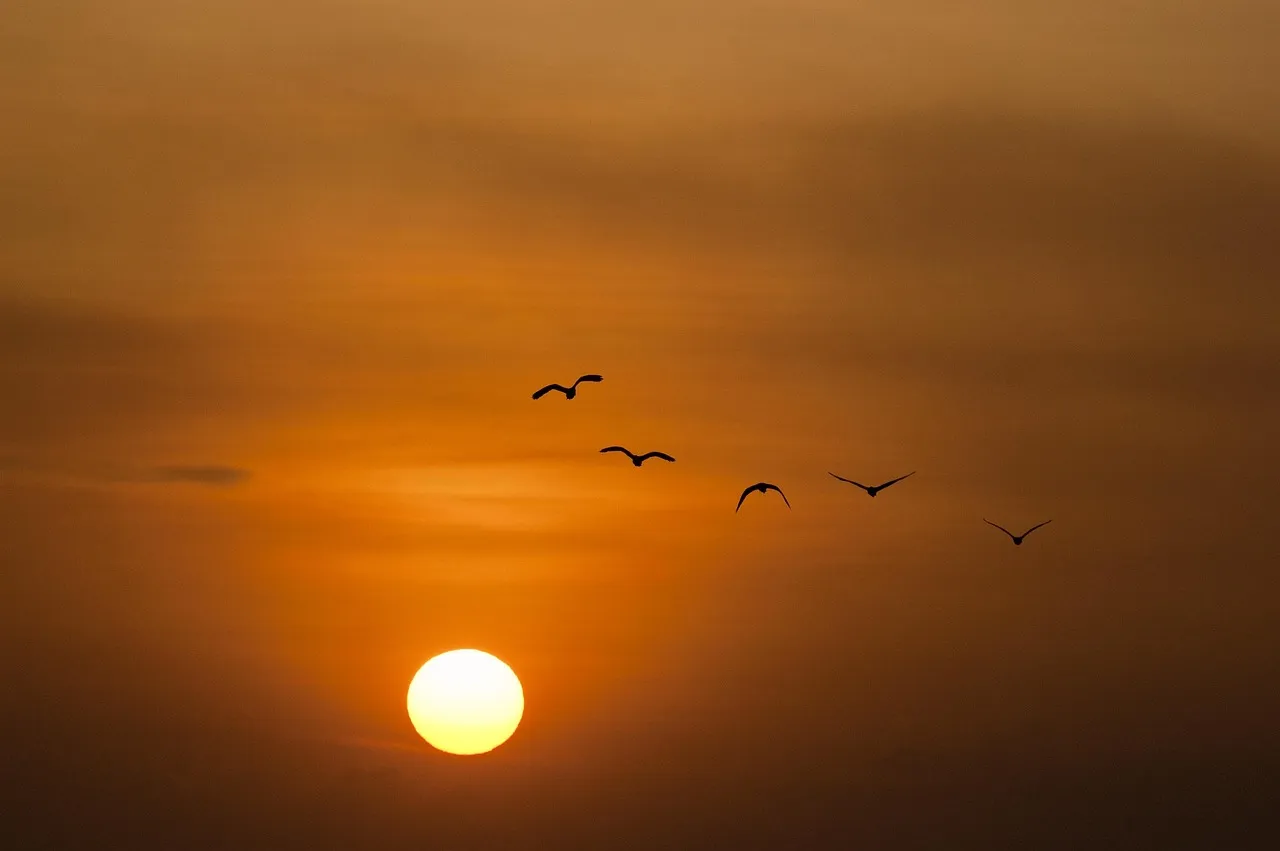
The second best birdwatching window is the two hours before sunset. Birds increase feeding activity to prepare for the night. Migrating species often move at dusk, so you might see hawks, swallows, or shorebirds passing overhead.
Just as there is a dawn chorus when the sun rises, some bird species participate in a dusk chorus as the sun sets. Singing during this time may serve to reinforce territorial boundaries, attract mates, or signal the transition from day to night. Some species move to their roosting sites in the waning hours of daylight, which means you might catch glimpses of them in transit.
Technology Has Changed the Game for Timing
BirdCast processes data from 143 NEXRAD weather radar stations across the United States, generating migration intensity maps updated every six hours. This level of precision was unthinkable two decades ago. You can check migration stats during the night, refreshed every ten minutes, or look at them first thing in the morning to get an idea of where to go birdwatching.
Scientists combine real-time data from eBird reports, weather radar, and satellite-tracked tags to build current migration forecasts. They overlay this with historical patterns to predict peak movements along major migration flyways. The result is an interactive, live-updating forecast for birders. Practical guides now use these tools the same way a surfer checks a swell report, checking overnight before deciding where to walk at dawn.
How Species Type Changes the Ideal Hour
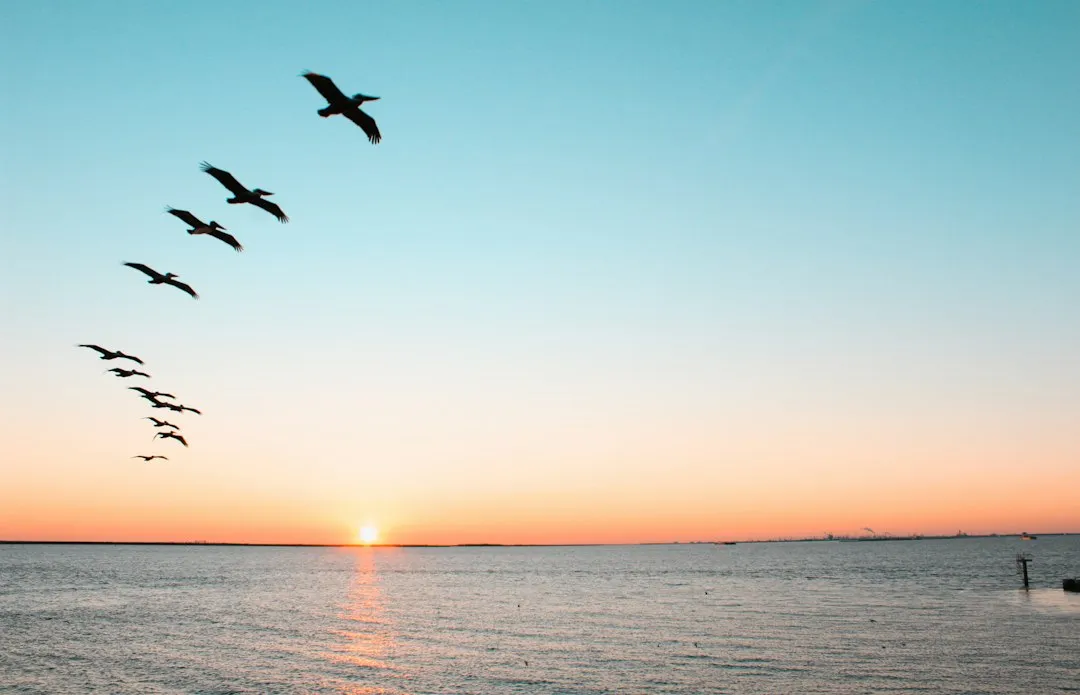
Hawk migration peaks in mid to late morning, falcons in late afternoon, hummingbirds and waterbirds are active all day. Songbirds following a night flight are best found in the first two hours after sunrise, resting in the canopy and feeding. The hour you choose, in other words, should match the bird you’re chasing.
Adjusting timing by target species is essential: research the habits of species you want to see, as nocturnal owls require night outings while swallows may be best spotted near dusk. No single hour rules them all, which is part of what makes migration season so richly layered for anyone willing to commit to an early alarm.
The Takeaway
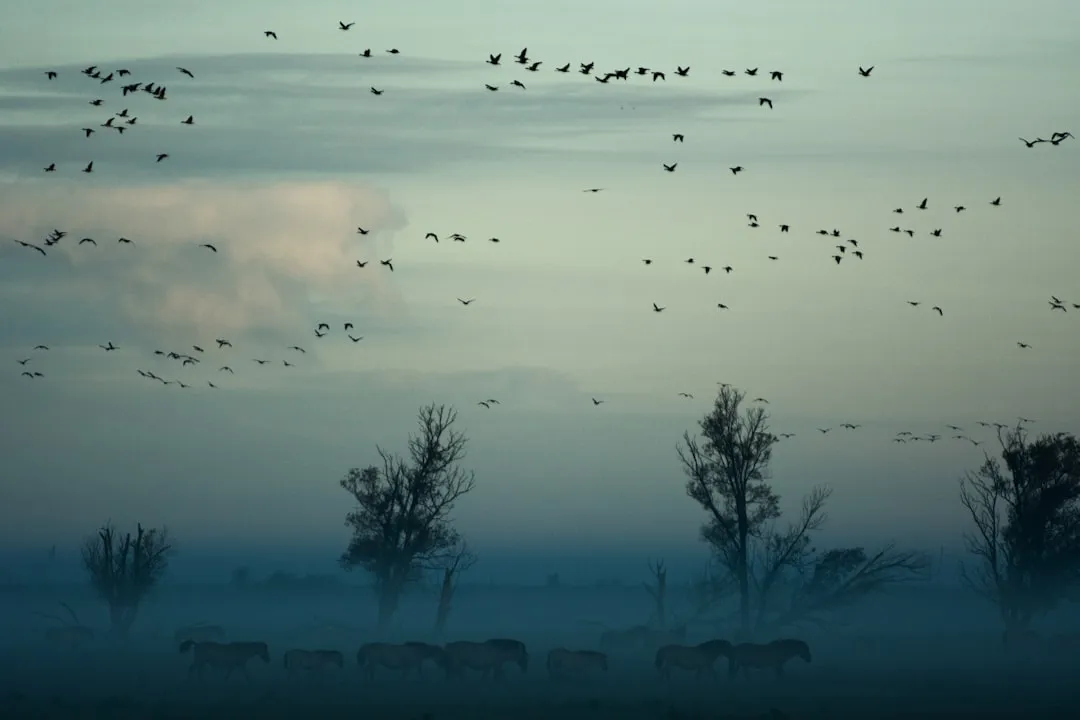
The science is clearer than it’s ever been. The two-to-four hours after sunset are when the sky fills with migrants. The two hours after sunrise are when the landscape below fills with the birds that flew through the night. Both windows reward patience and preparation in equal measure.
What guides have long known by instinct, radar data now confirms in detail. Knowing when peak migration occurs allows effective targeting of the most important migration nights in a season, helping determine when to act for maximal effect. Whether you’re a seasoned lister or someone who just bought their first pair of binoculars, paying attention to the hour matters just as much as choosing the right place to stand.
AI Disclaimer: This article was created with the assistance of AI tools and reviewed by a human editor.