
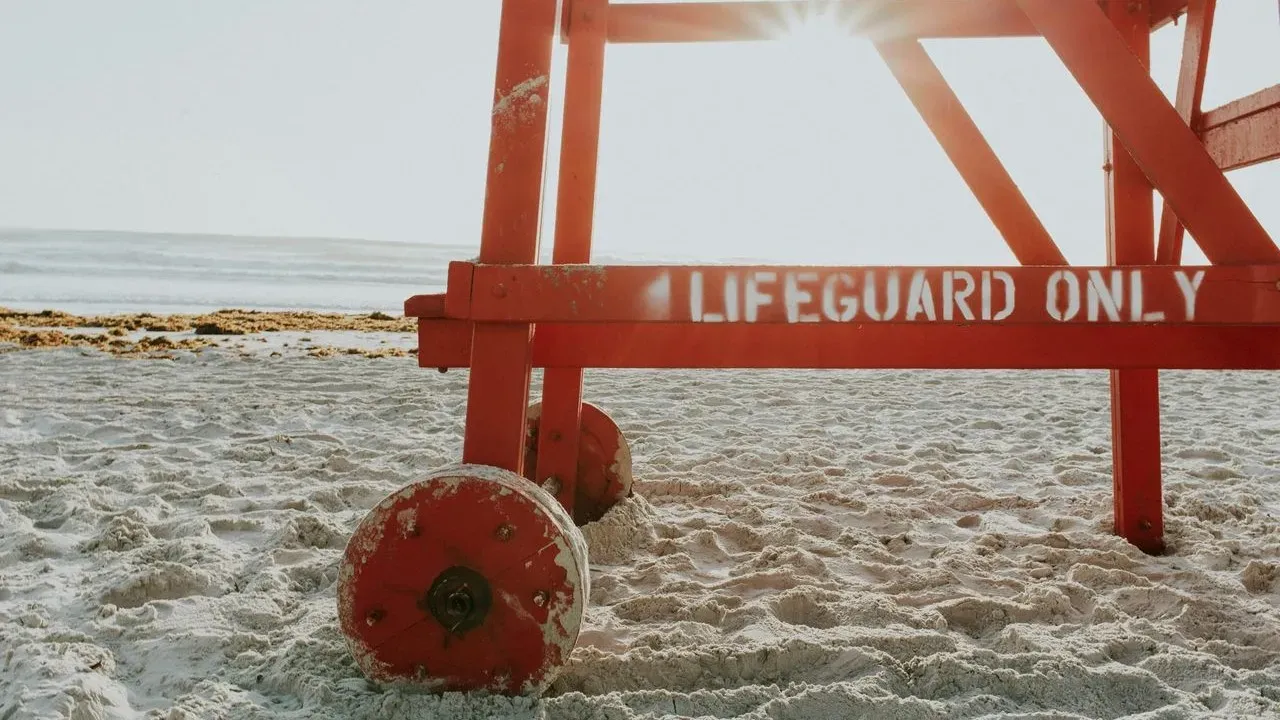

In Volusia County, Florida, a beach safety lifeguard recently helped a tiny sea turtle hatchling that had washed ashore during its first attempt to reach the ocean. The rescue took place amid an active nesting season along the county’s Atlantic beaches, where more than 1,700 nesting sites have been recorded this year. Such moments illustrate the quiet, ongoing work of lifeguards who monitor both swimmers and local wildlife. ([1])
Seasonal Patterns Along the Coast
Florida’s Atlantic shoreline sees thousands of sea turtle nests each summer and early fall. Hatchlings emerge at night and head toward the water, yet some become disoriented or weakened by surf conditions. These “washbacks,” as they are known locally, can leave the smallest turtles stranded on the sand before they gain strength for open water.
Volusia County lifeguards track these events closely because the nesting season stretches for several more weeks. Their daily presence on the beach allows quick response when a hatchling appears in distress. The rescued turtle, later named Suncrush at the Marine Science Center, was taken there for care and eventual release.
Lifeguards’ Expanding Responsibilities
Beach safety teams in Volusia County balance multiple duties beyond watching the water. They also monitor wildlife activity, including sea turtles and shorebirds that share the same stretch of sand. This dual role means lifeguards often serve as the first point of contact when a hatchling needs assistance.
The recent rescue shows how these overlapping responsibilities support both human visitors and the coastal ecosystem. Lifeguards remain alert to signs of washbacks while maintaining regular patrols. Their familiarity with the beach environment helps them identify when a turtle requires professional rehabilitation rather than simple relocation.
Respectful Ways to Observe Nesting Season
Travelers visiting Volusia County during hatching season can witness this natural cycle while minimizing disturbance. The key is to keep interactions minimal and informed.
- Leave any hatchling exactly where it is found and avoid touching it with bare hands.
- Give the turtle space and watch from a respectful distance.
- Alert the nearest lifeguard immediately if a stranded turtle is spotted.
- Support local rehabilitation centers through donations or educational programs when possible.
These simple steps help ensure that more hatchlings reach the water safely. They also allow visitors to experience the coastline’s wildlife in a way that respects the animals’ vulnerability.
Looking Ahead for Coastal Travelers
Each rescued hatchling represents a small but meaningful contribution to the larger population of sea turtles that return to Florida beaches year after year. For those planning a trip to Volusia County, the nesting season offers a chance to observe careful stewardship in action. Lifeguards and conservation staff continue their work quietly, turning routine patrols into opportunities for protection. The result is a coastline that remains welcoming to both people and the species that have long called it home.
AI Disclaimer: This article was created with the assistance of AI tools and reviewed by a human editor.