

The Markup Is Built Into the Model
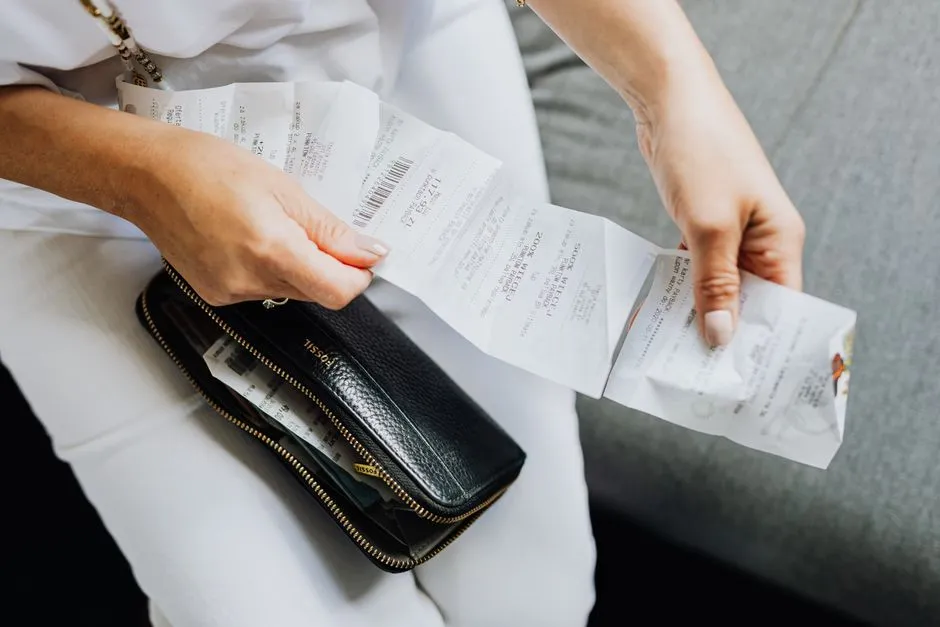
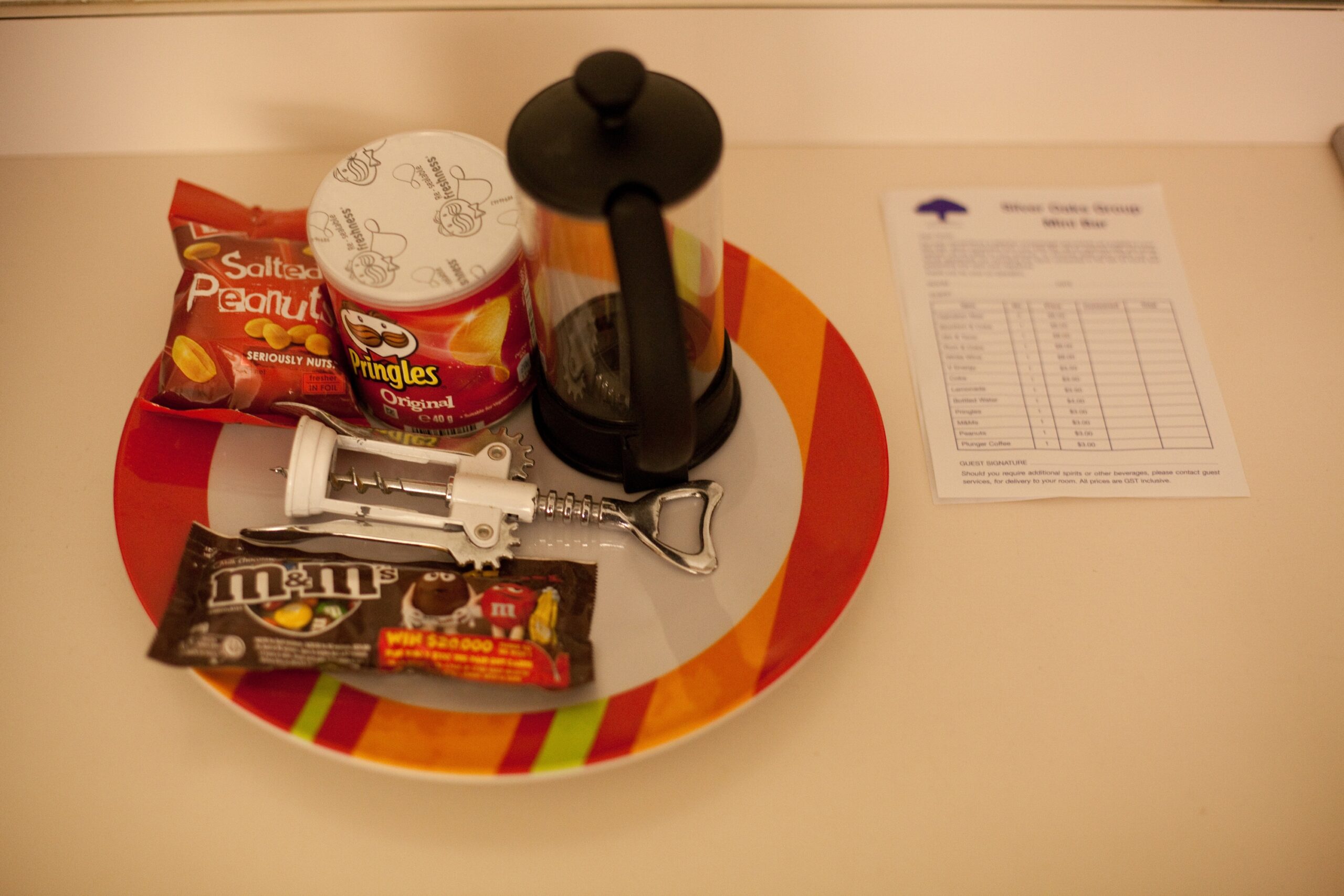
Minibar pricing varies widely depending on the hotel’s location, brand, and target clientele, though most hotels use a per-item pricing model where each snack or beverage has a listed cost often two to three times higher than retail prices. The gap between what you’d pay at a nearby shop and what appears on your hotel bill can feel genuinely startling when you’re staring at a checkout receipt.
Operational costs are substantial, since hotels must pay for refrigeration, electricity, and regular staff checks to restock and verify inventory. Only about one in three guests actually uses the minibar, meaning the costs of stocking and monitoring all rooms are spread across a small user base.
It’s important to understand the hidden factors behind those costs, since markups cover storage, labor, taxes, and restocking fees. What looks like a $9 bottle of water isn’t just covering the water itself – it’s carrying a portion of the entire minibar operation’s overhead.
The Restocking Fee You Might Not Know About

Besides high minibar prices and separate line items for tax on each purchase, some hotels also add separate line items for a “minibar restocking fee” for each purchase, with this fee reaching as high as 24 percent. That’s a significant surcharge on top of items that are already priced at a premium.
Guests should be aware that some hotels may charge a restocking fee for items consumed from the minibar, so it is always a good idea to double-check the hotel’s policies before helping yourself to any items. The trouble is that this fee is often buried in the in-room dining menu rather than displayed prominently near the minibar itself.
A hotel folio has a way of accumulating small charges that seemed reasonable at check-in and considerably less reasonable by checkout. Resort fees, minibar restocking, and a long list of amenities bundled into the nightly rate all promise convenience, but a lot of them go completely untouched by the guest actually paying for them.
Sensors That Charge Before You’ve Even Decided
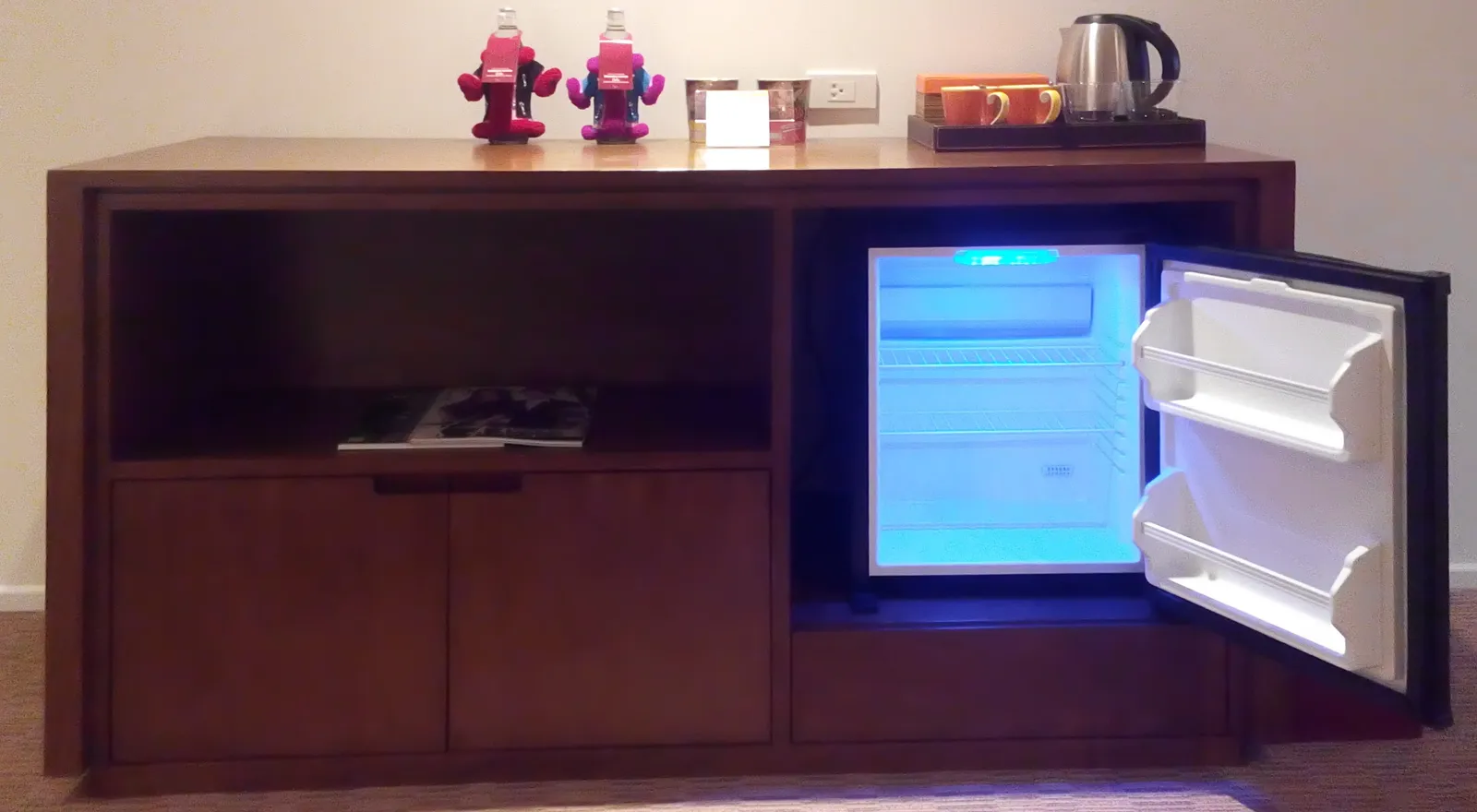
That tempting little fridge in your room could cost you even if you never indulge. Some minibars are equipped with sensors that detect when an item is moved – even just to make room for your own water bottle. Once triggered, the hotel may automatically charge you for the item, and possibly for a restocking fee as well.
In some hotels, guests are automatically charged for minibar items when minibar sensors detect anything has been moved for more than 60 seconds. In practical terms, that means picking up a bottle to read the label and setting it back down could qualify as a purchase in the hotel’s system.
Some newer minibars use infrared or other automated methods of recording purchases, which detect the removal of an item and charge the guest’s credit card right away, even if the item is not consumed. This is done to prevent loss of product, theft, and lost revenue. The guest’s perspective, however, is quite different – especially when charges appear after a stay has ended.
The Error Rate Is Surprisingly High

A manager at Milwaukee’s Ambassador Hotel estimates that as many as 90 percent of automatic charges for the minibar turn out to be in error. There, a staff member manually checks the bar in each room and corrects any errors before the consumer is charged. That figure is striking. Nine out of ten automated charges, at least at that property, were not reflecting an actual purchase.
Automated minibars with sensors and snack trays with built-in electronic scales are now common practice at hotels including Hilton, InterContinental, DoubleTree, and Sheraton. A slew of complaints in hotel reviews online reveal consumers still get taken by surprise when they discover incidental charges on their bill for food they never consumed.
Once triggered, the hotel may automatically charge you for the item, and possibly for a restocking fee as well. These charges can show up days later on your credit card. By that point, many travelers have already unpacked at home, making the dispute feel like an unwelcome administrative task on top of the financial sting.
The Revenue Picture Is Smaller Than You’d Think
PKF Hospitality Research found that in the United States, revenue from minibars, which represents just one percent of total hotel revenue, fell 28 percent from 2007 to 2012. During that same time, hotel bars and lounges saw a 4.9 percent jump in revenue. The minibar’s share of the overall revenue pie has been shrinking for years.
Industry sources report minibar earnings often account for less than one percent of total food and beverage revenue, prompting many properties to view them as costly and inefficient. Labour-intensive restocking, frequent guest disputes over charges, and the high energy use of minibar fridges have further driven their decline.
Industry analysis cited by CNBC suggests that a 100-room hotel might generate roughly $400 per day in minibar revenue from about 33 using rooms spending an average of $12 each. That’s a relatively modest return for what amounts to a considerable daily operational effort.
Why Some Hotels Are Phasing Them Out
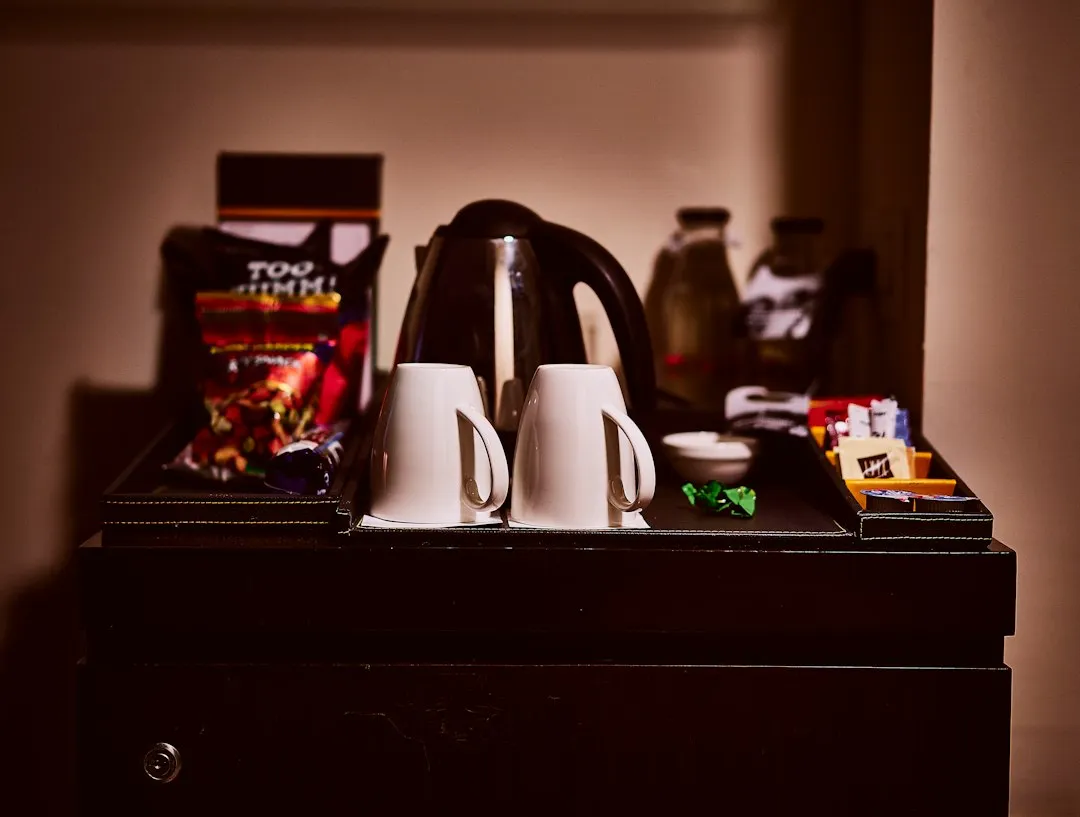
In 2004, New York’s Marriott Marquis removed all 1,946 of its minibars, citing unfavorable operation costs and dwindling popularity. Most Hyatt and Hilton locations, which once housed the world’s first minibars, have followed suit. The direction of travel in the industry has been clear for some time, even if many properties still maintain the in-room fridge as a feature.
Hotels have found that guests prefer purchasing drinks and snacks in a small shop near the lobby, or from a nearby 24-hour convenience store. The rise of walkable retail and convenience-store culture in most city centers has made the minibar’s captive-audience logic less compelling.
Whether they have a minibar or not, hotels are increasingly looking for sustainable, flexible solutions that meet the individual needs of their guests. A minibar is no longer a necessity in all hotel categories, but in many places it is a question of hotel philosophy and guest expectations.
The Complimentary Minibar: A Different Approach

In some higher-end resorts, minibars are fully complimentary and restocked daily, a small but memorable touch that sets them apart. When a hotel absorbs the cost rather than passing every line item to the guest, it tends to generate genuine goodwill rather than post-checkout frustration.
Hotels like the Post Ranch Inn in Big Sur, California, offer rooms with a fridge fully stocked with a range of drinks and snacks included in the stay. Ovolo Hotels in Australia and Hong Kong offer free minibars as well. These properties treat the minibar as a hospitality gesture rather than a revenue extraction point.
The distinction matters more than it might seem. A well-chosen complimentary snack or cold drink after a long journey creates a genuinely warm arrival impression, while a list of unexpected charges at checkout can unravel even an otherwise pleasant stay.
The Smart Minibar and What It Means for Guests
New technology-led solutions are replacing traditional minibars with digital ordering platforms and IoT-enabled in-room systems. Hotels adopting such smart minibar systems report up to 25 percent higher ancillary revenue per room and reduced labour costs by 30 percent. Contactless apps let guests browse, order, and pay for snacks and beverages without needing physical stock in-room.
The hotel minibar market is undergoing a significant transformation, driven by evolving guest expectations, technological advancements, and the hospitality industry’s focus on enhancing the in-room experience. Minibars, once considered a luxury amenity, are now viewed as a standard offering in many upscale and mid-tier hotels. As hotels compete to differentiate themselves and boost ancillary revenues, the minibar segment is witnessing renewed investment and innovation, particularly in automation, customization, and energy efficiency.
For guests, the digital shift offers both an opportunity and a caution. Ordering through an app removes the ambiguity of sensor-triggered charges, but it doesn’t necessarily change the pricing structure. Convenience still carries a cost, and the new interface won’t eliminate that fundamental reality.
How to Protect Yourself Before and During a Stay
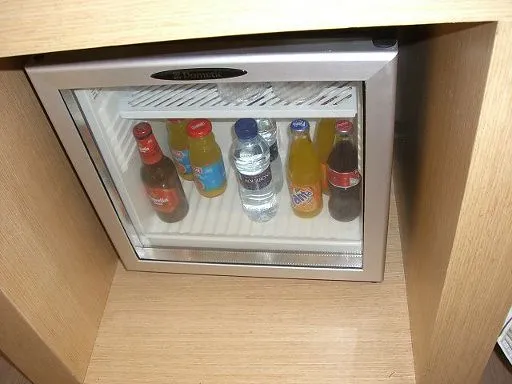
Hotels are required to clearly display the prices of minibar items in the room, so guests know exactly how much they will be charged for each item consumed. In practice, this means taking a moment to read the price list when you arrive is one of the simplest ways to avoid surprises. That list should be there – ask for it if it isn’t.
The best practice is to avoid touching items in sensor-equipped minibars altogether. If you need to rearrange the fridge to store your own groceries, it’s worth informing the front desk in advance or requesting that the minibar be emptied on arrival. Some properties will accommodate this without charge, though sometimes guests encounter a “minibar emptying fee” that is also frustrating.
When a false minibar charge is on your credit card and you haven’t had luck reaching a resolution with the hotel, you can file a chargeback with your credit card company. Keep in mind that acting quickly, ideally before or at checkout, gives you the strongest position when disputing an incorrect charge.
The Broader Lesson in Your Hotel Bill

None of this is exactly hidden. It’s just easy to agree to a bundled fee at booking and only notice what it actually included once the stay is already over. The minibar is one piece of a larger pattern where hotel charges accumulate through inattention rather than deliberate choice.
Not the least of the reasons minibars have lost their appeal is the dramatic and often significant markup on items stocked for guest use. Initially it made money for hotels, then as guests caught on to the prices, usually upon looking at their bill during checkout, it began being viewed with hostility. That sequence of discovery is almost never pleasant, and a moment of genuine curiosity about what’s inside the minibar can turn into a real financial sting.
The minibar isn’t going away entirely, but it is changing – and guests who understand its mechanics are in a much better position to enjoy a stay without the sting of a bill that somehow grew on its own. A little awareness at check-in is almost always worth more than a disputed charge at checkout.
A Quiet Final Thought
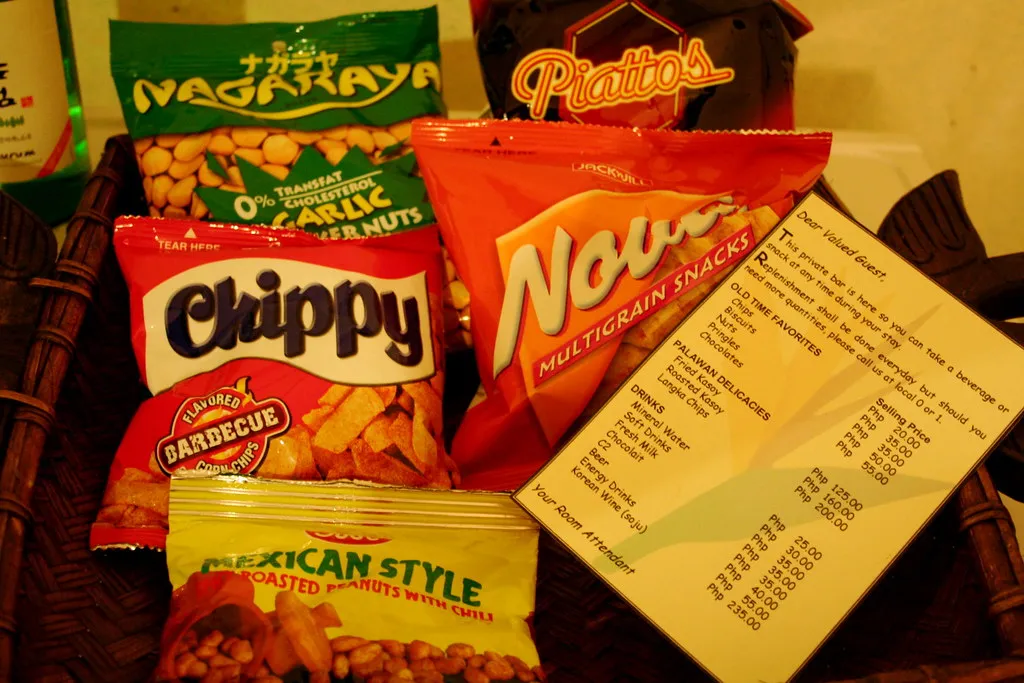
The minibar has always been a product of a particular kind of convenience logic: you’re tired, you’re in an unfamiliar room, and the answer to wanting something cold is right there. Hotels understand that impulse extremely well. The most useful thing a traveler can do is understand it too – and decide, deliberately, whether that convenience is worth the price on the label, the restocking surcharge underneath it, and the potential for a sensor charge on top of both.
Travel should feel generous and considered, not full of fine-print friction. Knowing where the hidden costs live is part of traveling well, and the minibar is one of the more instructive places to start paying attention.
AI Disclaimer: This article was created with the assistance of AI tools and reviewed by a human editor.