
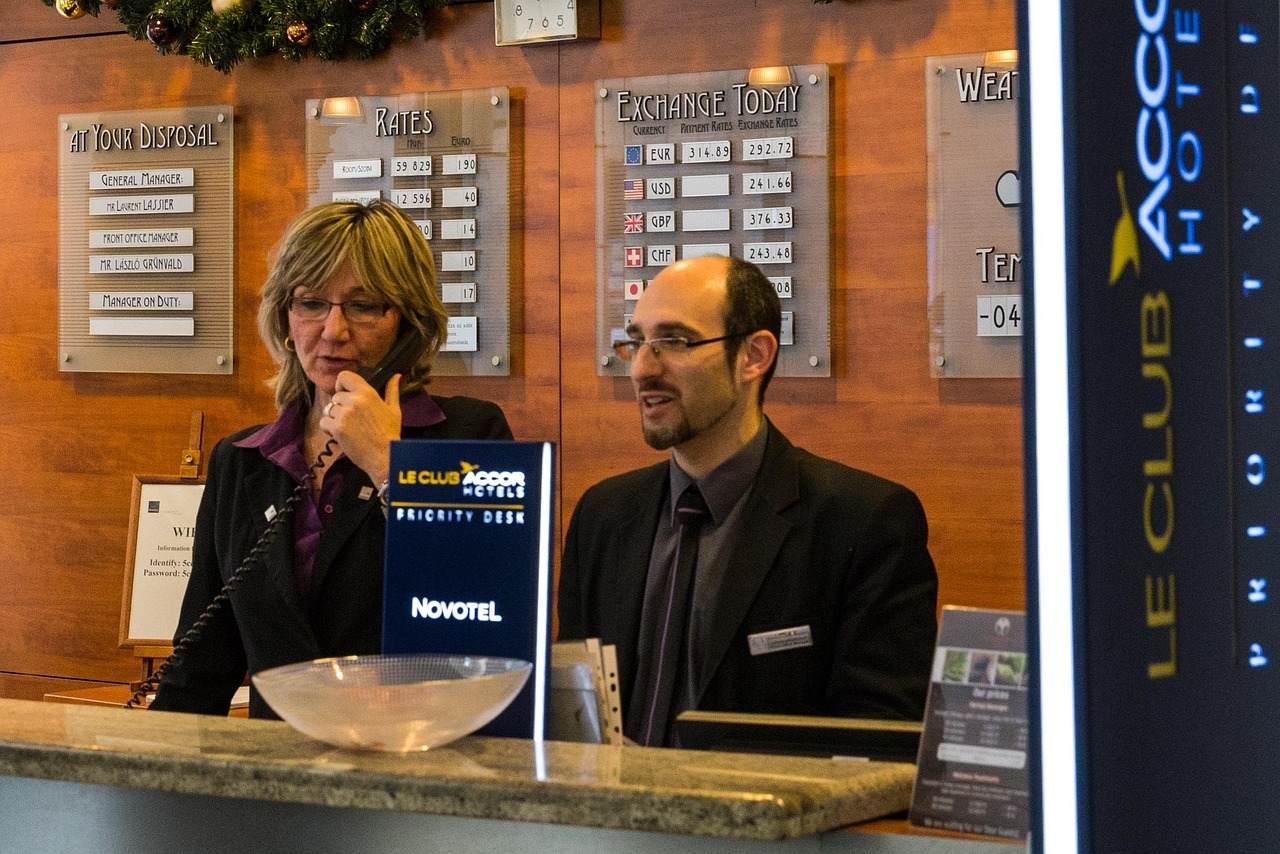

Most people walk up to the hotel front desk, hand over their ID, collect their key card, and head straight to the elevator. It’s a simple routine, and there’s nothing wrong with it. The problem is that this routine often means you spend your entire stay in a room that was assigned with minimal thought about your actual preferences.
The difference between a good hotel stay and a forgettable one frequently comes down to a single, polite conversation at check-in. Most travelers walk up to the front desk and head straight for the elevator without asking for anything extra, yet hotel staff have said for years that a short, polite conversation at check-in can unlock small comforts and conveniences that guests never think to request. Here’s what’s genuinely worth mentioning before you take that elevator up.
1. A Quiet Room Away from the Elevator
Noise from other guests is consistently the most common complaint among hotel guests. It’s one of those things you don’t think about until 11 p.m., when the elevator dings for the fifteenth time and the doors rumble open ten feet from your headboard.
Interior noise can come from elevators, vending or ice machines, housekeeping closets, connecting doors, and stairwells, while high-traffic corridors can also become noisy in the morning when departing guests and housekeeping teams begin moving through the floor. Exterior noise can include traffic, trains, aircraft, nightlife, loading activity, and people gathering near an entrance.
A concise, courteous request is easier for hotel staff to interpret. One practical phrasing is: “I am a light sleeper. If available, could you assign a room in a low-traffic area, away from elevators, ice machines, housekeeping closets, and event spaces?”
Saying “high floor,” “away from the elevator,” and “quiet room” signals to staff that you’re informed and serious, and hotels report that accurate upfront assignment reduces room-change requests by roughly 30 to 40 percent. That’s a meaningful benefit for both you and the hotel.
2. A Higher Floor with a Better View or Less Street Noise

A high floor hotel room is typically located on the upper levels of a hotel building, offering panoramic views, increased privacy, and reduced noise levels compared to lower floors. It sounds obvious, but the majority of guests never make this request explicitly.
Hotels quietly hand out better views for free more often than guests think. Location requests are usually the easiest thing on a manager’s list to grant, since moving you to a higher floor or a corner room costs the hotel nothing beyond a little extra attention. The key is simply asking before the key card is printed.
That said, it pays to be specific. The sweet spot is usually high enough to reduce street noise but low enough to stay practical. In many full-service hotels, that’s often around the fourth through eighth floor. A very high floor can sometimes place you closer to rooftop mechanical equipment or make elevator waits longer during peak hours.
It can also help to say something like: “Street noise is my main concern, so I would prefer an interior-facing room even if it does not have the most scenic view.” That distinction matters because a room marketed for its view may face a busy road, entertainment district, or pool deck.
3. Smart In-Room Technology and Reliable Wi-Fi
In-room technology has quietly become one of the clearest dividing lines between a satisfying hotel stay and a frustrating one. Guests increasingly want hotels to provide the comforts of home, and hotels can significantly influence guest satisfaction through in-room technology enhancements, according to JD Power’s hospitality practice lead.
Smart TVs with streaming capabilities continue to transition from a premium guest room amenity to a standard expectation, with availability increasing to nearly three quarters of hotel rooms and guest usage rising steadily year over year, per the 2026 JD Power North America Hotel Guest Satisfaction Index Study.
At check-in, it’s worth confirming whether the room has a smart TV with your preferred streaming apps already enabled, as not all rooms within the same property are uniformly equipped. Business trips often require a quiet room with a work desk and strong Wi-Fi, so if you’re traveling for work, asking specifically about connection speed and desk placement before you accept your room assignment can save real frustration later.
4. Room Condition, Cleanliness, and Bed Comfort
This one feels almost too basic to mention, but guest satisfaction data makes a compelling case. Key drivers of improved guest value perception include higher satisfaction with guest rooms, including condition, cleanliness, and room amenities, according to the JD Power 2025 North America Hotel Guest Satisfaction Index Study.
Guest satisfaction significantly improved year over year in investment-heavy areas such as condition of guest room furnishings and décor, condition of bathroom fixtures, and comfort of bed, suggesting that hotels are actively listening when these matters are flagged. You don’t need to be demanding about it. Simply mention at check-in that you’d appreciate a freshly prepared room, and ask whether the mattress type can be confirmed.
Problems, while rare, can crush guest satisfaction scores. The average rate of guests experiencing a problem such as an odd odor or housekeeping issue, excessive noise, or a check-in dispute is just twelve percent across all hotel stays. When problems do occur, however, guest satisfaction falls dramatically.
The year-over-year improvement in overall satisfaction across hotels has been driven primarily by improvements in the cleanliness of guest rooms, maintenance and upkeep of the hotel, and staff responsiveness to guest questions and requests. That last point matters. Voicing your preferences clearly at the front desk makes you a guest staff can actively assist, rather than one they’re simply processing.
The Loyalty Program Advantage
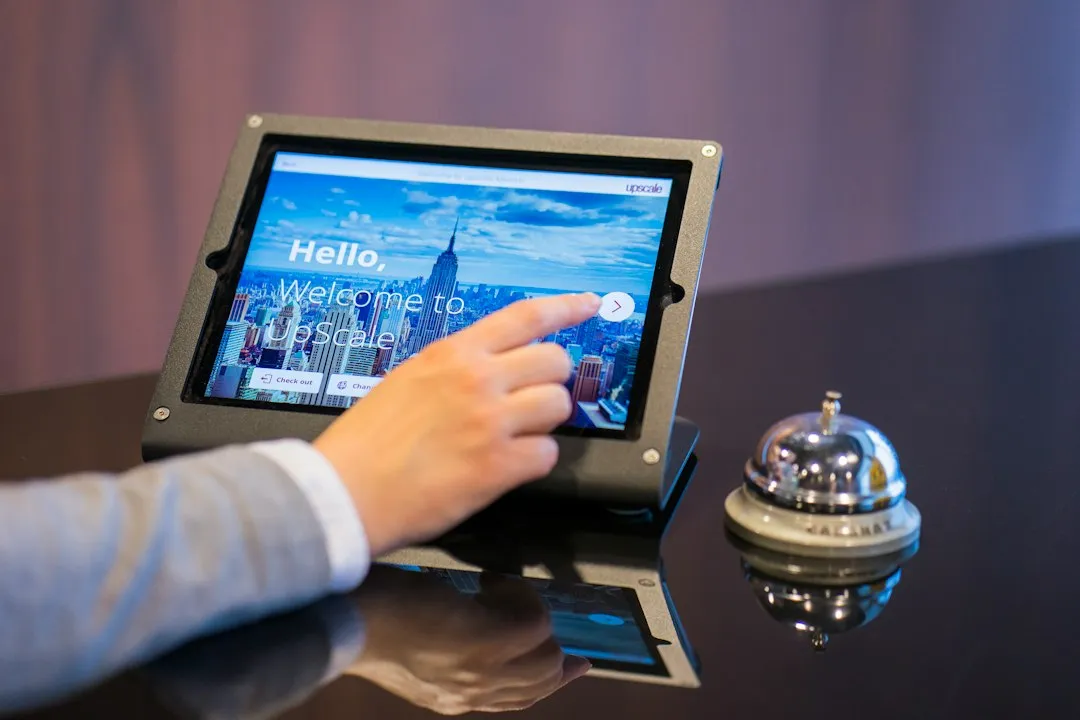
Before discussing individual requests, it’s worth noting the broader context in which these requests land. Loyalty members accounted for nearly 53 percent of occupied hotel rooms in 2024, according to hospitality industry data, and hotels pay close attention to members because they represent repeat business and long-term revenue. Even a basic membership can shift how your requests are received.
The guests who consistently land the best rooms are not just lucky. They know exactly what to ask for, when to ask, and how to phrase their requests so hotel staff actually want to help. Loyalty status is part of that equation, but courtesy and clarity matter just as much.
How Hotel Upgrades Actually Work
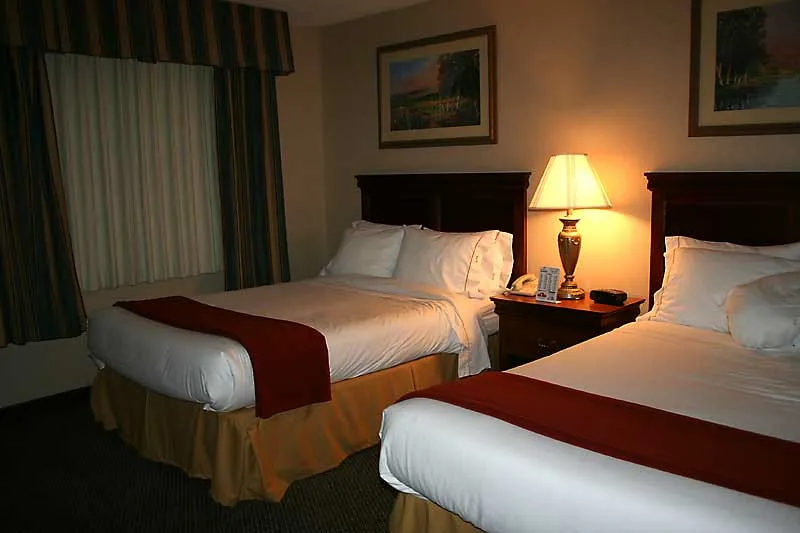
Many travelers assume upgrades are purely at the hotel’s discretion, but the data tells a more nuanced story. Aggregated booking records from SiteMinder’s hotel commerce platform, covering roughly 6,500 midscale to luxury properties across Europe, Asia-Pacific, and the Americas between 2022 and early 2024, show that approximately 58 percent of individual leisure and corporate guests now reserve Superior or higher categories rather than Standard rooms.
Data from high upgrade rate properties shows that when hotels offer discounted upgrades and promote premium features through email campaigns and front desk upselling, both revenue and guest satisfaction rise. In other words, there’s a mutual benefit when the conversation happens openly.
Booking early gives you access to better room choices and availability. You’re more likely to secure preferred views, higher floors, or upgraded room types. Starting that conversation at check-in is simply the final step in a process that ideally begins the moment you confirm your reservation.
Why Guest Expectations Have Shifted
Room rates have climbed steadily in recent years, and travelers have noticed. Although the average daily rate for a U.S. hotel room climbed to a record high in 2024, hotel guests in every segment from economy to luxury feel they are getting better value for their travel dollar, according to JD Power’s 2025 study.
Guest satisfaction is harder to win than it used to be. That’s not because guests are unreasonable. It’s because their expectations have shifted, and the standard ways hotels deliver service haven’t fully kept up. When you pay more for a stay, you naturally expect more from it.
Guests at North American hotels are traveling about nine times each year on average, and they’re staying longer, a trend that has grown since the end of the pandemic. The average trip length has risen from 3.36 days to 3.43 days. Longer stays make the quality of your room assignment feel even more consequential.
The Right Way to Make Requests
There’s a meaningful difference between demanding a specific room and politely communicating what matters to you. In every hotel segment, guests are having better experiences due to positive interactions with hotel staff and guest room improvements. Improvements in courtesy from front desk staff and responsiveness to guest requests are elevating perceptions of the guest experience, per JD Power’s 2026 study.
The tone of your request shapes its outcome more than most guests realize. When making your request, it’s important to strike a balance between being friendly and direct. Starting your conversation with a warm greeting and a smile can help create a positive impression, and then stating your request using clear and concise language is the most effective approach.
Decide which preference is essential and which ones are optional. If a reservation system includes a special-request field, entering your preference there is worthwhile. Reservation notes generally communicate a preference rather than a guaranteed room assignment, so save a copy of your confirmation. That way, you have a record of what was requested if the conversation needs to continue at the desk.
What the Hospitality Industry Is Getting Right

Hotels have been investing heavily in the areas guests care most about. Industry-wide guest satisfaction improved 13 points on a 1,000-point scale, with year-over-year increases observed across all dimensions of the hotel stay, according to JD Power’s 2026 North America Hotel Guest Satisfaction Index Study.
Looking ahead, hotel design trends are shifting to align with what today’s guests truly value: comfort, convenience, culture, and a sense of individuality. The hospitality industry is embracing new trends that put the guest experience front and center while creating spaces that are both functional and unique.
Hotels are embracing adaptable layouts to create rooms and public spaces that can be easily customized based on the needs of different guests. This flexibility helps meet diverse demands, accommodating families, large groups, business travelers, or solo guests. Understanding this shift makes it easier to frame your requests in terms the front desk will respond to positively.
Final Thoughts
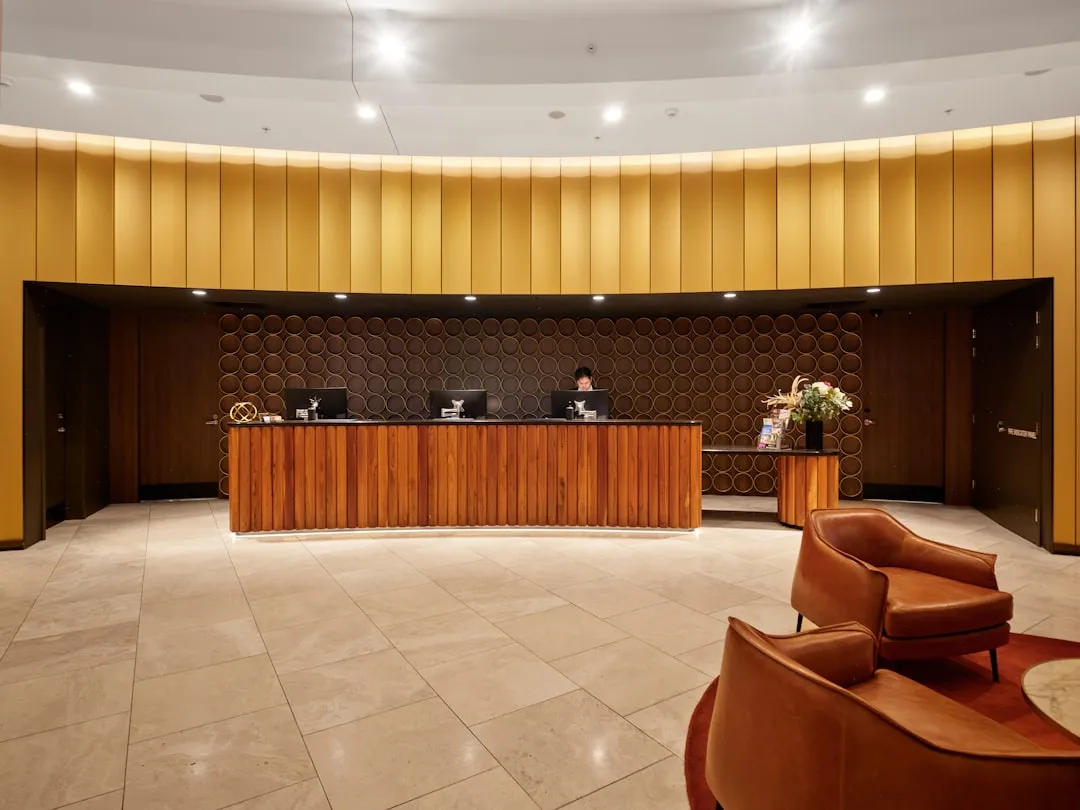
There’s no secret formula here. The guests who consistently enjoy better rooms aren’t particularly well-connected or extravagant spenders. They’re simply the ones who take a moment at the front desk to say what they need clearly and politely. A quiet room, a manageable floor, reliable technology, and a well-maintained bed aren’t luxury requests. They’re reasonable ones.
Hotel staff have more flexibility than the average guest assumes, and guests aren’t necessarily asking for champagne or room upgrades, just for things to go smoothly and for staff to be helpful. That’s a very achievable bar, and a brief, thoughtful conversation at check-in is often all it takes to clear it.
AI Disclaimer: This article was created with the assistance of AI tools and reviewed by a human editor.