
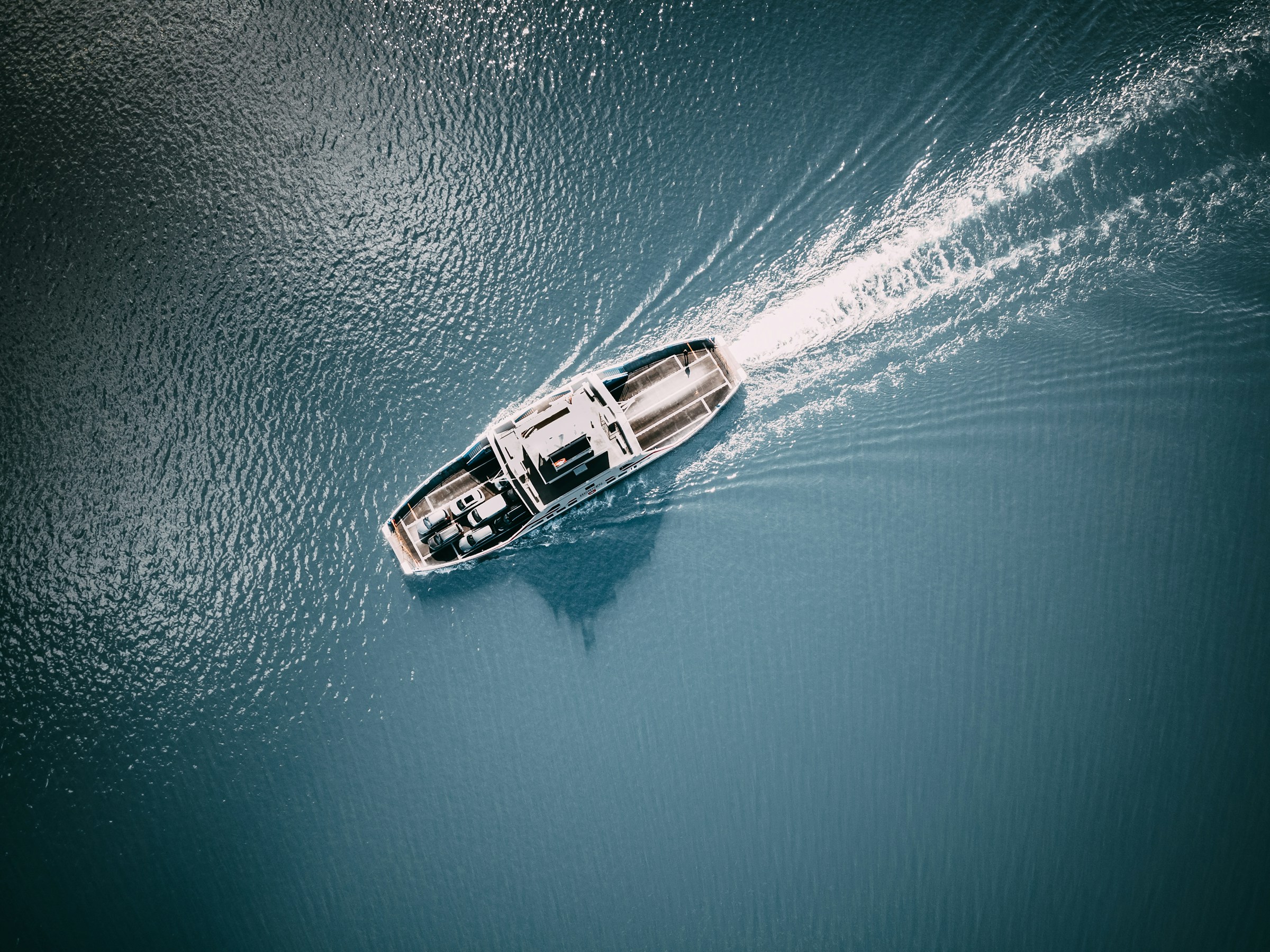

The Center of the Ship Is Where Motion Begins to Disappear
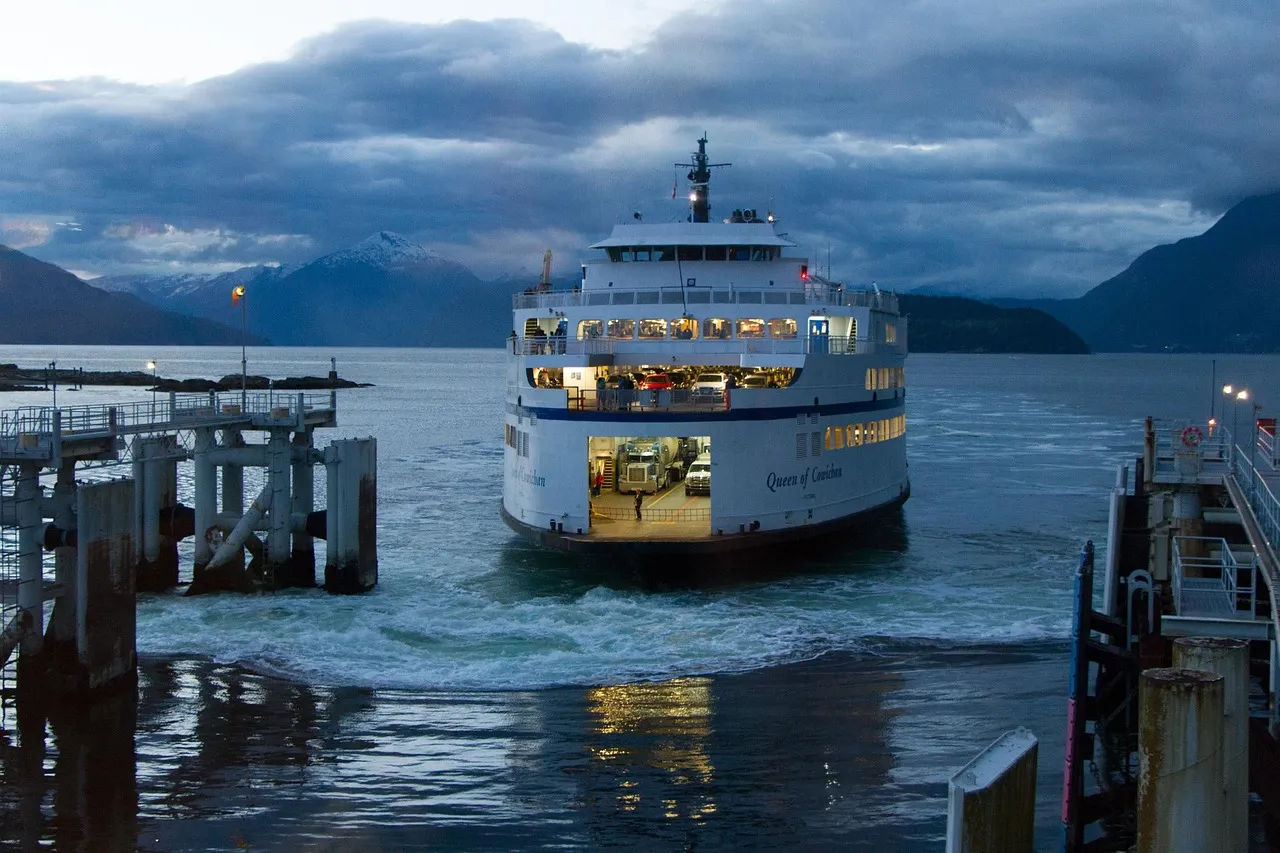
The single most important principle in ferry ride comfort comes down to one concept: the pivot point. The middle of the ferry is typically the area with the least motion because the center of the vessel is closest to its center of gravity, where movement is less exaggerated compared to the bow or stern. It sounds simple, and it is, but most passengers never think about it.
The middle of the ferry is usually closer to the ship’s center of movement, while the bow and stern can feel more lively, especially when the ship pitches in waves. The further you move from that central zone, the more you feel every swell the hull encounters.
Lower Decks Offer a Steadier World Than You Might Expect
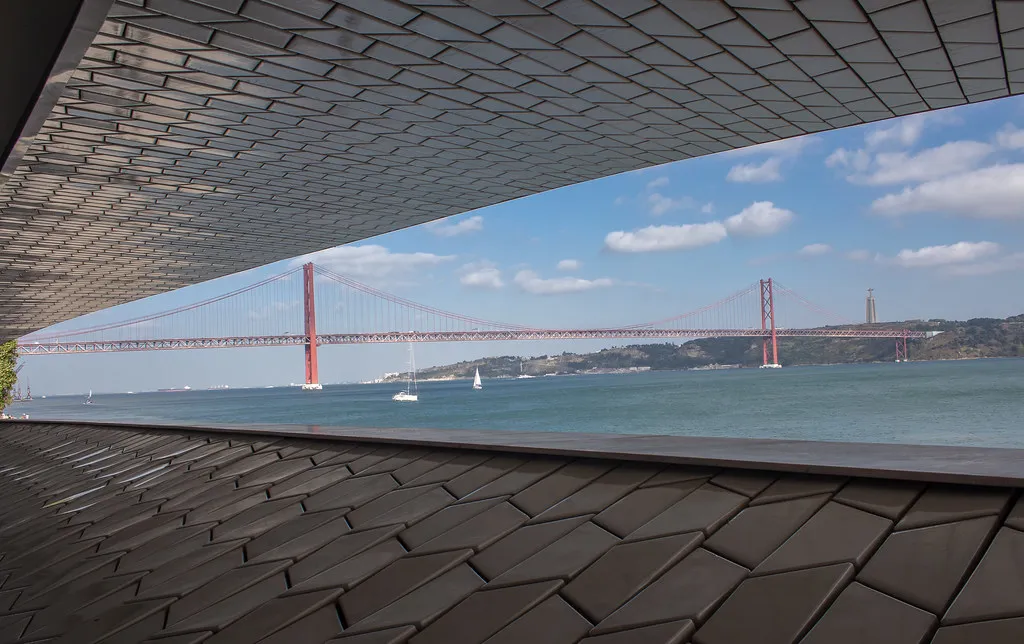
Being lower in the vessel reduces the sensation of motion, as the lower decks experience less vertical pitch compared to the upper decks. Think of it like standing on a ladder during an earthquake. The higher up you go, the more violent the swinging becomes.
Higher decks can make the motion feel bigger because you are further from the center of the vessel, which is why a low, central seat is often the safest choice for those prone to motion sickness. Captains know this well. It’s part of why crew quarters on working vessels tend to sit lower in the hull.
The Sweet Spot: Mid-Ship, Lower Deck, Side Window
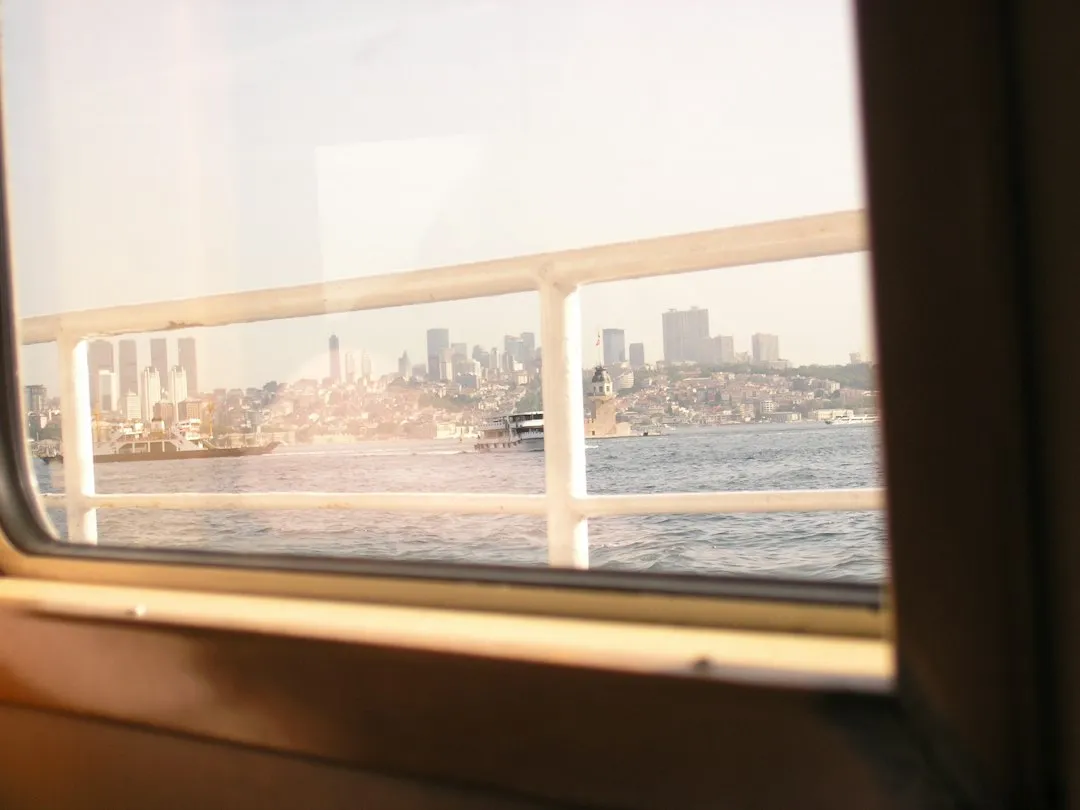
Put together the two principles above and you arrive at what experienced ferry travelers call the sweet spot. Since you generally cannot see the horizon from the windowless center of a lower deck, a side-window seat in the middle of the ship is often the ideal position. It delivers both physical stability and the visual cues your brain needs.
The ideal position is lower deck, amidships, forward-facing. What to avoid: the bow, high lounges, backward-facing seats, and windowless corners. This guidance appears consistently across ferry operators in Greece, New Zealand, the Pacific Northwest, and beyond. It isn’t regional advice. It’s universal maritime wisdom.
Why the Bow Is the Roughest Spot on the Vessel
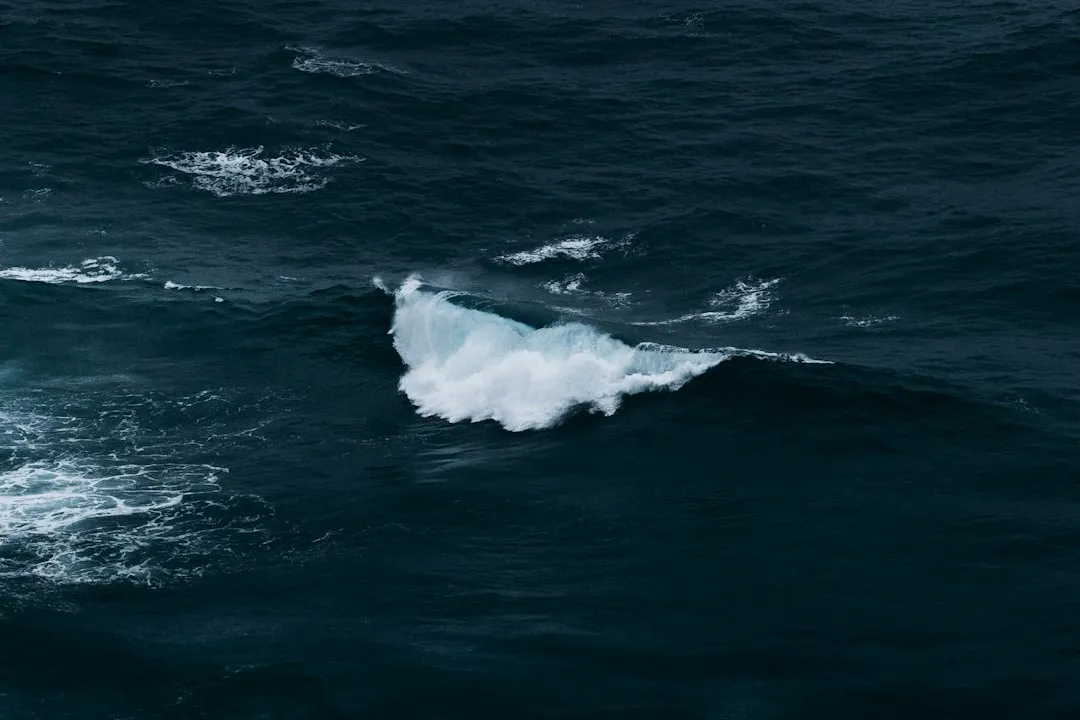
The very front windows should be avoided, as the upward and downward motion there is most extreme. The bow is the first part of the ship to meet oncoming waves, rising and falling with every swell. On a choppy crossing, sitting at the very front can feel dramatically different from sitting just thirty meters further back.
A ship acts like a giant see-saw: the bow and stern experience the most significant pitch, the up-and-down motion, while the higher decks experience the most roll, the side-to-side motion. Understanding this simple geometry helps you immediately eliminate the worst seats on any ferry.
The Stern Has Its Own Case for Comfort
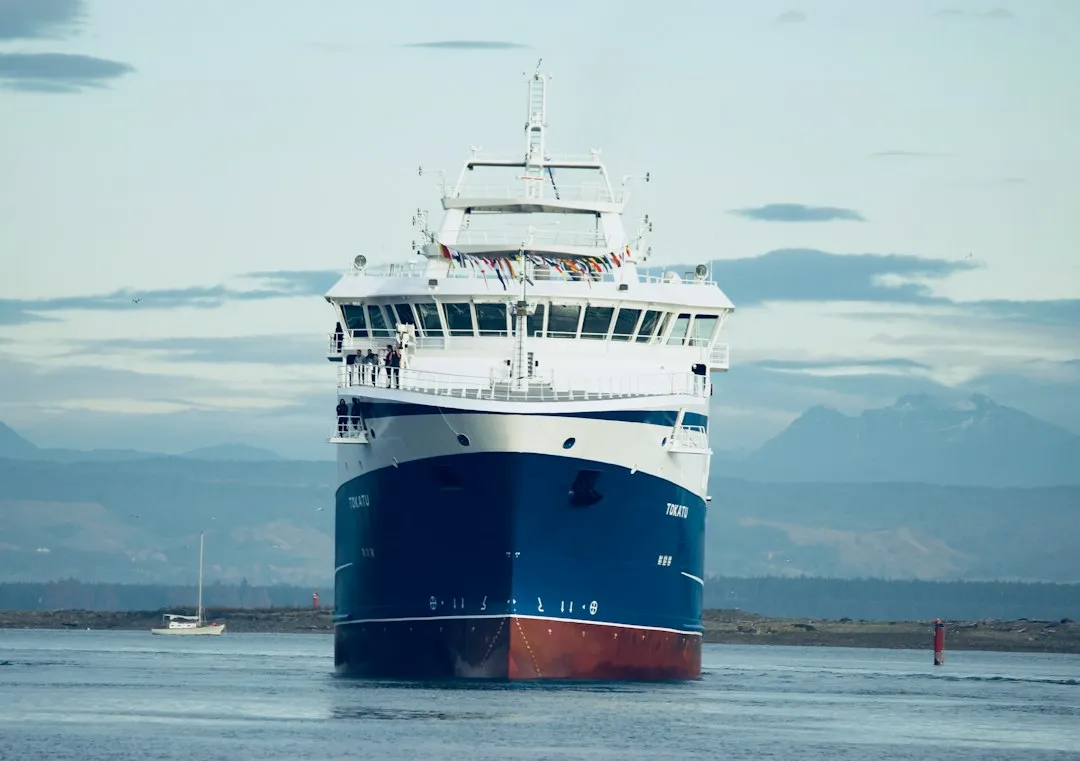
Not all maritime operators agree that dead center is always best. Some, particularly those operating smaller, faster craft, point to the stern as a reliable alternative. Towards the rear of the ferry is typically the most stable area with the least motion, and sitting as close to water level as possible reduces the movement felt. This tends to apply especially on shorter, faster routes.
On smaller fast craft, the best ride is generally as far aft as possible, while on a bigger ship, midships offers the most stability. The size of the vessel genuinely changes the equation, which is worth keeping in mind when crossing on a high-speed catamaran versus a large conventional ferry.
The Brain’s Role: Why the Horizon Matters So Much
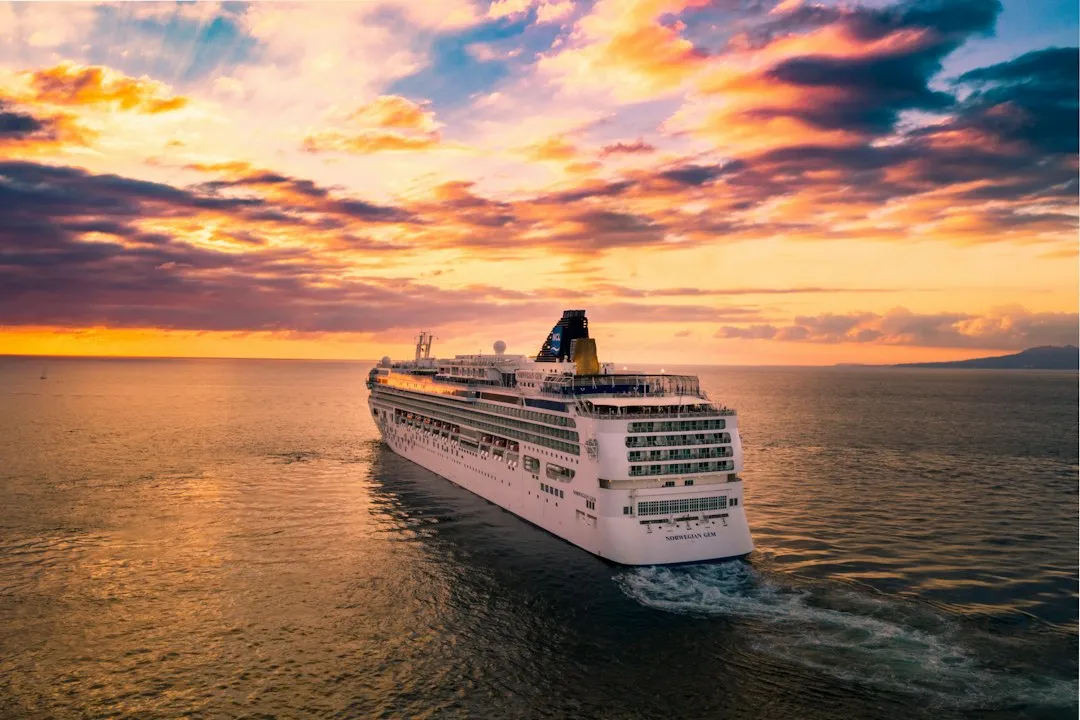
Seat position alone doesn’t tell the whole story. Your brain is processing two streams of information constantly during a sea crossing, and when those streams conflict, nausea follows. Seasickness occurs when the brain receives conflicting signals from the inner ear, which senses motion, and the eyes, which may not detect the same movement. By sitting low and in the middle of the ferry, you minimize the physical intensity of the motion your inner ear detects.
On conventional ferries, an outside deck can help because fresh air and a fixed horizon give your brain matching visual and balance signals. The horizon acts as a stable reference point, allowing the brain to reconcile what the inner ear is feeling with what the eyes are seeing. It’s genuinely effective, not just a folk remedy.
Inside vs. Outside: When Fresh Air Wins the Argument
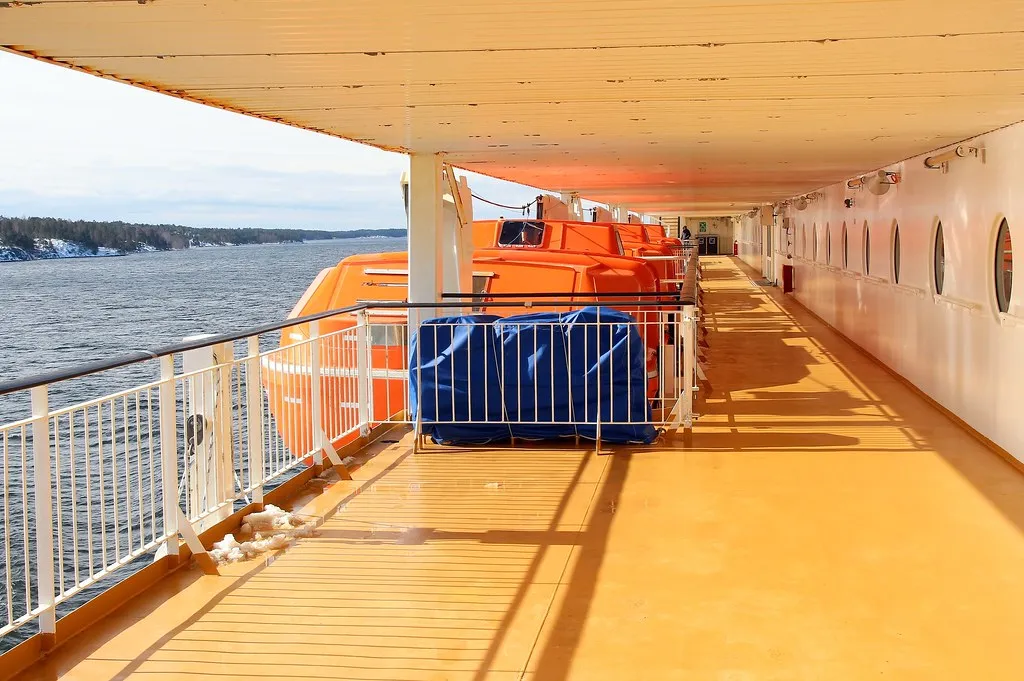
The instinct to stay inside in rough weather is understandable, but it isn’t always the smartest choice for comfort. Outside can help if you need fresh air, and a sheltered deck area near the middle of the ship can feel better than a warm indoor lounge, especially if there are strong food smells inside. The galley area, in particular, is a zone worth steering clear of during rough crossings.
Inside is often better when you can find a calm, central seat with a view outside, as it is warmer, more sheltered, and easier to stay still. The optimal choice genuinely depends on the crossing. A sheltered mid-ship outdoor seat on a mild day is hard to beat. A cold, exposed bow deck in a Force 6 wind is another matter entirely.
Modern Stabilizer Technology Is Changing What’s Possible
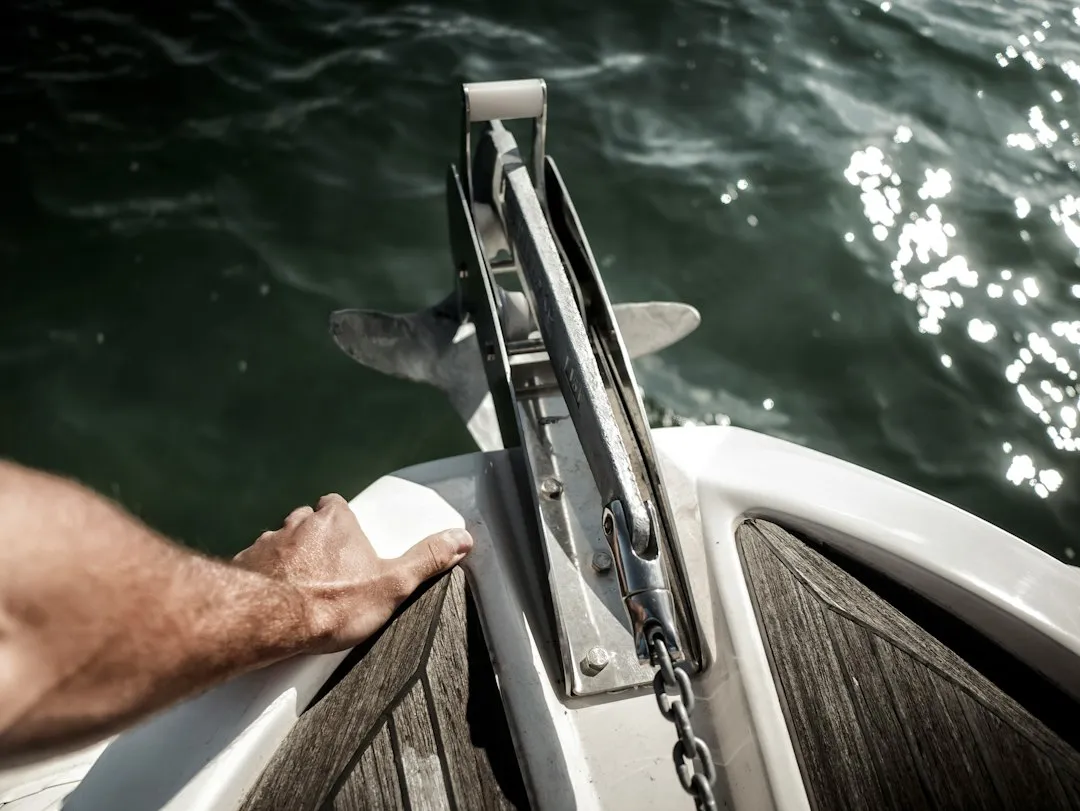
The advice above has been reliable for generations, but the vessels themselves are also getting better at managing motion. Modern ferries are equipped with advanced stabilizer fins that extend from the hull to counteract wave action, making the ride much smoother than older vessels. These systems have become a significant part of how ferry operators compete on passenger comfort.
The passenger vessels segment dominated the marine fin stabilizer market in 2024, driven by the increasing focus on enhancing traveler comfort, reducing seasickness, and ensuring safety. Cruise liners and ferries continue to invest in stabilization systems to offer smoother voyages. The global marine fin stabilizer market was valued at roughly 579 million USD in 2024 and is expected to grow to over 842 million USD by 2031. That’s a significant investment in passenger wellbeing.
Route and Vessel Size Shape the Experience Fundamentally
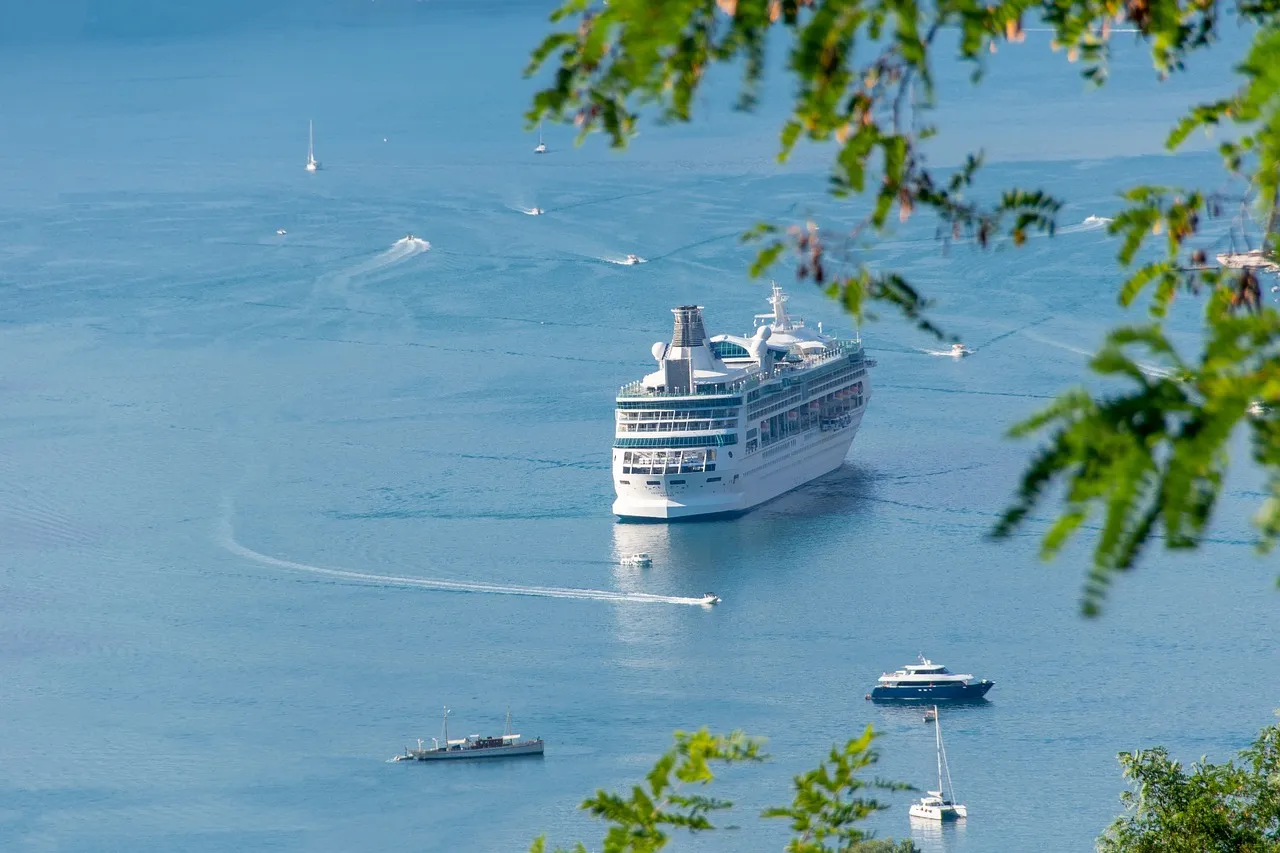
Even the best seat on the wrong vessel for the wrong crossing won’t guarantee a smooth ride. The ship and route matter as much as the deck. A large, modern stabilized ship on a calm itinerary rides smoothest of all. This is the part of the equation that passengers rarely factor in before booking.
Larger, newer ships tend to handle rough seas more effectively due to their sheer mass and sophisticated computer-controlled ballast systems. A big conventional ferry crossing sheltered island waters will simply perform very differently from a high-speed catamaran on an open ocean route. Both the hull design and the water conditions write the first chapter before seat choice even enters the conversation.
What Experienced Crew Always Tell Passengers Who Ask
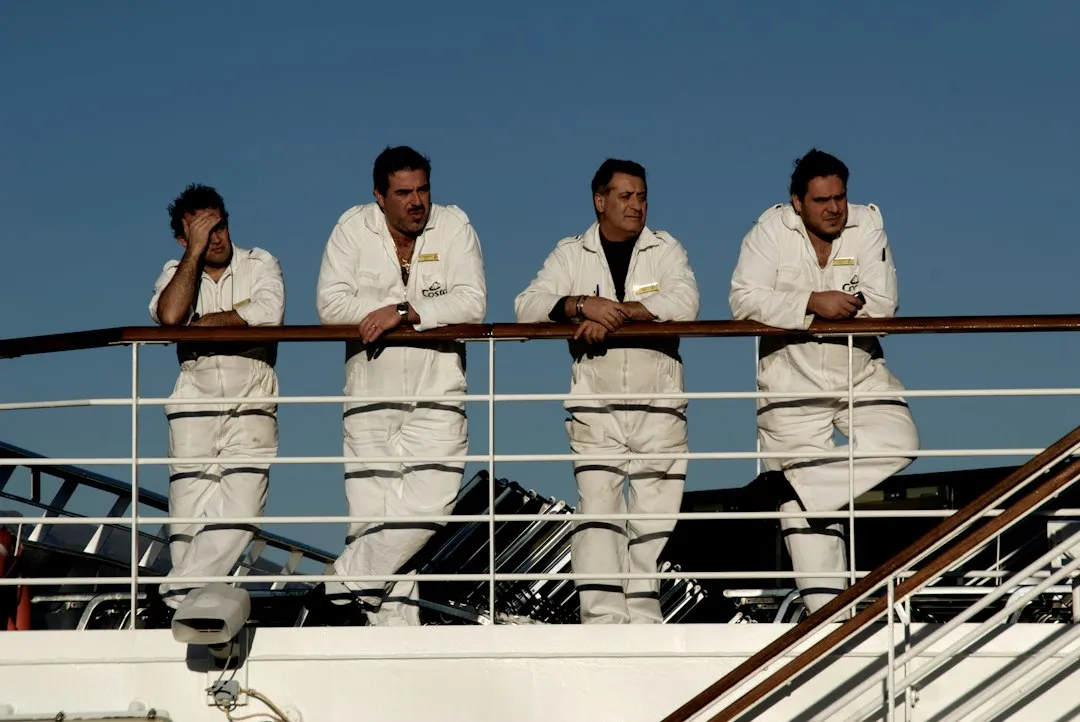
Anyone who has spent time chatting with ferry crew will hear the same core advice come up again and again. Choose a seat near the middle of the ferry, sit lower down if possible, face forward where you can, and try to sit where you can see the horizon. These aren’t complicated instructions, but they require knowing to ask in the first place.
Crew manage motion sickness questions every single day, so telling them early if you feel unwell is genuinely worthwhile. They know the vessel, they know which areas get rough, and they often know which specific rows or cabin zones stay the quietest on a given route. That local knowledge is worth more than any general guide. Don’t hesitate to ask before you settle into your seat.
The Takeaway for Any Ferry Journey

The evidence is consistent, whether you’re reading guidance from New Zealand’s Interislander, ferry operators in the Greek Cyclades, or maritime researchers tracking motion sickness dose values on research voyages. The best ferry seat for seasickness is usually low down and near the middle of the ship, ideally with a view outside. Every other adjustment, fresh air, horizon gazing, light eating, builds on that foundation.
What makes this knowledge genuinely useful is how transferable it is. Whether the crossing takes twenty minutes or twelve hours, whether the vessel is a small island ferry or a large international ro-ro, the physics remain the same. The ship pivots from its center. The bow and stern swing hardest. The upper decks amplify every roll.
Board early, move toward the middle, stay low, find a window. It’s not glamorous advice, but after decades of crossings, it’s what captains quietly do for themselves.
AI Disclaimer: This article was created with the assistance of AI tools and reviewed by a human editor.