
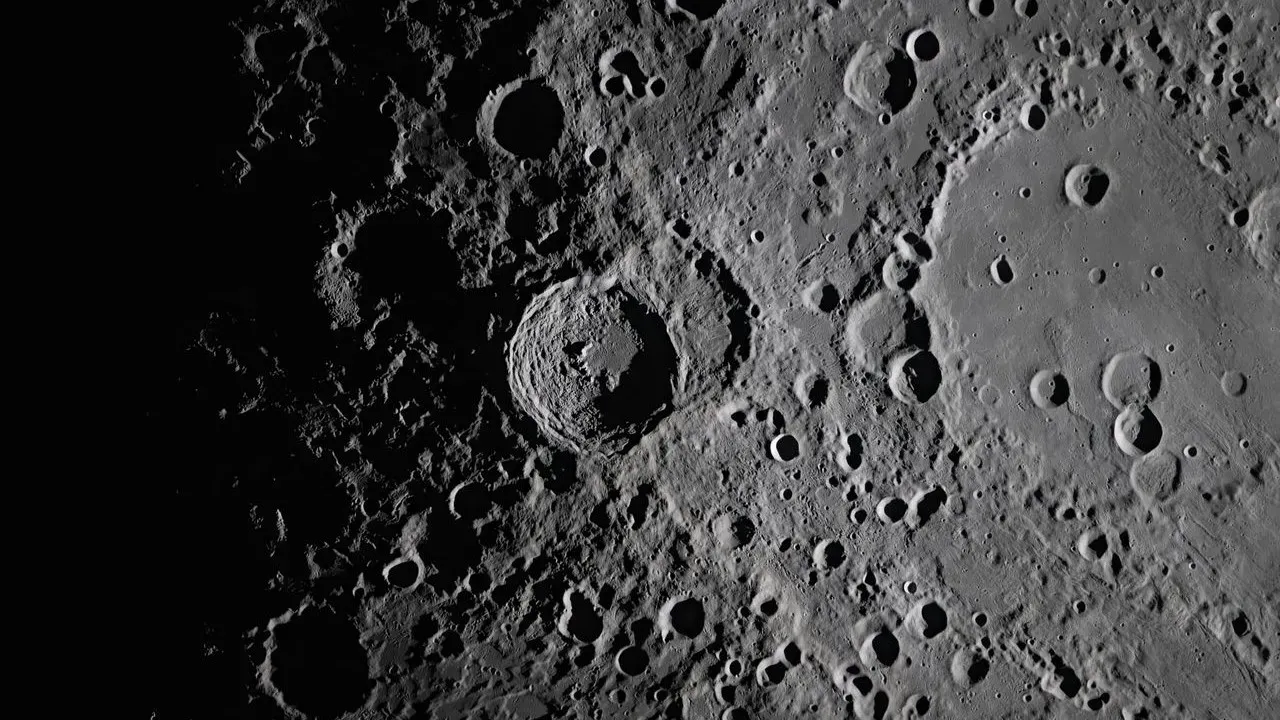

Cape Canaveral, Florida – A powerful impact two years ago left a fresh crater on the moon that went unnoticed at the time. NASA’s Lunar Reconnaissance Orbiter later captured clear images of the site, revealing a steep-sided depression far larger than the Roman Colosseum. The discovery adds a rare data point to ongoing studies of the lunar surface.
Details of the Recent Impact
The crater measures roughly 728 feet across and reaches depths of about 141 feet. It formed when a fragment from an asteroid or comet struck the moon’s near side. Telescopes on Earth and in space missed the event in real time, and the orbiter’s wide-angle images sat in data archives until analysts reviewed them more than a year later. Researchers published their findings in two papers in the journal Science Advances. They note that an impact of this scale happens only once every 132 years on average, making the observation statistically uncommon. The crater has been named for the late Thomas McGetchin, a former director of Houston’s Lunar and Planetary Institute.
What Scientists Learned from the Site
The strike disturbed lunar material across more than 66 miles. Ejected dust and soil traveled at steeper angles than models had predicted. A separate analysis found a four-mile-wide cold spot around the crater, which scientists link to loosened surface soil. One study author described the process as a form of gardening that brings deeper material to the top. Another observation shows that the moon’s uppermost soil layer is overturned more quickly than earlier estimates suggested. These details help refine understanding of how the surface evolves over time.
Relevance to Future Exploration
NASA plans to establish a sustained presence on the moon in the coming years. Data from this crater will inform calculations about the risk of ejected material reaching planned landing sites or habitats. Engineers can use the information to design structures that account for such events. The orbiter continues to monitor the moon for additional changes. Each new crater provides a fresh window into surface processes that have shaped the lunar landscape for billions of years. Further analysis will clarify how often similar impacts occur and what they mean for long-term operations.
AI Disclaimer: This article was created with the assistance of AI tools and reviewed by a human editor.