
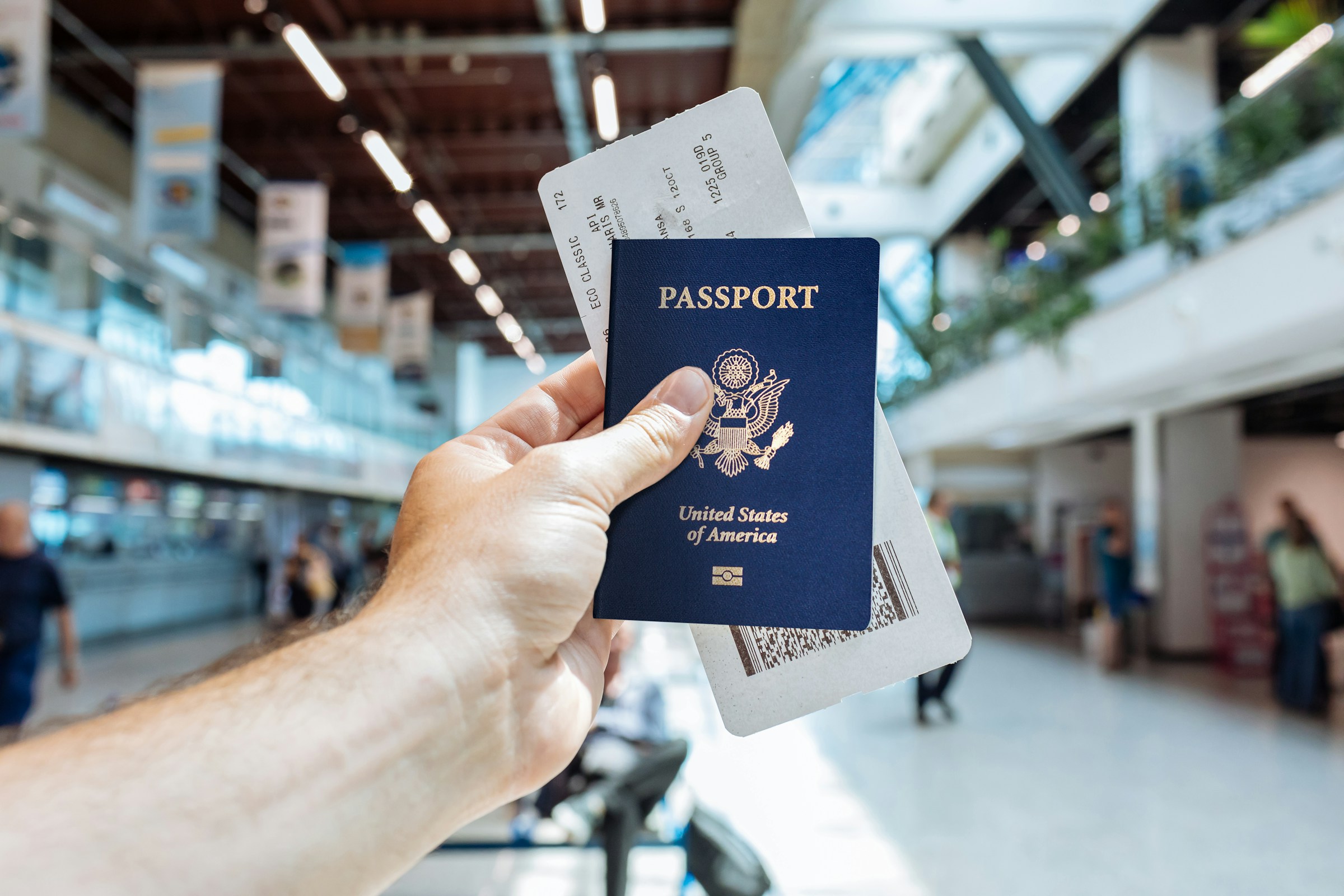

The Reciprocity Principle Is Reshaping Entry Rules
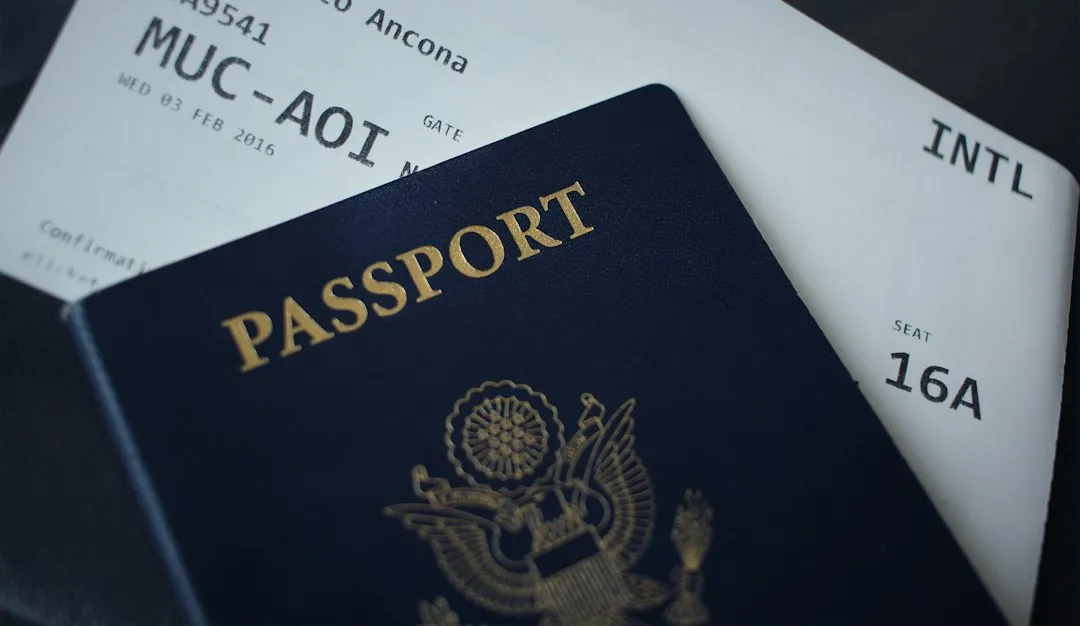
Perhaps the most significant driver of tighter entry requirements for Americans is a concept that diplomats have used for decades: reciprocity. The idea is straightforward. If one country imposes visa requirements or screening procedures on your citizens, you apply the same to theirs.
Brazil’s reciprocity reinstatement for American nationals in April 2025 signals a broader shift, with middle-income partners now considering whether to extend unconditional access to states that do not reciprocate it. This is not a bureaucratic technicality. It reflects a genuine recalibration of how governments view the United States as a partner.
A wave of new entry restrictions from Washington triggered something few travelers expected: countries pushing back with their own restrictions on American citizens. The pattern is called reciprocity, and it has already turned theoretical policy into real consequences for ordinary tourists.
Retaliatory Bans from African Nations

Four nations, Mali, Burkina Faso, Niger, and Chad, have already shut their doors to Americans in direct response to expanded US travel restrictions. These are not isolated cases.
The closures track closely with Washington’s own moves. The December 2025 US proclamation added full restrictions and entry limitations on five additional countries: Burkina Faso, Mali, Niger, South Sudan, and Syria. When those nations found themselves banned from the United States, their governments responded in kind.
These are not merely administrative adjustments. They are political choices, and their consequences for passport holders are real and measurable. For Americans planning travel to West Africa, the ground has fundamentally changed.
Europe’s Entry/Exit System Adds a New Biometric Layer

Even in destinations that remain open and welcoming to Americans, the process of entering has become more technically demanding. American travelers entering Europe now face a new layer of screening. The European Union’s Entry/Exit System became fully operational on April 10, replacing traditional passport stamps with digital biometric registration across 29 Schengen Area countries.
At their first border crossing, US visitors must provide four fingerprints, a facial photograph, and personal data from their travel document. This is not a punishment aimed at Americans specifically, but it does represent a more thorough inspection than travelers from this country have historically encountered in Europe.
Since the system launched in October 2025, over 45 million border crossings have been registered. The scale of rollout makes clear that this is a permanent feature of transatlantic travel, not a pilot program.
China’s Strategic Exclusion of American Travelers

China’s unilateral visa-free expansion reached nearly fifty countries by February 2026, deployed not as a gesture of universal openness but as a calculated instrument of economic diplomacy, with the United States pointedly excluded throughout.
That exclusion is deliberate and telling. While dozens of nationalities gained easier access to China, Americans still require a standard visa, meaning additional documentation requirements, a consular interview, and scrutiny that other passport holders skip entirely. US citizens require a visa to visit China, whereas Singaporeans and Japanese can enter visa-free or with visa on arrival.
The gap is not just logistical. It reflects a conscious diplomatic decision about whose travelers a country chooses to welcome easily, and whose it prefers to slow down.
How Travel History Affects Border Inspections
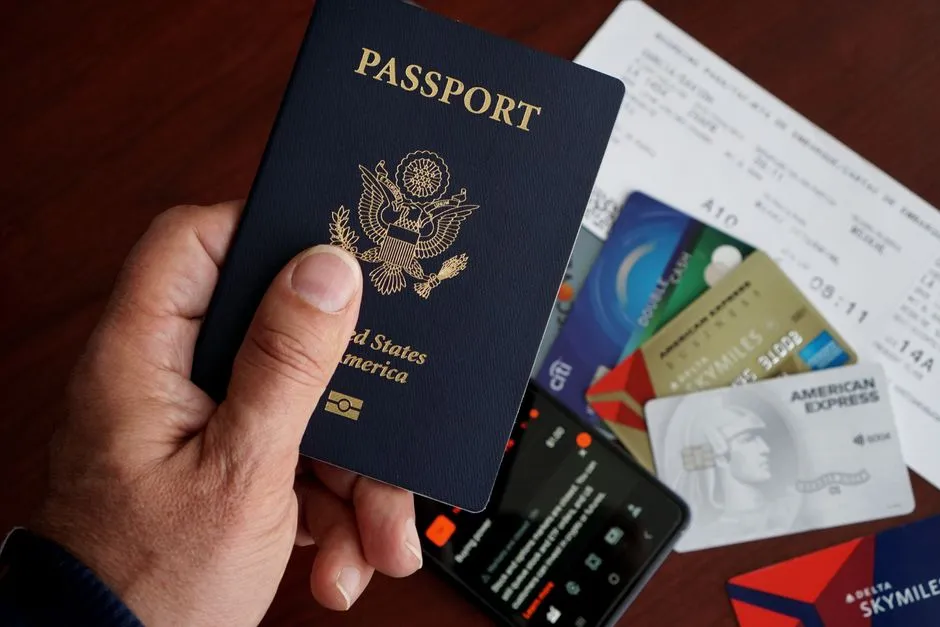
Even when Americans are not subject to formal entry bans, the countries they have previously visited can complicate things. If travel history includes sanctioned or high-risk countries, it will not invalidate a passport, but it may raise flags during border inspections.
A US passport cannot be revoked solely for visiting a restricted country, but border officers may ask additional questions to determine the purpose of travel. This can mean extended waits, a secondary inspection room, or more detailed questioning about itineraries and contacts.
The practical implication is that where you have been shapes how you are received going forward. Travelers who have visited countries under active diplomatic tension with their destination may find arrival considerably less smooth than their passport alone would suggest.
Digital Pre-Travel Authorization Is Now Routine

Britain, Europe, Australia, and New Zealand now require digital pre-travel approvals or biometric checks, with airlines refusing boarding to passengers without proper documentation. This is a meaningful structural change in how international travel works.
Starting in 2025, US passport holders traveling to Europe need to apply for authorization through the European Travel Information and Authorization System (ETIAS) before their visit. While the process is designed to be relatively quick, it introduces a vetting step that did not previously exist for Americans traveling to the Schengen Zone.
New Zealand’s system has been running for several years now. As of mid-2026, more than 8.1 million NZeTAs had been approved since the program launched, including more than 1.6 million in the 2024 to 2025 financial year alone. The digital pre-screening trend is global, consistent, and growing.
Social Media Screening Is Entering the Picture

Border scrutiny is no longer limited to what is printed in a passport. Governments, including several that closely partner with the United States, are moving toward reviewing digital footprints as part of entry assessments.
Asia, Oceania, the Middle East, and the Americas are all tightening digital travel requirements, and the common thread is the same: more data collected before departure, more identity checks at arrival, and less reliance on manual inspection.
This shift means travelers may face scrutiny of public social media posts as part of broader entry evaluations in an increasing number of countries. US consular officials as well as USCIS and CBP officers already review social media activity and group affiliations of most nonimmigrants for national security purposes. Other nations are watching that approach and adopting similar frameworks.
Countries with Geopolitical Tensions Add Extra Checks
US travelers need a visa for Russia, while holders of passports from several European countries do not. Entry to Iran also requires a visa for US citizens, though travelers from countries like Malaysia and Turkey can enter without one. These restrictions have been in place for years, but they become stricter during periods of heightened tension.
Cuba presents a slightly different case. While restrictions have eased at various points, US citizens still face more travel limitations to Cuba compared to most other nationalities. Americans traveling there must comply with US Treasury Department licensing requirements on top of any entry screening by Cuban authorities.
In all of these cases, the extra scrutiny applied to US passport holders is not purely about the individual traveler. It is a reflection of state-level diplomatic friction that gets applied at the border crossing level.
Secondary Inspection: What Actually Triggers It
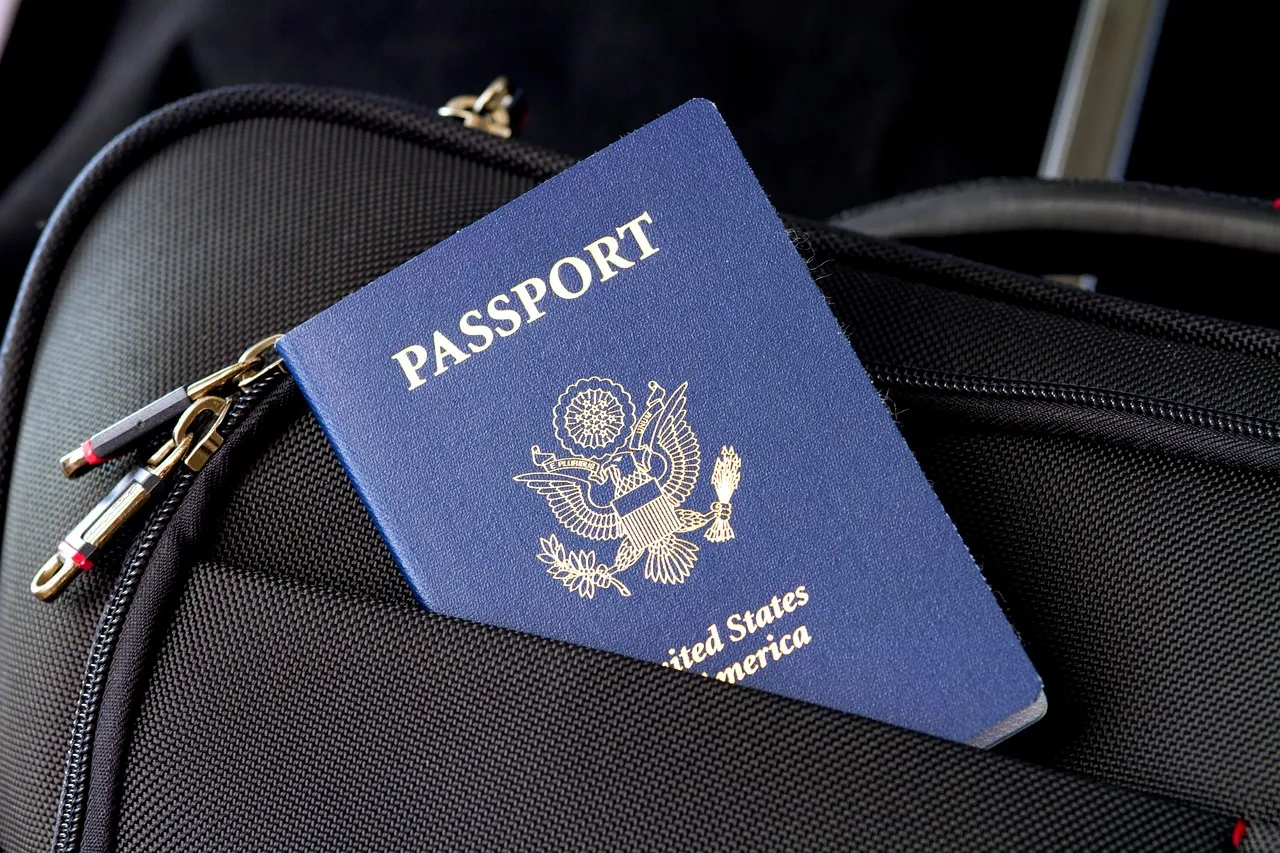
Being sent for extra screening does not necessarily mean a passport has been flagged. A delay may come from an airline document check, TSA security screening before departure, or US Customs and Border Protection secondary inspection when arriving at the border.
A damaged, cancelled, or incorrect passport can cause a document problem. Repeated screening with a valid passport may instead involve a record mismatch, random selection, or an issue unrelated to the passport itself. Understanding this distinction is useful for travelers who feel they have been unfairly flagged.
US Customs and Border Protection officers generally look at a traveler’s visa, the passport’s personal information page, available history, and other supporting documentation when making entry decisions. Foreign border officers follow similar frameworks, with discretion to request additional information at any point.
The Broader Shift in US Passport Privilege
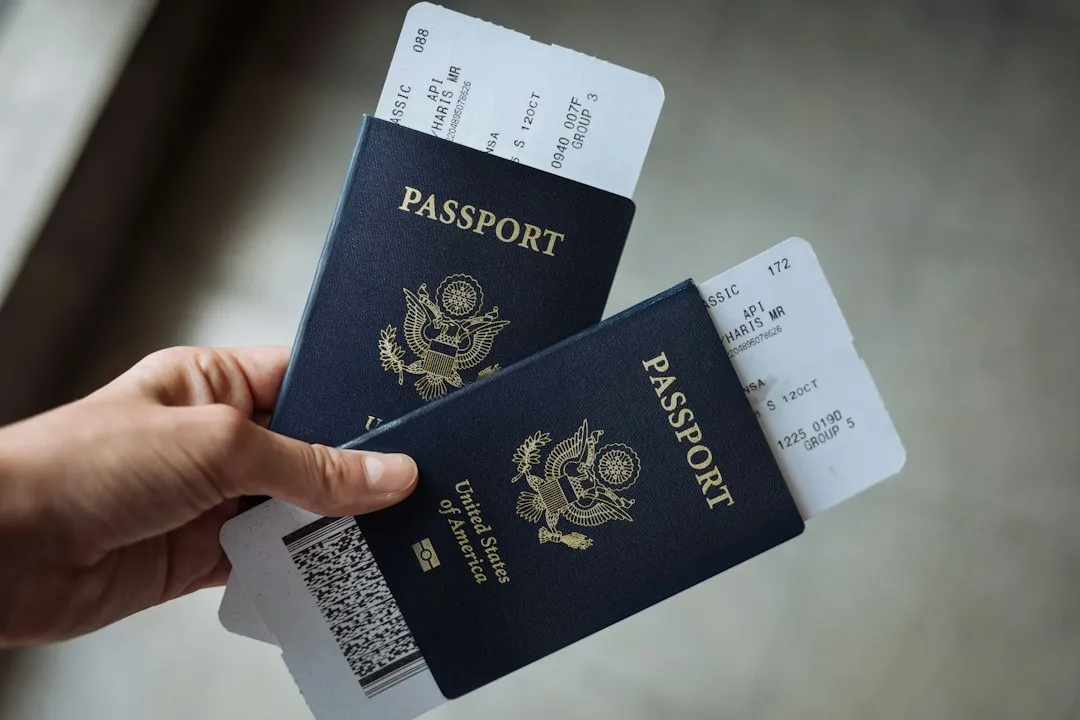
The landscape around American travel documents has changed more in the past two years than in the preceding decade. Recent developments illustrate a broader pattern of policy volatility that cuts in multiple directions, affecting both who can enter the United States and how Americans are received abroad.
Looking ahead, these measures point to a continued emphasis on national security screening, fewer discretionary waivers, more in-person interviews, and longer processing times across many immigration categories. Americans traveling internationally are increasingly part of that calculus.
The result is a more complicated environment for US passport holders than the one most grew up expecting. Visa-free access remains significant, but it now sits alongside a growing number of pre-authorization systems, biometric registration requirements, reciprocal entry restrictions, and geopolitically motivated scrutiny that did not exist a few years ago.
What Travelers Can Do to Prepare
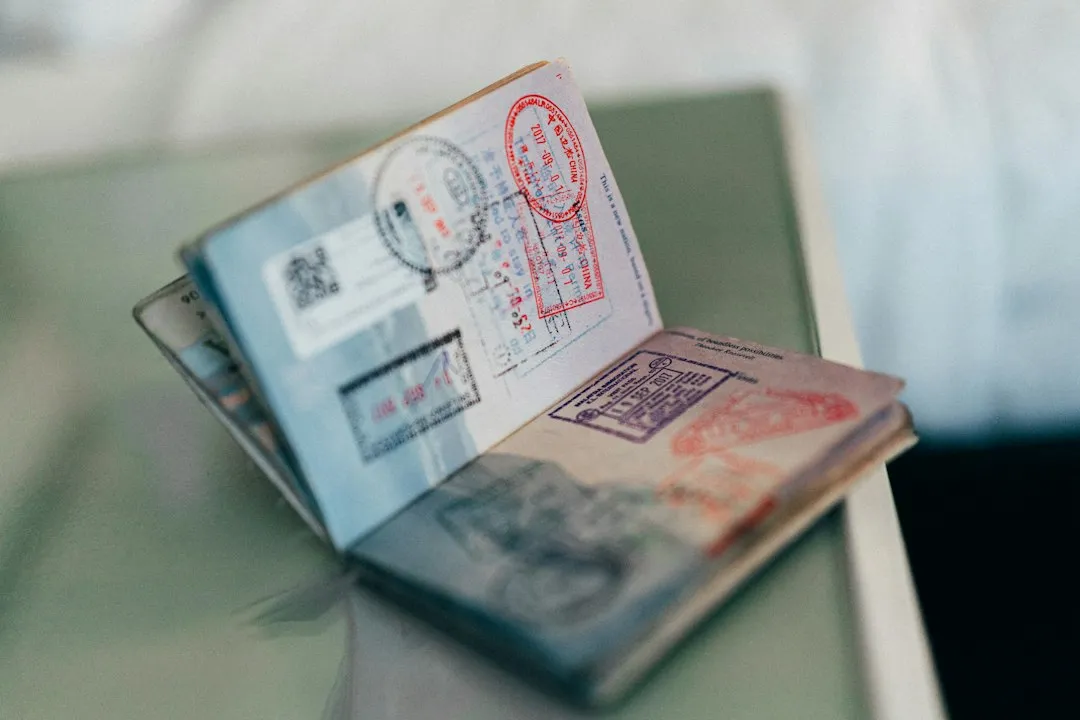
Practical preparation matters more now than it once did. Checking entry requirements directly with destination country embassies, verifying digital authorization deadlines well in advance, and enrolling in the US State Department’s Smart Traveler Enrollment Program are all steps worth taking.
If a destination is on or near a travel restriction list, travelers should verify visa requirements directly with the destination country and ensure their passport has at least six months of validity. Some countries will deny boarding if the remaining validity falls short of that threshold.
Staying informed about rapidly changing entry rules is no longer optional. International travel rules can change quickly, and travel bans, entry restrictions, and heightened screening policies are often the most confusing aspect for US travelers. Checking conditions close to departure is as important as planning months in advance.
The Takeaway
Extra screening for US passport holders is rarely about the individual traveler. It is the result of layered forces: geopolitical tension, digital border modernization, reciprocal policy moves, and a global recalibration of who gets easy access to whose territory. The American passport remains a powerful document, but power in travel, as in most things, is contextual.
The practical lesson is simple: research before you fly. Entry requirements in 2026 can change faster than any printed guide can track, and the gap between what was true last year and what is true today has rarely been wider. Traveling with accurate, current information is the most effective way to ensure a smoother journey, wherever you are headed.
AI Disclaimer: This article was created with the assistance of AI tools and reviewed by a human editor.