

Owls: The Undisputed Stars of the Rehab World
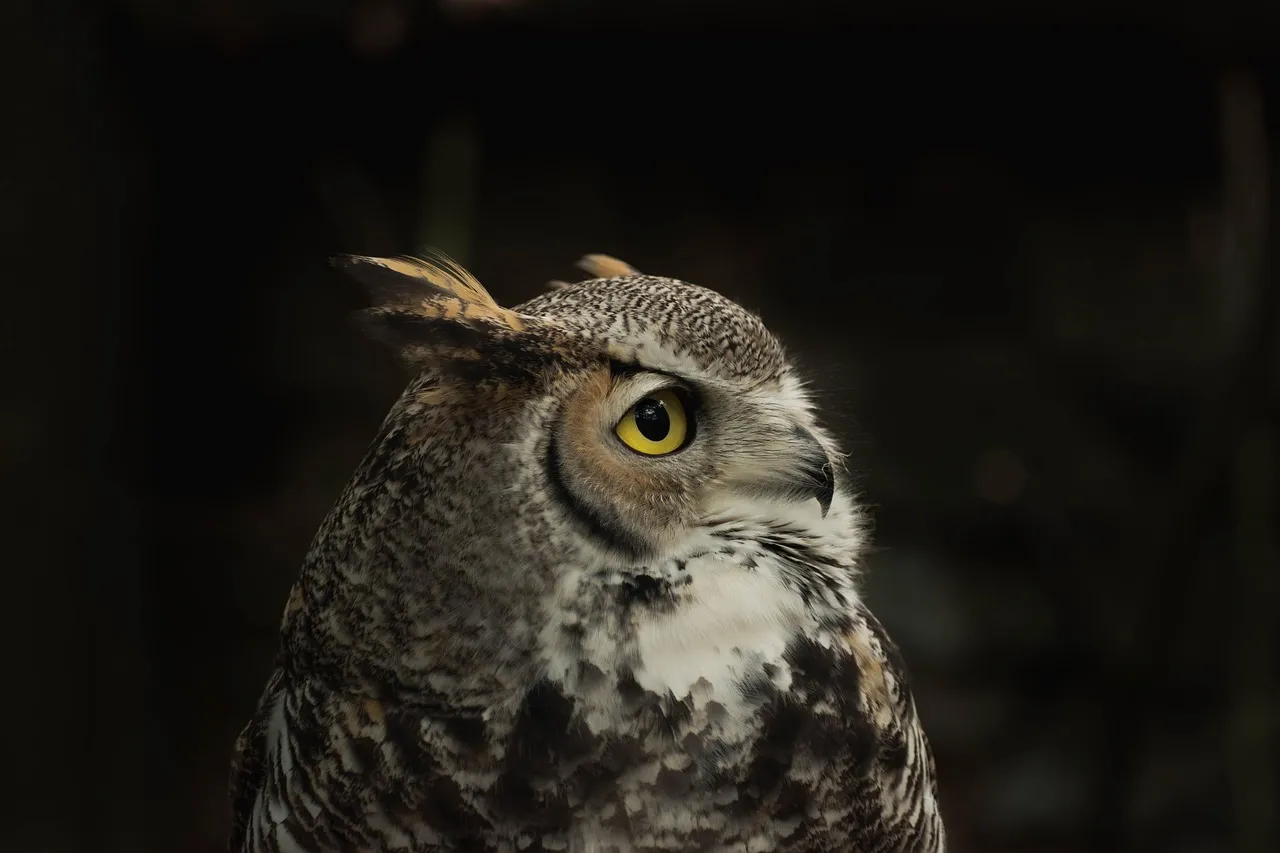
Owls draw more unsolicited attention than almost any other patient in a rehab facility. Staff across the country report that visitors instinctively ask about them the moment they spot one, even before asking about the center’s other residents. Their silent, watchful presence carries a kind of gravity that simply commands a room.
Centers like NorthWoods Wildlife Center in Wisconsin built a dedicated “Owl House” housing four owl species native to the region, including great-horned owls, barred owls, saw-whet owls, and screech owls, specifically because public interest in these birds is so sustained and genuine. At the Houston SPCA’s Wildlife Center, a great horned owl brought in as an abandoned nestling in 2024 became one of the center’s most talked-about residents.
Part of the fascination is that owls feel mysterious in a way most backyard animals don’t. They’re nocturnal, rarely seen, and their physical form, that rotating head and forward-facing eyes, makes them look almost unnervingly human.
White-Tailed Deer and Fawns: The Emotional Gut-Punch
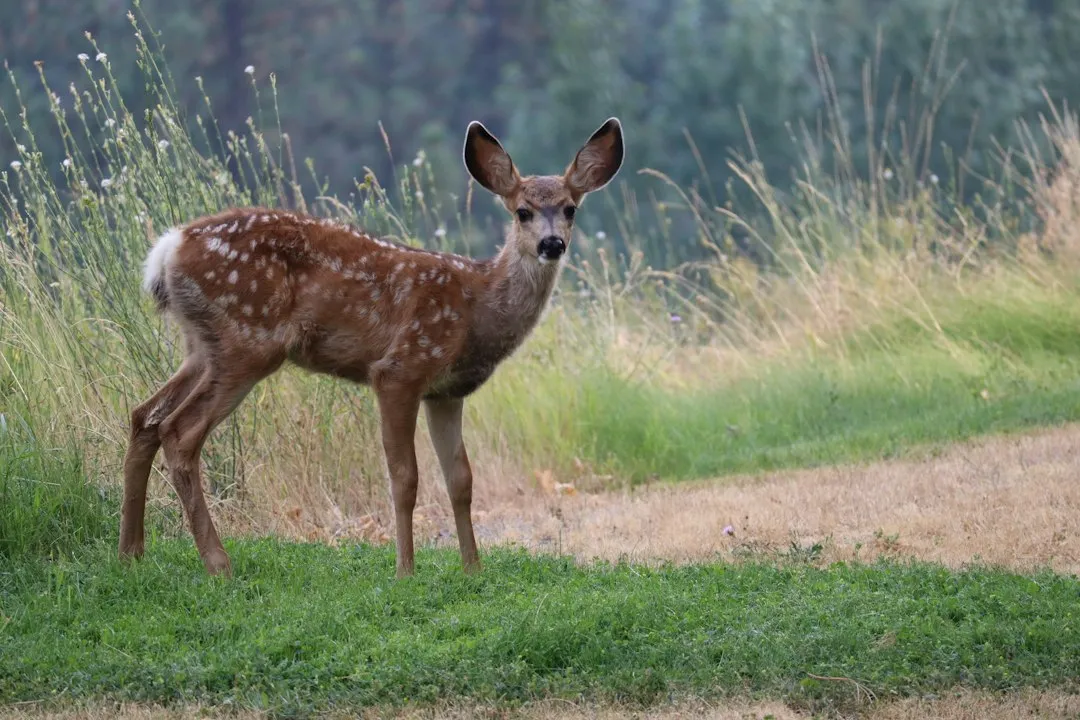
Few things stop a visitor more completely than a fawn. They are small, spotted, visually heartbreaking, and completely irresistible to anyone who walks past their enclosure. Rehab staff consistently report that fawns and white-tailed deer generate some of the most emotionally charged questions they receive all year.
White-tailed deer appear among the most common species admitted at several centers, including NorthWoods Wildlife Center in Wisconsin, where they feature on the list of the most frequently seen patients each season. Displaced and orphaned baby animals account for roughly two-thirds of annual caseloads at many facilities, and fawns are a significant part of that number each spring.
Visitors frequently ask whether a fawn they found alone in their yard is truly orphaned. Staff spend considerable time explaining that mother deer often leave their young alone for hours at a time, a natural behavior that well-meaning people regularly misread as abandonment.
Cottontail Rabbits: Small, Fragile, and Wildly Popular
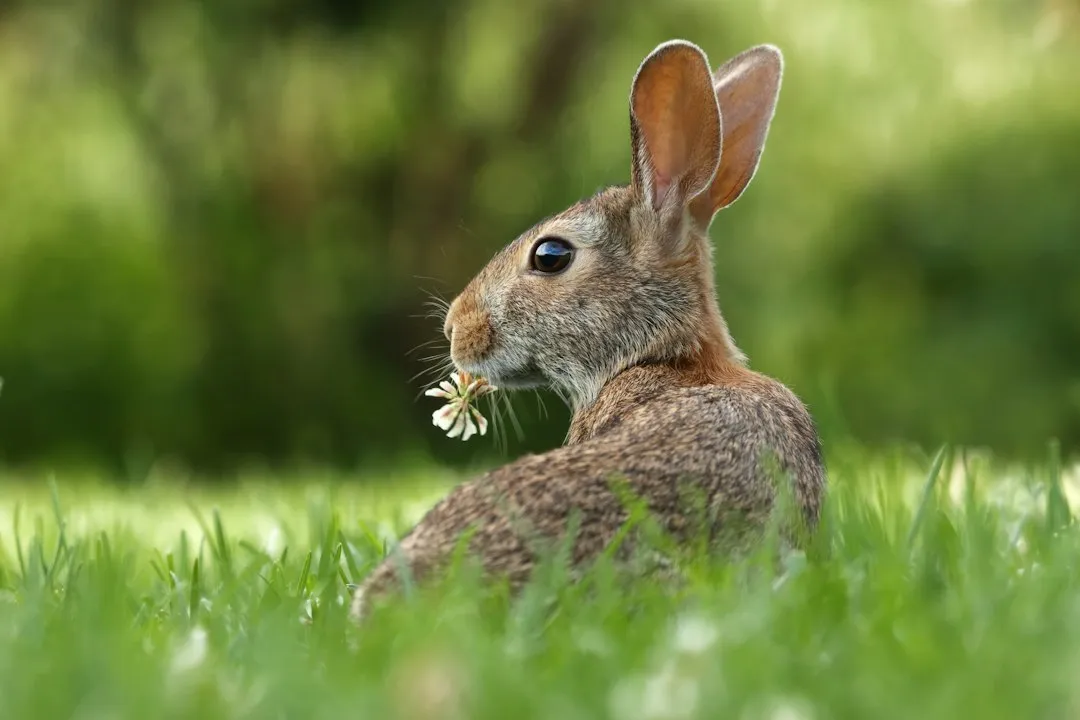
Cottontail rabbits arrive at rehabilitation centers in enormous numbers each spring and summer, and public curiosity about them is almost equally enormous. They are familiar enough to feel approachable, yet vulnerable enough that people genuinely worry about them.
On average, one-third of all animals rehabilitated each year in the United States are cottontail rabbits, gray and fox squirrels, and raccoons combined, with the remaining two-thirds being mainly small birds. That speaks to just how frequently these species intersect with human spaces. Facilities like Nebraska Wildlife Rehab report that cottontail rabbits are among the baby animals that fill their nurseries between March and August every year.
Questions about rabbits often have a personal quality. Visitors will frequently admit they found a nest in their garden and want to know if what they did, or didn’t do, was the right call. Rehab staff handle these moments with care, turning them into genuine teaching opportunities.
Raptors: Hawks, Eagles, and the Weight of a Wing Injury
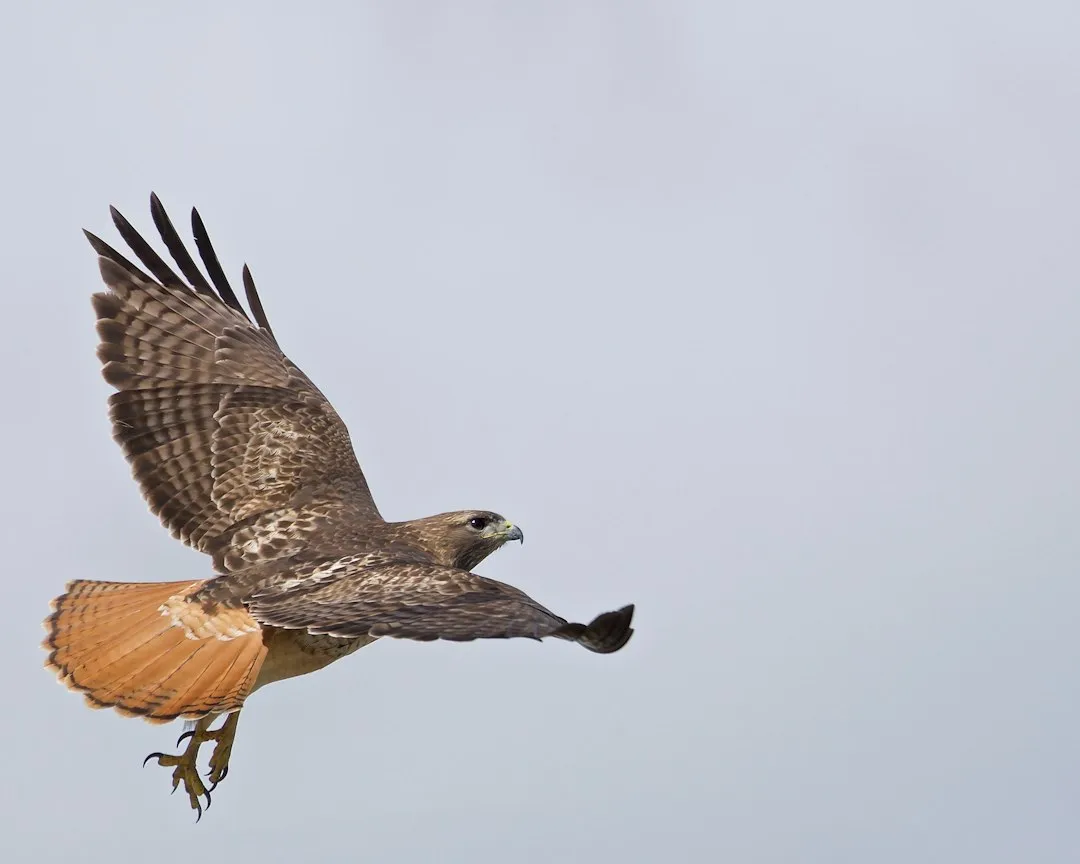
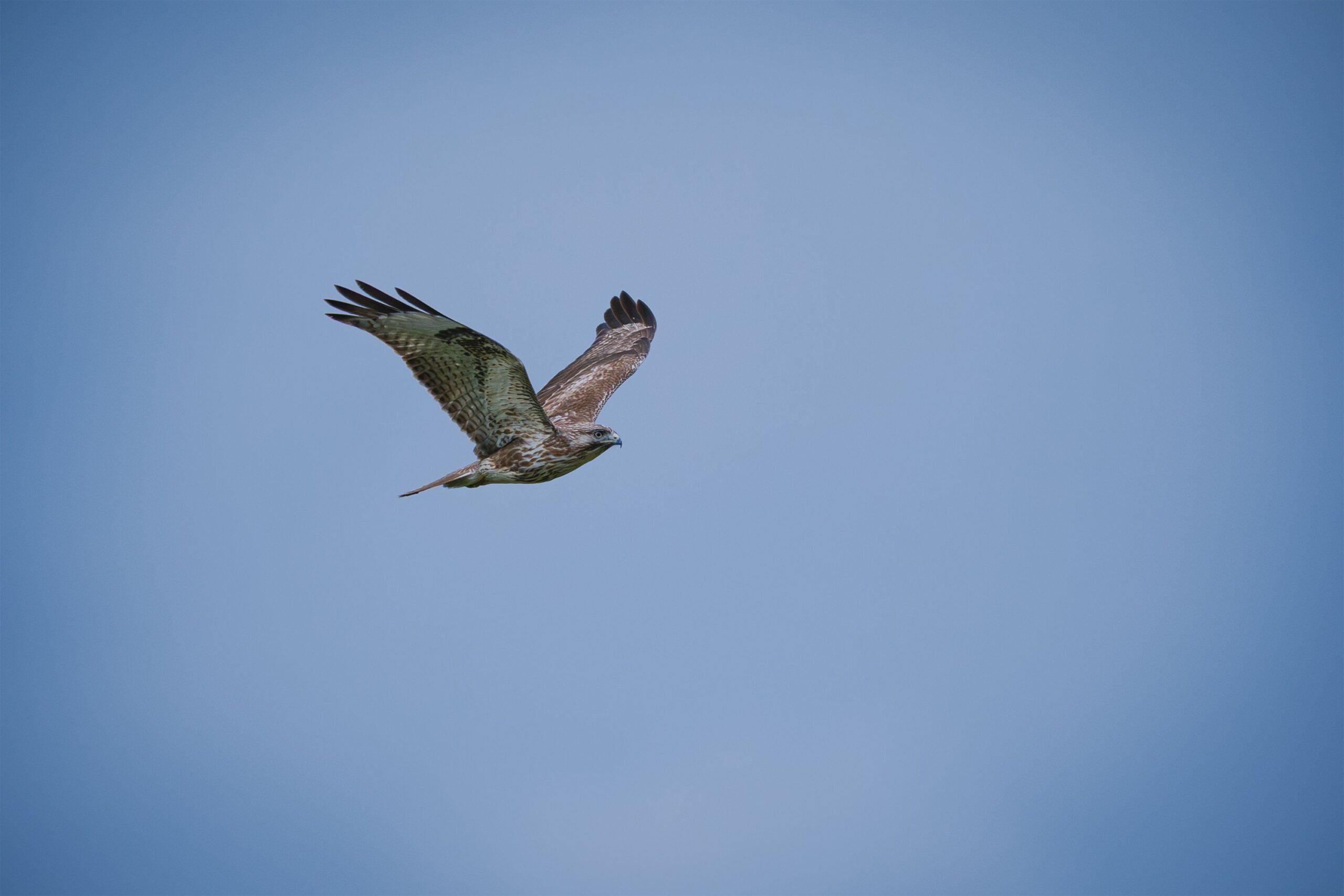
Birds of prey carry a specific magnetism. When a red-tailed hawk sits in a recovery mew or a bald eagle is being monitored near a window, people slow down, lower their voices, and start asking careful questions. There’s a reverence to it that staff say they never quite get used to.
A 2024 study used wildlife rehabilitation records and bird band recovery data from the USGS (covering 1974 to 2018) to estimate annual survival rates of rehabilitated raptors across 20 species, underscoring how central raptors are to the scientific and public dimensions of rehab work. The Fund for Animals Wildlife Center in Ramona, California, focuses specifically on injured and orphaned predatory animals such as eagles, other raptors, bobcats, cougars, and coyotes.
Lead poisoning is a question that comes up repeatedly with raptors. The OWL Rehabilitation Society treated a trio of golden eagles for lead poisoning in 2024, all found near Sechelt on the Sunshine Coast, lethargic and unable to fly, with the primary suspect being lead from hunting ammunition.
Raccoons: The Ones Everyone Has a Story About
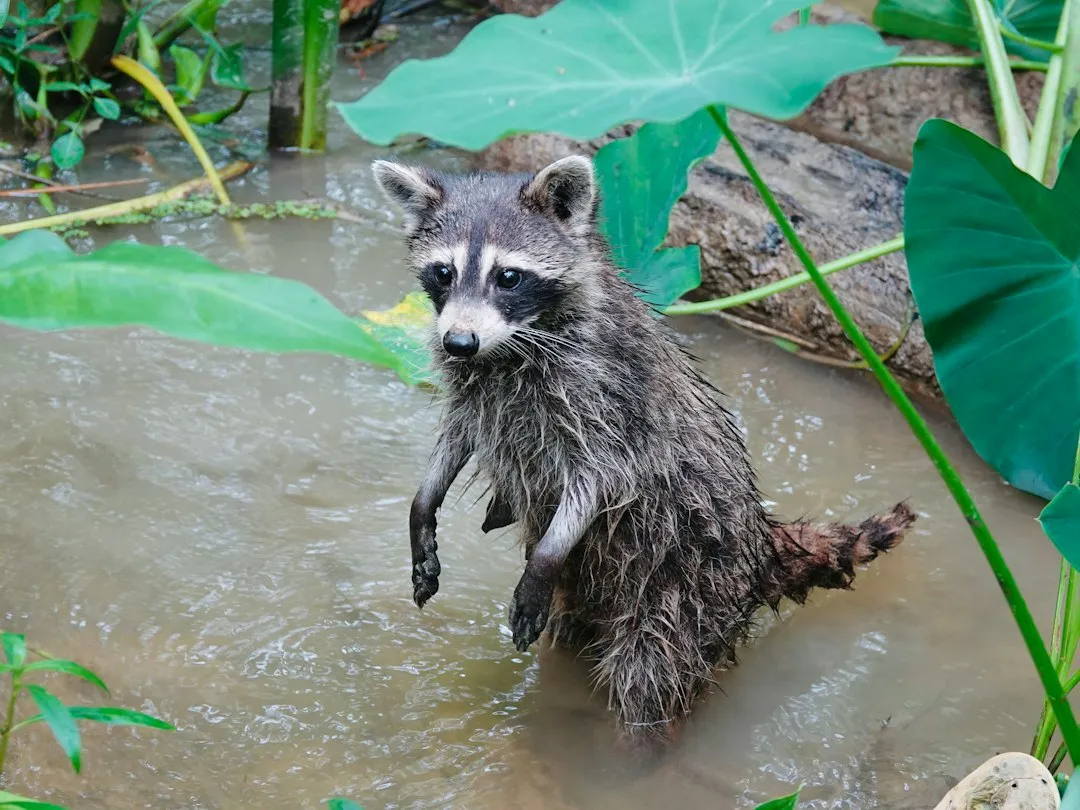
Raccoons are a case study in complicated public affection. Visitors often arrive at rehab centers with firm opinions about them already formed, and those opinions are almost always softened after seeing a young raccoon in care. The questions that follow tend to be equal parts curious and confessional.
The Wildlife Rehabilitation Center in Roseville, Minnesota handles an average of more than 7,300 animals per year, with raccoons consistently appearing among the most common species. Staff frequently explain why raccoons cannot be kept as pets and why genuinely wild behavior, what some visitors call “aggression,” is actually a sign that rehabilitation is working.
People ask about raccoon intelligence often. These animals are genuinely capable problem-solvers, and watching one navigate a recovery enclosure with focused curiosity tends to leave visitors asking questions that go well beyond basic care.
Turtles: Slow, Ancient, and Strangely Compelling
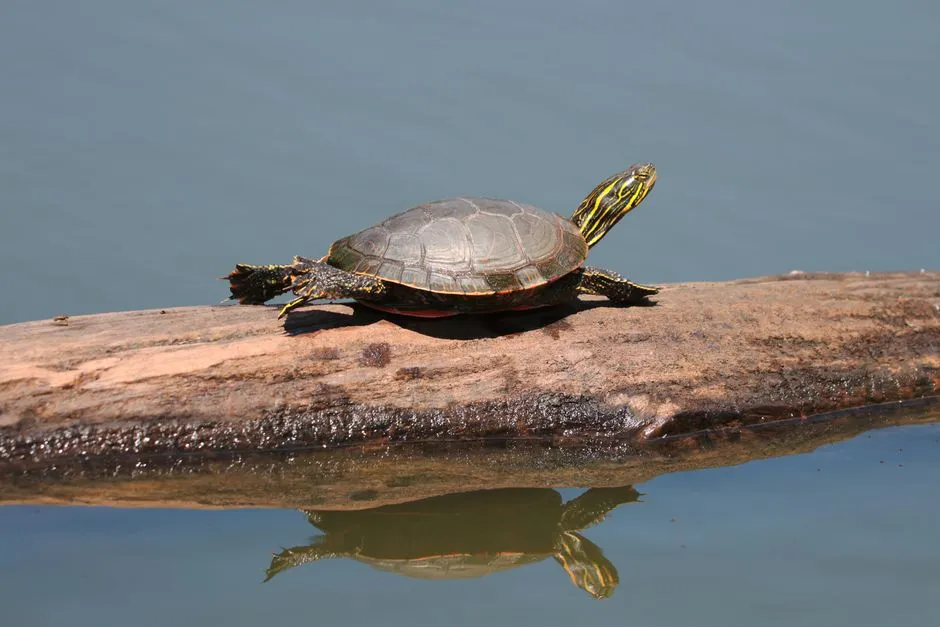
Turtles might not be the first animal you’d expect to generate intense visitor curiosity, but rehab staff say they’re consistently among the most asked-about patients. There’s something about their ancient, deliberate pace that prompts people to want to understand them more deeply.
In July 2025, a Western painted turtle brought to the Chintimini Wildlife Center in Corvallis, Oregon with a cracked shell, likely caused by a vehicle strike, was treated by staff who repaired and stabilized the shell, and the turtle was released back to the wild two months later. Stories like this resonate with visitors because turtles and roads are a combination most people have encountered personally.
The questions around turtles often center on what to do when one is spotted crossing a road. Rehab staff say this is one of the most practically useful conversations they have, turning visitor curiosity into real-world knowledge that can save lives.
Songbirds: The Birds Everyone Thinks They Know
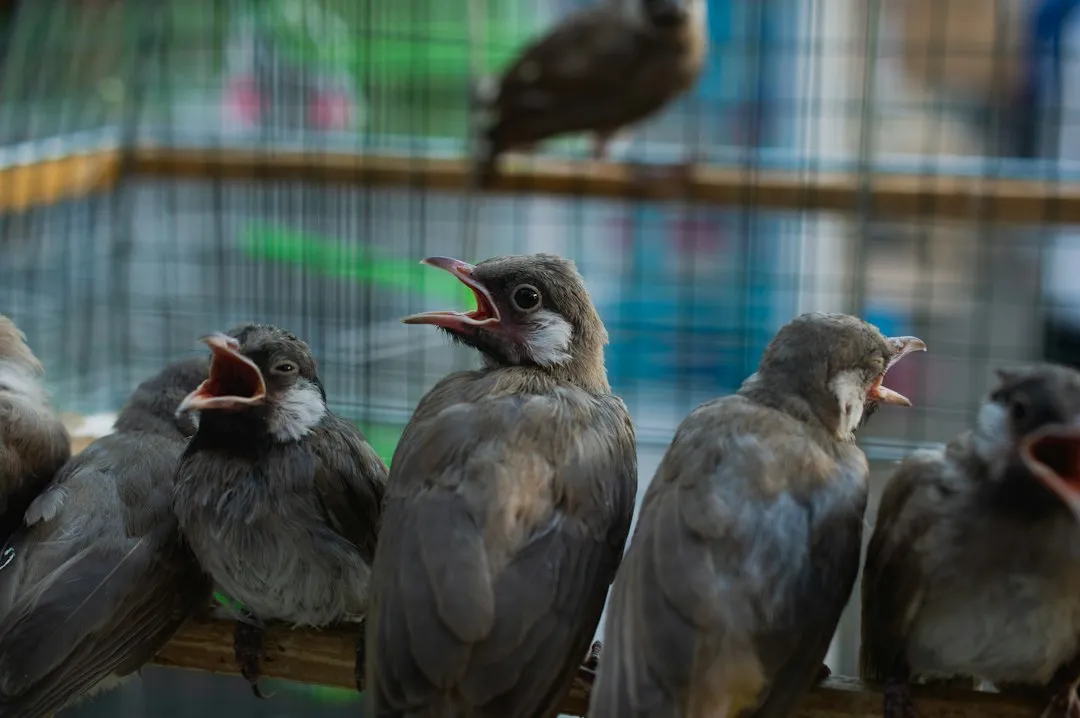
Robins, sparrows, finches, and warblers are the wildlife most people interact with daily, which makes them both the most familiar and, in some ways, the most surprising patients at a rehab center. Visitors tend to ask about songbirds with a kind of disbelief, as though it hadn’t occurred to them that these small, ordinary-looking creatures needed professional care.
Research analyzing more than 42,000 animal records over a decade at a British wildlife rehabilitation center found that birds accounted for nearly 70 percent of all admissions, far outnumbering mammals and reptiles. The pattern holds across continents. A long-term study of rehabilitation data from Lithuania published in 2026 found that birds represented 83 percent of all cases admitted over a multi-decade period.
Greenwood Wildlife Rehabilitation Center in Colorado, the largest of its kind in the state, treats roughly 2,300 songbirds and mammals per year, representing about 135 species. Visitors are often amazed to learn how many distinct species make their way through a single center in a single season.
Foxes: Beautiful, Misunderstood, and Endlessly Fascinating
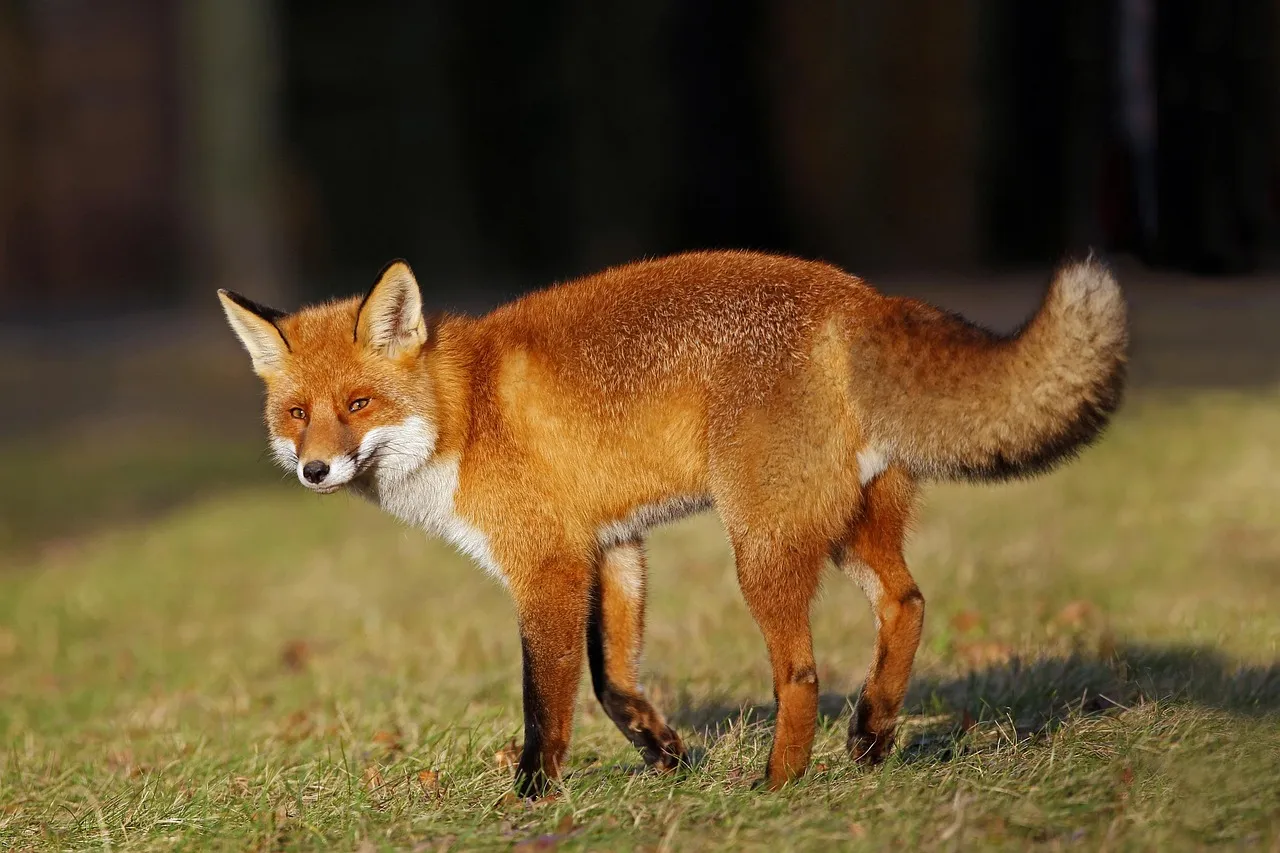
Red foxes and gray foxes have a way of stopping visitors completely. They’re visually striking, quick, and carry an almost mythological weight in popular culture. Rehab staff say the questions about foxes tend to come quickly and in clusters, one curiosity immediately leading to another.
Staff at the Chintimini Wildlife Center in Corvallis reported in 2025 that foxes were among the species making up their annual patient caseload alongside turtles, owls, eagles, and squirrels. Visitors frequently want to know whether a fox seen during the daytime is necessarily sick, a common misconception that staff gently correct. A fox out in daylight isn’t automatically rabid or distressed.
People also ask whether foxes can be socialized or kept. The consistent answer from rehab professionals is that keeping wildlife wild is precisely the goal of rehabilitation, and that a fox’s wariness of humans is not a flaw but a condition of its future survival.
Black Bears: The Patients That Draw a Crowd
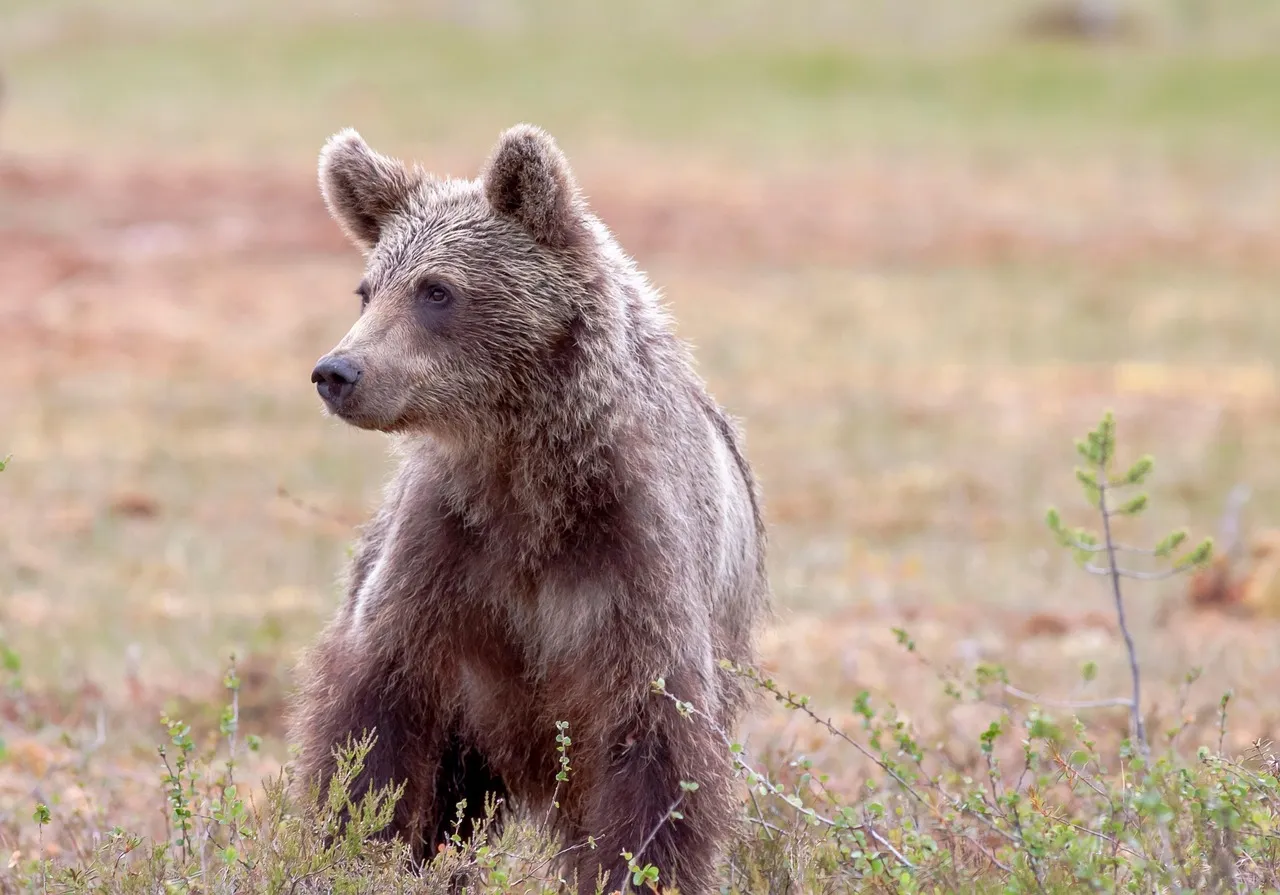
Not every center works with bears, but those that do tend to find that bears generate an outsized level of public interest, even when the animals aren’t visible to visitors. The questions come anyway, driven by a mix of fascination, concern, and the undeniable drama of caring for an animal that large.
The Wildlife Center of Virginia’s 2026 bear season drew significant attention, with seven cubs in a single cohort arriving in early spring and keeping rehabilitation staff intensely occupied through the warmer months. Hope for Wildlife in Nova Scotia began admitting black bear cubs for the first time in 2026, establishing an off-site bear shelter in Cape Breton, a development that generated substantial public interest and inquiry.
Bear rehabilitation raises questions that go deeper than simple curiosity. Visitors often want to understand how a bear can be raised without imprinting on humans, and what it takes to return an animal that large to an entirely wild existence. It’s a genuinely complex conversation, and one that rehab staff clearly relish.
Squirrels: The Gateway Animal for Wildlife Awareness
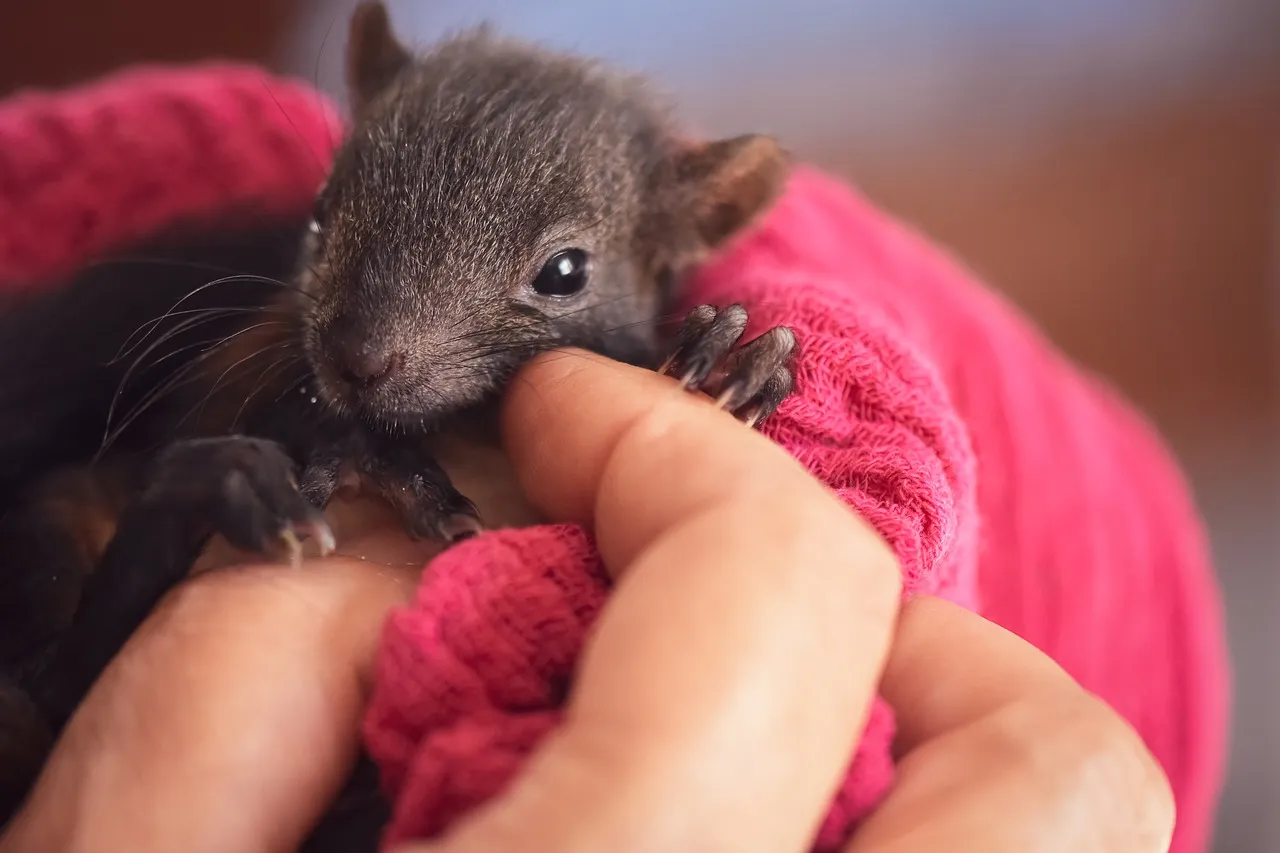
It might seem surprising that squirrels, the most visible wild mammals in most North American cities, generate significant curiosity at rehab centers. Yet staff consistently say that squirrels are among the animals that prompt visitors to slow down, ask real questions, and leave with a changed perspective on the wildlife sharing their neighborhoods.
At Nebraska Wildlife Rehab, fox squirrels appear regularly among the baby animals filling nurseries during the spring and summer months. NorthWoods Wildlife Center even built a dedicated new squirrel recovery enclosure they call the “nut house,” reflecting just how significant a role squirrels play in their annual caseload.
Visitors frequently arrive having found a baby squirrel that fell from a nest and want to know what to do. This moment of contact, worried person, small animal, uncertain outcome, is often when genuine wildlife literacy begins. Staff at centers across the country describe squirrel inquiries as the quiet gateway into a deeper public conversation about coexistence with urban wildlife.
The Takeaway: Curiosity Is the First Step
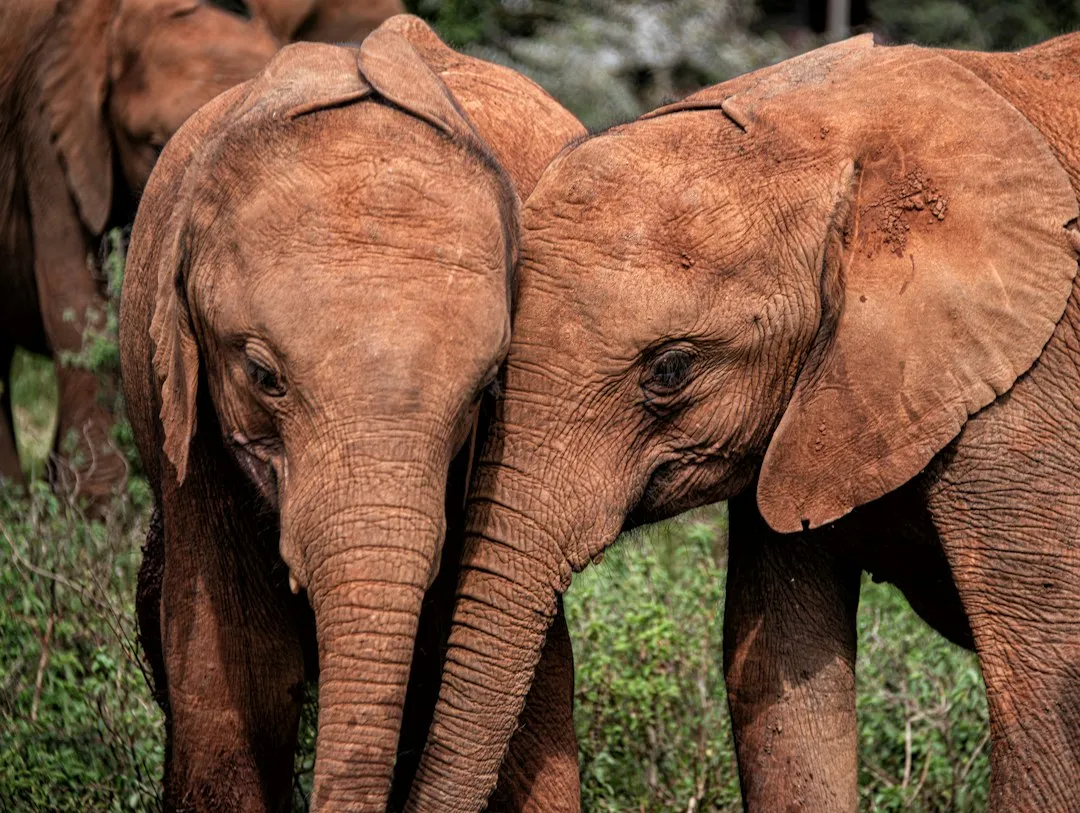
What wildlife rehab staff describe, when you add it all together, is a public that is more engaged and more genuinely caring than the news cycle might suggest. People ask about owls because they’re moved by them. They ask about fawns because they’ve already decided they want to help. They ask about squirrels because something small and fragile suddenly made the wild world feel personal.
Hope for Wildlife in Nova Scotia, one of Canada’s most recognized rehab centers, has helped over 95,000 animals return to their natural habitat, representing more than 300 species – a number made possible, in part, because the public kept asking questions and kept showing up. Engaging with wildlife rehabilitation teaches compassion and respect for all living beings, values that, when instilled early, tend to carry forward into broader community life.
Every question a visitor asks in front of a raptor enclosure or a rabbit nursery is a small act of connection. That connection, between people and the wild creatures living alongside them, is ultimately what wildlife rehabilitation is built on.
AI Disclaimer: This article was created with the assistance of AI tools and reviewed by a human editor.