
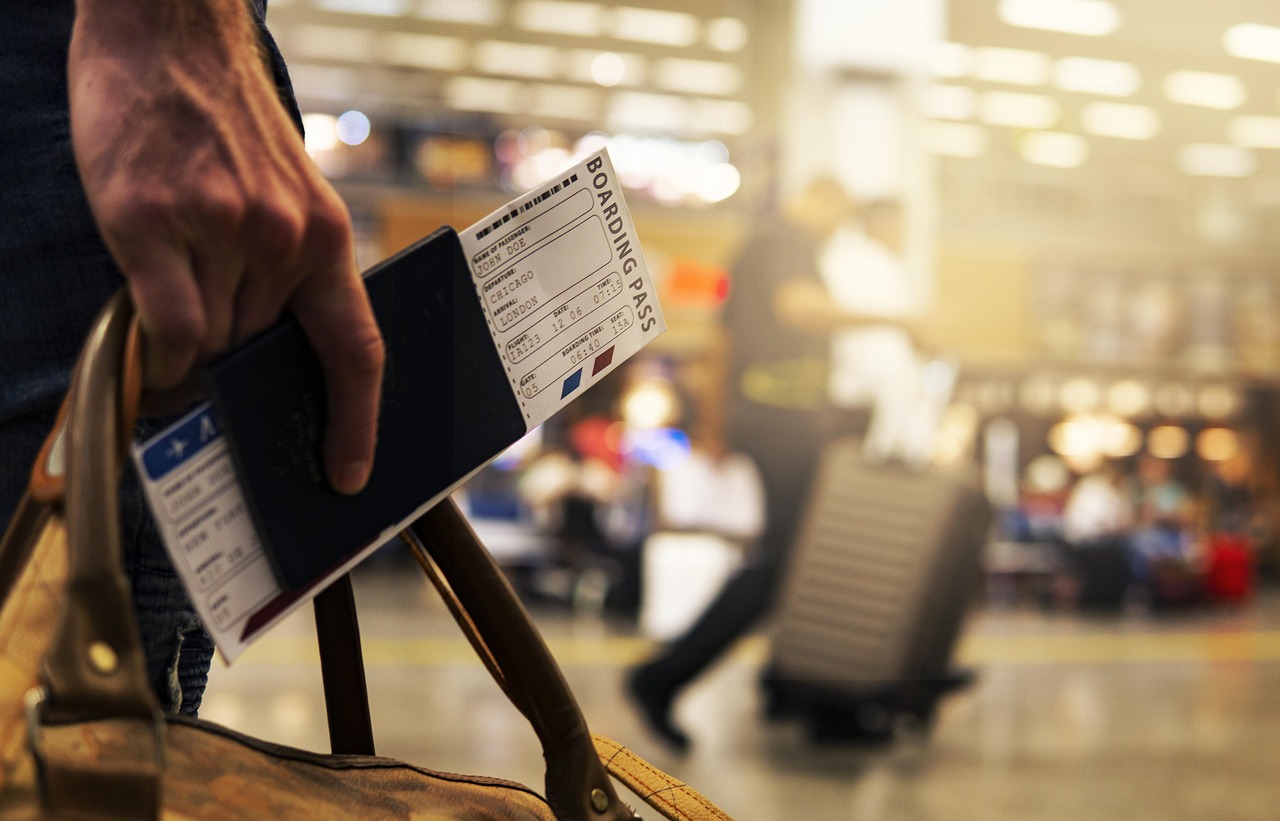

Gate Changes Are Far More Common Than You’d Think
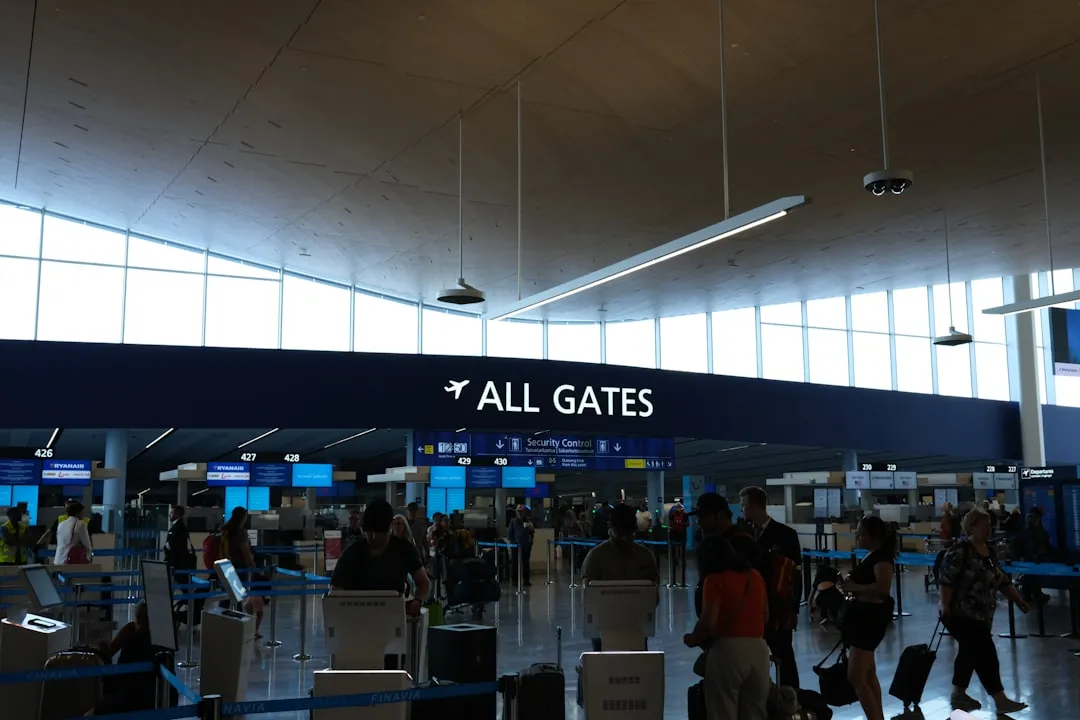
Transfer passengers can miss their connecting flight due to flight schedule variations or overlong transfer distances as a result of gate reassignment. That’s not an edge case – it’s a routine part of how hub airports operate, especially during busy travel periods.
Gate changes can happen for many reasons, including aircraft maintenance issues, scheduling adjustments, or airport operations. What makes it tricky is that these changes don’t always come with a loud announcement you can hear from the food court two terminals away.
Gate information can change multiple times before a flight, especially during busy travel or weather disruptions, and the information on your boarding pass might be outdated within minutes of printing it. Knowing this changes how you behave at the airport entirely.
The Scale of the Delay Problem in 2024 and 2025

According to Bureau of Transportation Statistics data for 2024, there were over 1.5 million delayed flights nationwide, representing around 20.3% of all scheduled domestic flights in the US. That’s roughly one in five flights running late before you even factor in cascading effects on connections.
According to the U.S. Department of Transportation, roughly 1 in 5 flight delays results in a missed connection. Stack those two statistics together and the odds start looking less favorable than most people realize when booking a tight layover.
Nearly 1 in 4 flights across the U.S. ran late or were canceled between July 2024 and June 2025, with disruption rates as high as 27.3 percent in some states. Delays aren’t bad luck. At this scale, they’re the baseline condition every connecting traveler should plan around.
The Core Habit: Checking Your Gate Actively, Not Passively
The single most effective habit seasoned travelers rely on is this: check your connecting gate actively and repeatedly, not just once when you land. Making a habit of looking at departure boards every 20 to 30 minutes while waiting for your flight isn’t paranoia – it’s just practical awareness.
The flight attendant may have told you your connecting flight is leaving from a certain gate, but that could change at any minute. Travelers have nearly missed flights because they were at their assigned gate, diligently waiting, only to realize the gate had changed and they missed the announcement.
The departure board check costs you nothing and takes about ten seconds. Yet most travelers only look once, then settle in with headphones on. That ten-second gap in awareness is where most gate-change surprises actually happen.
Enable Push Notifications on Your Airline App Before You Fly
Airline apps are the best way to stay on top of your connection. They show real-time gate updates, delays, and boarding times, so you won’t have to rely on airport monitors alone. Downloading the app before your trip and enabling notifications gives you the most up-to-date information right at your fingertips.
Airline apps are almost always the fastest and most reliable way to find out what’s going on with your flight. The app is likely the first place you’ll learn there has been a gate change, that your incoming flight just landed and is rolling to the gate, or that your flight has been delayed again.
Notifications only work, though, if you’ve actually enabled them before departure – not when you’re already scrambling through a terminal. This is something worth doing at home, the night before you travel.
Use a Dedicated Flight Tracking App Alongside the Airline App

The best strategy is to use a dedicated tracking app for early warnings and cross-reference with the airline’s app for final confirmation. This two-layer approach catches information that might take longer to surface through official airline channels.
Apps like Flighty have earned a strong reputation among frequent travelers for speed. The app is notably fast with gate changes and delay notifications, often alerting users before the gate agents even know of a change. For anyone on a tight connection, that head start can mean the difference between walking calmly and sprinting.
The stress of a connecting flight isn’t just about time – it’s about information. A lack of clear, timely data is what causes panic. By leveraging a dedicated flight tracking app alongside your official airline application, you create a powerful information safety net that combines early warnings from aggregated data sources with official confirmation from the airline itself.
Know Where Your Connecting Gate Is Before You Land
One underused habit is checking your connecting gate assignment while you’re still in the air. Many airline apps update gate assignments in real time, and some will display your connection details as soon as you’re closer to landing. United Airlines announced a dedicated section in its app in June 2025 that shows real-time flight status updates, gate-to-gate directions with estimated walking times, and a countdown to your next flight.
Knowing your gate before the wheels touch down means you can plan your walk through the terminal rather than stopping to decode a departure board while dozens of other passengers crowd around the same screen. That matters especially in large hub airports where the walk between concourses can take fifteen minutes or more.
If the airport where you’ll be connecting has its own app, downloading it and spending a little time getting familiar with it pays off – the airline app will tell you the gate for your connecting flight, and the airport app will tell you how to get there fast.
Don’t Tune Out the Boarding Area Around You
Many travelers tune out airport announcements while waiting for their flights. They might be watching movies, listening to music, or focusing on work. This creates the perfect scenario for missing critical gate change information.
Airlines do announce gate changes over the PA system, but airport terminals are noisy, and if you have noise-canceling headphones or you’re in a lounge in a different part of the concourse, you simply won’t hear it. Your phone is the more reliable channel – but only if the app is open and notifications are active.
A good middle ground is to keep one earbud out or periodically glance at your app every fifteen to twenty minutes. It’s a small interruption that keeps you connected to what’s actually happening around your flight.
Keep Your Phone Charged and Your Boarding Pass Accessible

Keeping your phone charged and accessible throughout your time at the airport is essential. Investing in a portable charger ensures a low battery doesn’t prevent you from receiving important alerts. This sounds obvious, but it’s routinely the thing that catches people off guard during a long layover.
Saving your mobile boarding pass and confirming your seat while also setting alerts for gate and departure changes takes about two minutes during check-in and removes several layers of uncertainty from your day.
A dead phone in the middle of a gate change is a genuine problem. Portable battery packs are small, inexpensive, and have become one of the most practical travel accessories you can carry. Treat one like a travel essential the same way you would your passport.
Book Through One Carrier When You Can

The type of ticket you hold shapes how much protection you have when a gate change leads to a missed connection. Separate tickets eliminate your safety net entirely. If your first flight is late and you miss the second, you’re on your own for rebooking fees, fare differences, and overnight costs, because the second airline has no obligation to help. The Minimum Connection Time only protects single-ticket bookings.
Booking everything under one itinerary with one carrier means the airline is responsible for getting you to your destination even when things go sideways. If the delay is the airline’s fault and you’re on one ticket, the airline will rebook you on the next available flight at no additional cost.
American Airlines has been testing an AI system that delays flights to help passengers make connections, expanding from its Dallas-Fort Worth hub to Los Angeles, Charlotte, Miami, and elsewhere. Being on a single-carrier itinerary is what makes you eligible for that kind of proactive assistance.
The Financial Cost of Getting It Wrong
Missing a connection isn’t just frustrating – it carries a real financial sting. According to AirHelp, travelers affected by major flight disruptions lose an average of $484 in earnings. That figure doesn’t even include the cost of hotels, rebooking fees, or missed ground transportation at the destination.
Passenger complaints to the ten largest US airlines about delays increased by nearly 9% from 2023 to 2024, with 66,675 such complaints made in 2024 – a record-breaking number. More travelers are speaking up, which suggests more travelers are being caught off guard by exactly these kinds of disruptions.
The habit of actively monitoring your gate costs nothing. The cost of ignoring it, even once, can wipe out the savings from a discounted connecting fare many times over. Seen that way, staying alert isn’t extra effort – it’s simply good math.
The Quiet Takeaway
There’s no single app or trick that makes connecting flights stress-free. What actually works is a collection of small, consistent habits practiced every time you travel. Checking your gate actively and repeatedly, keeping notifications enabled, and staying aware of the terminal around you adds up to a meaningful reduction in risk.
Delays, gate reassignments, and last-minute changes are a structural reality of commercial aviation right now – not a temporary glitch. The traveler who builds a quiet, reliable monitoring habit is the one who boards calmly while others are still trying to find out which gate their flight moved to.
Treat your gate assignment not as a fixed fact, but as a working estimate. That single shift in perspective is what the habit is really about.
AI Disclaimer: This article was created with the assistance of AI tools and reviewed by a human editor.