
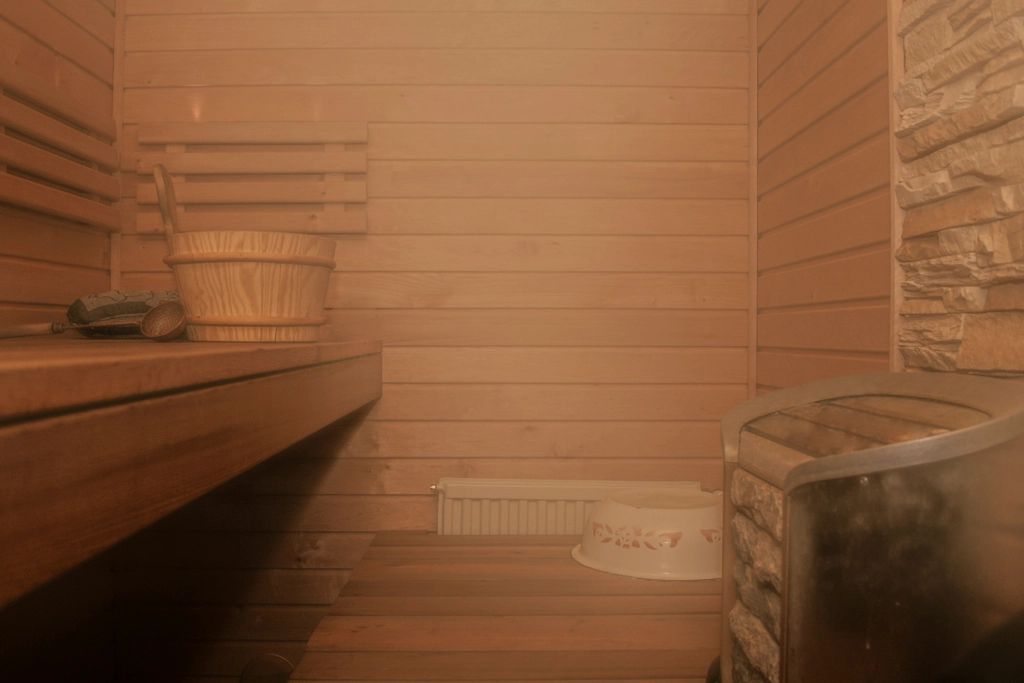

An Ancient Practice That Began in the Ground
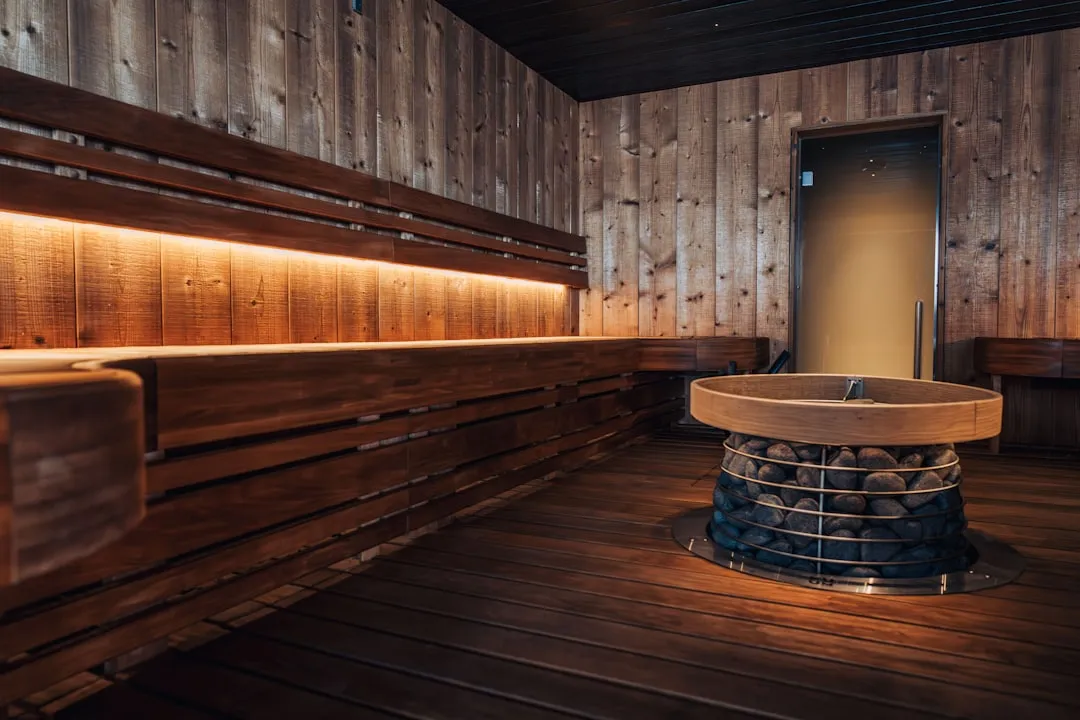
The earliest known saunas date back over ten thousand years. These prehistoric structures were simple pit saunas dug into the earth, where a fire heated stones placed in the center and water was tossed onto those stones to create steam. The structures were covered with animal skins to retain the heat.
The origins of sauna culture trace back to ancient Finland, where the first saunas, known as savusaunas or smoke saunas, were simple earthen dugouts heated with fire-warmed stones. These structures served both practical and spiritual roles: providing warmth during long winters and acting as places for purification and healing rituals.
The earliest proper smoke saunas appeared around 1000 CE, consisting of simple wooden structures with a stone stove but no chimney, allowing smoke to fill the room before being ventilated. These early saunas were central to settlement patterns in Finland, often being the first structure built when establishing a new homestead.
What Makes the Wood-Fired Experience Different
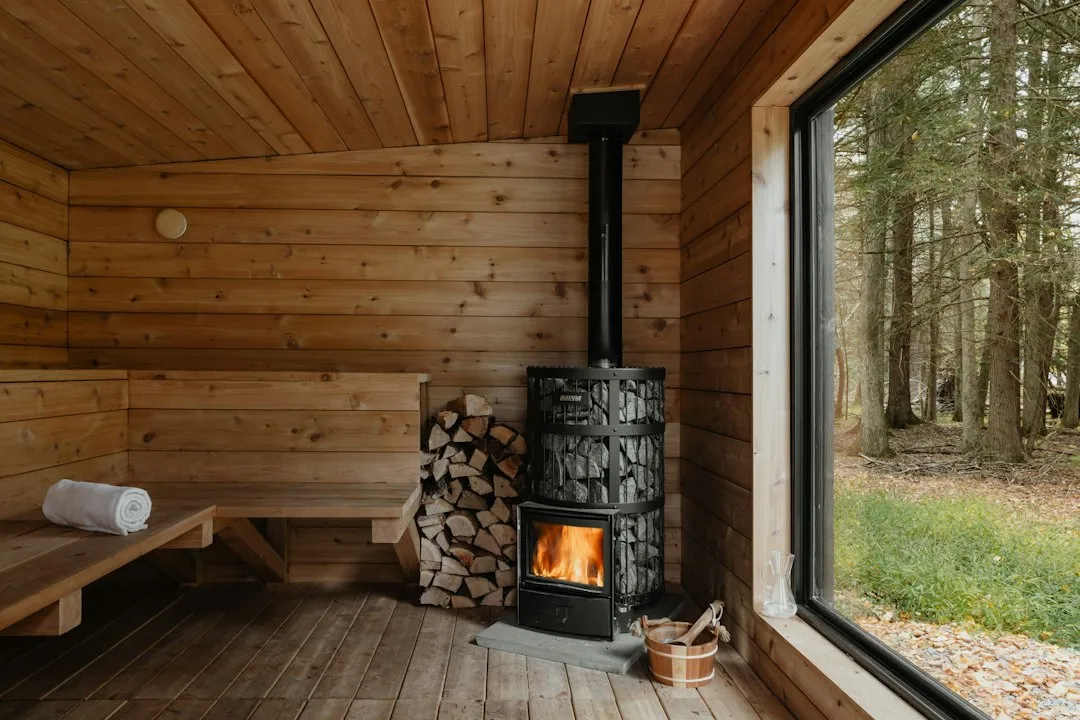
Wood-burning saunas, located outdoors and separate from the home, use wood as fuel to increase the temperature of the room. They may have an internal wood-burning stove or an area underneath the structure where a fire is used to heat the space.
The quality of löyly, the steam itself, varies by sauna type. Electric saunas produce sharp steam, while wood-heated saunas give a richer heat. That distinction matters to seasoned practitioners. The wood fire changes the quality of the air in a way that is difficult to replicate with modern electric alternatives.
Above all, a real Finnish sauna is calm, dimly lit, usually quiet, with no music and no scent beyond birch and woodsmoke. The wood-fired version delivers exactly that atmosphere, because the fire and the natural materials do the work that technology tries to imitate.
Löyly: The Soul of the Ritual
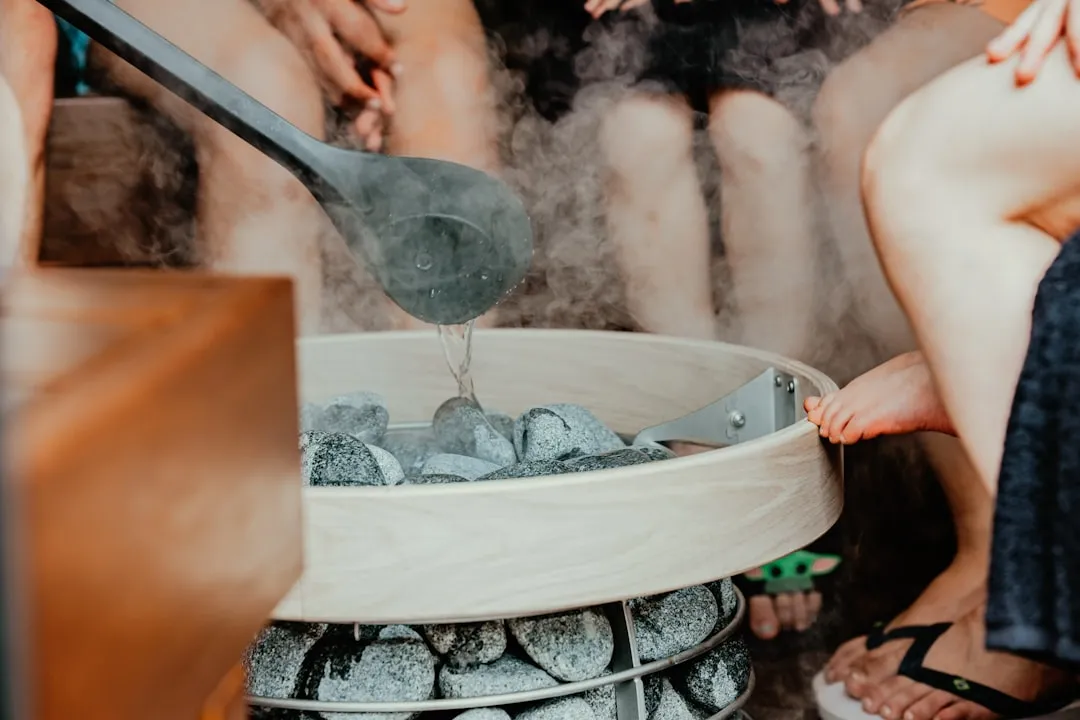
Central to Finnish sauna culture is the word löyly, which refers to the gentle spirit or steam rising from the stones. Löyly symbolizes both purification and presence and remains one of the most cherished concepts in sauna tradition.
The word löyly means both that steam and the “spirit” of the sauna, from an ancient word for breath and soul. That etymology alone tells you something important about how seriously this ritual was taken by the people who developed it. It was never just a hot room.
Traditionally, the sauna has been considered as a sacred space, a “church of nature.” At the heart of the experience lies löyly, the spirit or steam released by casting water onto a stack of heated stones. Löyly originally means the spirit.
The Birch Whisk and the Body
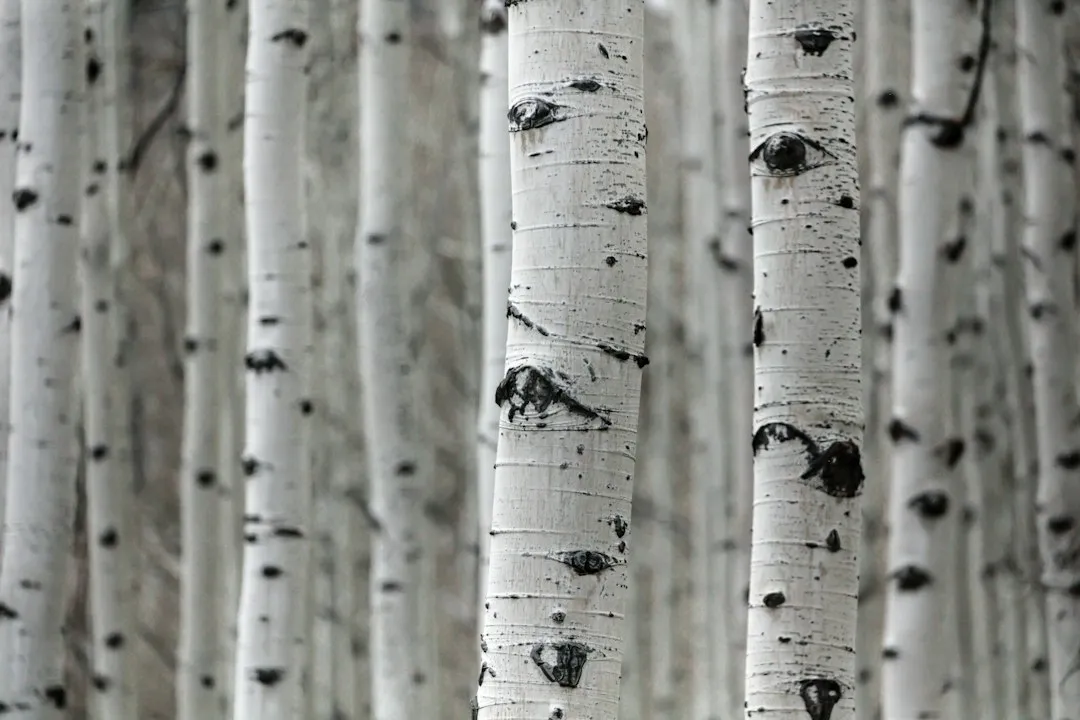
The vihta, or vasta in eastern Finland, is a bundle of fresh birch twigs used to gently swat the skin. The light slapping wakes the circulation and fills the room with the green smell of birch.
The viht is a bundle of fresh or rehydrated birch branches used to gently beat the skin during a sauna session. It increases circulation, releases a pleasant birch aroma, and exfoliates the skin. In Estonian tradition, the birch whisk is more ceremonially significant than in most modern Finnish saunas, and making a proper viht, by cutting, bundling, sometimes drying and rehydrating the branches, is a craft in itself.
Throughout the centuries, the essential elements of löyly and vihta have remained remarkably consistent across generations. That consistency is rare in any cultural practice, and it speaks to how functional these elements actually are.
A Space That Held Life’s Biggest Moments
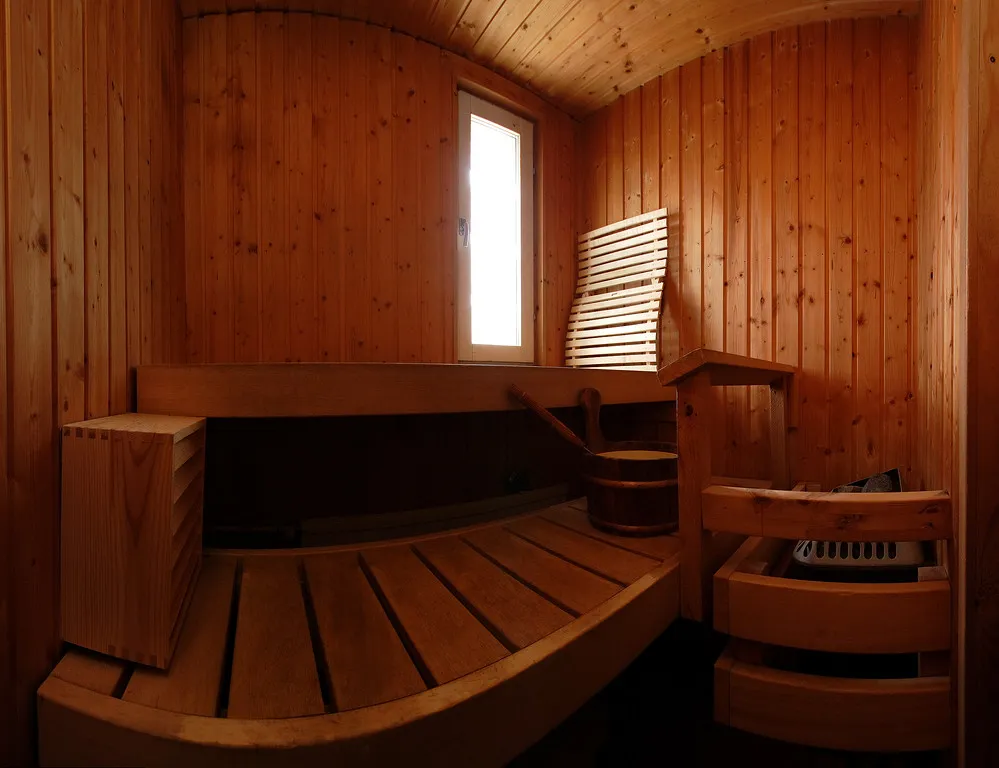
Saunas served as multipurpose facilities in traditional Finnish society, extending far beyond mere bathing. They functioned as sacred spaces where the most significant life events took place. Early Finnish inhabitants viewed saunas as so sacred that women often gave birth in saunas because they were considered the cleanest, most spiritually protected spaces available.
Early saunas were central to settlement patterns in Finland. Their importance was such that many Finnish words for permanent settlement derive from sauna-related terminology, highlighting how the practice wasn’t merely cultural but fundamental to survival and community formation in the Finnish wilderness.
This context matters when evaluating the wood-fired sauna as a wellness tool. It was not invented for leisure. It was woven into the basic fabric of how people lived, healed, and connected with each other across generations.
The Science Catching Up to a Very Old Idea

The physiological responses to sauna bathing bear a striking resemblance to those experienced during moderate to vigorous aerobic exercise. Sauna bathing has recently been reported to give cardiovascular benefits similar to those from a moderate level of exercise, with proposed benefits including increased vascular function, lower blood pressure, and improved cardiac performance.
Regular wood-fired sauna use does more than warm you up. It lifts endorphins and dopamine, spikes norepinephrine and growth hormone, activates heat shock proteins and expands plasma volume, improving circulation, recovery, and calm.
A 2025 review in Rheumatology International showed that heat exposure reduces pro-inflammatory agents like C-reactive protein, a protein found in the blood that increases in response to inflammation, and also promotes anti-inflammatory effects. Heart-rate-variability studies also show a shift toward higher vagal activity during the cool-down after a sauna, matching what people feel as deep calm and better sleep.
Mental Health and the Heat Connection

Scientists interested in leveraging heat for mental health have noticed a link to body temperature, specifically that people with depression tend to run hotter, according to a 2024 study of more than twenty thousand adults.
Researchers suggest that people with depression may have thermoregulatory challenges such that they are not able to cool down so well. In reality, data suggest that exposure to high heat can actually improve a person’s ability to thermoregulate. This is an active area of clinical investigation, and the early findings are genuinely compelling.
Short, hot Finnish-style sessions raise circulating beta-endorphins, the body’s natural pain-relieving and mood-boosting peptides. Classic lab work in healthy adults showed significant rises in plasma beta-endorphin during intense sauna heat, aligning with the “post-sauna glow” many people report.
How the Cold Became Part of the Ritual
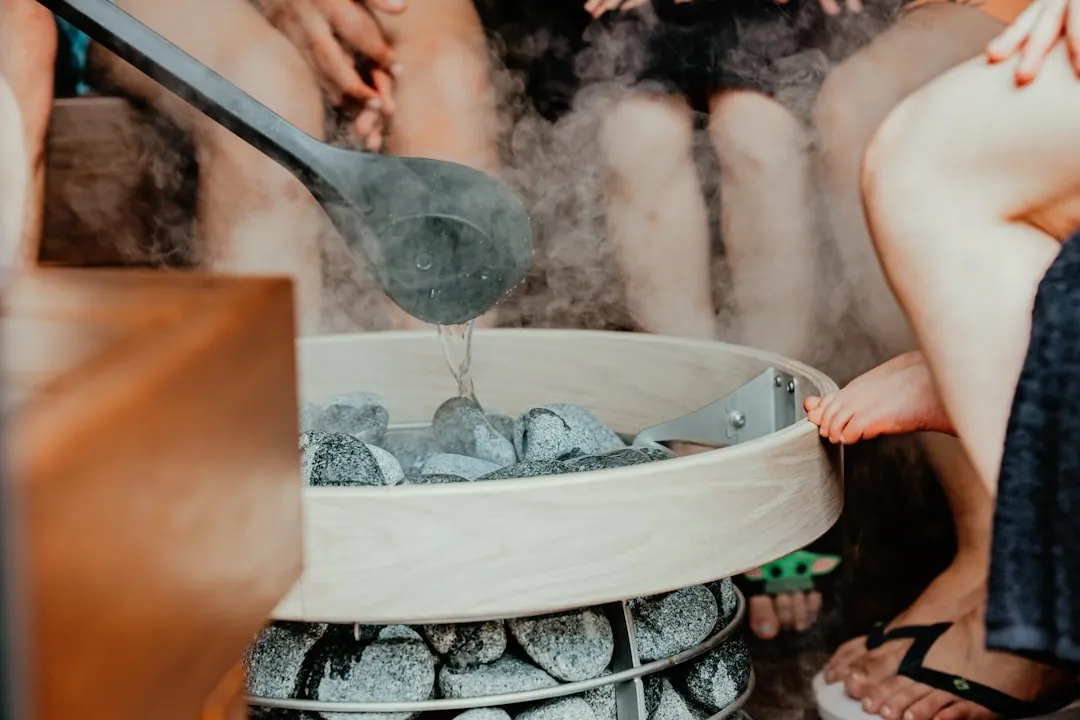
The rituals involve heating the sauna, creating steam by pouring water over hot stones, and alternating between hot sessions and cooling off outside. Why do Finns cool off in ice water or snow after the sauna? Because the cold is half the tradition. Finns have followed hot rounds with a sharp cool-down for centuries.
The avanto, an ice hole cut in a frozen lake for cold-water immersion after the sauna, has long been part of the Finnish sauna vocabulary alongside löyly itself. The contrast between intense heat and sharp cold is not a modern biohacking technique. It is a practice that Nordic communities have relied on for as long as the sauna has existed.
What is striking is that the hot-cold cycle, now embraced by wellness centres worldwide, requires no equipment upgrades and no technology at all. A wood fire, hot stones, a lake or a bucket of cold water. The original formula remains intact.
UNESCO Recognition and Global Reach
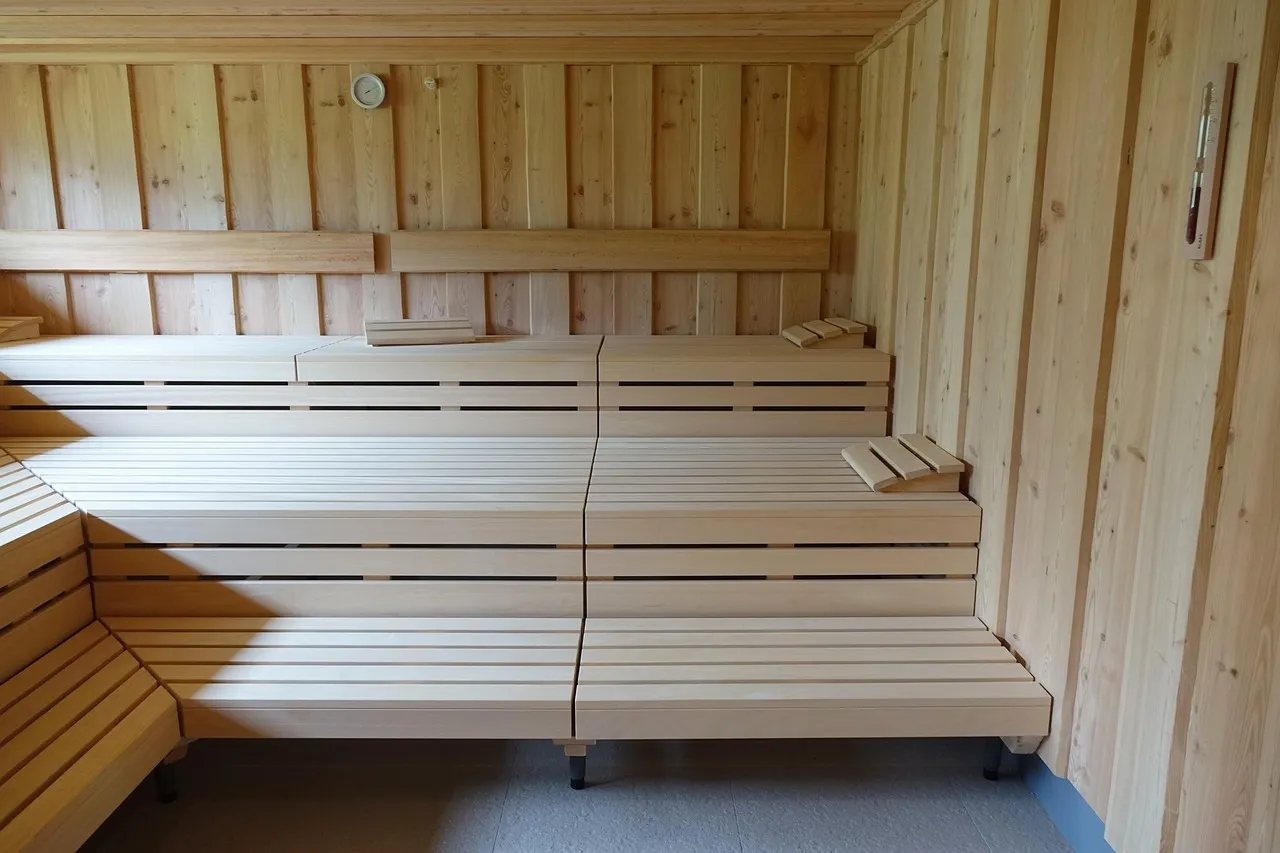
In December 2020, UNESCO officially recognised Finnish sauna culture as Intangible Cultural Heritage, confirming what Finns have known for centuries: the sauna is far more than a place to get clean. UNESCO has acknowledged its role as an intangible cultural heritage of humanity.
With 3.3 million saunas in a country of 5.5 million inhabitants, the element is readily accessible to all. That figure is striking. It means there are, effectively, more saunas than households in Finland, a ratio that no other country comes close to matching.
Sauna use has taken off as a health practice and scientists are studying its benefits. The upswell of public interest has fed a growing industry dedicated to offering the sauna experience and inspired festivals in cities like New York, Minneapolis, and Seattle. The practice is clearly finding new audiences, though for millions of people it was never something that needed to be discovered.
The Smoke Sauna: The Oldest Form Still Standing

A smoke sauna, or savusauna, is the oldest Finnish sauna, heated with no chimney. Wood burns for hours, the smoke is let out, and you bathe in a soft, woodsmoke-scented warmth. Many Finns still consider it the finest of all.
While Finland has smoke saunas, Estonia’s smoke sauna tradition is arguably more intact in everyday use, particularly on islands like Prangli. Estonia gained recognition for the smoke sauna tradition of Võrumaa on the UNESCO Intangible Cultural Heritage Lists in 2014.
The smoke sauna demands patience. You cannot rush it. The wood burns for several hours, the room fills with smoke, and then the smoke clears before anyone steps inside. Every step in that process is the ritual. The wait is part of it.
The Quiet Lesson at the Heart of It All
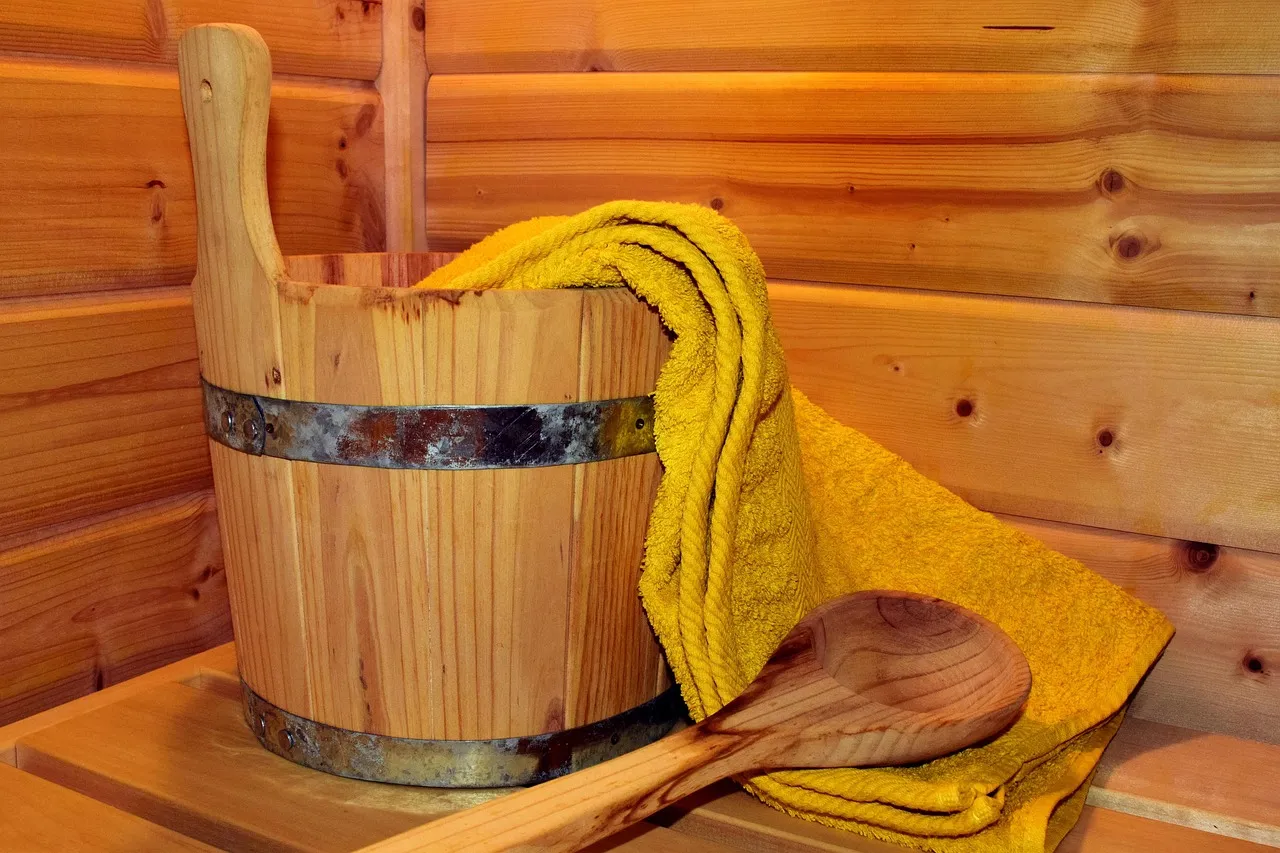
Over generations, the sauna evolved from a humble pit to a place of spiritual ritual to a ubiquitous part of everyday community life across all classes. Its enduring popularity through changing technologies and modernization speaks to the ancient but timeless human need for therapeutic cleansing, relaxation, and social connection.
The sauna is a non-sexual, egalitarian space where social hierarchies dissolve. That quality, the levelling effect of sitting together in shared heat, is something no app or subscription can replicate. The wood-fired sauna creates an environment where presence is unavoidable.
The wood-fired sauna ritual is not a trend that arrived and will eventually depart. It is among the oldest sustained wellness practices in the world, refined not by product designers but by communities who depended on it for survival, healing, and belonging. Perhaps that is why it keeps outlasting everything that tries to replace it.
AI Disclaimer: This article was created with the assistance of AI tools and reviewed by a human editor.