

There’s a simple question that more resort guests probably should ask before they settle into a poolside chair: when is the water actually calm? Not just uncrowded, but genuinely still, quiet, and safe to move through at your own pace. The answer, according to aquatic safety professionals, is more consistent across properties than you might expect.
What lifeguards observe shift after shift, season after season, reveals a real pattern. Crowd dynamics, water chemistry, UV exposure, and supervision quality all shift at predictable points in the day. Knowing which hours those are can change the quality, comfort, and even safety of your pool experience in a meaningful way.
Early Morning Is the Undisputed Quiet Window
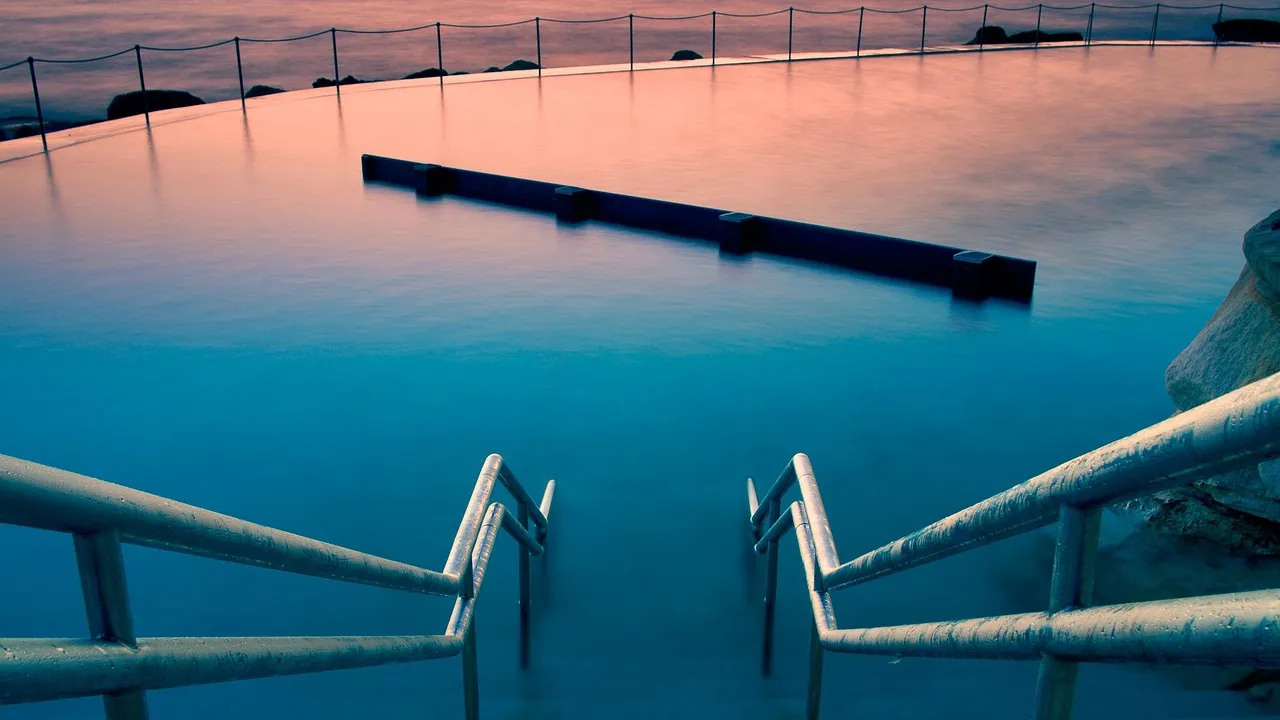
Early mornings are often the calmest times at pools, with fewer people and minimal distractions. This isn’t just a comfort observation. Fewer bodies in the water means less agitation, less turbulence on the surface, and cleaner sightlines all the way to the pool floor. For lifeguards, it’s the hour when situational awareness is easiest to maintain.
Early morning swims offer a sense of tranquility. Whether you’re in a pool or an open body of water, the calm surface and lack of crowds create a meditative experience. From a practical standpoint, a pool that opened at 7 a.m. and has only seen a handful of guests by 8 a.m. is simply easier to navigate, physically and visually.
The Chemistry of Morning Water

Pool chemistry runs on cycles, and most resort facilities do their primary chemical adjustments overnight or very early in the morning. By the time guests arrive at dawn, filtration systems have had hours to complete their work undisturbed. Higher swimmer capacity increases the organic load on the filtration and disinfection systems, which means the reverse is also true: fewer swimmers means cleaner, more balanced water.
Frequent water testing and chemical adjustments may be necessary when the pool reaches its operating limit. Early morning, before that limit is ever approached, is the point in the day when water quality and clarity tend to be at their best. Visibility to the pool floor matters directly for safety, not just aesthetics.
Why Midday Is the Most Challenging Hour for Everyone
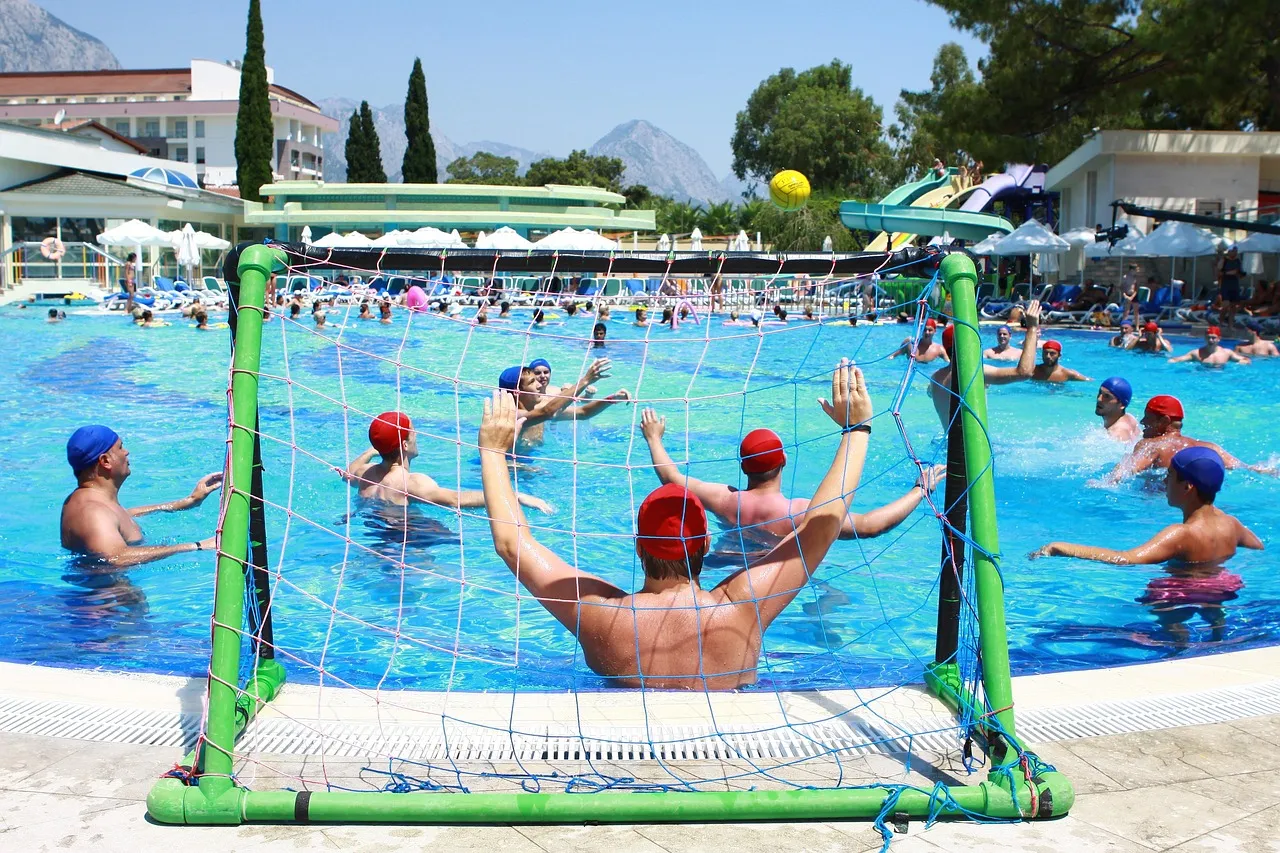
Resort pools during peak hours are loud, busy, and visually overwhelming. A child can slip away or become distressed without you immediately noticing. Midday, roughly between 11 a.m. and 2 p.m., is when most resort guests converge on the pool. Vacation rhythms push people outdoors mid-morning once the day has warmed up, and that momentum peaks around noon.
When a pool exceeds its capacity, visibility may be reduced and response times lengthened, especially in crowded shallow areas. Crowded water is also physically harder to move through. The turbulence created by dozens of swimmers, water toys, and pool noodles makes conditions genuinely rougher than an uncrowded pool at the same location.
What Lifeguards Actually Notice During Peak Hours
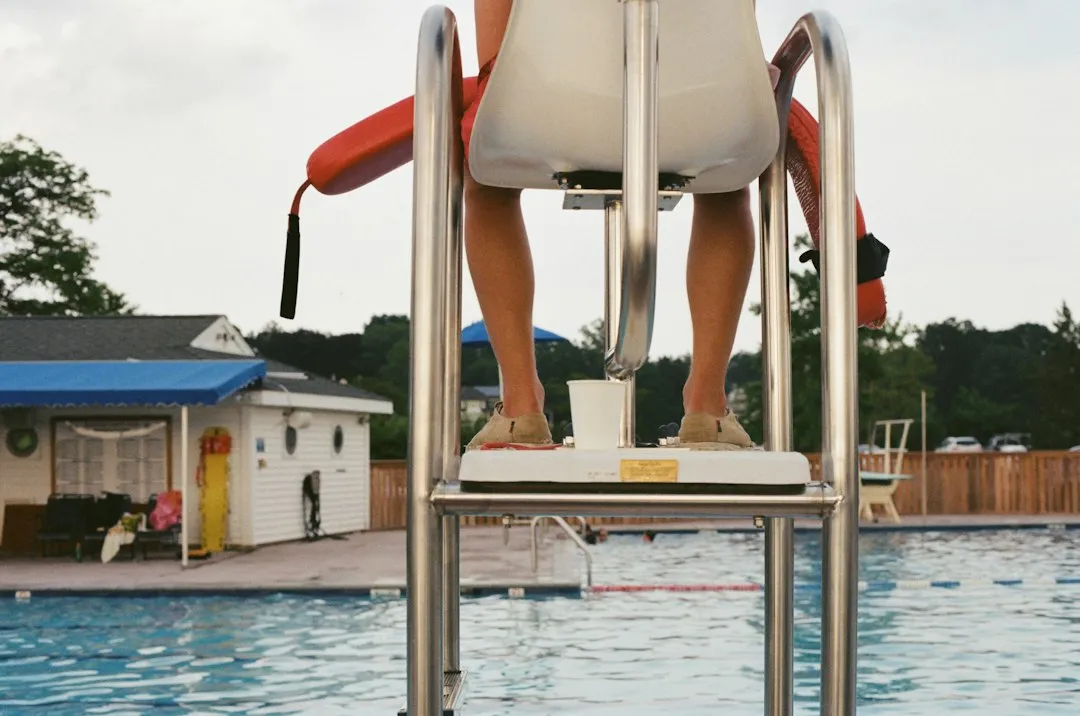
Lifeguards monitor many swimmers simultaneously. Glare, blind spots in large pools, and crowd density can challenge even the most vigilant professional. This is not a criticism of lifeguards. It’s a structural reality of busy pool environments, and it’s why aquatic safety professionals consistently emphasize that crowd density raises the difficulty of supervision meaningfully.
Tracking attendance and usage trends can help determine if your facility is over- or under-staffed at certain times. Key data points include lifeguard coverage during high-traffic times versus quieter hours. Responsible resort facilities use this kind of data to adjust staffing, but the underlying crowd dynamic remains: a packed pool is a harder pool to guard, no matter how well-resourced the team.
The Late Afternoon Lull That Most Guests Miss
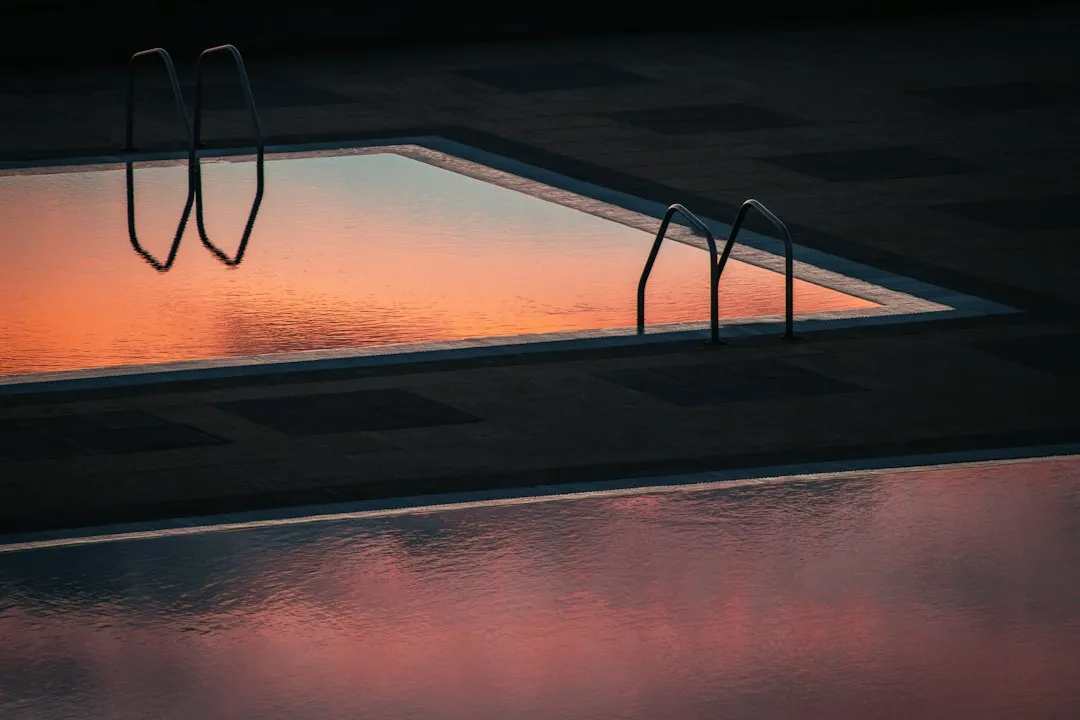
The afternoon period, especially towards late afternoon, can be an excellent time for swimming. By this time, the temperature may have cooled down a bit, making the water more comfortable. There’s also a predictable crowd dip in the mid to late afternoon as guests head back to their rooms to rest, shower, and prepare for dinner. This window, generally between 4 p.m. and 6 p.m., often catches people off guard with how calm it is.
Many people finish their workouts earlier in the day, meaning pools tend to be quieter in the evening. If you prefer a more private swim, this could be the perfect time for you. That transition begins earlier than many guests realize, and catching it in the late afternoon rather than waiting for full evening delivers the bonus of remaining daylight and warmer deck temperatures.
How Lifeguard Fatigue Affects Supervision Across the Day
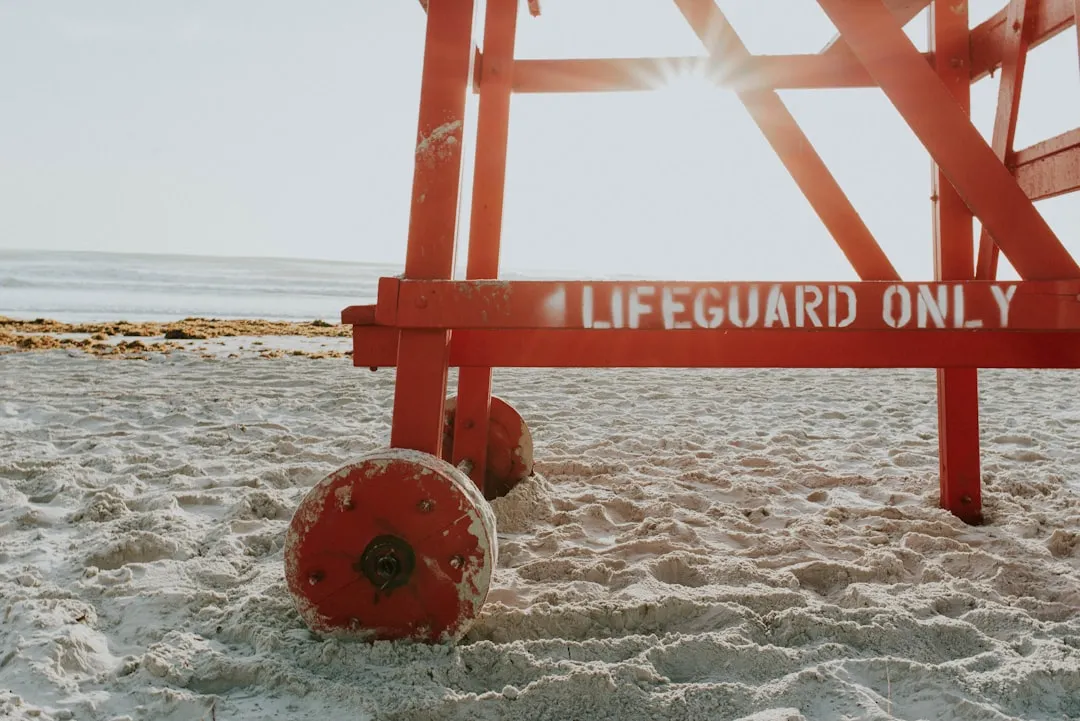
The Royal Life Saving Society UK suggests that lifeguards should spend no longer than 60 minutes providing constant waterside supervision to help ensure the standard of supervision continues to be met. This guidance exists because sustained visual scanning is genuinely demanding work. Academic studies have shown, across a range of activities including lifeguarding, that vigilance and detection rates decline over time.
A UK Pool Survey found that roughly three quarters of operators adhered to a maximum supervisory period of 60 minutes and nearly all to 90 minutes. The implication for guests is real: swimming during lower-traffic windows means your lifeguard is scanning fewer people simultaneously and is more likely to be fresh on rotation. It’s not a guarantee, but it is a meaningful variable.
Evening Pools: Calmer Water, Some Trade-Offs
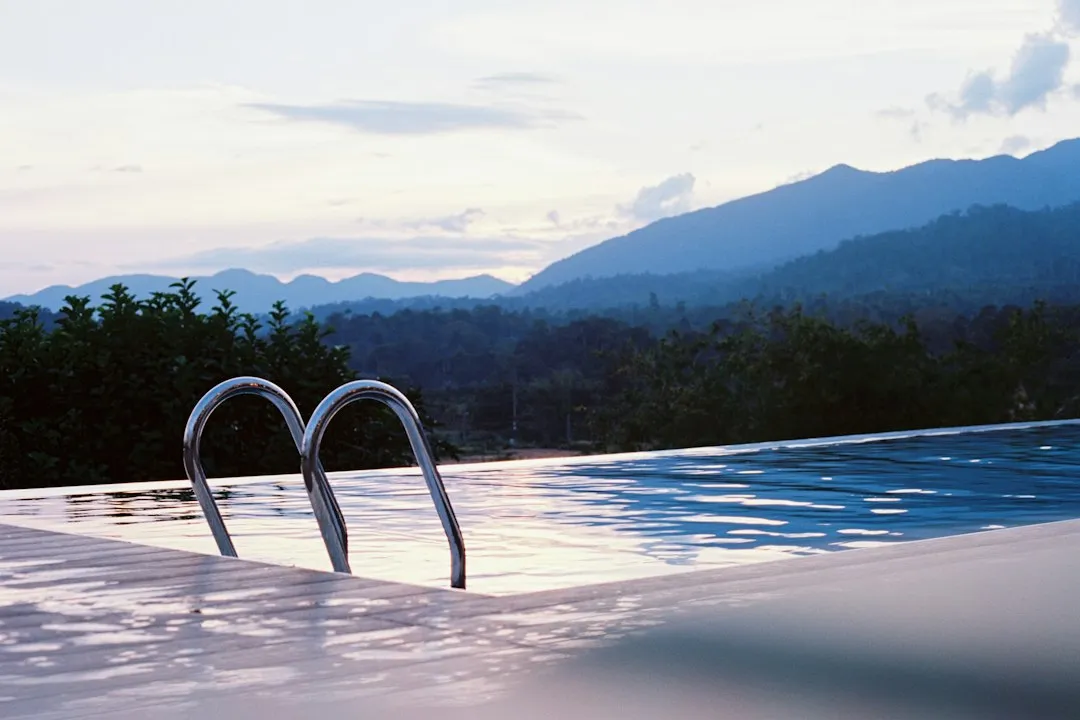
Less crowded pools emerge in the evening, as many people finish their workouts earlier in the day, making it an ideal time for a quieter, more peaceful swim. Resorts that keep pools open into the evening offer a genuinely different experience. The air cools, the deck noise drops, and the water surface often settles to something close to glassy. Warm nighttime water can help soothe sore muscles and promote physical recovery, which is a real draw for guests who’ve spent the day active.
The practical caution is visibility. As the sun sets, visibility decreases, which can be a safety concern, particularly in open water. For resort pools, adequate deck lighting matters more than most guests consider before slipping into an evening swim. A well-lit pool at dusk is fine. A poorly lit one removes a critical safety layer that the calm and quiet cannot compensate for.
What Happens to Pool Safety When Crowds Spike
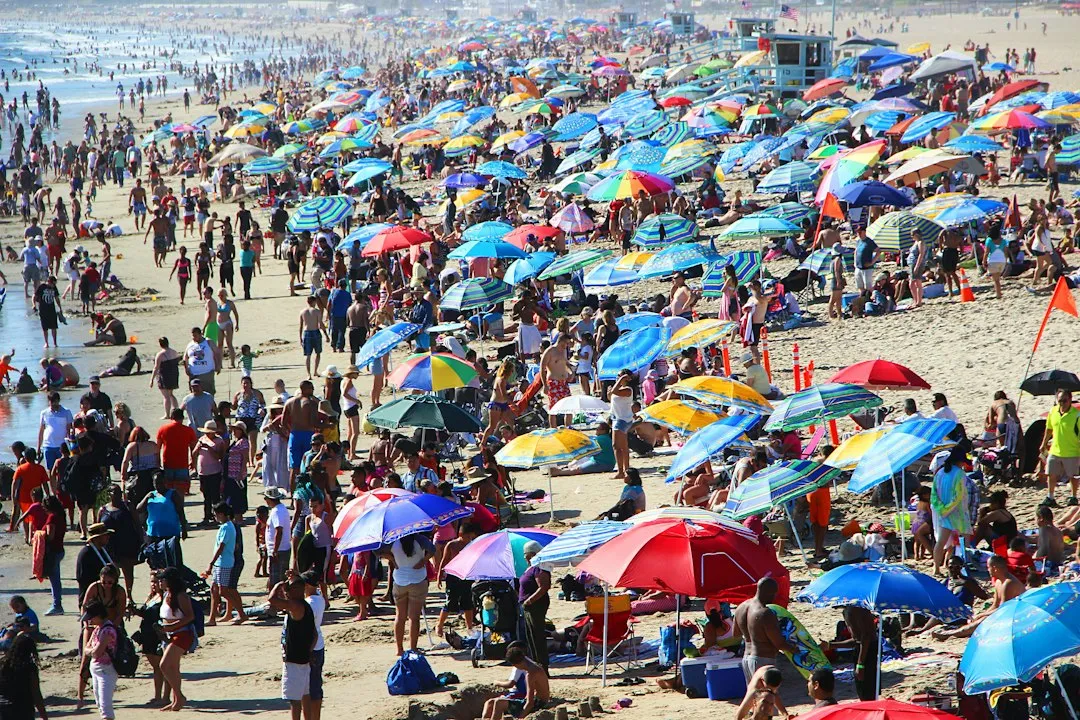
The presence of crowds can ironically make it harder, not easier, to spot someone in distress. It’s a counterintuitive truth that aquatic safety advocates have emphasized for years. More eyes around a pool feels safer, but those eyes belong to people focused on their own families, their phones, their conversations. A trained lifeguard scanning from elevation is the professional defense, and that defense is directly strained by crowd volume.
In resort settings, children can slip underwater silently and unnoticed, especially in busy pools where visibility is low. A brief slip in supervision may have disastrous results. This is why aquatic professionals consistently point to low-traffic hours, particularly early morning and late afternoon, as the times when pool environments are most manageable and calm for everyone present.
How UV Exposure Shapes the Smart Swimming Window
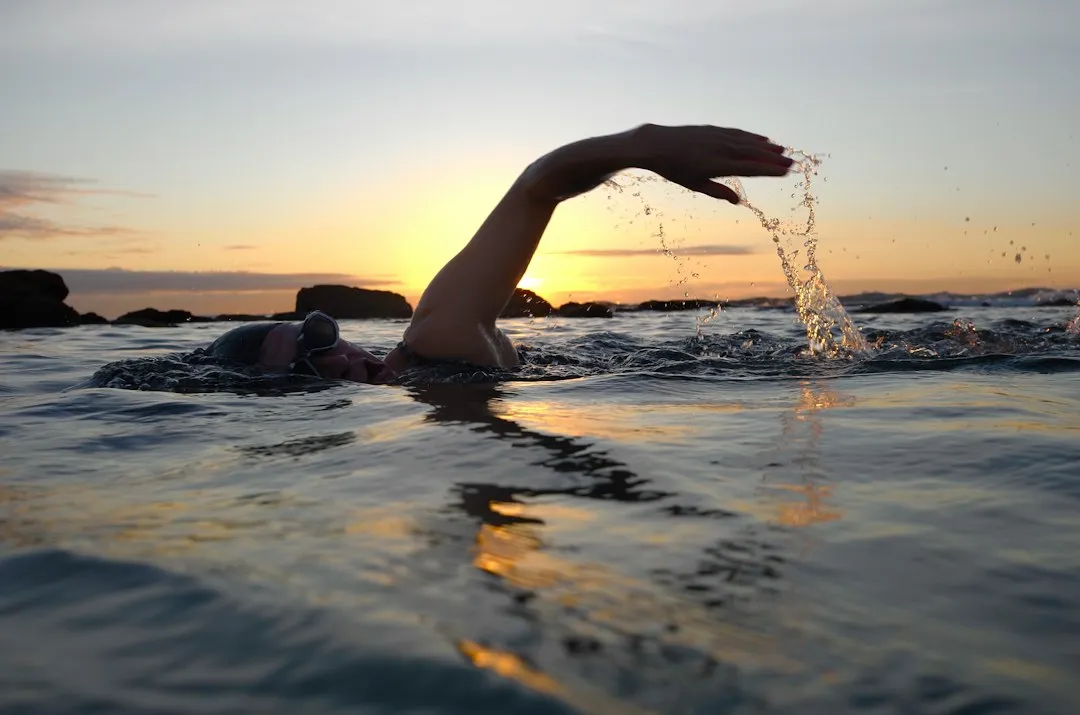
An early swim can feel peaceful and energizing before the day begins, with lower sunburn risk before about 10 a.m. Sunburn and heat exhaustion are real physical stressors that affect swimmer behavior and energy levels, particularly for children. A swimmer who’s been overheated or sun-fatigued is more likely to make poor decisions in the water.
Swimming in the morning means avoiding the harsh midday sun, reducing exposure to harmful UV rays. This is especially important for those with sensitive skin or those who prefer to swim without applying sunscreen. From a wellness standpoint, the early morning and early evening windows reduce this particular risk substantially, adding another reason why those hours consistently outperform the midday rush.
Matching the Right Hour to the Right Swimmer
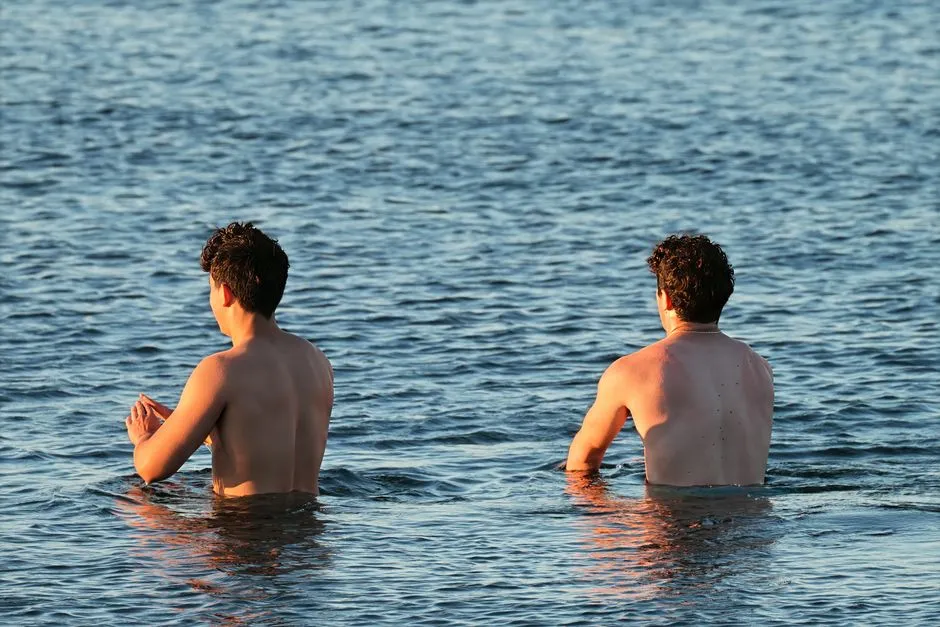
The best time to swim depends on your personal goals and lifestyle: for an energy boost, try morning swimming to start your day on a high note. For social swimming, midday may be ideal, as pools and beaches are often livelier. For relaxation, evening swims provide a calm and stress-relieving experience. There’s no single answer that works for everyone, but for families with young children, those seeking genuine tranquility, or anyone for whom safety is the primary concern, the early morning window before 9 a.m. consistently comes out ahead.
Even with a lifeguard on duty, parents and caregivers should continue to actively supervise their own children. That advice holds at any hour. The calmest water in the world doesn’t replace attentive adult supervision, and knowing that is the most useful thing you can take from every conversation with a working lifeguard.
The Takeaway
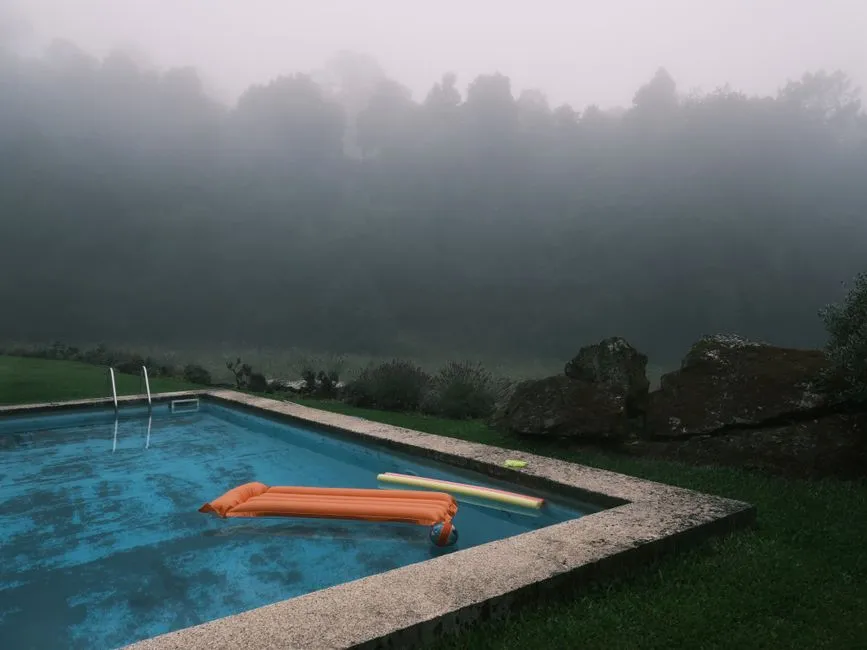
The pool hour with the calmest water is, consistently and reliably, the one before most guests have finished breakfast. Early morning, before 9 a.m., offers cleaner water chemistry, lower crowd density, reduced UV exposure, and the best conditions for lifeguards to do their work well. A second quieter window opens again in the late afternoon, typically after 4 p.m., when the midday surge recedes before evening dining begins.
Resort pools are genuinely wonderful spaces when you arrive at the right time. The lifeguards who clock in before the crowds know this better than anyone. The water is still, clear, and almost entirely yours. That’s not a coincidence. It’s a pattern worth planning around.
AI Disclaimer: This article was created with the assistance of AI tools and reviewed by a human editor.