

Why Gate-Checks Have Become More Expensive and More Common
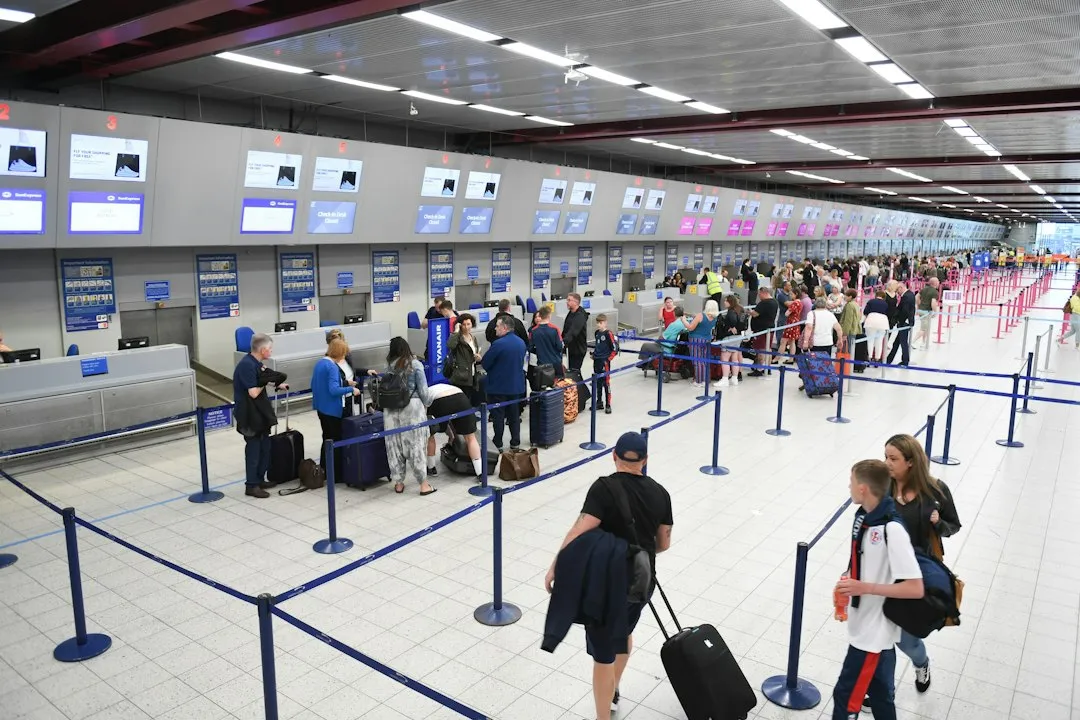
Baggage fees have long been a reliable revenue stream for airlines, and according to the Bureau of Transportation Statistics, U.S. airlines made close to $5.5 billion in revenue off baggage fees alone in 2025. That financial pressure doesn’t stay confined to checked bags – it filters directly into gate-check enforcement as well.
The size limits themselves are not new. What changed in late 2025 and into 2026 is how consistently airlines are applying them. What used to be a largely honor-system approach has shifted into something with real teeth – and real fees attached.
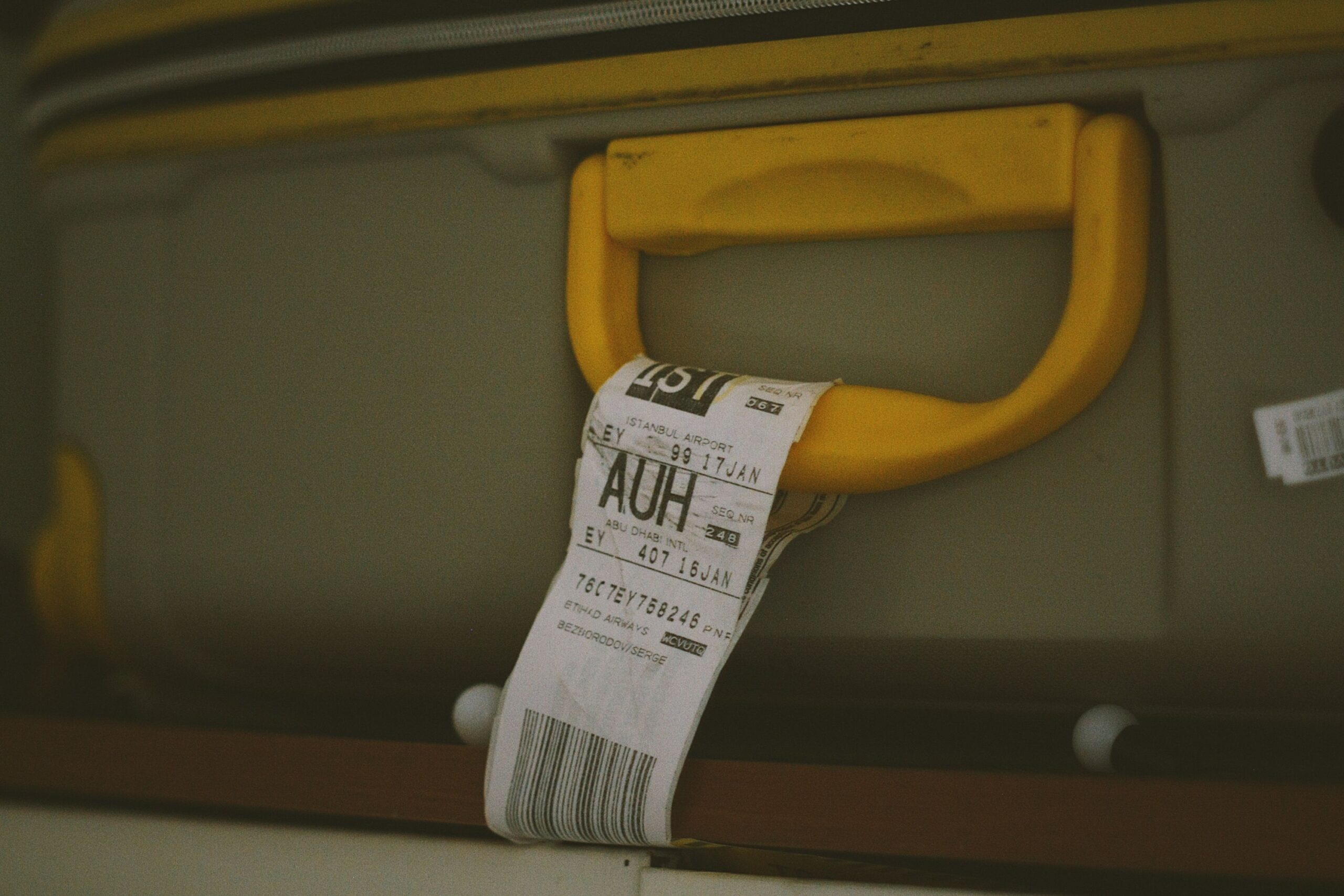
Gate agents are directing passengers with questionable bags to test them before boarding, and passengers who fail the test are being charged gate-check fees of $25 to $75 depending on the airline, payable at the gate by credit card. That’s a cost most people weren’t planning for when they booked a “cheap” flight.
What the Bin Sizer Actually Is
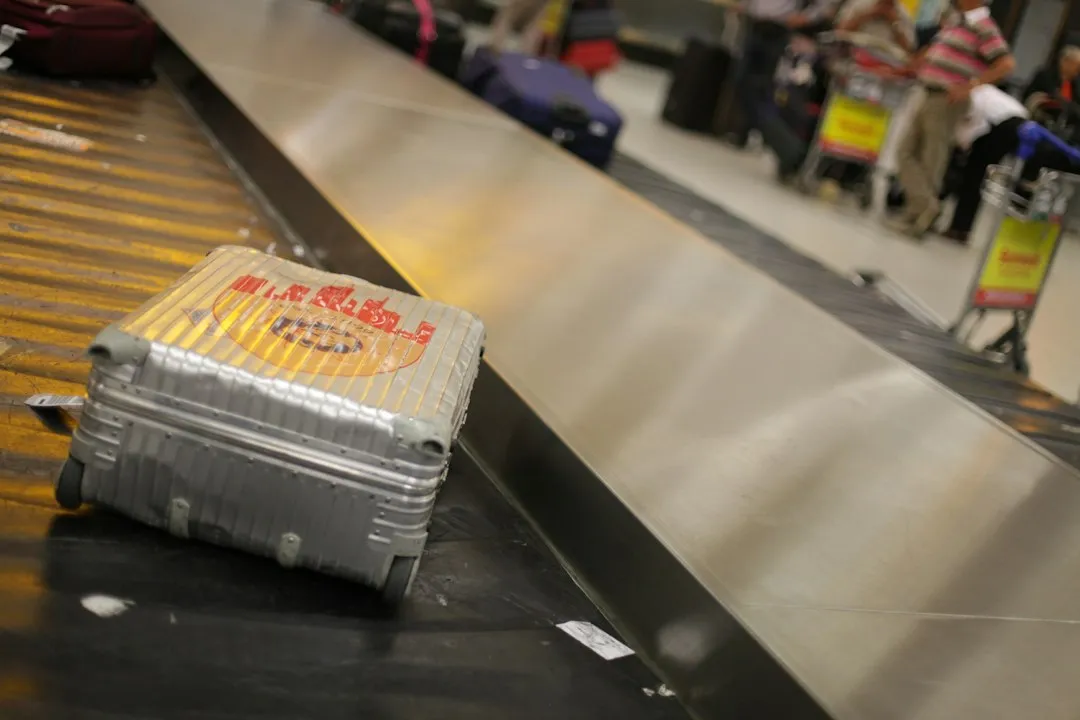
A sizer box is a metal or plastic frame at the gate, or increasingly pre-security, that represents the maximum carry-on dimensions an airline allows. Think of it as a rigid three-dimensional template – your bag either fits inside it cleanly, or it doesn’t.
The metal sizer is a rectangular frame mounted on a stand near the gate podium; passengers must slide their bag into the frame without forcing – if any dimension protrudes, the bag fails. It sounds simple, and it is – that’s exactly why it’s such a reliable enforcement tool.
Airlines use three measurement methods: metal sizer frames, which are the most common, flexible tape measures used rarely by mainly Asian carriers, and visual-only assessment used by legacy U.S. carriers on low-capacity routes. Knowing which method your airline uses can help you gauge how strictly your bag will actually be scrutinized.
The Dimensions That Actually Matter in 2026
The industry settled on 22 by 14 by 9 inches years ago, and it has not moved. Bag makers build to it, overhead bins are sized around it, and the airport sizer boxes at the gate are cut to match. That standard gives you a reliable benchmark no matter which major U.S. carrier you’re flying.
Most major U.S. airlines – American, Delta, United, JetBlue, and Alaska – share a 22 by 14 by 9 inch limit including handles and wheels. Southwest is more generous at 24 by 16 by 10 inches. Budget carriers Frontier and Spirit apply stricter rules for items that fly free as personal items.
Any handles and wheels on your bags count toward size limits as well. That last detail trips up more travelers than any other. A bag that measures 22 inches to the top of the zipper but 23.5 inches including the handle is already over the line before you’ve even packed it.
The Sizer Trick Itself: Use It Before the Agent Does
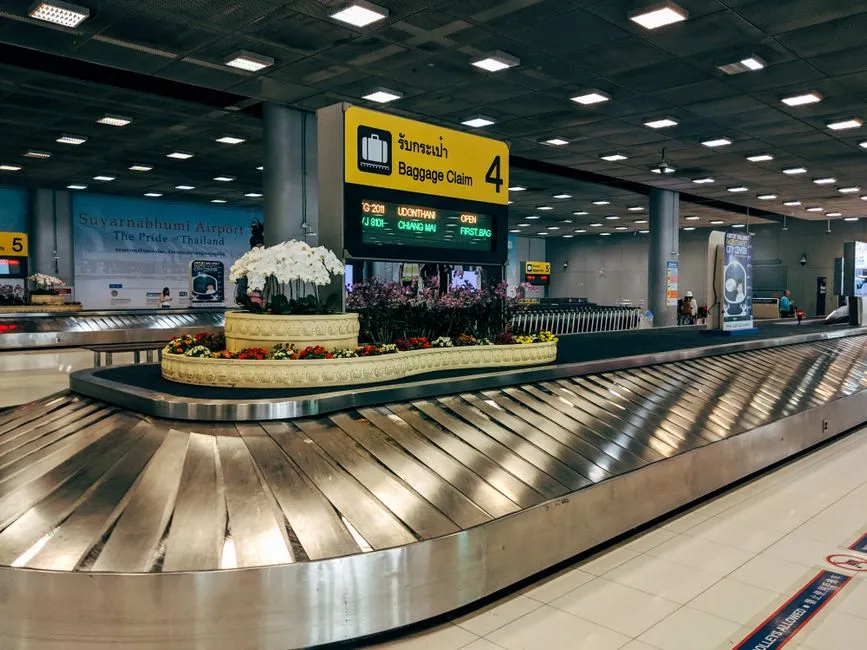
You can find baggage sizer bins at the airport. Most travelers walk right past them without a second glance. The trick is to use them on arrival – before you get near the boarding gate – so you have time to adjust if something doesn’t fit cleanly.
Most gate areas still have the metal sizer bins near the check-in podium. Test your bag before the scanner does. If it is tight, move an item to your personal bag or put that jacket back on. It takes about thirty seconds, and it’s the single most reliable way to know exactly where you stand.
Leave a one to two centimeter safety margin, because a bag at exact maximum can fail rigid sizers. Do not overfill front pockets, as depth is the most common fail point. Front pockets that bulge outward are responsible for a surprising number of gate-check situations – even when the main body of the bag is within limits.
Hard Shell vs. Soft Shell: Which Passes the Sizer More Reliably
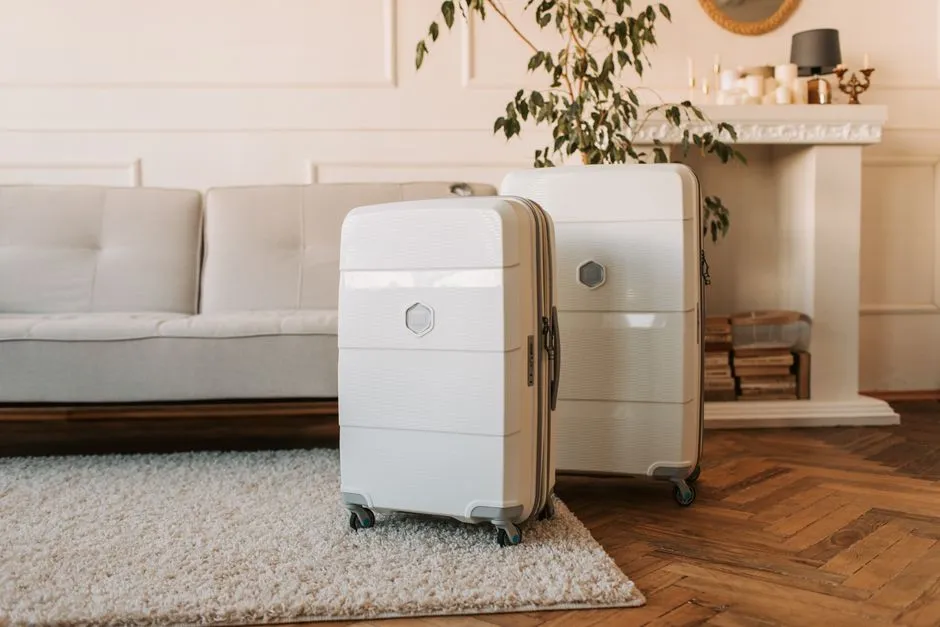
Hard-shell bags are safer for sizer compliance because they cannot expand beyond their dimensions. Soft-sided bags, by contrast, can stretch when packed tightly – and that stretch is real in the sizer frame even if it wasn’t obvious at home.
Shifting items during your time at the airport, adding a purchased water bottle, or tucking a jacket inside can push a bag past the dimensions it measured at home. A bag that started the day compliant can easily drift out of compliance during the journey to the gate.
If you’re committed to a soft-sided bag, the practical fix is to pack it with a deliberate margin. Never fill it to the point of visible resistance at the seams – that tension means the bag is already bigger than its nominal size, and the sizer will find it.
How Enforcement Differs Between Airlines and Budget Carriers
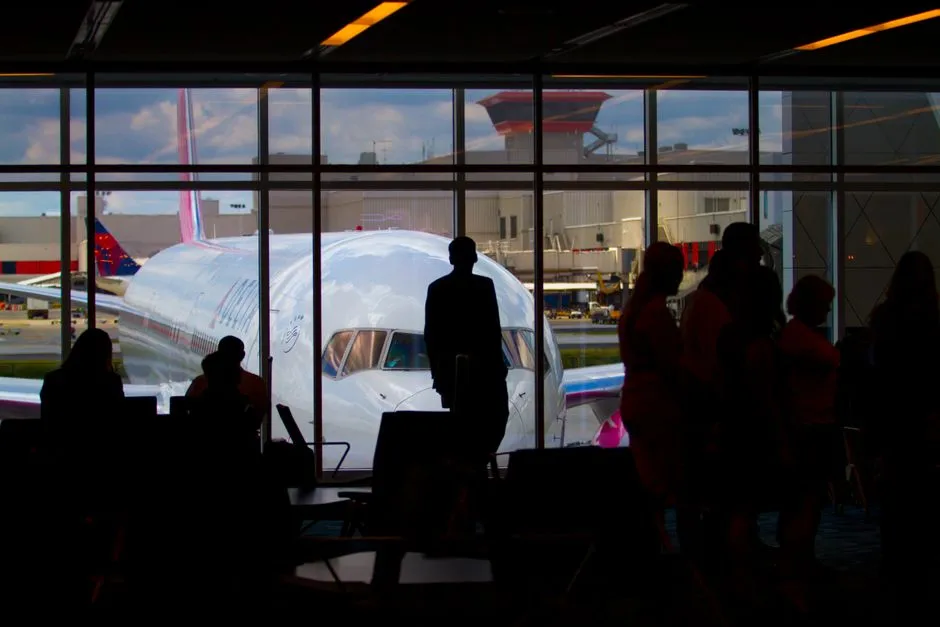
At most U.S. airlines, enforcement is visual and inconsistent – agents rarely pull out a measuring tape. European and budget carriers are far stricter, actively using sizer boxes and charging gate fees for non-compliance. Flying Ryanair or easyJet with a bag that “usually passes” on United is a different risk calculation entirely.
Airlines with the strictest enforcement policies are Ryanair, Spirit, and Frontier, which use gate sizers 100 percent of the time and charge fees ranging from around 25 euros to $99 for bags exceeding limits by even one centimeter, while Delta, United, and American enforce selectively and often allow some tolerance based on gate agent discretion and overhead bin availability on that specific flight.
European low-cost carriers have also tightened their own allowances – Ryanair cut its small cabin bag dimensions in November 2024, and EasyJet introduced mandatory sizer checks for all passengers starting March 2025, not just suspected oversized bags. That shift from selective to universal checking is a meaningful change for frequent flyers on those routes.
The Automated Scanner: A New Wrinkle at Major Airports
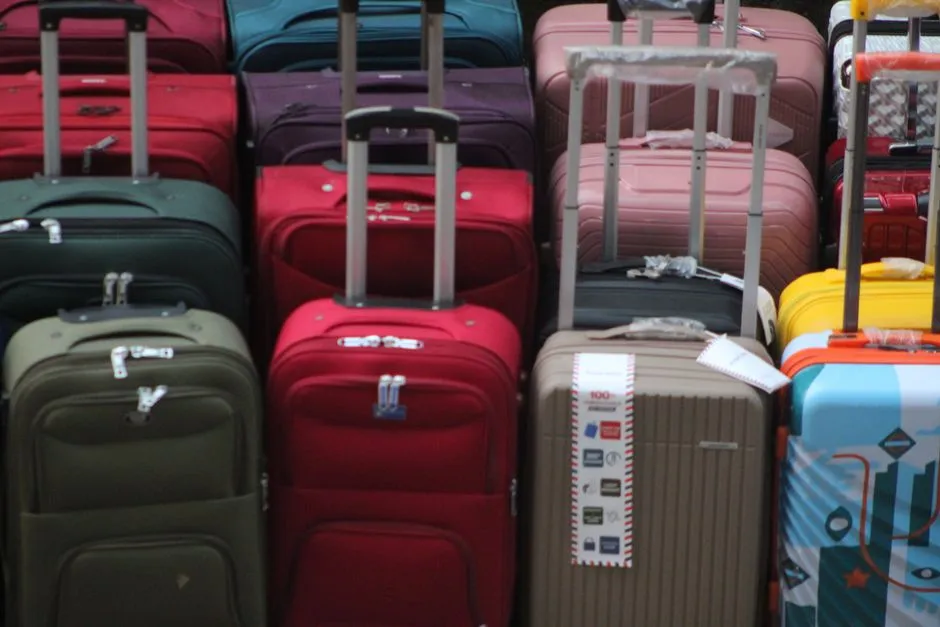
Automated bag scanners have been deployed at gate areas in a growing number of U.S. airports. These systems measure bag dimensions before boarding without requiring a gate agent to physically test each bag against a sizer frame, removing the human discretion that previously allowed oversized bags to pass without challenge.
This is a genuinely significant development. The margin for error that existed when a tired gate agent was eyeballing bags at the end of a long shift has narrowed considerably. The scanner doesn’t have a long day, and it doesn’t make exceptions.
Modern airport baggage sizer stations increasingly include integrated scales, recognizing that weight matters as much as dimensions. Most carriers limit carry-on weight in ways driven by fuel efficiency calculations and structural limits of overhead compartments. A bag that slides perfectly through the frame can still be flagged if it tips the scale.
What Happens at the Gate If Your Bag Fails the Sizer
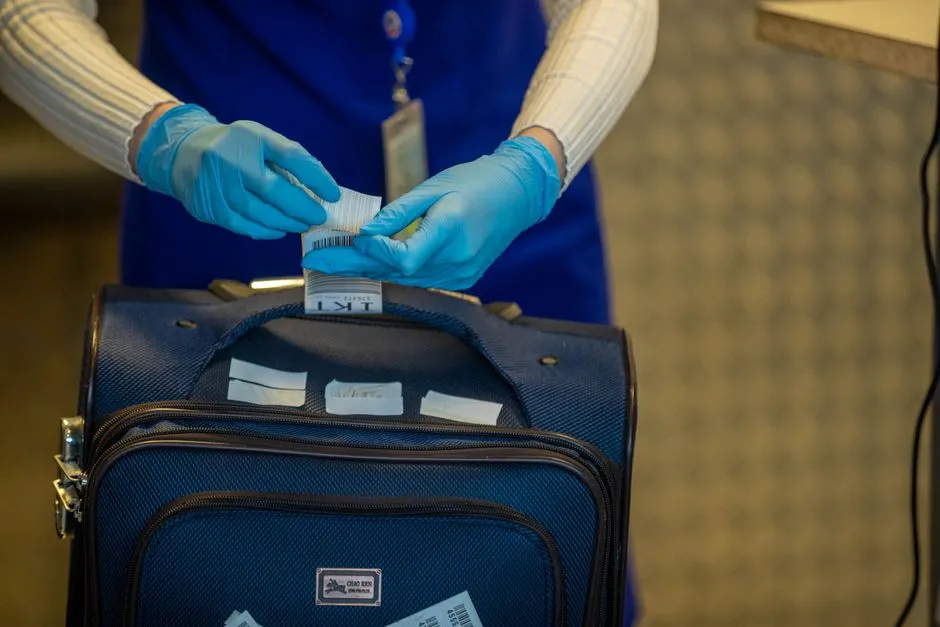
If your carry-on won’t fit in the overhead bin or the airline’s sizer, the gate agent will usually require you to check it, and you could have to pay a fee should it exceed that carrier’s size or weight limit. That’s among the most common gate-checking consequences, especially on full flights or smaller regional aircraft.
American Airlines announced in November 2024 that non-elite members might face fees for gate-checked bags, while previously gate checking was free. That policy shift moved gate-checking from an inconvenience into an outright financial penalty for many passengers.
You can reduce stress by removing essentials before handing over your bag. Keep medications, chargers, documents, and key belongings with you in a personal item. If a gate-check does happen despite your best efforts, having those items already in your personal bag means the experience stays manageable rather than disruptive.
The Shifting Gate Sizer Landscape at Major U.S. Carriers
In late 2025, American announced it was removing those frames from boarding gates to speed up boarding and cut confrontations, and by spring 2026, United had done the same across its network. A May 2026 report from Travel Off Path confirmed that both legacy carriers had cleared the cages from the gate area.
The motive is operations, not generosity. The slowest part of getting a plane airborne is boarding, and a single sizing standoff – where an agent stops the line, proves a bag does not fit, then prints a tag – stalls the whole cabin. Removing the frames makes boarding faster, not more lenient.
The disappearance of the metal cage is a small mercy, not a loophole. Pack to the real 22 by 14 by 9 inch limit, measure with the wheels on, and the friendlier gate works in your favor. Show up with a bag that belongs in the hold, and a quieter enforcement style will not save you from the fee.
Practical Steps to Take Before Your Next Flight
Measure the bag at home with wheels and handles included, use the lobby sizer if you are unsure, and board with your group to claim bin space. Boarding earlier in your group’s sequence matters more than most travelers realize – once the bins fill, even a perfectly sized bag can end up gate-checked simply for lack of space.
Pack essentials like your passport, medication, and chargers in your personal item in case of a forced gate-check. This is a simple habit, but it takes the sting out of the situation considerably. Losing access to your carry-on for a flight is far less stressful when everything you genuinely need is already around your shoulder.
Always check the specific airline’s policy before traveling, as limits vary by route and can change. Policies that were accurate six months ago may not reflect what a gate agent is enforcing today – a two-minute check on your carrier’s website before you pack is always time well spent.
The Takeaway
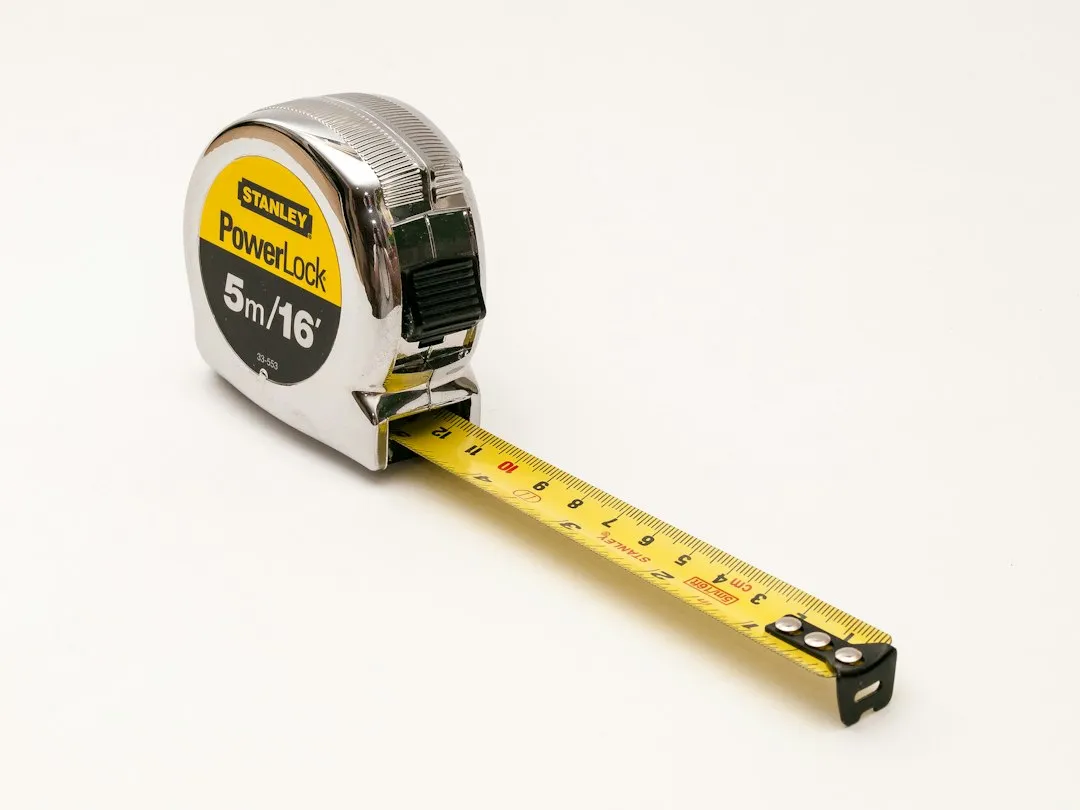
The overhead bin sizer is not the enemy – it’s just a frame that tells you the truth about your bag before someone else does it for you at the worst possible moment. The travelers who avoid surprise gate-checks aren’t packing lighter than everyone else; they’re simply measuring more carefully, using the tools available to them, and giving themselves a small margin of safety.
In a travel environment where fees keep rising and enforcement keeps tightening, a tape measure and sixty seconds at the lobby sizer box might genuinely be the smartest thing you pack.
AI Disclaimer: This article was created with the assistance of AI tools and reviewed by a human editor.