
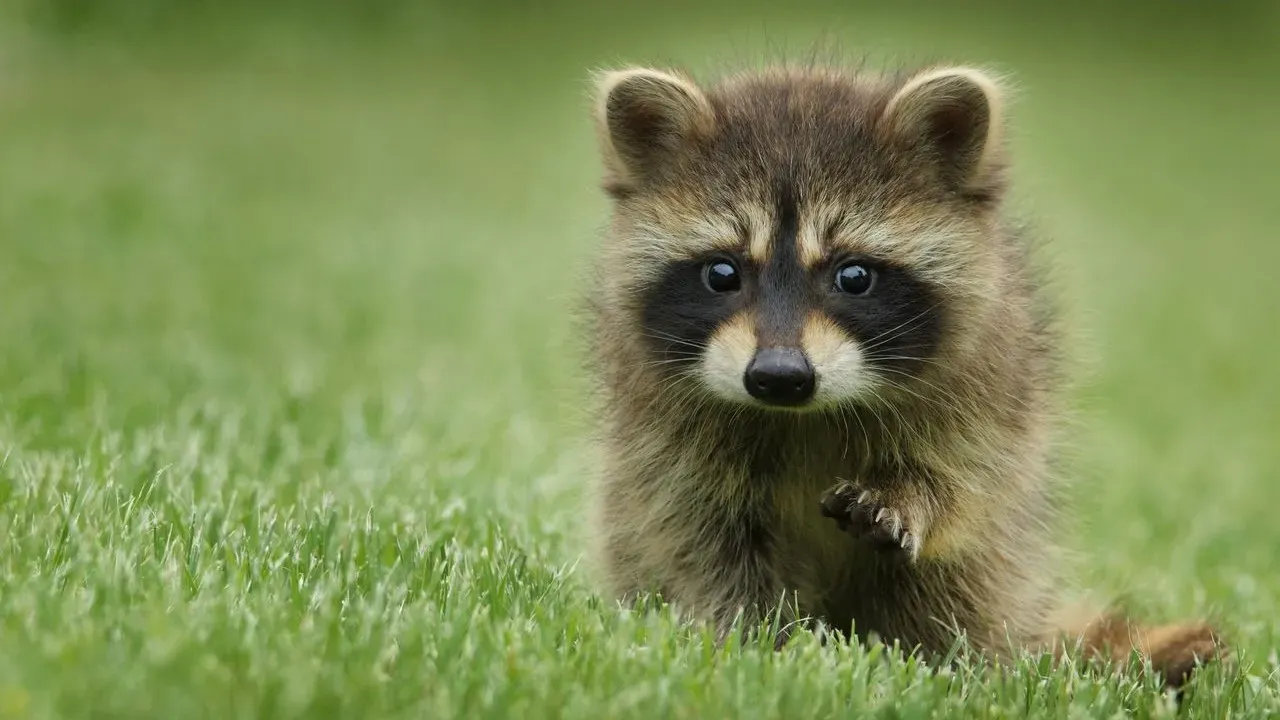

Pass Christian, Mississippi – Staff at Woodside Wildlife Rescue run a structured program that helps orphaned and injured raccoon kits develop the survival skills their mothers would normally teach. The effort takes place on a 20-acre property of meadows, forest, and ponds near the Gulf Coast. Dozens of kits arrive each year after storms, traffic incidents, or other separations leave them vulnerable. ([1])
From Shipboard Rescue to Full-Time Center
Founder Paula Woodside opened the rescue in 2019 after rehabilitating a single kit discovered aboard a merchant vessel. The former mariner now works with director Raquel Priest to answer calls from animal control and residents who find young raccoons in distress. They first attempt reunions with mothers when possible, then bring the animals into care. The youngest kits receive bottle feedings indoors for several weeks while they gain strength and receive vaccinations. Once ready, they move to outdoor enclosures on the rural site. This gradual transition allows the animals to adjust to natural surroundings while still receiving support from their human caregivers.
Lessons Taught Through Example and Practice
Rehabbers demonstrate foraging by hiding worms in soil and cracking open pine cones to reveal seeds. Kits quickly learn to dig and explore, often racing back to show their finds before defending them from siblings. A distinctive trilling call signals danger and sends the group scrambling up trees, while a whistle indicates safety. Additional exercises include shallow-water fishing practice, swimming sessions from kayaks on the pond, and supervised hunts with live quail. Staff also lead excursions into deeper woods so the raccoons can practice moving between trees to avoid aerial predators and ground threats such as snakes. These activities build coordination and confidence in a setting that mirrors the surrounding south Mississippi landscape. – Foraging and digging for hidden food
– Recognizing danger calls and climbing to safety
– Fishing and swimming in local waters
– Navigating forest cover to evade predators
– Avoiding human contact through final trap exposure
Graduation and Return to the Wild
After roughly six months, a volunteer who is not part of the daily team traps the kits to reinforce wariness of humans and traps. The animals are then released during a simple ceremony that includes the playing of “Pomp and Circumstance” and a roll call of each kit’s name. A local reverend offers a blessing as they enter a separate forested section of the property. Priest has described the releases as similar to watching children leave home, noting the satisfaction of seeing the raccoons return to their natural behaviors. Separate memorial observances honor any kits that do not survive. The process underscores the center’s focus on giving each animal the best possible chance at independence in its native habitat.
AI Disclaimer: This article was created with the assistance of AI tools and reviewed by a human editor.