

The Scale of Overtourism Has Become Impossible to Ignore
In 2024, Europe’s tourism numbers reached new heights, with foreign arrivals surpassing 2019 figures by a year-on-year increase of roughly twelve percent since 2023. That kind of growth sounds like a success story on paper, but inside overcrowded historic centers, it tells a more complicated story.
A staggering 36.9 million people visited Japan in 2024 alone, a nearly forty-seven percent increase compared to 2023. These are not just statistics. They translate into queues at sacred sites, housing pressures on locals, and ecosystems pushed to their limits.
The number of tourism taxes introduced in recent years in response to overtourism is notable, especially considering that the word “overtourism” was only added to the Oxford Dictionary in 2018. The speed of the policy response reflects just how quickly the pressure has intensified.
Venice: The City That Proved Border Taxes Work, at Least Financially
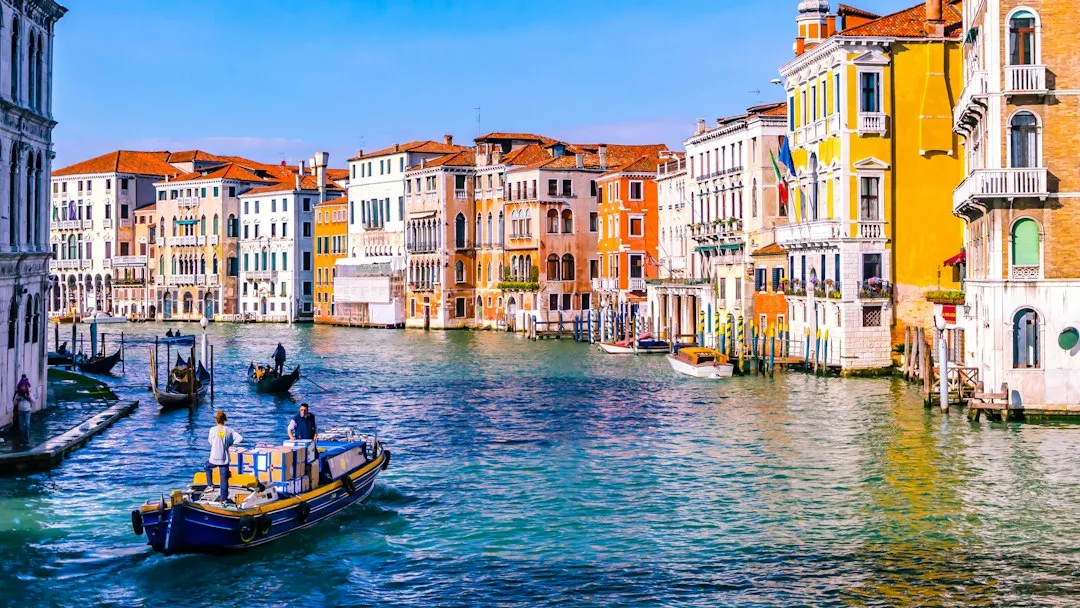
Venice ran a day-tripper tax pilot program charging visitors five euros from April through July 2024, and in total the city collected 2.2 million euros from the scheme. That’s a meaningful sum for a single season, though questions about whether it actually reduced crowding remained open.
Venice gained global attention in 2024 by introducing a five-euro daily access fee, which rises to ten euros for last-minute bookings. The tiered pricing is deliberate: it nudges travelers to plan visits in advance and discourages impulsive day trips during peak times.
Venice expanded its tourist tax programme in 2025, with the standard fee set at five euros for tourists who plan their visit in advance. For those who decide to visit spontaneously and book less than four days ahead, the fee rises to ten euros. The message is clear: thoughtful travel is rewarded, impulsive tourism costs more.
Amsterdam Goes Further: A Tax That Keeps Growing
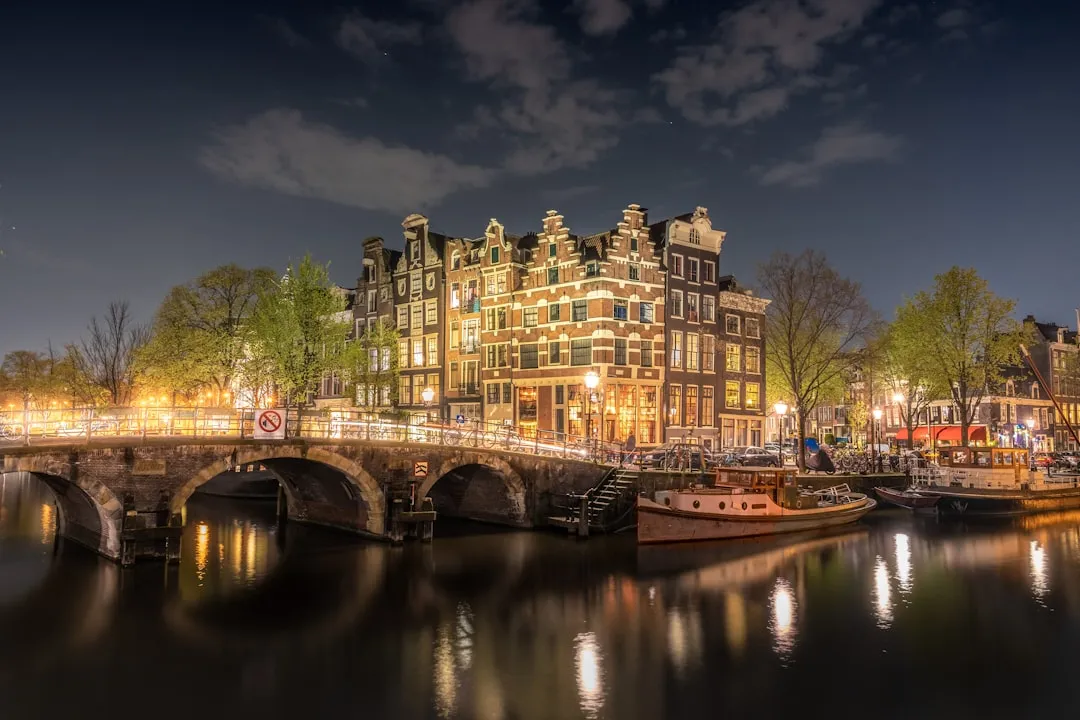
Amsterdam raised its tourist accommodation tax from seven percent to twelve-and-a-half percent of accommodation costs, meaning a hotel room costing 175 euros per night now carries a tax of around 21.80 euros per night. That puts it among the highest hotel-based tourist levies in Europe.
The twelve-and-a-half percent nightly tourism levy in Amsterdam represents a significant increase from the pre-pandemic level of seven percent. It reflects a conscious decision to use pricing as a tool for managing the volume and type of visitors the city attracts.
Intra-European travel dominates at eighty-five percent of all international visitors to the European Union, exerting significant pressure on the region’s most iconic destinations. When the visitors are mostly your neighbors, gentle deterrents need to be meaningful enough to actually shift behavior.
New Zealand: Conservation at the Border

New Zealand dramatically increased its International Visitor Conservation and Tourism Levy from NZ$35 to NZ$100 in 2024, with the fee applied at entry and funds directed toward conservation projects and tourism infrastructure development. Few other countries have been this explicit about the link between entry fees and environmental protection.
The levy underscores New Zealand’s commitment to sustainable tourism, especially in areas heavily frequented by international tourists. The country has consistently positioned itself as a destination that values the quality of the visitor experience over sheer visitor volume.
In July 2024, the New Zealand government also targeted the cruise industry, hiking border processing fees for cruise ship guests by an amount equivalent to an eighty-eight percent increase. The cruise sector, which delivers high visitor numbers with relatively low per-person spending on land, has come under increasing scrutiny in multiple destinations.
Bhutan’s Long-Standing Precedent: Quality Over Quantity

After two years of pandemic-era restrictions, Bhutan raised its daily tourism fee to $200 per day, part of a strategy to attract a low volume of wealthy travelers that the country has maintained since opening its borders in 1974. No country in the world has applied this philosophy as consistently or as deliberately.
As of September 2023, Bhutan charges $100 per day for visiting adults and $50 per day for children aged six to twelve, an effort to increase tourist numbers while still reaping economic benefits. Even at the reduced rate, the daily fee remains one of the highest entry-related tourism costs anywhere on Earth.
Bhutan, a country that uses a Gross National Happiness index which emphasises sustainability, charges a mandatory sustainability tax of $100 per adult per night. The philosophy embedded in that number is as important as the number itself.
Spain: Where Local Frustration Has Driven Policy Change

Beginning in April 2024, protests erupted across Spain against overtourism, specifically in the Balearic Islands, the Canary Islands, and in mainland cities including Barcelona, San Sebastián, and Málaga. These were not fringe events. Tens of thousands of residents took to the streets.
Spain now has some of the highest tourist taxes in Europe, particularly in Catalonia, where cruise passengers arriving in Barcelona pay six euros and twenty-five cents per person, while luxury hotel guests face a seven-euro-per-night tax, up from three euros and fifty cents in 2024.
Overtourism drives inflation and rising living costs, increases local taxes for infrastructure, and leads to the erosion of local culture and heritage, vandalism of cultural sites, and displacement of traditional businesses that cater to locals. The taxes are, in part, a political response to those lived realities.
The UK and Europe’s Digital Entry Systems: A New Kind of Border Fee
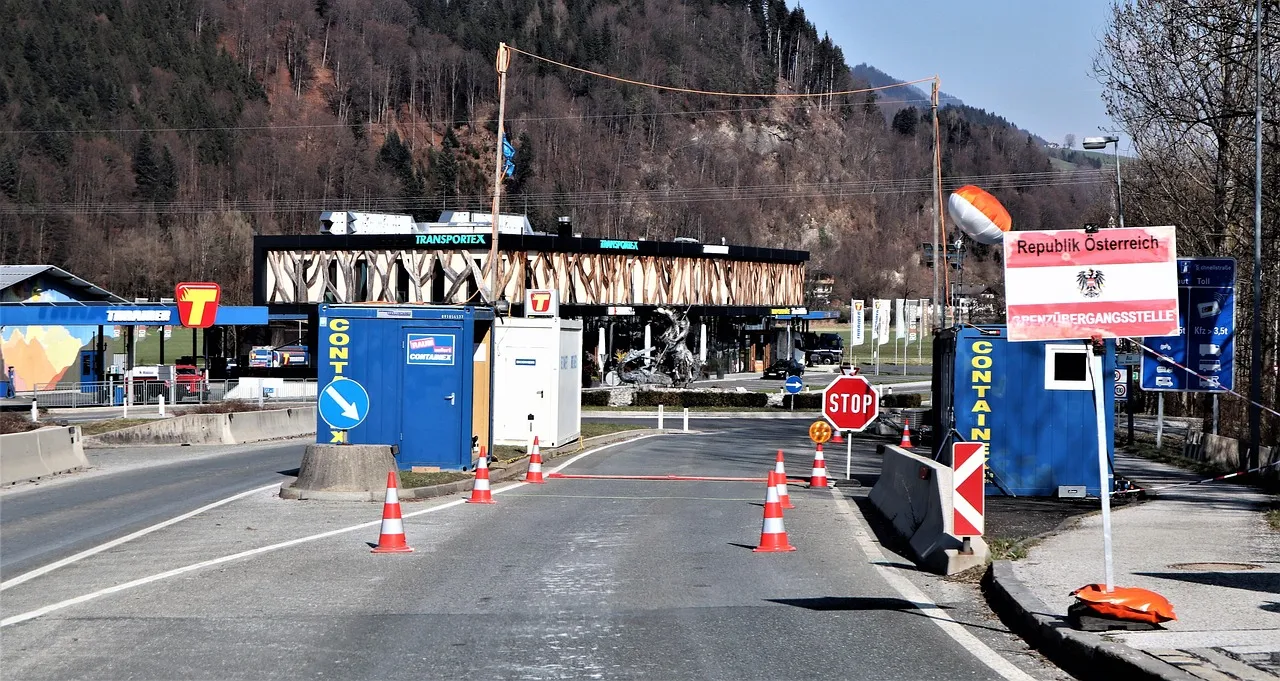
In April 2025, the UK introduced a new Electronic Travel Authorisation requiring visitors from the US, Europe, Australia, and Canada to apply and pay for entry into the country. While officially framed as a security measure, it functions in practice as a fee paid at the point of pre-entry.
The ten-pound digital permit allows multiple entries for up to six months over two years, effectively functioning as a tourist tax. The initiative is designed to enhance security and streamline travel for millions of visitors annually.
Starting in 2025, non-EU residents without special visa requirements entering Europe need to register through the European Travel Information and Authorization System (ETIAS), an electronic visa waiver for people from the US, UK, Canada, Australia, and others, at a cost of around seven euros per person. The border fee, in its many forms, is becoming a standard part of international travel.
Norway and Iceland: Nature-Based Economies Protecting Their Greatest Assets

A record-breaking 38.6 million people booked accommodation in Norway in 2024. In response, a new tax received parliamentary approval allowing individual municipalities to charge a three percent tax on overnight stays. The flexibility given to municipalities reflects the varied pressures across different parts of the country.
From January 2024, Iceland reintroduced its pre-pandemic accommodation tax and extended it to cruise passengers, with the fee set at around four euros per bed or room, and 6.63 euros per cruise passenger. Iceland is a destination where the natural landscape itself is the draw, making its protection directly tied to the tourism product.
The aim is to tackle overtourism, and in a country with a relatively small permanent population, even modest visitor volumes can strain fragile ecosystems and rural infrastructure significantly.
Thailand’s Long Road to a Border Fee
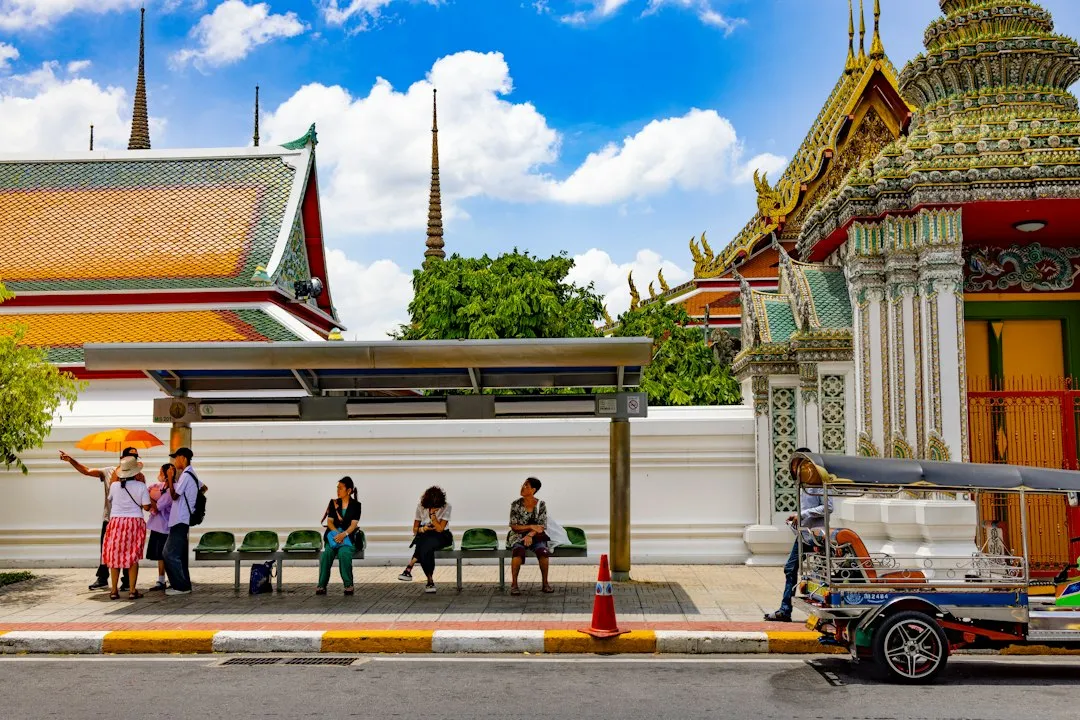
On August 14, 2026, Thailand’s National Tourism Policy Board approved in principle a fee of 450 baht per foreign tourist. The journey to that approval has been unusually long and has revealed the real tensions governments face when designing these policies.
Of the fee collected, a portion is designated to fund medical and accident insurance covering visitors from the moment they enter the country, while the remainder goes toward tourism infrastructure improvements, public amenities, and visitor safety systems. That dual structure tries to answer the question travelers always ask: what do I actually get for this?
As of late August 2026, the proposal is in a thirty-day public consultation period, and only after that closes does the process move to Cabinet approval and publication in the Royal Gazette, with collection able to begin only 180 days after that publication, putting realistic air-arrival collection at early-to-mid 2027 at the earliest. Thailand’s caution is partly explained by softening visitor numbers: arrivals slipped to roughly 33 million in 2025 from 35.5 million in 2024.
Do These Taxes Actually Work?
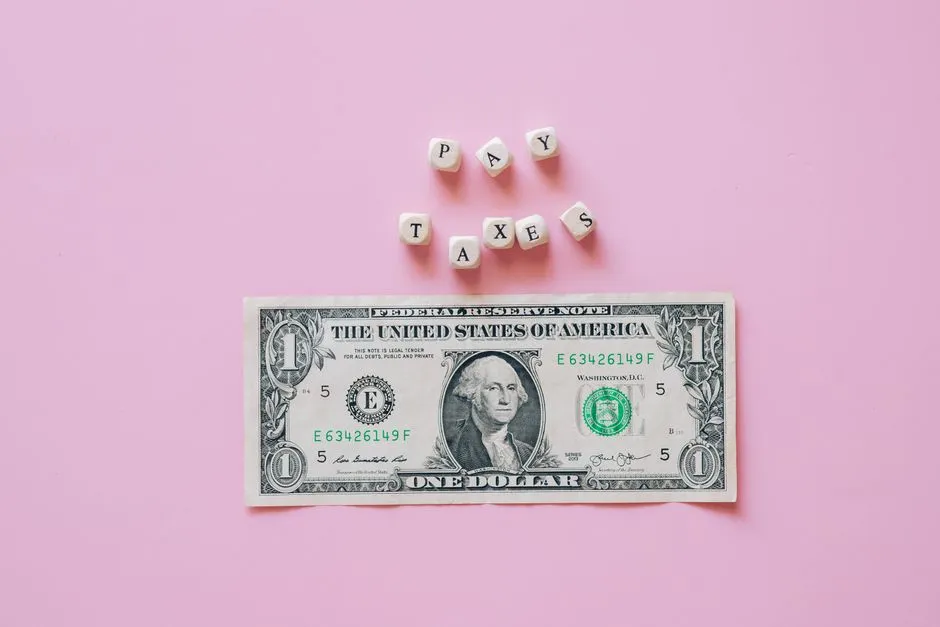
Over the past year, destinations across the world implemented various measures to bring down visitor numbers, including higher tourist taxes and bans on short-term rentals, yet many places still recorded record visitor numbers and travel demand continued to rise in 2025. The honest answer, then, is complicated.
Responding to public concerns about overtourism is a genuine challenge for governments, and effective tourism taxes need to find the right balance between the economic benefits and the potential negative effects that tourism brings. A fee too low to change behavior may still raise useful revenue. A fee too high could harm smaller operators and budget travelers disproportionately.
In 2025, European countries continue to prioritize tourist taxes, visitor caps, and short-term rental bans as key measures to address overtourism, in an effort that underscores a united desire to safeguard cultural heritage and support local communities amid rising travel demand. Whether taxation alone can reshape tourism patterns remains genuinely open, but governments are clearly willing to keep experimenting.
The Takeaway for Travelers
AI Disclaimer: This article was created with the assistance of AI tools and reviewed by a human editor.